
Home » November 22, 2025
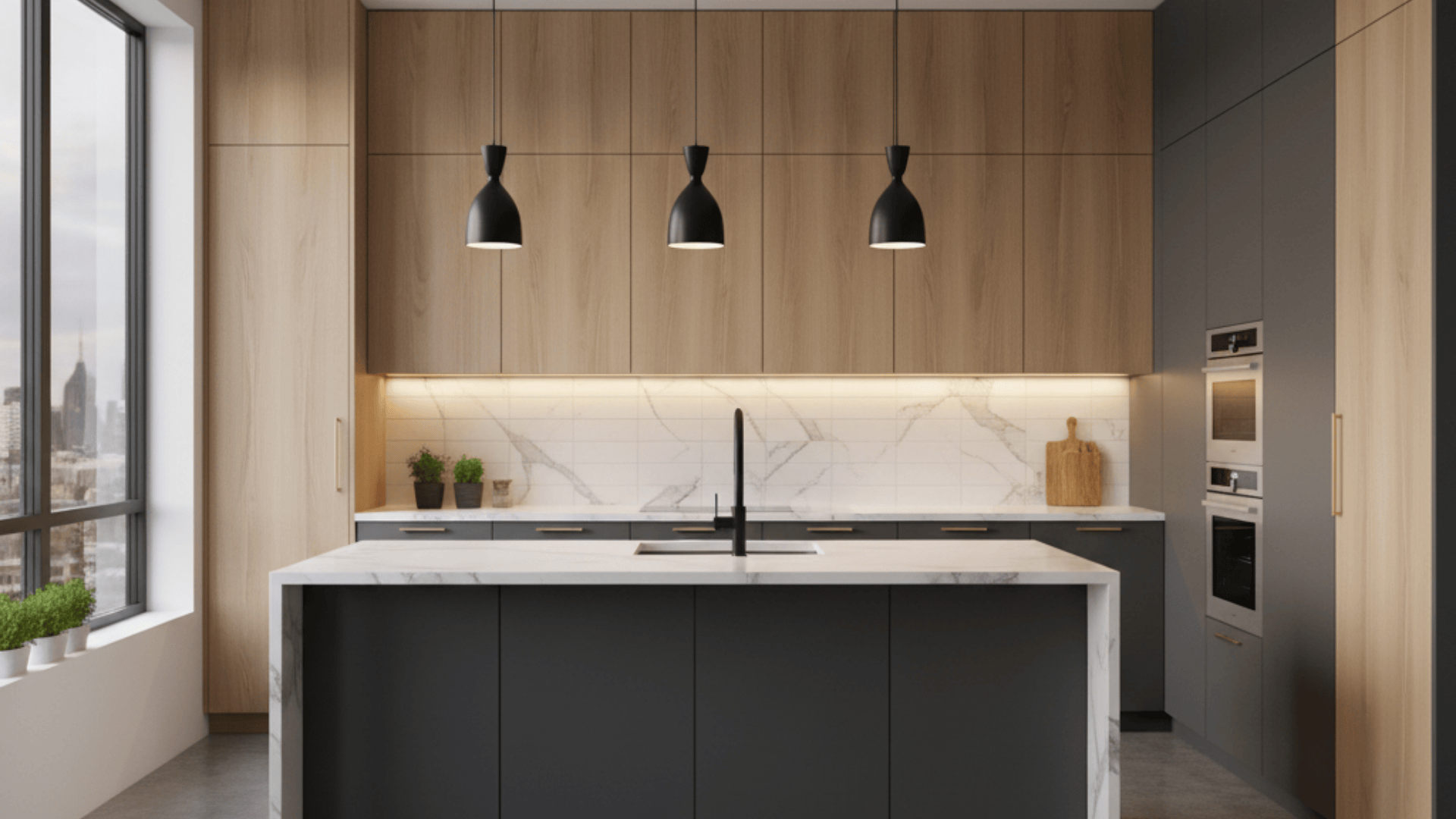
Cabinet styles bring structure and character to a room, shaping both its look and how it functions day to day. They mix construction, door
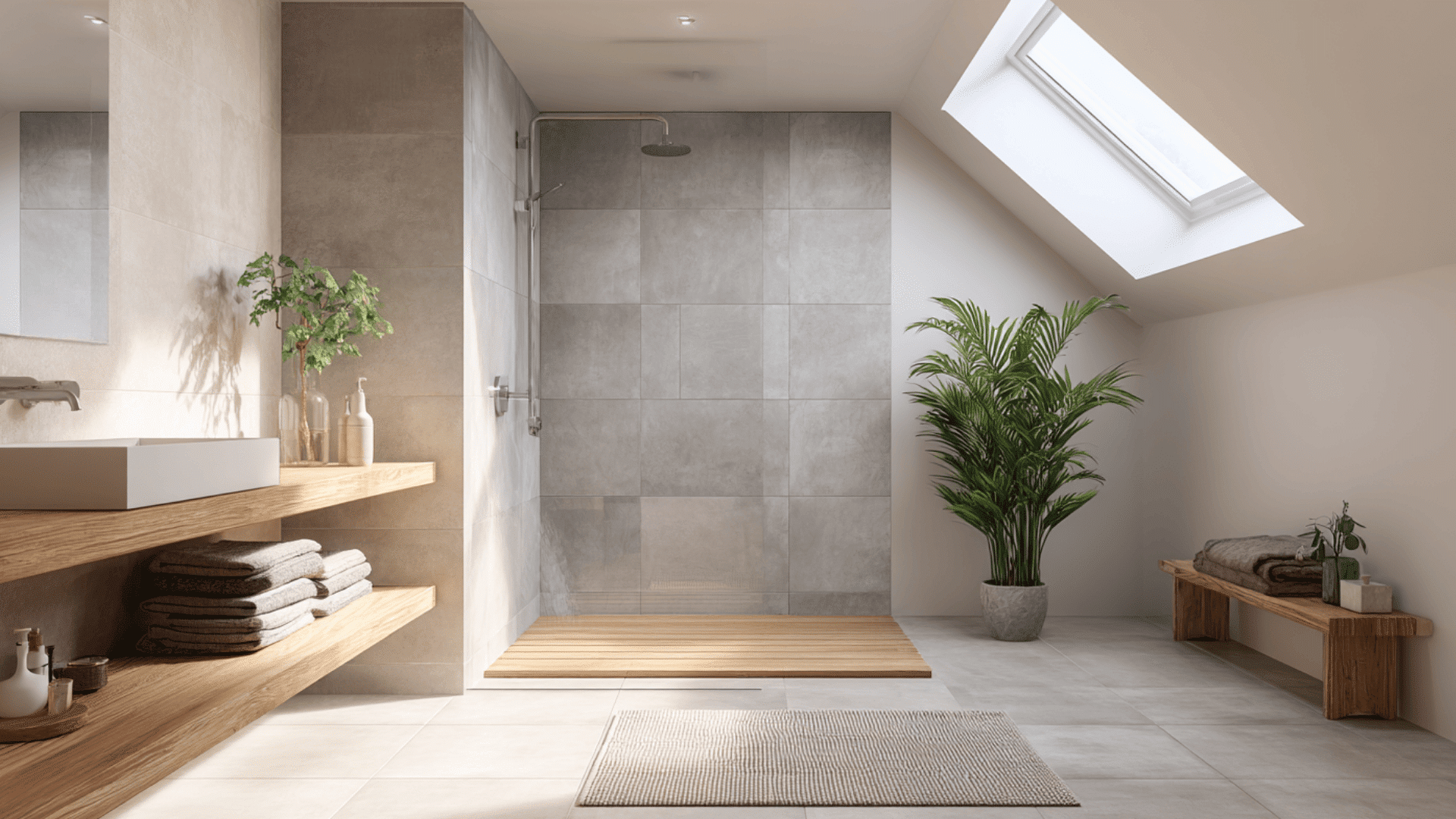
There’s something about an open, doorless shower that instantly makes a bathroom feel calm and inviting. It blends comfort, simplicity, and modern design in a way that fits almost any space. In this blog, you’ll find creative doorless walk-in shower

When I started planning my walk-in tile shower, I learned that tile changes everything. It defines the mood, adds texture, and sets the tone for the whole bathroom. If you’ve been searching for walk-in shower tile ideas, you already know how many options there are. Some make small spaces feel larger, while others create warmth or luxury. I’ve gathered some unique walk-in shower tile ideas that focus on structure, pattern, and style, not just color. Each idea is simple, modern, and easy to picture in your own home. Why Tile Design Defines a Walk-In Shower Tile design plays a major role in shaping the overall feel of a walk-in shower. The pattern, texture, and layout you choose can transform the space, making it look taller, wider, or more balanced. Structured designs like herringbone, stacked lines, or lattice patterns add movement and guide the eye, while textured tiles bring depth and a more grounded, spa-like feel. Even small choices, like tile size, grout color, or orientation, can shift the mood from modern to classic or from calm to dramatic. With the right tile design, a walk-in shower becomes both visually striking and uniquely personal. Walk-In Shower Tile Ideas for Every Style These ideas go beyond surface color. Each one uses different layouts, forms, or finishes to build personality, comfort, and visual depth into your bathroom design. 1. Diamond-Lattice Ceramic Wall Tile Diamond-lattice tiles form an elegant geometric grid that adds refined depth to any shower wall. The interlocking pattern reflects light softly without overpowering the design. They’re perfect for modern or transitional spaces, pairing well with matte fixtures and soft lighting to create balanced visual texture. 2. Fluted Vertical Porcelain Panels Fluted panels with vertical ridges add rhythm and height, giving a shower wall sculptural beauty. The grooves cast subtle shadows […]
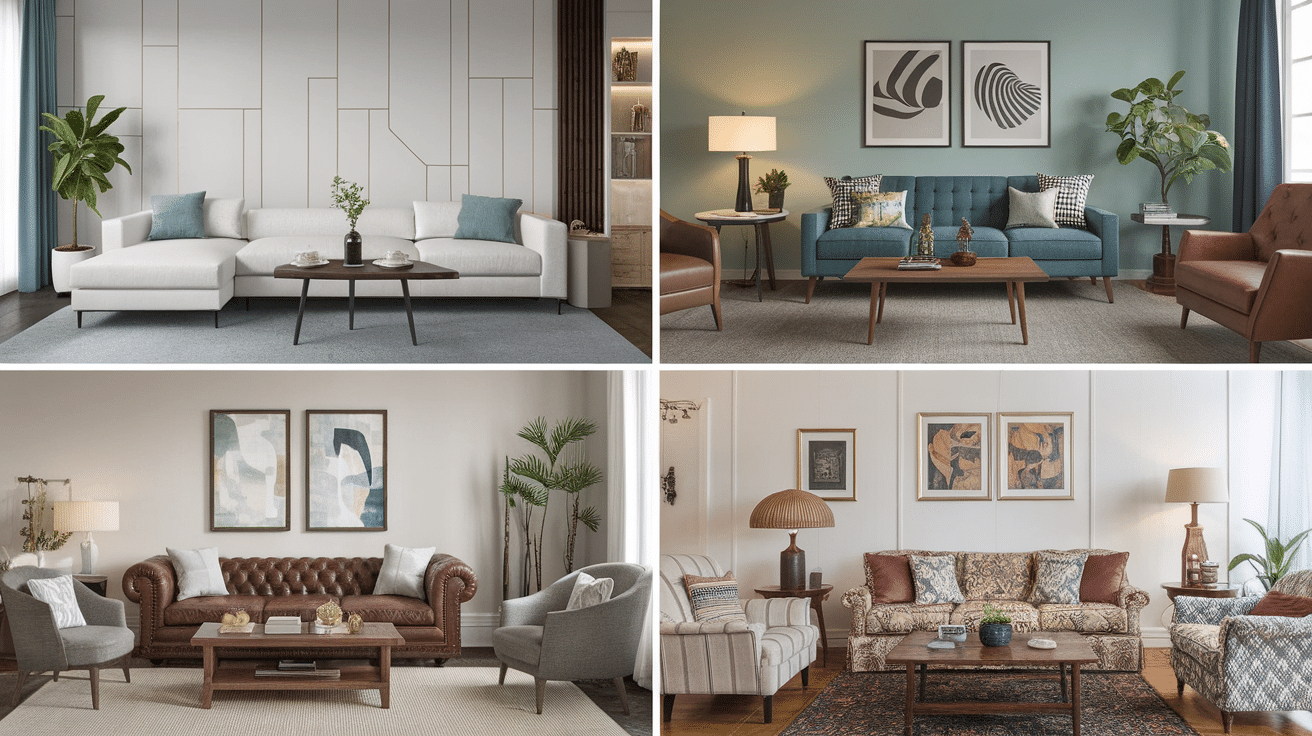
The furniture styles you choose set the mood and personality of your home. From the warmth of rustic wood to the clean look of modern lines, every piece adds to how a space feels and functions. Understanding furniture styles helps you recognize what fits your taste, lifestyle, and space size. This guide is designed to help you easily spot key features, compare traditional and modern looks, and create a home that reflects your style while staying comfortable and functional. What Are Furniture Styles? Furniture styles are design categories that show how a piece looks, feels, and functions. Each style has its own identity shaped by time, culture, and craftsmanship. A furniture style is usually defined by the materials used, the shapes that form its silhouette, and the cultural influences that inspire its design. For example, mid-century modern furniture features clean lines and wooden legs, while Victorian furniture is ornate with carved details and rich fabrics. Visuals like a simple “Style DNA” infographic can help show how these elements come together to create a distinct look. Types of Furniture Styles Furniture styles are often grouped into broad families based on their design history and visual identity. Each family has a signature look, defined by materials, color, and shape. 1. Victorian Victorian furniture is elegant and dramatic, featuring carved wood, dark finishes, and plush fabrics like velvet or brocade. Each piece feels grand and ornamental, often with tufted upholstery, rich curves, and ornate trims that make a bold statement. This style reflects the grandeur of the 19th century and works best in spaces that celebrate history, luxury, and refined charm. 2. Queen Anne Queen Anne furniture feels graceful and light, with gentle curves and cabriole legs. It often uses walnut or cherry wood with subtle carvings. Chairs and tables showcase a delicate […]
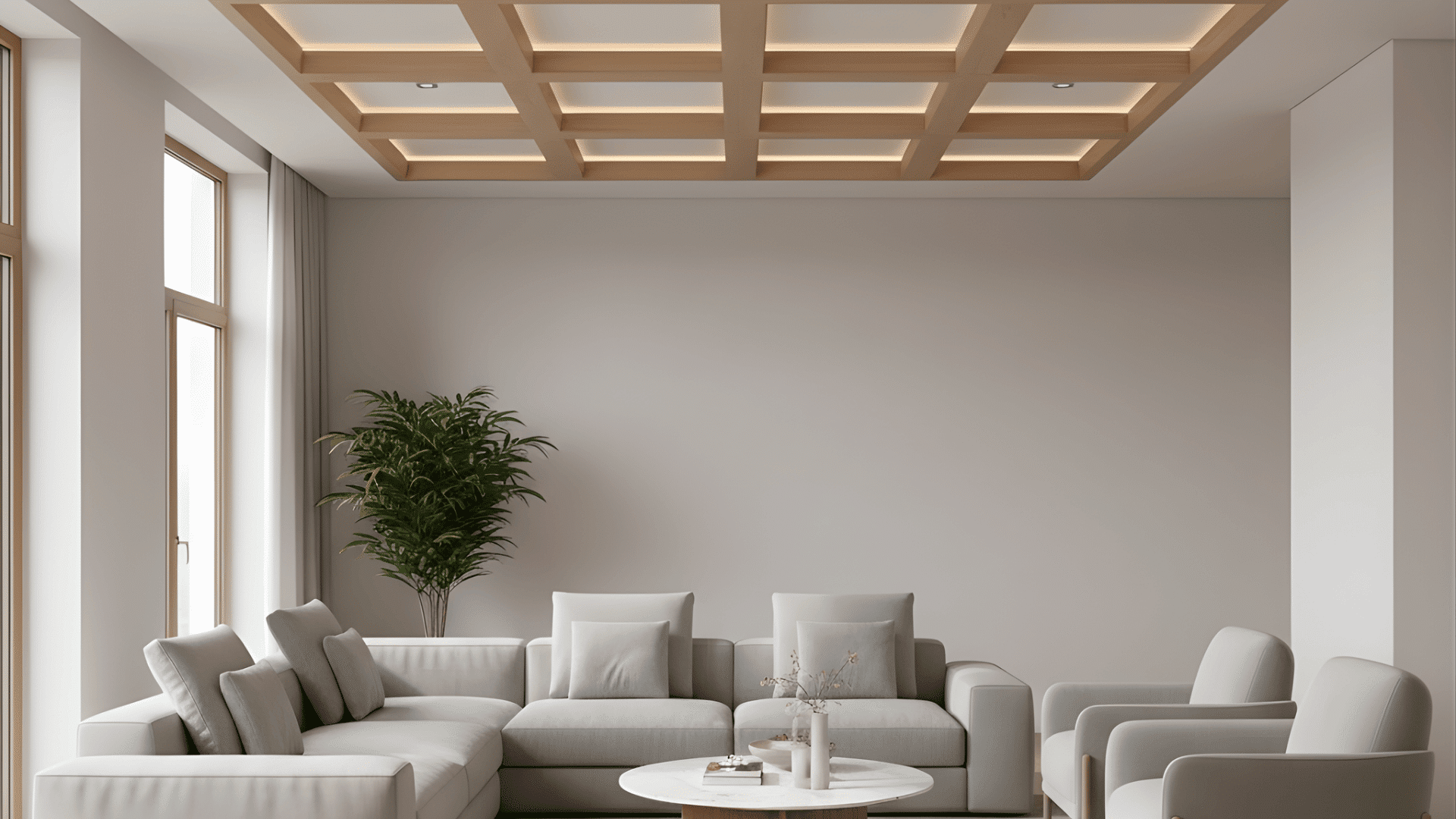
If you’ve ever looked up and felt your ceiling needed a spark of personality, decorative ceiling beams ideas might be exactly what your space is missing. They have a way of transforming a plain room into something warm and inviting without much effort. In this guide, I’ll share fresh ideas and smart insights to help you see just how much impact the right beam design can make. From simple upgrades to bold features, you’ll find inspiration that fits your style and keeps you curious for what’s next. Why Decorative Ceiling Beams Elevate Your Space Decorative ceiling beams do more than fill empty overhead space; they bring a room to life. They add texture and warmth, creating that cozy feeling you notice the moment you walk in. Beams also add architectural interest, breaking up flat ceilings and giving your home more dimension. What’s great is how versatile they are- you can work them into any style, from modern and rustic to coastal or traditional. It’s a small detail that makes a big difference. Best Decorative Ceiling Beam Ideas Decorative ceiling beams can completely change the way a room feels. They bring texture, depth, and visual balance to any space. The ideas below cover a wide range of styles to help you find the perfect match for your home. Rustic and Farmhouse Ceiling Beam Ideas Rustic and farmhouse beams add warmth and natural texture to any room. They create a grounded, timeless look that fits perfectly in cozy country-style interiors: 1. Hand-Hewn Reclaimed Wood Beams Hand-hewn reclaimed beams showcase natural imperfections that tell a story. Each piece has unique marks from old tools, giving ceilings an authentic farmhouse look. The weathered texture pairs beautifully with neutral walls, vintage lighting, and shiplap details. This style works best in living areas where you want […]
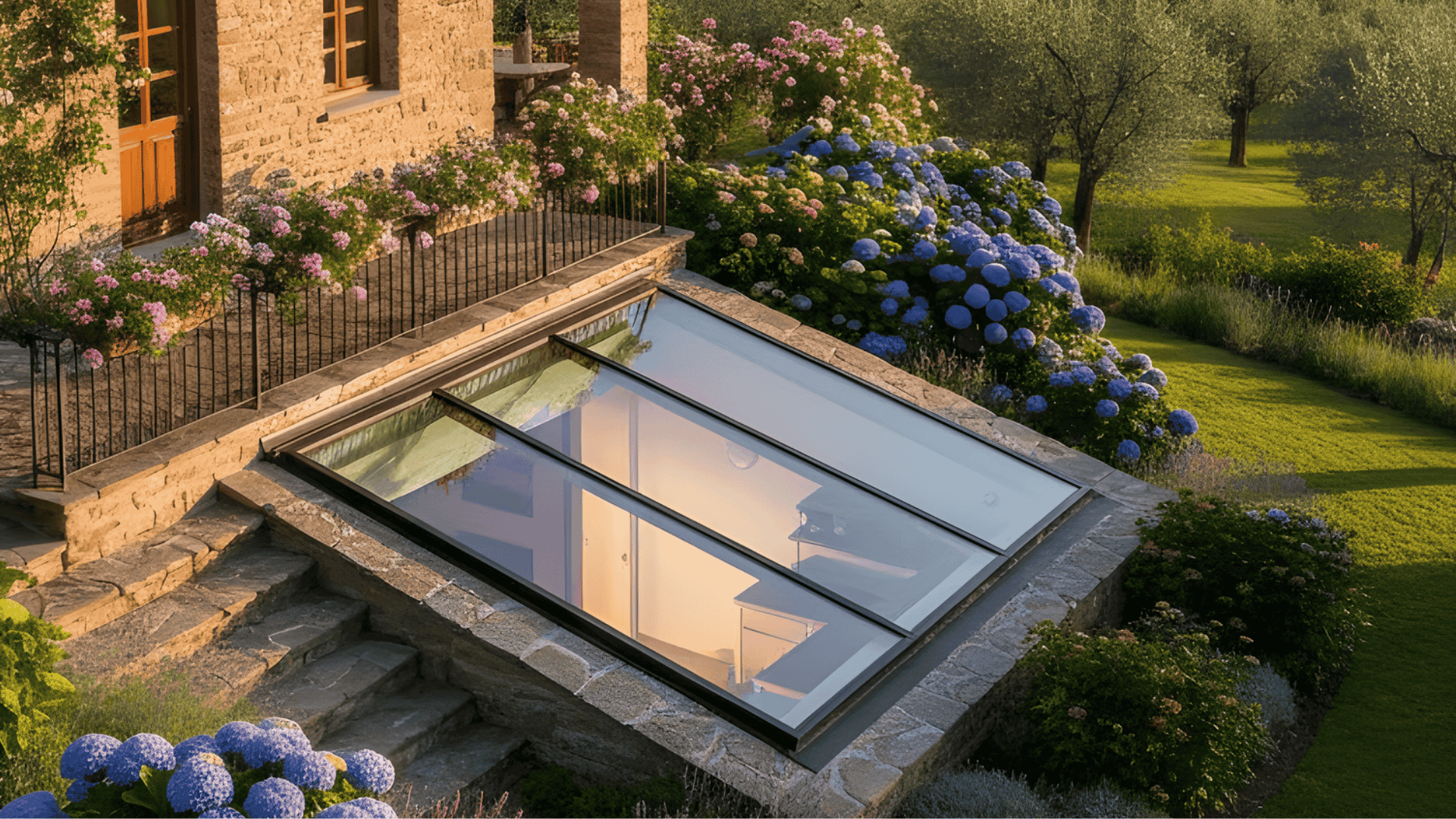
If you’ve ever looked at your basement or bedroom window and wondered if it’s truly safe or up to code, you’re not alone. Many homeowners overlook how much the minimum egress window size matters until it becomes a safety or inspection issue. Here, I’ll help you understand what really defines a proper egress window and why it plays such an important role in your home’s safety and compliance. What is an Egress Window? An egress window is a window that’s large enough for a person to climb out of during an emergency, like a fire. It also allows firefighters or rescuers to enter the home if needed. The term “egress” simply means a safe way to exit. Egress windows are most common in bedrooms, basements, and finished living areas. In these spaces, they act as a second escape route when doors are blocked or unsafe to use. Unlike regular windows, egress windows must meet building code size and opening requirements and open easily without tools. Why It Matters Fire safety: Gives people a quick, safe exit route when doors are blocked. Rescue access: Let firefighters or rescuers enter easily during emergencies. Code compliance: Helps your home meet local and national building standards. Inspection approval: Building inspectors carefully inspect egress windows before signing off on new construction or remodels. Remodeling importance: If you’re finishing a basement or bedroom, proper egress sizing ensures both safety and legal compliance. Getting the right size window isn’t just about passing inspection; it’s about protecting everyone in the home when every second counts. Building Code Requirements for Egress Windows Egress windows must follow specific building code standards to ensure safety and easy exit during emergencies. These rules come from the International Residential Code (IRC) and are often adjusted slightly by local authorities. International Residential Code (IRC) […]
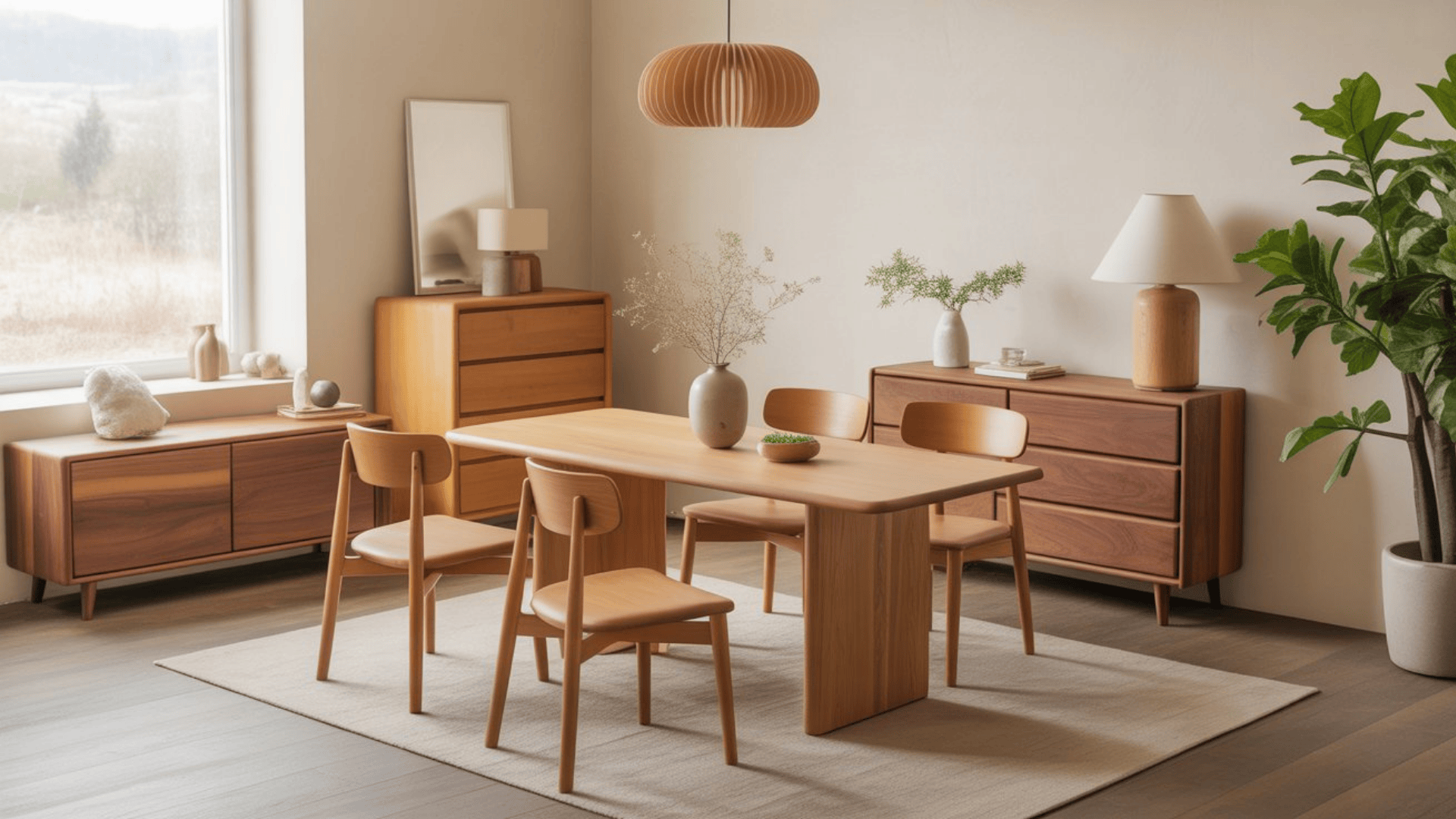
Have you ever wondered why some furniture lasts for generations while others barely make it a few years? It usually comes down to the type of wood and how it’s built. Different woods have unique grains, colors, and strengths that shape how furniture looks, feels, and ages. Knowing these differences helps you spot real quality and avoid short-lived pieces. In this post, you’ll learn how to recognize good wood and choose furniture that’s durable, stylish, and sustainable. By the end, you’ll know exactly what makes a piece worth bringing into your home. Understanding Furniture Wood Basics Before choosing wood for furniture, it helps to understand the main types and what makes them distinct. Wood generally falls into two categories: solid wood and engineered wood. Solid wood is cut directly from trees and is known for its strength and natural beauty. Engineered wood, such as MDF or plywood, is made from wood fibers or layers for better stability and lower cost. Wood also falls into two categories: hardwood (oak, walnut, maple) and softwood (pine, fir, cedar). Hardwoods are tougher, while softwoods are lighter and easier to shape. Main Types of Wood Used in Furniture Furniture can be made from many types of wood, each offering a unique look, strength, and cost. 1. Oak Wood Oak is strong, dense, and long-lasting. It has a prominent grain and light to medium brown tone that fits both rustic and modern furniture. Because of its durability and resistance to wear, it’s often used for dining tables, flooring, and cabinets. Oak is slightly heavy but ages beautifully over time. 2. Walnut Wood Walnut is dark, rich, and smooth with a fine, straight grain. It’s a favorite for luxury furniture like desks, shelves, and bed frames. Known for its strength and refined look, walnut maintains stability even […]

Your dishwasher works hard every day, tackling grease, grime, and food residue. But over time, even the best machines need a little care to stay efficient. Knowing how to clean dishwasher parts properly doesn’t just make it look better; it helps your dishes come out spotless, reduces odors, and prevents clogs. With the right steps, you can restore water flow, improve performance, and even extend your appliance’s lifespan. Today, I’ll walk you through the essentials, from what supplies to use to simple cleaning methods that keep everything running smoothly. So, let’s get started. Why Cleaning Your Dishwasher Matters A clean dishwasher does more than just look nice. It helps your machine run better and last longer. Over time, grease, soap scum, and food particles can build up in the filter, spray arms, and seals. This buildup blocks water flow and lowers the cleaning power. When your dishwasher starts smelling, leaves cloudy streaks, or dishes come out dirty, that’s a sign it needs a deep clean. Regular maintenance keeps the water jets clear, prevents mold, and reduces odors. It also improves energy efficiency and helps your dishwasher perform like new for years. Tools and Materials You’ll Need White vinegar, dish soap, and microfiber cloth: For basic cleaning and wiping surfaces. DIY cleaning mix: Combine one cup of vinegar, one cup of water, and one teaspoon of dish soap in a spray bottle. Sink or tub with warm water: Use it to soak the filter and bottom tray. Toothbrush or soft brush: Perfect for scrubbing edges, seals, and corners. Flathead screwdriver: Helps remove the vent cover, if your model has one. Commercial cleaner (optional): Use brands like Finish or Affresh for a stronger clean instead of vinegar. Safety note: Never mix chemicals or bleach. Use one cleaner at a time to prevent […]

Get the latest home decor tips, DIY ideas, and design inspiration delivered straight to your inbox.