
Home » Outdoor
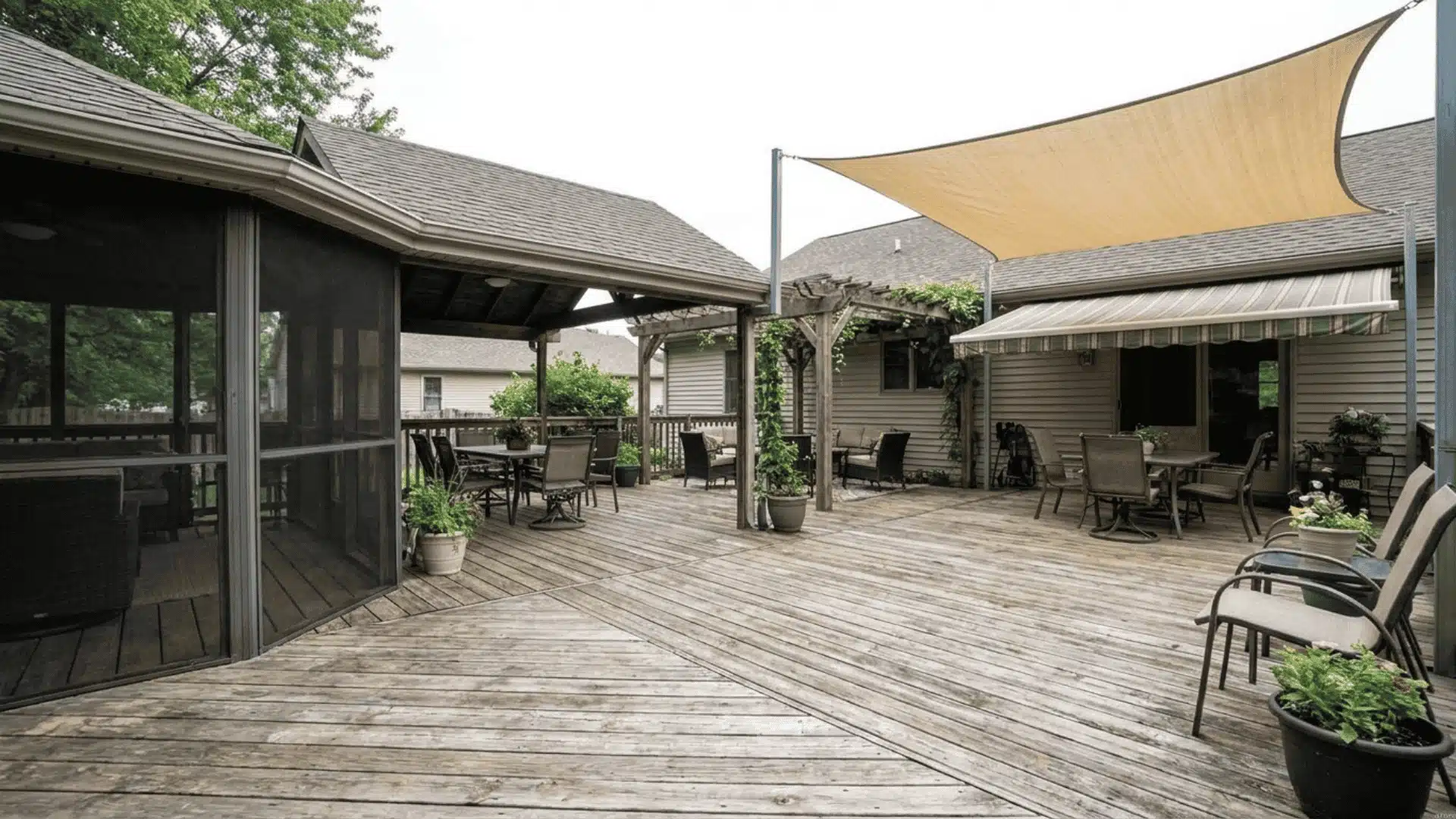
A deck should feel useful on more than perfect weather days. The right cover can add shade, block light rain, protect furniture, and turn
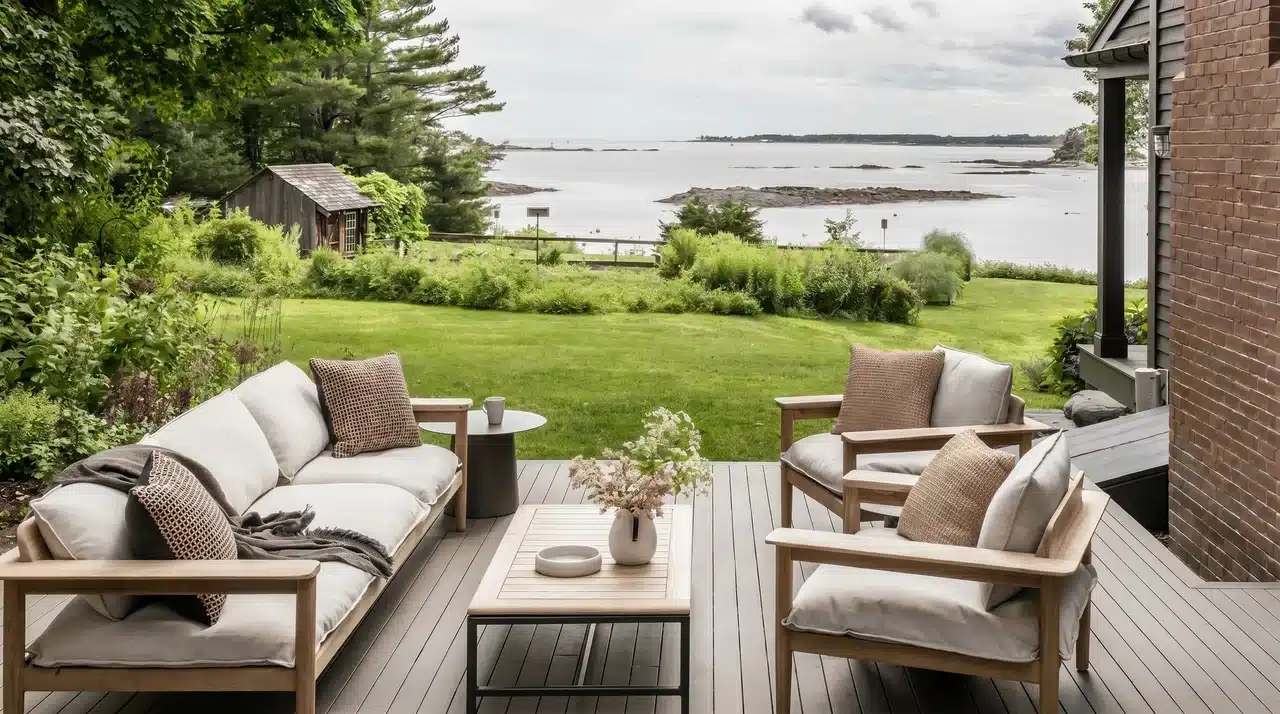
A deck can be more than a place for a few chairs and a grill. With the right mix of furniture, plants, colors, and lighting, it can feel like a natural extension of your home. I like starting with pieces
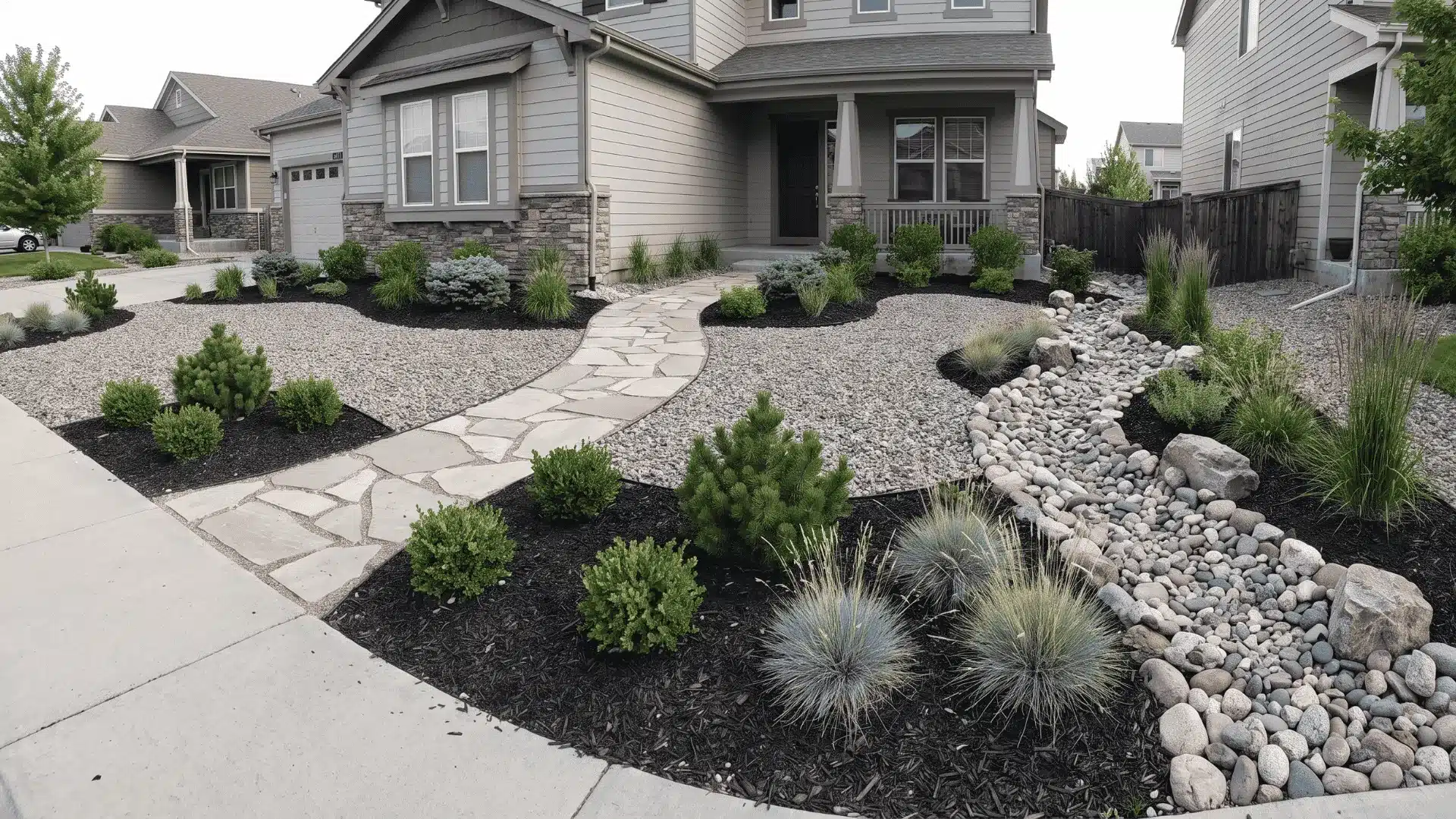
A front yard can look great without becoming a weekend job. I used to think a neat yard meant more grass, more trimming, and more time with a hose. But the right plants, ground covers, stones, and simple hardscaping can cut down on much of that work, and pairing these choices with broader garden landscaping ideas can help the whole property feel connected. Low-maintenance front yard landscaping is really about making choices that fit your climate, soil, sunlight, and available time. You can still have color, texture, and curb appeal without filling every corner with plants that need constant care. From drought-tolerant shrubs to gravel paths, small changes can make the whole yard easier to manage. What Actually Makes a Front Yard Low Maintenance? A low-maintenance front yard starts with choices that reduce repeated work. Cutting back on lawn in areas that are difficult to mow can save time, water, and effort. Choose plants that suit your local climate, soil type, sunlight, and moisture levels so they can grow well without extra care. Good drainage also matters, especially before adding pavers, gravel, or other hardscaping. Water should drain or soak into the soil properly instead of collecting around plants or beneath hardscape. Finally, use clear edges between grass, planting beds, gravel, and walkways. Defined borders help keep materials in place and make routine cleanup, mowing, and trimming easier. Low-Maintenance Front Yard Landscaping Ideas A low-maintenance front yard doesn’t have to look plain. The right mix of plants, hardscaping, and simple design choices can reduce the need for watering, mowing, pruning, and weeding while still giving your home great curb appeal. 1. Replace Grass With Decorative Gravel A gravel front yard removes one of the biggest maintenance jobs, mowing. It also reduces watering and works well in dry climates where keeping […]
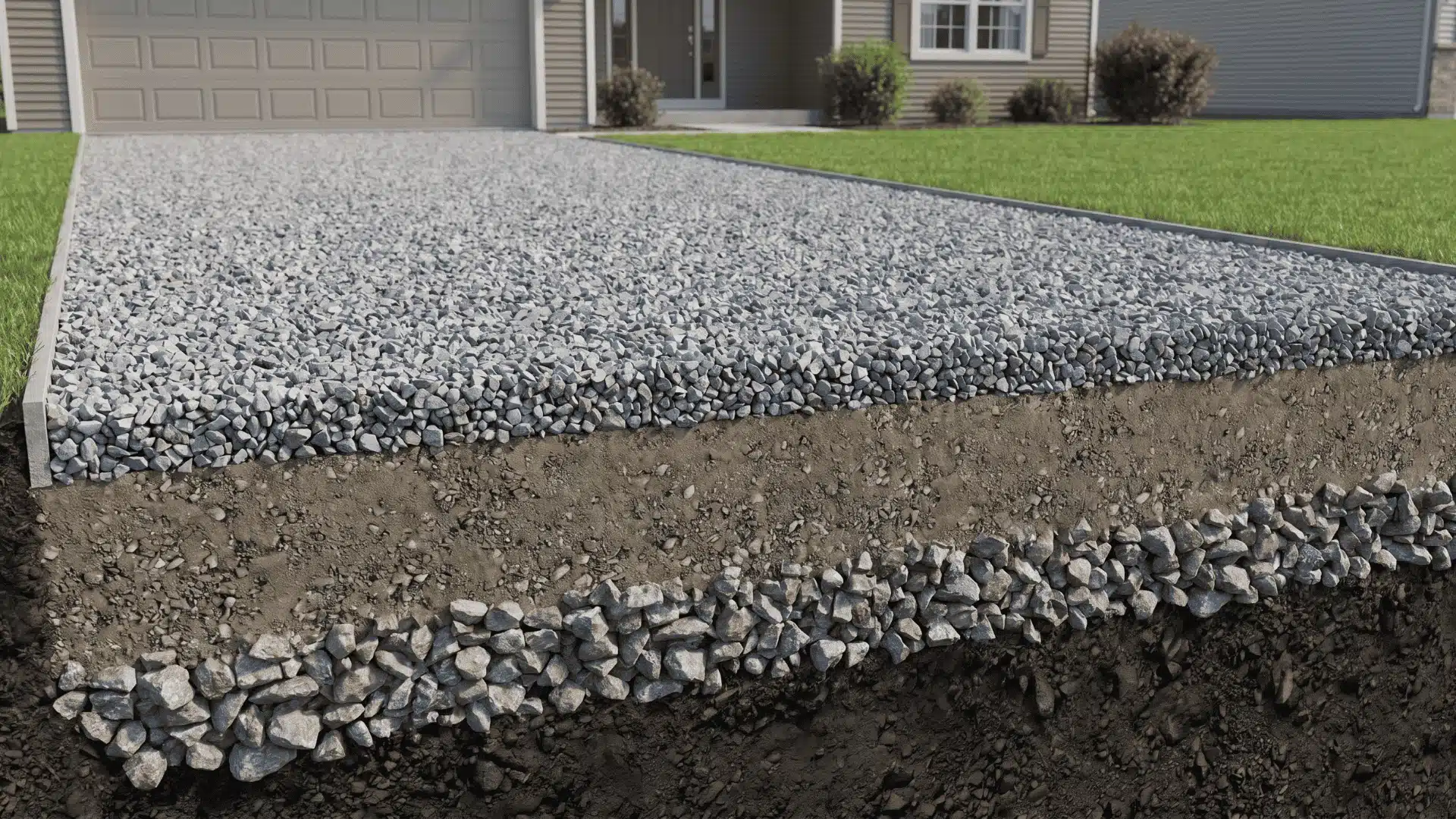
Choosing the best gravel for driveway projects is not just about picking the stone that looks clean or costs less. Some gravel locks together and holds firm under cars, while other types shift, roll, and leave ruts after rain. The real difference comes from stone shape, layer depth, drainage, and how well the base is prepared before the top layer goes down. I will help you understand which gravel works for each layer, what to avoid, and how to choose based on slope, budget, and traffic. First, let us look at why gravel type matters more than size. Why Gravel Type Matters More than Gravel Size? Particle shape matters more than size. Angular crushed stone locks together under vehicle weight, while smooth, rounded stone shifts instead. The difference becomes clear once vehicles start driving over it. Angular stone spreads the load across the surface as its jagged edges press together. Rounded stones like pea gravel and river rock roll instead, creating ruts over time. Size still matters, but it comes second. Even the right-sized stone won’t perform well if its shape can’t interlock. Compaction also depends on fines. Those fine particles fill the gaps between larger pieces and, with pressure and moisture, help bind the gravel into a firmer surface. Without them, the gravel stays loose. This matters even more on slopes. Angular stone resists sideways movement, while smooth stone gradually shifts downhill. Edging helps contain the gravel, but it can’t stop that movement on its own. Choose shape first, then choose size. I’ve found that’s what gives a driveway the best chance of staying stable over time. What’s the Best Gravel for Driveway Projects? For most driveways, crushed limestone or granite built in three layersis the best gravel for driveway projects: coarse angular stone for the base, crusher run […]
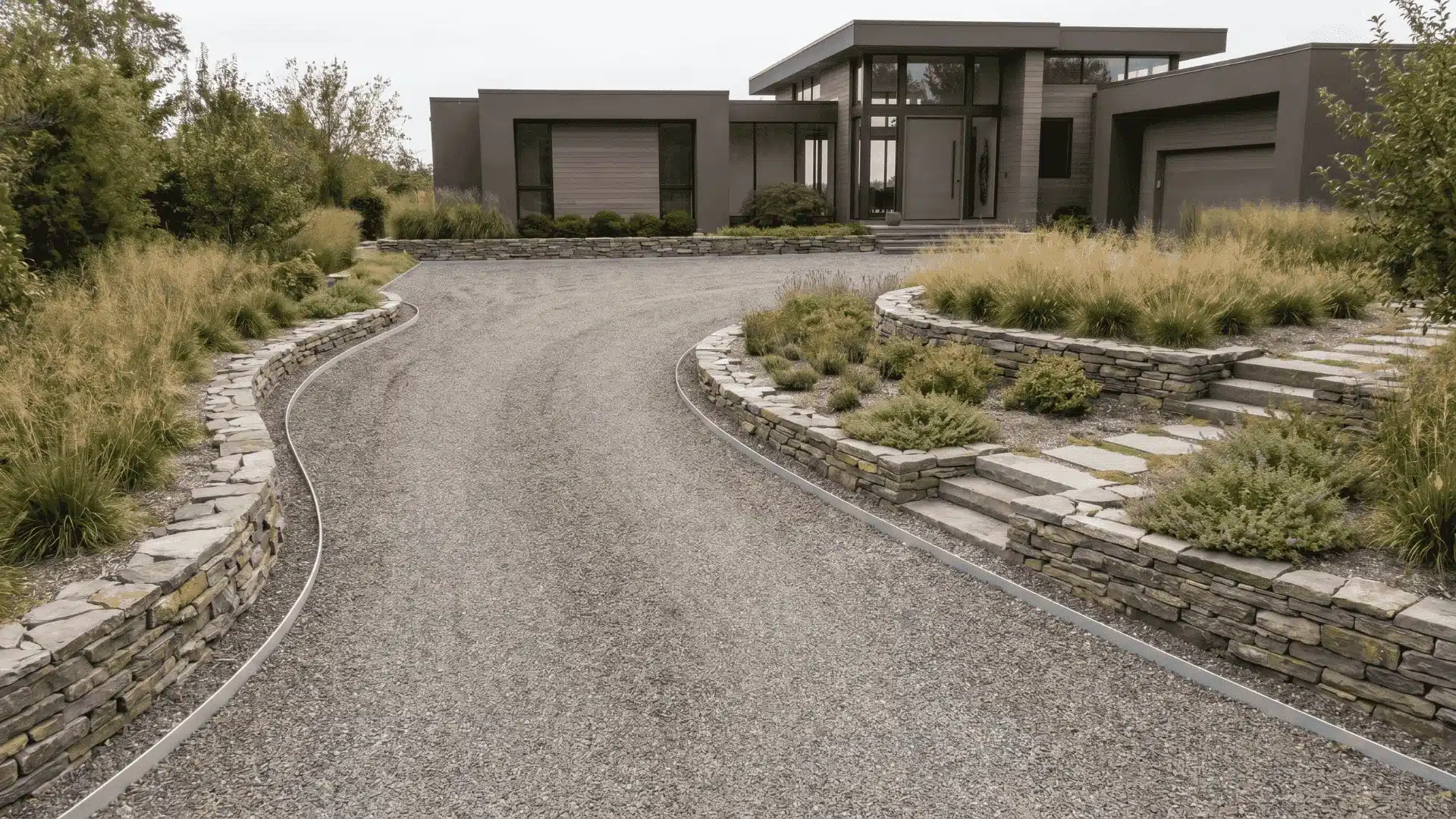
A gravel driveway looks simple at first glance, but there’s usually a lot happening underneath that decides how long it actually lasts. I’ve seen some stay solid for years without much attention, and others start rutting and shifting within a season just because one small layer wasn’t done right. What really changes things is how it’s built and how it handles real use, like daily turning, parking in the same spot, and weather hitting it over and over. It’s rarely the surface gravel that fails first. It’s what’s underneath that starts to give way. That’s where gravel driveway ideas start to matter. The right setup is really just a series of small choices that decide whether the surface stays firm or slowly breaks down. Why Do Some Gravel Driveways Hold Up While Others Fail? A gravel driveway usually looks simple from the outside, but the way it performs has a lot more to do with what’s underneath than the gravel you actually see. It starts with the base. That’s what carries the weight every time a car rolls in. If it isn’t compacted properly, the surface slowly gives in, and you start noticing dips and shifting in places you use the most. When it’s done right, it just stays firm without much thinking about it. Then comes water. This is where a lot of driveways quietly fail. If water sits or keeps running through the same paths, it weakens the base, and you start getting soft spots that turn into ruts over time. And even after all that, daily use still plays its part. A driveway that feels fine at first can start showing stress where cars turn or brake again and again, especially if the structure underneath isn’t solid enough. In my own work planning backyard and driveway layouts, […]

Choosing between roof rafters and trusses is one of the most important decisions when building or remodeling a home. Each framing style has its own strengths, costs, and design possibilities. In this blog, I’ll explain how both systems work, compare their cost, structure, and energy efficiency, and outline when builders prefer one over the other. By the end, you’ll know which option aligns with your timeline and design needs. Roof Rafters vs. Trusses Roofrafters are long, sloping beams built on-site to form the main structure of a roof. They run from the ridge board at the top to the outer walls, creating a sturdy frame that supports the roof covering. Rafters are ideal for custom homes or projects that need vaulted ceilings or future attic conversions. Rooftrusses, on the other hand, are prefabricated triangular frameworks made in a factory and delivered ready to install. They use smaller wooden members connected with metal plates to distribute weight evenly across the structure. Key Feature Comparison: Feature / Factor Roof Rafters Roof Trusses Attic Space Offers more open attic space for storage or future conversions. Limited attic space because of the internal webbing design. Customization / Flexibility Easy to modify for custom designs, vaulted ceilings, or unique shapes. Difficult to alter after fabrication; needs an engineer for changes. Span Ability Better suited for shorter spans; may need extra beams for wider roofs. Excellent for long spans and open layouts with fewer interior walls. Structural Integrity / Strength Strong, but depends on the wood size and craftsmanship. Engineered for consistent strength and superior load distribution. Best Use Cases Ideal for custom homes, small or simple roofs, and attic conversions. Perfect for large homes, pole barns, garages, and quick installations. Major Differences: Roof Rafters vs. Trusses This section compares roof rafters and trusses in terms […]
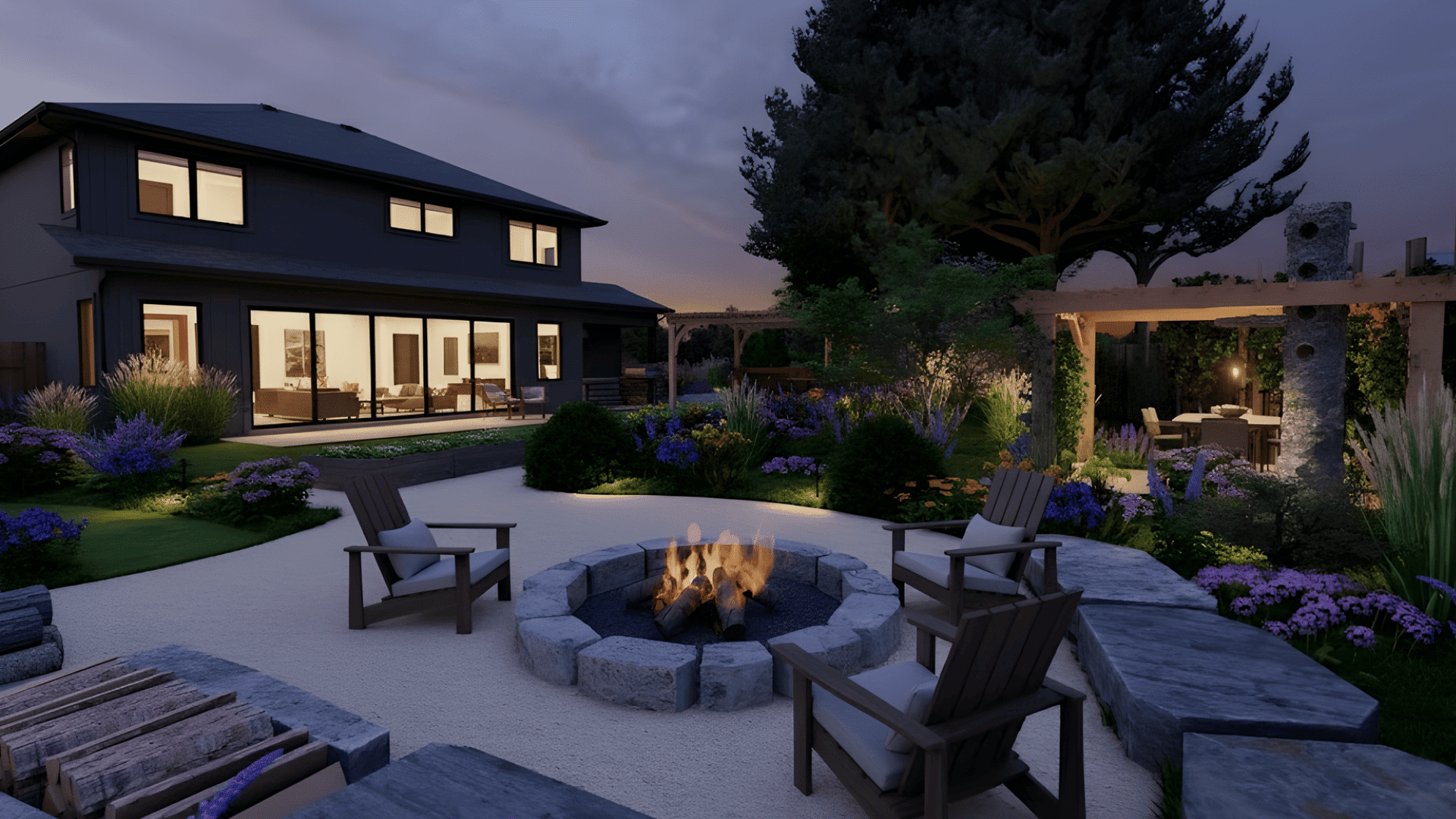
If you’ve been dreaming about turning your backyard into a warm, welcoming retreat without spending a fortune, this guide is made for you. A well-planned fire pit landscape can transform even a simple outdoor space into your favorite hangout spot for family and friends. I’ll show you how to build your own setup using affordable materials, easy techniques, and creative touches anyone can try. By the time you finish reading, you’ll feel confident and ready to create a cozy outdoor space that’s truly your own. Understanding the Basics of Fire Pit Landscaping A fire pit is a built-in or portable outdoor feature designed for controlled wood, gas, or electric fires. It serves as a focal point for warmth, light, and outdoor gatherings. Before designing one, consider space, safety distance, and budget. Choose whether to place it on a patio for convenience or in a separate open area for airflow and privacy. Decide between wood-burning, gas, electric, or portable types based on your space and use. Planning these basics ensures your fire pit is safe, durable, and well-suited to your outdoor setup. Low-Cost Fire Pit Landscape Design Ideas Creating a fire pit doesn’t have to cost much. With basic materials and smart planning, you can design an outdoor space that feels warm and welcoming. These ideas balance function and comfort while keeping expenses low: 1. Pea Gravel Fire Pit Zone A pea gravel fire pit area is affordable and stylish. Start by marking and digging a shallow circular pit. Lay down landscape fabric to stop weeds, then spread pea gravel evenly. Add a metal ring or paver border for shape. Place simple seating around it to finish the cozy, low-cost setup. 2. Cinder Block Fire Pit Cinder blocks make a quick, cheap fire pit. Arrange them in a square or circle […]
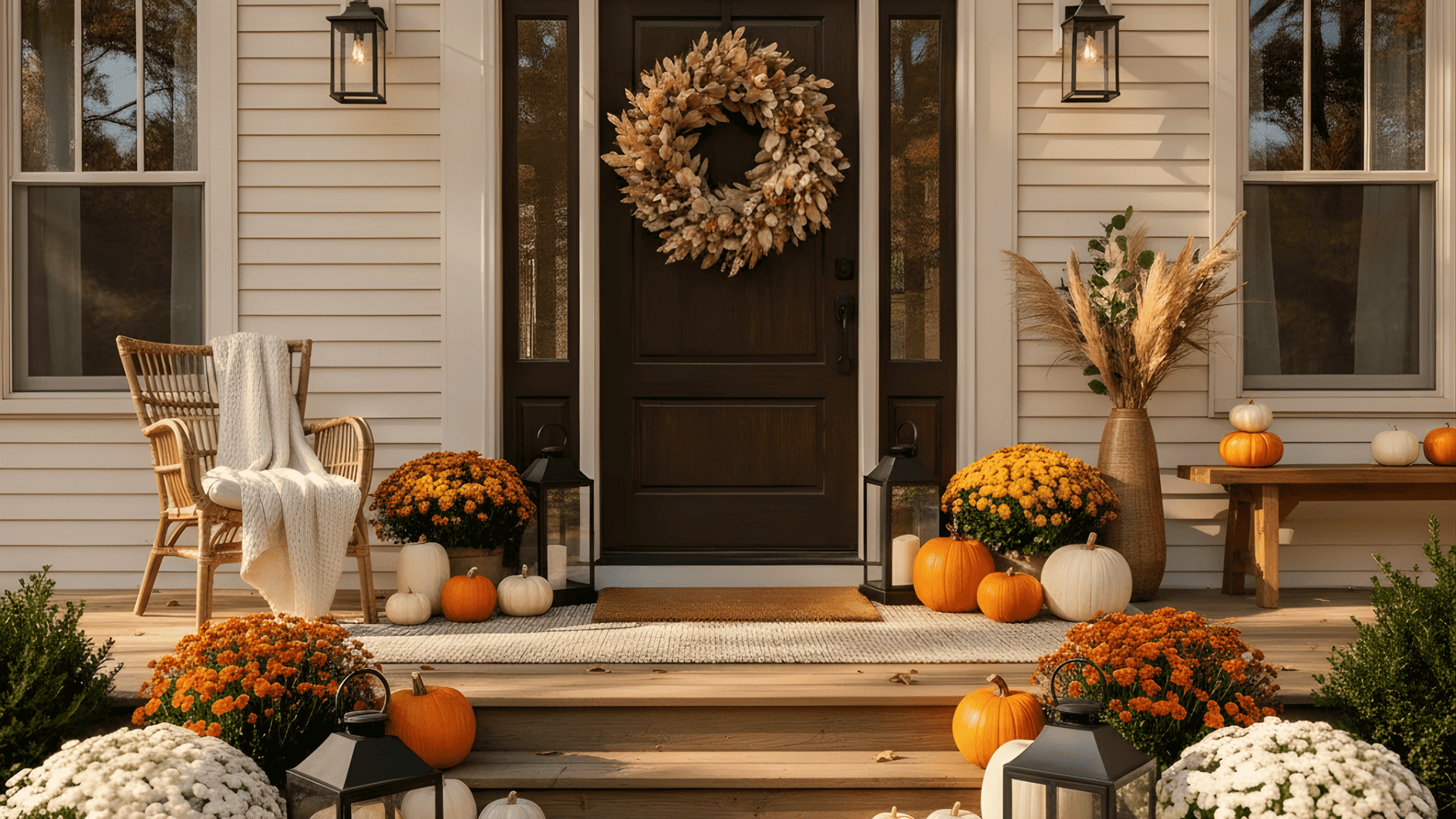
There’s something special about the first cool breeze and the sound of leaves crunching underfoot; it’s the perfect signal to give your porch a little seasonal update. This is your chance to create a space that feels warm, inviting, and full of personality. In this guide, you’ll find simple fall porch ideas that make your home feel cozy without overdoing it. From quick DIY projects to easy styling tips, I’ll help you pull together a look that fits your space and your style. Let’s make your porch the spot that welcomes fall and everyone who walks up to your door. Accessory Essentials for a Fall Porch Pumpkins: Real ones feel natural; faux ones last longer. Paint them white or beige for a neutral look. Group items by size or stack them for a simple display. Plants: Use mums for color and cabbage or kale for texture. Add evergreens or herbs for longer life. Place them in terracotta pots or baskets for a natural feel. Lighting: Solar lanterns work best outdoors. Add fairy lights or flameless candles for an evening glow. Mix light types for a balanced, cozy look. Textiles: Layer rugs, throws, and cushions. Use knit, linen, or jute in rust, cream, or tan tones for warmth and texture. Wreaths & Garlands: Choose dried leaves or pinecones for DIY or buy pre-made ones. Hang wreaths on doors and drape garlands along railings for a clean finish. A few thoughtful updates and accessories can completely change your porch for the season. Start simple, add layers of texture and light, and your fall setup will feel warm, welcoming, and easy to enjoy. Cozy Fall Porch Decorating Ideas to Try There’s no single way to decorate for fall; it’s all about what makes your porch feel warm and inviting. Below are a mix […]

Get the latest home decor tips, DIY ideas, and design inspiration delivered straight to your inbox.