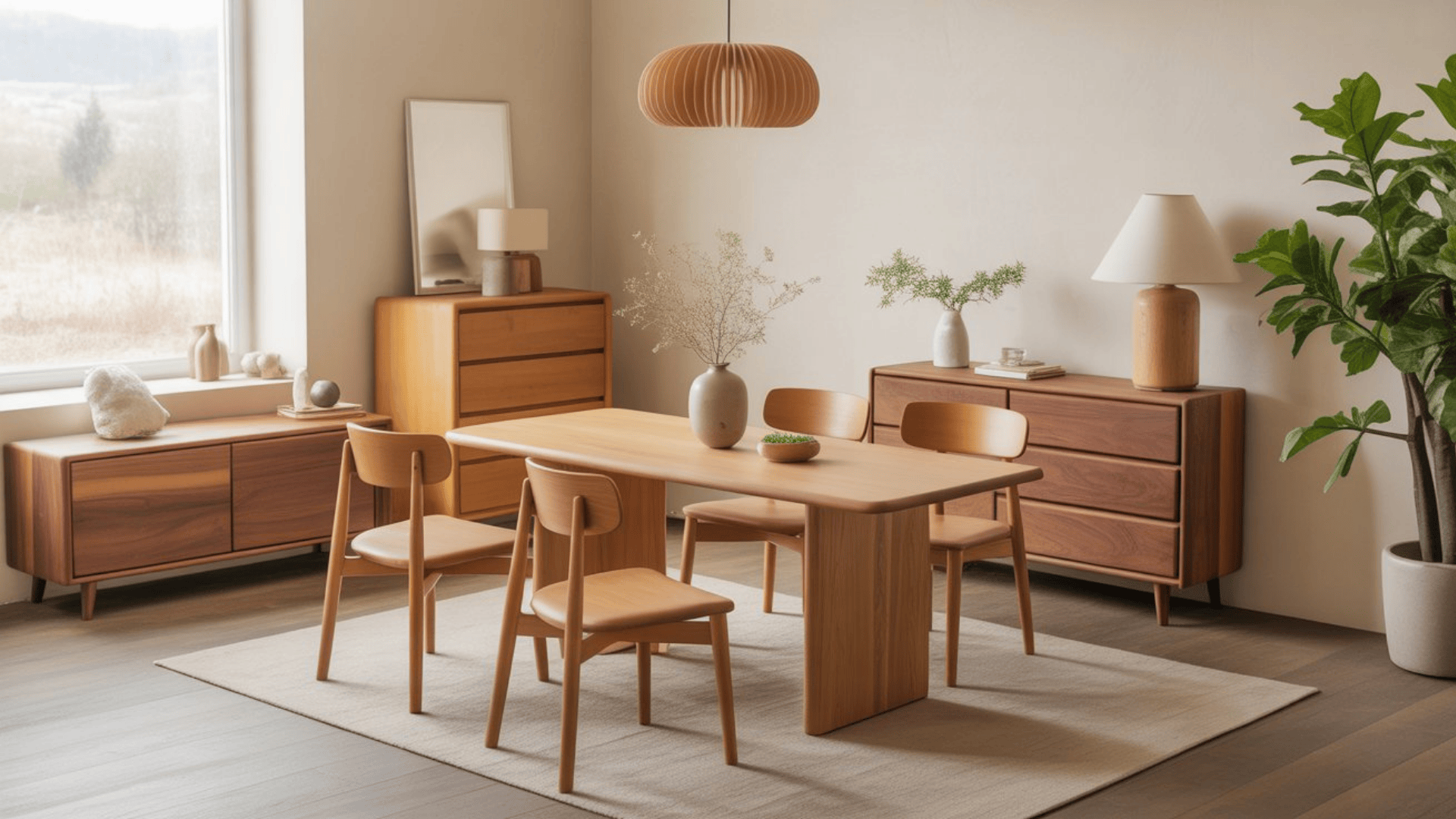


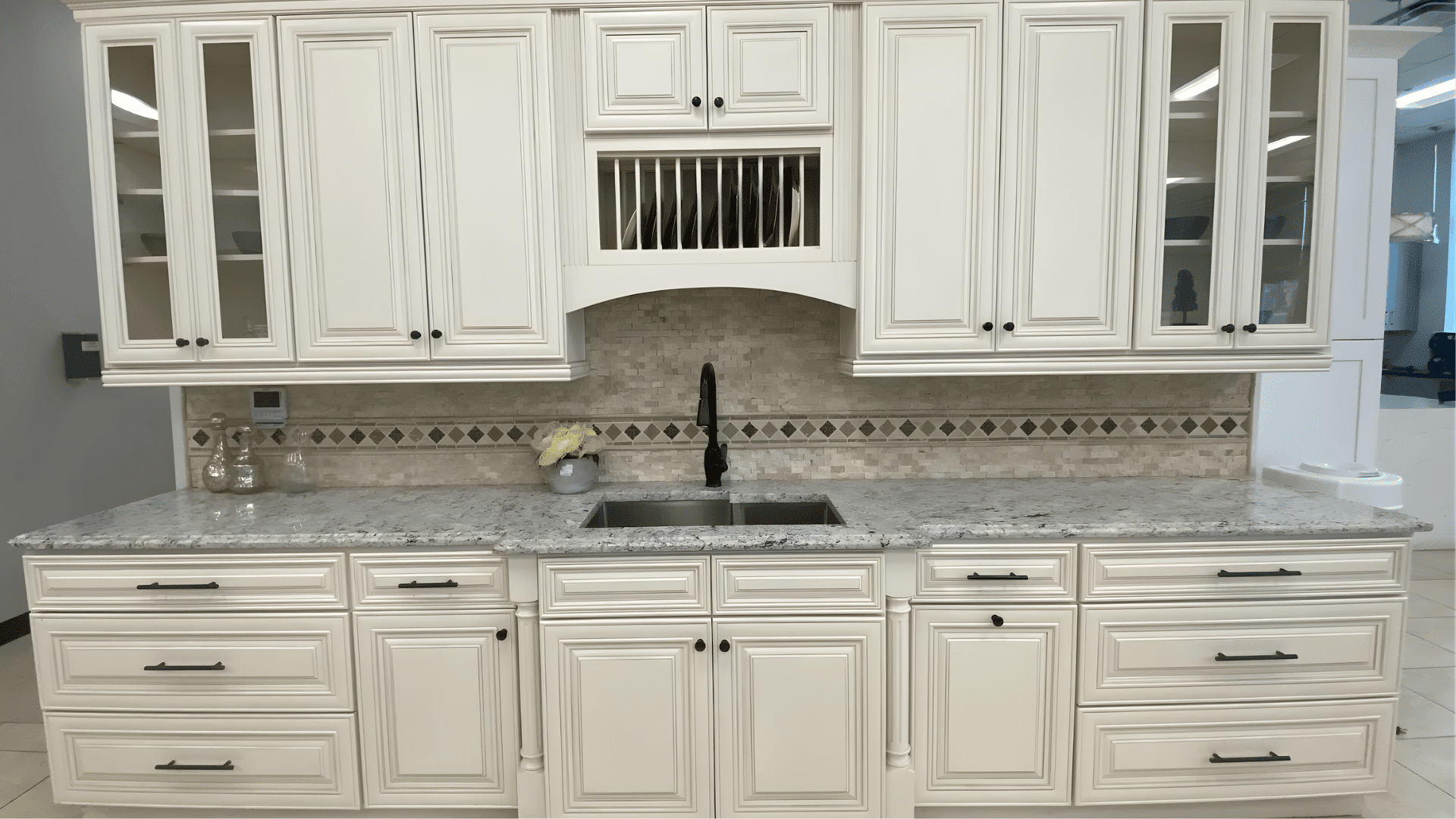

Have you ever wondered why some furniture lasts for generations while others barely make it a few years? It usually comes down to the type of wood and how it’s built.
Different woods have unique grains, colors, and strengths that shape how furniture looks, feels, and ages. Knowing these differences helps you spot real quality and avoid short-lived pieces.
In this post, you’ll learn how to recognize good wood and choose furniture that’s durable, stylish, and sustainable. By the end, you’ll know exactly what makes a piece worth bringing into your home.
Understanding Furniture Wood Basics
Before choosing wood for furniture, it helps to understand the main types and what makes them distinct. Wood generally falls into two categories: solid wood and engineered wood.
Solid wood is cut directly from trees and is known for its strength and natural beauty.
Engineered wood, such as MDF or plywood, is made from wood fibers or layers for better stability and lower cost.
Wood also falls into two categories: hardwood (oak, walnut, maple) and softwood (pine, fir, cedar). Hardwoods are tougher, while softwoods are lighter and easier to shape.
Main Types of Wood Used in Furniture
Furniture can be made from many types of wood, each offering a unique look, strength, and cost.
1. Oak Wood
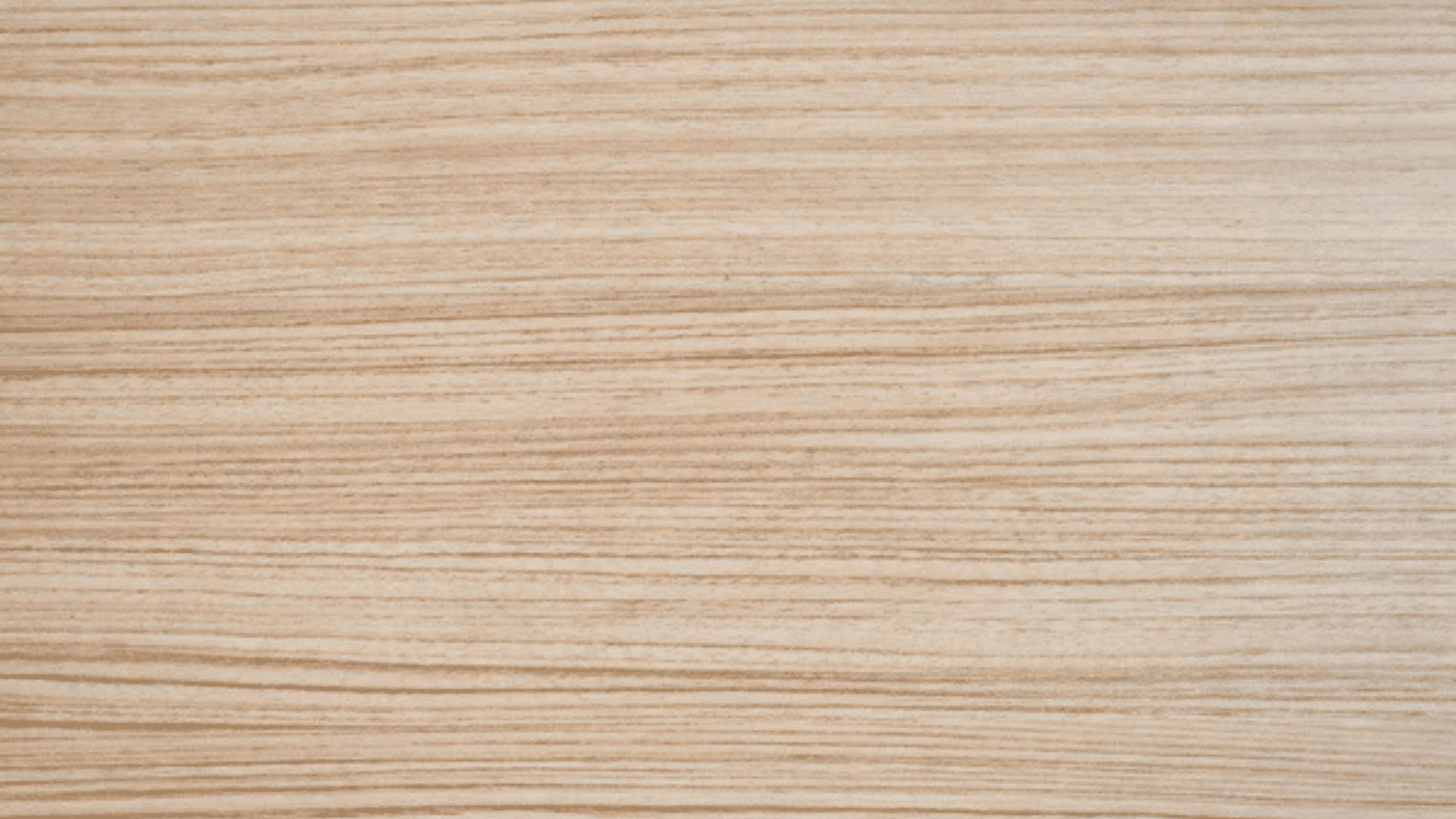
Oak is strong, dense, and long-lasting. It has a prominent grain and light to medium brown tone that fits both rustic and modern furniture.
Because of its durability and resistance to wear, it’s often used for dining tables, flooring, and cabinets. Oak is slightly heavy but ages beautifully over time.
2. Walnut Wood
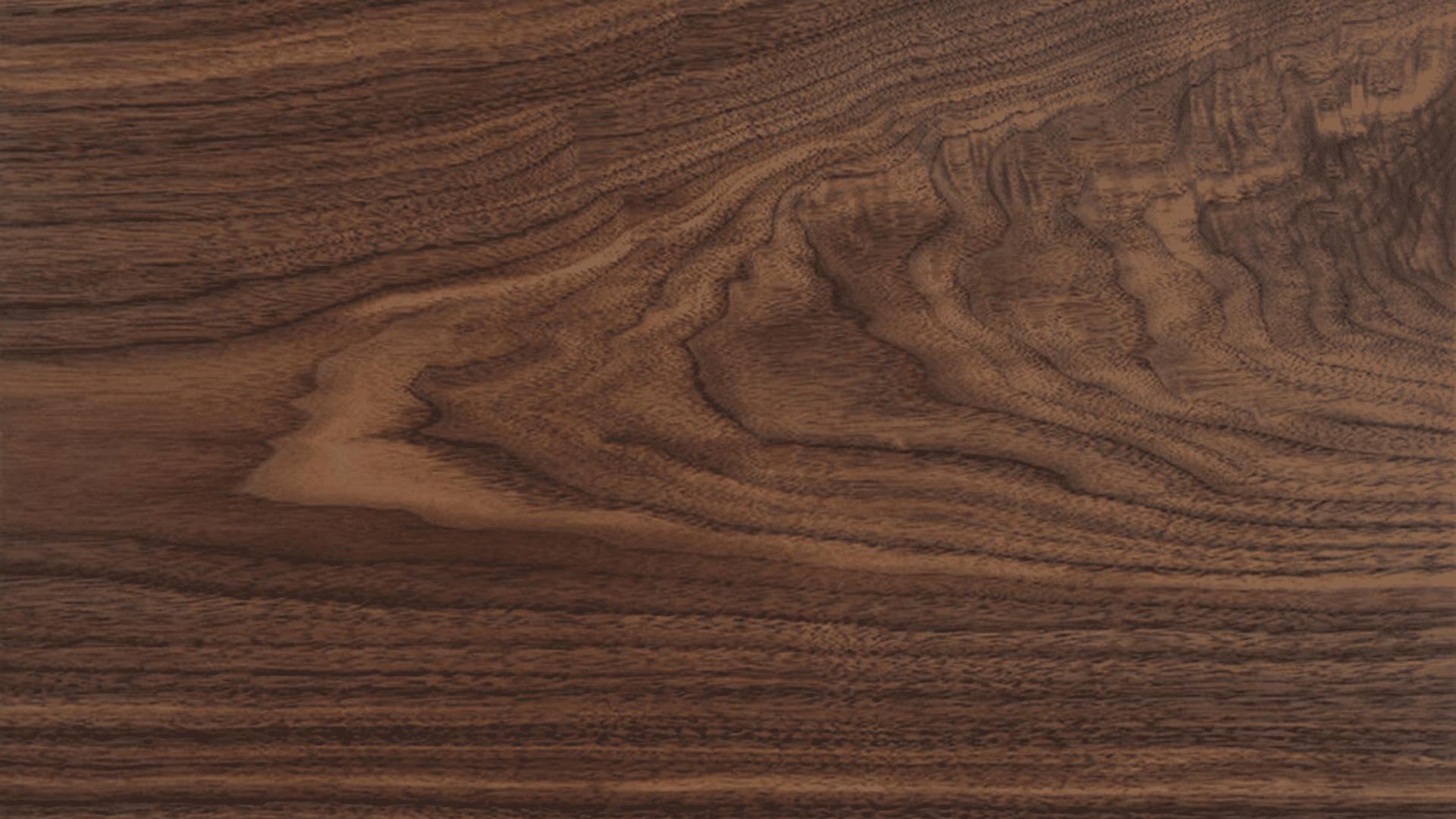
Walnut is dark, rich, and smooth with a fine, straight grain. It’s a favorite for luxury furniture like desks, shelves, and bed frames.
Known for its strength and refined look, walnut maintains stability even in changing temperatures. Though more expensive, its natural beauty makes it a timeless investment.
3. Maple Wood
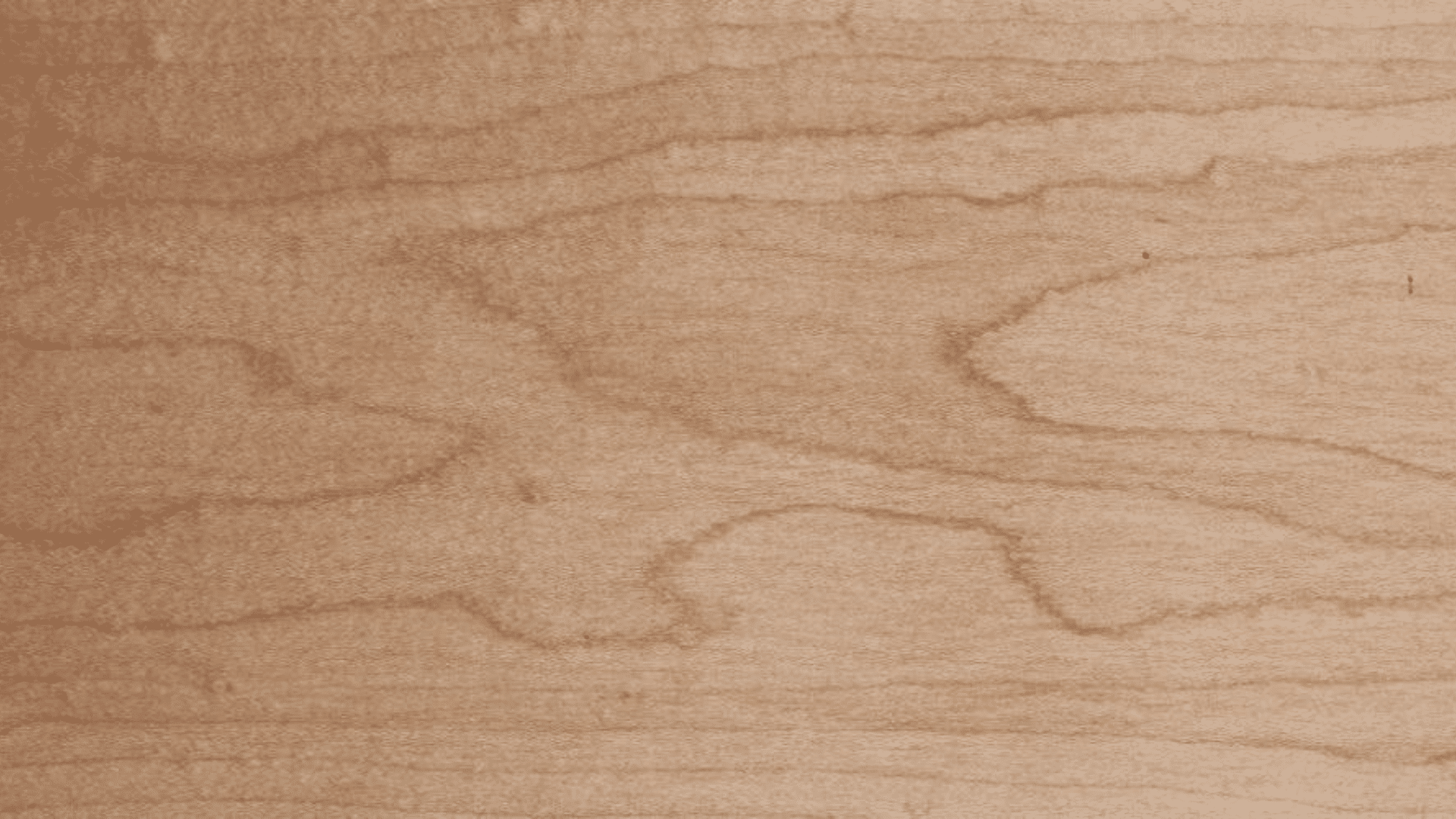
Maple has a creamy tone with subtle grain lines. It’s tough and resistant to scratches, making it ideal for high-use furniture like dressers or tabletops.
It stains well and can imitate pricier woods. Maple’s consistent texture also suits painted finishes, offering a clean and polished appearance.
4. Mahogany Wood
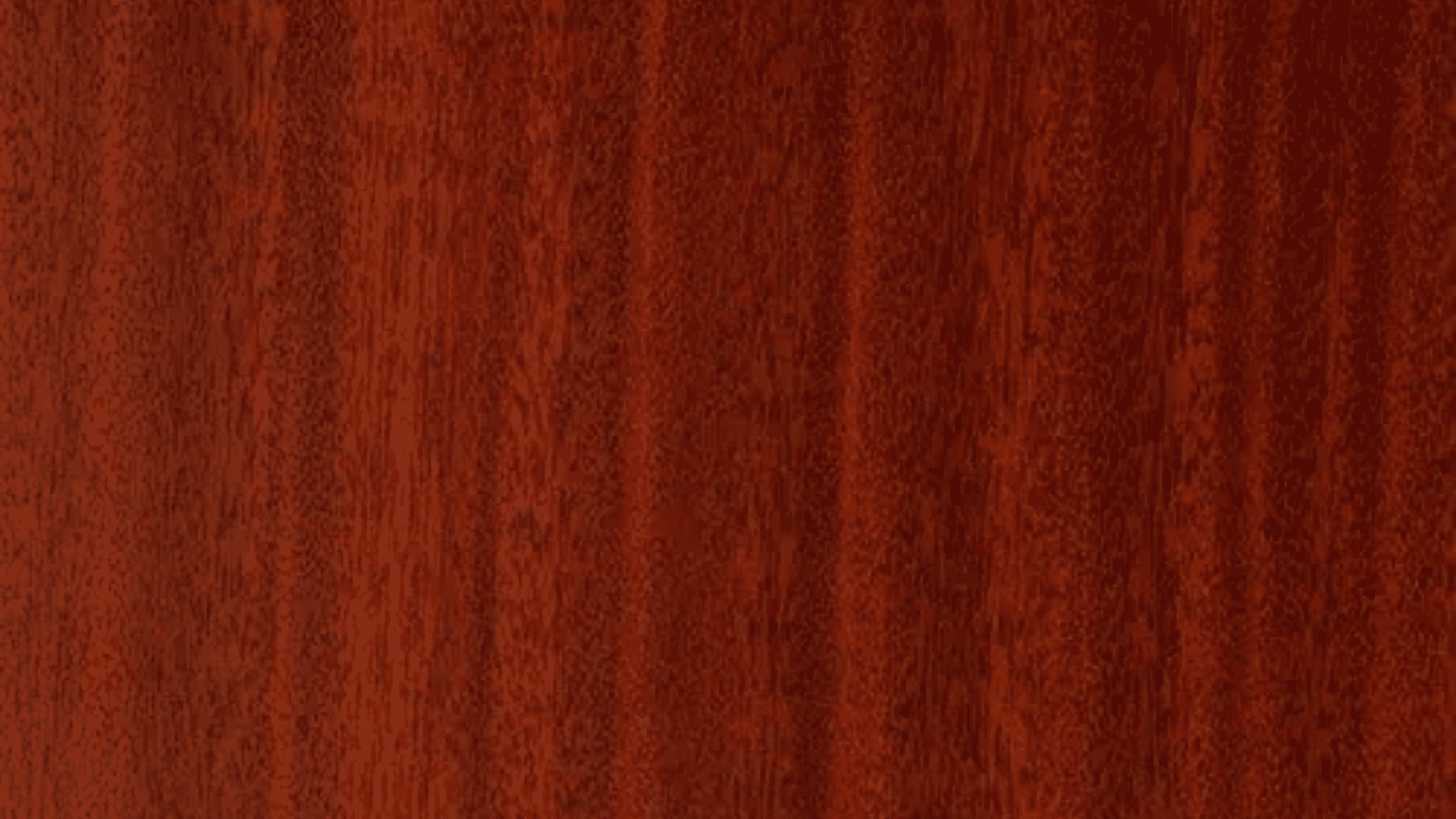
Mahogany has a warm reddish-brown color and smooth texture. It’s durable, resists warping, and is often used for high-end furniture and musical instruments.
It darkens gracefully with age, adding depth and richness. Though on the pricier side, it’s prized for heirloom-quality pieces that last generations.
5. Cherry Wood
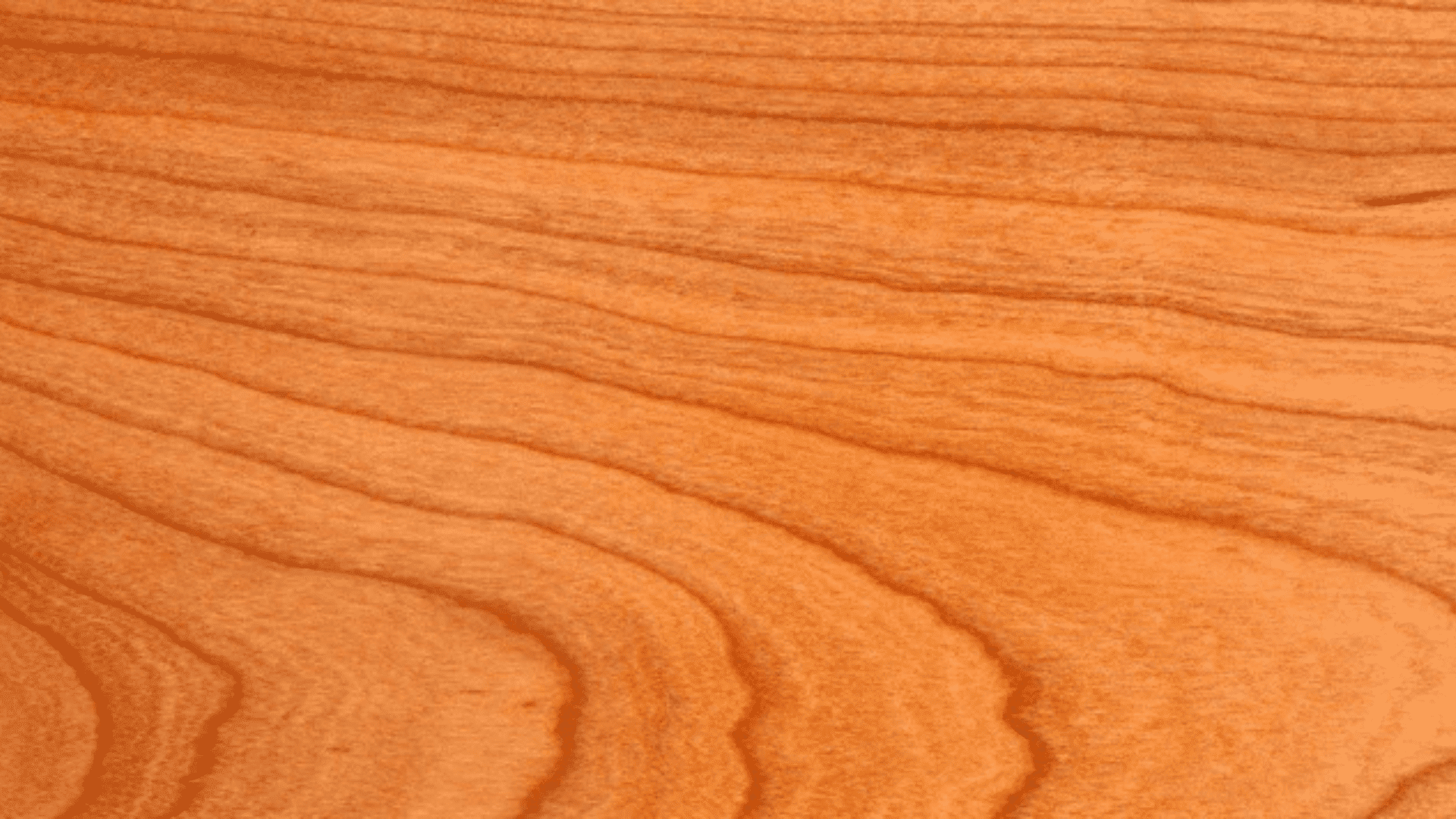
Cherry wood starts light pinkish and deepens to a rich reddish tone as it ages. It’s smooth, uniform, and easy to carve, making it ideal for elegant furniture.
Cherry balances hardness with flexibility, often used for cabinets, headboards, and fine woodworking. It adds warmth and luxury to interiors.
6. Pine Wood
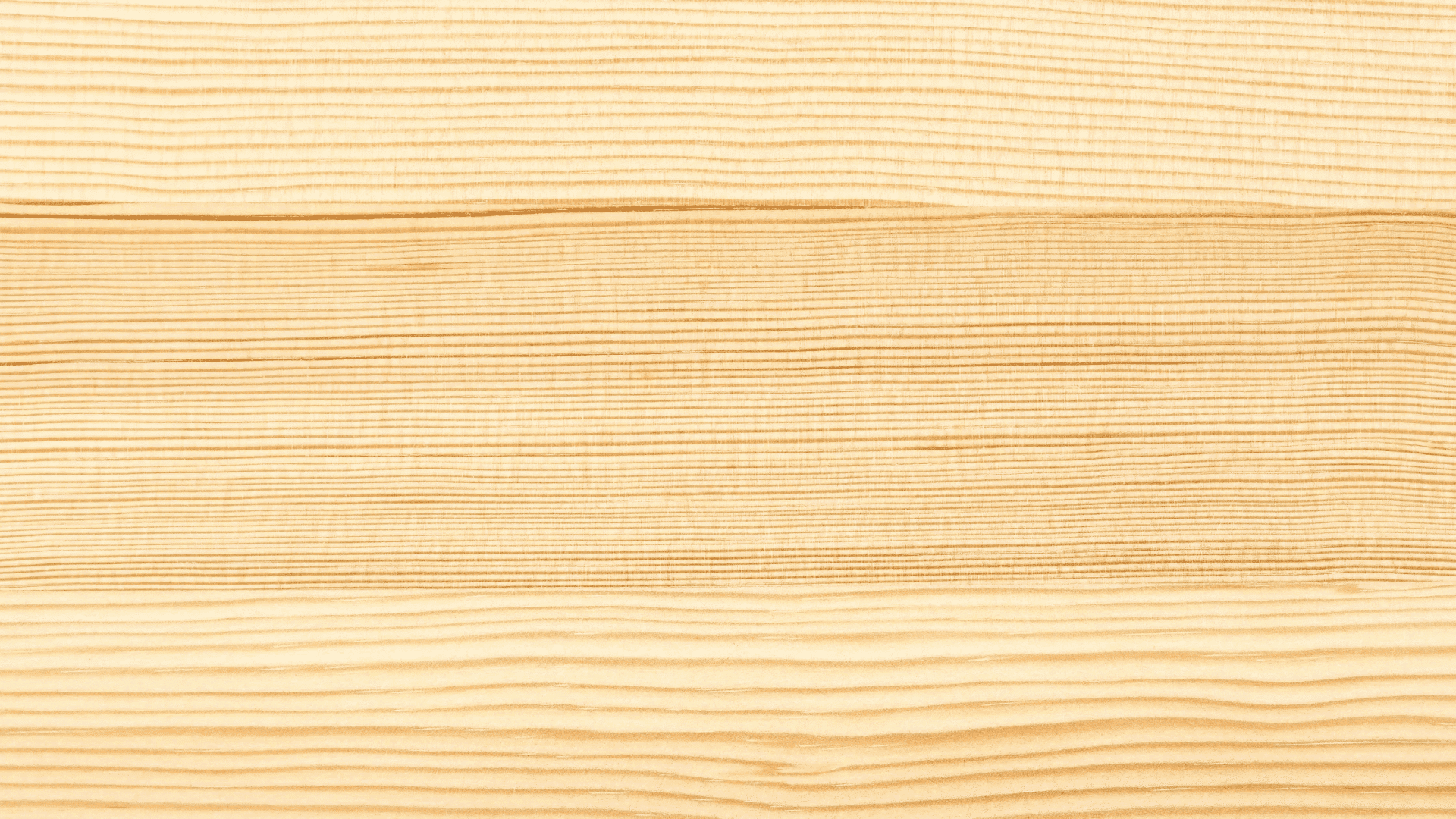
Pine is a softwood known for its light color and rustic charm. It’s lightweight, easy to shape, and affordable. Pine’s visible knots make it perfect for farmhouse or coastal furniture.
Though softer than hardwoods, it’s widely used in beds, tables, and kids’ furniture because it’s budget-friendly and renewable.
7. Cedar Wood
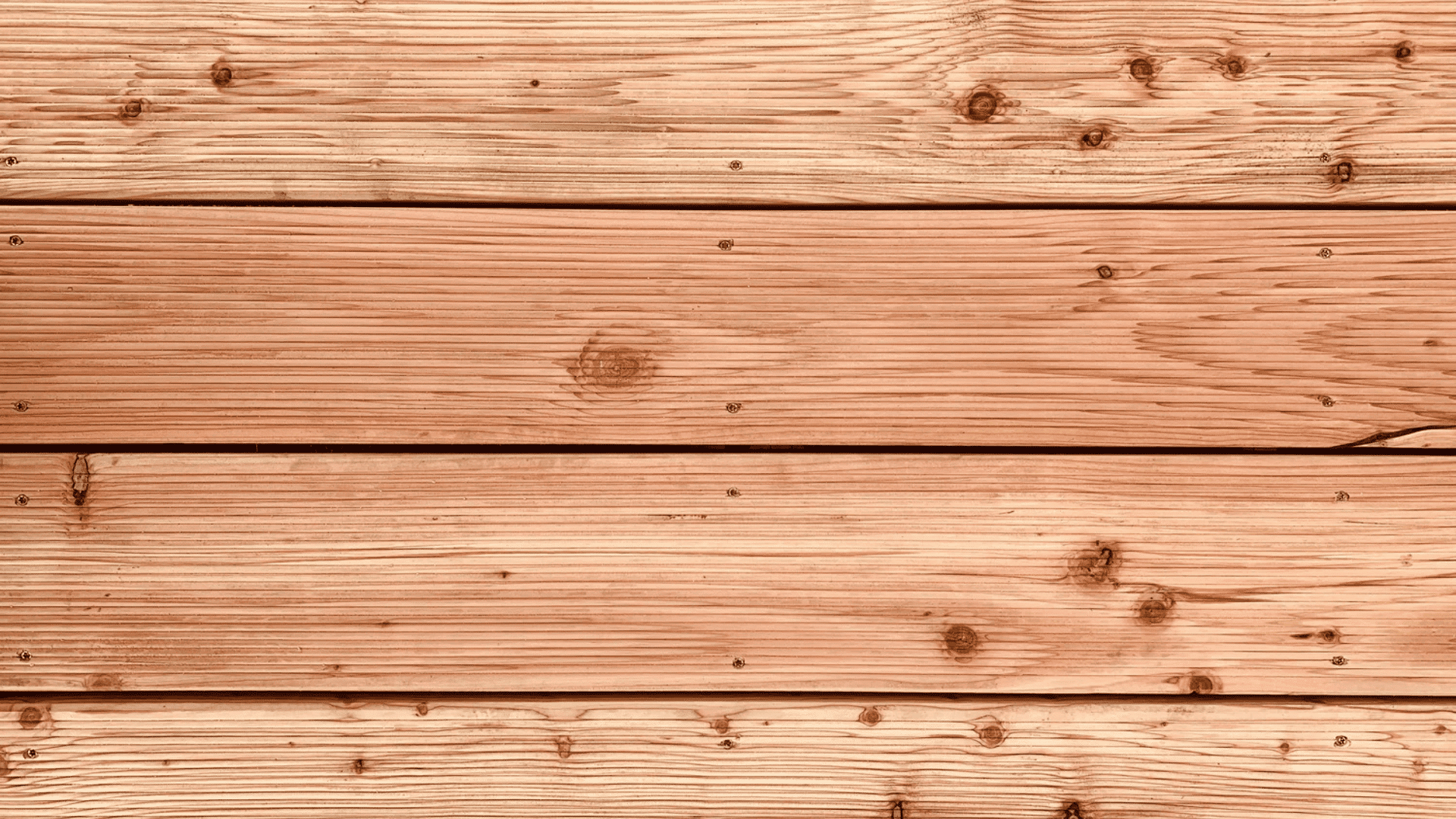
Cedar has a pleasant natural aroma and repels insects. Its reddish tone and fine grain give it a cozy look. Commonly used in closets, chests, and outdoor pieces, cedar handles moisture well.
It’s soft but durable enough for long-term use and requires minimal upkeep compared to other softwoods.
8. Fir Wood
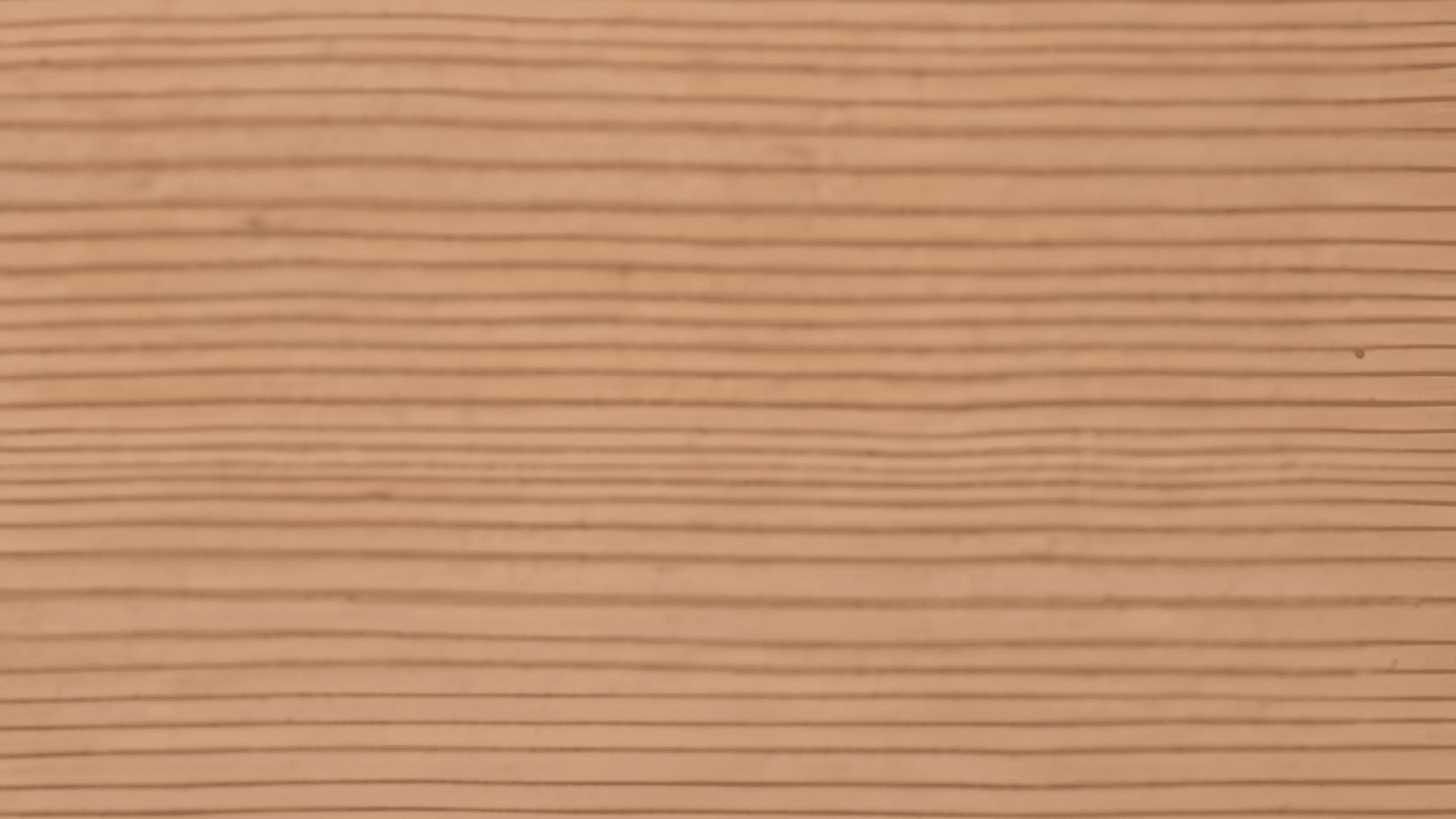
Fir has a straight grain and a warm reddish tint. It’s affordable, easy to stain, and holds paint well. Though not as hard as oak or maple, fir is stable and resists shrinking, making it suitable for rustic furniture and frames.
Fir’s versatility and smooth finish also make it a reliable option for simple, handcrafted furniture pieces that balance quality and affordability.
9. Teak Wood
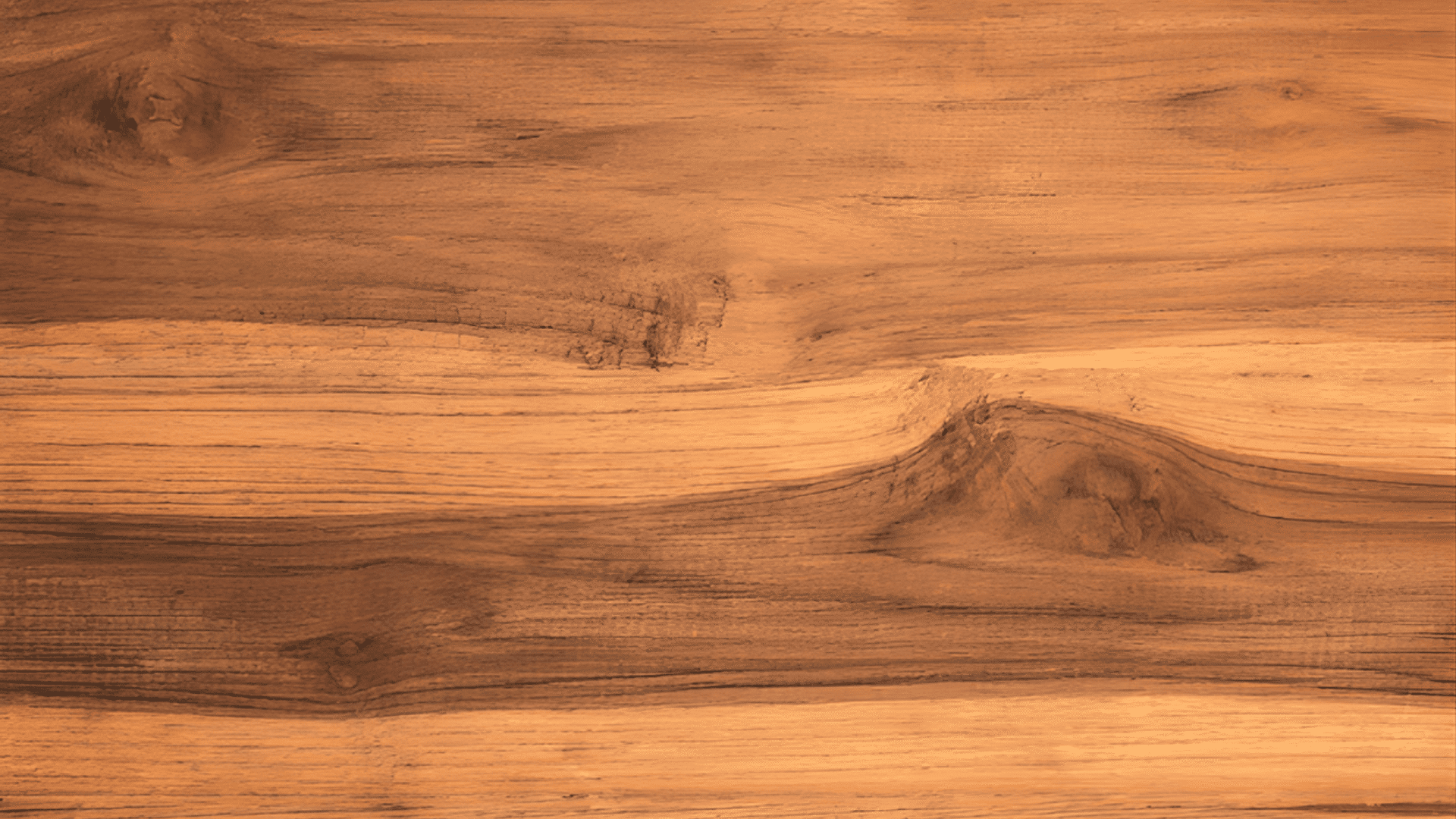
Teak is dense, oily, and highly resistant to water, insects, and rot. Its golden-brown hue and smooth finish make it perfect for outdoor furniture, decks, and high-humidity areas.
While expensive, teak’s natural strength and low maintenance make it one of the most durable woods in the world.
10. Acacia Wood
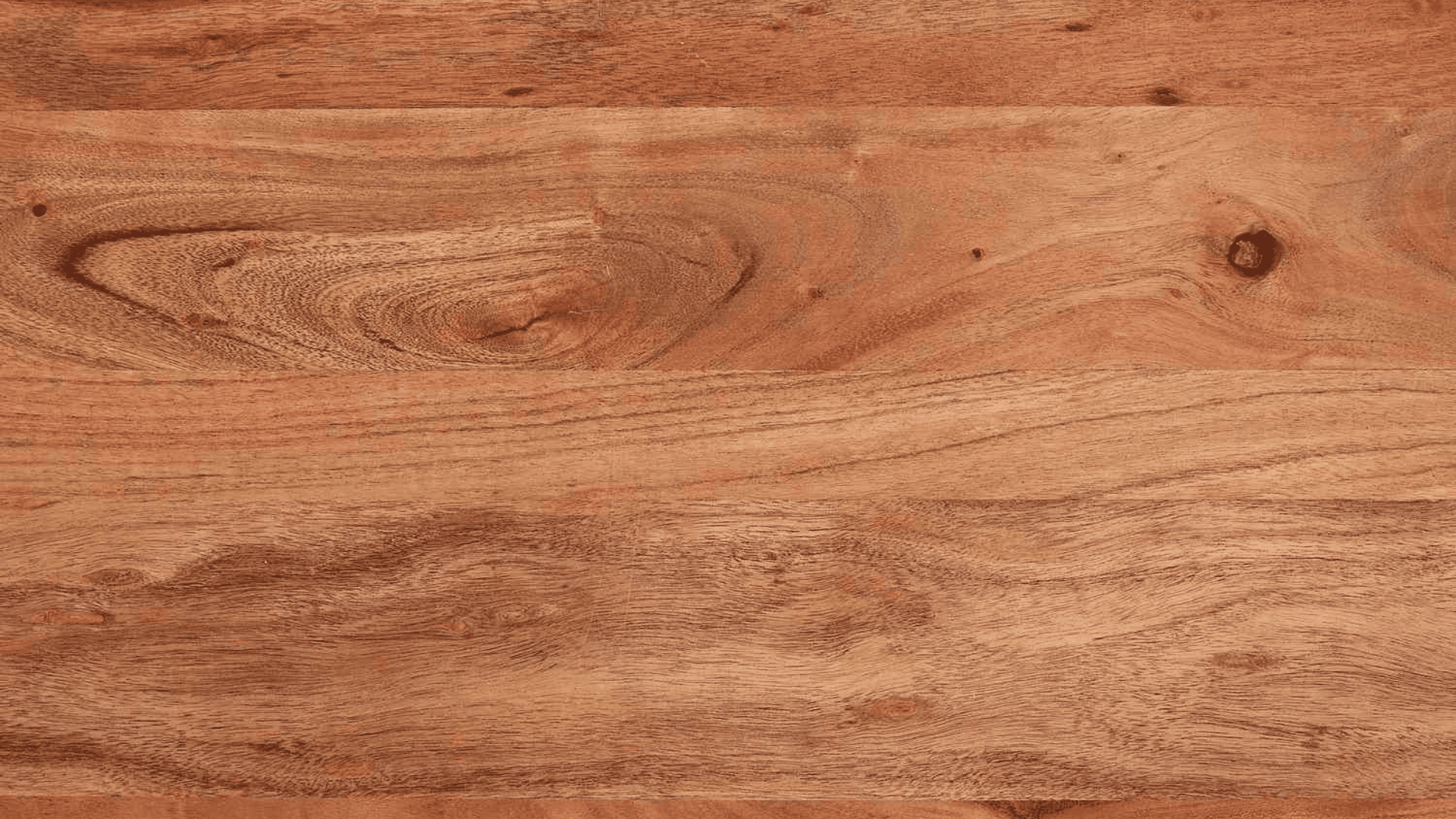
Acacia is a strong hardwood with bold grain patterns and warm honey tones. It’s naturally resistant to moisture and scratches, ideal for dining tables and benches.
Its beautiful texture and eco-friendly sourcing make it a popular choice for modern homes wanting durable yet sustainable furniture.
11. Mango Wood
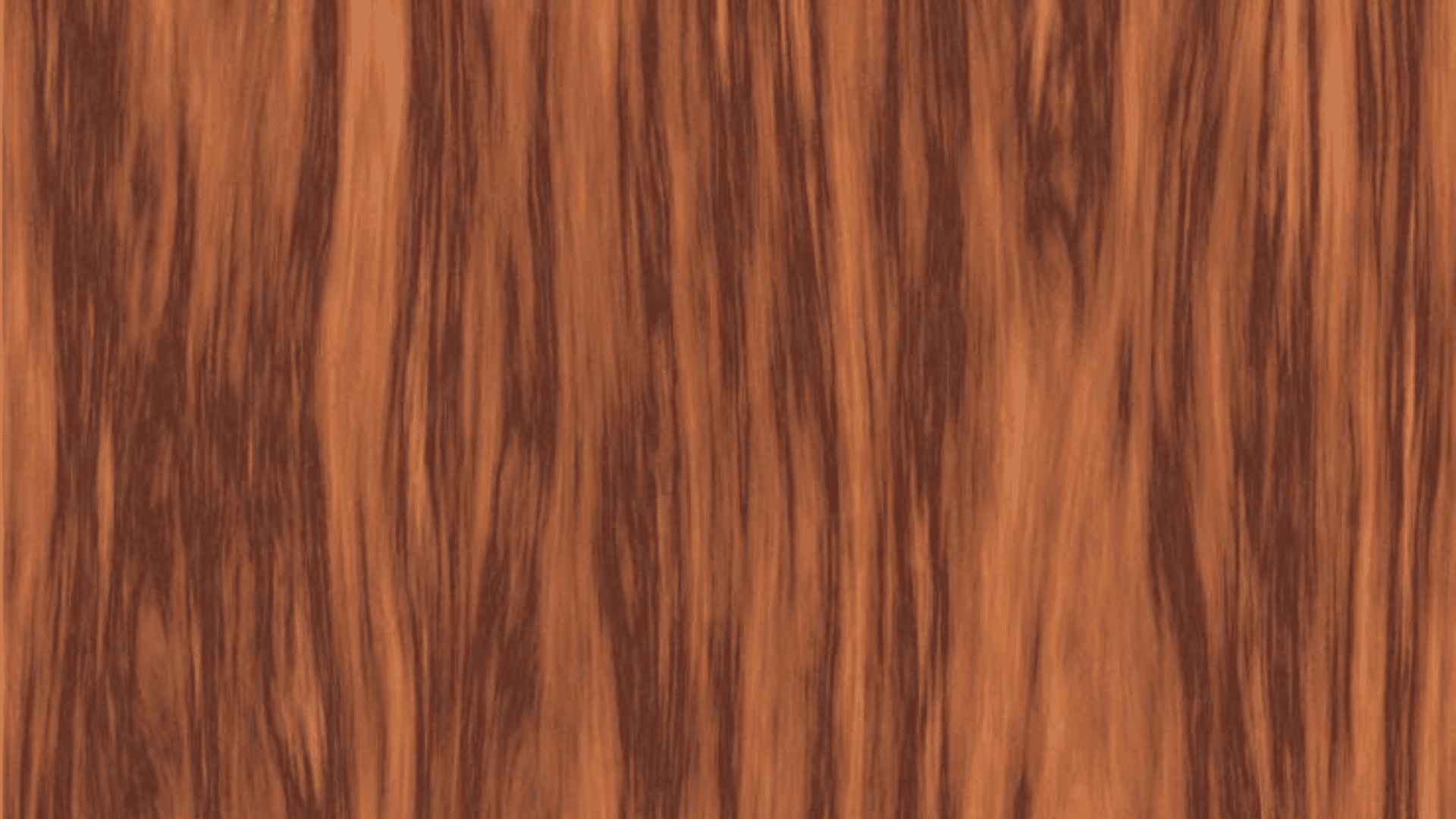
Mango wood is eco-friendly, sourced from fruit trees after they stop bearing fruit. It’s dense, colorful, and easy to carve, perfect for decorative and boho-style furniture.
Affordable yet sturdy, mango wood brings a warm, exotic touch to interiors while supporting sustainable forestry practices.
12. Ash Wood
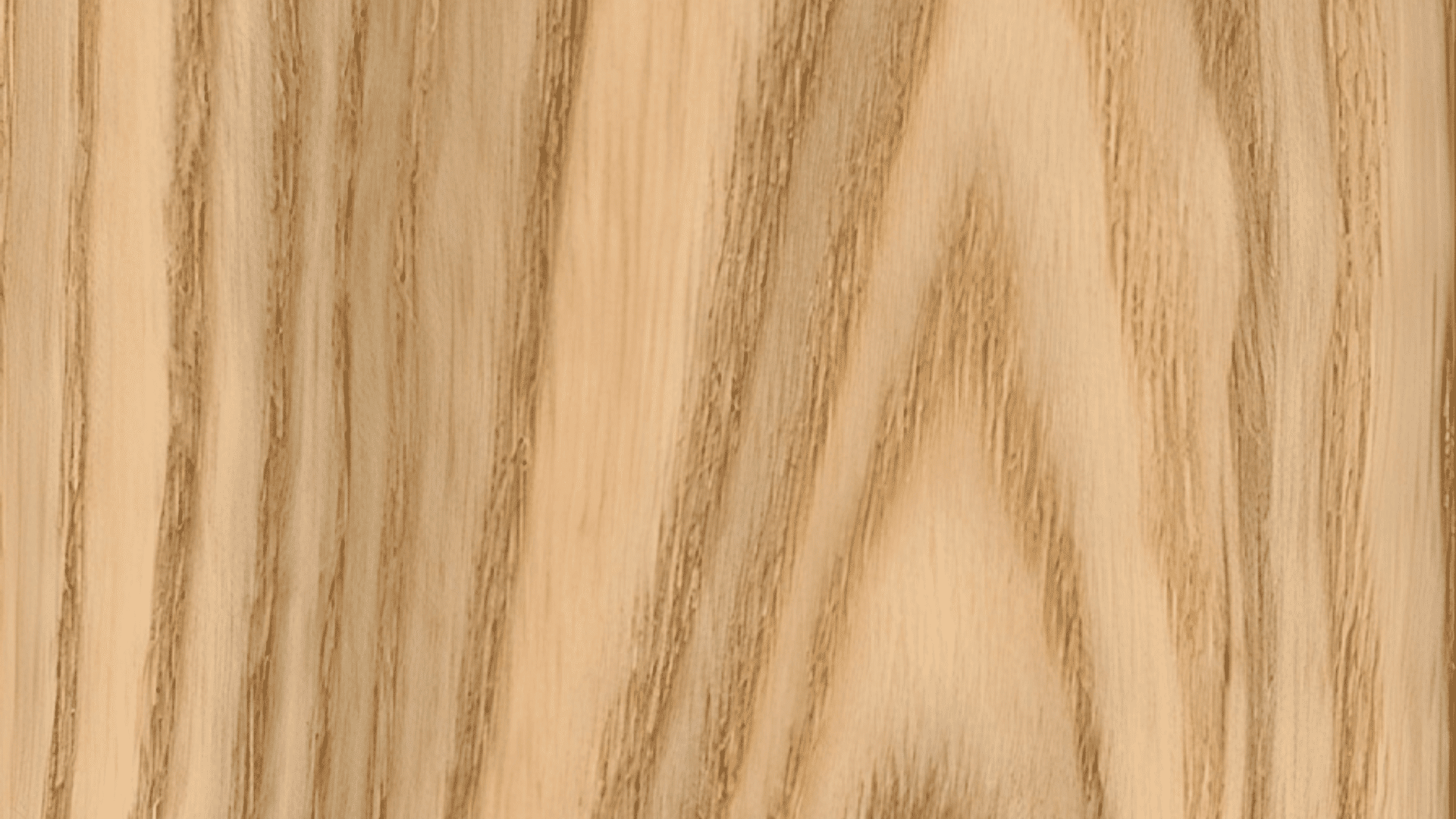
Ash is a light-colored hardwood with a straight, noticeable grain and smooth texture. It’s strong, flexible, and shock-resistant, making it ideal for chairs, tables, and cabinets that get daily use.
Easy to stain or finish, ash mimics pricier woods like oak or hickory while remaining affordable, durable, and perfect for bright, modern interiors.
13. Birch Wood

Birch is a pale, fine-grained hardwood with high strength. It’s affordable and works well for plywood or modern furniture designs.
Birch resists warping and holds screws securely, making it reliable for cabinets, drawers, and minimalist furniture pieces. Its even grain takes paint beautifully.
14. Beech Wood

Beech is a light, pale hardwood with a smooth, tight grain that gives furniture a clean and polished look. It’s tough, shock-resistant, and easy to bend, making it perfect for chairs, stools, and curved furniture.
Affordable and sustainable, beech offers strength and flexibility, making it a great choice for long-lasting household furniture.
15. Alder Wood
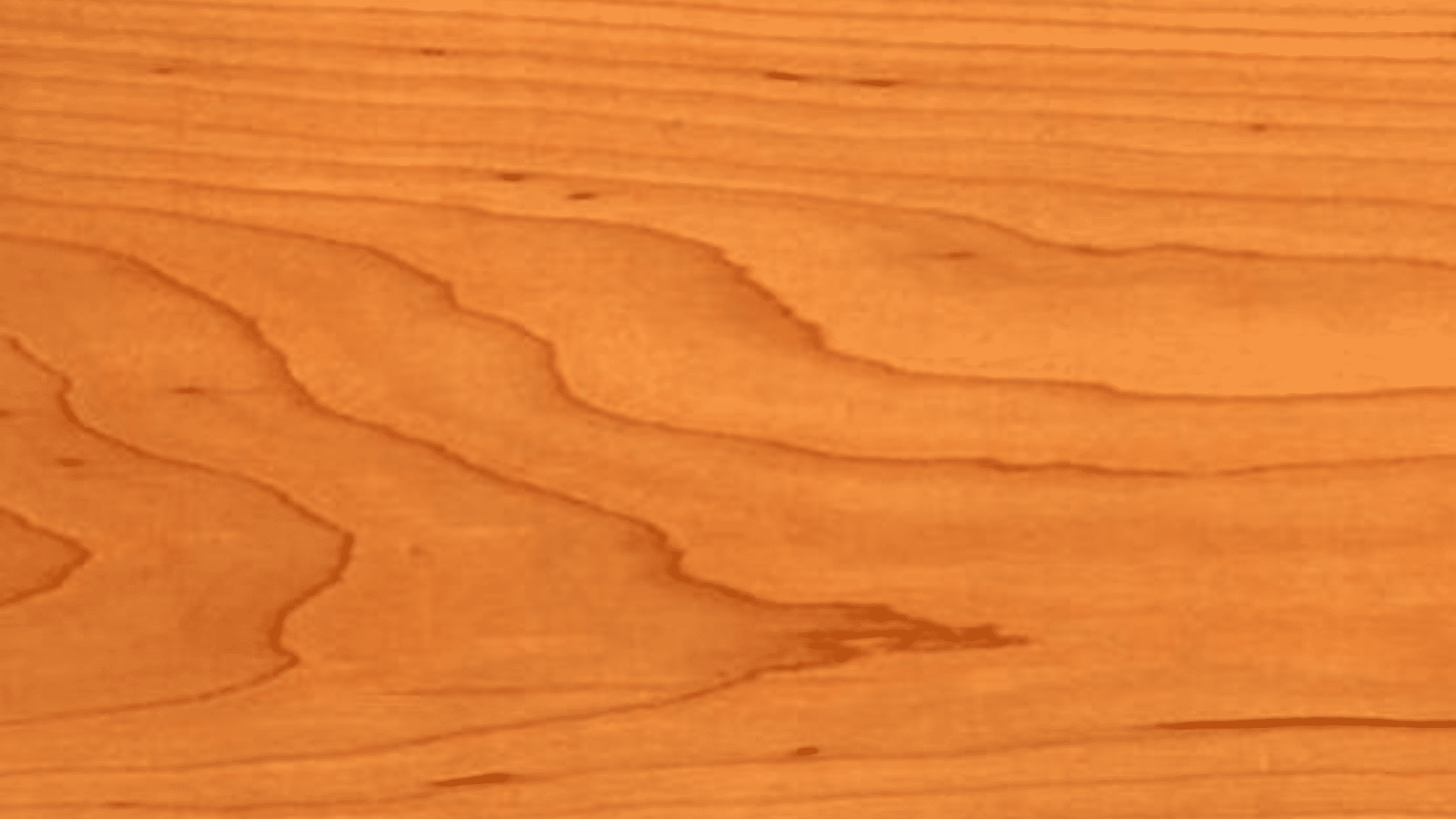
Alder is a soft hardwood with a fine, straight grain and uniform texture. It’s easy to carve, sand, and stain, making it ideal for cabinets, doors, and frames.
Its warm, light brown color suits both traditional and modern designs. Though not as hard as oak, alder is stable, affordable, and easy to finish.
16. Hickory Wood
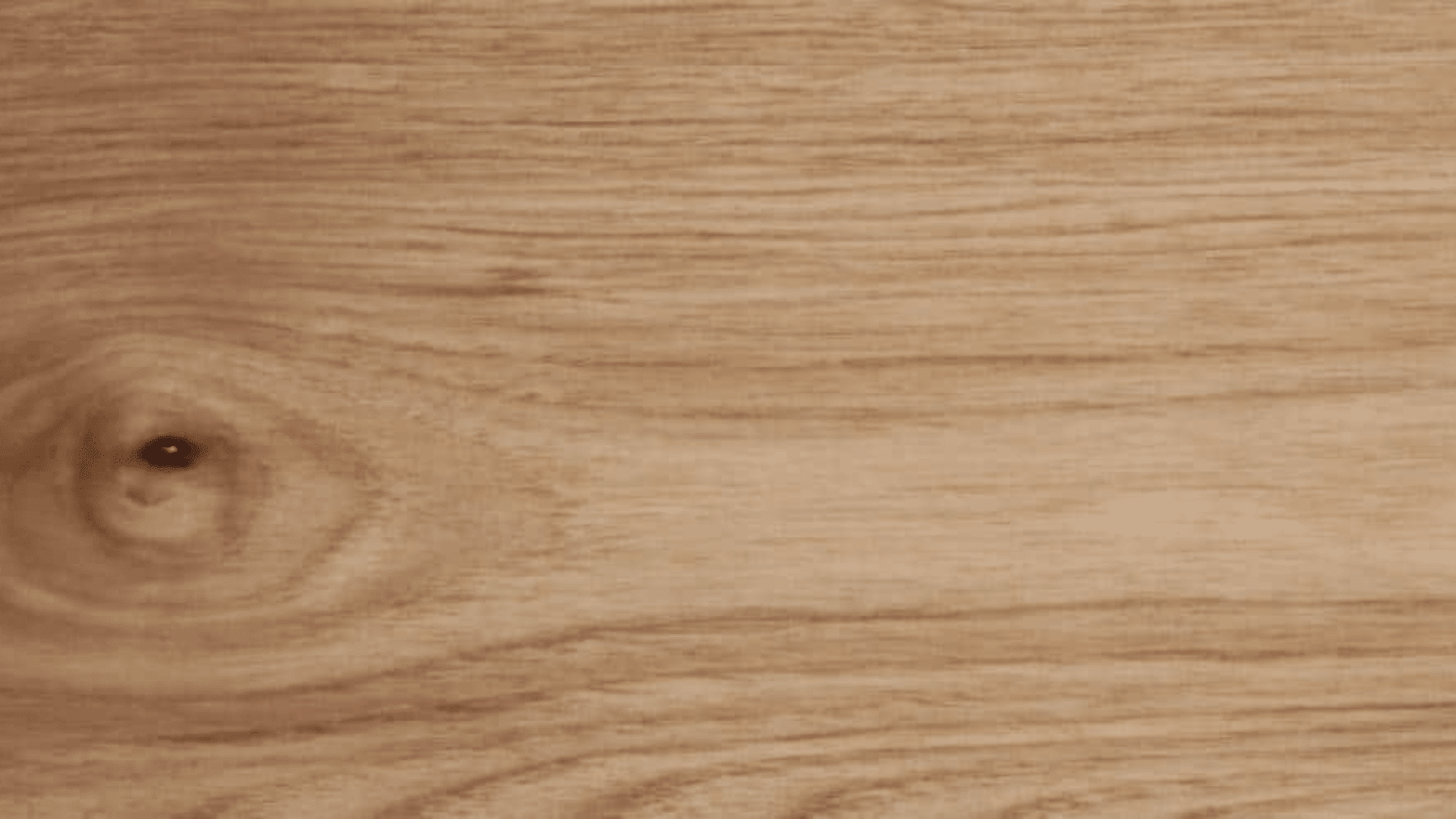
Hickory is one of the hardest and most durable North American woods. It has a striking contrast of light and dark tones that gives furniture a rustic, rugged appeal.
Its strength and shock resistance make it great for chairs, flooring, and cabinetry. While harder to work with, hickory delivers unmatched durability and natural charm.
17. Poplar Wood
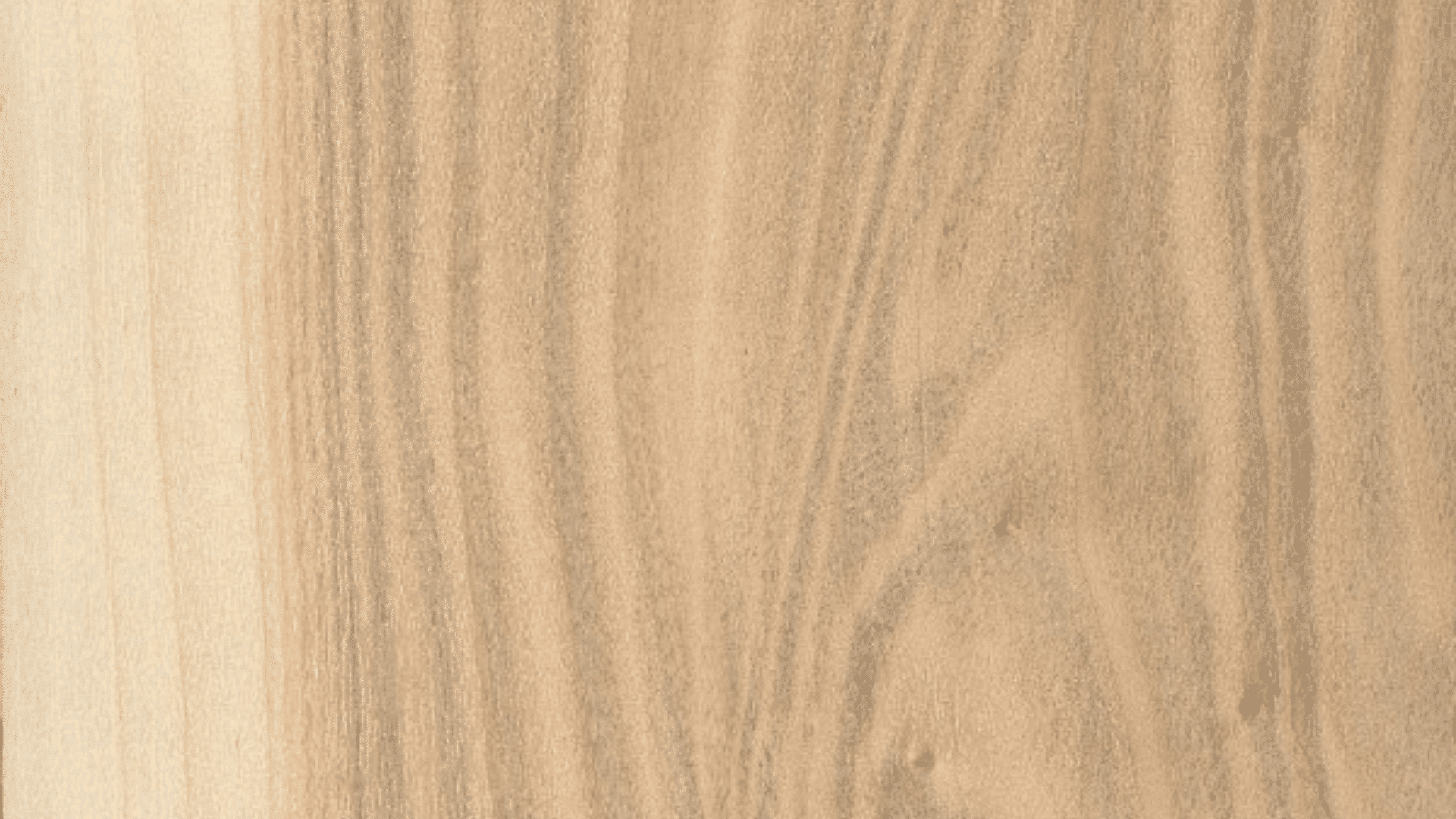
Poplar is a lightweight, affordable hardwood with a smooth, even grain that accepts paint and stain well. Its pale yellow or light green tone makes it versatile for various finishes.
Though softer than most hardwoods, poplar is stable, easy to cut, and often used for drawers, shelves, trim, and painted furniture where durability isn’t the top priority.
18. MDF (Medium-Density Fiberboard)

MDF is an engineered material made by compressing wood fibers with resin. It has a smooth, even surface for painting and veneering.
While it’s not as strong as solid wood, it resists warping and is widely used in budget furniture, shelving, and cabinetry.
19. HDF (High-Density Fiberboard)

HDF is a dense, durable engineered wood made by compressing wood fibers under high pressure. It provides a smooth, solid surface that’s perfect for laminates, paints, and veneers.
Commonly used in flooring, cabinet doors, and furniture panels, HDF resists bending, cracking, and moisture damage, making it a reliable, long-lasting, and affordable alternative to solid wood.
20. Plywood
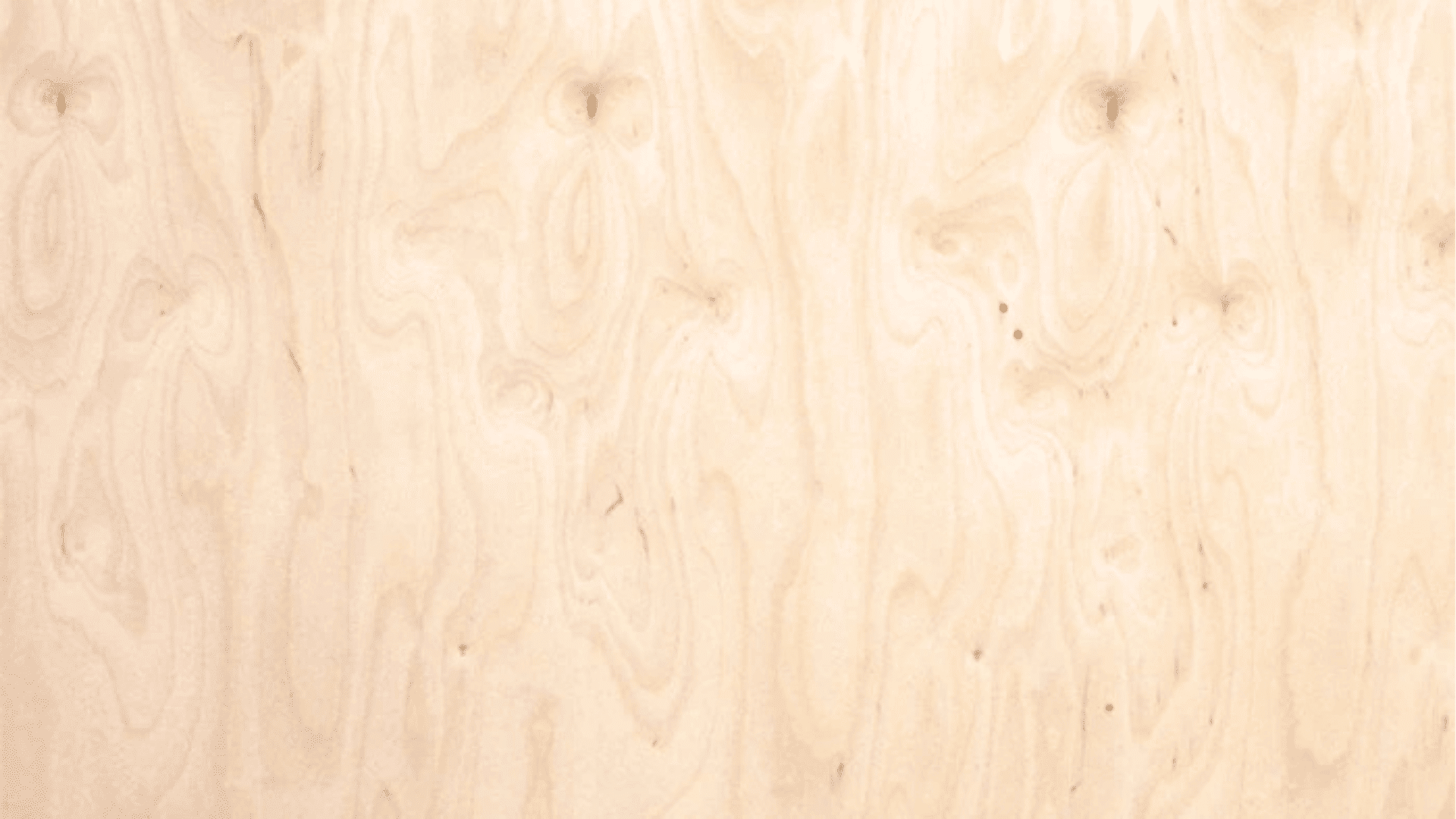
Plywood is built from thin layers of wood glued in alternating directions for strength. It’s cost-effective, stable, and widely used for modern furniture, cabinets, and shelves.
Its layered structure resists cracking and shrinkage, though it usually needs a veneer or laminate finish for style.
21. Bamboo Wood
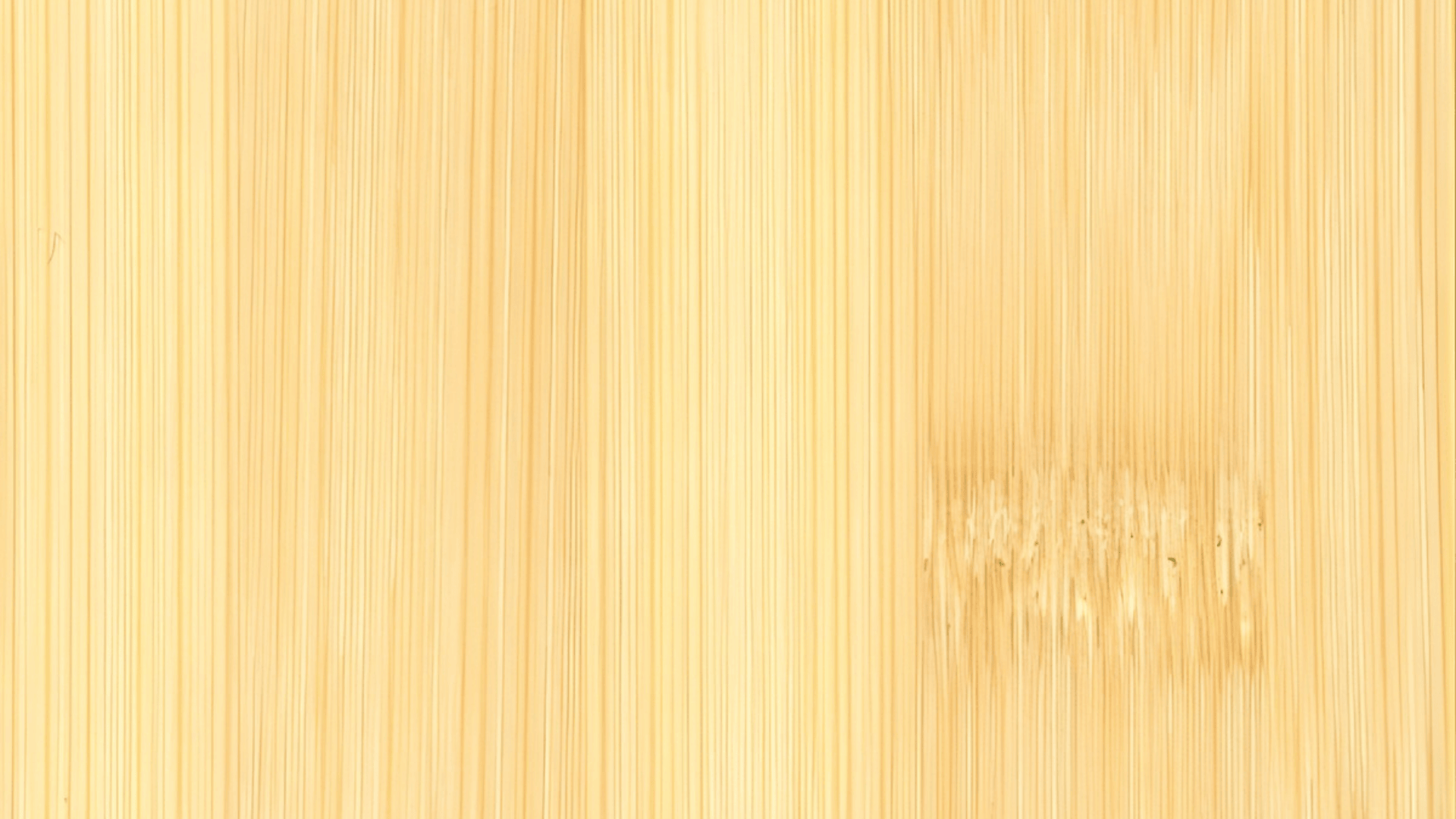
Bamboo is a fast-growing, eco-friendly material known for its strength and flexibility. Its smooth texture and natural golden tone make it perfect for modern, minimal, or tropical-style furniture.
Lightweight yet durable, bamboo resists moisture and everyday wear. It’s commonly used for chairs, tables, and décor pieces that combine sustainability with contemporary appeal.
22. Reclaimed Wood
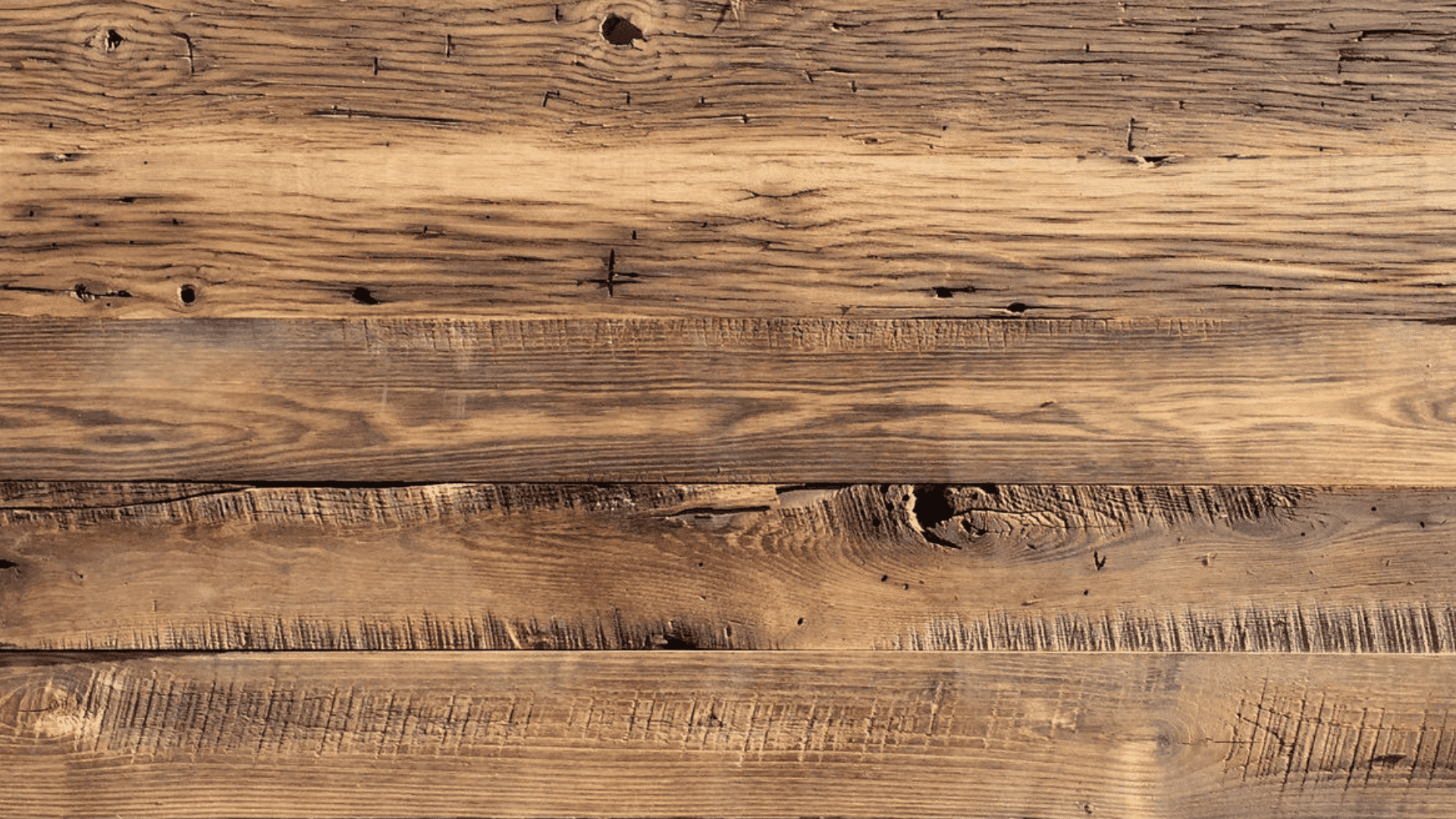
Reclaimed wood is sourced from old buildings, barns, or ships, giving each piece a distinct, weathered character. It’s durable, eco-friendly, and rich in natural texture, showing knots, nail marks, and aged patina.
Commonly used for tables, shelves, and accent walls, reclaimed wood adds warmth, authenticity, and sustainability to rustic, farmhouse, or industrial-style furniture.
23. Rubberwood
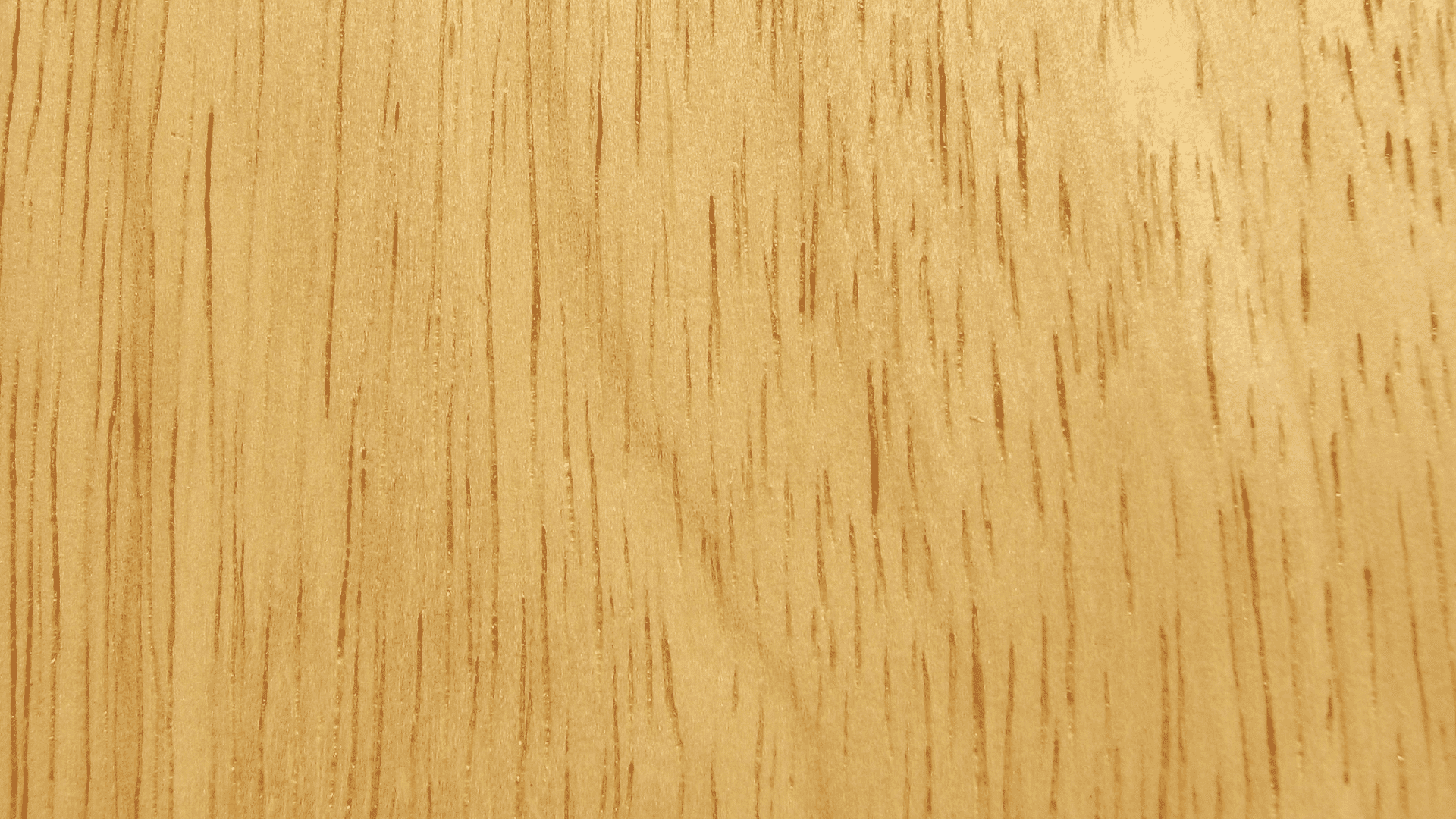
Rubberwood is a light-colored hardwood sourced from rubber trees after they stop producing latex. It’s eco-friendly, stable, and easy to work with.
Its smooth grain and affordable price make it a great choice for tables, chairs, and cabinets. Though not ideal for outdoor use, it’s durable and sustainable for indoor furniture.
How to Identify Wood Types and Choose the Right One
Identifying wood correctly helps you understand its quality, durability, and best use. Each wood has unique traits like grain, color, and weight that make it suitable for certain furniture types.
| Wood Type | How to Identify | Best Used For |
|---|---|---|
| Oak | Prominent straight grain, heavy weight, light brown color | Living room, dining tables |
| Walnut | Dark brown tone, smooth fine grain, medium weight | Living room, office |
| Maple | Light color, smooth texture, subtle grain | Bedroom, cabinetry |
| Pine | Light yellow tone with knots, soft to the touch | Bedroom, rustic furniture |
| Cherry | Reddish tone that darkens with age, fine texture | Bedroom, cabinetry |
| Teak | Golden-brown color, oily feel, heavy | Dining, outdoor furniture |
| Acacia | Rich honey color, bold wavy grain | Dining, accent pieces |
| Ash | Pale color, straight grain, lightweight | Office, chairs |
| Mango | Light brown with unique streaks, medium weight | Dining, décor |
| Mahogany | Deep reddish tone, smooth surface, medium-heavy | Living room |
| Reclaimed Wood | Visible imperfections, uneven tone | Rustic or industrial décor |
| Plywood | Layered edges visible, lightweight | Office furniture |
| Bamboo | Smooth, uniform grain, lightweight | Modern, eco designs |
By learning these key identifiers, you can quickly spot quality materials and pick wood that fits your space and purpose. Whether you’re buying, refinishing, or designing furniture, knowing what each wood offers ensures a smarter, longer-lasting investment.
Simple Tests to Identify Wood Type:
A few quick, hands-on tests can help you tell real wood from engineered or imitation materials when checking furniture quality.
- Grain Patterns: Check for natural lines or knots – uniform grains may suggest engineered wood.
- Color Tone: Real wood shows slight variations; laminate looks overly consistent.
- Weight: Solid hardwood feels heavier than engineered or softwood.
- Knock Test: A deep tone indicates solid wood; a hollow sound means veneer or MDF.
- Scratch Test: Solid wood dents slightly, veneer may peel.
- Smell Test: Natural woods have a woody or earthy scent; MDF smells chemical.
- Edge Check: Wrapped grain means solid wood; seams or a thin top layer indicate veneer.
By combining these quick tests with the identification table, you can confidently recognize genuine wood types and choose the right one for each furniture piece.
Eco-Friendly & Sustainable Choices
Choosing eco-friendly wood helps reduce environmental impact while keeping furniture durable. Look for FSC-certified woods like oak, maple, or teak – these come from responsibly managed forests.
Fast-growing woods such as bamboo and mango are renewable and affordable; bamboo regrows quickly, and mango trees are used after their fruiting years.
Reclaimed wood from old structures adds character while cutting waste. You can also recycle or upcycle old furniture by sanding, repainting, or refinishing instead of replacing it.
These simple choices support sustainability and extend the life of natural resources.
Conclusion
Choosing the right types of wood furniture is about finding the perfect balance between durability, appearance, and budget.
Each wood brings its own charm, from the rich tones of walnut to the timeless strength of oak, or the eco-friendliness of bamboo.
Even reclaimed and mango wood options prove that style and sustainability can go hand in hand. Understanding these differences helps you make confident decisions that last for years.
If you’re planning to buy or design new pieces, use this guide as a go-to reference to pick furniture that truly fits your home and lifestyle.