
Home » Gardening
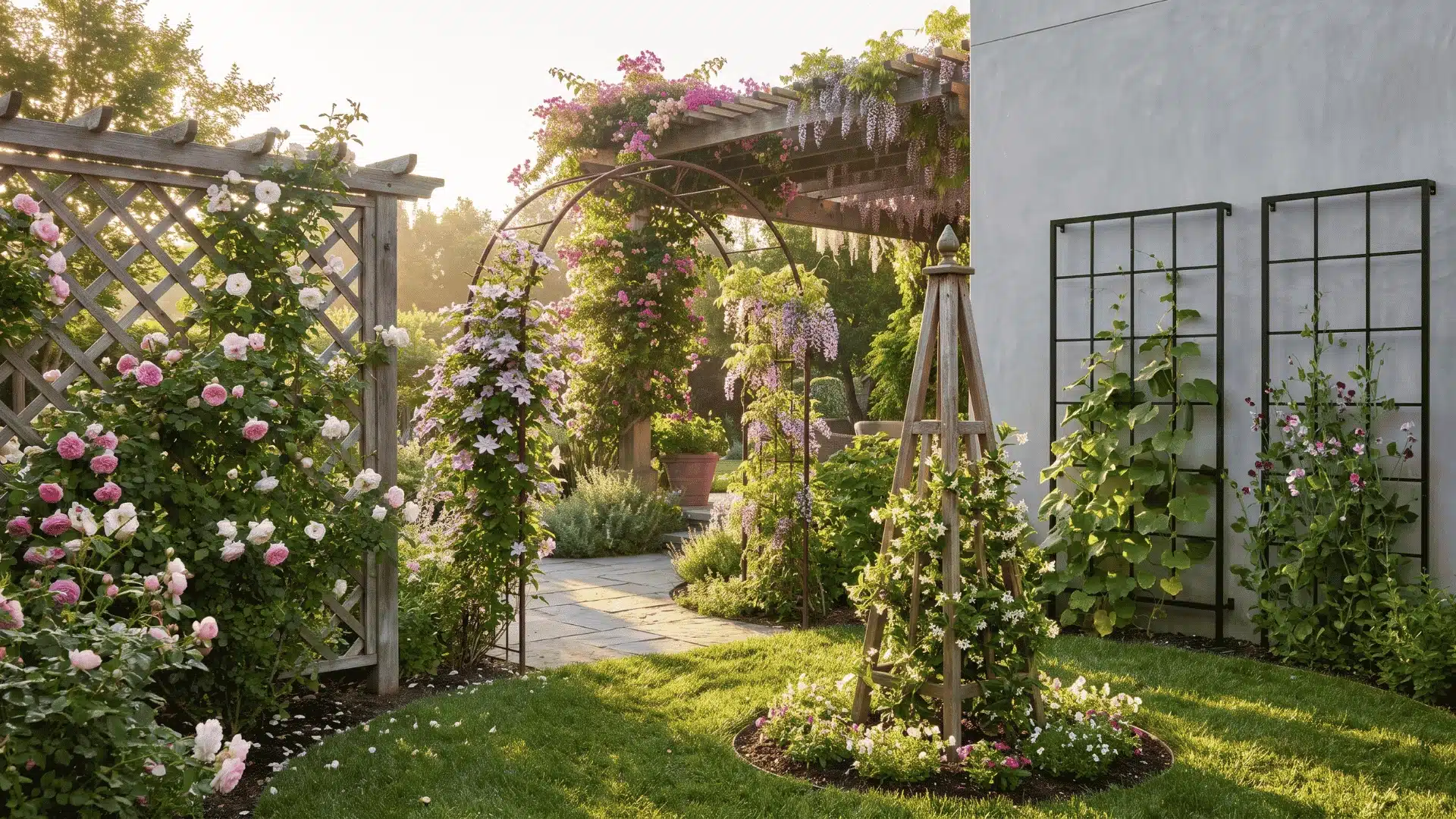
A garden trellis can turn a plain bed, wall, fence, or patio corner into useful growing space. It keeps climbing plants off the ground,
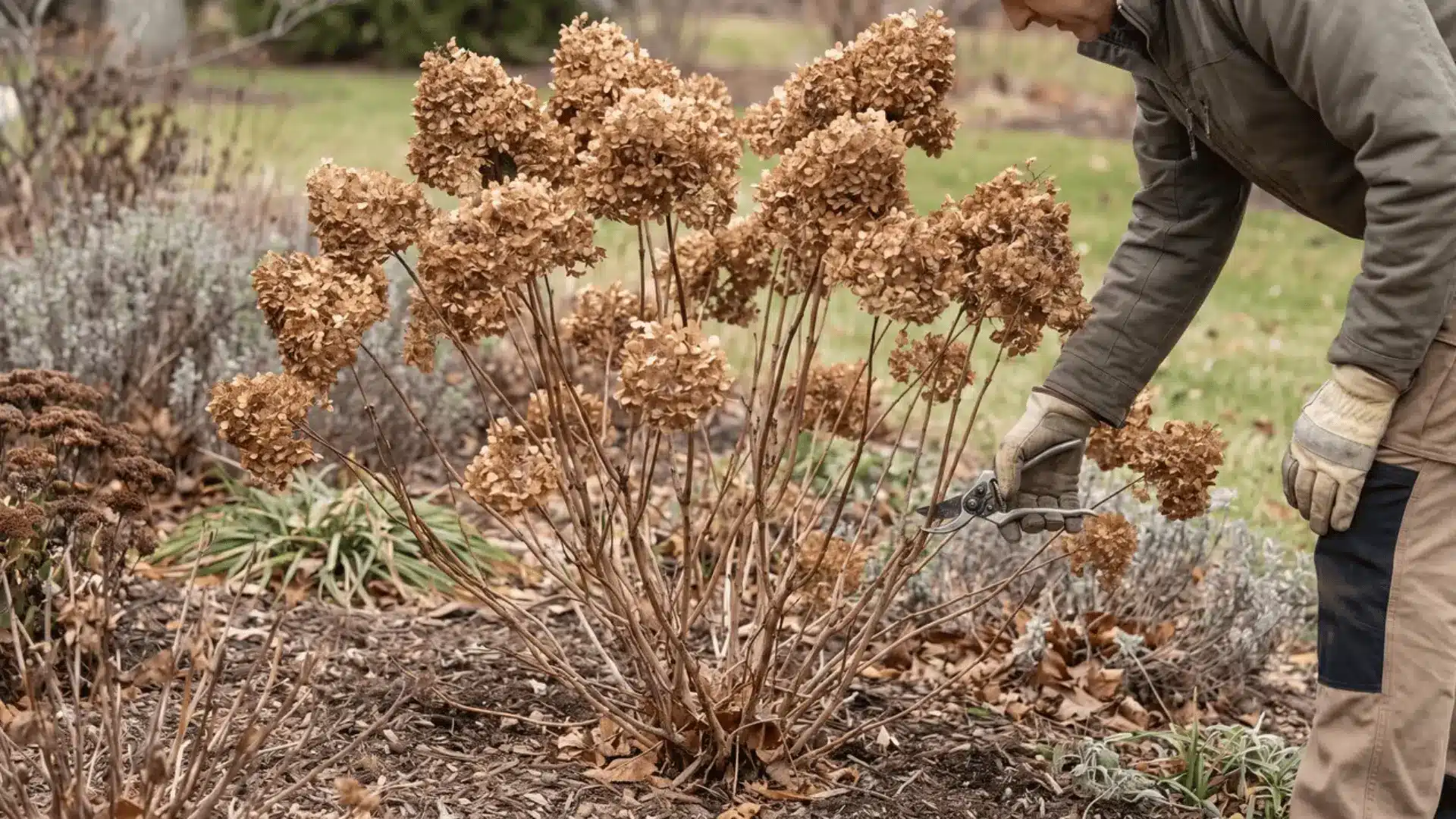
Pruning hydrangeas can feel risky when one cut might remove next season’s flowers. The good news is that the job gets much easier once you know what type of hydrangea you have. Learning how to prune hydrangeas starts with one
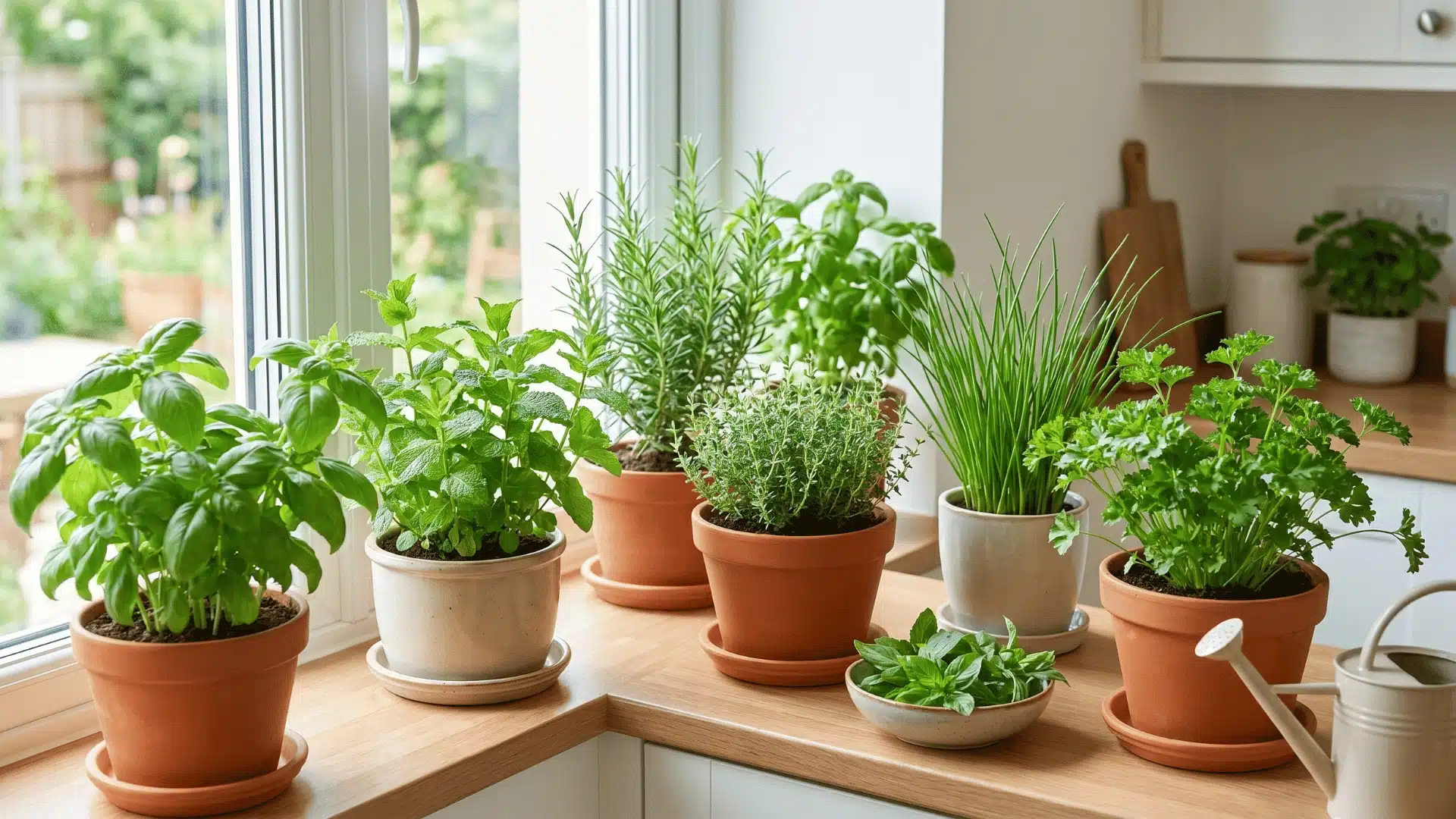
Fresh herbs are useful in the kitchen, but buying a whole bunch for one recipe often leads to waste. Growing them at home can fix that, especially if you only need a few leaves at a time. Learning how to grow herbs indoors is not about having a perfect green thumb. It is about giving each plant the right light, pot, soil, water, and harvest routine. Some herbs need steady moisture, while others prefer to dry out between waterings. Once you understand those differences, a small windowsill setup becomes much easier to manage. Here is how to start with herbs that can actually survive indoors. What Makes a Herb “Suited” for Indoors? A herb suited for indoors has shallow roots and does not need a cold winter dormancy period before it starts growing again. That combination is why basil, mint, thyme, oregano, and rosemary all perform reliably on a windowsill, while herbs with deep taproots or a hard dormancy requirement struggle no matter how much light they get. Basil, mint, and chives prefer steady moisture and grow quickly. They droop fast when dry and need more consistent attention than most other indoor herbs. Thyme, oregano, and rosemary come from dry Mediterranean climates. They handle dry soil well and struggle more with overwatering than neglect, making them forgiving for inconsistent waterers. Starting material matters too. Grocery store herb pots pack many seedlings together for short shelf life, not long-term indoor growth, and transplanting the whole pot rarely ends well. For better results, separate supermarket herbs into smaller groups and repot them individually. Starting from seed or buying a single nursery transplant gives you a much stronger foundation. Steps on How to Grow Herbs Indoors Growing herbs indoors is simpler than most people expect, but success depends on getting a few fundamentals […]
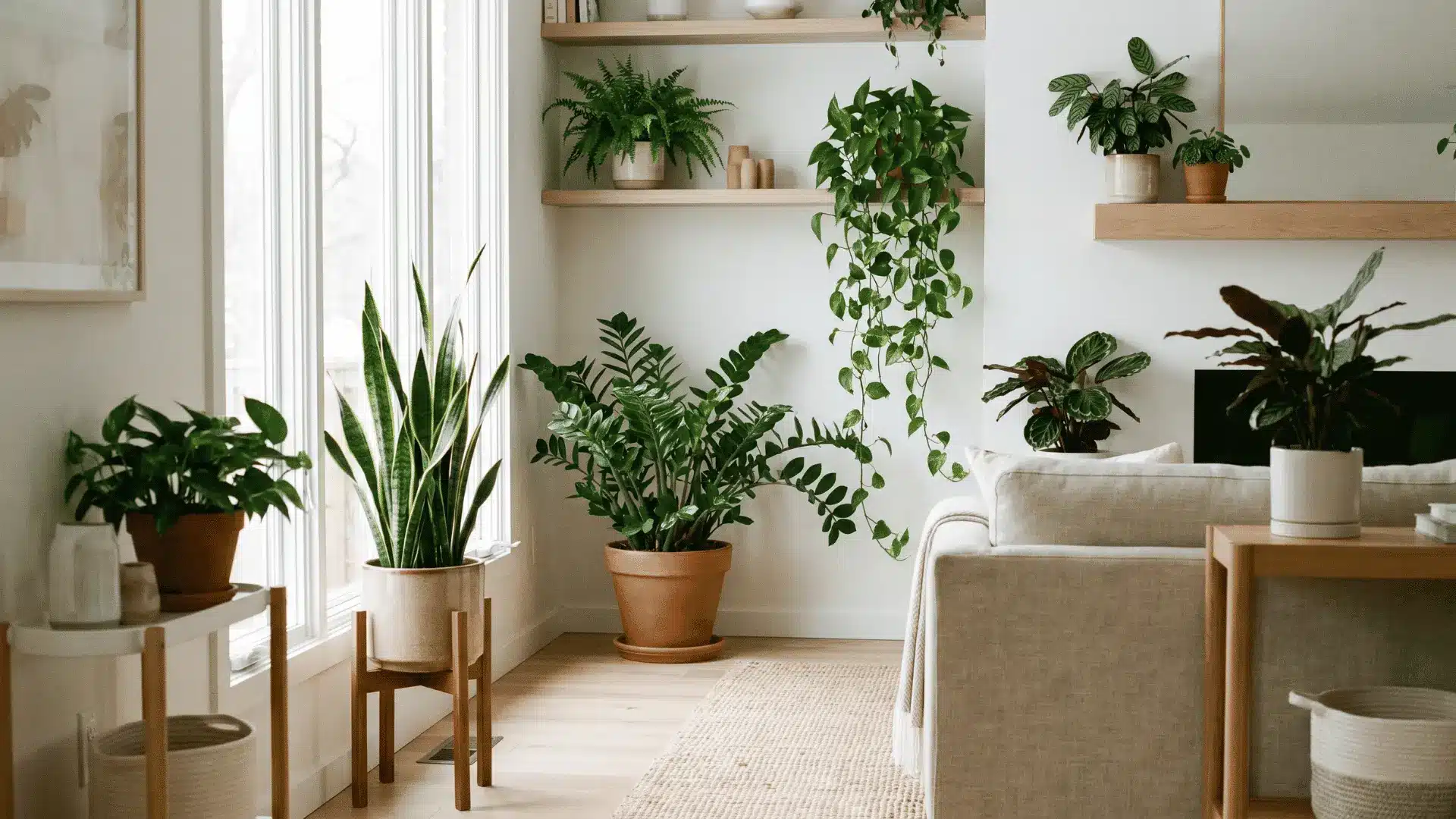
A dark corner can make plant shopping surprisingly frustrating. You bring home something beautiful, then watch it struggle because the room simply does not give it enough light. I want to help you avoid that mismatch. The best indoor plants for low light are not all the same. Some handle dry soil well, while others need more humidity, space, or attention. Your room size, window position, pets, and watering habits all matter. Here, you’ll find reliable options for desks, shelves, bedrooms, offices, and larger corners, plus simple guidance on what low light really means, a few ideas for styling an empty corner around your plant, and how to care for these plants without overwatering them. What Low Light Really Means Indoors Low light usually describes a room that receives limited indirect daylight rather than direct sun. A north-facing window, a shaded window, or a plant positioned several feet from a brighter window may fall into this category. You should still be able to see comfortably during daytime without relying entirely on artificial room lighting. Distance from a window matters. Light intensity falls quickly as a plant moves farther into a room, even when the area still looks reasonably bright to human eyes. Windowless bathrooms, hallways, and interior offices are different. Ordinary ceiling lights may not provide enough usable light for long-term plant growth. A grow light is usually the better solution in those spaces. Best Indoor Plants for Low Light Each plant below handles dim indoor conditions differently. The short paragraph explains why the plant stands out, while the bullets give only quick practical details such as placement, growth habit, or care considerations. 1. ZZ Plant The ZZ plant is popular because it stays attractive even when growth is slow. Its glossy, dark green leaflets hold their shape well on […]
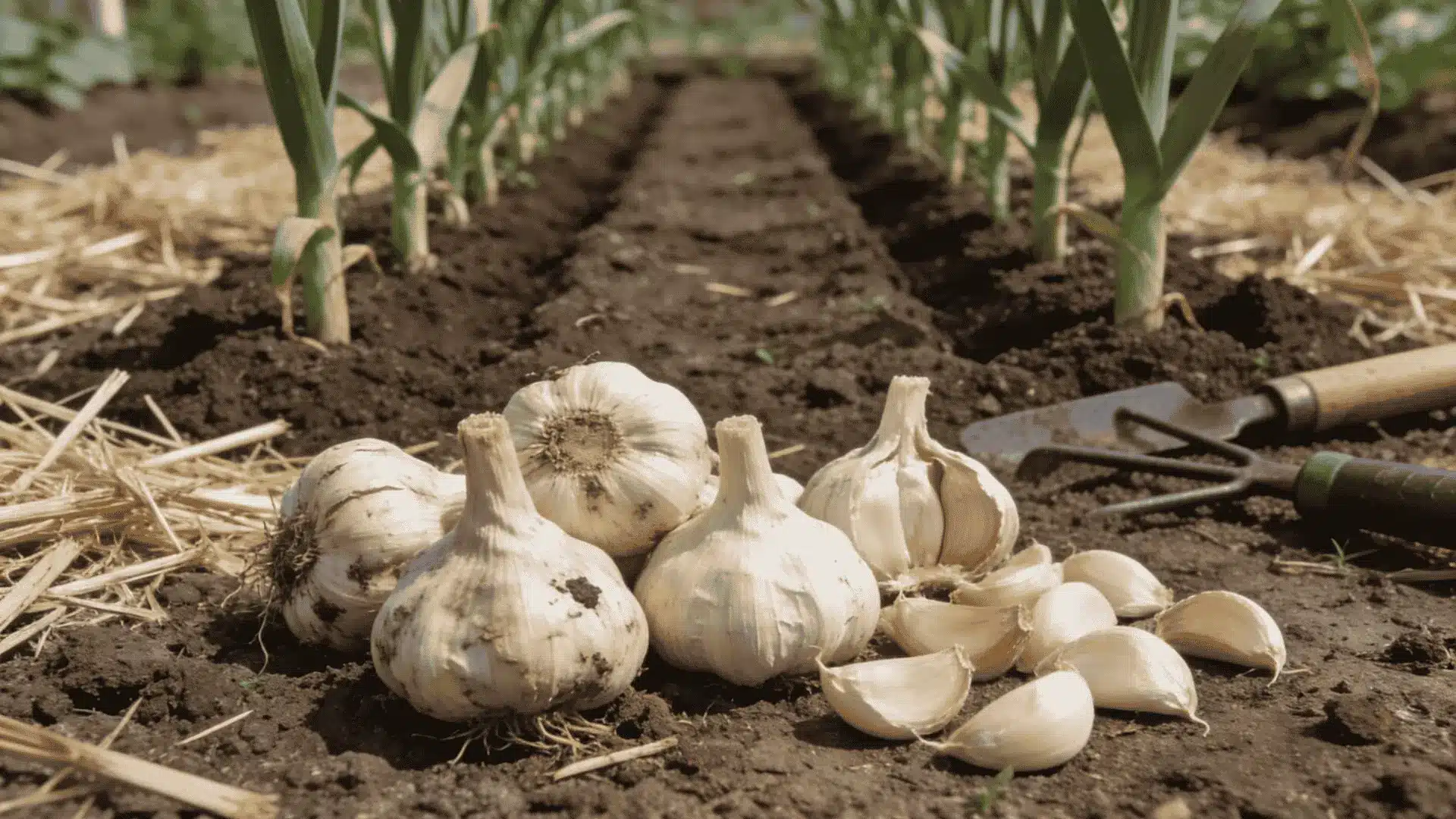
Learning how to plant garlic is one of the most rewarding things you can do in a home garden. It’s cheap, simple, and the payoff shows up fast. Garlic isn’t like other crops you’re used to. It runs on its own clock, needs real cold to do its job, and rewards anyone who respects that timing. The variety you pick, the clove you choose, and the timing you follow all shape what ends up in your hands. I’ll walk you through all of it, from picking the right clove to pulling a perfectly cured bulb. When Should You Plant Garlic? Plant garlic in the fall, sometime between September and November. That gives roots time to settle in before the ground freezes. I’ve pushed planting into December once, out of laziness. The bulbs came in undersized, and that mistake taught me to respect the calendar. Garlic isn’t like most vegetables. It needs a real cold spell, called vernalization, before it can form proper bulbs. Skip that cold period, and you get small, undivided heads that aren’t worth pulling. Here’s what actually happens underground during that cold stretch: Roots grow quietly through fall and winter As spring days lengthen, the plant shifts energy into leaves That leaf growth eventually feeds back down into the bulb Each stage depends on the one before it. Rush the roots, and the leaves never catch up later. The sweet spot is 4 to 6 weeks before your first hard frost. That window gives cloves enough time to root before the cold shuts growth down. Miss that window and the plant falls behind fast. Here’s what timing failures actually look like: Cloves planted too late go dormant before roots can anchor Under-rooted plants start spring behind, and usually stay behind Late-planted garlic is more vulnerable to heaving, […]
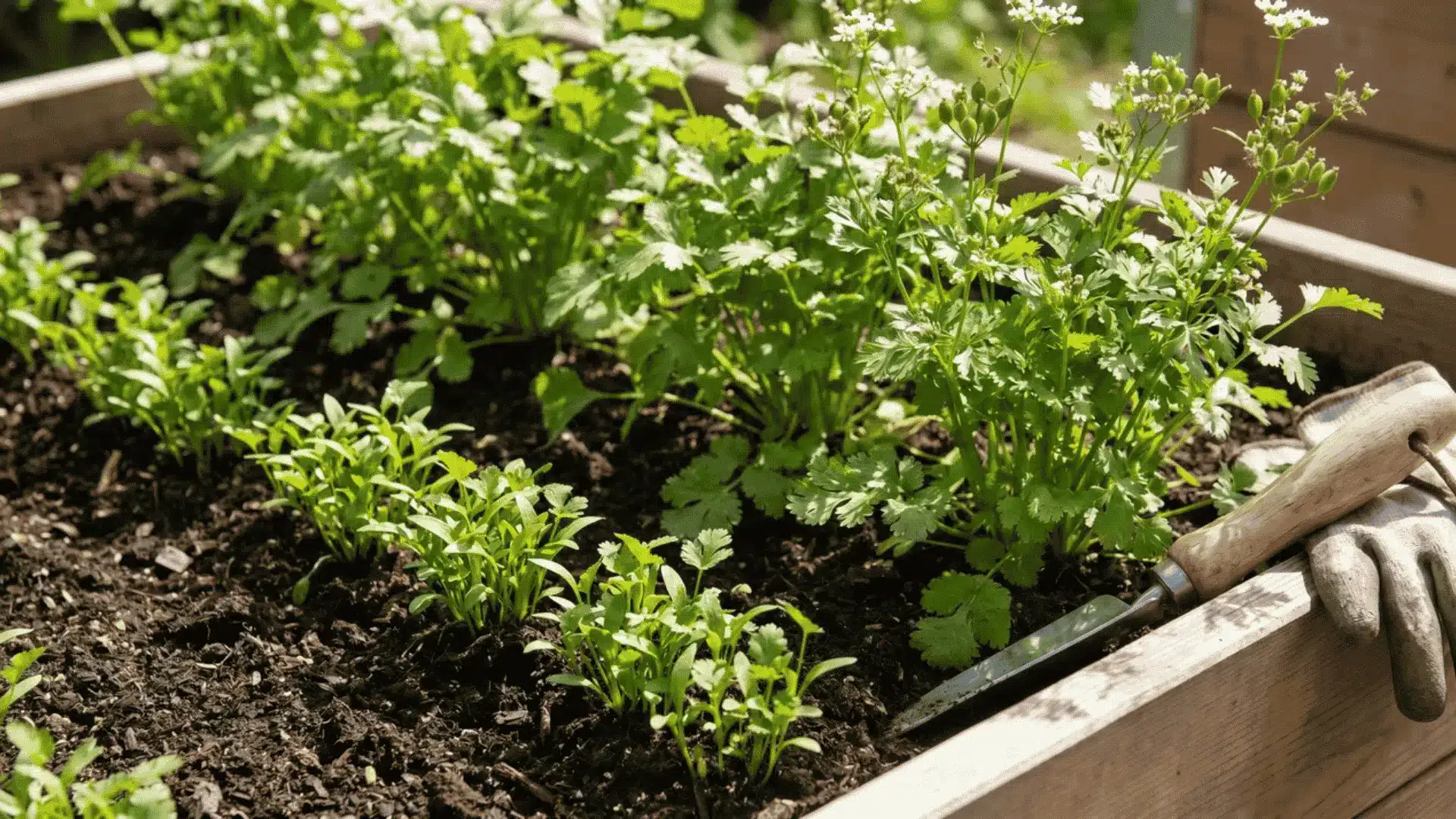
Growing cilantro sounds simple, until it bolts before you get a single harvest. I’ve watched this happen to careful gardeners more than casual ones. Timing trips people up more than skill ever does. Cilantro is a cool-season herb with a narrow productive window. Miss it, and the plant goes straight to seed before your first cut. Most failures come down to three things: planting too late, watering wrong, or harvesting wrong. None of these are hard to fix once you see why they happen. Here’s everything you need: planting windows, bolt prevention, harvesting technique, and fixes for both garden beds and containers. When Should You Plant Cilantro? Cilantro needs cool soil, not cool air. Plant when soil temperature sits between 50–85°F. Soil can hit 85°F while the air still feels mild. Use a soil thermometer, not the weather app. Spring vs. Fall Planting Both seasons work, but only if you hit the right window. Spring planting works if you catch the soil while it’s still cool. Here’s what that looks like: Start 60 days before your last frost date Keep soil cool and just workable Best in zones 6 and below, where summers stay mild longer That window closes fast once summer heat arrives, so getting this stage right matters more than any other step. Fall planting gives you a longer runway, especially south of zone 6. Here’s the setup: Start 6–8 weeks before your first frost Soil is already cooling, which cilantro loves The main reliable window for zones 7+, since spring soil warms too fast there In zones 7 and up, spring soil crosses 85°F within weeks of the last frost. Fall is where you’ll get a real harvest. If soil hits 85°F even two weeks after germination, the plant skips leaf production and bolts straight to seed. […]
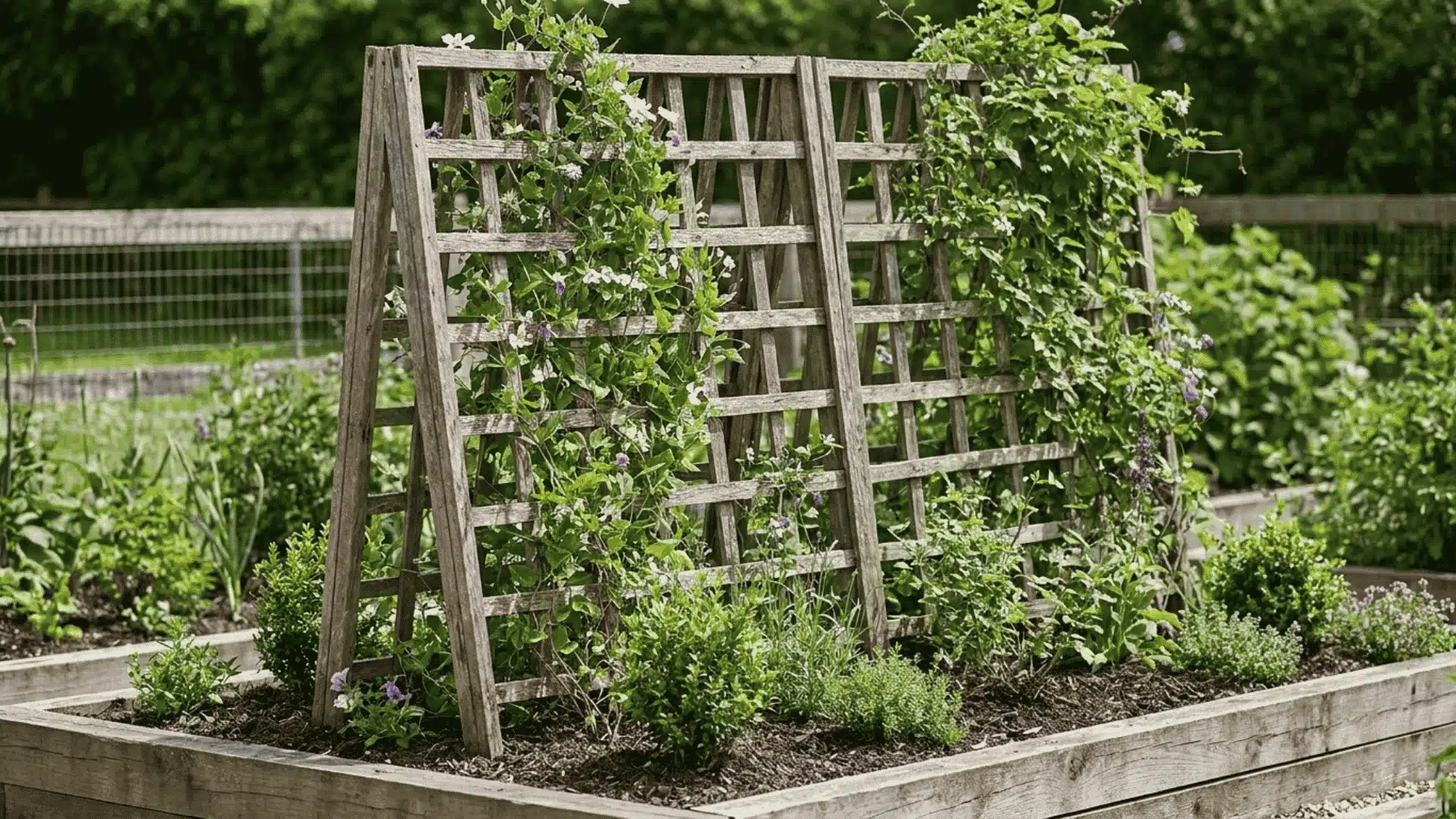
Climbing plant problems often begin with poor support, not unhealthy plants. Weak structures, crowded vines, and limited airflow create preventable growing issues outdoors. A garden trellis helps vines grow upward while improving airflow, reducing overcrowding, and making harvesting easier in smaller outdoor spaces throughout the growing season. Vines trailing across damp soil often develop mildew, tangled stems, and hidden produce. Still, different plants require different support depending on sunlight, space, and weight. Let me break down how different trellis styles actually work in outdoor gardens. What Is a Trellis? A trellis is a structure that supports climbing plants and helps them grow upward instead of spreading across the ground. It can stand on its own in a garden bed or attach to a wall, fence, planter, or raised bed. The goal is simple: give climbing plants a surface to grow on while keeping the garden more organized and easier to manage. Trellises come in many shapes, sizes, and materials. Some are small and decorative for flowers, while others are large and strong enough to support heavy fruiting vines. What Does a Trellis Look Like? Most trellises have an open framework made from crossed bars, wires, poles, or lattice panels. The open spaces are important because they allow plants to weave through the structure while still getting sunlight and airflow around the leaves. Some trellises sit flat against walls or fences, while others stand freely in garden beds. You can find simple straight panels, tall towers, arches, and cone-shaped designs depending on the plants and the available space. Common Trellis Designs Different trellis styles work better for different garden layouts and plant types. Design What It Looks Like Best For Fan Trellis Wide top with narrow bottom Roses, wall spaces Obelisk Trellis Tall tower shape Flower beds, focal points Teepee Trellis […]
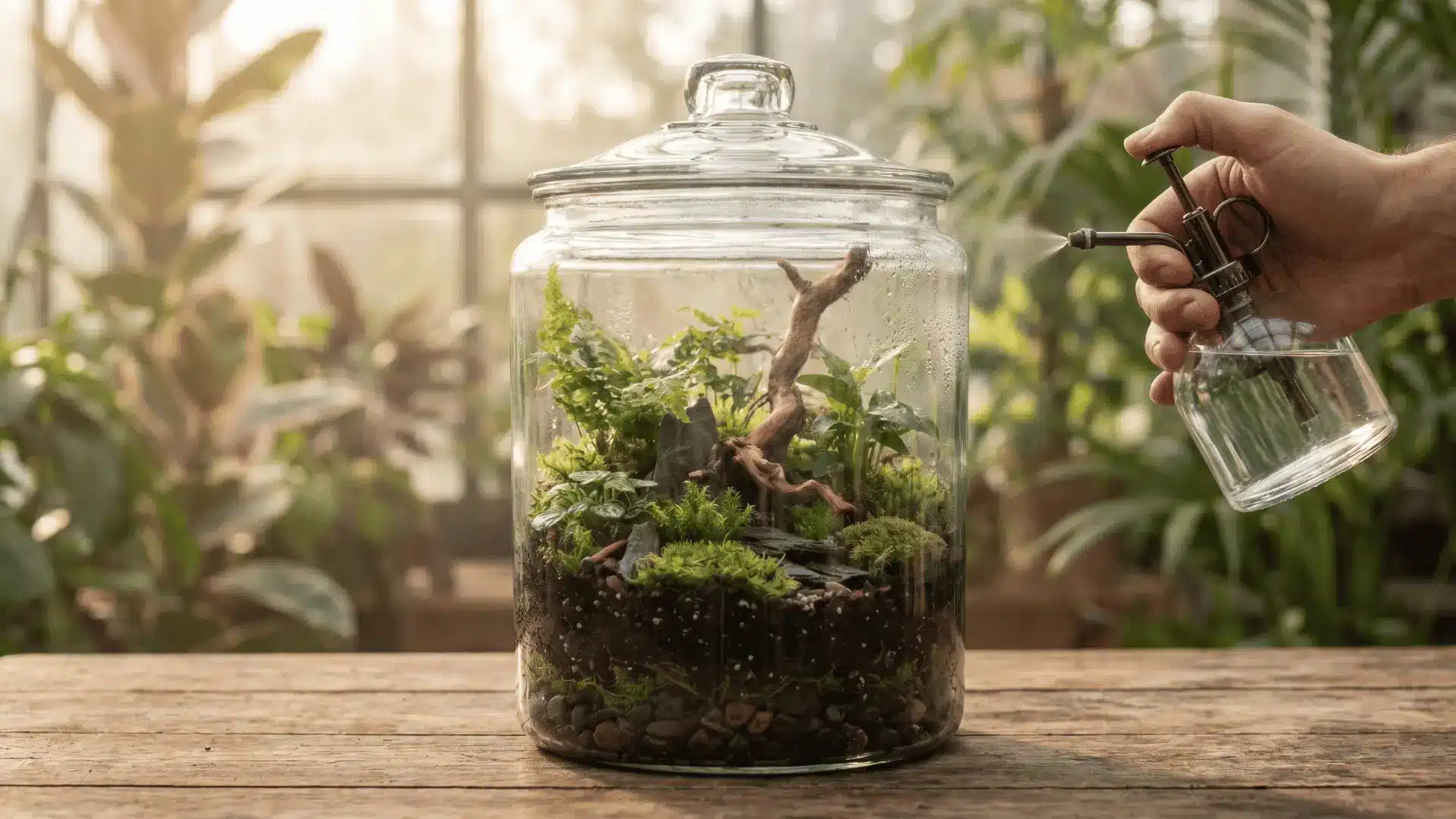
A closed terrarium is more than a decorative jar; it’s a living system that regulates its own moisture, light, and growth without constant attention. Most beginner attempts fail not because of wrong plants but because of skipped layers that quietly break the water cycle within months. Learning how to make a terrarium that actually stabilizes comes down to understanding why each component exists before placing anything inside the glass. Everything needed, from materials to step-by-step assembly to reading the warning signs, is laid out clearly below, in build order. Closed or Open Terrarium: Decide Before Anything Else Before starting with a terrarium DIY, the first step is choosing between a closed and an open one. This choice decides plants, soil layers, watering needs, and the full setup direction. A closed terrarium has a sealed lid, so moisture cycles. Water evaporates, condenses on glass, and returns to the soil. It suits humidity-loving plants. An open terrarium has no lid, so air moves freely. Moisture dries out faster, meaning regular watering is needed. It suits succulents and cacti. Here, the focus stays on closed terrariums. For open builds, skip charcoal, use cactus soil mix, and keep the container unsealed to support airflow and drainage. Step-By-Step Guide on How to Make a Terrarium A practical step-by-step guide to building a closed terrarium from scratch, covering container setup, drainage, soil layering, planting, and long-term care to create a stable self-sustaining ecosystem. Tools and Materials Used Material / Tool Purpose Glass jar or cookie jar with lid The main container needs a tight seal and an opening wide enough for your hand Pea gravel or LECA The drainage layer keeps excess water away from the roots Window screen mesh or weed blocker fabric Barrier between drainage and soil Coconut coir (coco fiber brick) Base soil component […]

Get the latest home decor tips, DIY ideas, and design inspiration delivered straight to your inbox.