
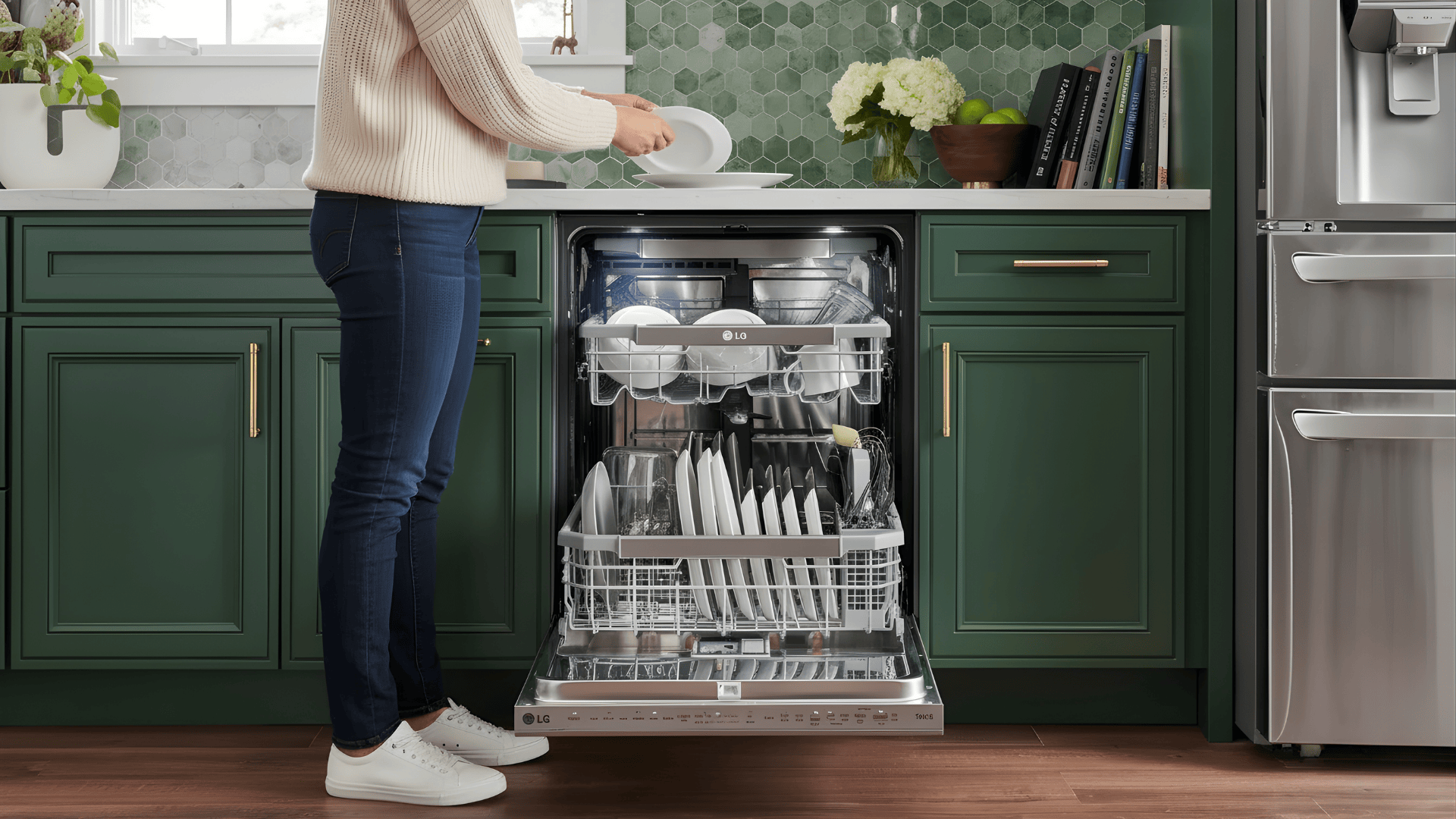




Your dishwasher works hard every day, tackling grease, grime, and food residue. But over time, even the best machines need a little care to stay efficient.
Knowing how to clean dishwasher parts properly doesn’t just make it look better; it helps your dishes come out spotless, reduces odors, and prevents clogs.
With the right steps, you can restore water flow, improve performance, and even extend your appliance’s lifespan.
Today, I’ll walk you through the essentials, from what supplies to use to simple cleaning methods that keep everything running smoothly. So, let’s get started.
Why Cleaning Your Dishwasher Matters
A clean dishwasher does more than just look nice. It helps your machine run better and last longer. Over time, grease, soap scum, and food particles can build up in the filter, spray arms, and seals.
This buildup blocks water flow and lowers the cleaning power. When your dishwasher starts smelling, leaves cloudy streaks, or dishes come out dirty, that’s a sign it needs a deep clean.
Regular maintenance keeps the water jets clear, prevents mold, and reduces odors. It also improves energy efficiency and helps your dishwasher perform like new for years.
Tools and Materials You’ll Need
- White vinegar, dish soap, and microfiber cloth: For basic cleaning and wiping surfaces.
- DIY cleaning mix: Combine one cup of vinegar, one cup of water, and one teaspoon of dish soap in a spray bottle.
- Sink or tub with warm water: Use it to soak the filter and bottom tray.
- Toothbrush or soft brush: Perfect for scrubbing edges, seals, and corners.
- Flathead screwdriver: Helps remove the vent cover, if your model has one.
- Commercial cleaner (optional): Use brands like Finish or Affresh for a stronger clean instead of vinegar.
- Safety note: Never mix chemicals or bleach. Use one cleaner at a time to prevent damage or fumes.
Having these simple supplies ready makes the cleaning process quicker, safer, and more effective, so your dishwasher stays fresh and works at its best every time.
How to Clean a Dishwasher: Step-by-Step Guide
If you’ve been wondering how to deep clean dishwasher parts without using harsh chemicals, this simple step-by-step guide will walk you through everything you need to get it spotless and running like new.
Step 1: Empty and Prepare
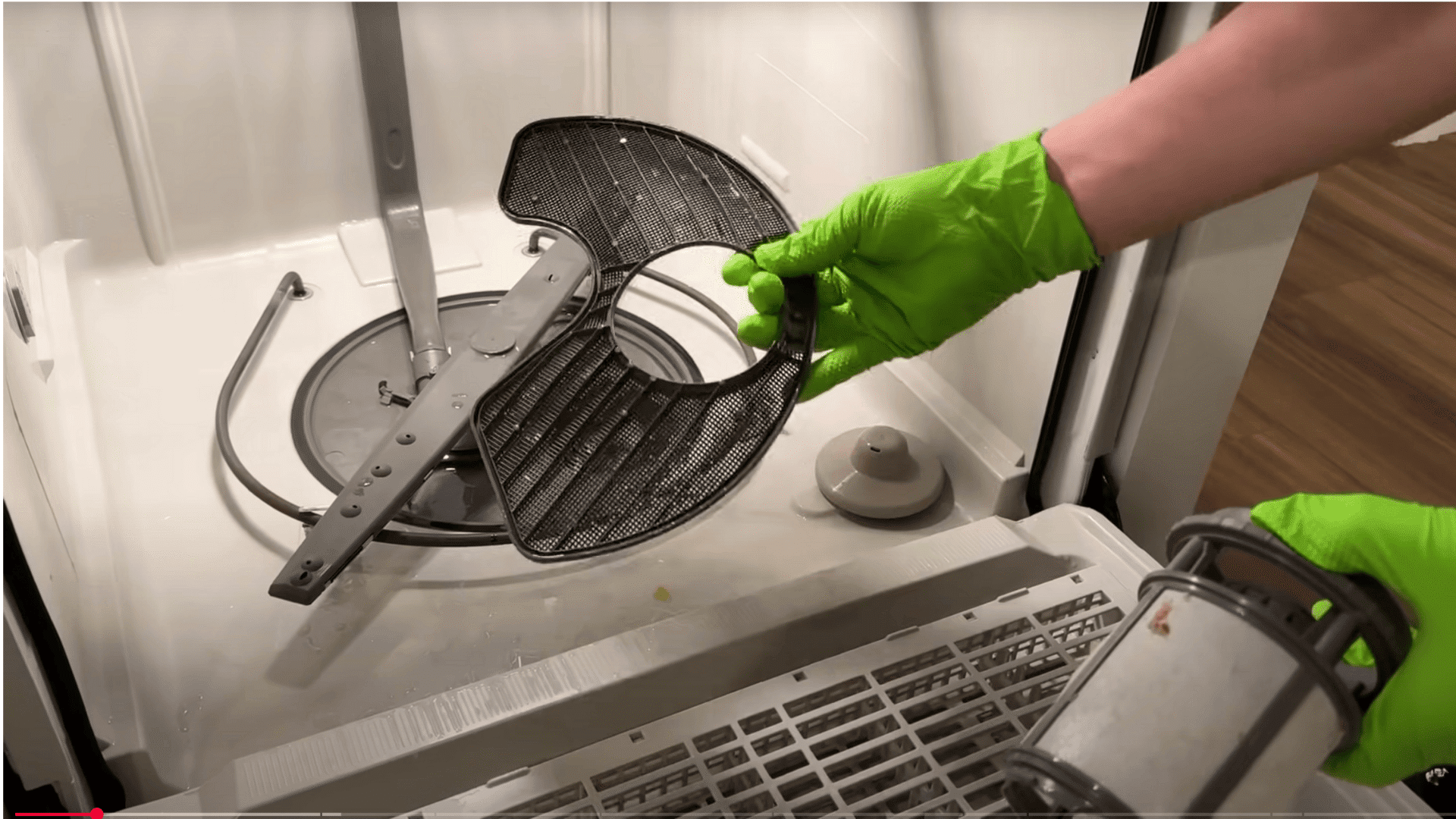
Start by removing all dishes, racks, and the cutlery basket to clear the space. Pull out the bottom rack to access the filter area.
Check the base and sides for any visible food particles or debris and wipe them away with a damp cloth. This helps prevent clogging during cleaning.
Step 2: Clean the Filter
Find the filter at the bottom of the dishwasher and twist it counterclockwise to unlock. Lift it out along with the small bottom tray underneath.
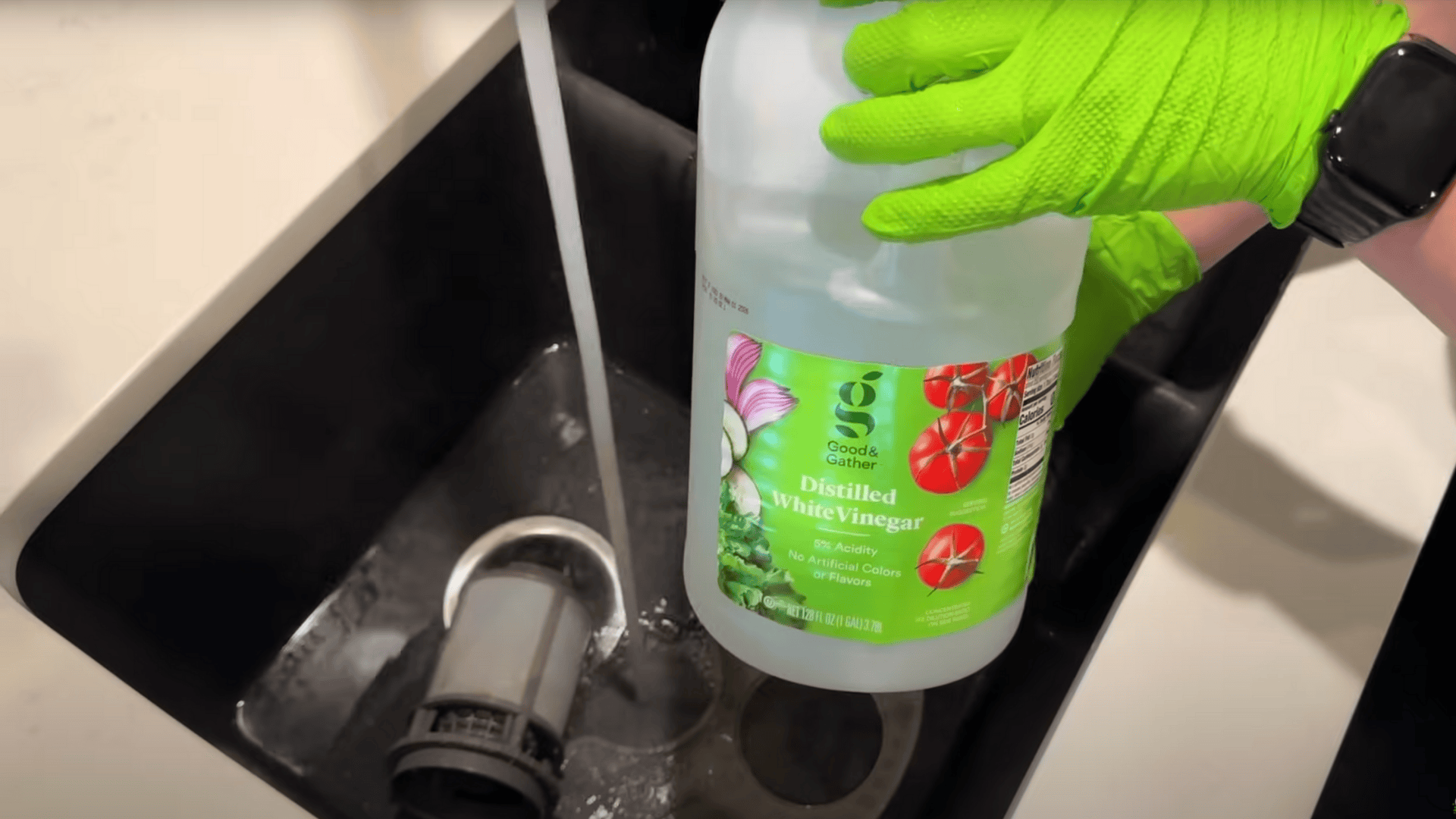
Soak both parts in warm water mixed with one cup of vinegar and a small amount of dish soap. After about 15–20 minutes, gently scrub, rinse well, and set aside to dry.
Step 3: Clean Spray Arms and Door Seals
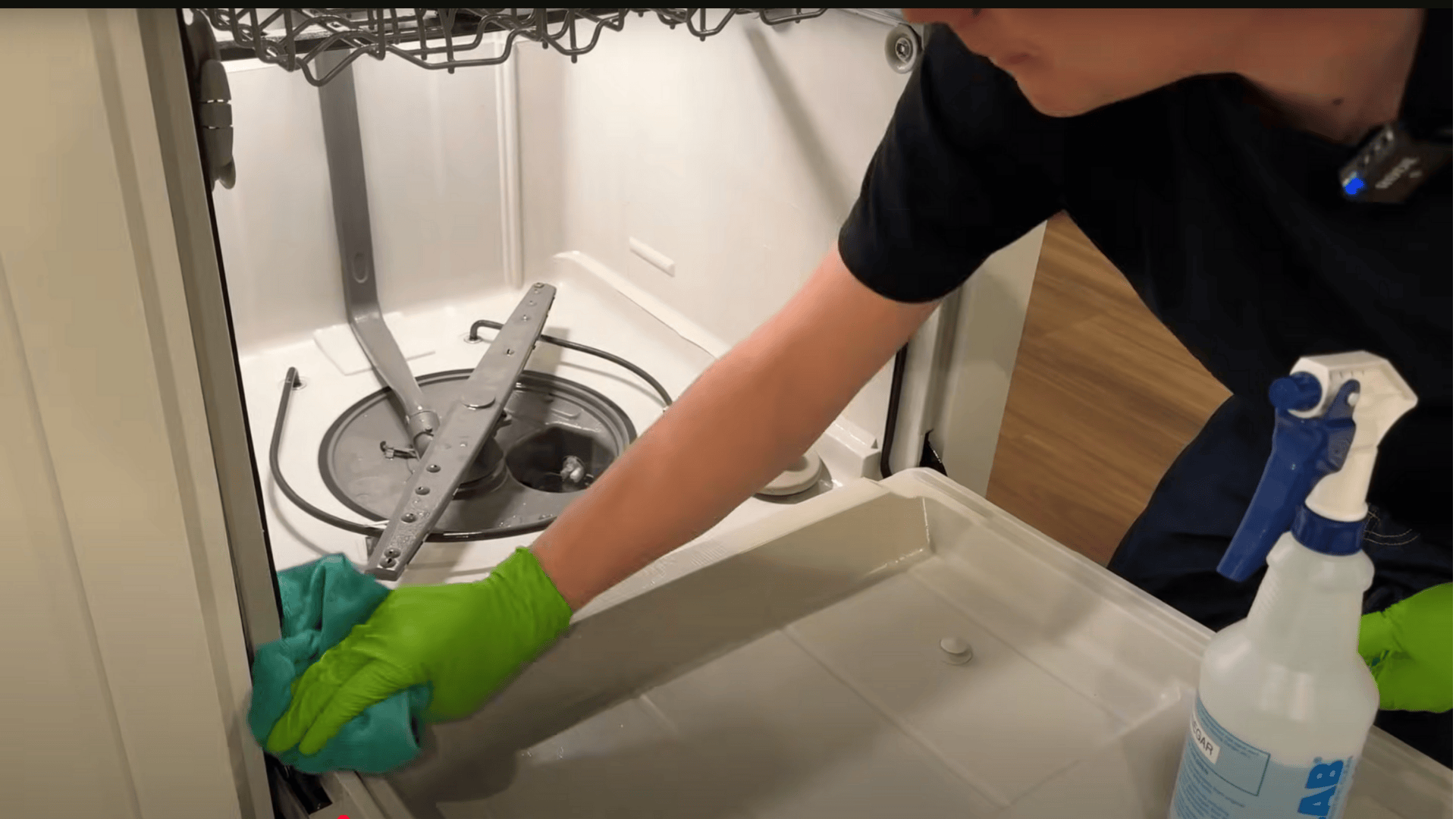
Mix one cup of vinegar, one cup of water, and a teaspoon of dish soap in a spray bottle. Spray along the door gasket, hinges, corners, and the hidden inner lip under the door.
Wipe thoroughly with a microfiber cloth to remove grease and grime. If your dishwasher has a vent cover, remove it, soak it, and clean it before reinstalling.
Step 4: Run Vinegar Cycle
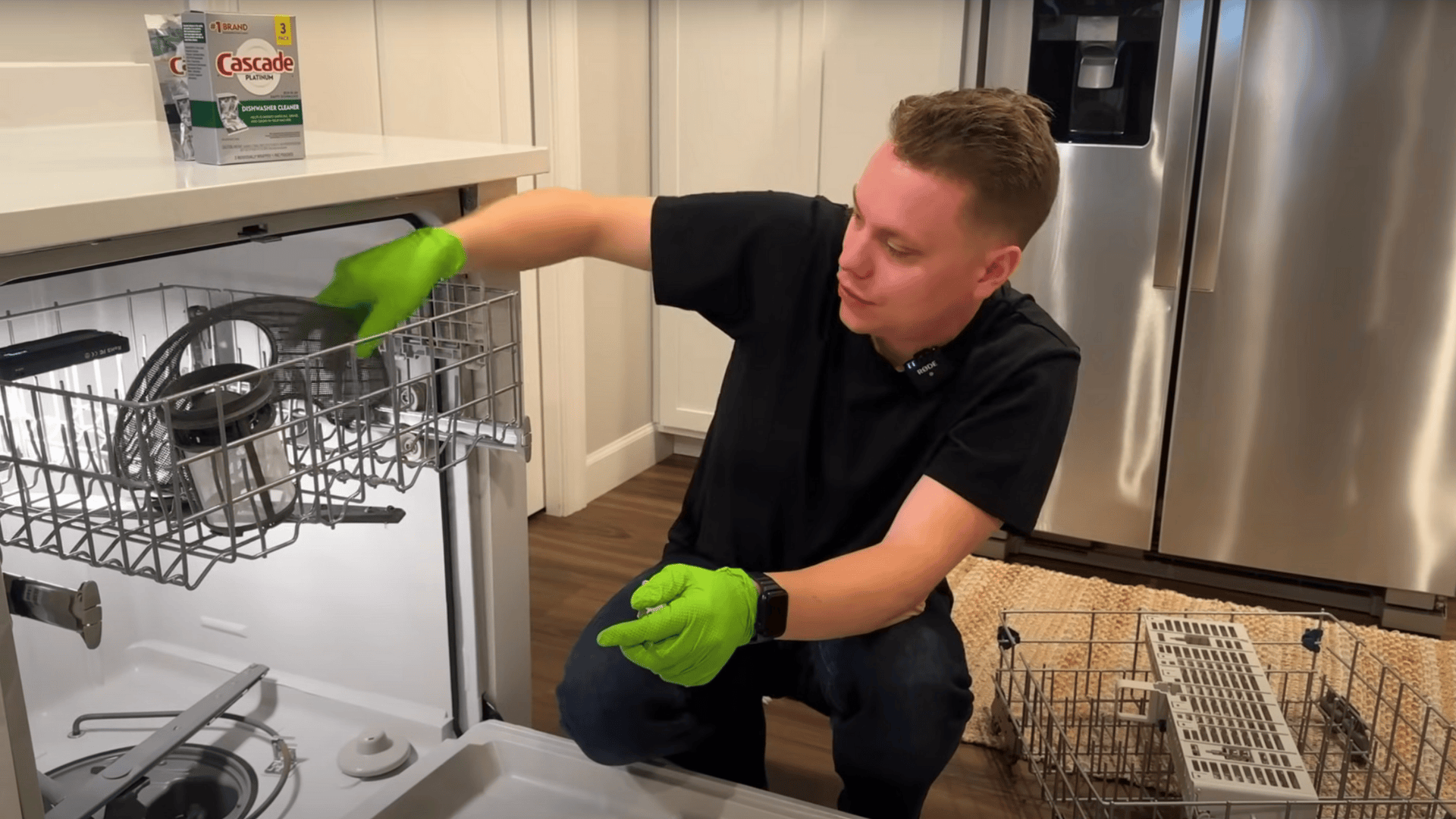
Place the cleaned filter, vent cover, and small tray on the top rack. Use a dishwasher cleaner pod in the detergent drawer or place a glass of white vinegar on the top rack.
Run the Normal cycle with High Temp Wash and Heat Dry off. This flushes out the buildup and sanitizes the interior.
Step 5: Deodorize with Baking Soda
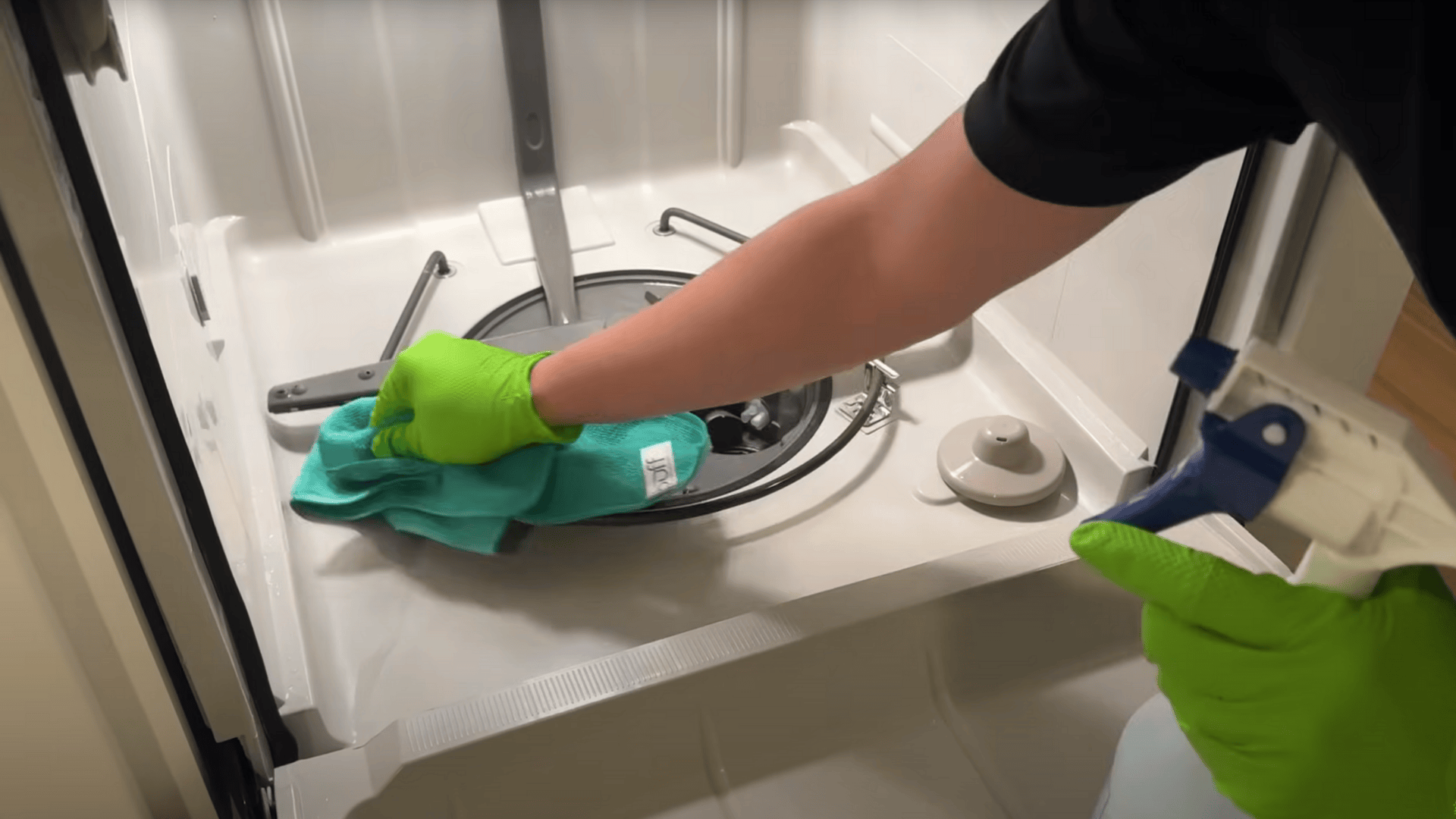
Once the vinegar cycle finishes, sprinkle half a cup of baking soda across the bottom of the dishwasher. Run a short, hot cycle to absorb any remaining odors.
After the cycle ends, remove the bottom rack and inspect the coils and corners. Wipe away any leftover residue using your DIY cleaning mix.
Reinstall the filter by turning it clockwise until tight, then slide the racks and the utensil holder back. Your dishwasher should now smell clean and run efficiently.
Step 6: Clean the Exterior
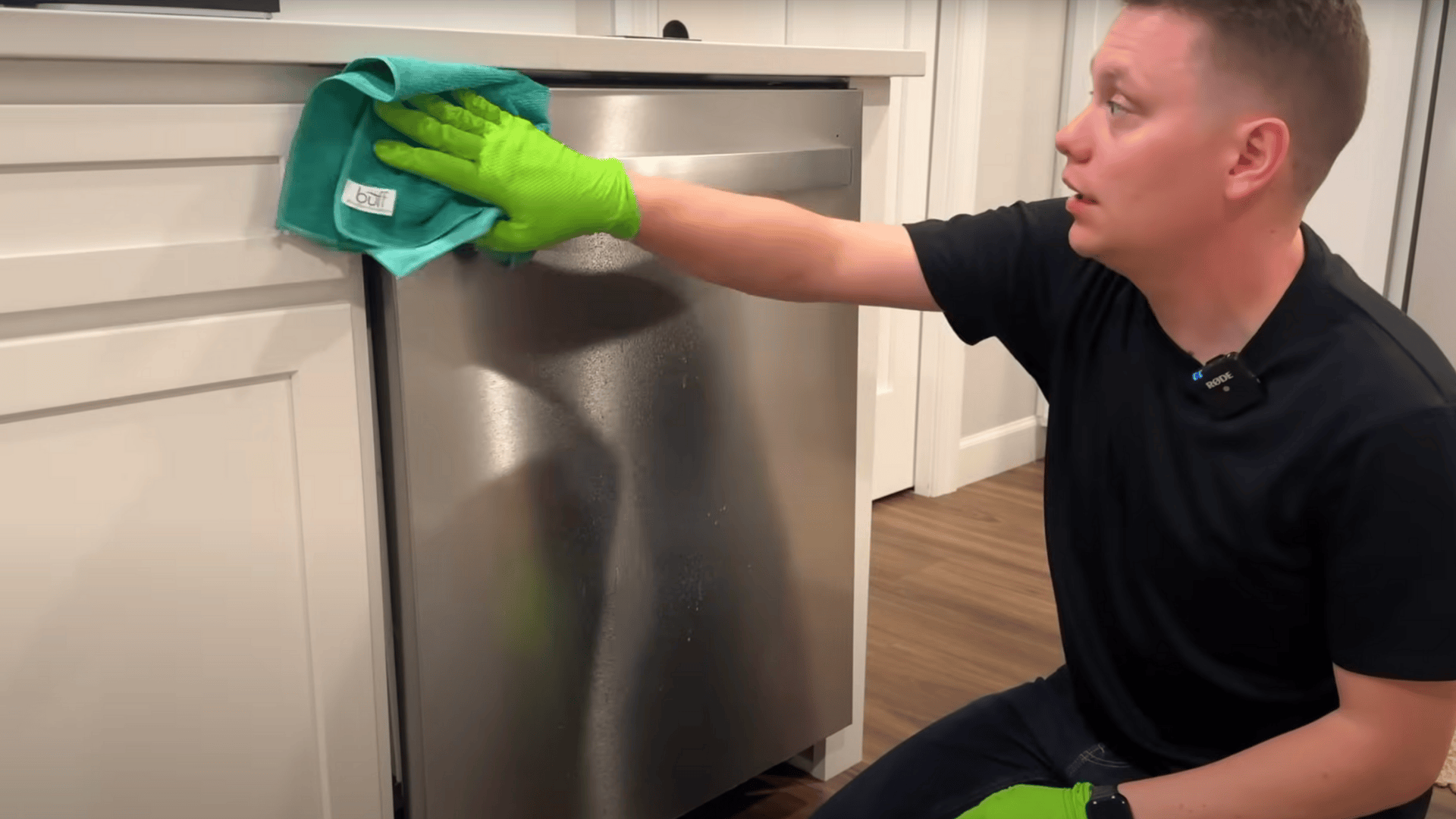
Use a microfiber cloth and mild soap or vinegar to wipe down the outside and control panel. For stainless steel dishwashers, spray a stainless cleaner and wipe with the grain.
Buff dry with a clean section of the cloth to remove streaks and fingerprints, leaving the exterior shiny and spotless.
DIY Dishwasher Cleaning Video Tutorial
For the full step-by-step process, you can watch this video tutorial, which shows exactly how to clean your dishwasher from start to finish:
Other Deep Cleaning Methods
If your dishwasher has tough buildup or hard water stains that regular cleaning can’t fix, these deep cleaning methods will help restore its performance and freshness:
For Hard Water and Mineral Deposits
Hard water can leave chalky residue and white spots on the walls or heating element. To remove it:
- Empty the dishwasher completely.
- Add 2–3 tablespoons of citric acid powder or the recommended amount of a dishwasher descaler to the detergent compartment.
- Run a full hot water cycle without detergent.
- Wipe the interior with a damp microfiber cloth once the cycle ends.
Tip: Repeat this every 2–3 months if you notice mineral buildup or dull dishes.
Using Commercial Cleaners
When natural methods aren’t enough, use a dishwasher cleaning pod or liquid cleaner:
- Place the pod in the detergent drawer or pour liquid cleaner on the top rack.
- Run a normal or heavy cycle with hot water and no dishes.
- After the cycle, leave the door slightly open to let moisture escape.
Deep cleaning once a month helps prevent mineral buildup, removes tough grease, and keeps your dishwasher running efficiently for years.
Eco-Friendly and DIY Cleaning Alternatives
- Lemon juice: Dissolves grease, removes mineral stains, and leaves a clean citrus scent. Pour one cup into the bottom of the dishwasher and run a short hot cycle.
- Castile soap: Mix a few drops with warm water to wipe the door, seals, and racks. It’s gentle, biodegradable, and ideal for regular cleaning.
- Essential oils: Add a few drops of lemon, eucalyptus, or tea tree oil to your vinegar mix for natural freshness and odor control.
- Baking soda: Sprinkle a thin layer on the bottom and run a short cycle to absorb odors and remove stains.
These natural options clean effectively, remove odors, and are safe for both your dishwasher and the environment.
How Often Should You Clean Your Dishwasher
Keeping a consistent cleaning schedule helps your dishwasher stay efficient and odor-free. Each part collects dirt differently, so cleaning them at the right time prevents buildup and keeps it running smoothly.
| Part | How Often to Clean | What to Do | Purpose |
|---|---|---|---|
| Filter | Monthly | Remove and rinse under warm water. Scrub lightly with a soft brush, then reinstall. | Prevents clogs and keeps water flowing properly. |
| Spray Arms | Every 3 months | Remove, rinse, and clear blocked holes with a toothpick or thin wire. | Maintains even water pressure for thorough cleaning. |
| Deep Clean | Monthly | Run a full cleaning cycle with vinegar or a dishwasher cleaner pod. | Removes buildup and keeps the interior fresh. |
| Exterior | Weekly | Wipe with a damp cloth or vinegar mix to remove smudges and fingerprints. | Keeps the surface clean and streak-free. |
Following this routine helps your dishwasher last longer, stay odor-free, and deliver spotless dishes every time.
Troubleshooting Odors and Residue
If your dishwasher smells or leaves residue, check these problem areas and quick fixes:
- Lingering odors: Usually caused by food, grease, or soap buildup in the filter, gasket, or drain. Remove the bottom rack, take out the filter, and wipe the drain area with a vinegar-soaked cloth.
- Brown spots or mold buildup: Caused by hard water or trapped moisture. Run a hot cycle with two cups of vinegar or use a cleaner pod. Wipe rubber seals and corners with a vinegar and dish soap mix.
- Drain and sump cleaning: Pour a cup of hot water with a few drops of dish soap into the drain opening. Scrub the edge with a soft brush and rinse well to clear trapped residue.
Regular upkeep in these spots prevents smells and keeps your dishwasher running efficiently.
Conclusion
Learning how to clean dishwasher parts regularly keeps your machine running smoothly and your dishes spotless. A few minutes of care each month prevents buildup, improves water flow, and helps your appliance last longer.
Simple ingredients like vinegar, baking soda, or lemon juice can handle most cleaning needs without harsh chemicals. Staying consistent is what really matters; small habits now save you from bigger issues later.
Take a moment today to give your dishwasher the attention it deserves and enjoy cleaner dishes, fresher air, and better performance every time you run a cycle.