Home » November 28, 2025
Sticky residue from labels, stickers, tape, or glue can turn a small cleanup into a frustrating job. The biggest mistake is treating every surface
A ceiling can make a room feel polished, or it can expose every roller mark and small surface flaw. If you choose the wrong paint, you may end up with uneven coverage, too much shine, or a finish that highlights
Warm white paint colors can make a room feel soft, bright, and welcoming, but choosing the right one is not always simple. A shade that looks perfect on a store card can turn yellow, flat, or too creamy once it meets your real lighting, flooring, trim, and furniture. That is why warm whites need to be tested in the room before you commit. Some work better in north-facing spaces, while others look best in sunny rooms or kitchens with warm bulbs. This guide will help you compare popular warm whites, understand undertones, and choose a shade that feels right on your actual walls. Why Warm White Paint Colors are Perfect for any Room? These shades bring a soft, inviting feel to any space, and each one earns its spot here for a different reason: undertone, brightness, or the specific rooms it tends to work best in. They instantly make rooms feel cozier and more lived-in without appearing dull or flat. Unlike stark whites, warm whites bring a natural softness that works in every room. Bedrooms feel more restful, living areas feel more inviting, and kitchens feel warmer and more welcoming throughout the day. Light plays a major role in how these colors appear on your walls. North-facing spaces tend to draw in cooler light, while south-facing rooms tend to bring out more of the creamy warmth naturally. Light Reflectance Value, or LRV, is the other piece of the puzzle. A warm white with a higher LRV stays brighter and safer in dim rooms, while one with a lower LRV leans cozier but can look muddier without enough natural light. Testing small swatches directly on your walls before committing is always the right move, and it’s worth comparing more than one shade side by side. For a closer look at how […]
A deck should feel useful on more than perfect weather days. The right cover can add shade, block light rain, protect furniture, and turn the space into somewhere you actually use more often. But not all covers solve the same problem. A pergola gives filtered shade, an awning works well for flexible sun control, and a solid roof offers stronger weather protection. That is why the best covered deck ideas start with how you want to use the space, not just how the structure looks. Here, you will find practical options for small decks, dining areas, outdoor kitchens, privacy, shade, and year-round comfort. What Does a Covered Deck Mean? A covered deck is a deck with overhead protection from sun or rain, ranging from a simple fabric sail to a permanent roof tied into the house. People often use the term as a catch-all, but the specific covering you choose determines the result. A shade sail reduces sun exposure, while a solid roof can keep the deck usable during heavy rain. Those options may look similar, but they solve different problems, so it helps to decide what protection you actually need first. That choice also affects permits, structural support, attachment points, maintenance, and cost. I always recommend settling that question before comparing styles. Once you know whether you need light shade or dependable weather protection, the rest of the planning gets easier. You are also less likely to choose a design that does not suit your deck. The Five Main Structure Types Pergolas: Open timber or metal framework with a slatted roof that filters sunlight. Louvered versions add rain control. Attached Roof Extensions: Permanent structure tied into your home’s roofline for maximum weather protection. Always requires a permit. Awnings: Fixed or retractable fabric covers for sun and light rain. Wind […]
Transforming a small pantry can feel like solving a puzzle: I’ve spent hours rearranging shelves and bins, only to realize one wrong choice ruins the flow. Small pantry solutions aren’t just about cramming in storage; they’re about creating a system that actually works while blending function and style. Here, I’ll walk you through the common mistakes, how to identify your pantry type, and practical strategies for organizing, styling, and maintaining a space that lasts. From container choices to layout insights, it shows how intentional design decisions can make even the tiniest pantry feel effortless. What Makes a Small Pantry Work: Before You Start A small pantry works best when its layout makes every item easy to see, reach, organize, and use each day. Focus on visibility: More storage will not help if you cannot see the items already inside. Avoid hidden rows: Deep shelves push food behind the front row, where it becomes forgotten and wasted. Check corner access: Corner pantries may offer extra space, but angled shelves can make items difficult to reach. Review the door swing: An inward-opening door can reduce floor space and block shelves, baskets, or storage racks. Adjust shelf depth: Shallower shelves often make products easier to see, organize, and grab without moving other items. Fix the pantry’s basic layout before buying bins or organizers, so every storage product serves a clear purpose. Space-Maximizing Storage Solutions These ideas focus on the shelving and structure itself. Get this right, and everything else you add works better. 1. Adjustable Shelving Fixed shelves waste space when your items don’t match the gaps. Adjustable shelving lets you reposition shelves to fit tall cereal boxes on one level and short spice jars on another. It’s one of the cheapest upgrades you can make, and most pantry shelving kits include this […]
I’ve noticed that a living room can have beautiful furniture and still feel slightly uncomfortable. The sofa looks right, the decor matches, but something about the space just does not work when you actually spend time there. The reason is usually not the furniture itself. It comes down to where things are placed, how people move through the room, and what naturally draws attention. A few small layout changes can completely change how a room feels without buying anything new. The right setup makes conversations easier, walking paths smoother, and everyday moments more comfortable. Before moving another chair or buying another piece, it helps to understand what makes a living room layout work in the first place. Why Do Most Living Room Layouts Fail Before Furniture Is Chosen? A living room layout usually fails at planning, not furniture choice. Traffic routes and focal points need to be clear before anything is placed. Most people start with buying furniture they like, then try to fit it into the room. When the layout feels off later, the issue is usually the plan, not the pieces. Two common problems cause most bad layouts. First is pushing furniture against walls. It feels like it opens up space, but it actually pushes seating too far apart for normal conversation and leaves the center unused and awkward. Second is ignoring the focal point. Every room has one, like a TV, fireplace, or main window. If seating isn’t directed toward it, the room feels scattered and never fully comes together. Before choosing any layout, focus on two things. Where people will walk through the room, and what the seating will face. Everything else depends on those two decisions. Living Room Layout Ideas That Actually Work Figuring out how to arrange a living room can feel tricky, but […]
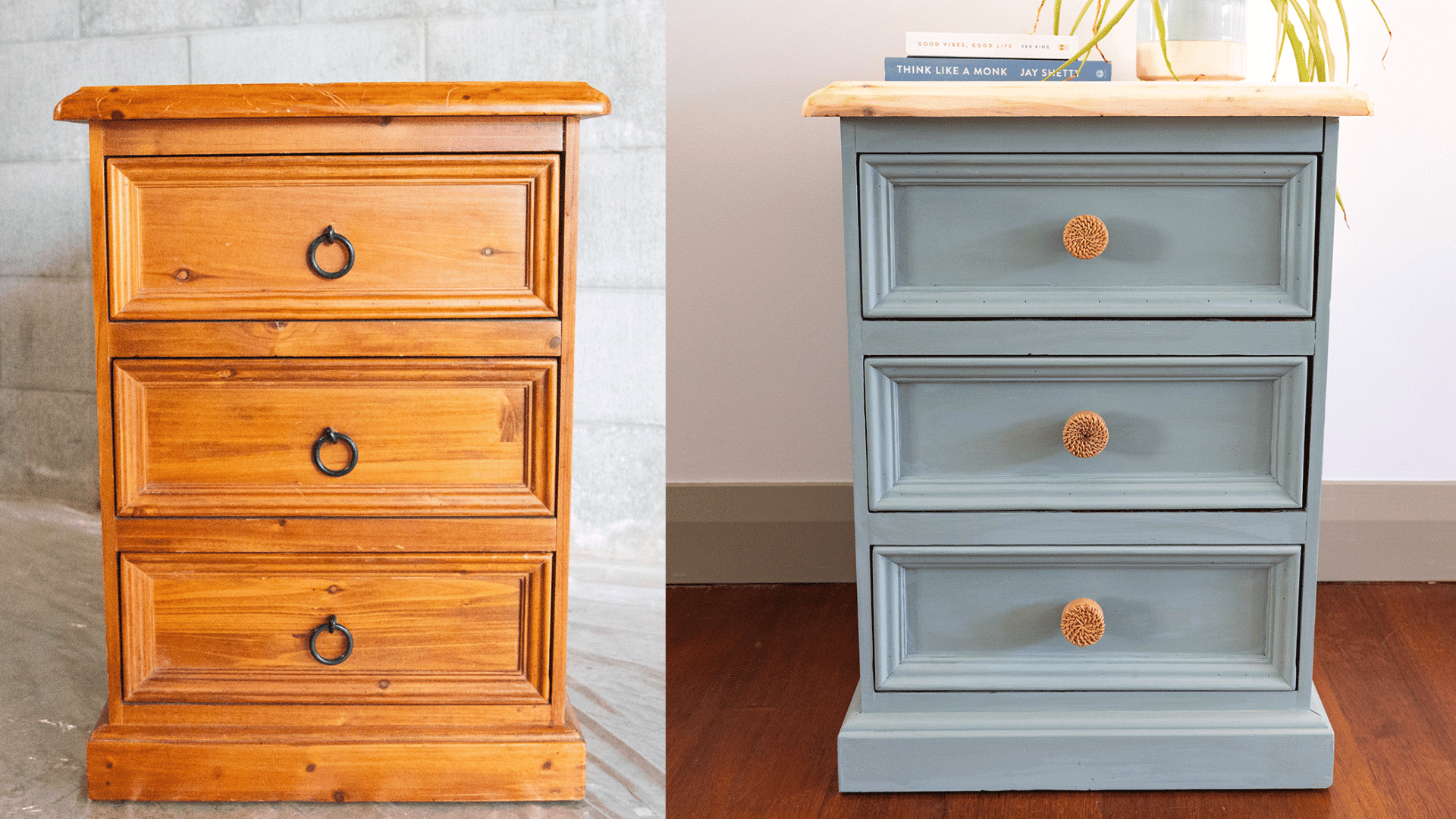
Easy DIY projects are a great way to refresh your home without spending a lot or taking on a stressful renovation. A small update, like painting a wall, replacing cabinet hardware, adding shelf liner, or framing a mirror, can make a room feel cleaner and more finished. You do not need advanced skills to get started. You just need the right project, basic tools, and enough time to do the prep properly. Start with something that fits your budget, your space, and your comfort level. These ideas are simple enough for beginners but useful enough to make a real difference around the house. Benefits of DIY Home Improvement DIY home improvement means fixing, updating, or building parts of your home yourself. Most people start with simple projects that only need basic tools. The appeal comes down to a few real advantages. Here’s what draws most homeowners toward DIY over hiring out: Lower costs: Skipping labor charges makes small upgrades far more affordable. Simple room updates: Painting walls or swapping cabinet hardware can transform a space without a major renovation. Useful home skills: Learning to caulk, patch holes, or mount shelves makes future repairs easier. More control: You choose the materials, schedule, and design instead of coordinating with a contractor. These benefits explain why DIY has stayed popular even as material costs rise. It gives you a real say in how your home looks and feels. Cost is also the biggest reason projects get put off in the first place. Recent homeowner survey data found that budget concerns were the top reason 42% of surveyed homeowners held off on starting a home improvement project, which is exactly the gap that low-cost DIY updates can fill. Some jobs still need a professional. Electrical wiring, gas lines, major plumbing, and structural changes require licensed […]
A bedroom can end up feeling more like a hotel room than a home, especially when decorating never quite gets past good enough. Room decor for men does not need a big budget or a professional eye. It needs a few pieces that genuinely mean something to you, paired with smart storage so the space stays useful and not just nice to look at. That might start with one bare wall, a corner you walk past every day, or bedding that has felt tired for years. That starting point is exactly where a clear plan for the room begins. What Makes Good Room Decor for Men? Good room decor for men should feel comfortable, useful, and personal. Every choice should support your routine while reflecting your personality. Start by choosing a clear style that suits your taste and existing furniture. This direction will help your colors, materials, and decorations work together. Choose furniture that fits the room without blocking movement or wasting space. Practical storage also keeps everyday belongings organized and reduces visible clutter. Add artwork, photos, books, or collectibles that genuinely matter to you. A few meaningful pieces will make your room feel personal without crowding it. Men’s Room Decor Ideas That Will Enhance Your Space These practical ideas include bold features and smaller finishing details for industrial, minimalist, and modern rooms. Choose options that suit your personality, available space, and budget. 1. Create a Dark Accent Wall A dark accent wall adds depth without making the entire room feel enclosed. Navy, charcoal, or forest green can create a strong background. Use the wall behind your bed, desk, or sofa for the greatest impact. Keep surrounding walls lighter to maintain balance and natural brightness. In a smaller room, a dark wall behind the bed can actually make the space […]

Get the latest home decor tips, DIY ideas, and design inspiration delivered straight to your inbox.