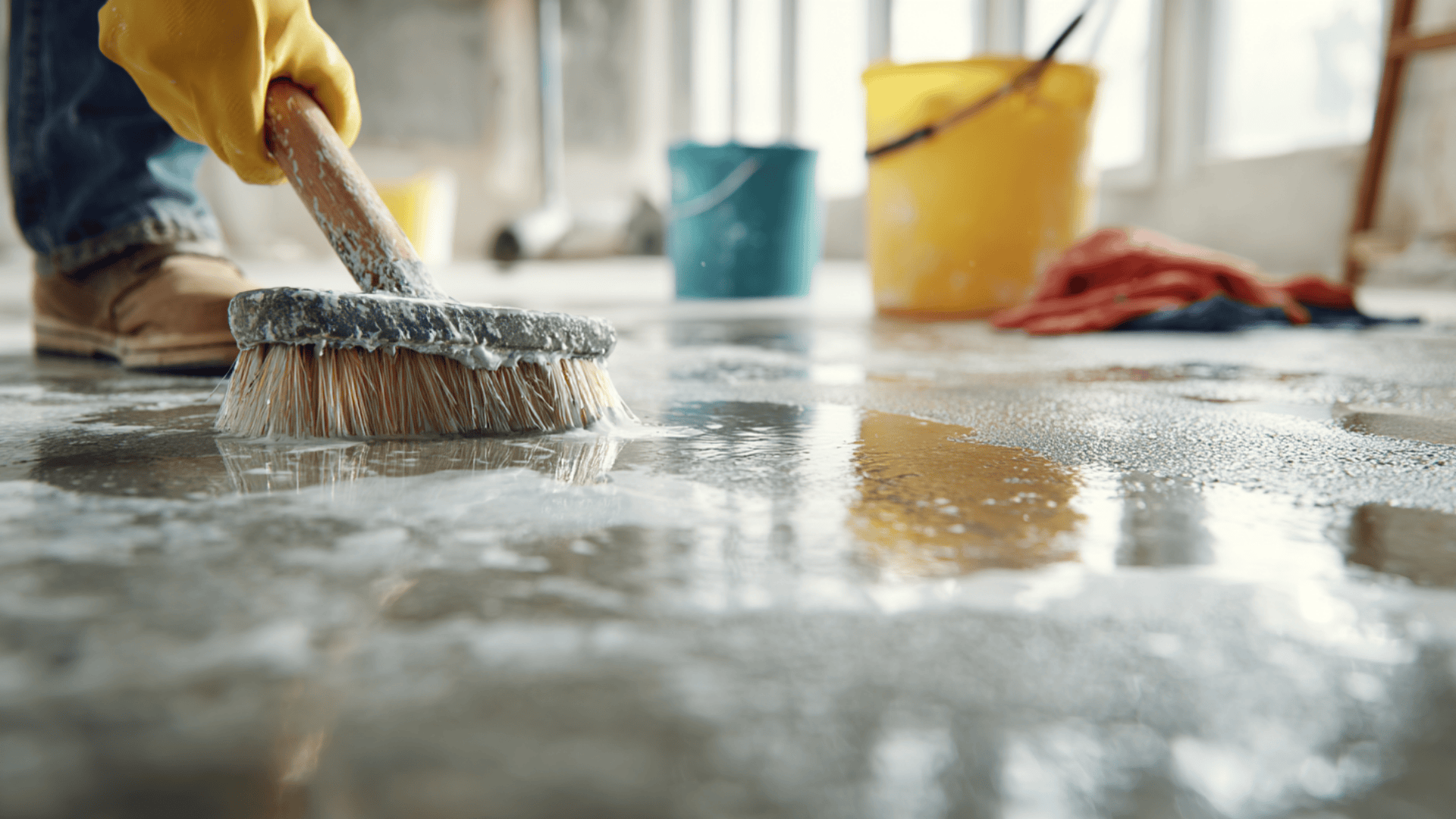




Learning how to remove paint from concrete can feel confusing when you don’t know where to start. Concrete looks tough, but paint can cling to it in surprising ways.
I’ve handled this issue myself, and I know how frustrating it is when scrubbing doesn’t seem to help at all.
Today’s blog breaks things down simply so you can understand what’s happening beneath the surface and why certain methods work better than others.
By the end, you’ll know exactly what to do without wasting time or damaging the concrete. Let’s get started!
Understanding Concrete And Paint
Concrete has tiny pores that absorb paint, which is why some stains lift easily while others need more work.
How well paint comes off depends on whether the concrete is sealed, how smooth or rough the surface is, and whether the project is indoors or outdoors.
Sealed concrete keeps paint on the surface, making removal easier. Unsealed concrete absorbs paint deeper and may require stronger products or repeat treatments.
Smooth concrete holds paint mostly on top, while rough concrete traps it in gaps that need scrubbing or pressure washing.
Indoor surfaces need low-odor, safer methods, while outdoor areas allow stronger cleaners and pressure washing.
Understanding your concrete type helps you choose the most effective removal method
Identifying the Paint Type Before Starting
Before you remove paint from concrete, it helps to know what kind of paint you’re dealing with. Different paints react in different ways, and choosing the right method saves time and effort.
| Test | What to Do | Result = Latex/Acrylic | Result = Oil-Based |
|---|---|---|---|
| Smell Test | Check the odor of the paint. | Mild, low odor | Strong, sharp smell |
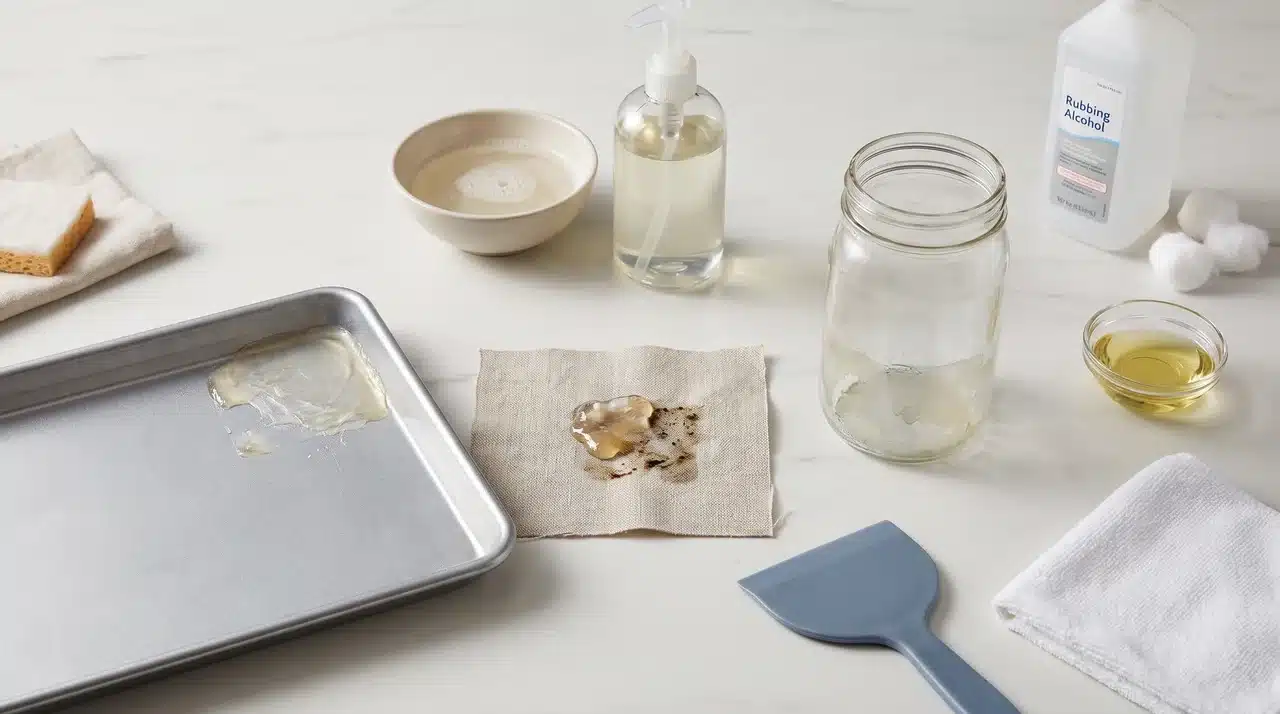
| Rubbing Alcohol Test | Rub a small area with rubbing alcohol on a cloth. | Paint softens or transfers | No change at all |
| Age Check | Consider when the surface was last painted. | Newer projects usually use latex/acrylic | Older homes often used oil-based |
The paint type affects how well a product works and how hard you need to scrub. This helps you avoid using the wrong method and wasting time.
- Solvent Compatibility: Some products break down latex paint easily, but barely touch oil-based paint.
Stronger solvents are often needed for thick or older oil-based layers. - Scrubbing Intensity Needed: Latex usually softens quickly and lifts with light scrubbing. Oil-based paint may need firm brushing, repeated applications, or heavier tools.
Knowing the paint type lets you start with the method that works best.
Best Methods To Remove Paint From Concrete
Removing paint from concrete is easier when you use the right method for the type of stain, and each approach works best for a specific situation.
1. Using a Putty Knife & Acetone for Stubborn Paint
This method works well for tough, stuck-on paint that needs chemical softening before scraping.
- Pour a small amount of acetone directly onto the dried paint to start softening it.
- Let it sit for 1–2 minutes so the paint begins to loosen.
- Slide a putty knife under the softened paint and scrape gently.
- Wipe the blade after each pass to avoid spreading the paint.
- Add more acetone to stubborn spots and continue scraping.
- Repeat until the concrete is clean.
Watch this video to see how acetone softens dried paint and how to scrape it safely. It gives a clear look at each step so you can follow along easily:
2. Soap, Water & Scrubbing
This is a gentle method for light or fresh paint stains without using strong chemicals.
- Mix warm water with dish soap in a bucket to make a strong, sudsy solution.
- Pour the mixture over the painted area to begin loosening the surface.
- Let it sit for 30–60 seconds to soften the paint.
- Scrub the area firmly with a stiff-bristle brush in circular motions.
- Apply more soapy water as the paint starts to lift.
- Rinse the area with clean water and scrub again if needed.
See this simple DIY method in action, using dish soap and scrubbing to lift surface paint. The video shows exactly how much pressure and motion to use:
3. Removing Acrylic or Spray Paint From Concrete
This method is best for spray paint, graffiti, or thin acrylic layers on concrete.
- Spray a graffiti remover or paint remover onto the paint.
- Let it soak for several minutes so it can break down the coating.
- Scrub the stain using a wire brush or stiff scrub brush.
- Rinse the concrete with clean water to wash away loosened paint.
- Repeat spray + scrubbing for darker or deeper spray paint marks.
Watch how spray paint and acrylic marks are removed from concrete using the right cleaner. This video breaks down each step clearly so you know what to expect:.
4. Stripper Gel + Pressure Washing
This method removes thick, old, or layered paint quickly by softening it first and washing it off.
- Spread a thick coat of paint stripper gel over the painted area.
- Allow it to sit for 15–30 minutes so it can break down the paint.
- Scrape or scrub the softened paint to loosen it from the concrete.
- Use a pressure washer on medium-high pressure to rinse everything off.
- Move the wand slowly to clean all leftover paint.
- Repeat the process for stubborn sections.
See how stripper gel loosens thick paint and how pressure washing removes the rest. The video walks through the full process from start to finish:
5. Mechanical Removal Using Grinder or Sander
This method is best for large areas or thick, old paint that won’t come off with chemicals.
- Attach a concrete grinding or sanding disc to your grinder.
- Test a small spot first to make sure the surface won’t get scratched.
- Move the grinder slowly across the paint using light pressure.
- Vacuum dust often to keep the surface clear as you work.
- Continue grinding until all the paint is removed.
- Rinse and wipe the area to remove leftover dust.
Watch this grinding tutorial to see how a concrete grinder removes old, tough paint. It shows the tool movement, pressure, and cleanup you need to follow:
Protecting and Sealing Concrete After Paint Removal
Sealing concrete helps block moisture and stains from soaking into the surface after paint removal.
Penetrating sealers work well for driveways and patios, while acrylic or epoxy sealers are better for garages because they resist oil and chemicals. Outdoor areas also benefit from UV-resistant formulas.
To prevent future paint stains, use drop cloths during projects, clean spills right away, and reapply the sealer every few years to keep the surface protected.
Safety Precautions You Must Follow
Removing paint from concrete can involve strong chemicals, heavy tools, and powerful water pressure, so proper safety steps are important. These precautions help protect you, your home, and the concrete surface.
- Work in good ventilation. Solvents like acetone and paint thinner release strong fumes, so open windows, use fans, or work outdoors.
- Keep solvents away from flames. These products are highly flammable and should not be used near heaters, pilot lights, or sparks.
- Wear proper protective gear. Use chemical-resistant gloves, safety goggles, and a mask or respirator when handling chemicals or dust.
- Use safe PSI levels. Keep pressure washers between 2,500–3,000 PSI and hold the nozzle 12–18 inches from the concrete to prevent damage.
- Dry solvent-soaked rags before disposal. Lay them flat outside until completely dry to prevent heat buildup and fire risk.
Following these safety steps keeps the job safer, helps avoid damage, and makes the paint removal process go smoothly.
Conclusion
Now you’ve seen how to remove paint from concrete, it’s really about matching the right method to the type of spill and the state of your surface.
Fresh drips, old stains, big messes, and small spots all need a slightly different approach, but none of them are impossible to fix.
With a bit of patience, the right tools, and good safety habits, you can bring your concrete back to a cleaner, more even look.
Choose the method that fits your situation, test it on a small area first, and then work your way across the stain.
Ready to start? Pick your method, gather your supplies, and tackle that paint today.