
Home » August 7, 2026

Setting a table feels straightforward until you’re standing there second-guessing every placement. Most people default to guesswork, and it shows. A correct place setting
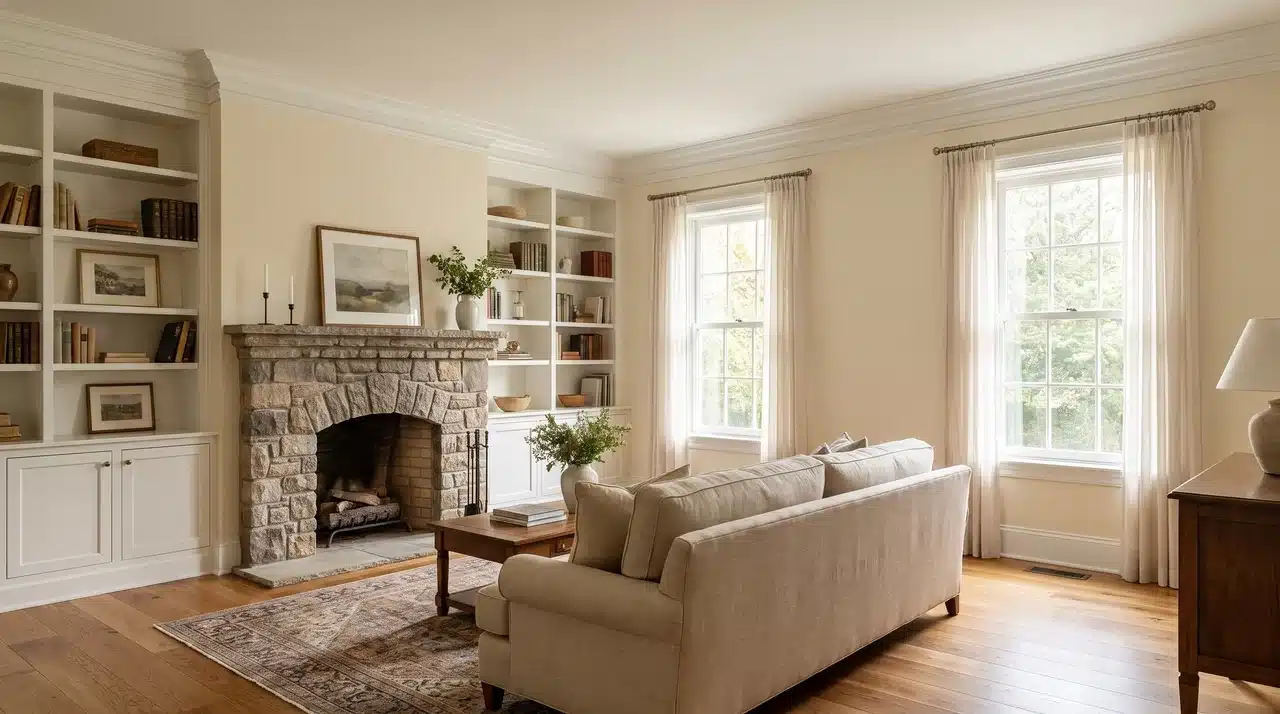
You have probably stood in a beautifully renovated room and felt something was working without being able to explain what. Crown molding is often part of that answer. It is one of those details that changes how a room feels
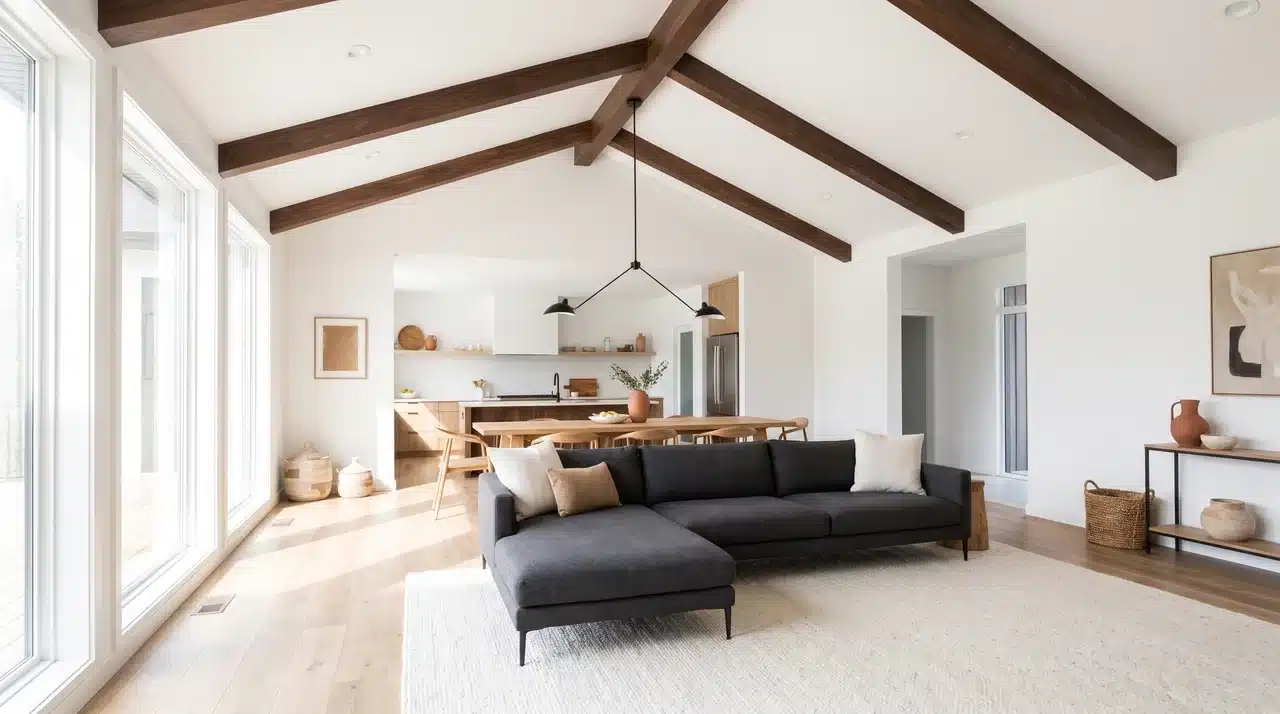
You finally have the vaulted ceiling you always wanted, and now you are standing in the room wondering why it does not quite feel the way you imagined it would. That gap between expectation and reality is more common than most people admit. Vaulted ceiling ideas look effortless in photos, but the architecture behaves differently from standard rooms in ways that are not obvious until you are working with it directly. The proportions shift, the lighting rules change, and finishes that work perfectly in a flat-ceiling room often fall flat once the ceiling starts to slope. This post breaks down vaulted ceiling ideas across every major element: beams, surface treatments, color, and light, so every decision fits the space. What Shapes Your Vaulted Ceiling Design Options Not every finish or build idea works on every vault. The options that suit your ceiling depend on a few structural and spatial realities worth understanding before diving into specific ideas. Ceiling height and pitch: Steeper vaults support heavier beam profiles and bolder surface treatments. Low-pitch ceilings need lighter, less visually dominant approaches to avoid feeling compressed. Existing structure: Exposed rafters, ridge beams, or roof decking already in place change what additions make sense and what would compete with the architecture rather than complement it. Room function: A vaulted kitchen ceiling has different lighting and finish demands than a vaulted living room or bedroom. Natural light levels: Darker surface finishes and heavy timber work absorb light. Rooms with limited glazing need treatments that reflect and distribute what light is available. These four factors narrow the ideas ahead from a broad list to what will genuinely suit your ceiling. Top Vaulted Ceiling Design Ideas Worth Trying Turn a vaulted ceiling from an awkward architectural challenge into the room’s greatest asset. These practical ideas cover every […]
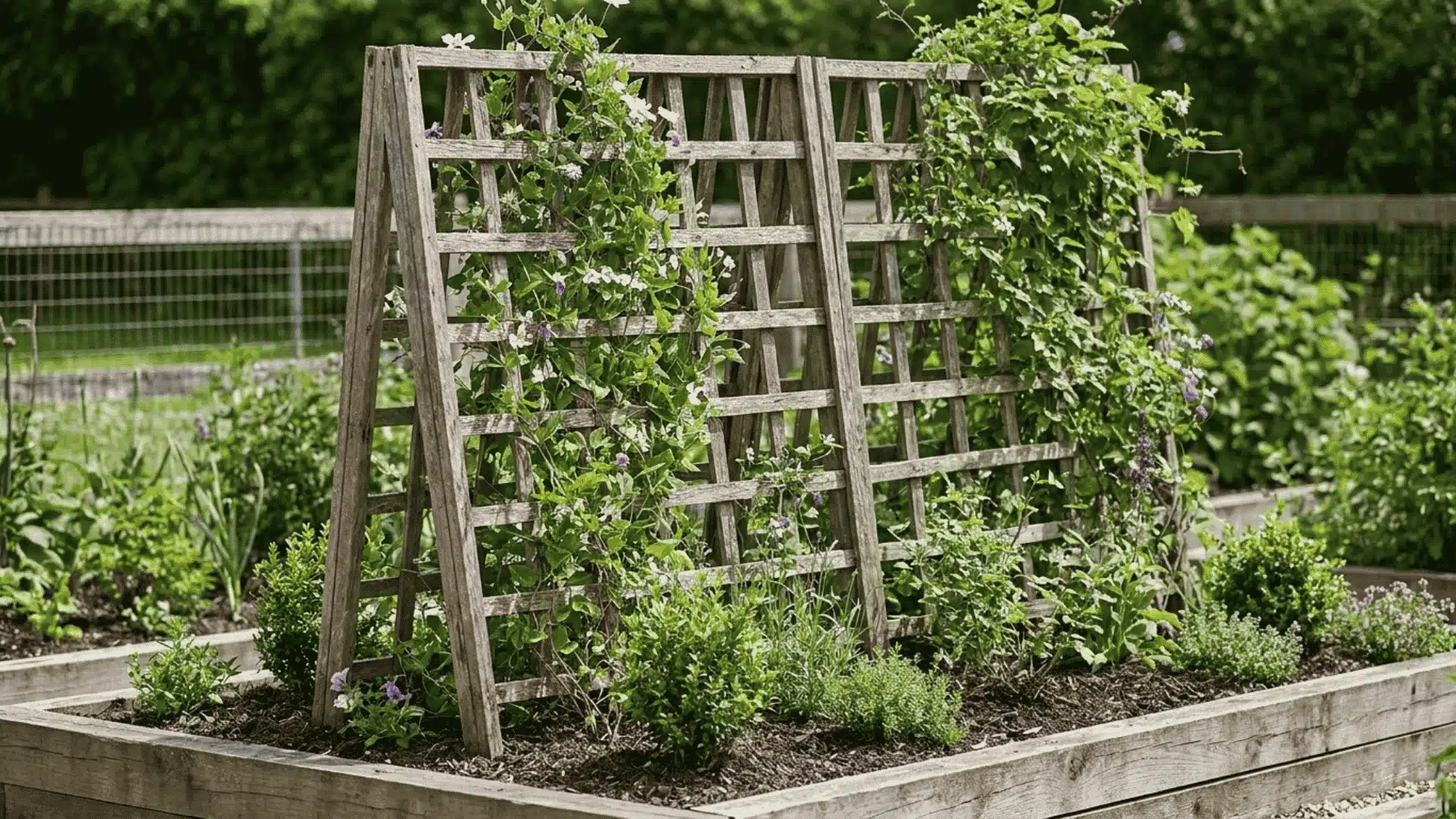
Climbing plant problems often begin with poor support, not unhealthy plants. Weak structures, crowded vines, and limited airflow create preventable growing issues outdoors. A garden trellis helps vines grow upward while improving airflow, reducing overcrowding, and making harvesting easier in smaller outdoor spaces throughout the growing season. Vines trailing across damp soil often develop mildew, tangled stems, and hidden produce. Still, different plants require different support depending on sunlight, space, and weight. Let me break down how different trellis styles actually work in outdoor gardens. What Is a Trellis? A trellis is a structure that supports climbing plants and helps them grow upward instead of spreading across the ground. It can stand on its own in a garden bed or attach to a wall, fence, planter, or raised bed. The goal is simple: give climbing plants a surface to grow on while keeping the garden more organized and easier to manage. Trellises come in many shapes, sizes, and materials. Some are small and decorative for flowers, while others are large and strong enough to support heavy fruiting vines. What Does a Trellis Look Like? Most trellises have an open framework made from crossed bars, wires, poles, or lattice panels. The open spaces are important because they allow plants to weave through the structure while still getting sunlight and airflow around the leaves. Some trellises sit flat against walls or fences, while others stand freely in garden beds. You can find simple straight panels, tall towers, arches, and cone-shaped designs depending on the plants and the available space. Common Trellis Designs Different trellis styles work better for different garden layouts and plant types. Design What It Looks Like Best For Fan Trellis Wide top with narrow bottom Roses, wall spaces Obelisk Trellis Tall tower shape Flower beds, focal points Teepee Trellis […]
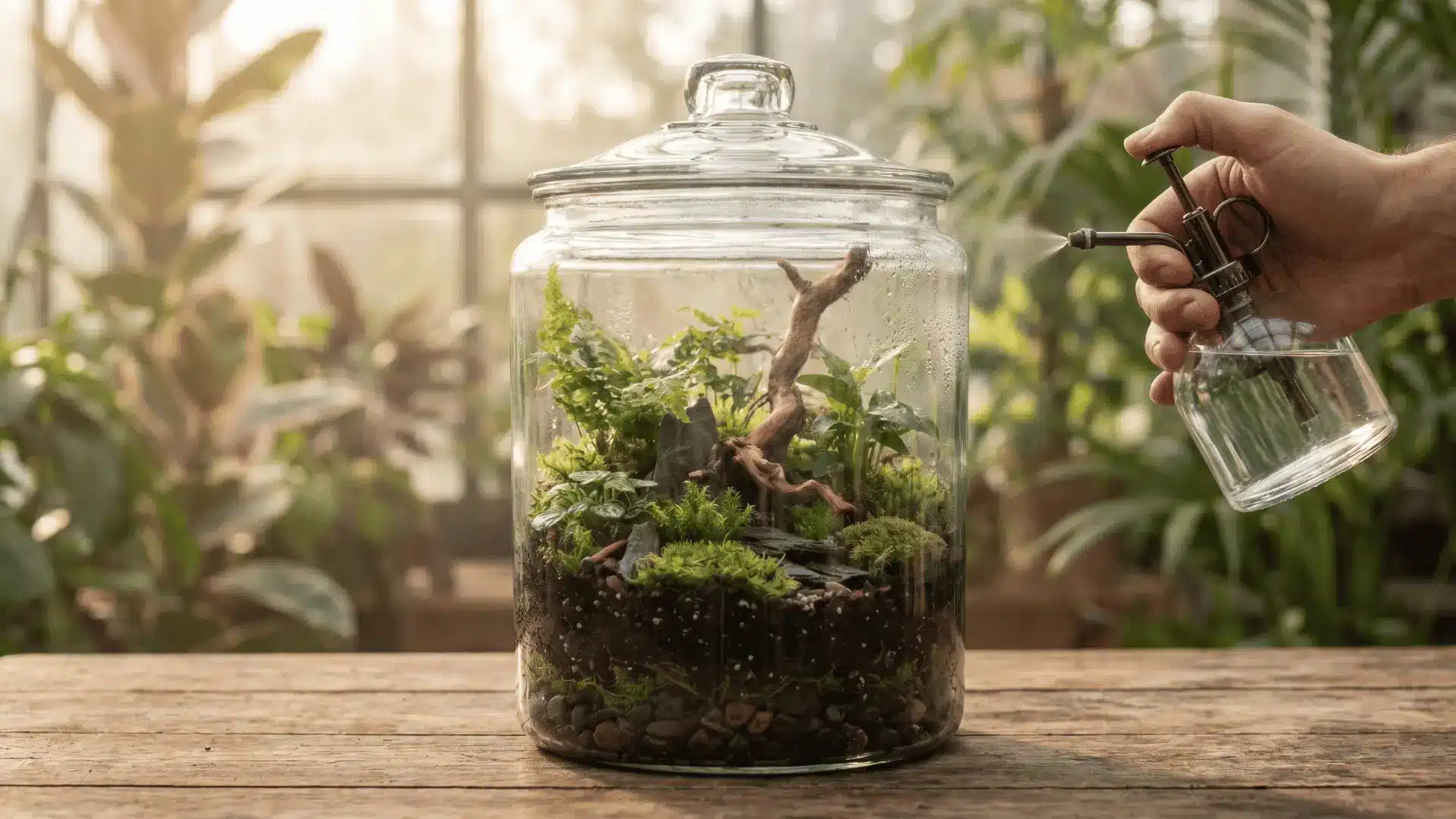
A closed terrarium is more than a decorative jar; it’s a living system that regulates its own moisture, light, and growth without constant attention. Most beginner attempts fail not because of wrong plants but because of skipped layers that quietly break the water cycle within months. Learning how to make a terrarium that actually stabilizes comes down to understanding why each component exists before placing anything inside the glass. Everything needed, from materials to step-by-step assembly to reading the warning signs, is laid out clearly below, in build order. Closed or Open Terrarium: Decide Before Anything Else Before starting with a terrarium DIY, the first step is choosing between a closed and an open one. This choice decides plants, soil layers, watering needs, and the full setup direction. A closed terrarium has a sealed lid, so moisture cycles. Water evaporates, condenses on glass, and returns to the soil. It suits humidity-loving plants. An open terrarium has no lid, so air moves freely. Moisture dries out faster, meaning regular watering is needed. It suits succulents and cacti. Here, the focus stays on closed terrariums. For open builds, skip charcoal, use cactus soil mix, and keep the container unsealed to support airflow and drainage. Step-By-Step Guide on How to Make a Terrarium A practical step-by-step guide to building a closed terrarium from scratch, covering container setup, drainage, soil layering, planting, and long-term care to create a stable self-sustaining ecosystem. Tools and Materials Used Material / Tool Purpose Glass jar or cookie jar with lid The main container needs a tight seal and an opening wide enough for your hand Pea gravel or LECA The drainage layer keeps excess water away from the roots Window screen mesh or weed blocker fabric Barrier between drainage and soil Coconut coir (coco fiber brick) Base soil component […]

Get the latest home decor tips, DIY ideas, and design inspiration delivered straight to your inbox.