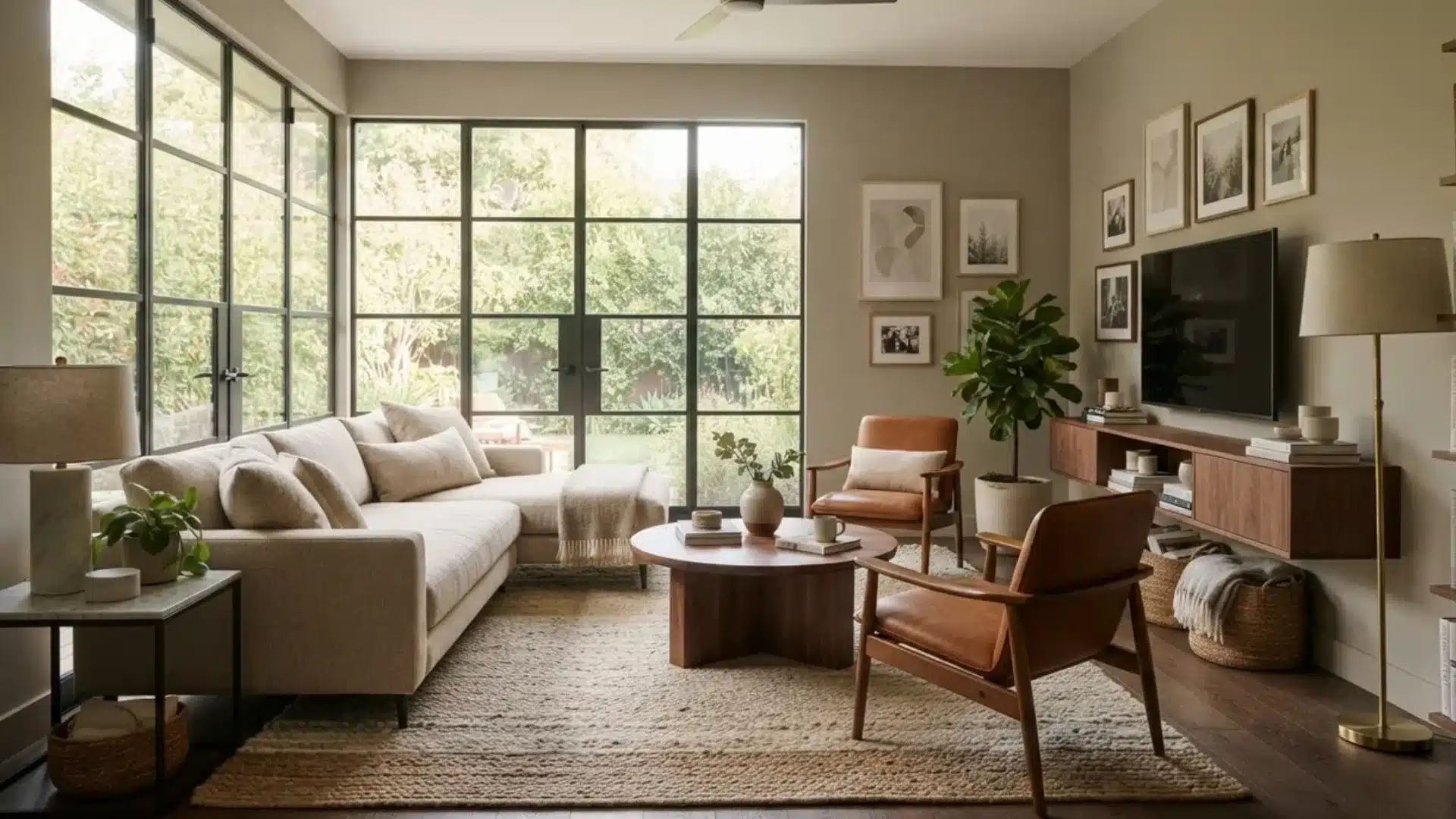



Windows play a major role in how a home looks, feels, and functions. The right window style can transform a space by improving airflow, controlling light, and boosting energy savings; all the while adding personality to your home’s design.
Today’s homeowners are going for styles that combine aesthetics with performance, from traditional double-hung options to modern minimalist designs.
In this blog, you’ll learn about popular window types, how to choose the right one for your home, current style trends, cost comparisons, and trusted brands to consider before investing.
Let’s start by exploring styles homeowners love.
Common Window Styles Explained
Homeowners often start by learning the most familiar window types. Each style offers a different balance of airflow, light, cost, and appearance. Knowing how they work helps you find what fits your home best.
1. Single-Hung vs. Double-Hung Windows
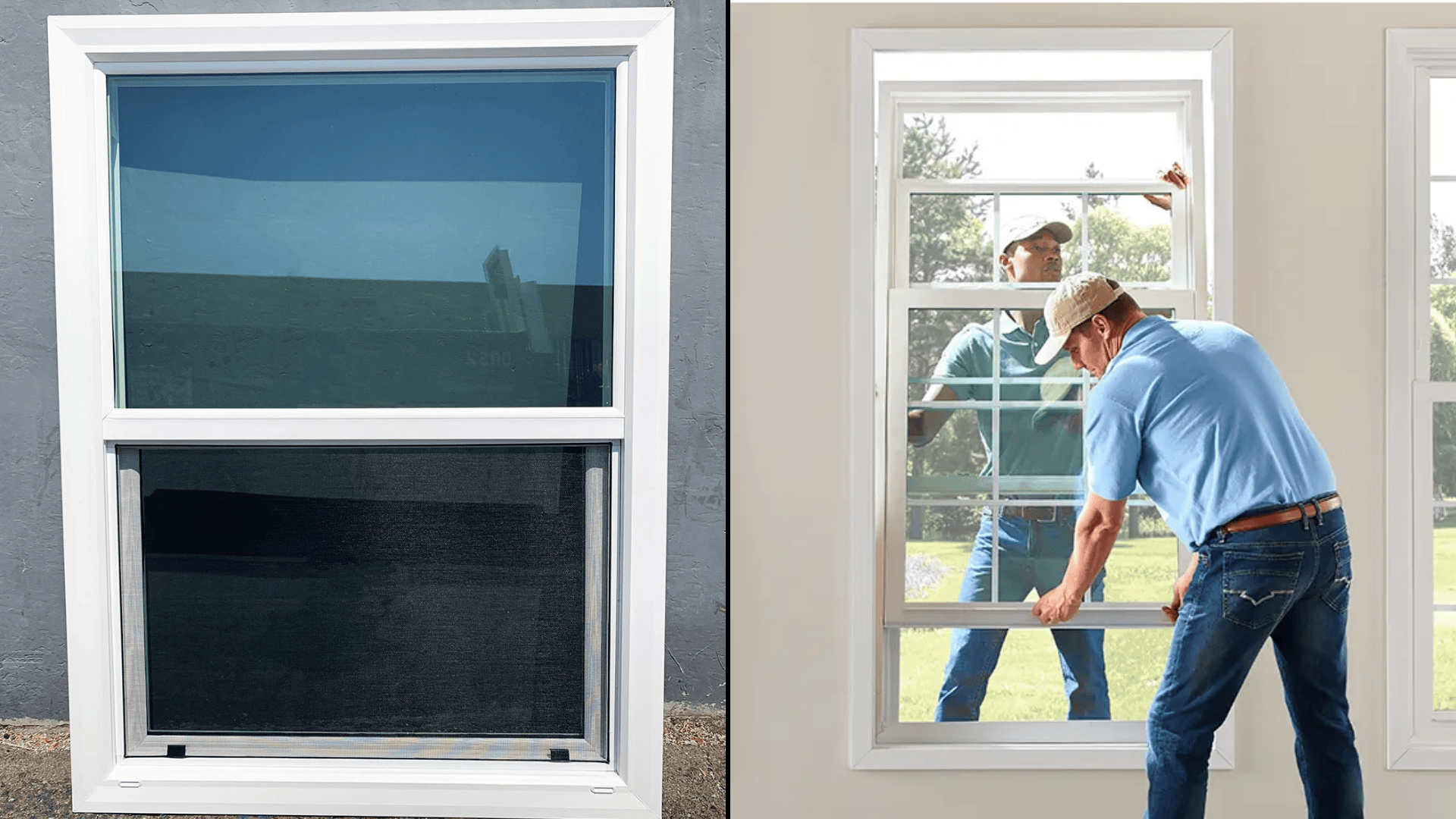
Single-hung windows open from the bottom, while double-hung models let both the top and bottom move. This makes them easier to clean and great for fresh air circulation.
They’re versatile, fitting both classic and modern homes. Double-hung windows cost a bit more but offer better ventilation and energy efficiency in everyday use.
2. Casement and Awning Windows
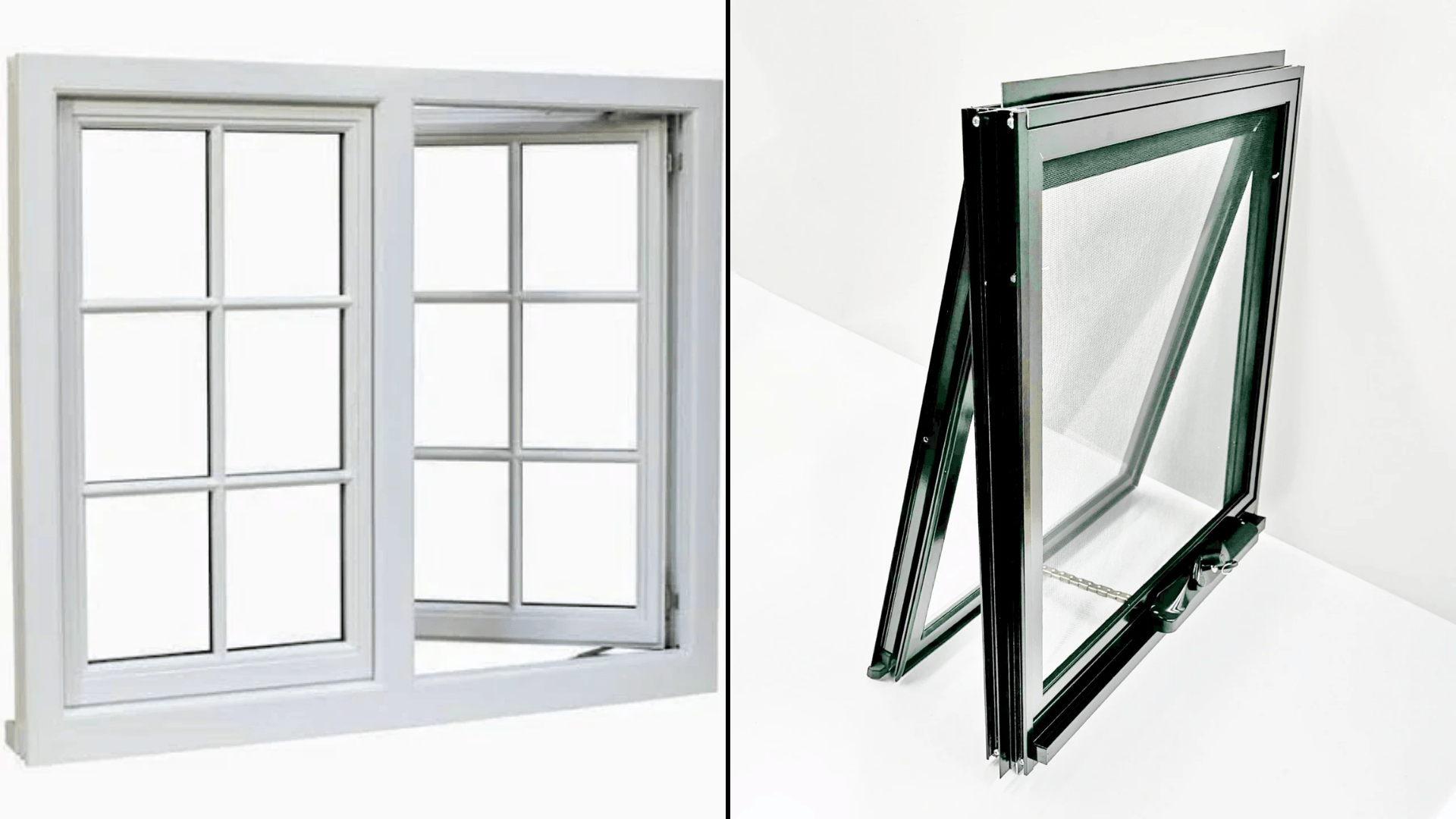
Casement windows swing outward from the side, while awning windows open upward from the top. Both styles seal tightly when closed, which helps reduce drafts and improve insulation.
Casement and awning windows are popular in modern homes for their clean look and clear views. They work especially well in areas where you want controlled airflow, like kitchens or living rooms.
3. Sliding and Gliding Windows
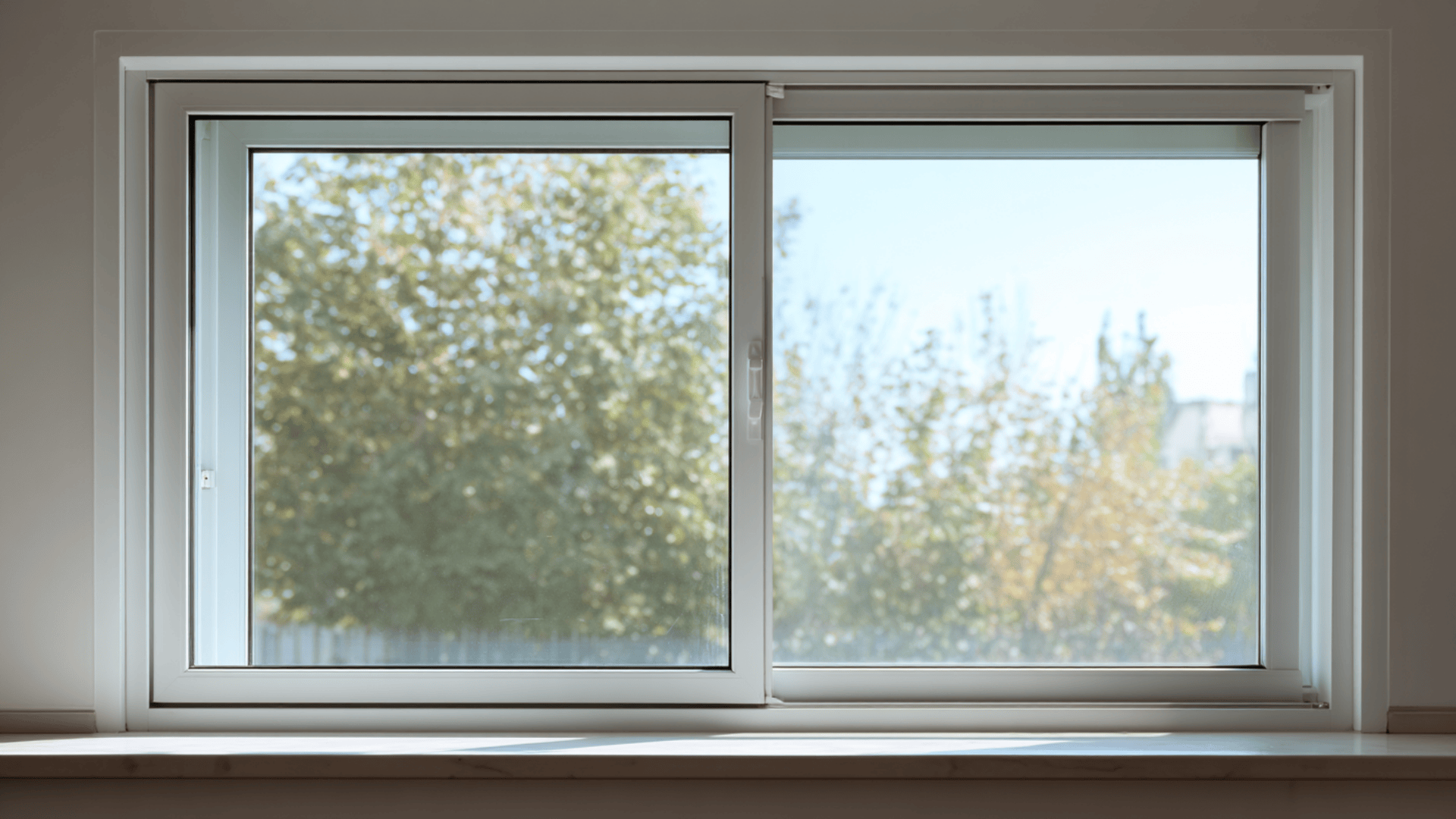
Sliding windows move sideways along a track, offering a simple, low-maintenance design.
They’re ideal for tight spaces where swinging windows might get in the way. Homeowners like them for their wide, open views and smooth operation.
While they don’t provide as much airflow as casement or double-hung windows, they suit modern homes and rooms facing patios or walkways.
4. Picture and Fixed Windows
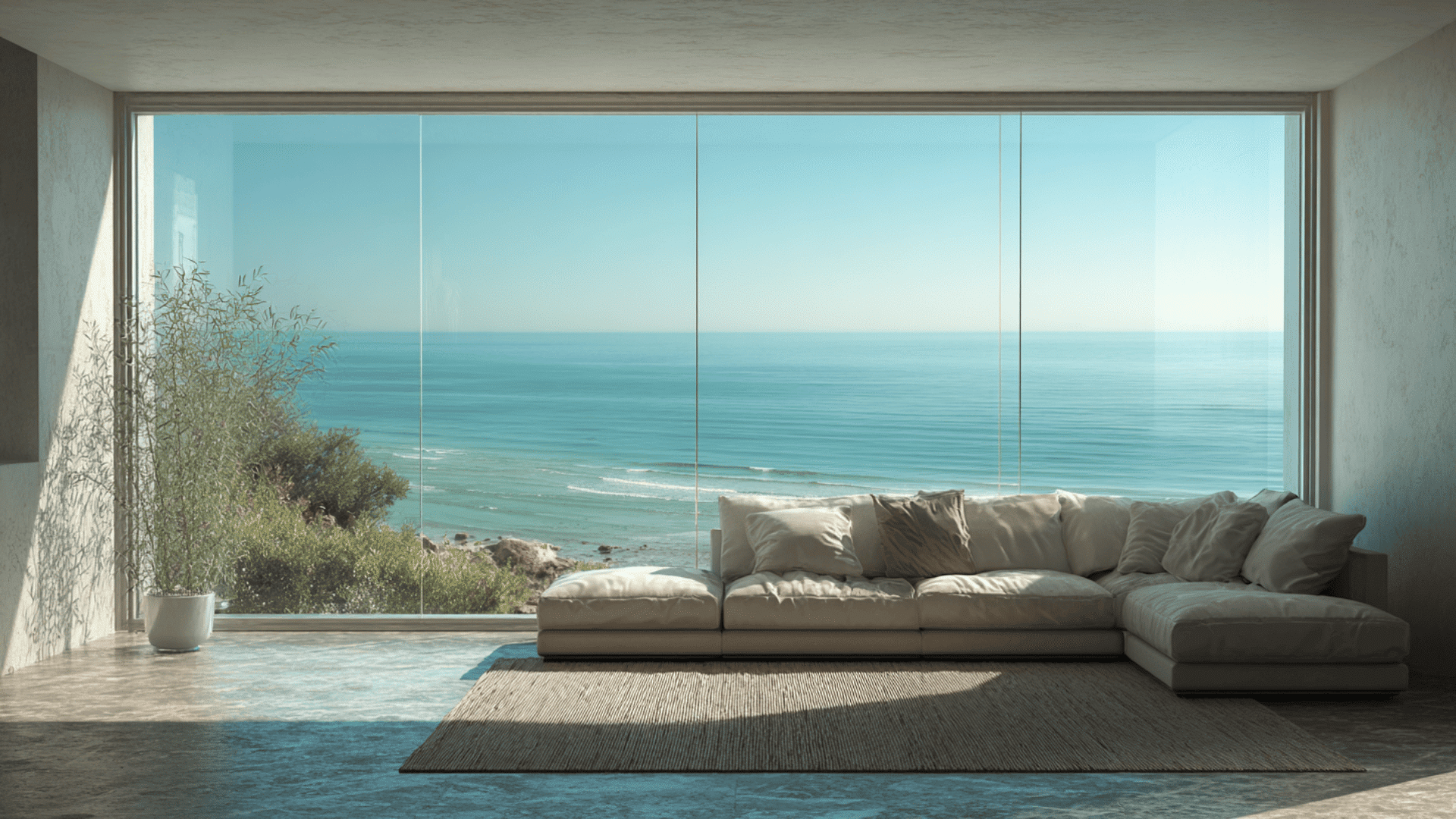
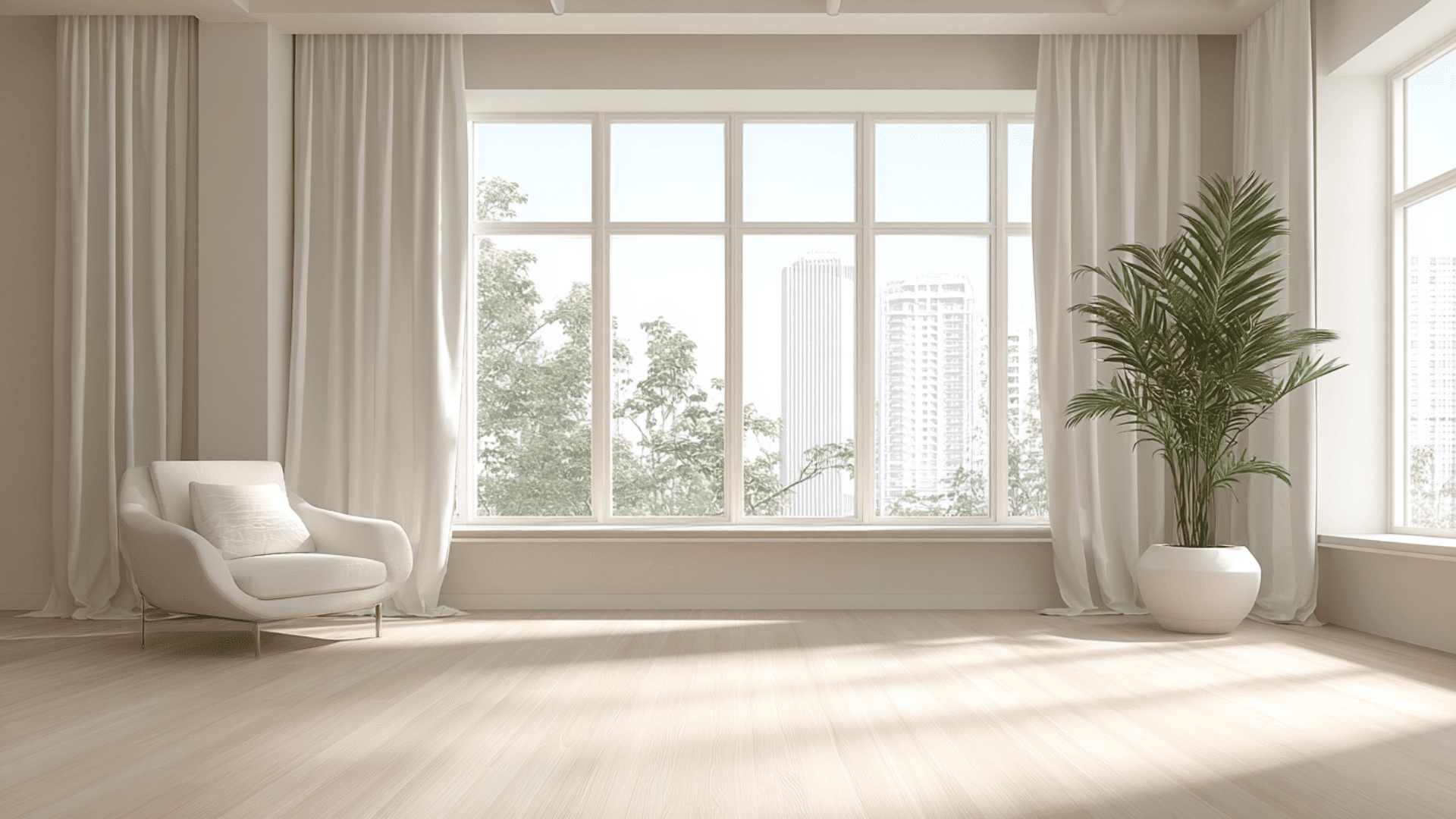
Picture and fixed windows don’t open, but they make up for it with expansive glass that lets in plenty of natural light. They frame outdoor views beautifully and can make small rooms feel more open.
These windows are often combined with operable styles nearby to allow ventilation. Because they stay sealed, picture windows are also excellent for energy savings when properly insulated.
5. Bay, Bow, and Garden Windows
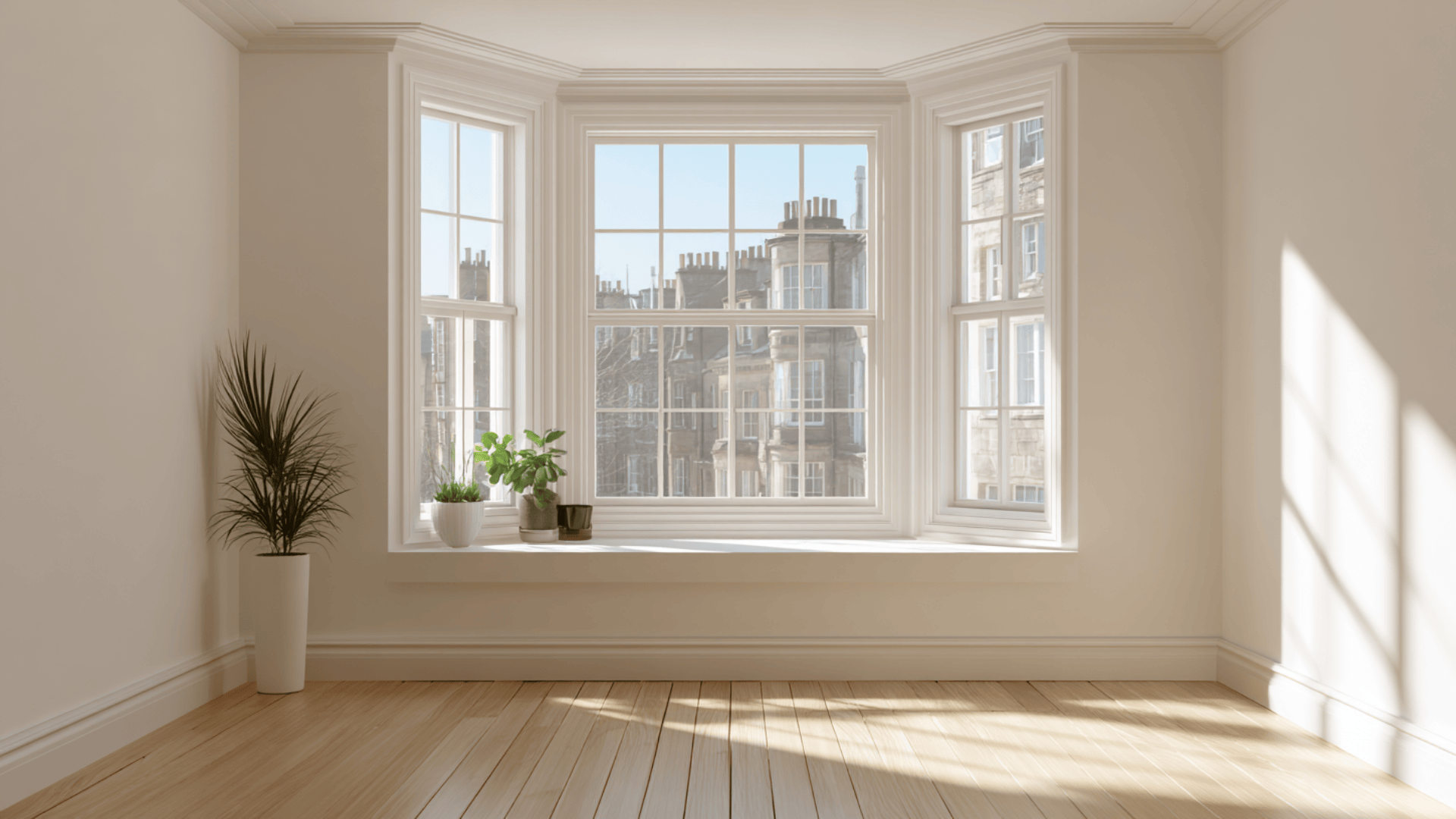
Bay, bow, and garden windows extend outward from the home, adding depth and light. Bay windows have three angled panels, while bow windows curve outward with four or more.
Garden windows are box-shaped and perfect above kitchen sinks for growing herbs or small plants.
These styles make a strong visual statement, but they require more space and a bit more investment than flat windows.
6. Specialty Styles
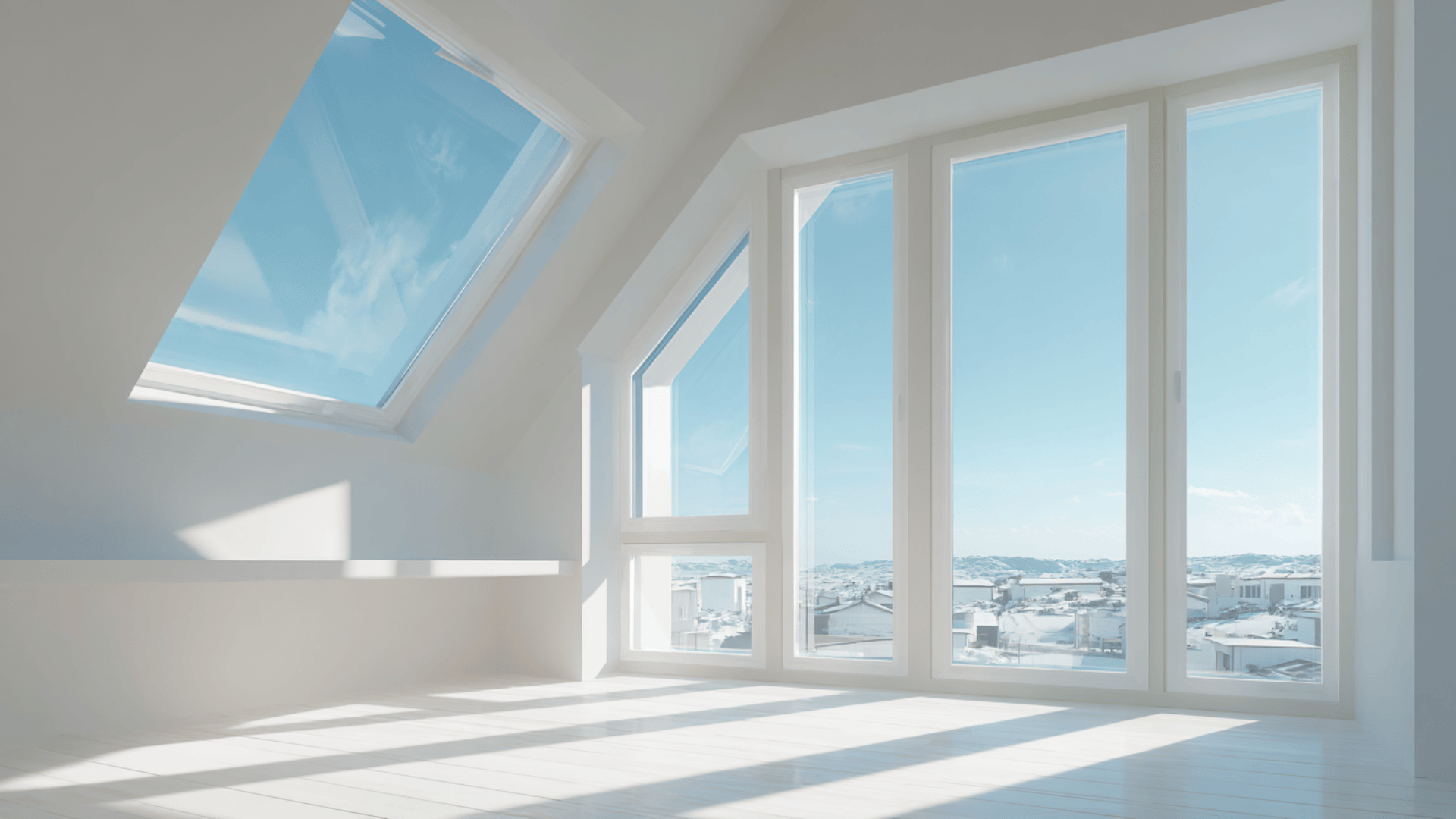
Specialty windows include tilt-turn, skylight, transom, and egress designs.
Tilt-turn windows, common in European homes, tilt inward for ventilation or swing open for full access. Skylights bring sunlight into upper floors or bathrooms.
Transom windows sit above doors or larger windows to add light, and egress windows provide a safe exit in basement bedrooms.
How to Choose the Right Window Style for Your Home
Choosing the right window style depends on appearance, comfort, and practicality. Here are the key factors to think about before buying.
- Match Style to Architecture: Choose windows that align with your home’s design. Modern houses favor sleek casement or picture windows, while farmhouse and traditional styles suit divided-pane double-hung or bay options.
- Functionality and Room Placement: Pick window types based on how each room is used. Bedrooms benefit from double-hung models, kitchens fit awning windows, and living rooms look best with wide picture or bay designs.
- Material and Frame Options: Each frame material has pros and cons. Vinyl is low-maintenance, wood offers natural beauty, aluminum suits modern homes, and fiberglass provides long-lasting strength and insulation.
- Energy Efficiency and Climate Fit: Look for energy-efficient options suited to your region. Double or triple glazing, gas fills, and low-E coatings improve insulation and reduce heating or cooling costs year-round.
- Maintenance and Durability: Easy-care windows last longer and save money. Vinyl and fiberglass resist fading and moisture, while wood needs regular sealing or paint. Casement types are simplest to clean inside.
Window Design Trends
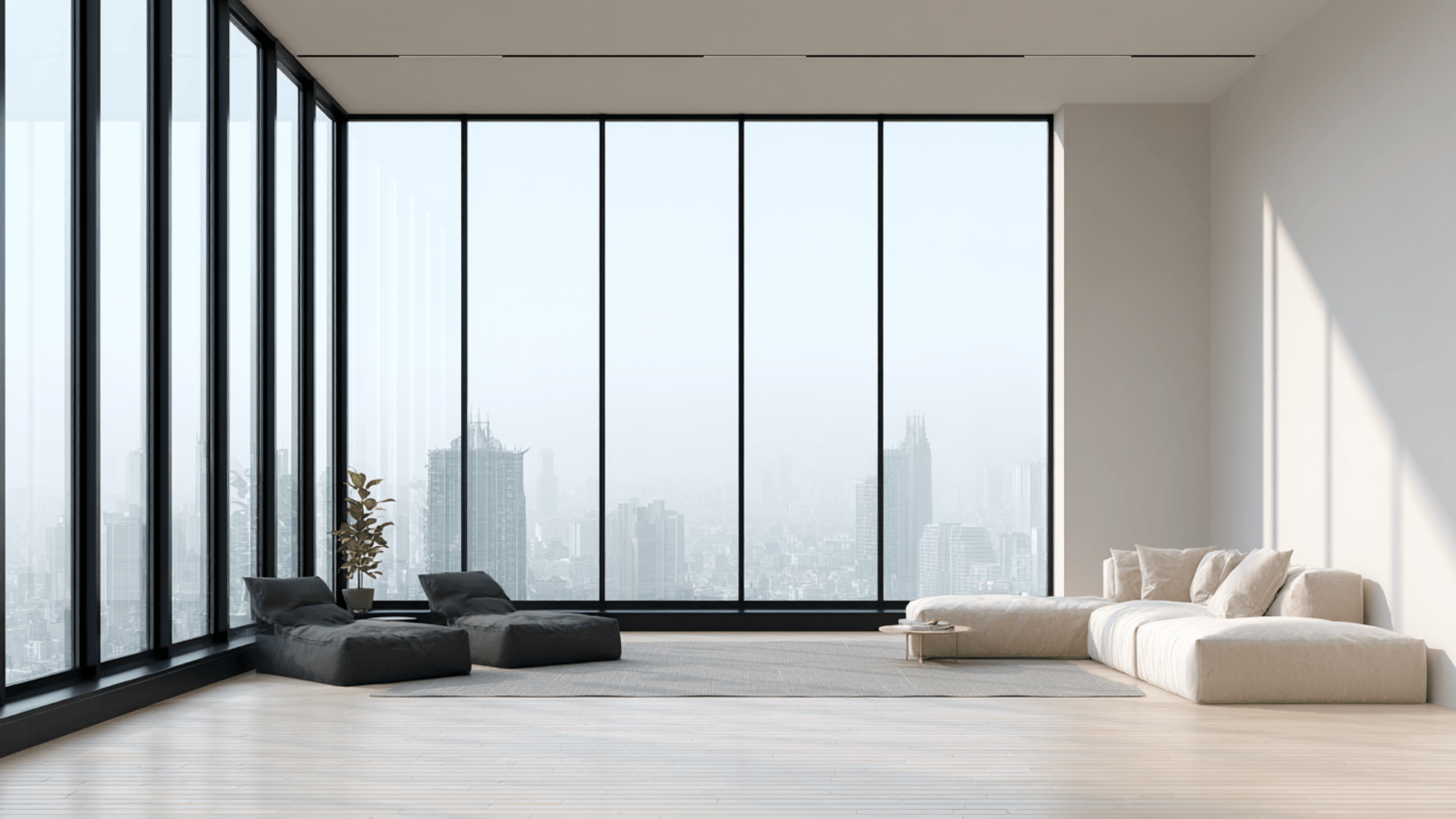
Homeowners are gravitating toward window designs that combine modern looks, sustainable materials, and smart features. These trends reflect a shift toward clean lines, natural light, and energy efficiency.
1. Black Window Frames
Matte black frames continue to dominate in both modern and farmhouse-style homes. They create bold contrast against light walls and siding while emphasizing architectural lines.
2. Large Minimalist Panes
Expansive glass panes are replacing divided grids, giving homes a cleaner, more open look. These windows invite natural light, expand views, and make living spaces feel larger.
They’re especially popular in contemporary homes focused on indoor-outdoor flow.
3. Eco-Friendly Materials
Sustainability is now a top priority for homeowners. Recycled aluminum, responsibly sourced wood, and advanced energy-efficient glass are becoming standard choices.
These materials lower environmental impact while improving long-term performance.
4. Integrated Smart Glass
Smart-tinting glass is becoming a standout feature in luxury and eco-conscious homes. It adjusts automatically to sunlight, reducing glare and controlling temperature.
This technology adds comfort, privacy, and modern convenience without sacrificing style.
Window Cost Comparison by Type
| Window Type | Average Cost (Per Window) | Key Notes |
|---|---|---|
| Single-Hung | $200 – $450 | Budget-friendly and simple to operate; bottom sash moves for ventilation. |
| Double-Hung | $300 – $600 | Both sashes open; great airflow and easy to clean, slightly higher cost. |
| Casement | $400 – $800 | Hinged on one side; opens outward for full ventilation and energy efficiency. |
| Sliding | $350 – $700 | Panels slide horizontally; modern look and low maintenance but limited airflow. |
| Picture | $400 – $900 | Fixed glass panel; offers maximum light and outdoor views with no opening option. |
| Bay / Bow | $1,000 – $3,000 | Extends outward from wall; adds charm, space, and light but has high installation costs. |
| Awning | $350 – $750 | Hinged at top; opens outward, ideal for kitchens or bathrooms even during rain. |
Factors Affecting Price:
- Size: Larger windows cost more to produce and install.
- Material: Vinyl is most affordable; wood and fiberglass offer premium performance.
- Brand: Established brands like Andersen and Pella come with higher prices and better warranties.
- Installation: Costs increase for custom sizing, double or triple glazing, and structural framing needs.
Best Window Brands and Recommendations
Andersen
Key differentiators: Over a century in the business, wide selection of materials (wood, composite, vinyl, aluminum), and a proprietary “Fibrex” composite that blends durability with low maintenance.
Ideal for homeowners who want premium quality, custom colours/finishes, and strong energy performance.
Reference for reviews: “Andersen Windows Review: 2025 Costs, Series & Types” covers many of its strengths and trade-offs.
Pella
Key differentiators: Long track record since 1925, strong selection of wood, vinyl and fiberglass windows, and innovative features like smart-home integration in some lines.
Best for homeowners seeking good material variety and customisation options while balancing cost and performance.
Make sure to check the warranty details and service ratings – these vary by region and product line.
JELD‑WEN
Key differentiators: Large manufacturer with many product lines and materials (wood, vinyl, aluminum) and a strong foothold in both new construction and replacement markets.
Good choice if you’re looking for a well-known brand with broad availability and mid-to-high tier options.
Milgard
Key differentiators: Known for durable vinyl and fiberglass windows with good energy performance and value. Often compared directly with JELD-WEN in brand comparisons.
Works well if you have a tighter budget but still want a reliable product from a respected brand.
Key Differentiators & What to Look For
- Material Options & Customisation: Some brands offer more materials (wood, fiberglass) and custom colours or finishes.
- Energy Efficiency & Certifications: Look for brands with strong insulation ratings, low U-factor/glazing options, and recognised certifications.
- Warranty & Service: Check what the warranty covers, how transferable it is, and regional support/service quality.
- Availability & Installation Support: A brand might look good on paper, but if you can’t find local installers or service, that’s a barrier.
- Price vs. Value: Premium brands cost more. Decide if the extra cost brings value in your climate, home style, and long-term usage.
Wrapping Up
Choosing the right window style goes beyond appearance; it’s about comfort, performance, and long-term value. The best windows complement your home’s design, improve energy efficiency, and fit your lifestyle.
Modern trends show a shift toward clean lines, sustainable materials, and smart technology, giving homeowners more flexibility than ever.
Before buying, consider your home’s architecture, local climate, and how each room functions day to day. The right decision can enhance natural light, reduce energy costs, and boost curb appeal for years to come.