


A small living room can feel even tighter once you add a TV, especially when the sofa, storage, and walkways all compete for the same space.
The good news is that the problem is not always the room size. Most of the time, it is the layout.
A smart small living room layout with a TV helps you keep the screen comfortable to watch without blocking movement or crowding the room.
Start with the wall, windows, seating distance, and traffic path before buying more furniture. These ideas will help you choose a setup that fits how you actually use the space.
Choose the Right Layout Before Buying Furniture
Room shape and movement paths matter more than any inspirational photo. Before placing the TV or sofa, map out these basics:
- Identify the longest clear wall for the TV
- Note all window positions to avoid glare
- Mark at least one clear walking path through the room
- Measure the space before committing to any furniture size
Getting these right first means any layout you choose will actually work, not just look good in a photo.
If you want a closer walkthrough of where each piece should sit, our guide to arranging your living room furniture breaks it down room by room.
Small Living Room Layout Ideas With a TV
Every room is different, so these ideas cover the most common small-room setups. Each one is built around a specific problem, and you likely only need two or three for your space.
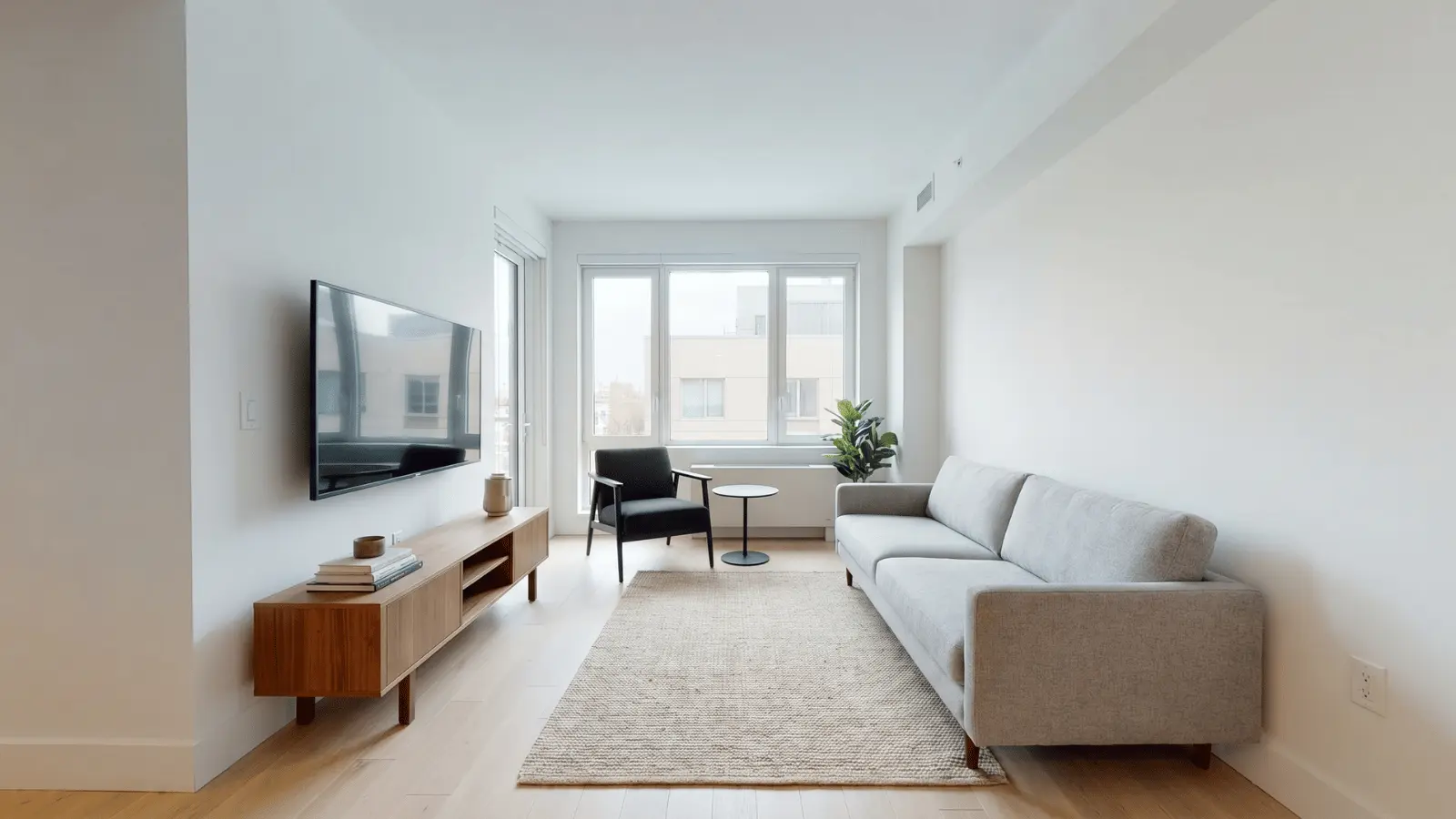
1. Place the Sofa Directly Across From the TV for a Simple Layout
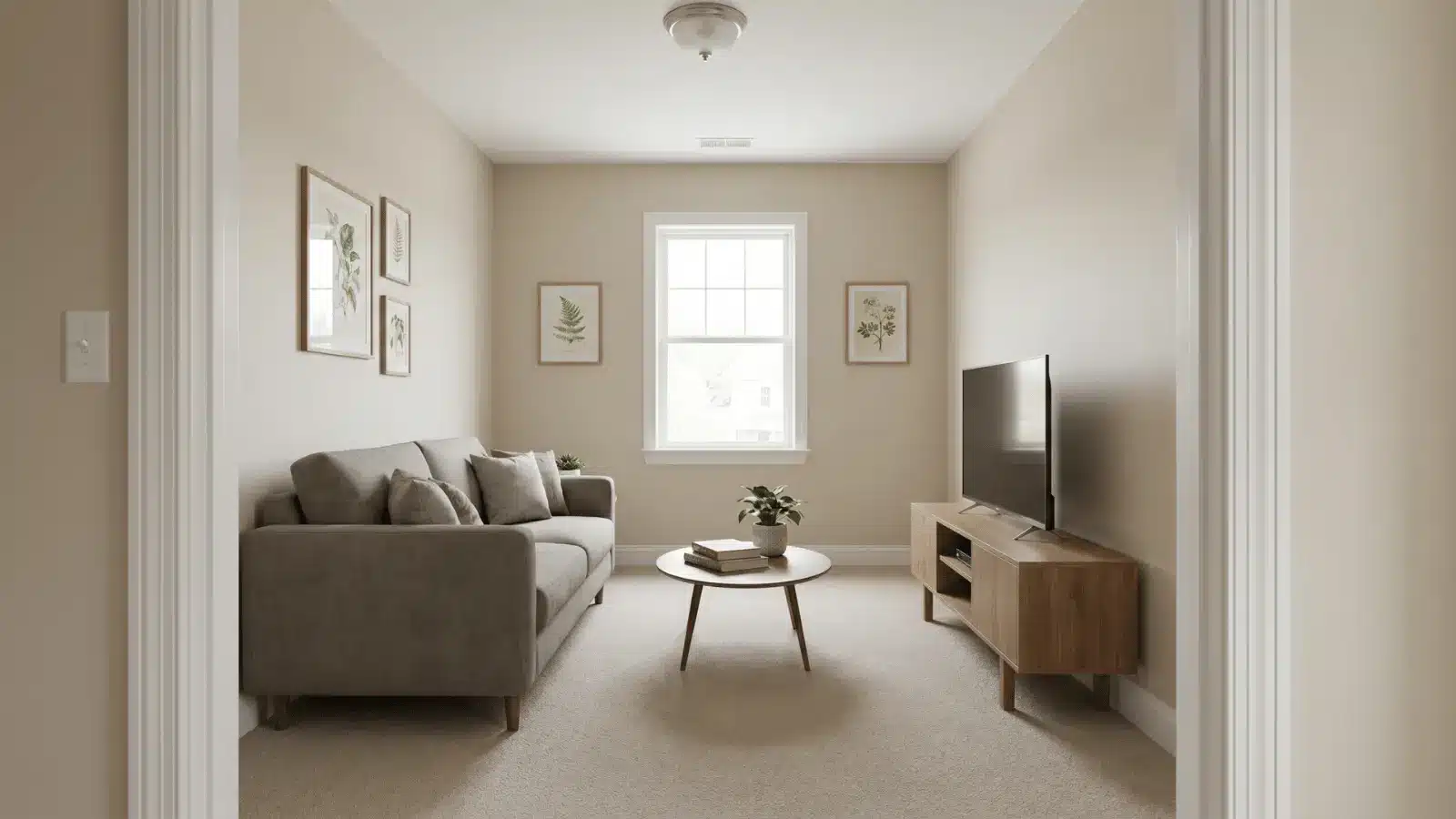
This layout works best for rectangular rooms where a direct viewing setup makes the most sense.
Placing the sofa across from the TV creates a balanced arrangement while keeping the room easy to move through.
Use a compact sofa and slim media console to avoid taking up unnecessary space. Keep walkways clear between furniture pieces, as interrupted paths can make a small room feel tighter and less connected.
2. Mount the TV on the Wall to Open Floor Space
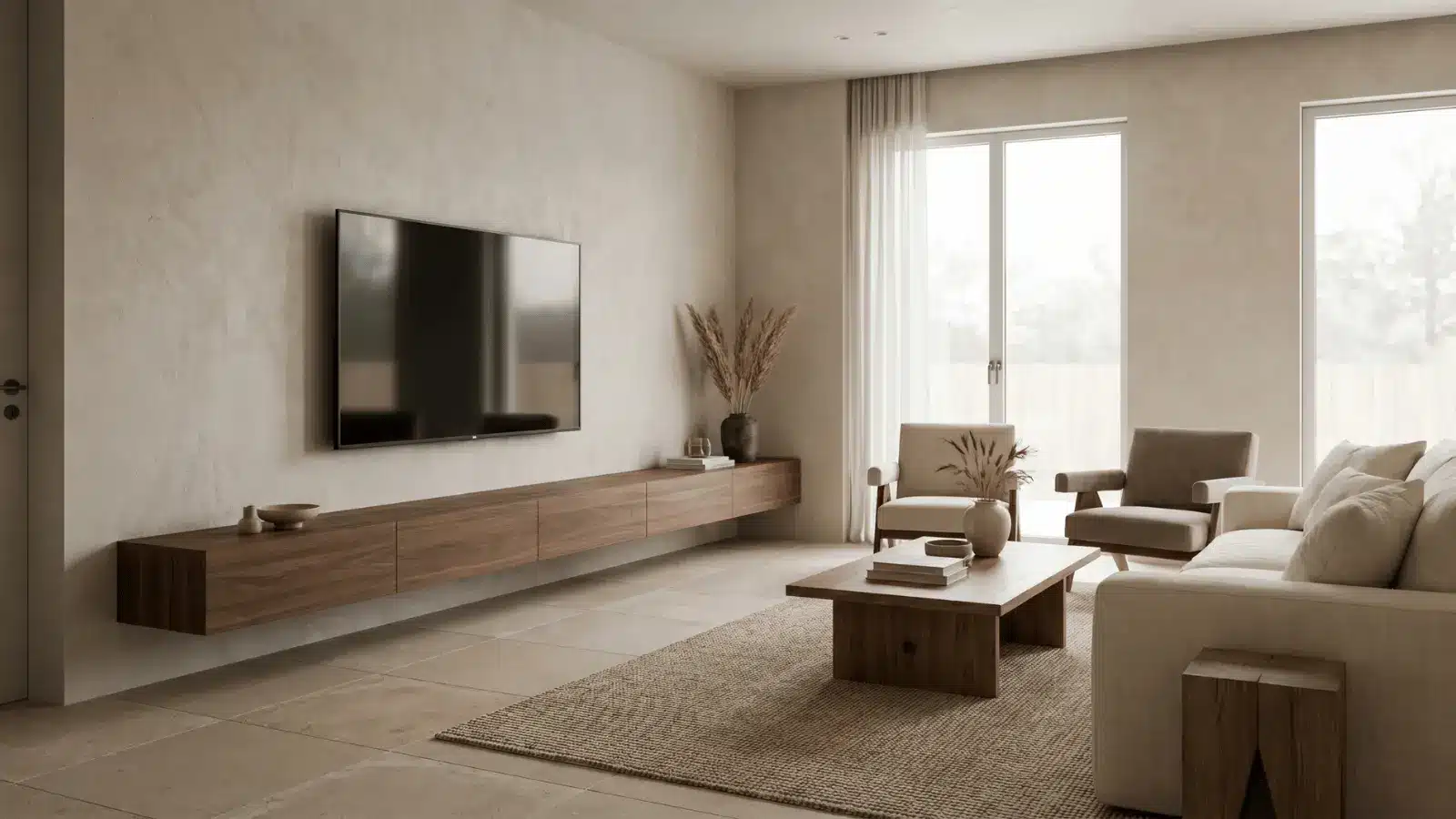
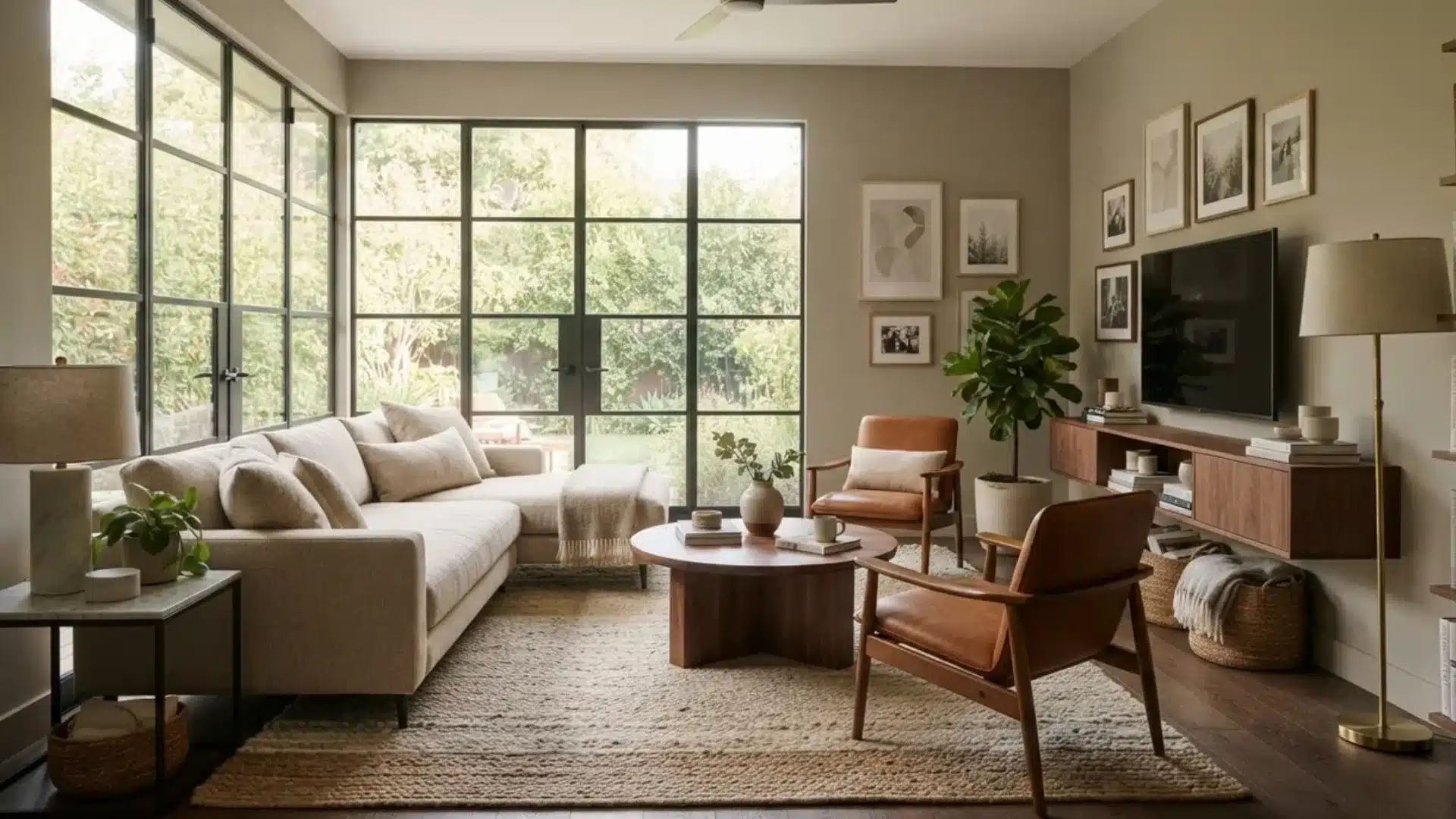
Mounting the TV on the wall removes the need for a large entertainment stand and creates more visible floor space. This helps small living rooms feel cleaner while keeping the layout open.
Place the center of the screen close to seated eye level for comfortable viewing.
A TV mounted too high strains the neck and throws off the balance of the whole wall. For the exact height and hardware to use, see our guide on mounting a TV correctly.
3. Use a Projector Instead of a Permanent TV Setup for Flexibility
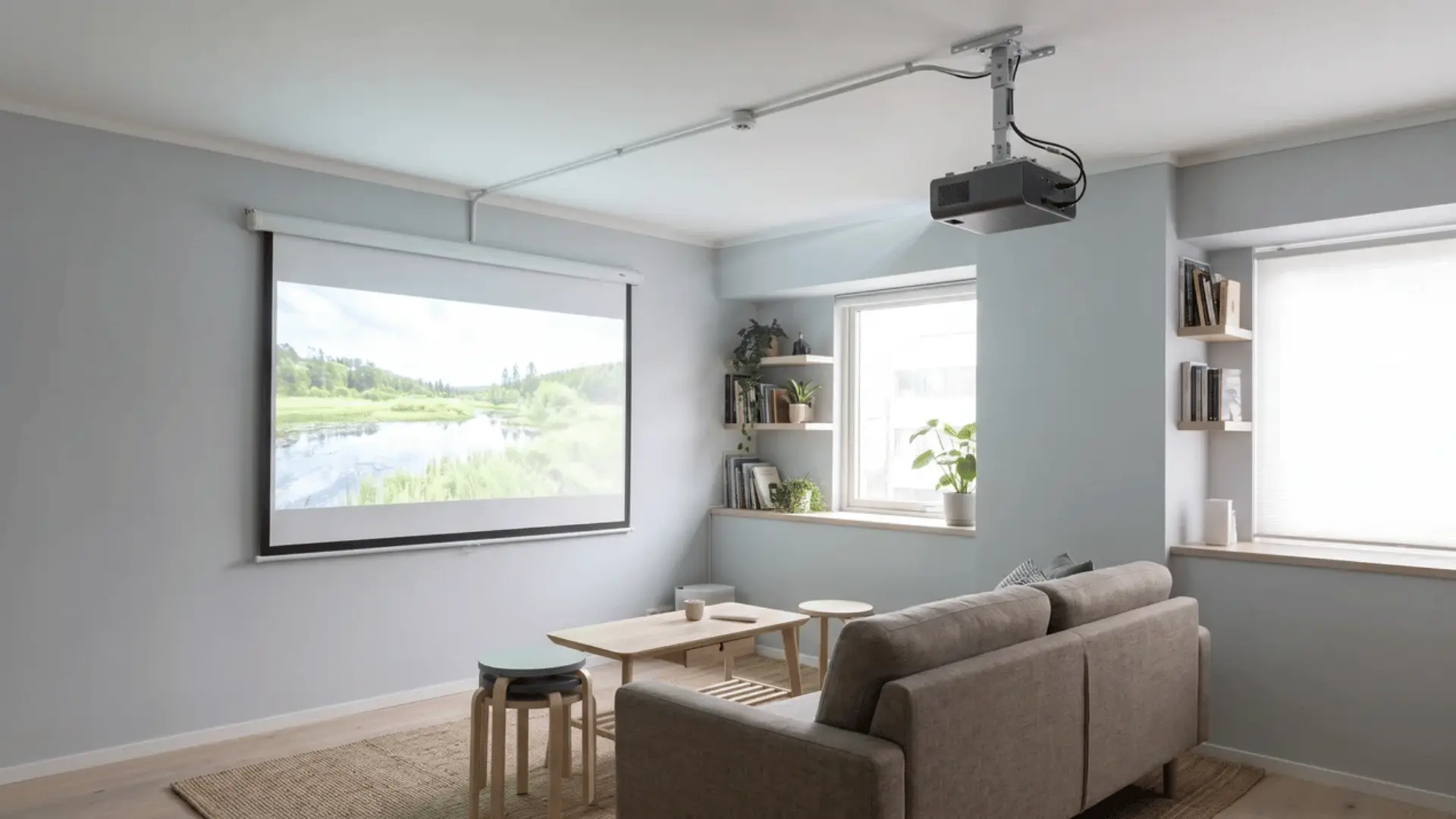
A projector can be a practical choice for very small living rooms where a large TV feels too dominant.
It keeps the main wall open and lets the space serve other purposes when the screen isn’t in use.
Pair it with a retractable screen or a clear projection surface for a cleaner setup. This works best in multi-use rooms where movie nights are occasional and floor space needs to stay flexible.
4. Float the Sofa Away From the Wall for Better Flow
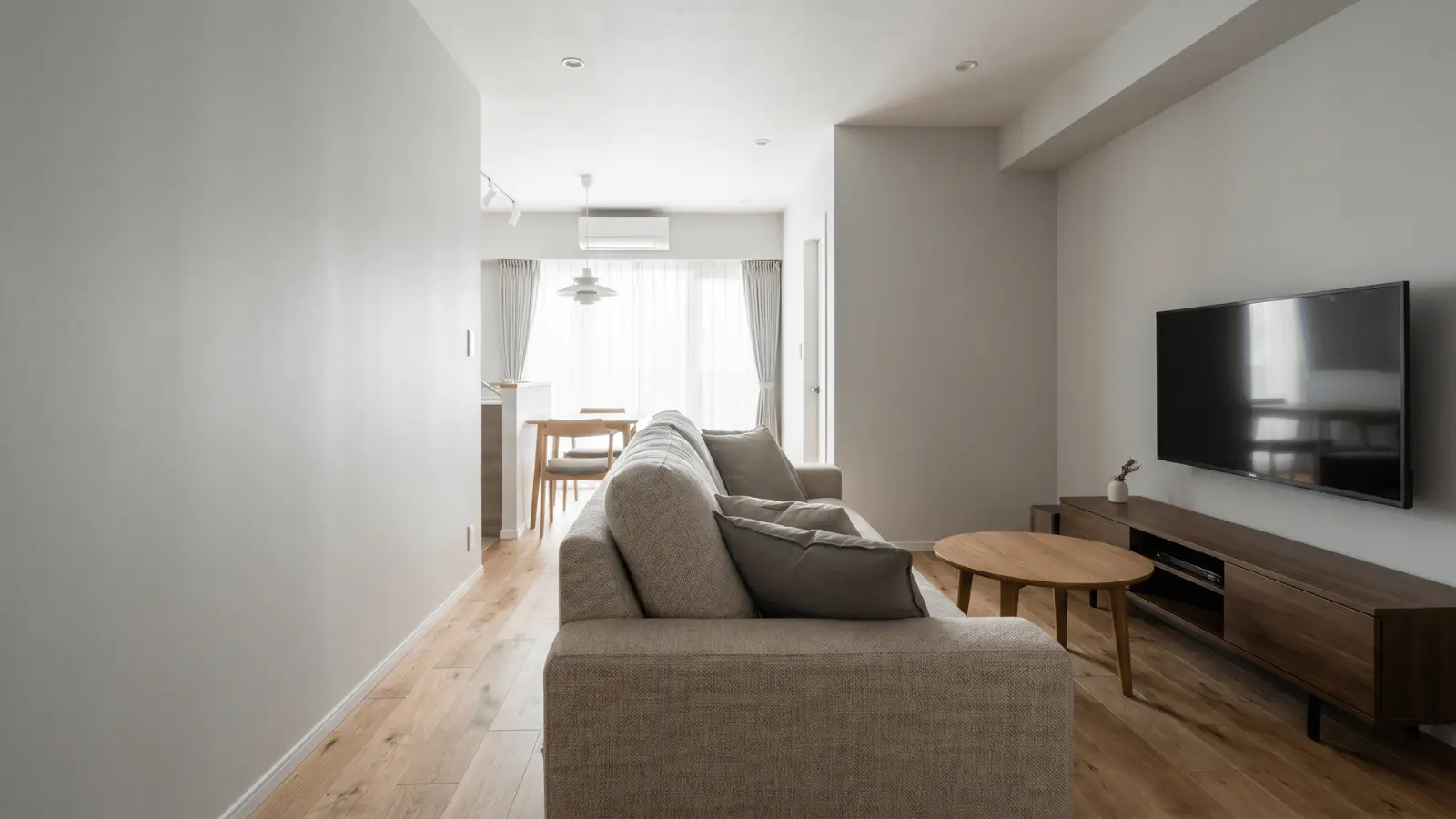
Moving the sofa slightly away from the wall can improve circulation and create a more intentional furniture arrangement.
Even a small gap can help define the living area without adding barriers.
This approach works especially well in open layouts where the living room needs its own zone, and it keeps the space from looking empty around the edges.
When I helped a client rework a nine-by-eleven living room last year, floating the sofa just six inches off the back wall made the biggest visual difference in the entire room, without moving anything else.
5. Use Swivel Chairs Instead of a Second Sofa
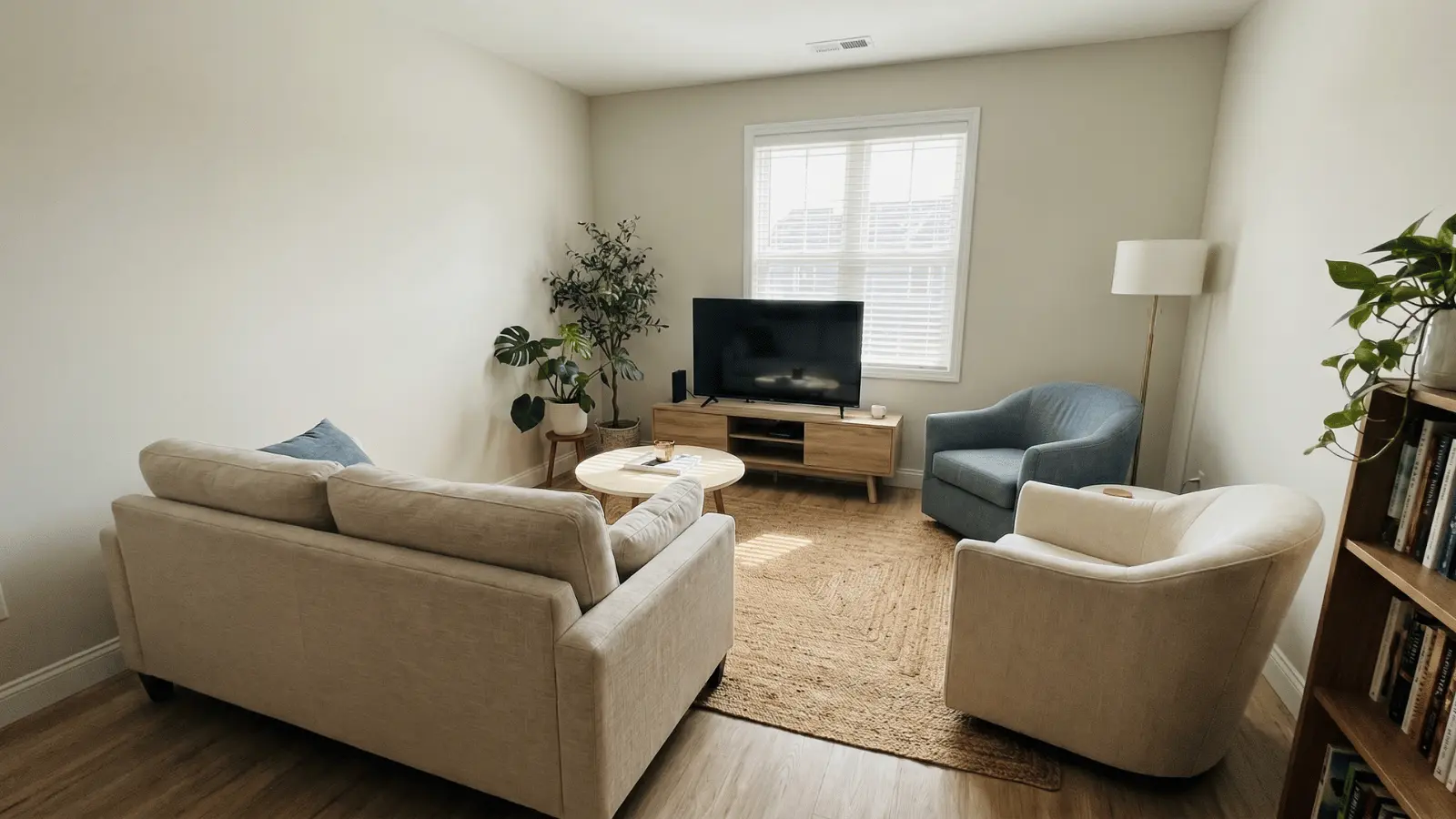
A second sofa can quickly overwhelm a small living room by adding too much visual weight.
Swivel chairs provide extra seating while taking up less space and offering more flexibility.
They can face the TV during viewing and rotate toward other seating for conversations. This makes them practical for rooms that serve multiple purposes throughout the day.
6. Position the TV on a Dark Accent Wall to Reduce Visual Weight
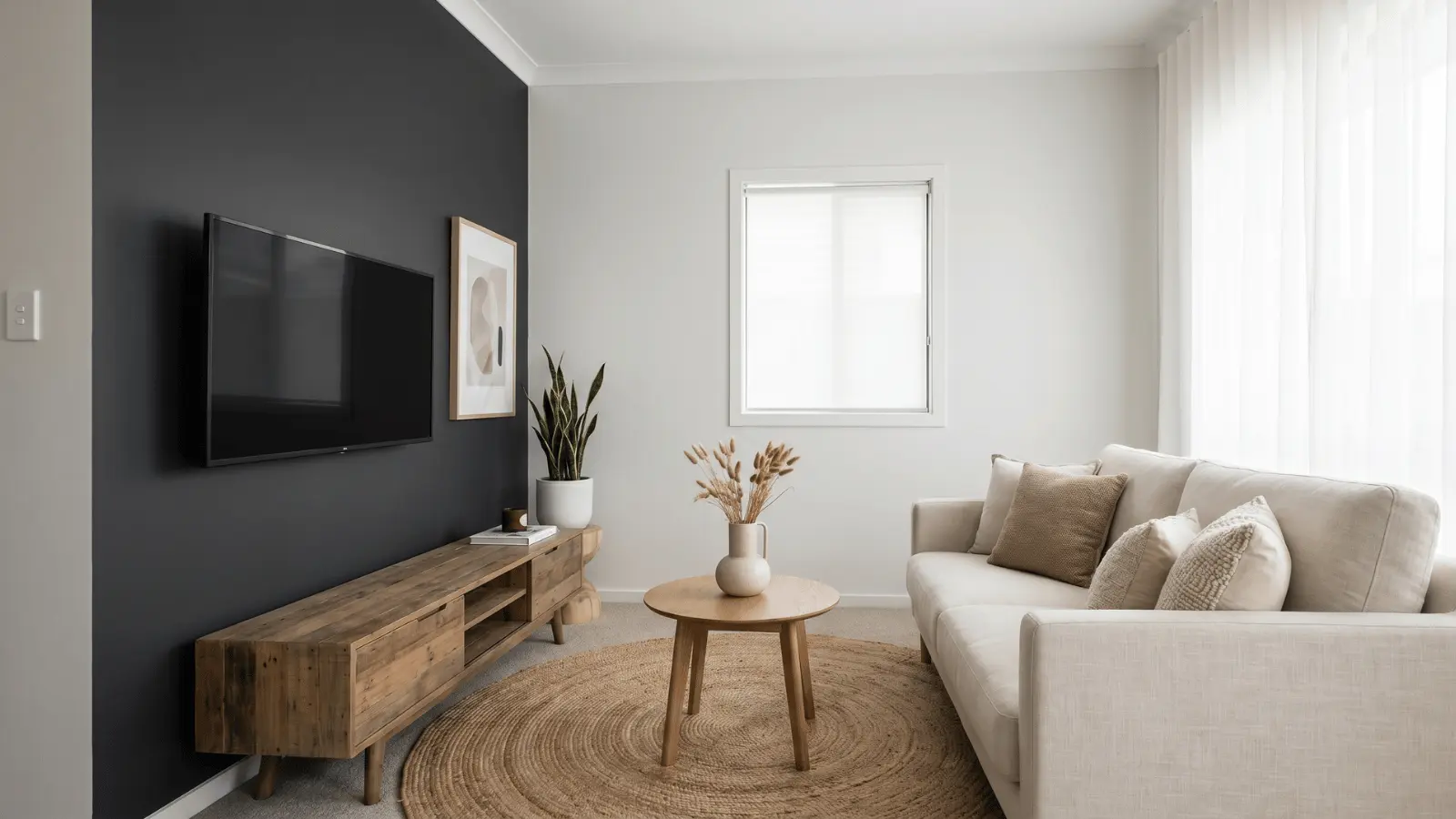
A dark accent wall behind the TV helps the screen blend into the room instead of standing out as the main feature. It creates a cleaner look without needing extra decoration.
This setup pairs best with a wall-mounted TV and simple styling around the screen.
Skip dark walls in rooms with limited sunlight, since they can make the space feel smaller instead of calmer.
7. Build the TV Into Shelving for a Cleaner Layout
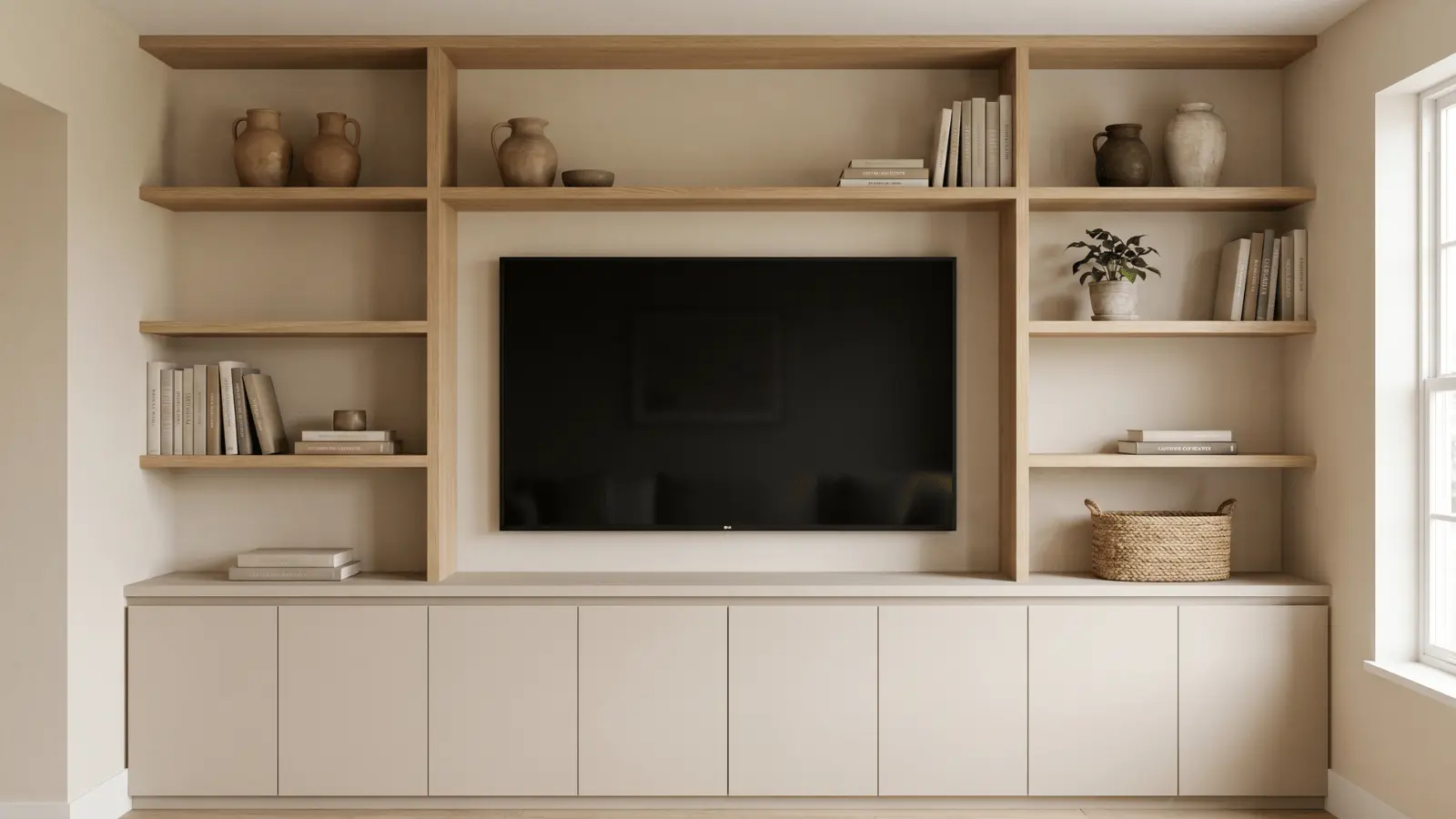
Integrating the TV into built-in shelving helps reduce its visual impact and makes the screen feel like part of the overall room design.
It also creates valuable storage without adding separate furniture. Use shelves for electronics, books, and décor, and keep the arrangement balanced.
Avoid filling every section, as overcrowded shelving can make the room feel busy and take attention away from the clean layout.
8. Use a Slim Media Console Instead of a Bulky Entertainment Center
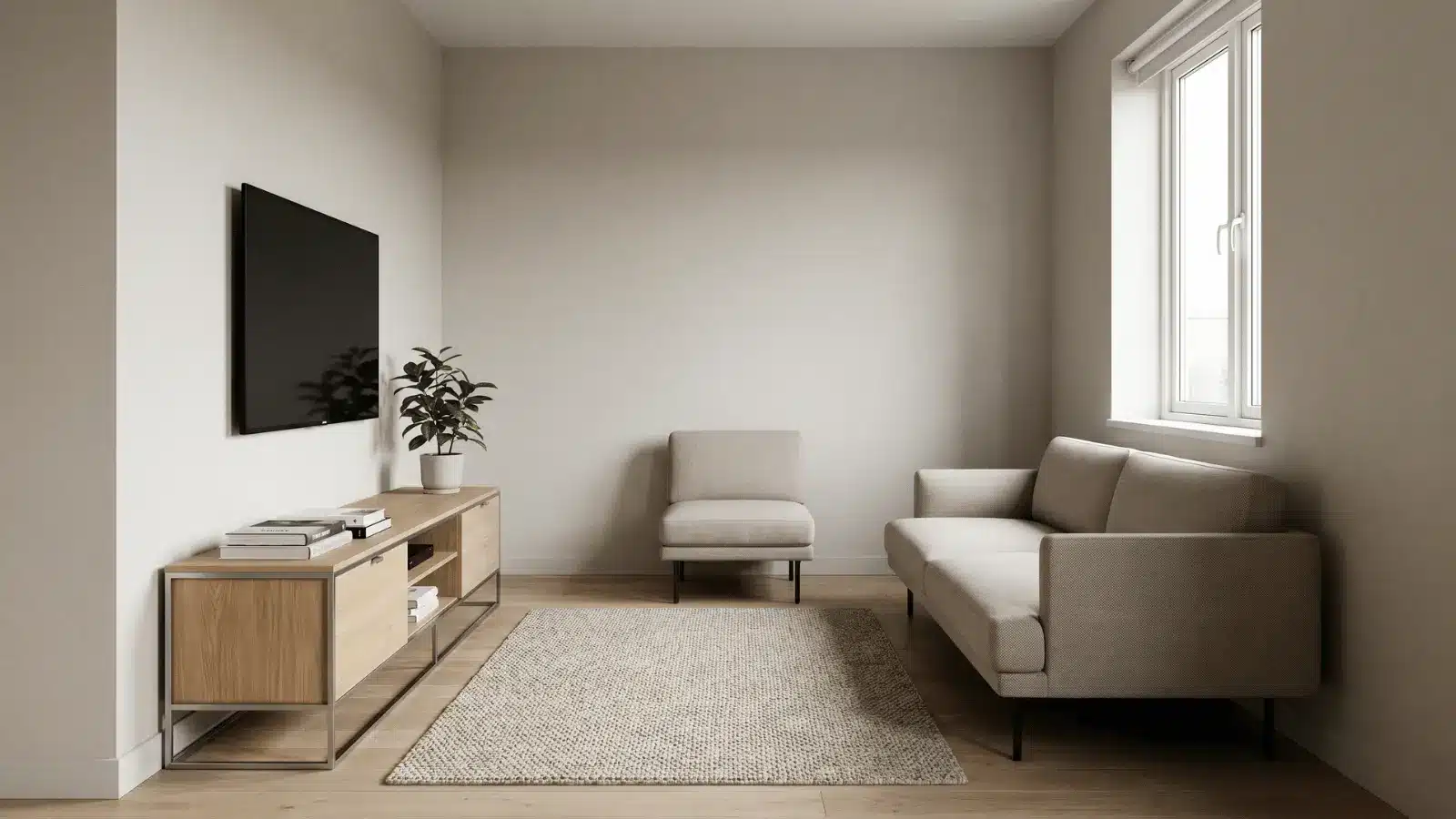
A loveseat frees up floor space when a full-size sofa takes up too much of the room.
It works well in apartments, studios, and other compact living rooms where every inch matters.
Choose a unit with both open and closed storage to manage clutter effectively. Closed sections can hide cables and accessories, while open areas keep frequently used items easy to access.
9. Try a Loveseat Instead of a Full-Size Sofa
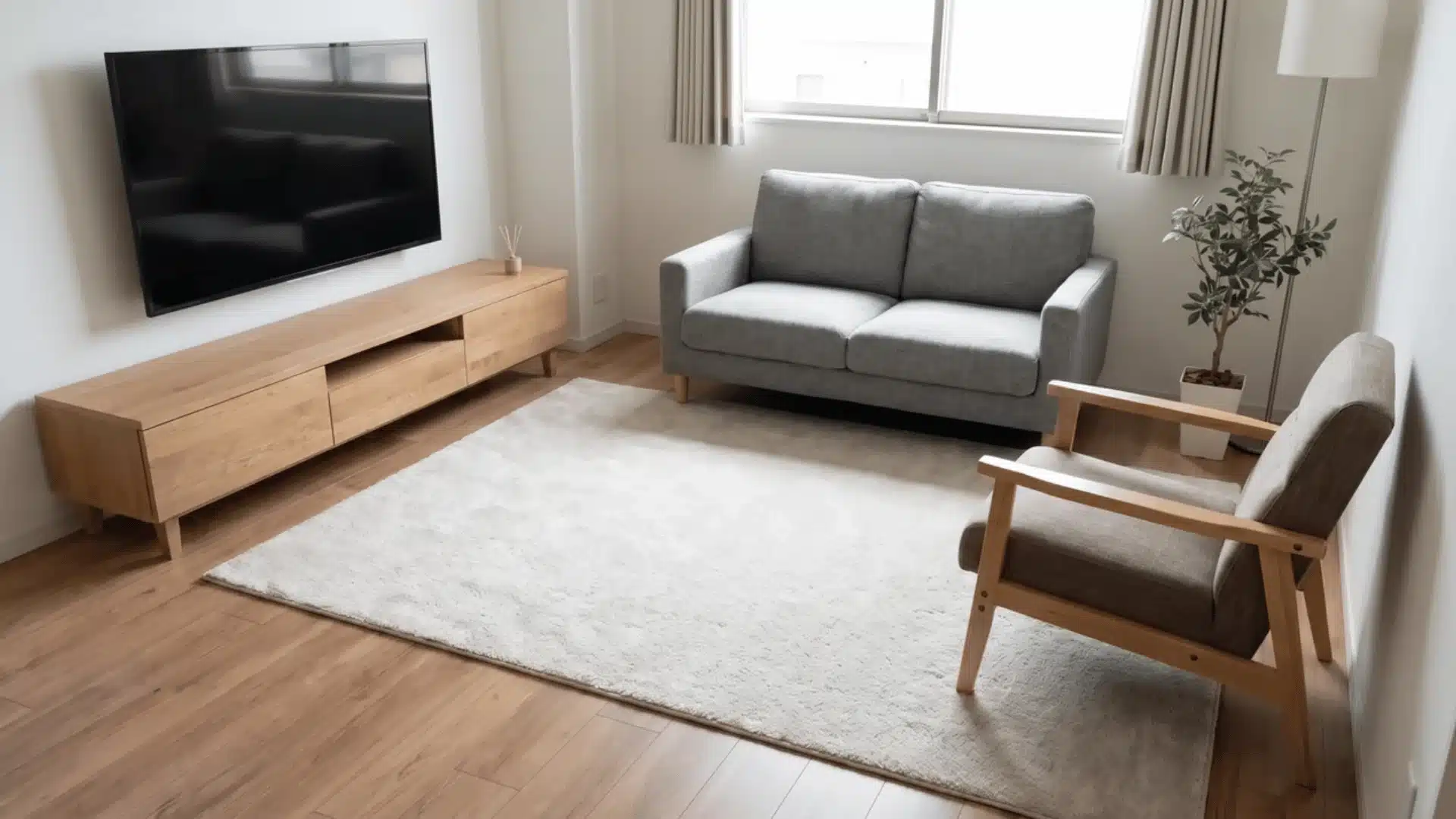
A loveseat can create more breathing room when a full-size sofa takes up too much floor space. It works well in apartments, studios, and compact living rooms where every inch matters.
Pair it with a lightweight chair to add seating without overcrowding the layout.
Avoid large sectionals in tight rooms, as they often block pathways and reduce usable open space.
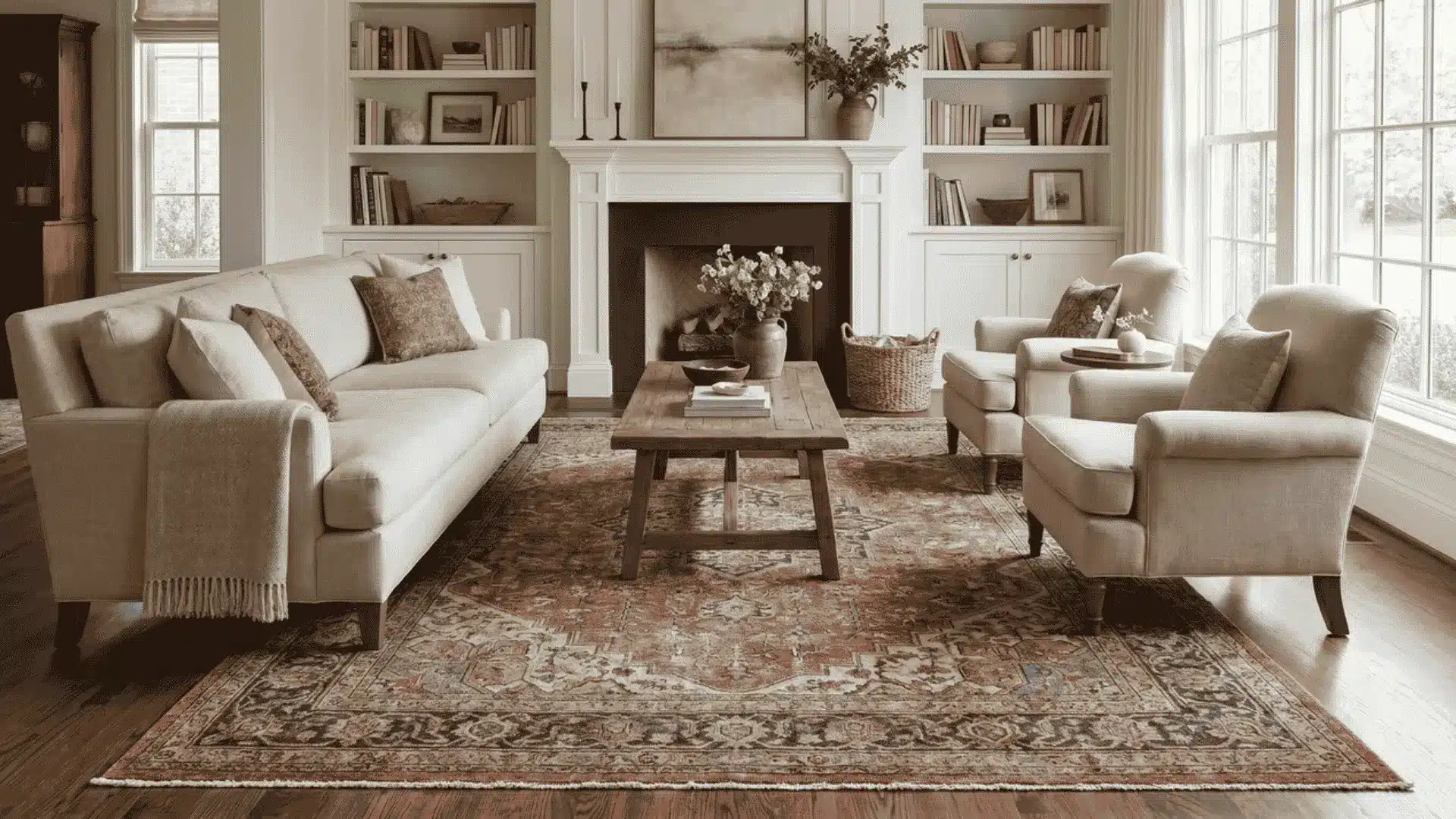
10. Place the TV Beside the Fireplace Instead of Above It
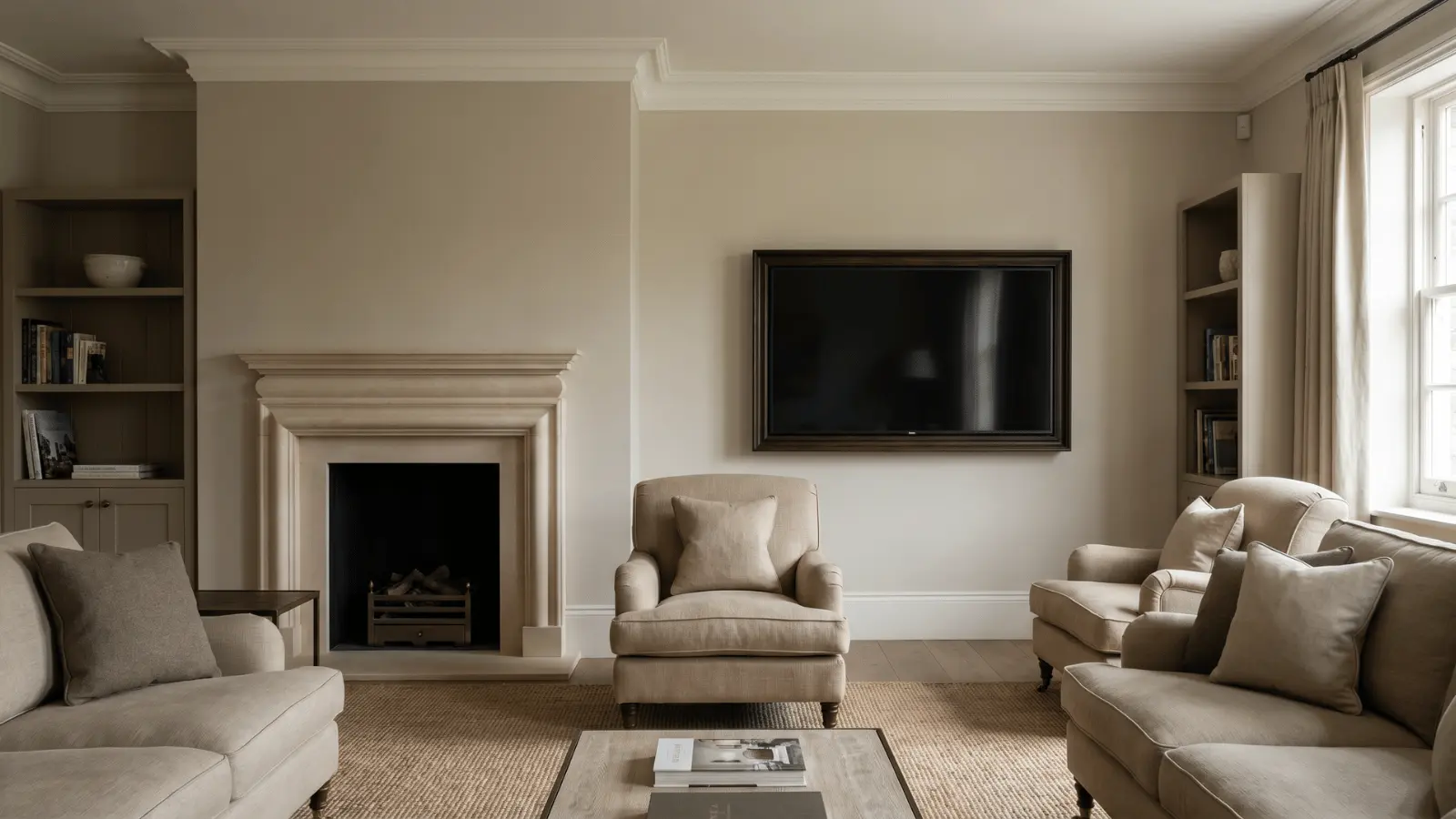
Mounting the TV above a fireplace often places the screen too high for comfortable viewing. It can also create concerns about heat exposure and make the room feel centered around competing features.
Positioning the TV beside the fireplace keeps both elements functional and balanced.
Add seating that faces both areas to create a comfortable arrangement without forcing the room around one focal point.
11. Use an Ottoman Instead of a Coffee Table
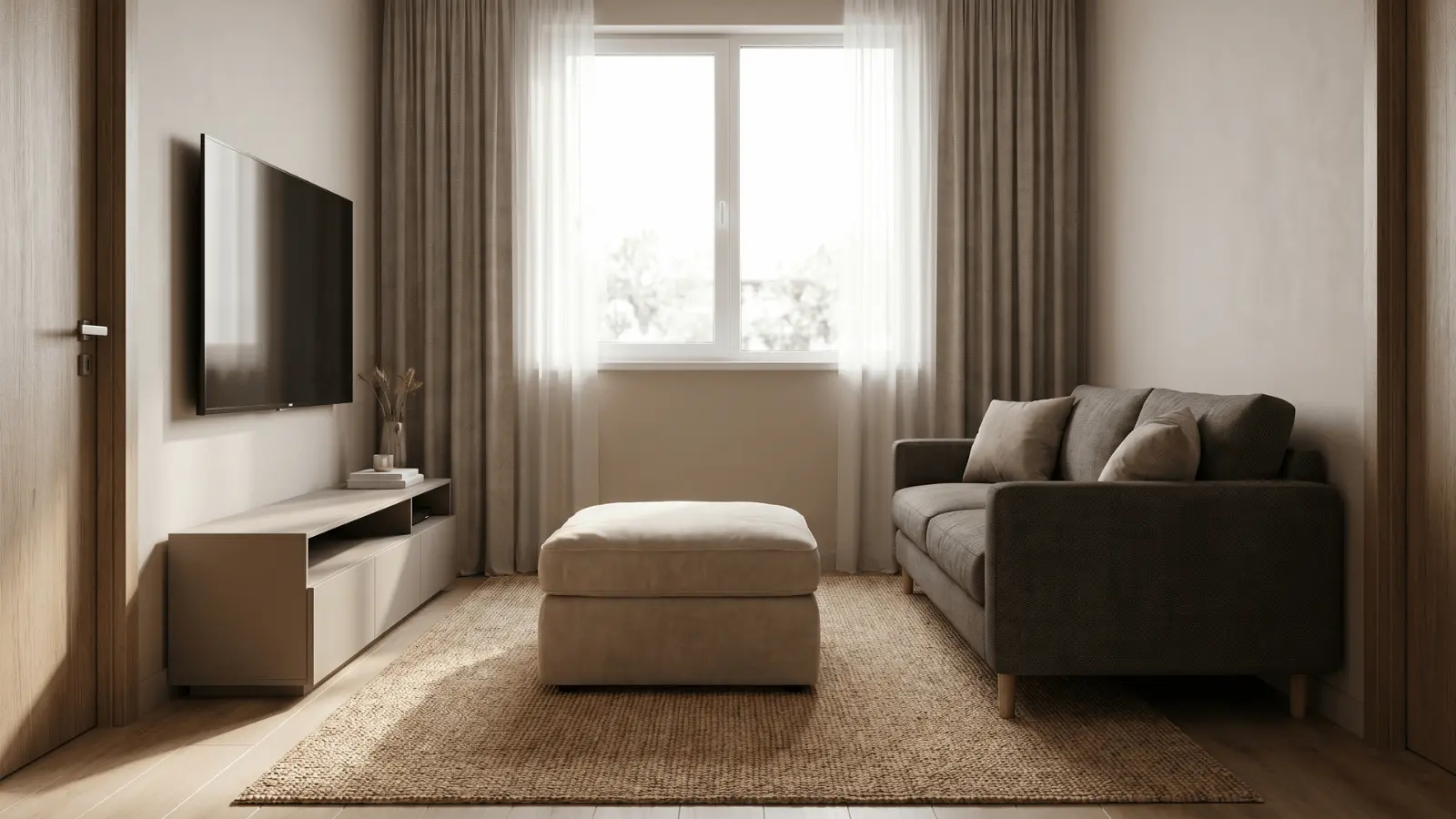
An ottoman can replace a traditional coffee table while serving as a footrest, extra seat, and flexible surface. Its softer shape also improves movement in smaller living rooms with limited walking space.
Choose a size that fits the center area without overwhelming the seating arrangement.
A large ottoman can create the same problems as an oversized table by blocking circulation and making the room feel crowded.
12. Use a TV Stand With Built-In Storage to Maximize Function
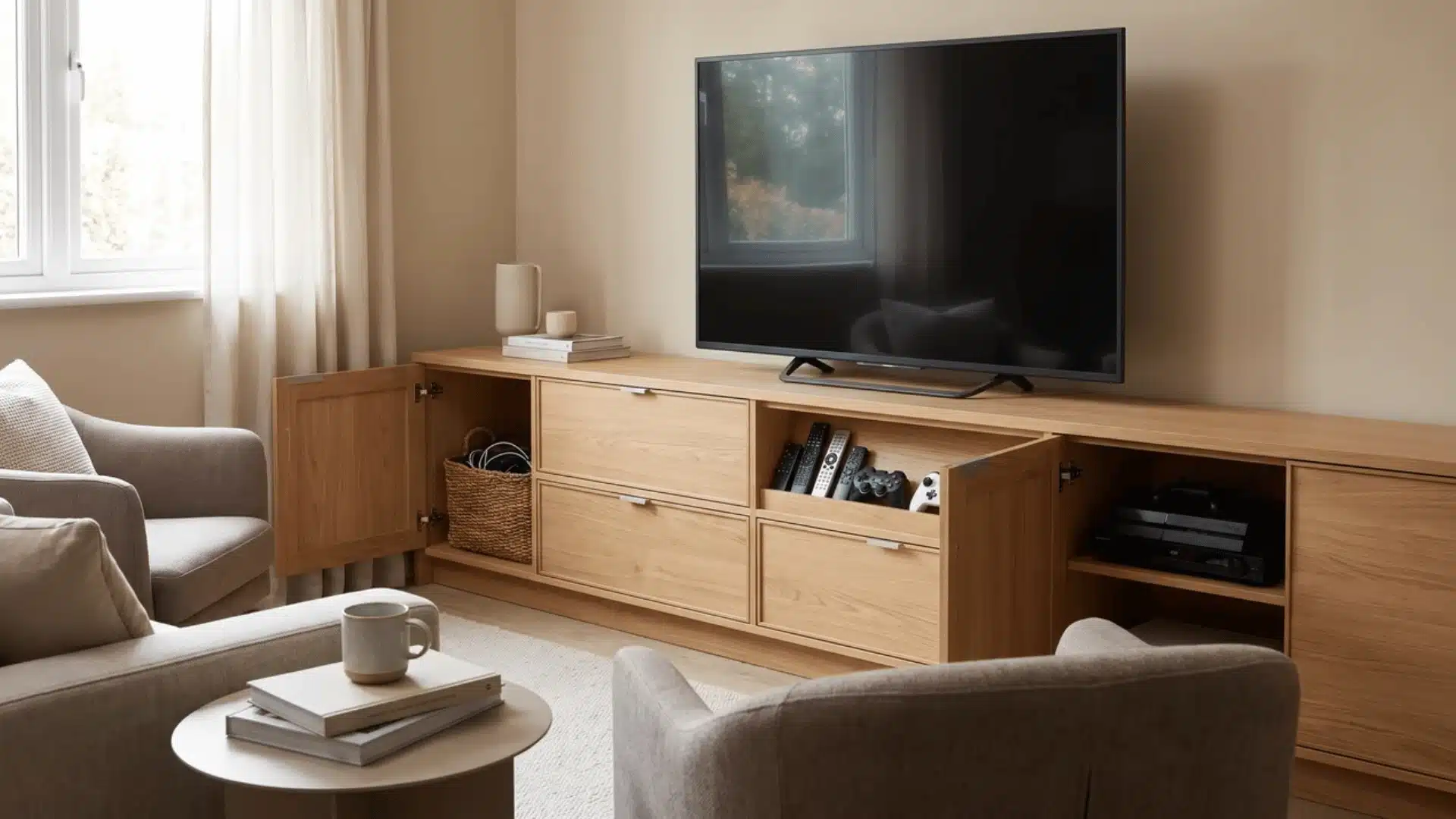
A TV stand with built-in drawers or cabinets adds storage without requiring extra shelves or furniture. It keeps remotes, gaming devices, and electronics organized while giving the TV a dedicated place.
Choose a low-profile unit that matches the room size and wall width.
Avoid oversized stands with bulky shelving, as they can take over the space and make a small living room feel crowded.
13. Angle Furniture Slightly Instead of Keeping Everything Parallel
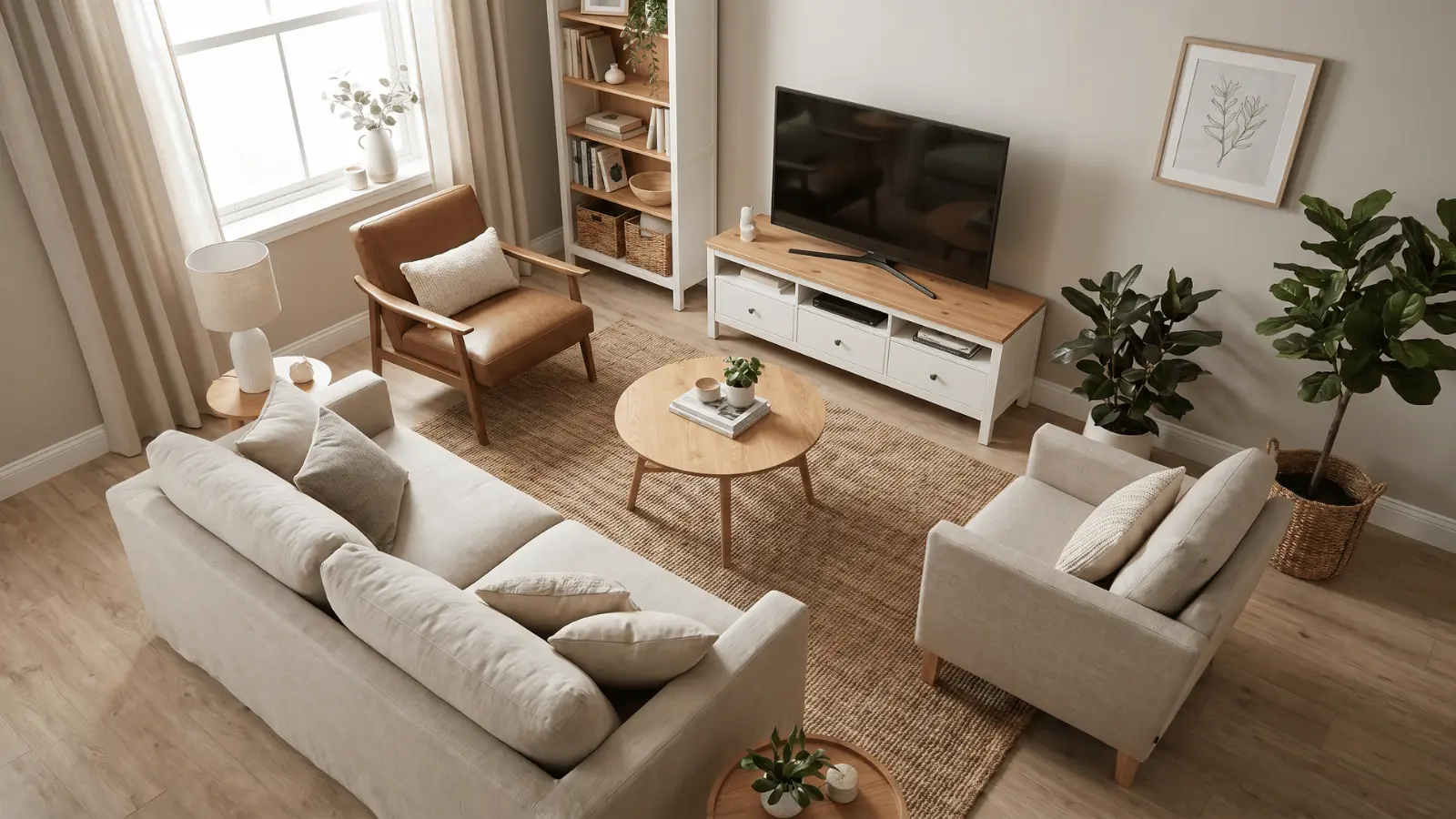
Straight, parallel furniture arrangements can make small living rooms feel stiff and boxy, especially in rooms with awkward proportions.
A slight angle softens the lines and improves how people move through the space.
Turn the sofa or chairs by around 10 to 15 degrees toward the TV or conversation area. Avoid extreme angles, as they can waste corner space and make the arrangement feel uneven.
If your living room has an unusual footprint to begin with, our roundup of awkward layout fixes covers more room-specific workarounds.
14. Use Vertical Storage to Keep the Floor Clear
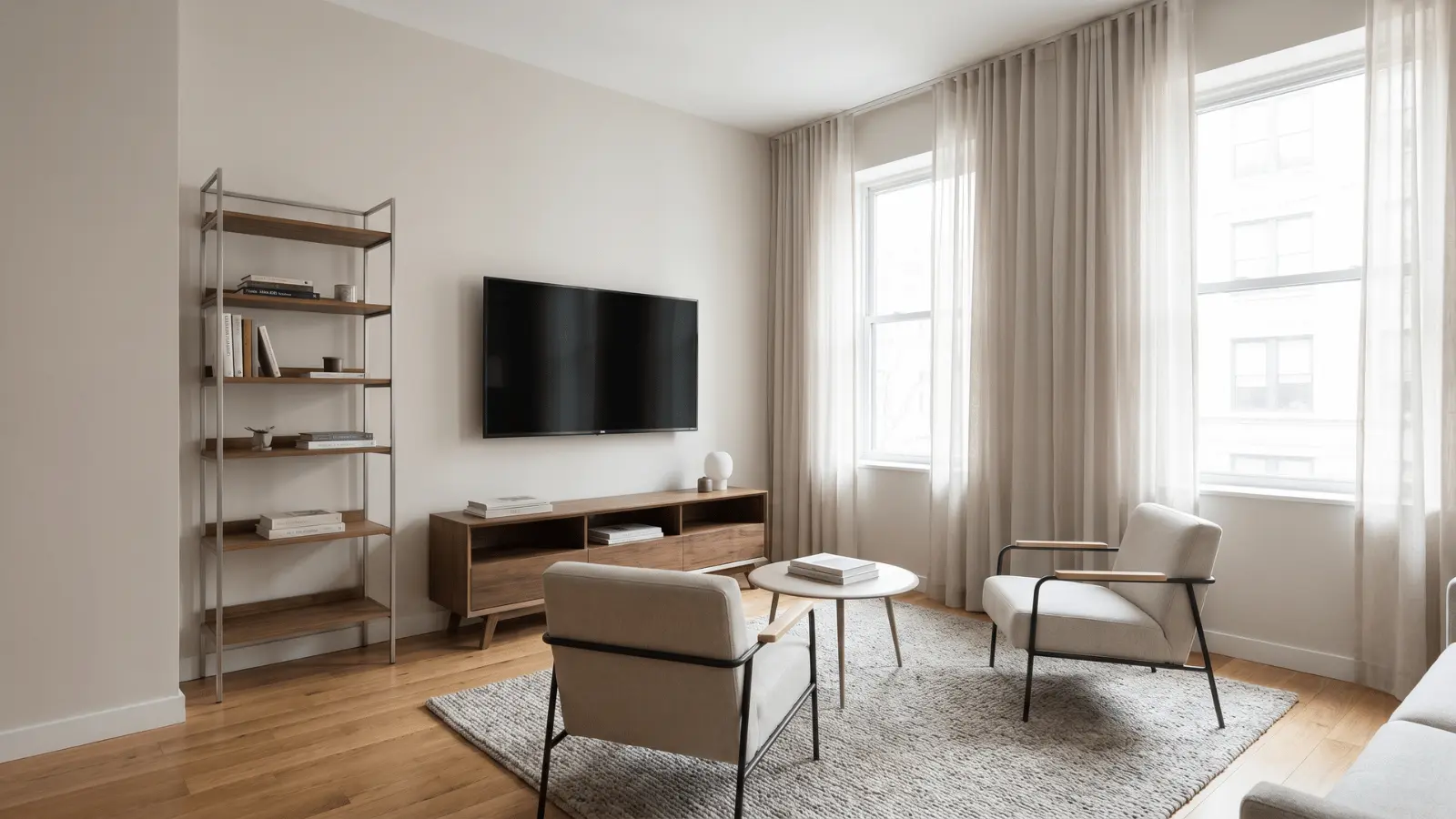
Vertical storage makes use of wall space while keeping the floor area open. Tall shelves or cabinets draw attention upward and create more room for electronics, books, and everyday items.
Choose storage pieces that match the room’s scale and wall size.
Oversized units can make the ceiling feel lower and create the opposite effect by making the living room feel closed in.
15. Keep One Side of the Room More Open for Better Traffic Flow
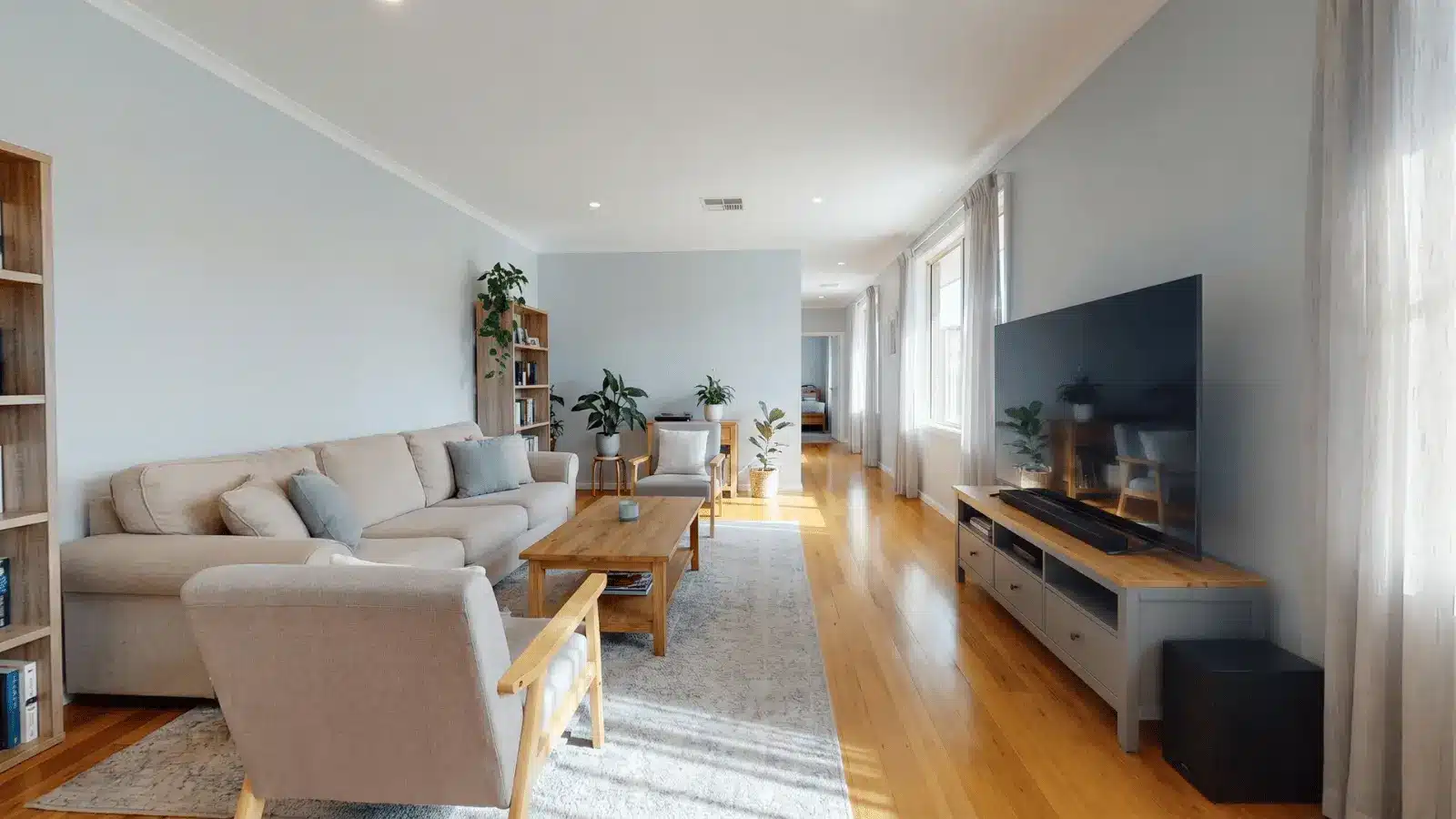
Leaving one side of the room free from bulky furniture creates a clear path for movement. This simple adjustment helps small living rooms feel less crowded and improves how the space connects.
This layout works especially well in narrow rooms with limited width.
An open side gives the room more visual breathing space while making everyday movement easier between different areas.
16. Use Minimal Furniture Around a Large TV to Prevent Overcrowding
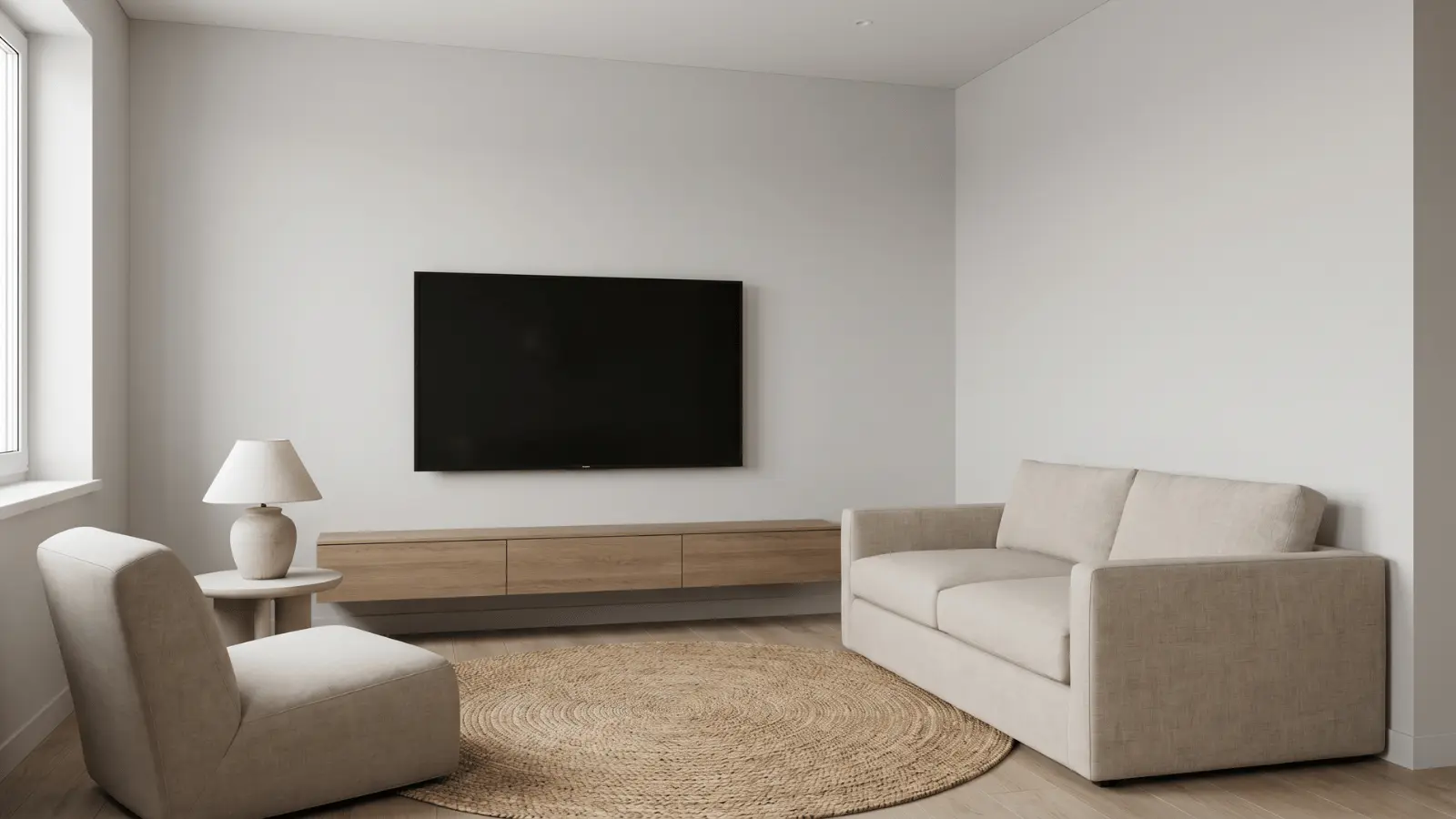
A large TV already creates a strong visual focus in a small room.
Adding too many shelves, decorations, or oversized furniture around it can make the space feel busy and unbalanced.
Keep the area around the screen simple with only essential pieces. A clean setup lets the TV room stand out while maintaining a comfortable viewing distance and better overall flow.
17. Use a Folding or Movable TV Setup for Flexible Spaces
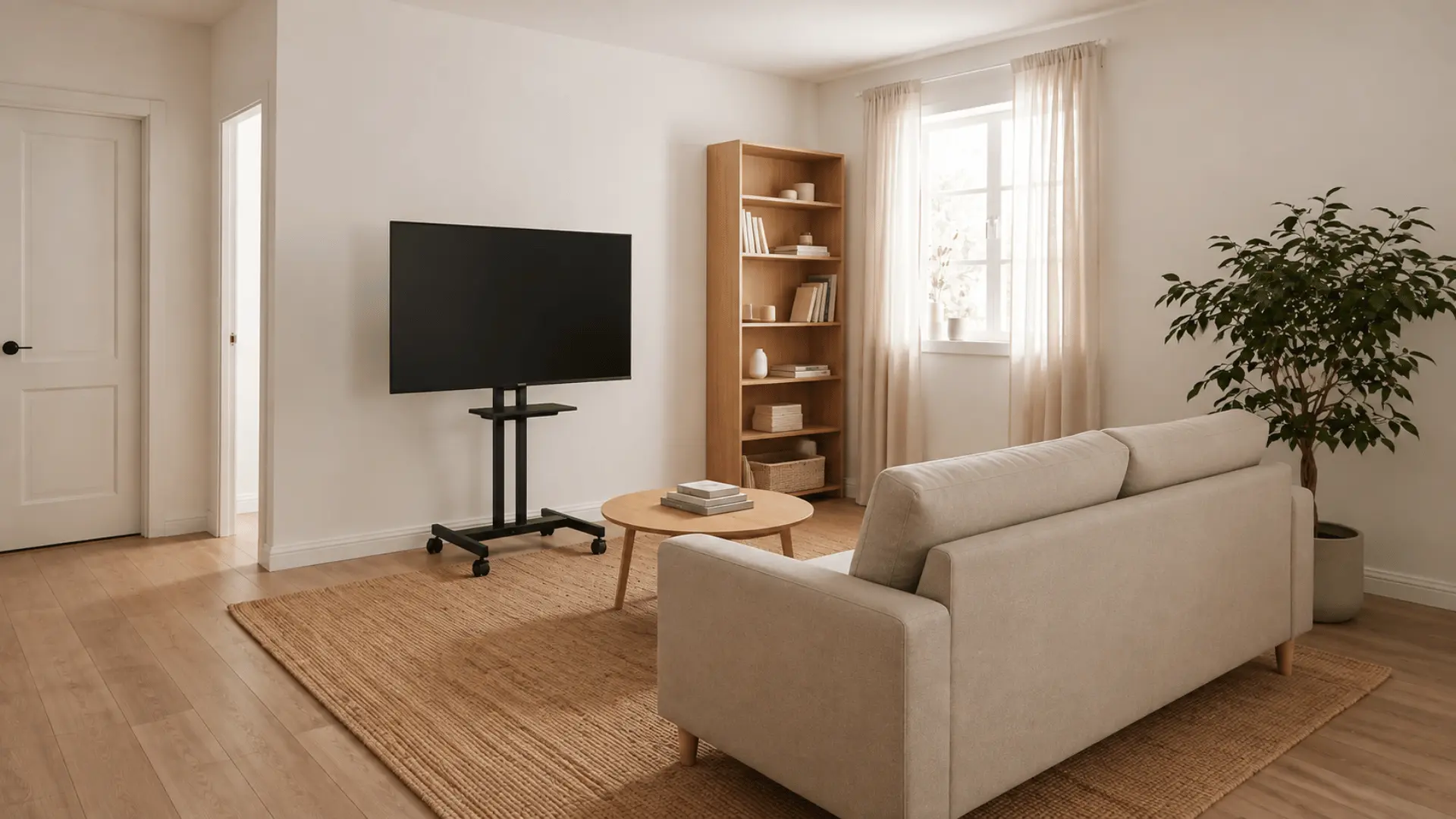
A movable TV setup gives small living rooms more flexibility when one area needs to serve different purposes.
A rolling TV stand or swivel mount allows you to adjust the screen without changing the entire furniture arrangement.
This works well in apartments, home offices, or shared spaces where the room changes throughout the day. Keep the setup lightweight and easy to move so the layout stays practical and adaptable.
Common Mistakes to Avoid
Good layouts can unravel quickly when a few key mistakes slip through. Here are the ones that most often shrink a small room:
- Blocking pathways: Furniture without clear walking clearance makes rooms feel suffocating
- Mounting the TV too high: Anything above comfortable eye level causes strain and visual imbalance
- Stacking accent tables everywhere: Side tables, nesting tables, and extra shelves add up fast
- Ignoring window glare: A TV placed opposite an unshaded window limits daytime use significantly
- Using a rug that’s too small: Undersized rugs make the furniture grouping feel unanchored and the layout look unfinished
- Overcrowding shelves and media units: Filled-to-the-edge storage draws more attention to clutter, not away from it.
Avoiding these keeps even a simple layout from feeling tight or unfinished.
Conclusion
A good small living room layout with a TV is not about fitting in more furniture. It is about making every piece earn its place.
Mounting the TV, choosing a slim console, floating the sofa, using swivel chairs, or clearing one side of the room can completely change how the space feels.
Start with the biggest problem first, whether that is glare, blocked walkways, poor seating, or too much visual clutter. Then make one change and see how the room responds before adding anything else.
Which layout issue are you trying to fix in your living room? Share it in the comments.
Frequently Asked Questions
What TV Size is Best for a Small Living Room?
A 43 to 55 inch screen fits most small living rooms comfortably. A common starting point is dividing your seating distance in inches by two to estimate screen size, though recommendations vary by source and resolution. Measure your actual seating distance first, then treat the number as a general guideline rather than an exact rule before buying.
How Do I Hide TV Cables in a Small Living Room?
In-wall cable kits give the cleanest look behind a mounted TV, since they route cords through the wall itself with no visible hardware. If you would rather skip cutting into drywall, a cord raceway along the baseboard hides wires just as well and takes about twenty minutes to install without any renovation work.
Can I Place My Sofa in Front of a Window?
Yes, placing the sofa in front of a window works well in a small living room. It frees up wall space for the TV and opens up the center of the room for movement. Use light-filtering blinds or sheer curtains to control glare during the day so the window does not interfere with screen visibility.
How Do I Arrange a Small Living Room that Also Works as a Dining Area?
Float the sofa a few inches off the wall to create a natural boundary between the living and dining areas without adding a physical divider. Keep furniture scaled down in both zones, a compact dining set and a slim sofa, so neither space feels cramped or steals square footage from the other.