



Choosing the right windows isn’t just about looks—it affects how your home feels, breathes, and sounds every single day.
One style that keeps popping up in older beach houses, mid-century homes, and renovation projects is the jalousie window.
In this guide, let’s take a closer look at what jalousie windows actually are, where they work best, and what you should know before installing, keeping, or replacing them.
What Are Jalousie Windows?
These windows are made of horizontal glass, acrylic, or aluminum slats that open together using a crank or lever. When turned, the slats tilt outward, creating a gentle, adjustable opening for air and light.
They’re especially useful in tropical or coastal homes where airflow matters more than insulation. Many people compare them to Venetian blinds, but made of glass instead of fabric.
These windows became popular in the mid-1900s, especially across Florida, Hawaii, and the Caribbean. Builders loved them because they were affordable, easy to install, and worked perfectly in humid climates.
Over time, their popularity faded as homeowners started looking for better insulation and security. Still, they remain a nostalgic favorite in many vintage or beach-style houses.
Pros and Cons
These windows have both benefits and drawbacks. Knowing these can help you decide if they suit your home or if a modern alternative makes more sense.
| Pros | Cons |
|---|---|
| Great ventilation: The wide slats open fully to let in steady airflow, keeping rooms cooler in warm climates. | Poor insulation: Gaps between slats allow air leaks, making them less energy-efficient in cold weather. |
| Easy maintenance: Each slat can be removed and cleaned individually, making repairs simple and affordable. | Limited security: Glass panels can be lifted or broken more easily than solid-framed windows. |
| Retro charm: Their louvered style complements mid-century and coastal homes, adding a light, breezy look. | Not ideal for cold climates: They let in drafts and noise, reducing comfort compared to modern sealed windows. |
Types of Jalousie Windows
They come in different materials and setups, each offering its own benefits in look, durability, and cost. Choosing the right type depends on your home’s climate, design goals, and maintenance needs.
1. Glass Jalousie Windows
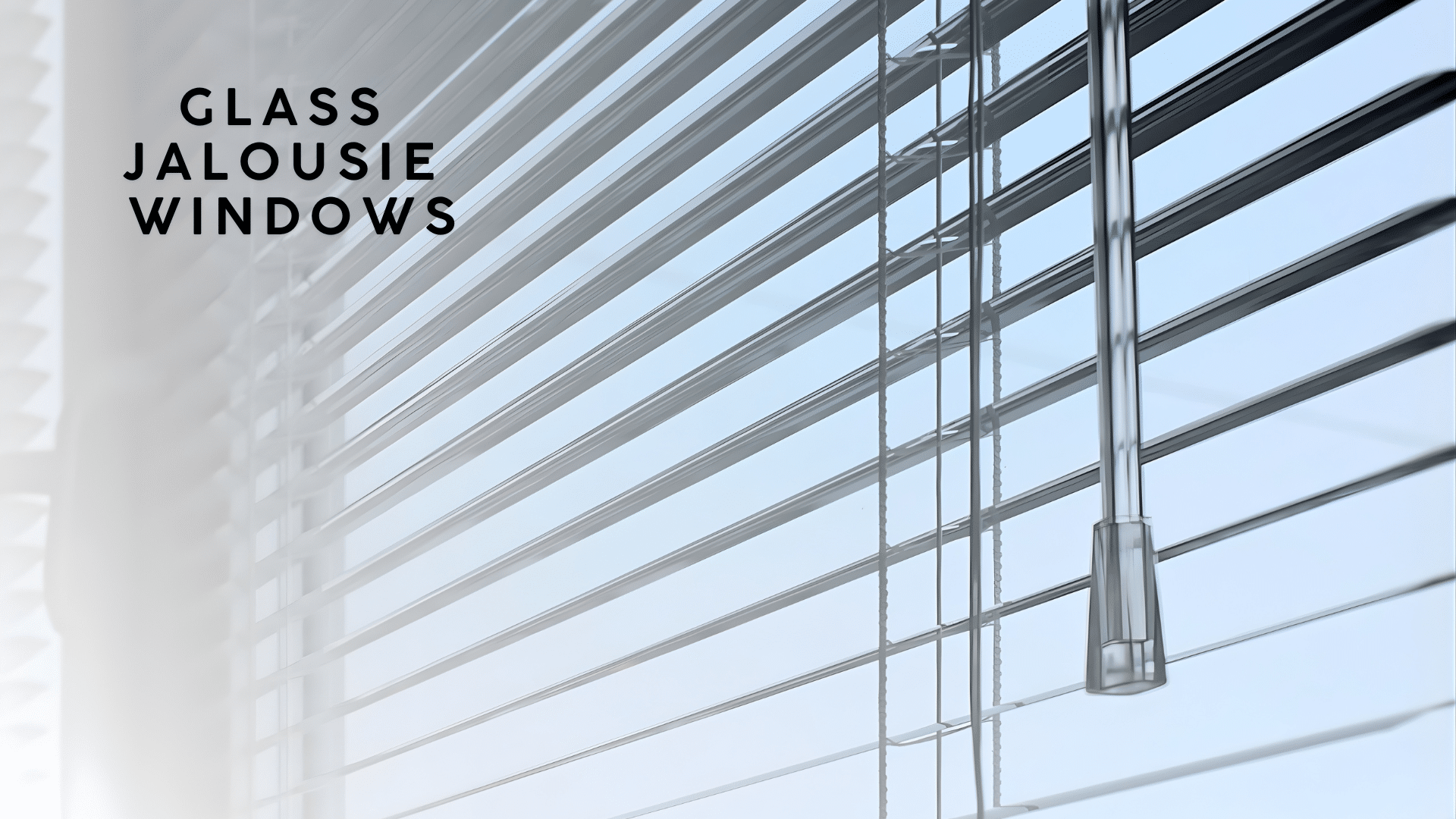
Glass is the most common option and offers clear visibility with plenty of natural light. It gives rooms an open, breezy feel and works well for sunrooms or coastal homes.
Tempered or Low-E glass is now used for added safety and temperature control. Frosted or tinted versions also provide privacy while keeping spaces bright and airy.
2. Acrylic or Plastic Jalousie Windows
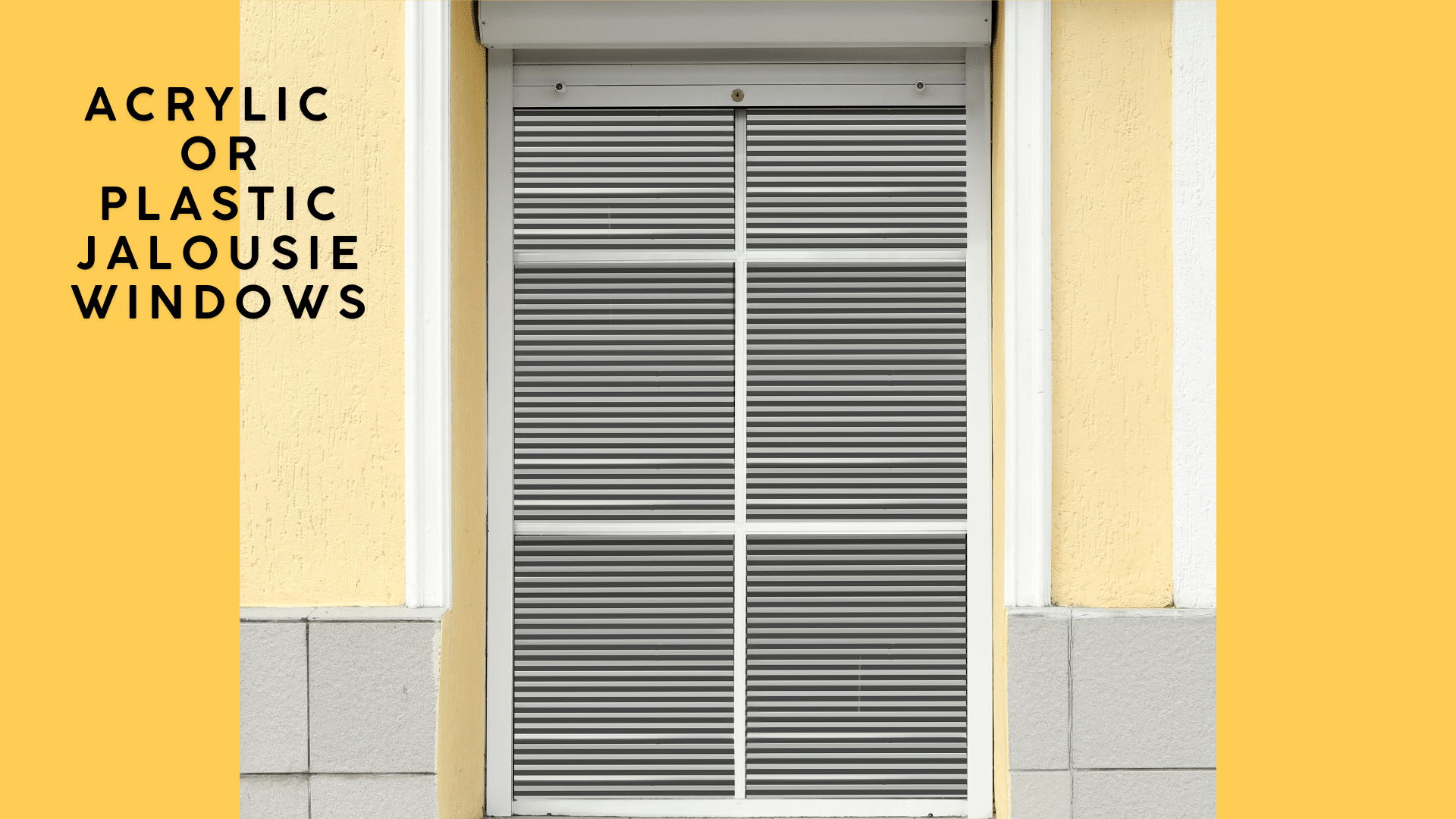
Acrylic or plastic slats are lightweight, affordable, and resistant to shattering. They’re safer for homes with children or pets and are easy to handle during installation.
These materials resist moisture and salt, making them ideal for coastal regions. However, they can scratch easily, so gentle cleaning is needed to keep them clear.
3. Aluminum Jalousie Windows
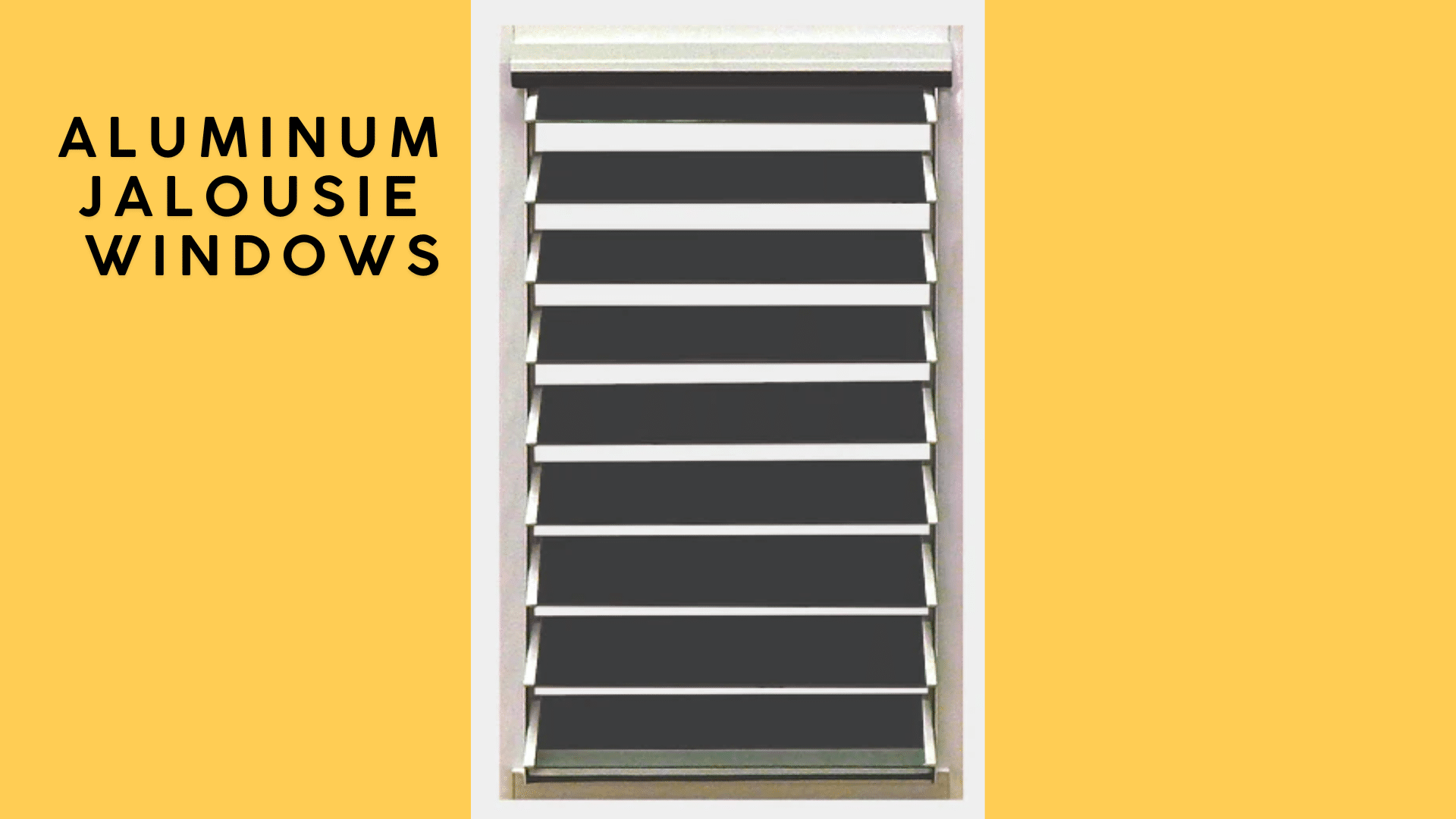
Aluminum versions are durable and corrosion-resistant, perfect for humid or seaside areas. They require very little upkeep and can last for many years.
Their modern, metallic look fits well in contemporary homes or commercial buildings. Pairing them with tinted glass adds a sleek finish and better sun protection.
4. Wood or Hybrid Jalousie Windows

Wooden jalousies add warmth and character to vintage or rustic spaces. They blend well with natural materials and give homes a cozy, handcrafted look.
However, wood needs regular maintenance to prevent rot or warping in damp conditions. Hybrid designs combine wood interiors with metal exteriors for longer life.
5. Modern Jalousie Windows
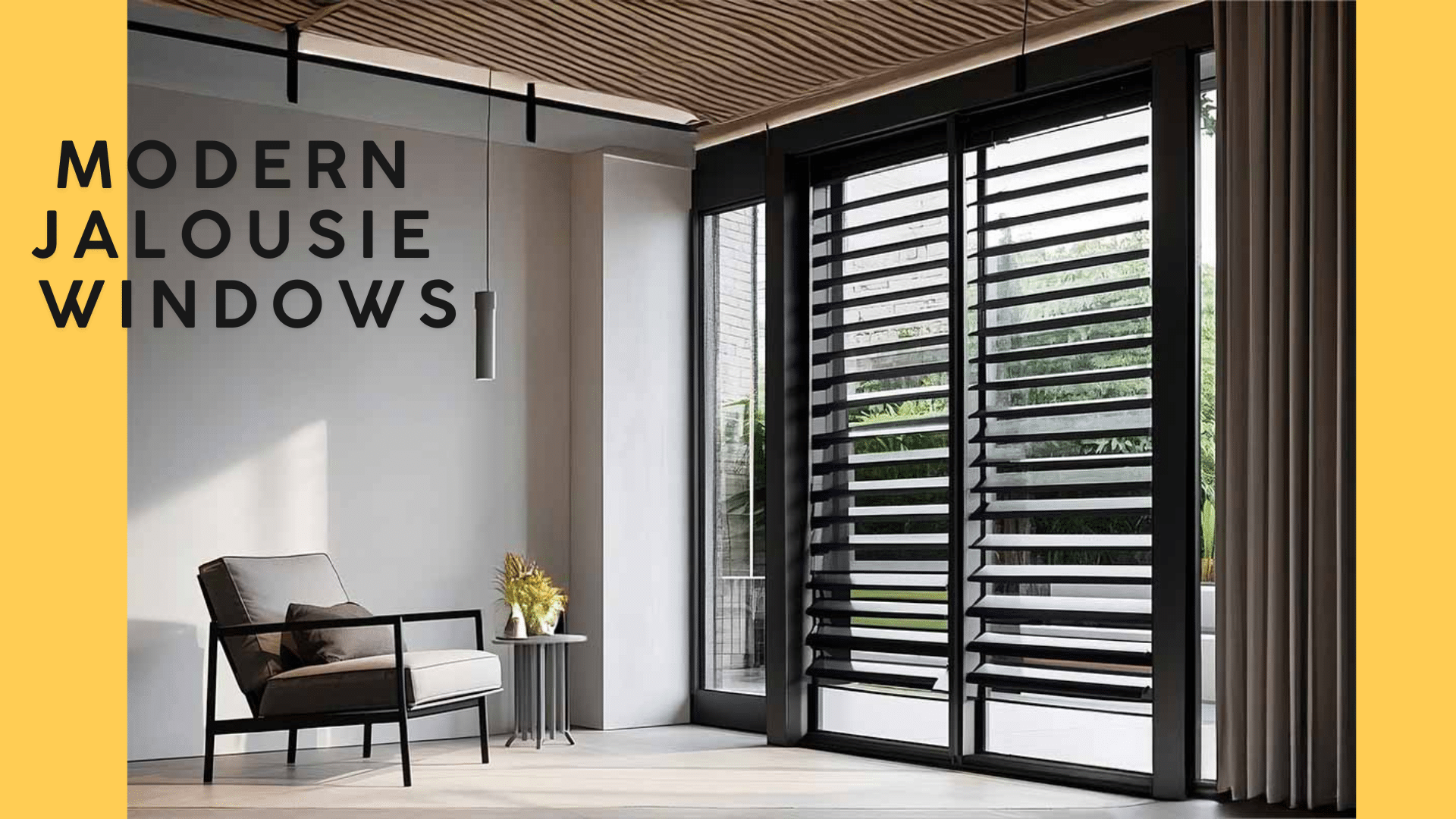
Newer designs mix glass, aluminum, or vinyl with improved sealing and locking systems. They maintain the signature louvered style while boosting insulation and durability.
These windows reduce noise, resist drafts, and work well in both warm and mild climates. With more finish options, they fit easily into traditional and modern home designs.
Jalousie Windows vs. Other Window Types
Jalousie windows offer great airflow, but newer window styles provide better insulation and security.
Before choosing, it helps to see how jalousie windows stack up against other common styles. This quick comparison shows how they differ in function and performance.
| Feature | Jalousie Windows | Awning Windows | Casement Windows | Sliding Windows |
|---|---|---|---|---|
| Airflow | Excellent, slats open wide for strong ventilation. | Good, opens from the bottom to let air in. | Strong, swings open fully for airflow. | Moderate, slides halfway for fresh air. |
| Insulation | Poor gaps allow air and moisture through. | Better, seals tightly when closed. | Excellent, prevents drafts and heat loss. | Good, depends on track sealing. |
| Security | Low panels can be lifted easily. | Moderate, closes firmly. | High uses strong locking systems. | High, durable frame and locks. |
| Maintenance | Easy, individual slats are replaceable. | Low, simple to clean and maintain. | Low, easy upkeep with few parts. | Low requires track cleaning. |
| Cost | Low to moderate, budget-friendly. | Moderate, slightly higher price. | Moderate to high, depending on size. | Moderate, varies by material. |
| Best Use | Warm, tropical, or coastal homes. | Areas with frequent rain or humidity. | Energy-efficient and secure spaces. | Modern or compact home designs. |
Jalousie windows still stand out for natural airflow and vintage charm, but modern styles like awning or casement windows offer a better mix of comfort, energy efficiency, and protection.
How Jalousie Windows Work
These windows use a simple mechanical setup that lets all the glass slats move together smoothly. Here’s how the system works step by step:
- You turn a small handle or crank on the side of the frame to open or close the window.
- The handle is connected to metal arms inside the frame that link to each slat.
- When you turn the handle, all the slats move together in one smooth, aligned motion.
- The slats tilt outward to let air in or inward to close and block airflow.
- You can fine-tune airflow and light by turning the handle slightly or all the way.
The system is simple, durable, and requires little effort to use. It’s one reason jalousie windows remain popular in warm climates where natural ventilation matters most.
Cost and Replacement Options
These windows are still available from several retailers and small manufacturers. Prices usually range between $100 and $450 per window, depending on size, material, and glass type.
Expect to pay a little more for tinted or Low-E glass options that reduce glare and improve efficiency. Replacement parts such as cranks, clips, and glass slats are also easy to find online.
If you plan to replace old jalousie windows, consider hiring a professional to ensure the frame fits properly and seals tightly.
Where to Buy
Jalousie windows and parts are available from both large retailers and specialty suppliers. Here are some reliable places to look:
- Home Depot and Lowe’s: Offer replacement parts, handles, and crank kits rather than complete window units.
- Menards: Sells modern vinyl and aluminum jalousies, including full units for home or utility use.
- Coastal Windows: Specializes in custom, corrosion-resistant designs with glass or vinyl slats for tropical climates.
- Window Mart Depot: Provides glass slats, replacement parts, and full jalousie or awning window options.
- Alibaba and other wholesalers: Ideal for bulk or custom orders, including impact-resistant and modernized styles.
Always measure your window openings carefully before buying, and check which crank direction you need. Choose materials suited to your climate for better durability and performance.
Maintenance, Retrofit, and Replacement Tips
Proper care keeps these windows working smoothly and looking good for years. Here are a few simple tips to help maintain or upgrade them when needed.
- Clean regularly with mild soap and water to remove dust and salt buildup.
- Lubricate moving parts once or twice a year to prevent rust and stiffness.
- Replace damaged slats to keep the window sealed and functioning properly.
- Add weatherstripping or sealant around edges to reduce drafts and heat loss.
- Retrofit with Low-E or insulated glass to improve comfort and energy efficiency.
- Watch for rattling, sticking, or leaks, as these are signs of serious wear.
- Replace old units when frames warp or cranks fail completely.
- Modern aluminum or Low-E glass models keep the same style with better durability and insulation.
Regular maintenance helps extend the life of jalousie windows, while smart upgrades or replacements ensure comfort and efficiency without losing their classic charm.
Conclusion
Jalousie windows bring a timeless, breezy charm to homes that value natural light and airflow.
They may not match modern windows in insulation or security, but with proper care or smart upgrades, they can still perform beautifully.
If you’re considering replacing or restoring them, look for updated aluminum or Low-E glass versions. They keep the same vintage appeal while offering better comfort and energy savings.
Ready to improve your windows? Check out modern jalousie designs or contact a local supplier today to find the right fit for your home’s style and climate.