

A gravel driveway looks simple at first glance, but there’s usually a lot happening underneath that decides how long it actually lasts.
I’ve seen some stay solid for years without much attention, and others start rutting and shifting within a season just because one small layer wasn’t done right.
What really changes things is how it’s built and how it handles real use, like daily turning, parking in the same spot, and weather hitting it over and over.
It’s rarely the surface gravel that fails first. It’s what’s underneath that starts to give way.
That’s where gravel driveway ideas start to matter. The right setup is really just a series of small choices that decide whether the surface stays firm or slowly breaks down.
Why Do Some Gravel Driveways Hold Up While Others Fail?
A gravel driveway usually looks simple from the outside, but the way it performs has a lot more to do with what’s underneath than the gravel you actually see.
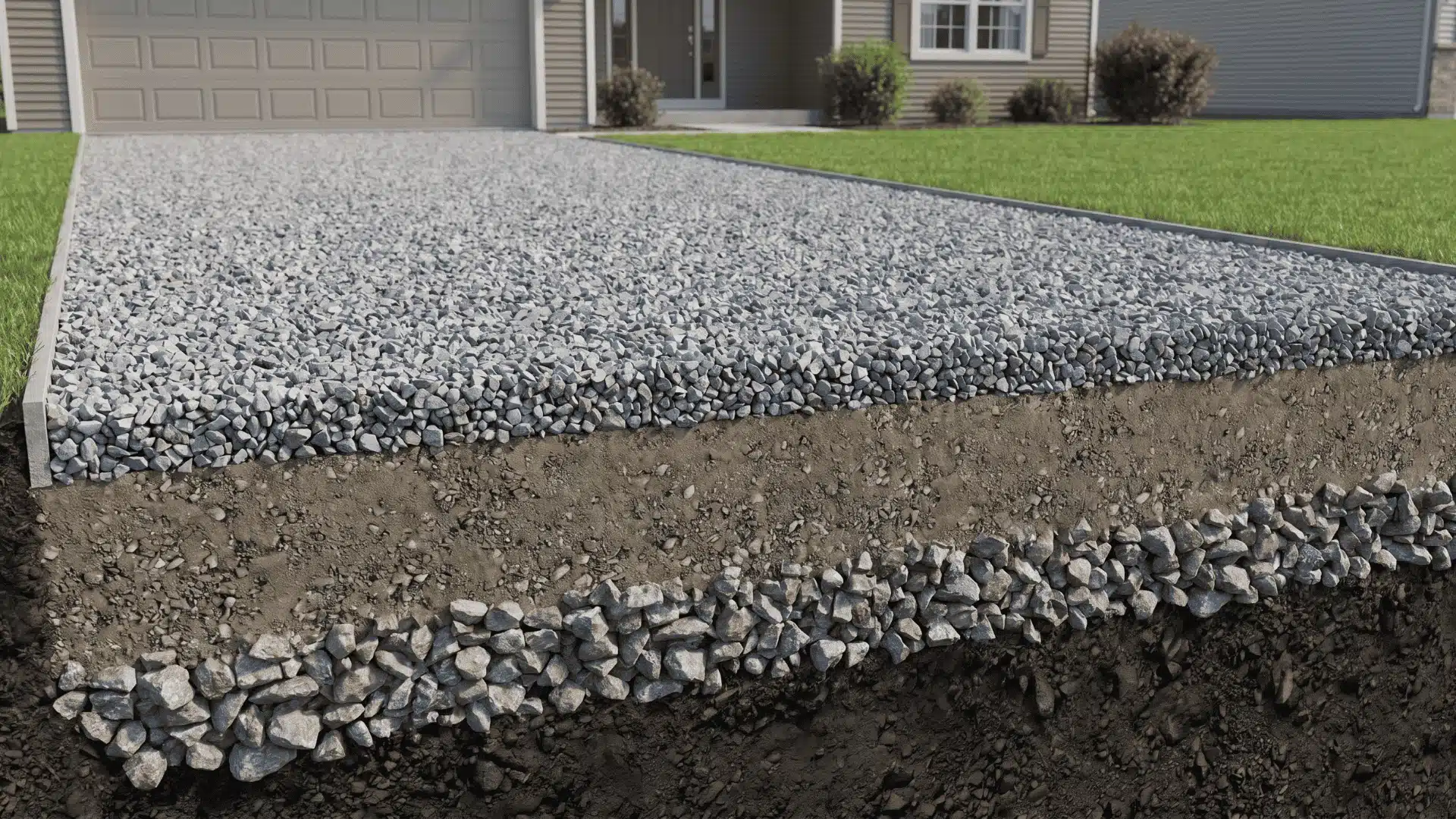
It starts with the base. That’s what carries the weight every time a car rolls in.
If it isn’t compacted properly, the surface slowly gives in, and you start noticing dips and shifting in places you use the most. When it’s done right, it just stays firm without much thinking about it.
Then comes water. This is where a lot of driveways quietly fail. If water sits or keeps running through the same paths, it weakens the base, and you start getting soft spots that turn into ruts over time.
And even after all that, daily use still plays its part.
A driveway that feels fine at first can start showing stress where cars turn or brake again and again, especially if the structure underneath isn’t solid enough.
In my own work planning backyard and driveway layouts, the driveways that hold up longest are almost always the ones where the base got just as much attention as the gravel on top.
In the end, it really comes down to how well the base is compacted, how water moves through it, and whether the design actually matches how you’ll use it every day.
Gravel Driveway Ideas for a Practical and Stylish Entrance
A gravel driveway is a simple way to build a strong, usable entrance that fits many home styles.
It lets you choose different designs, materials, and finishes while staying affordable and easy to manage for most homeowners.
Pairing your driveway refresh with a few DIY decor upgrades at the front door tends to make the whole entrance feel finished, not just the driveway.
1. Simple Loose Gravel Driveway
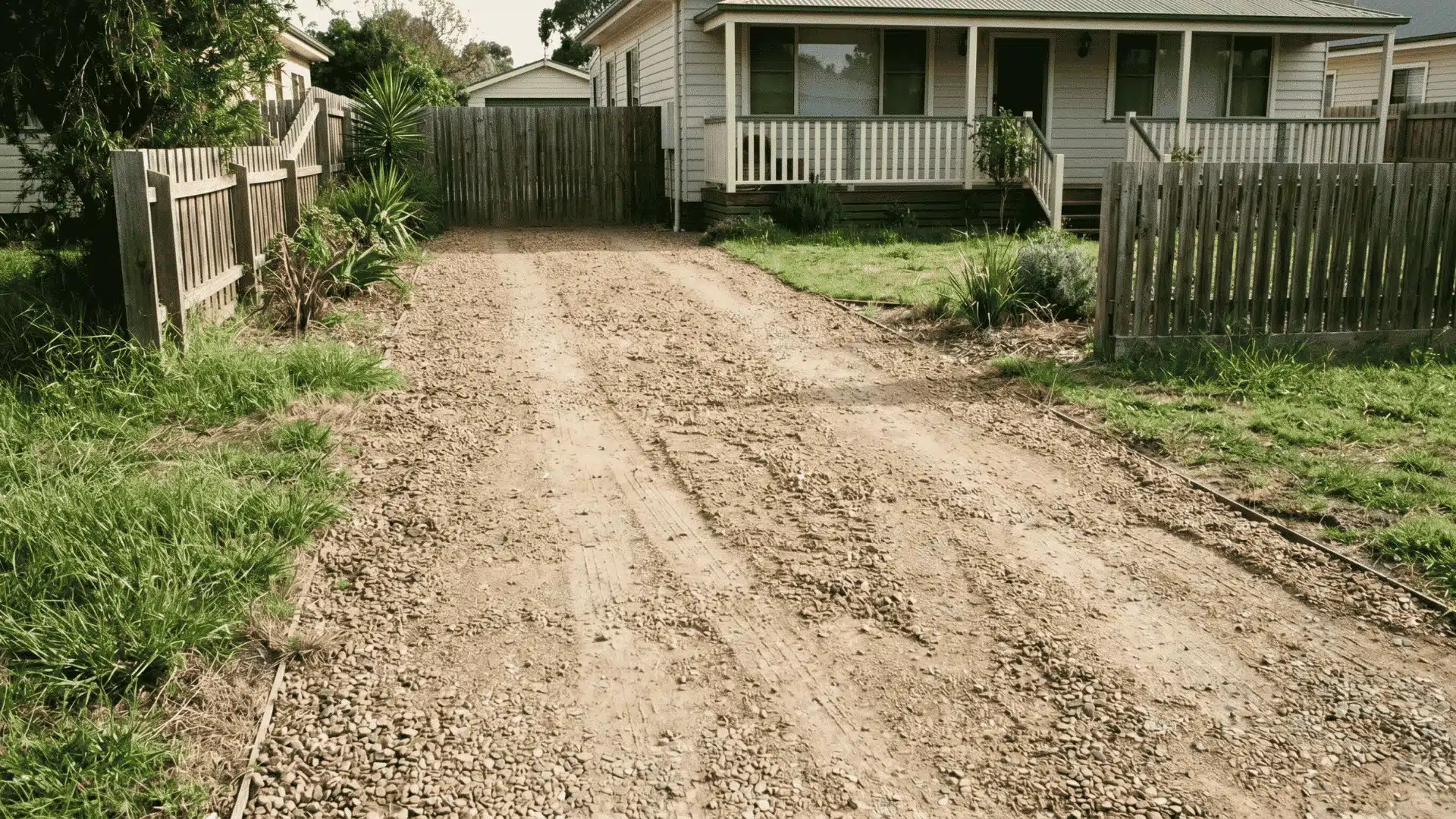
A basic gravel driveway starts with a compacted base and a loose gravel layer on top. It keeps things simple, which is why you see it in a lot of homes where people just want something quick and affordable.
It works fine for light use and has that slightly rustic, natural look that some people actually prefer. In day-to-day use, it does need a bit of attention, though.
A quick rake now and then keeps the surface even and stops small potholes from turning into bigger ones.
2. Crushed Stone Driveway
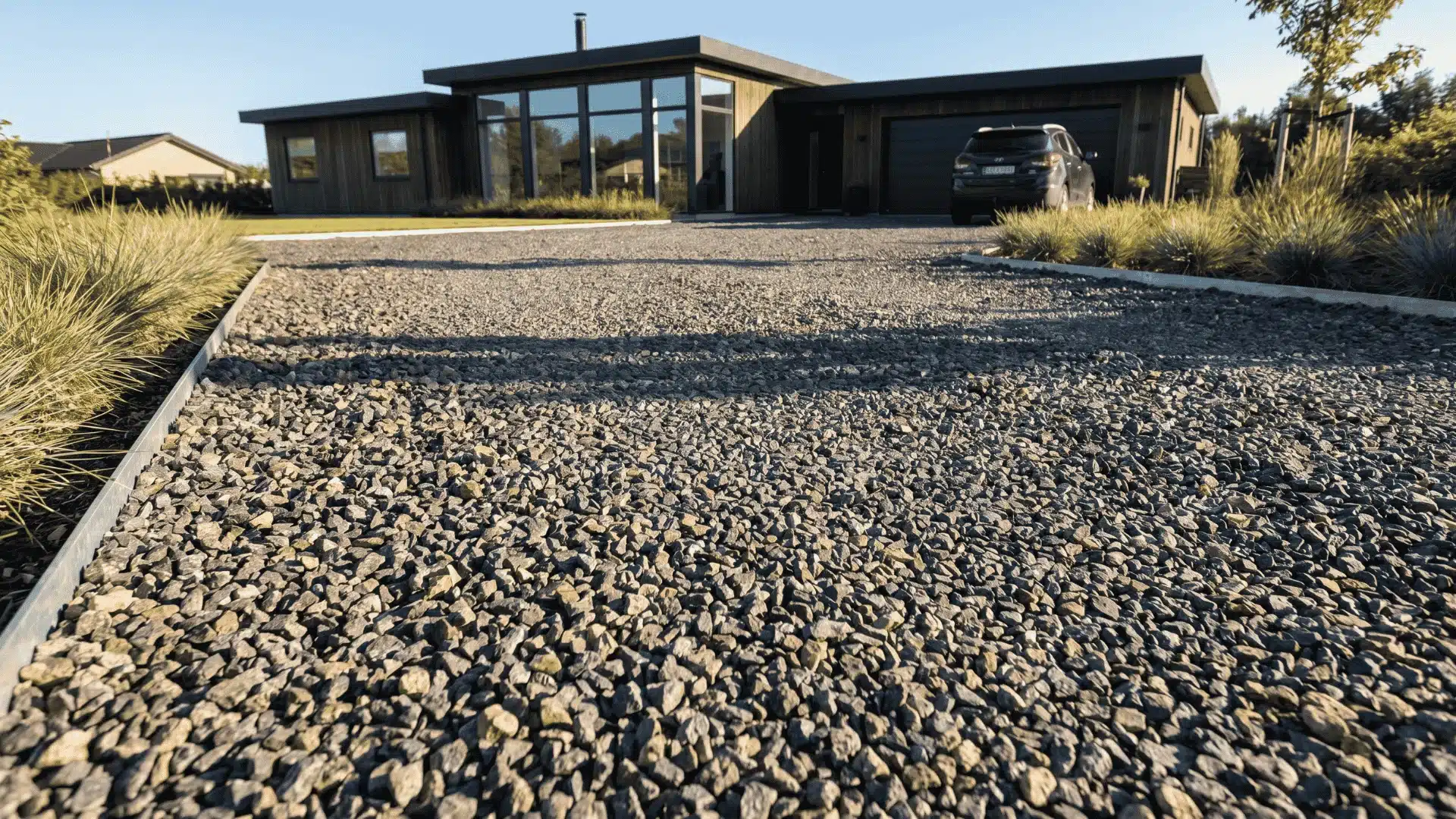
Crushed stone has sharp edges that naturally lock together when it’s compacted. That locking effect is what makes the surface feel solid instead of loose under your tires.
In real use, it handles daily driving much better than rounded gravel, especially where cars turn or brake in the same spots.
That’s why a lot of homeowners end up choosing it. It holds its shape longer, needs less fixing, and just stays more stable over time.
3. Pea Gravel Driveway
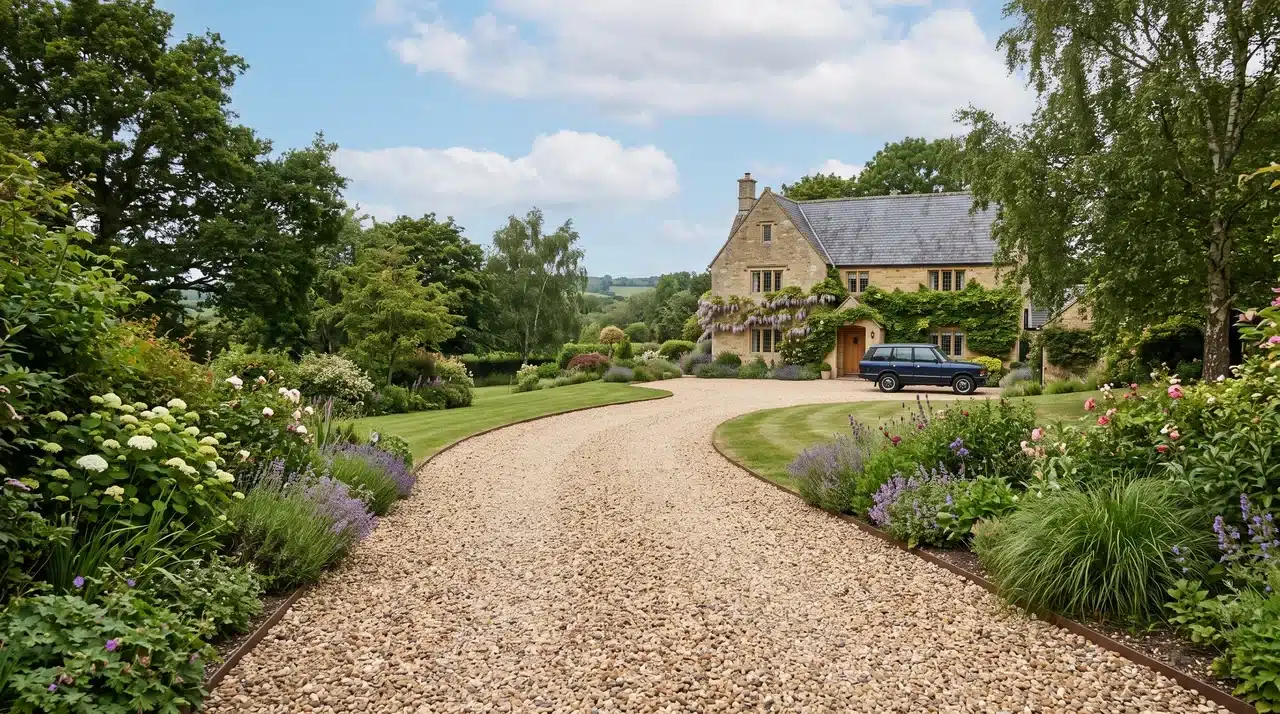
Pea gravel is made of small, smooth stones, and it has a softer feel when you walk on it. Around a home entrance, it gives a relaxed, easygoing look that feels less formal than crushed stone.
It drains water well, so you don’t usually get standing puddles. The trade-off is that it shifts more easily, especially under car tyres, so it doesn’t stay perfectly in place on its own.
4. Resin-Bound Gravel Driveway
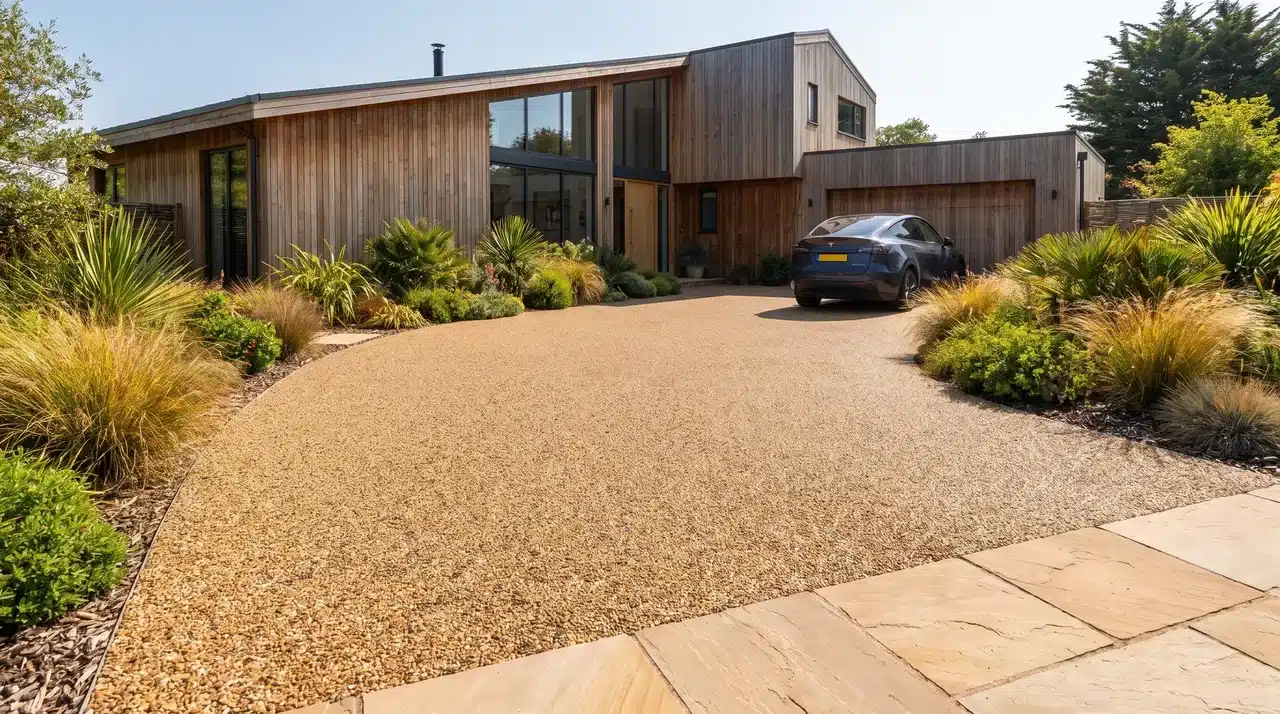
This style mixes gravel with resin, forming a solid but flexible surface. It looks smooth while still clearly showing the natural stone texture.
It reduces loose stones on the surface. This option suits homeowners wanting a clean finish without losing the gravel driveway appearance.
5. Gravel Driveway With Stone Edging
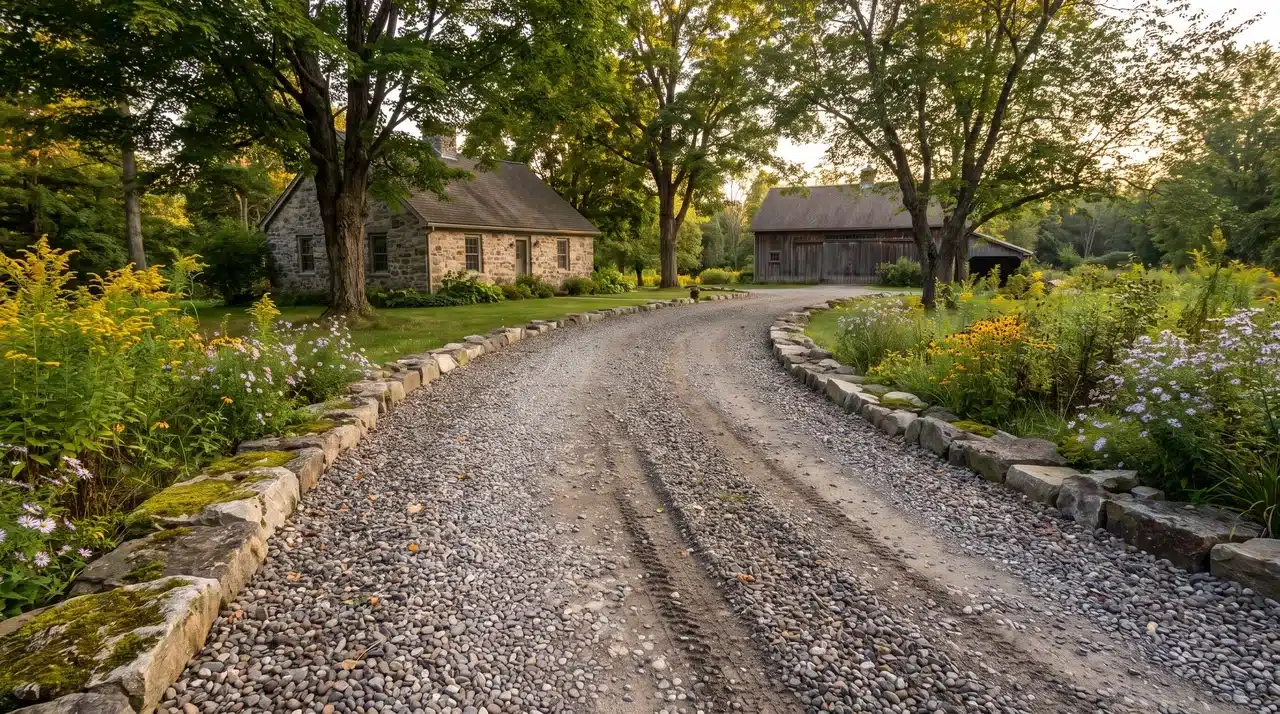
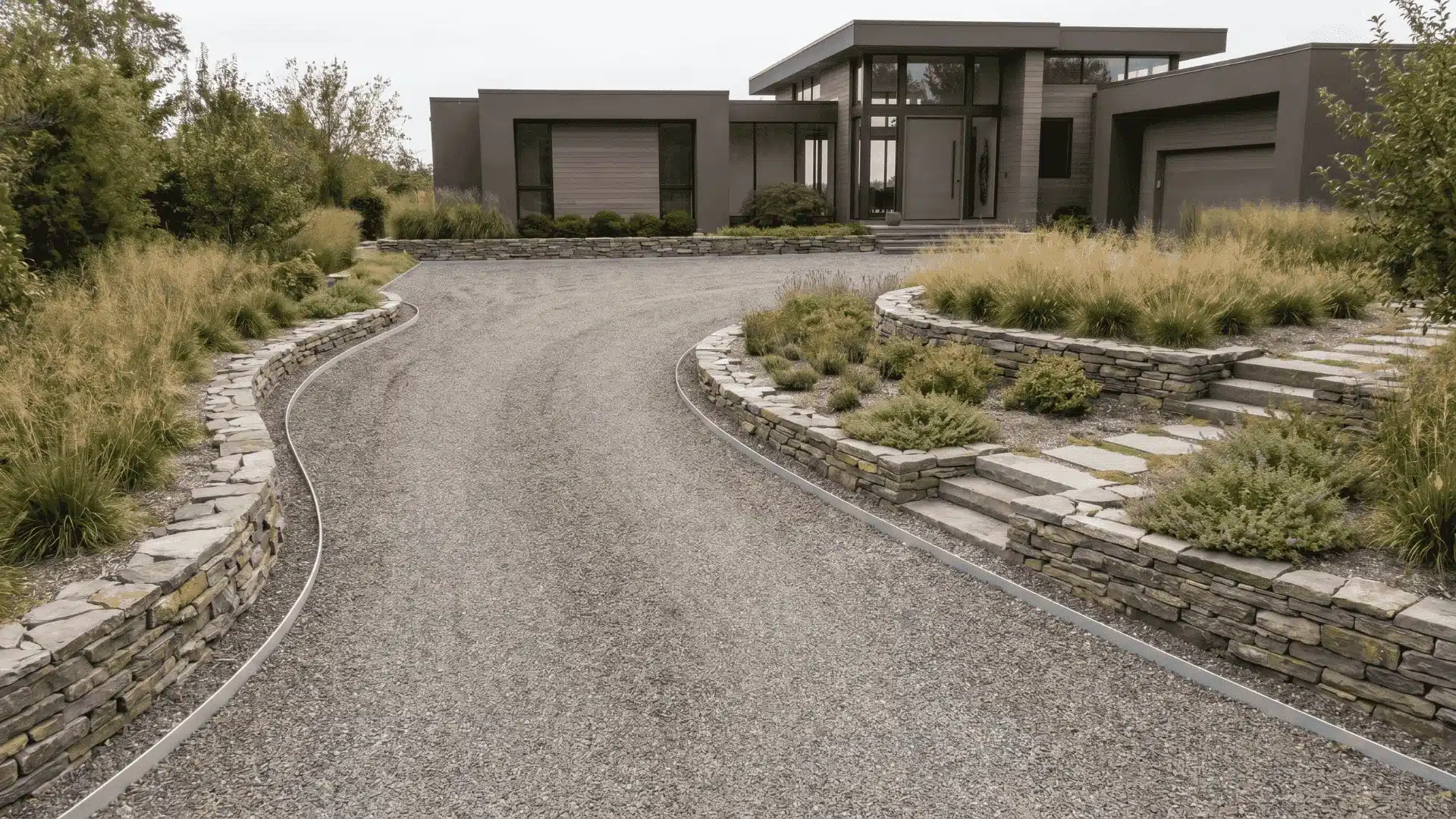
Adding edging stones helps hold gravel in place and defines driveway boundaries. It gives a tidy and well-structured look overall.
It also reduces spreading into lawns or gardens. This small upgrade makes maintenance easier and keeps the driveway visually sharp.
5. Gravel Driveway With French Drains
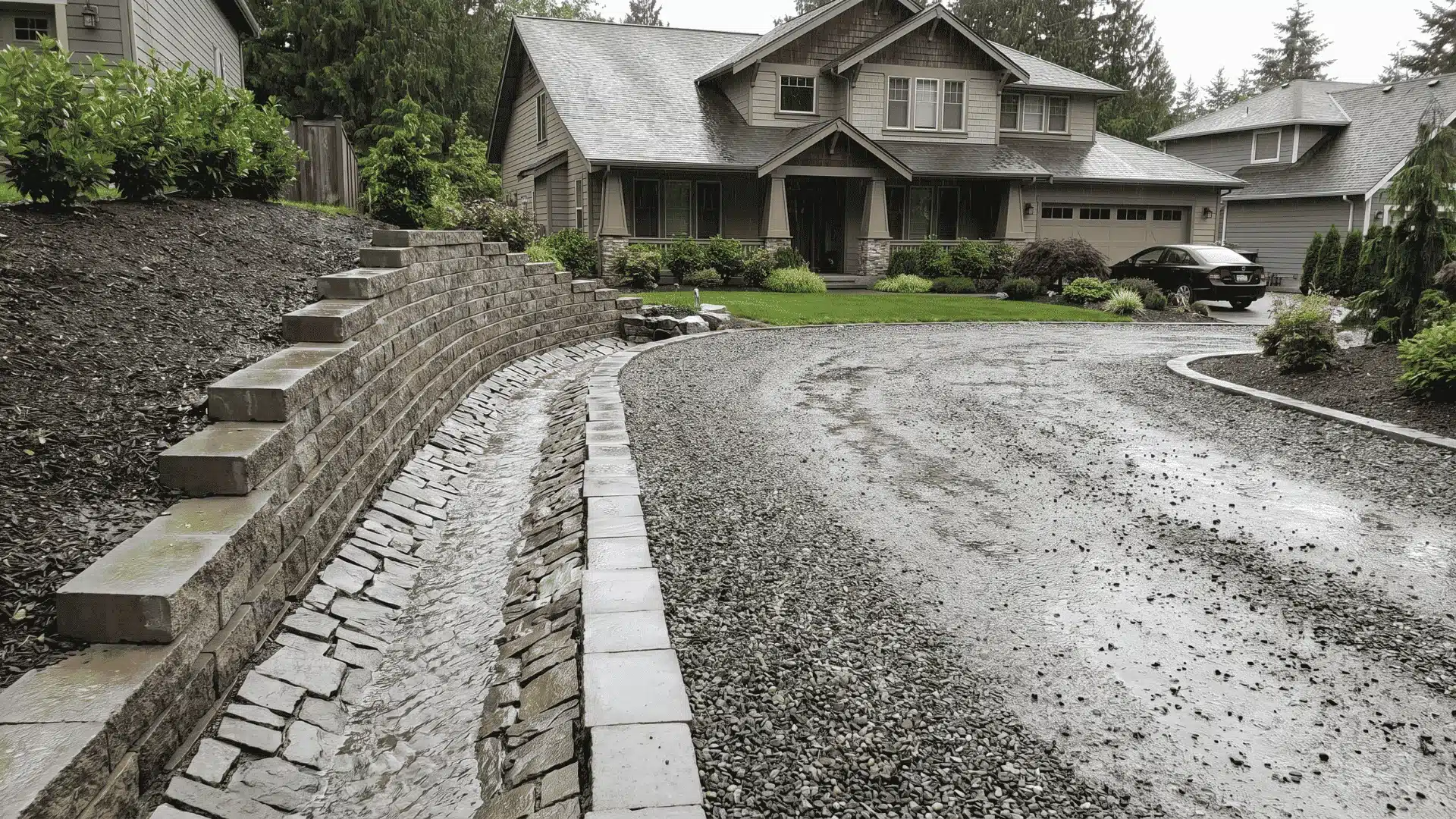
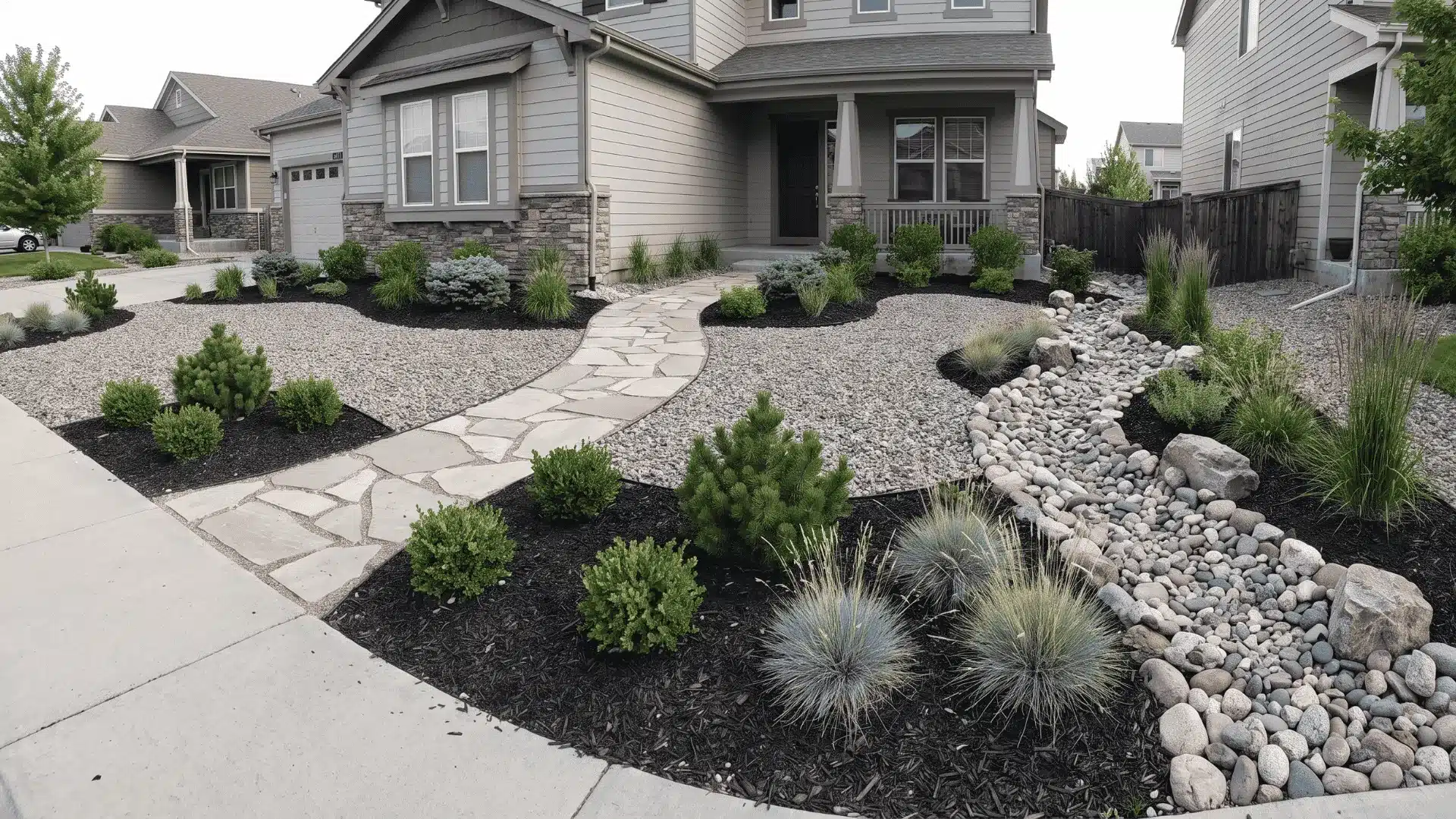
This design includes drainage channels along the sides or center. It helps water move away quickly during heavy rainfall.
It prevents puddles and erosion issues. Ideal for areas with strong monsoon seasons or low-lying driveways needing better water control.
6. Rustic Farmhouse Style Gravel Driveway
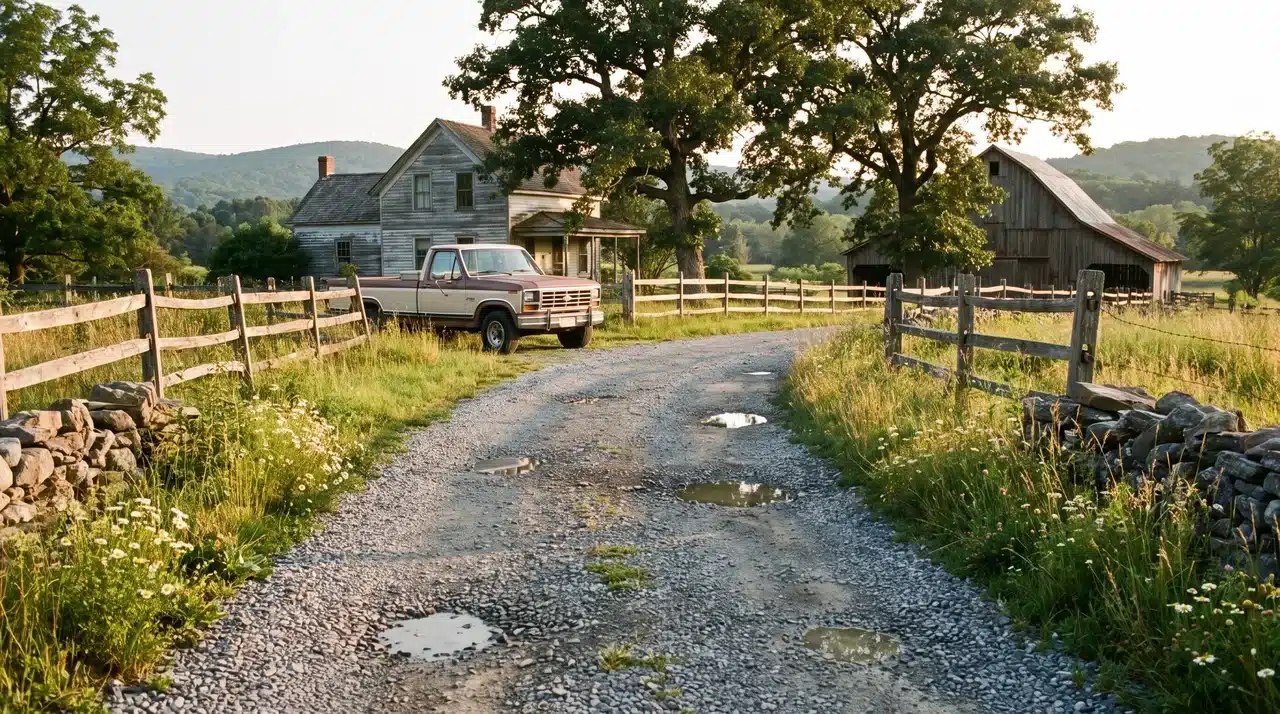
Mixed gravel tones create a natural countryside look that blends well with gardens, wooden fences, and open rural spaces.
It feels relaxed and traditional. This style suits homes that want a warm, earthy entrance without a polished modern finish.
7. Simple Modern Gravel Driveway
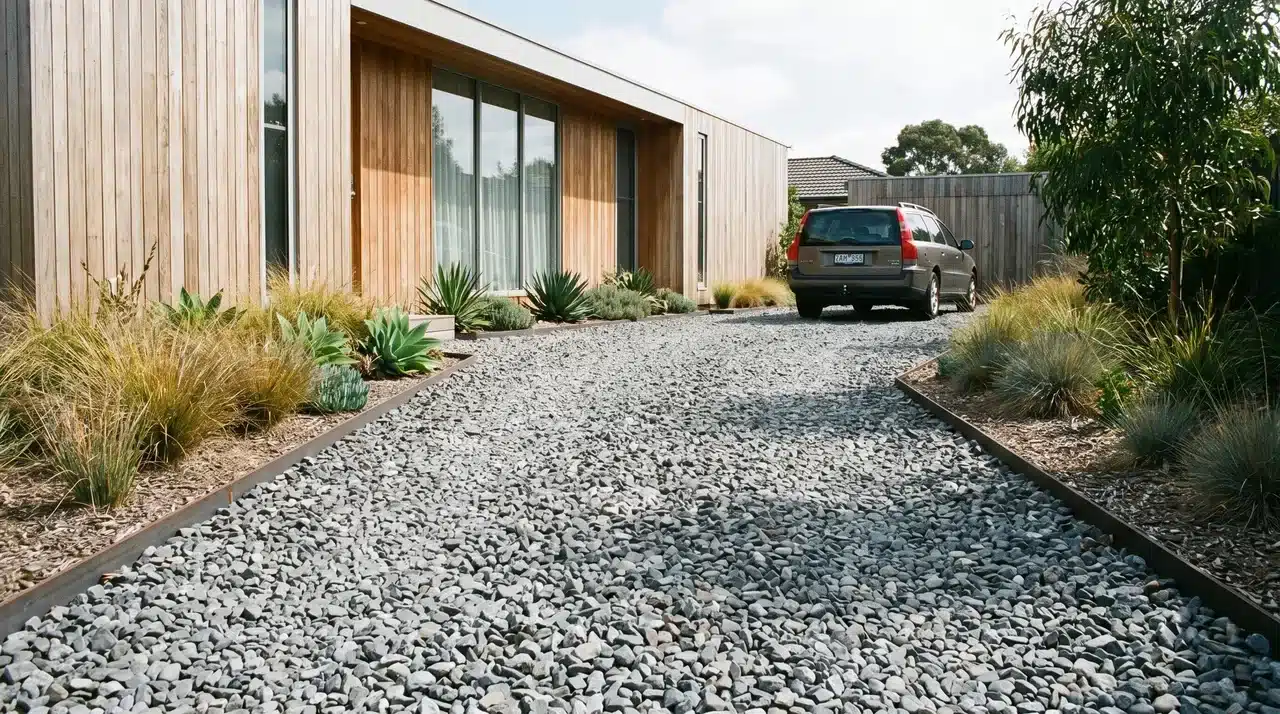
Uniform gravel size and straight edges create a clean and simple appearance. It focuses on order rather than decoration.
This design fits modern homes. It looks neat, stays visually calm, and gives a structured entry without heavy landscaping effort.
8. Gravel Driveway With Brick Edges
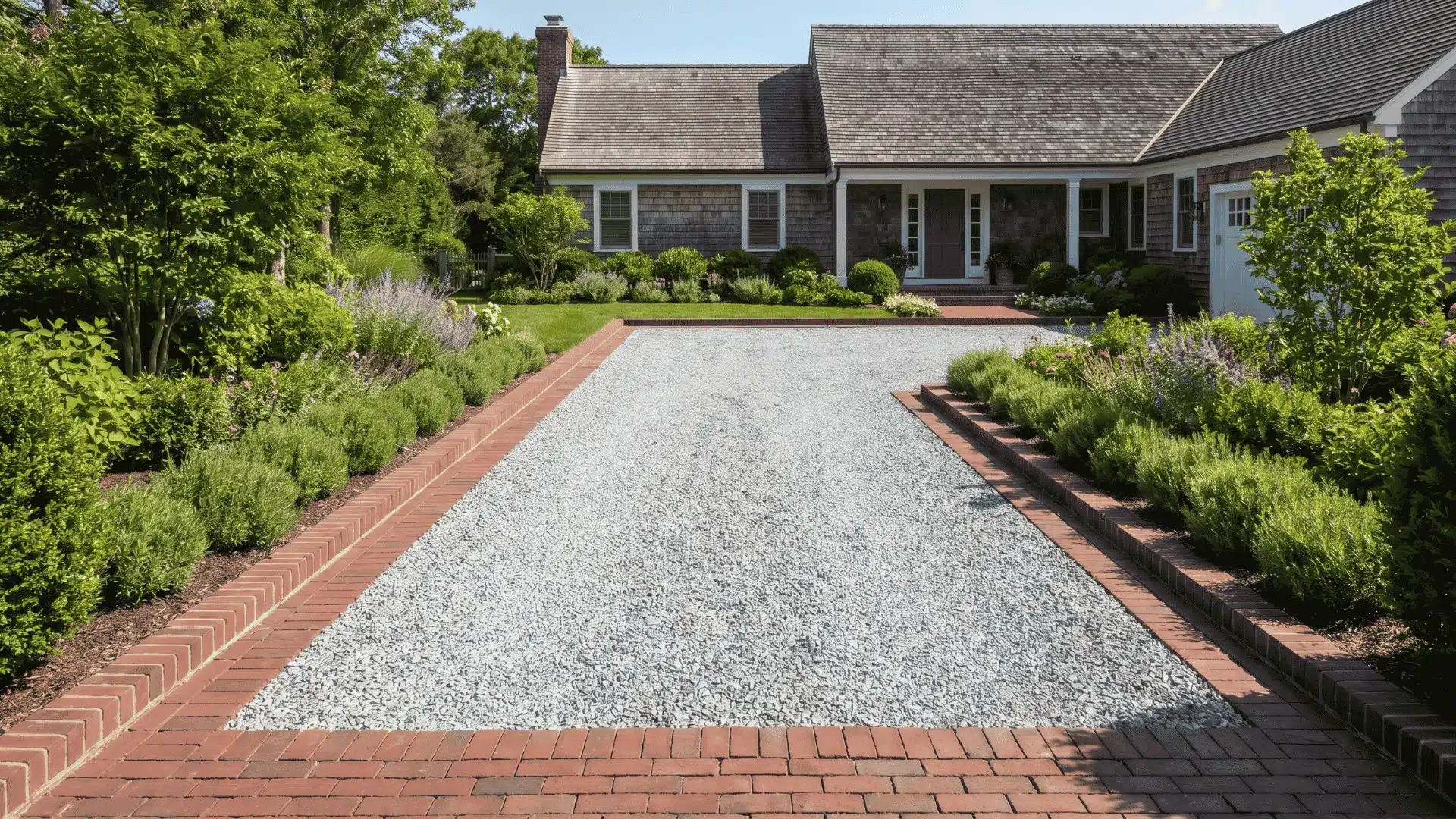
Brick edges provide clear definition and keep gravel from spreading out. They add a slight color contrast to the driveway.
This mix improves durability and style. It works well for homeowners seeking a classic touch without complex construction.
9. Gravel Driveway With Stabilizer Grids
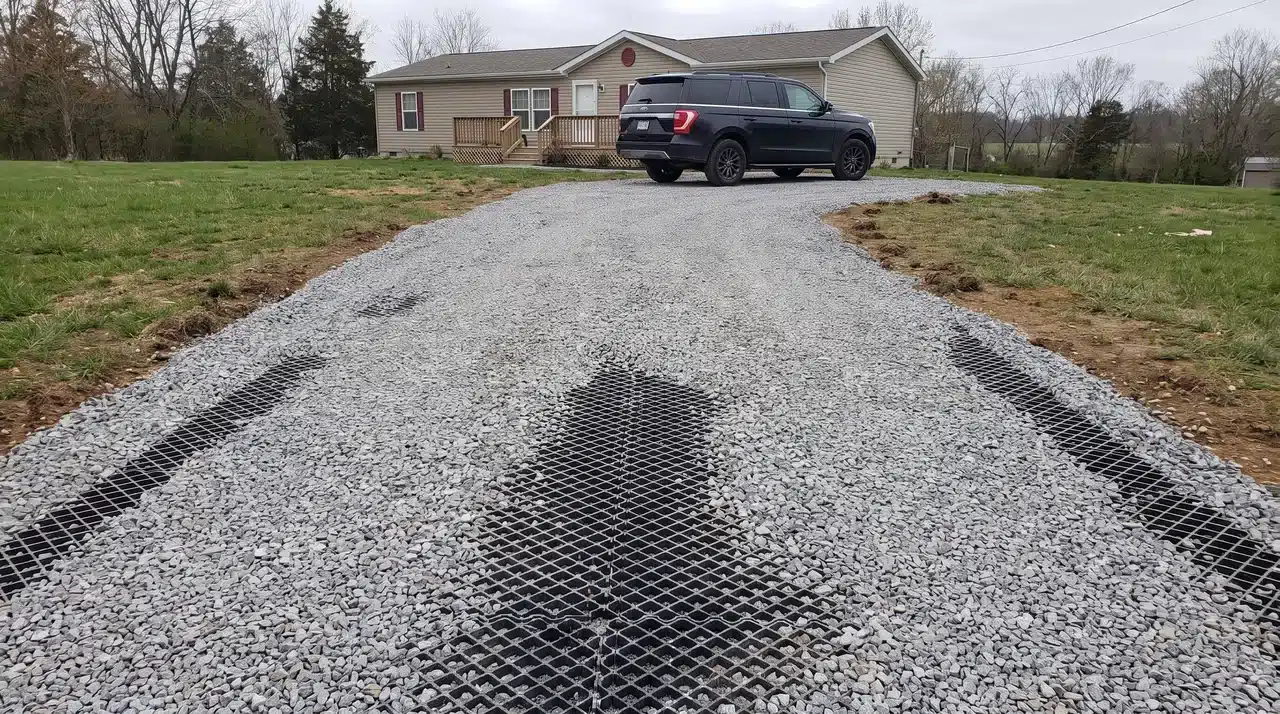
Plastic or concrete grids hold gravel in place, stopping it from shifting under tire pressure. The surface stays firm and even.
It reduces rutting and maintenance needs. This option is great for frequent vehicle use and long-term driveway strength.
10. Gravel Driveway With Concrete Strips
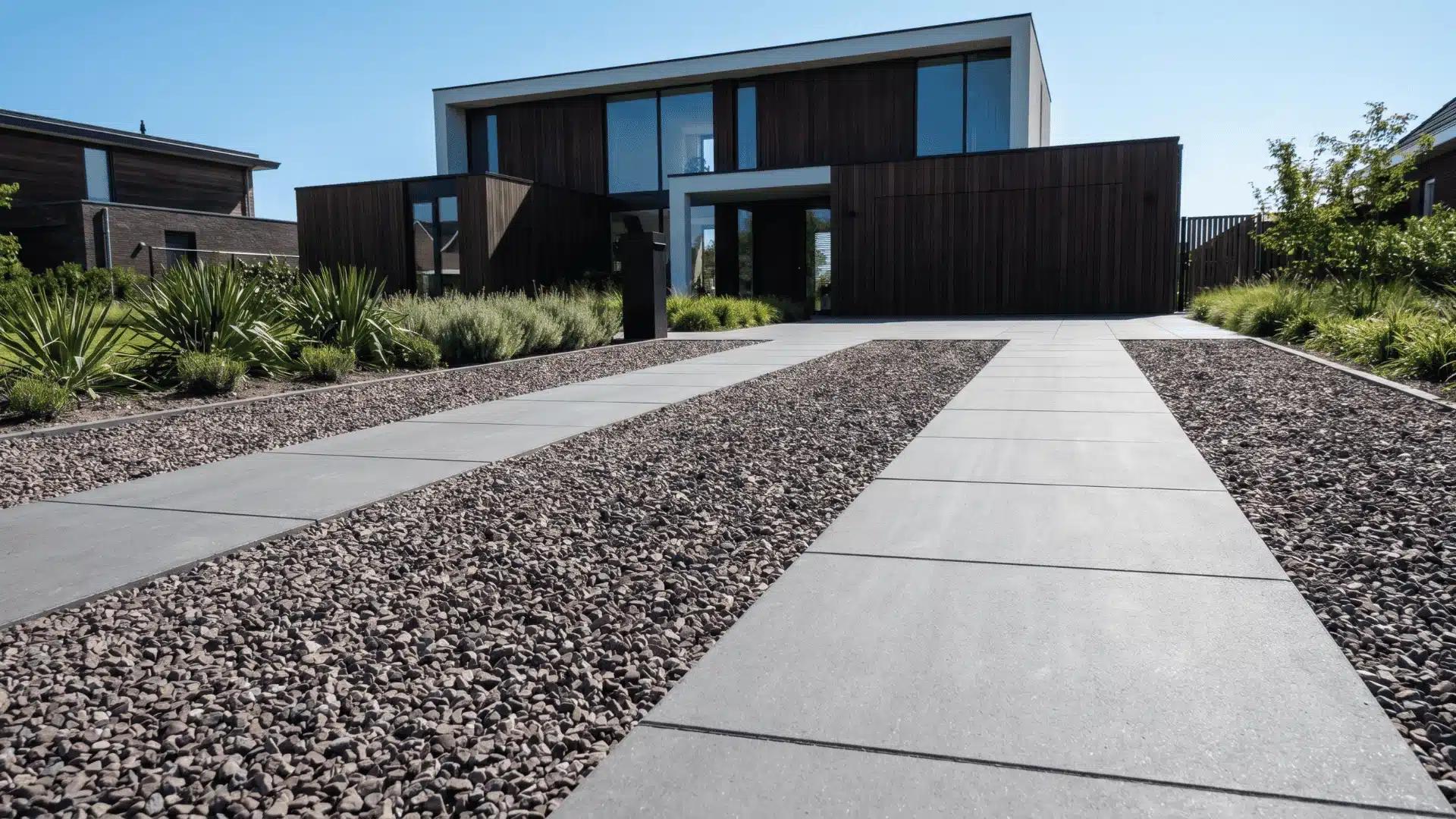
Concrete strips guide car tires while gravel fills the space in between. It combines strength with a textured natural look.
This setup reduces wear on gravel areas. It also makes driving smoother and helps maintain structure in high-traffic zones.
11. Sloped Gravel Driveway With DrainChannels
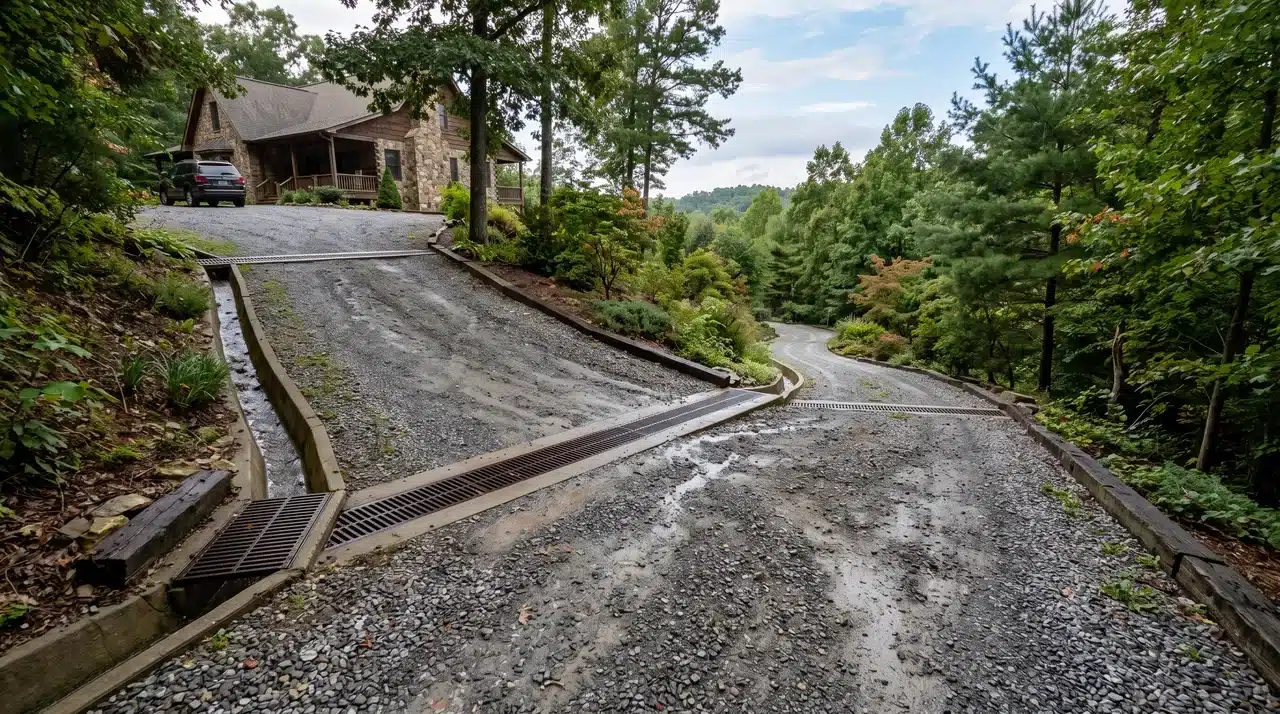
This is used on angled driveways where water naturally runs downhill. Side drains guide that water away so it doesn’t cut into the gravel or wash it out.
In real use, it makes a big difference during heavy rain. Without it, you start seeing small channels forming in the surface and loose gravel sliding down over time.
It also adds safety. The surface stays more stable instead of getting slippery or uneven, which is especially important on sloped or uneven land where water movement is stronger.
12. Decorative Gravel Driveway Patterns
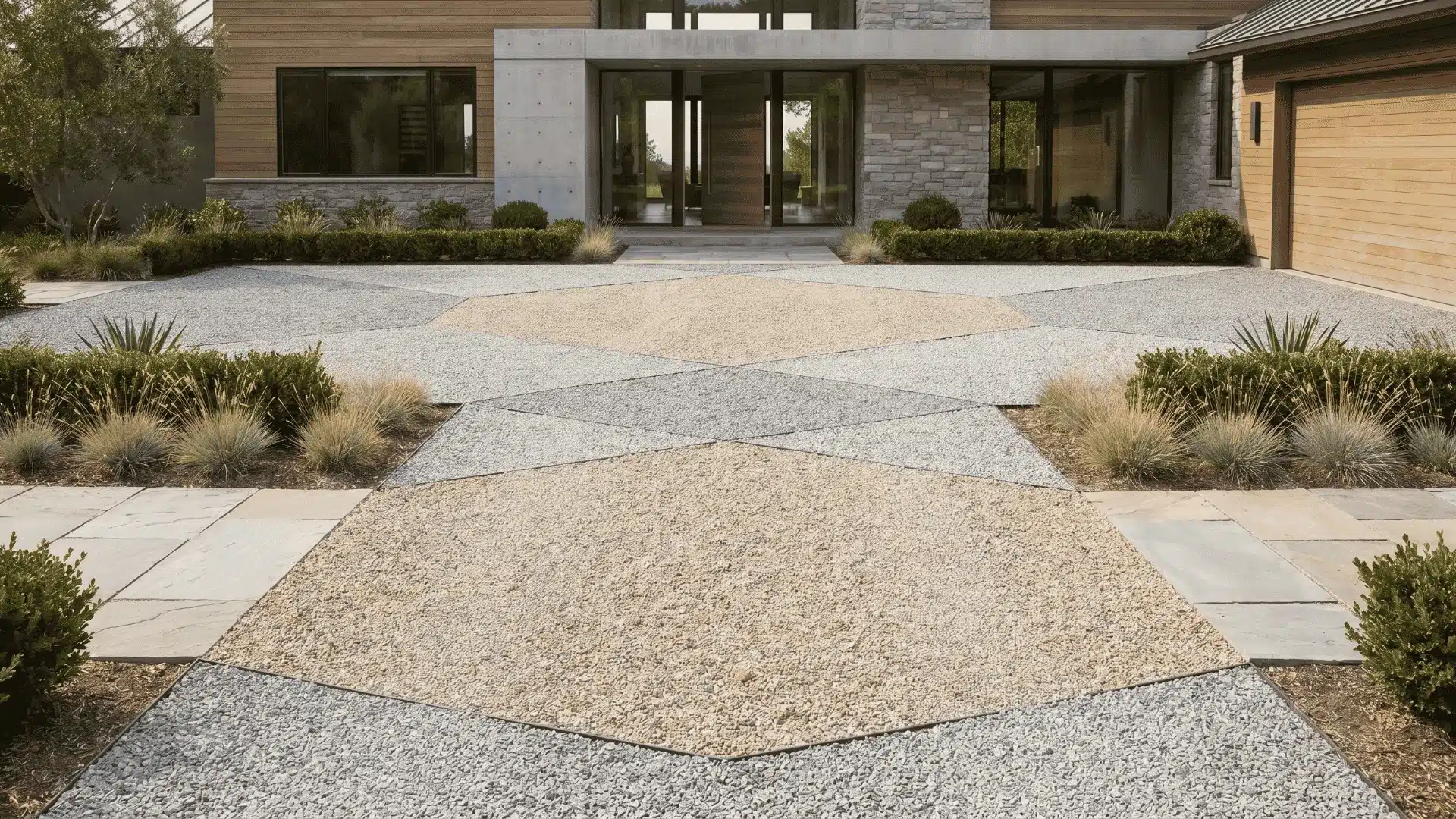
Different shades of gravel are arranged in patterns or sections to create visual interest. It turns a simple driveway into a feature.
It adds personality without losing function. This idea works best for homeowners seeking a unique entrance that gently stands out.
13. Gravel Driveway With Grass Borders
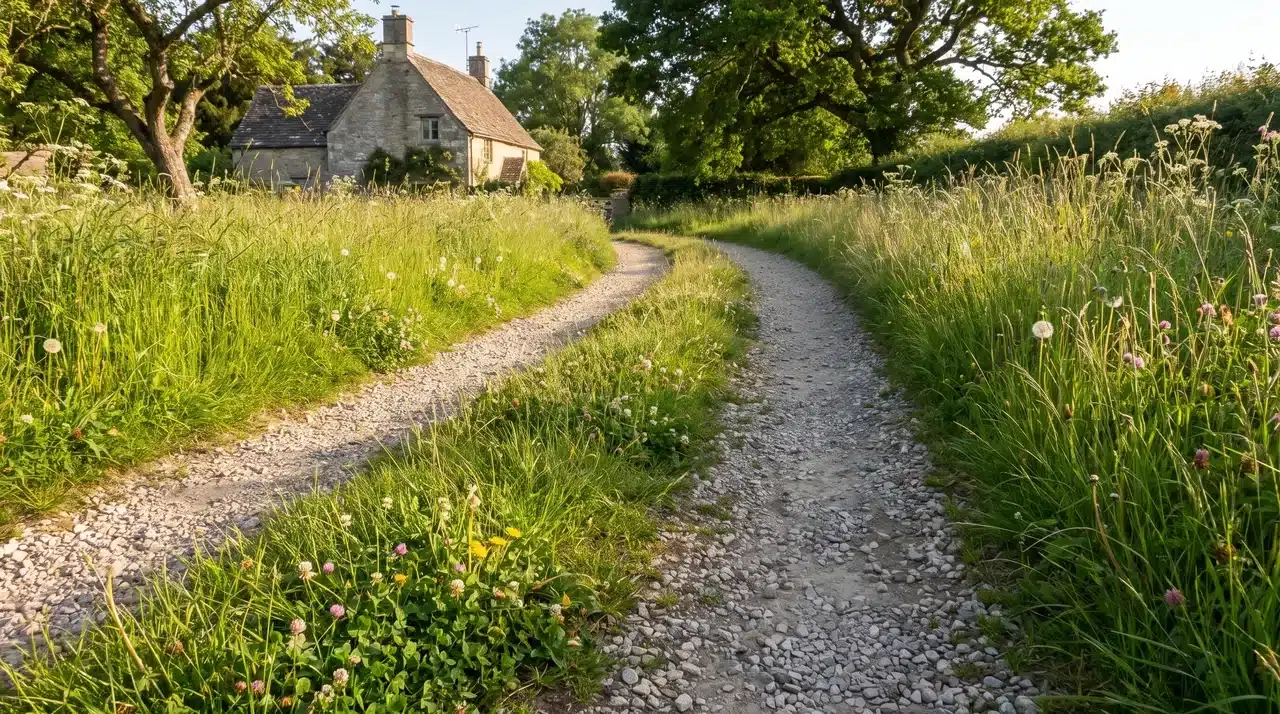
A gravel driveway with grass borders creates a softer transition between the driveway and the surrounding landscape.
The green edges help break up the hard surface and give the entrance a more natural, balanced look.
It works well for rural homes, cottages, and properties with open yards. The grass also helps define the driveway shape while keeping gravel from spreading into nearby areas.
Regular trimming keeps the edges neat and prevents overgrowth. These ideas show a mix of practical and visual options, from basic setups to more structured designs.
Each one suits different needs like traffic, drainage, and maintenance, helping you choose what fits your space best.
Types of Gravel Driveways: Characteristics, Budget, and Durability
Several of the four gravel types below (loose gravel, crushed stone, pea gravel, resin-bound) are also covered individually above as ideas 1 through 4.
Recommend either trimming this table to only the two grid/fabric options not already covered above, or keeping both but cross-referencing them, in a future pass.
Left both versions in place for now. Gravel driveways come in different styles, and each one handles traffic, weather, and maintenance differently.
Gravel remains one of the lowest-cost driveway materials available, though gravel driveway costs vary widely by type, depth, and local supply, so treat the figures below as a planning range rather than a quote.
| Type | Characteristics | Budget (per sq. ft.) | Durability |
|---|---|---|---|
| Loose Gravel Driveway | Simple, affordable, natural look; easy to install but may shift under regular vehicle use. | $0.30–$0.75 | Medium |
| Crushed Stone Driveway | Angular stones lock together when compacted; better stability and grip for daily driving. | $0.50–$1.10 | High |
| Pea Gravel Driveway | Small, smooth stones create a softer appearance; attractive but can move more easily under tires. | $0.40–$1.00 | Medium |
| Resin-Bound Gravel Driveway | Combines gravel with resin for a firm surface with less movement; cleaner finish, less upkeep. | $3.00–$7.20 | Very High |
| Gravel With Fabric Base Layer | Adds a geotextile layer beneath the gravel to improve stability, reduce sinking, and limit weed growth. | $0.75–$1.70 | High |
| Stabilized Gravel Grid System | Grid structures hold gravel in place and reduce ruts in areas with frequent vehicle traffic. | $2.20–$5.40 | Very High |
These per-type figures reflect common supplier ranges but could not be matched to a single published source, so please confirm current pricing with a local gravel supplier before budgeting off them.
The best choice depends on how you use your driveway, your local conditions, and how much maintenance you want. A stronger setup usually costs more but lasts longer.
How To Choose The Right Gravel Driveway?
Choosing the right gravel driveway depends on real daily use, ground conditions, and how much upkeep you can manage over time. A good match makes the driveway last longer and stay easier to handle.
- Traffic Level: Heavy daily use requires stronger setups such as crushed stone, stabilized grids, or layered gravel. Light use can work well with loose or pea gravel.
- Water Drainage: Wet or sloped areas need improved drainage systems, such as French drains or side channels, to prevent pooling and erosion.
- Ground Condition: Soft soil requires a stronger base layer and fabric support, whereas firm ground offers greater design flexibility.
- Maintenance Needs: Some setups need regular raking and refilling, while structured systems stay in place with less ongoing effort.
A well-chosen gravel driveway balances strength, drainage, and maintenance so it remains practical and usable without constant repairs.
Final Thoughts
Choosing the right gravel driveway ideas comes down to matching the setup to your traffic, drainage, and how much upkeep you want to take on.
A compacted base and steady water flow matter more than the stone you pick, though loose gravel, crushed stone, resin-bound surfaces, and grid systems each strike a different balance of cost and durability.
Edging, drainage channels, and a few layout choices can turn a plain driveway into a real feature of your entrance.
Start by watching where water collects in your driveway area, then pick the gravel type and edging that fit your budget and your home’s style.
Frequently Asked Questions
How long does a gravel driveway usually last?
Most sources put the average gravel driveway lifespan at 10 to 15 years, and often longer with a strong base and good drainage.
Regular topping up and minor leveling help extend its lifespan without the need for major reconstruction.
What is the best gravel size for a driveway?
A mix of sizes works best, usually starting with larger crushed stone for the base and smaller gravel on top. This combination improves stability and drainage and reduces shifting under vehicle weight.
How often should a gravel driveway be maintained?
Light maintenance is usually needed every few months. This includes raking to level the surface and refilling low spots. After heavy rain or high traffic periods, quick touch-ups may be required.
Can gravel driveways handle heavy vehicles?
Yes, but only if properly built. A strong, compacted base, good drainage, and stable materials such as crushed stone or grid systems are needed to support heavier vehicles without rutting or sinking.
How do you stop weeds from growing in a gravel driveway?
Using geotextile fabric under the gravel helps block weed growth. Adding a thick enough gravel layer and occasionally removing weeds also keeps the surface cleaner and reduces regrowth over time.