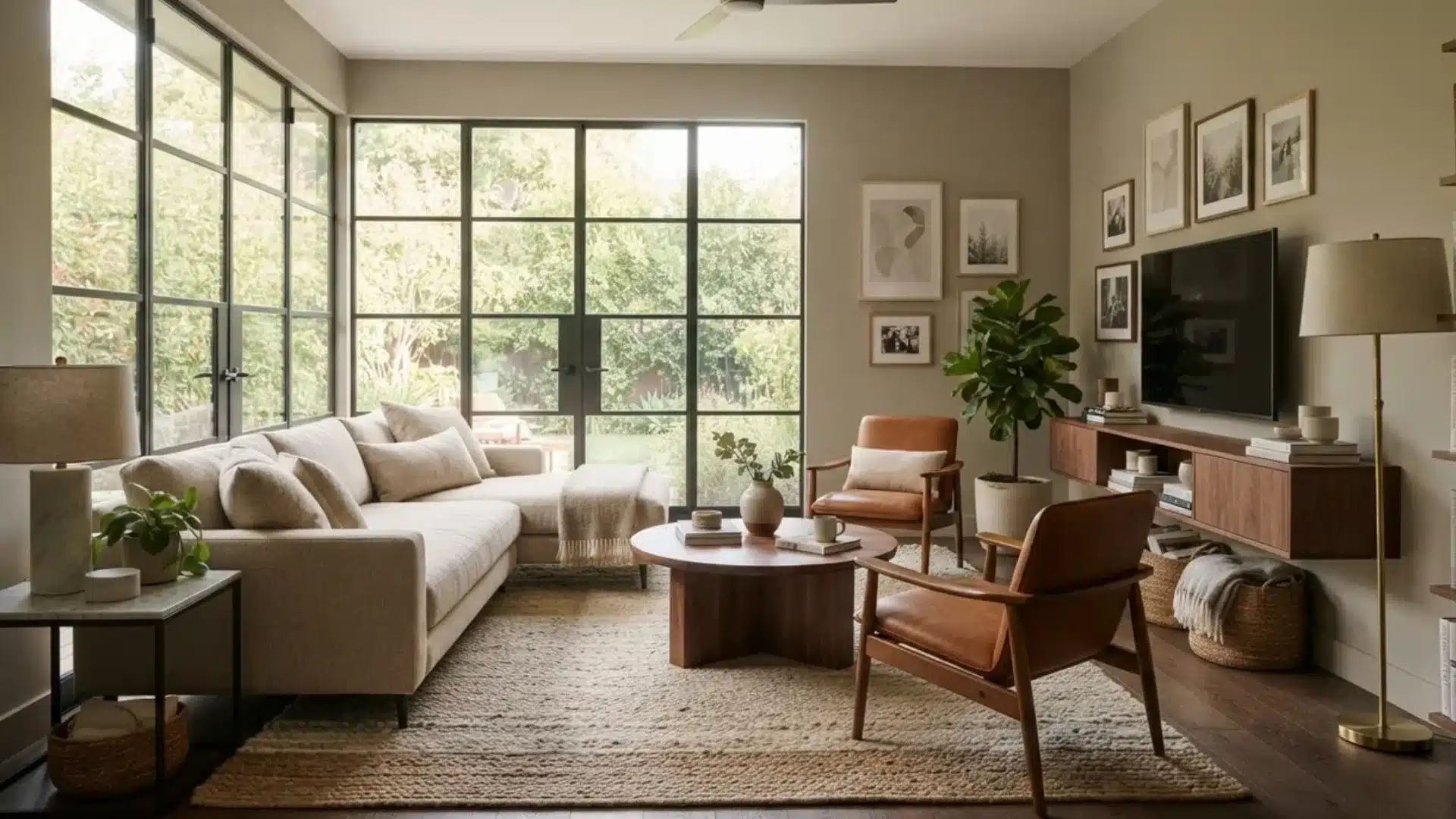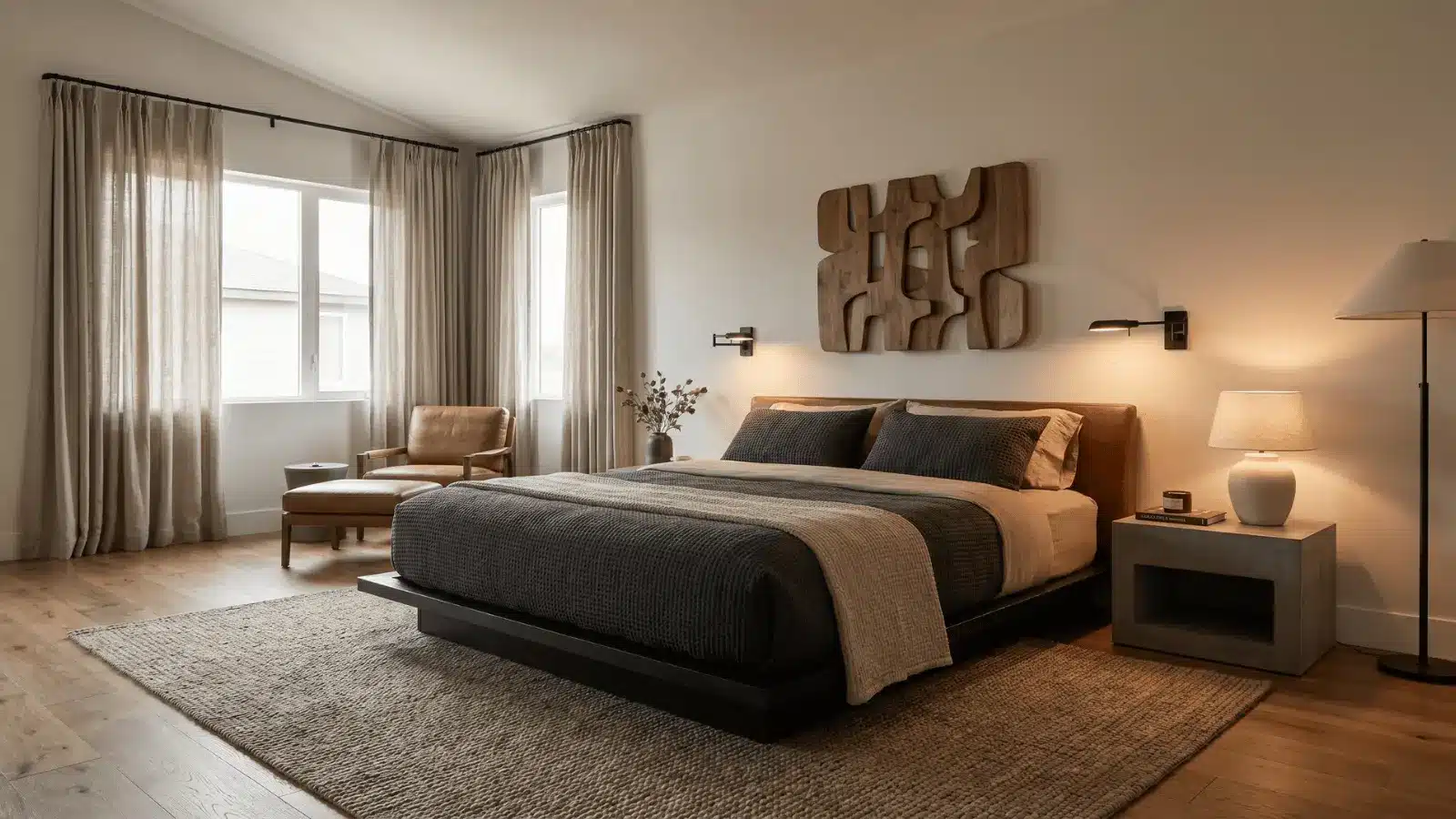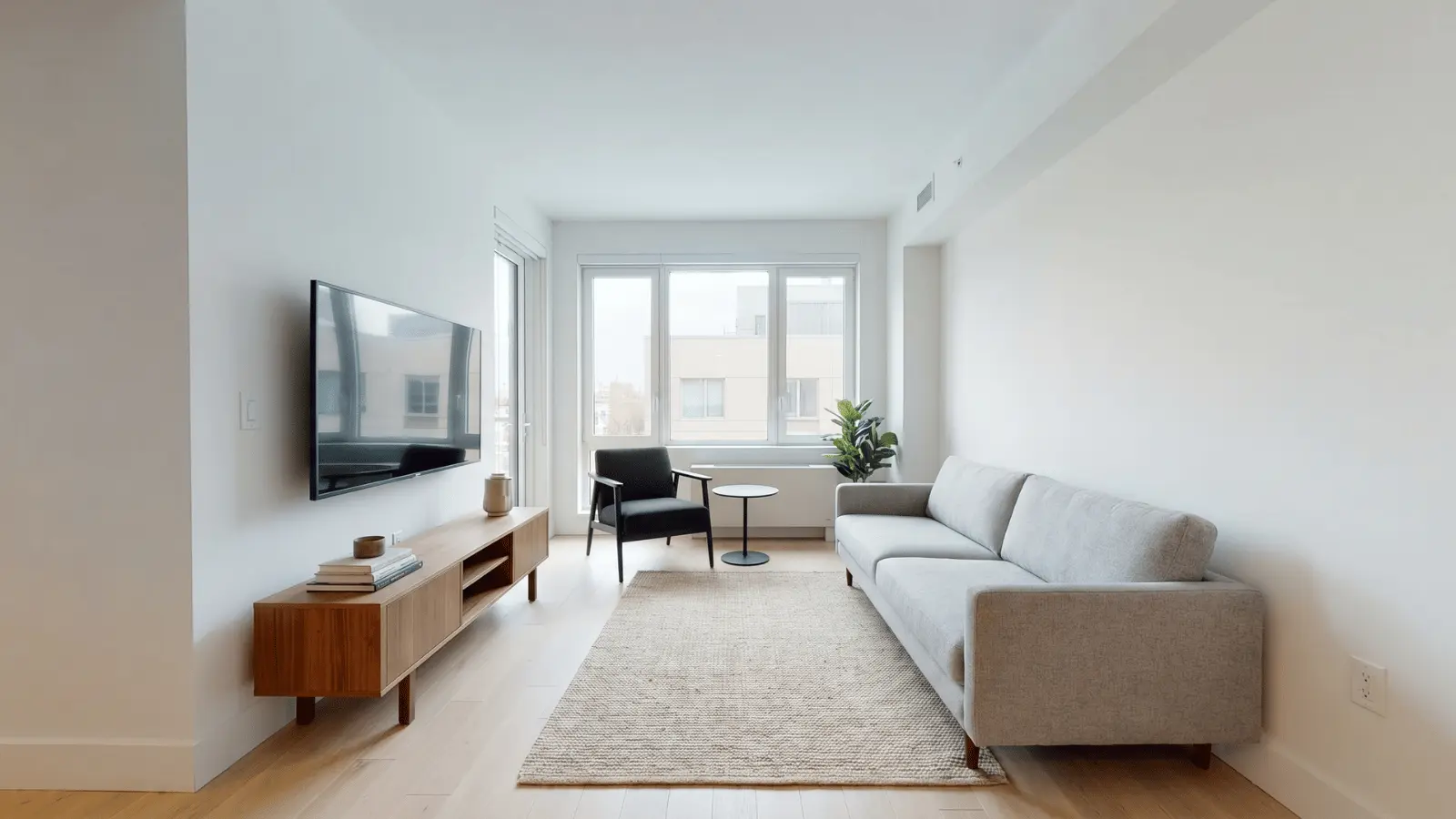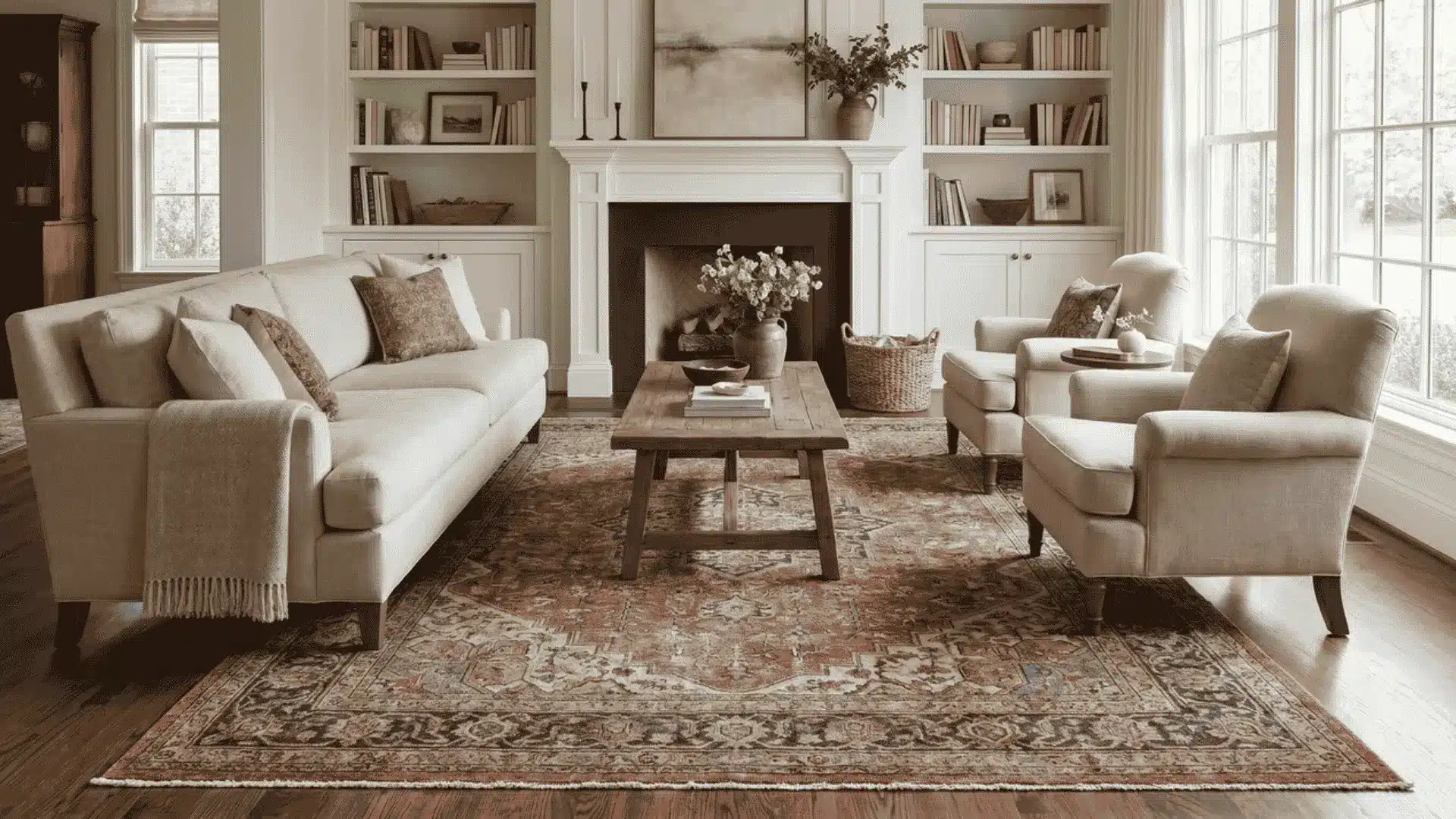


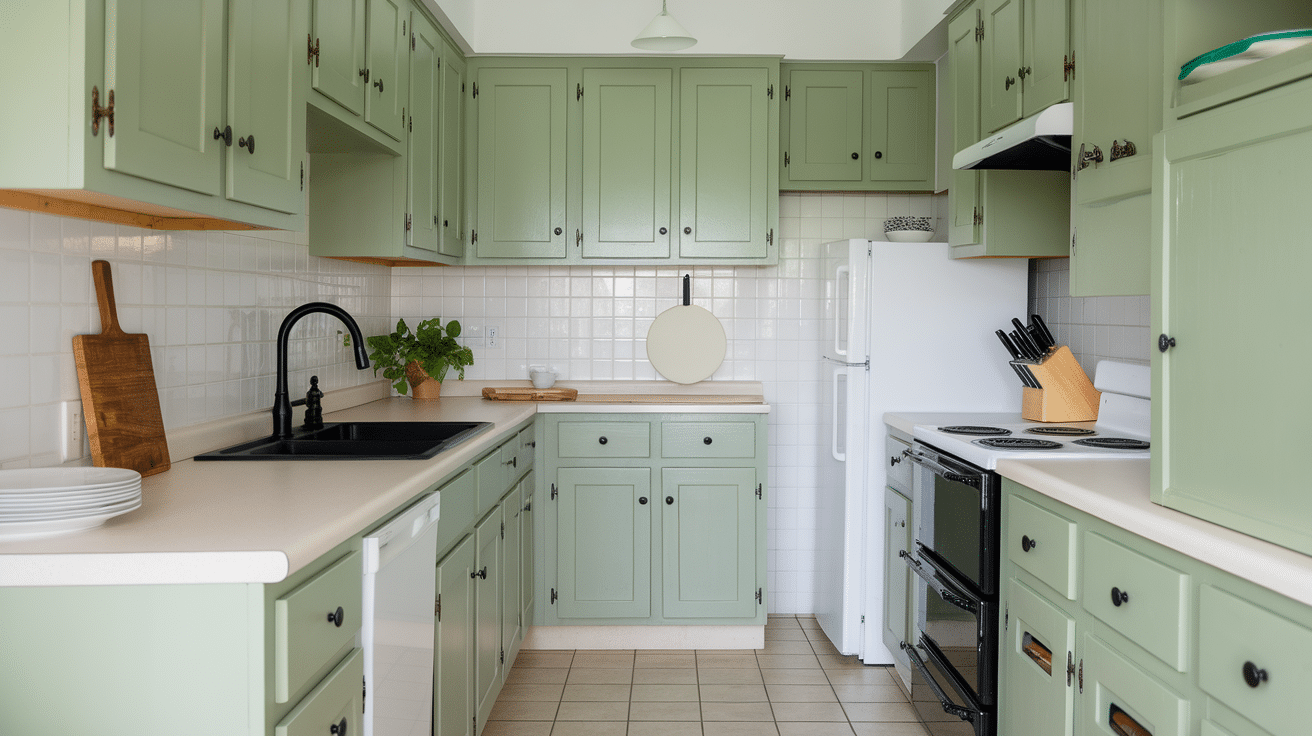
Windows do more than let in light; they shape how a home feels, looks, and connects with the outside world.
One style that’s stood the test of time is the mullioned window, known for its divided panes and elegant structure. From historic castles to modern homes, these windows have evolved in both purpose and design.
Today, I’ll walk you through what makes mullioned windows unique and why they’re still popular today.
You’ll also find practical details on styles, installation, and care to help you decide if they’re right for your home. So, let’s get started.
What Are Mullioned Windows?
I’ve always found mullioned windows fascinating because they tell stories through design.
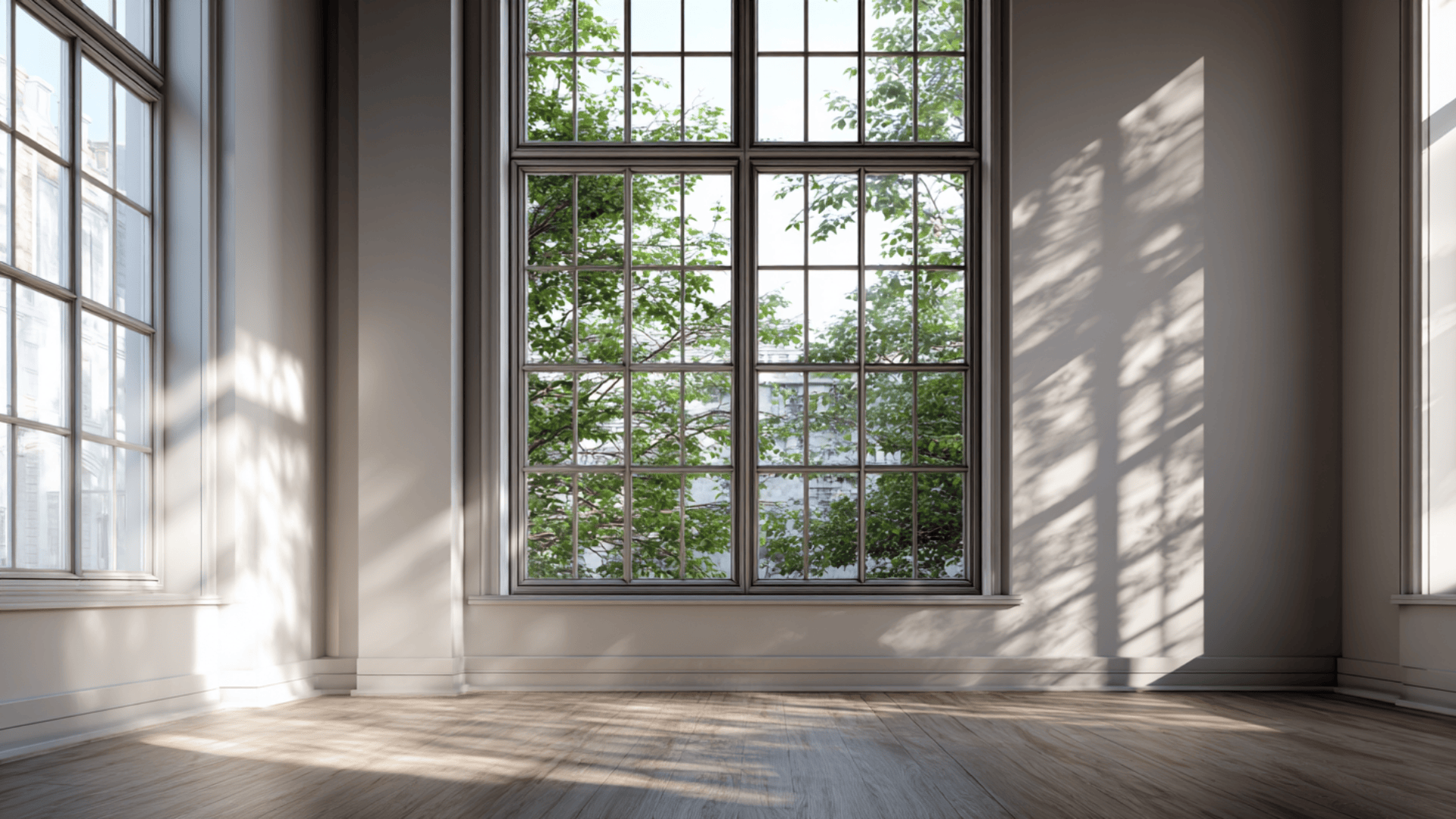
A mullioned window simply means a window that’s divided into smaller sections by vertical or horizontal bars called mullions.
These bars can be made from materials like wood, stone, or metal, and they give windows both strength and character.
In older homes, mullions weren’t just for looks. They were built to support the heavy glass and the wall above the window. As glassmaking improved, the need for structural mullions faded, but their decorative charm stuck around.
Today, they’re used in both classic and modern homes to add a touch of style and rhythm to plain glass surfaces.
Common Materials Used
The material you choose for mullions affects not just how your windows look, but how long they last and how much upkeep they’ll need. Here’s what I’ve seen most often:
- Wood: Perfect if you love a warm, traditional look. It adds charm to older homes but does need regular care to prevent rot and fading.
- Aluminum: A great choice for modern designs. It’s lightweight, durable, and works well in sleek, contemporary spaces.
- Steel: If you want something strong and industrial, steel holds up beautifully and gives a bold, clean-lined finish.
- Vinyl: Budget-friendly and energy-efficient. Vinyl mullions require almost no maintenance, which makes them ideal if you want practicality over polish.
Each material has its own personality, and the right one depends on your style, climate, and how much maintenance you’re comfortable with.
What Mullioned Windows Actually Do
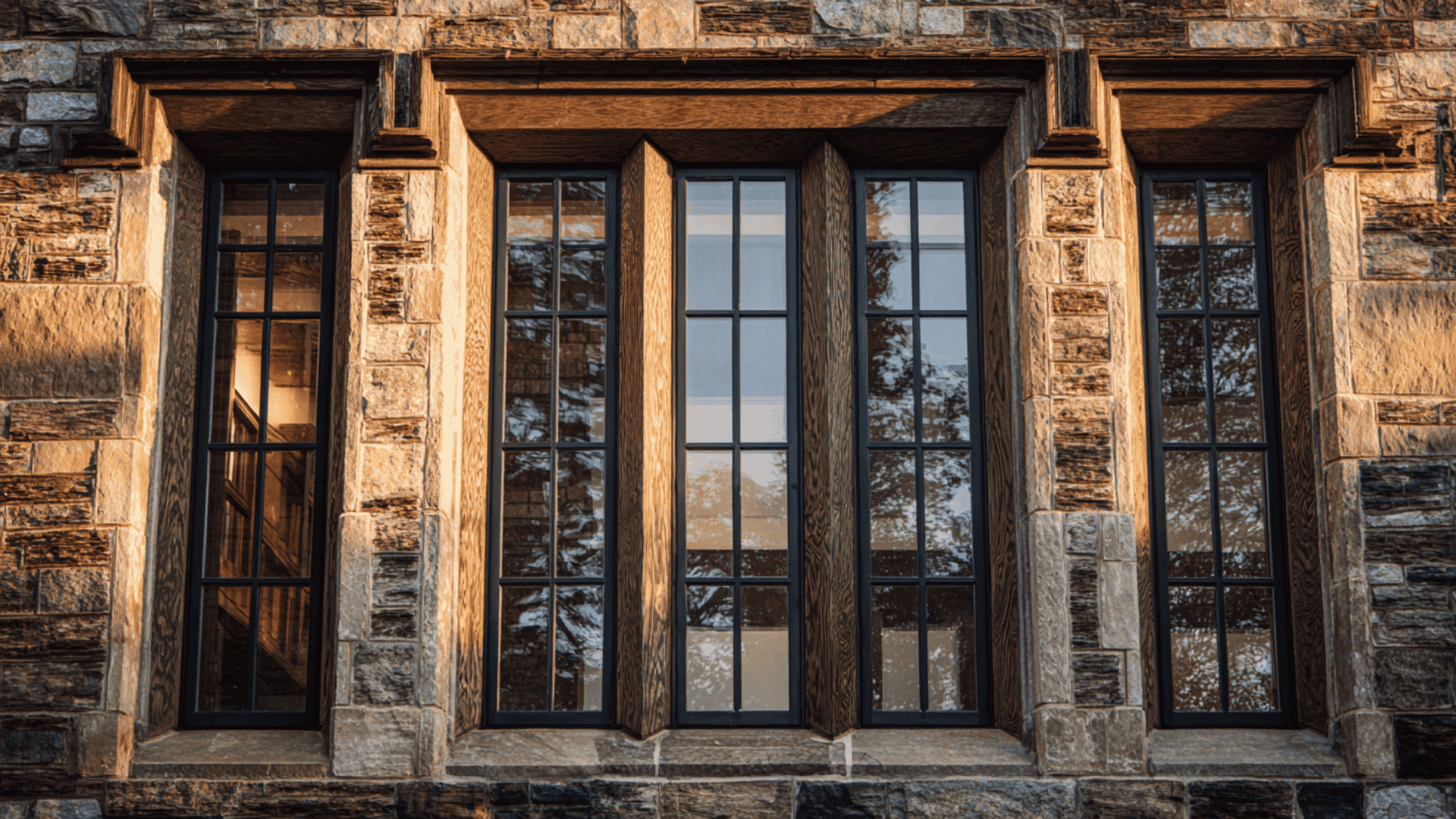
Mullioned windows aren’t just for looks. They play an important role in how a window supports, performs, and complements a home’s design.
| Purpose | What It Does | Where It’s Most Useful |
|---|---|---|
| Structural Support | Supports walls or lintels above and allows the use of smaller glass panes. | Stone buildings, large-frame homes, and restoration projects. |
| Aesthetic Appeal | Breaks up large glass areas into balanced sections and adds character. | Traditional homes, modern designs with slim metal mullions. |
| Energy Efficiency | Reduces heat transfer and improves insulation when combined with efficient glazing. | Homes in variable climates or where energy savings matter. |
Telling Mullions, Muntins, and Transoms Apart
I’ve noticed that people often mix these terms up, but each one has its own job in how a window looks and functions. Once you see the difference, it makes a lot more sense.
1. Mullions
Mullions are the vertical or horizontal bars that separate entire window units. They often provide structure and can support the wall or lintel above.
If you look at French windows or bay windows, the thicker lines dividing each window section are mullions. They give strength and rhythm to the overall design.
2. Muntins
Muntins are thin strips that divide glass panes within a single window sash. They don’t support the structure but are mainly decorative, creating patterns or grids.
You’ll see muntins in colonial or farmhouse-style windows, where they break the glass into smaller, even squares.
3. Transoms
Transoms are horizontal beams or windows placed above doors or other windows. They were originally used to let light or air flow through, even when the door was closed.
Think of the small window above a front door or the narrow opening above a large window set; that’s a transom. It adds a graceful touch and helps brighten a space naturally.
How to Add Mullions to Existing Windows
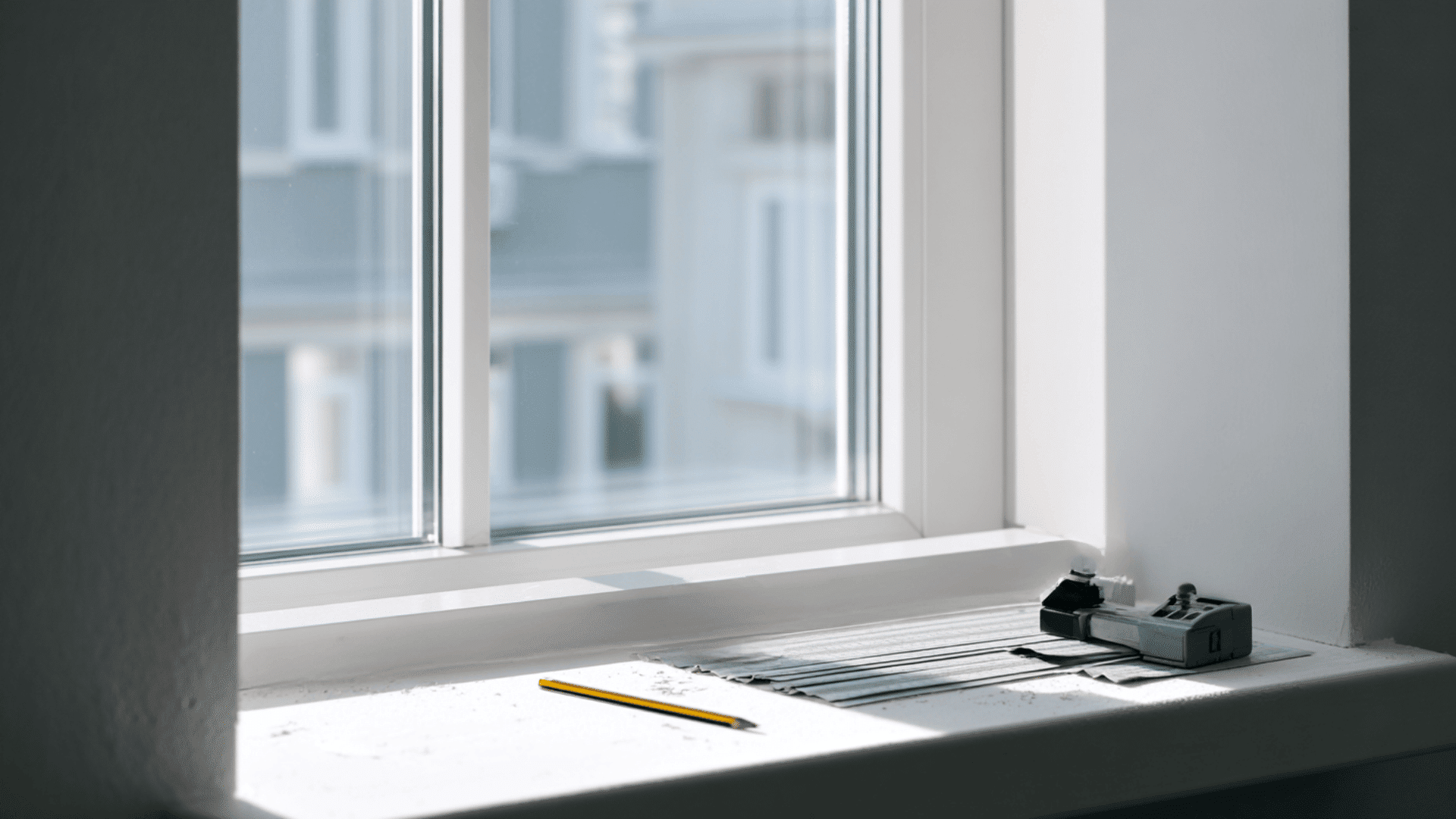
If you already have plain windows but love the look of divided panes, you can add mullions yourself. It’s a simple DIY project that can change how your windows look without replacing the glass.
Materials and Tools You’ll Need
Before you start, gather a few basics:
- Measuring tape
- Pencil and level
- Wood or PVC trim strips (pre-cut or custom)
- Strong adhesive or double-sided mounting tape
- Utility knife or small saw
- Paint or finish to match your window frame
Step-by-Step Guide
- Measure and Plan: Measure your window’s height and width to decide how many vertical and horizontal divisions you want. Sketch your layout to make sure it looks balanced.
- Cut the Trim: Use your measurements to cut each mullion strip to size. Dry-fit them on the glass to confirm everything lines up neatly.
- Attach the Mullions: Apply adhesive or mounting tape to the back of each strip, then press it firmly onto the glass. Start with vertical pieces, then add the horizontal ones.
- Secure and Finish: Wipe away any extra adhesive. If needed, paint the mullions to match your window frame so they look seamless.
- Optional Step – Add Interior Grids: For a more polished effect, attach matching strips on both sides of the glass so the mullions appear real from inside and outside.
Installation and Cost Guide
Installing mullioned windows can be simple or complex, depending on your home’s design and how hands-on you want to be.
I’ve seen projects where homeowners handled small updates themselves, and others where pros were the better choice, especially for structural work.
Average Cost Range
The price varies by material, size, and custom detailing. On average, mullioned windows cost between $600 and $1,800 per window, including materials and installation.
- Wood is usually the most expensive due to craftsmanship and upkeep.
- Vinyl and aluminum options are more affordable and easier to maintain.
DIY vs. Professional Installation
You can install faux mullions or removable grids on your own with basic tools. It’s a great weekend project if you’re comfortable working with glass trim.
For full window replacements or custom-built units, professional installation is worth it. Pros ensure proper alignment, insulation, and sealing, which helps prevent leaks and energy loss down the line.
Maintenance and Lifespan Tips
How long your windows last depends on care and material.
- Wood needs repainting or sealing every few years to prevent moisture damage.
- Aluminum and vinyl just need occasional cleaning to remove dust and grime.
- Check caulking and seals once a year to keep them weather-tight.
With the right upkeep, mullioned windows can last 20 to 50 years or more, keeping their strength and style for decades.
Mullioned Window Styles and Applications
Mullioned windows show up in all kinds of homes, from historic castles to new minimalist builds. Their style changes with time, but their mix of structure and beauty stays the same.
Historical Designs
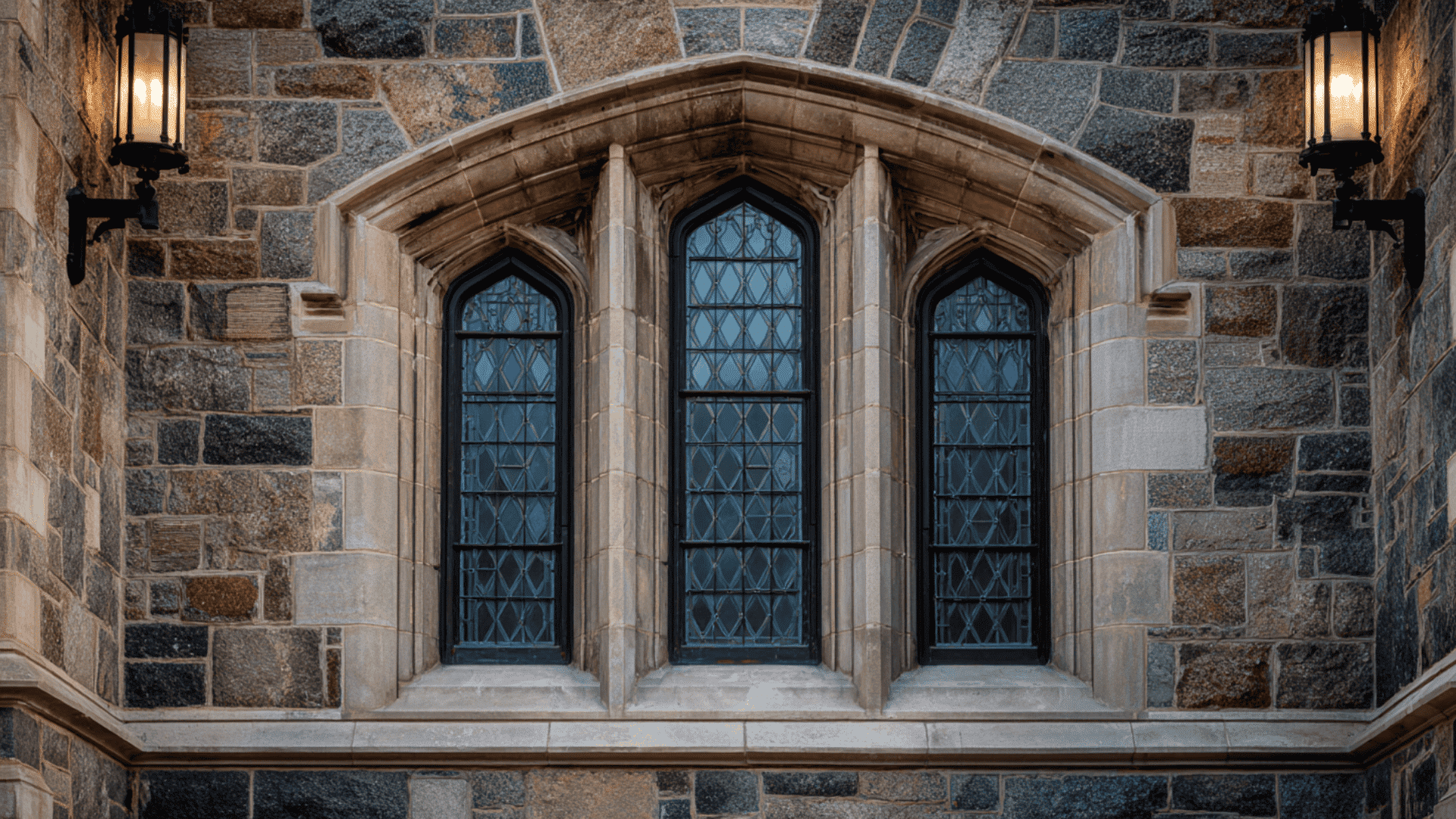
- Tudor and Gothic: Builders used stone or wood mullions to divide smaller glass panes when large sheets weren’t available. You’ll still see these tall, arched windows in old churches and manor houses.
- Islamic: Intricate mullion patterns filtered sunlight into decorative shapes, turning windows into art while keeping interiors cool.
Modern Adaptations
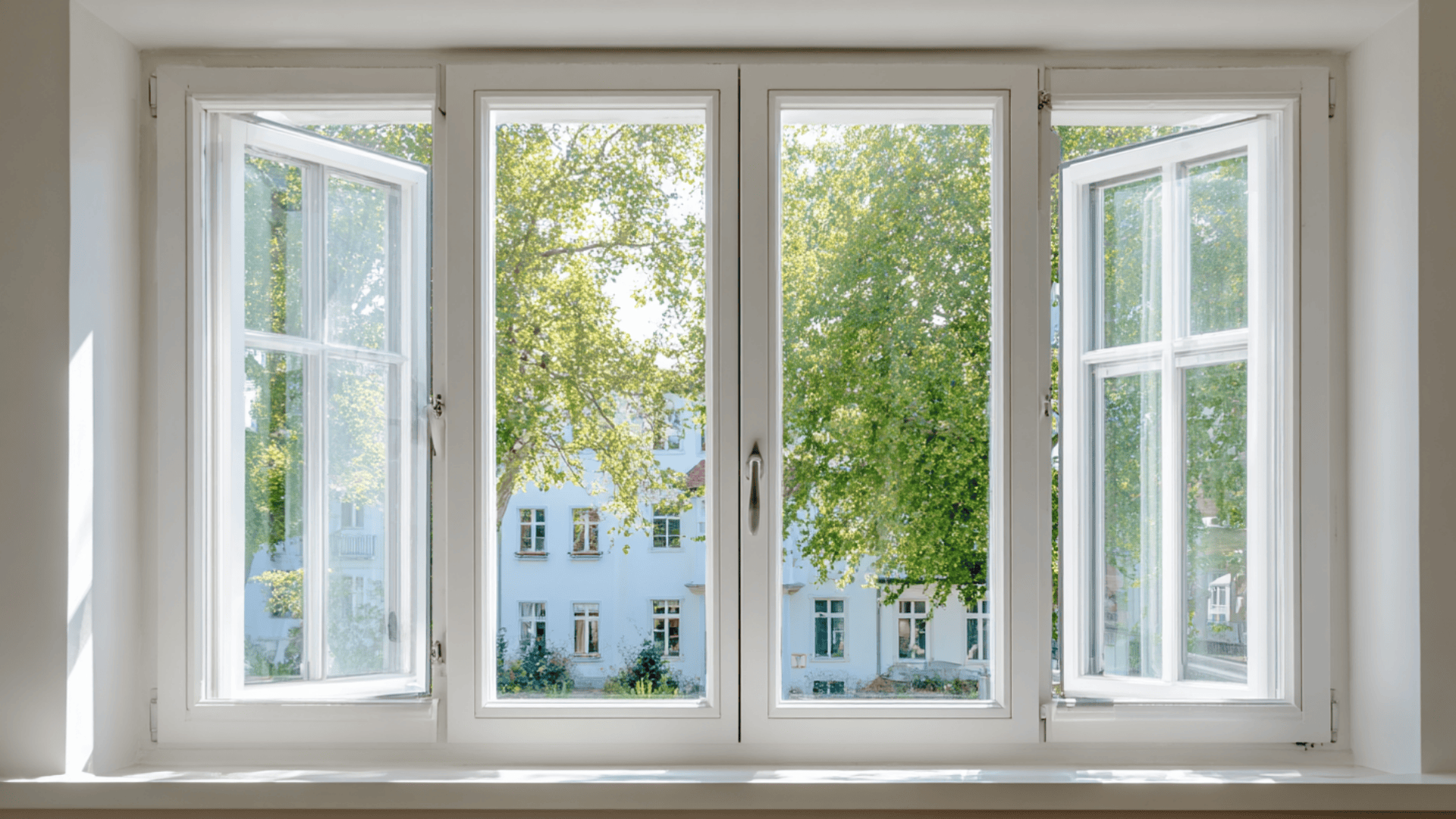
- French Casement: Slim mullions separate two operable sashes, keeping the classic feel but improving airflow and efficiency.
- Minimalist Aluminum: Thin metal frames create a clean, simple look that works well in contemporary homes.
Decorative Uses
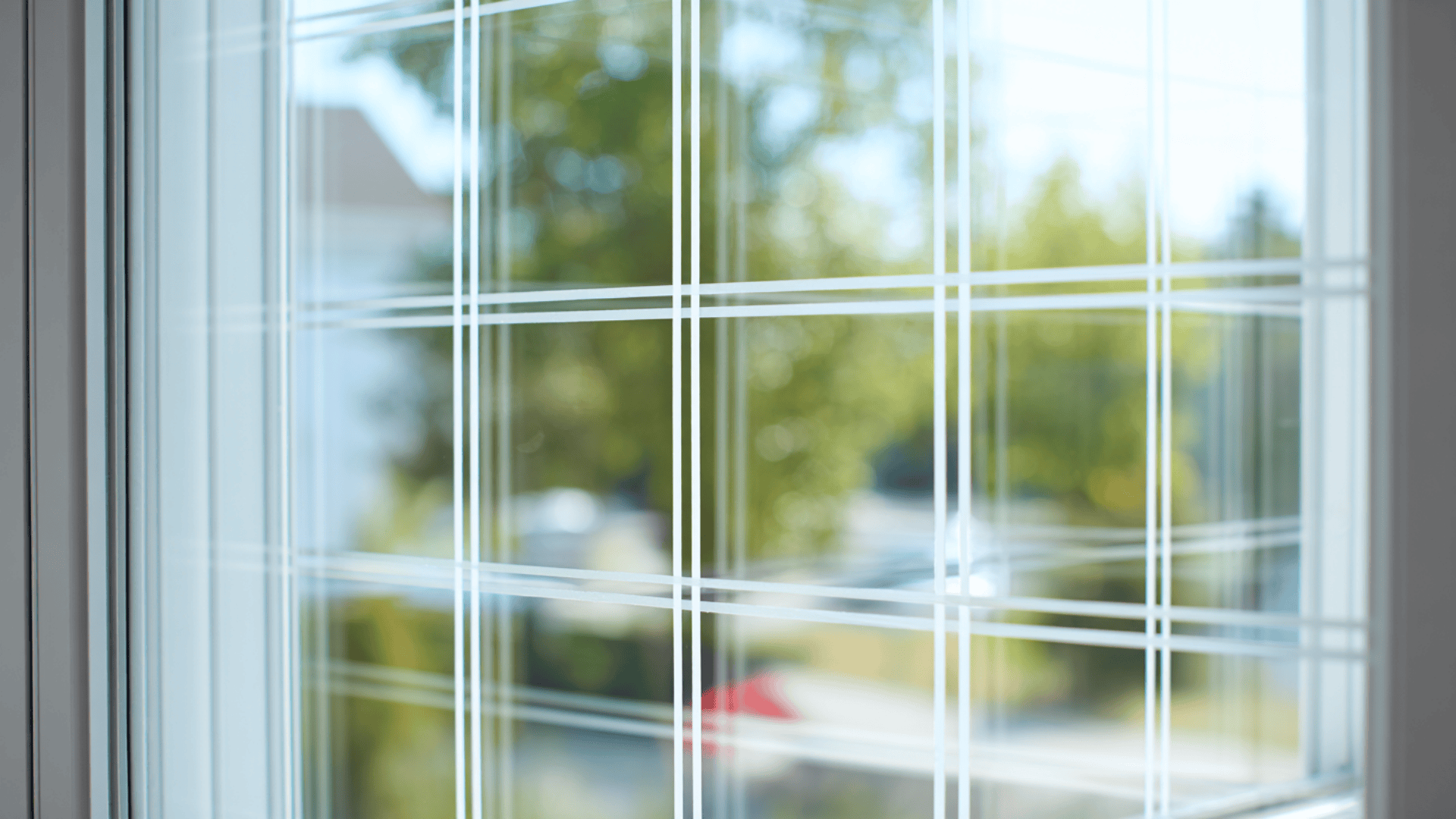
- Faux Mullions: These give plain windows a classic divided look without needing actual structural support.
- Removable Grids: Perfect if you want easy cleaning or flexibility to change up your window’s appearance.
Each approach shows how mullioned windows can fit almost any home, whether you prefer traditional charm or a modern, streamlined design.
Should You Get Mullion Windows?
Mullioned windows can add beauty and structure to your home, but they also come with a few drawbacks.
| Pros | Cons |
|---|---|
| Adds charm and structure – Gives windows depth and character, especially in traditional homes. | Can reduce light slightly – The extra framing blocks a small amount of sunlight. |
| Supports glass integrity – Smaller glass sections make the window stronger and more stable. | More cleaning required – Each divided pane needs individual cleaning and care. |
| Enhances curb appeal – Adds visual detail and balance that improves a home’s exterior look. | May be more expensive – Custom or detailed mullioned designs cost more to make and install. |
In my experience, mullioned windows are worth it for most homeowners, especially if you want a look that lasts.
Wrapping Up
Mullioned windows bring more than visual charm; they connect design and function in a way that feels classic.
The right materials and setup can make them energy-efficient, easy to maintain, and built to last. Whether you prefer wood or aluminum, the possibilities are wide open.
Mullioned windows are a smart way to mix old-world appeal with lasting quality, a small detail that can quietly improve how your space looks and feels every day.