
Home » August 4, 2026
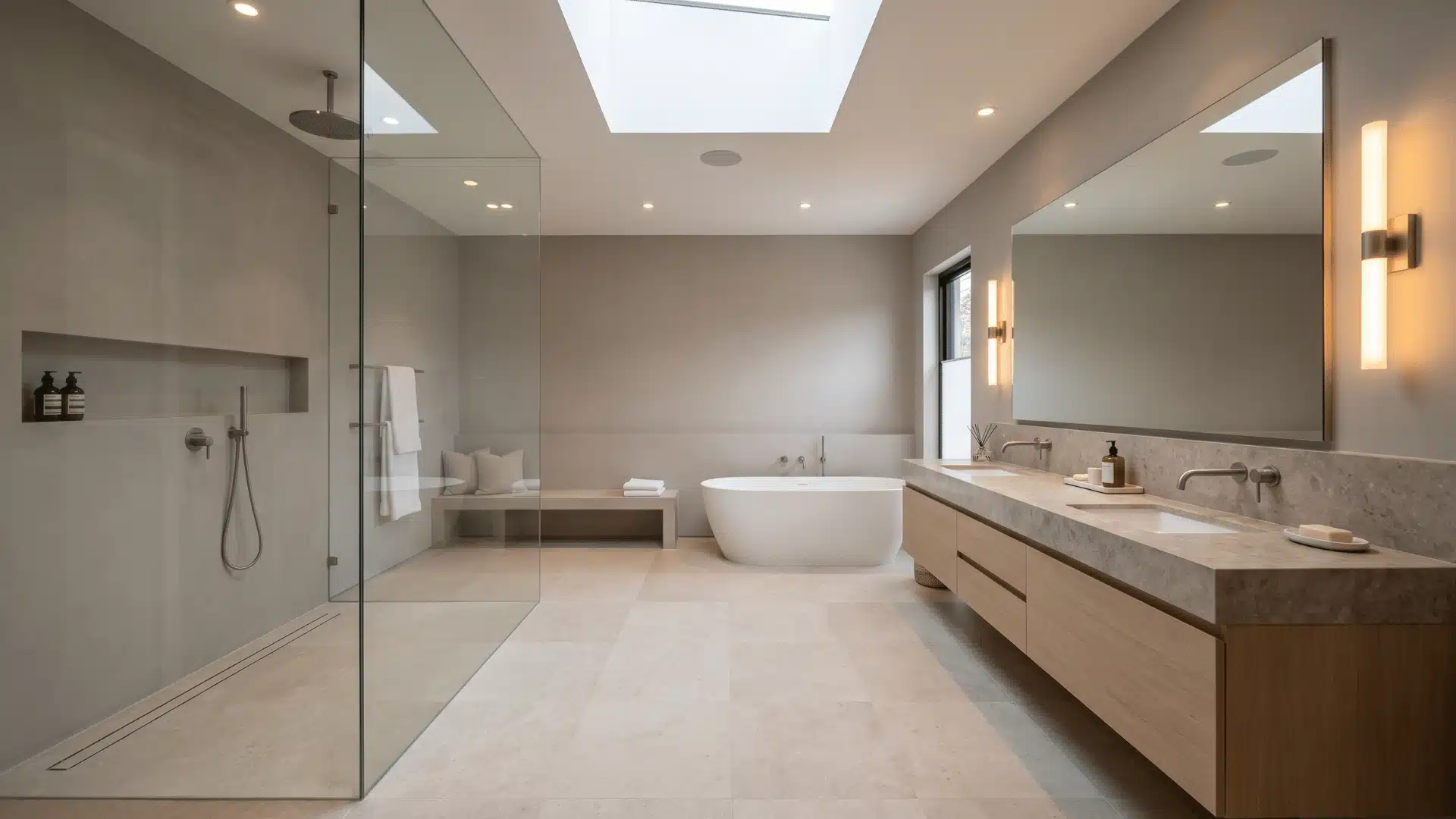
A master bathroom remodel can feel tricky to plan once you factor in two people sharing one space, morning routines, steam, and water use
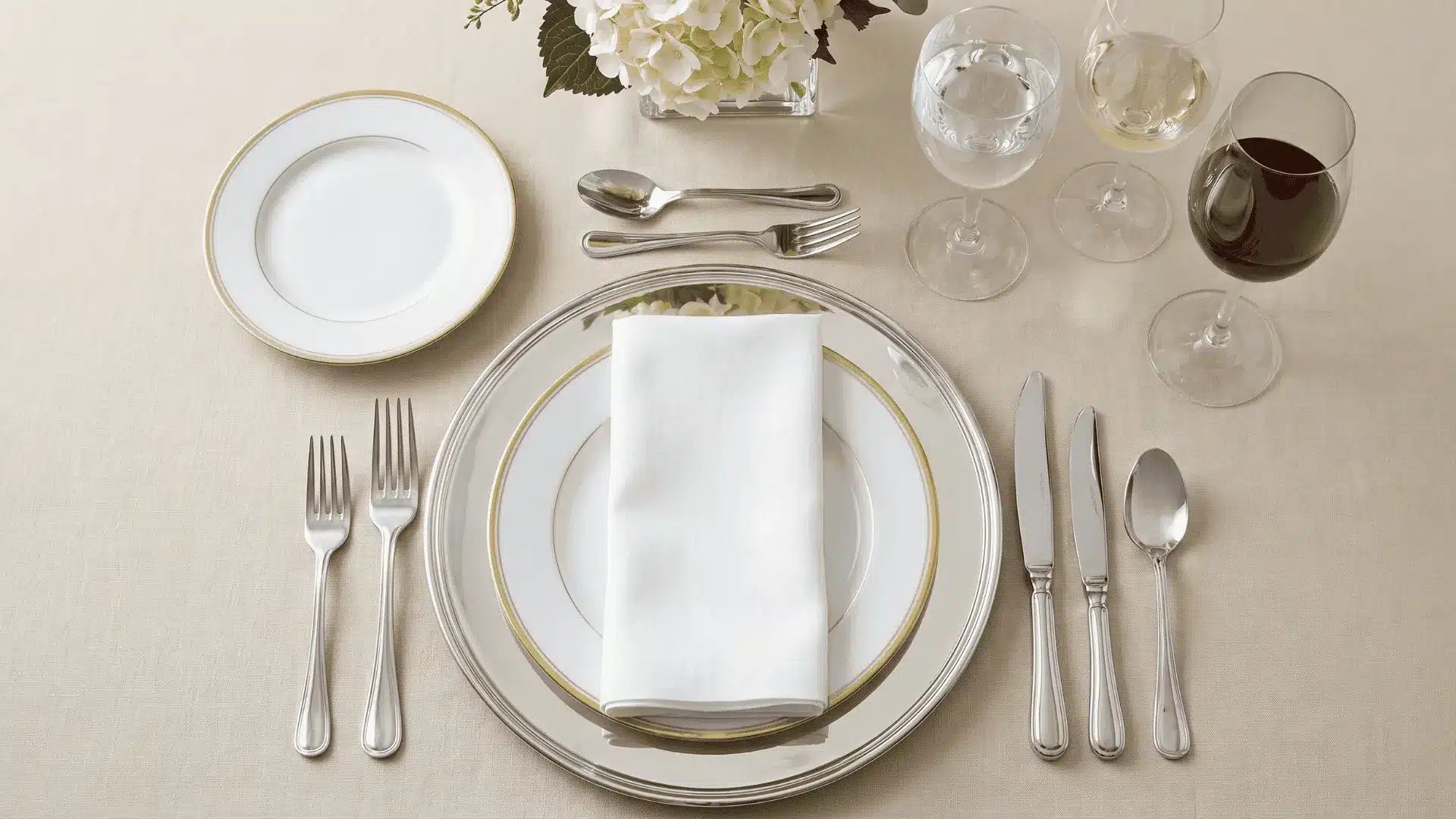
Many people believe that setting a “proper” table requires a rigid adherence to elaborate rules and expensive pieces. In reality, a proper table setting is all about appropriateness for the occasion, not perfection. From casual family dinners to formal events,
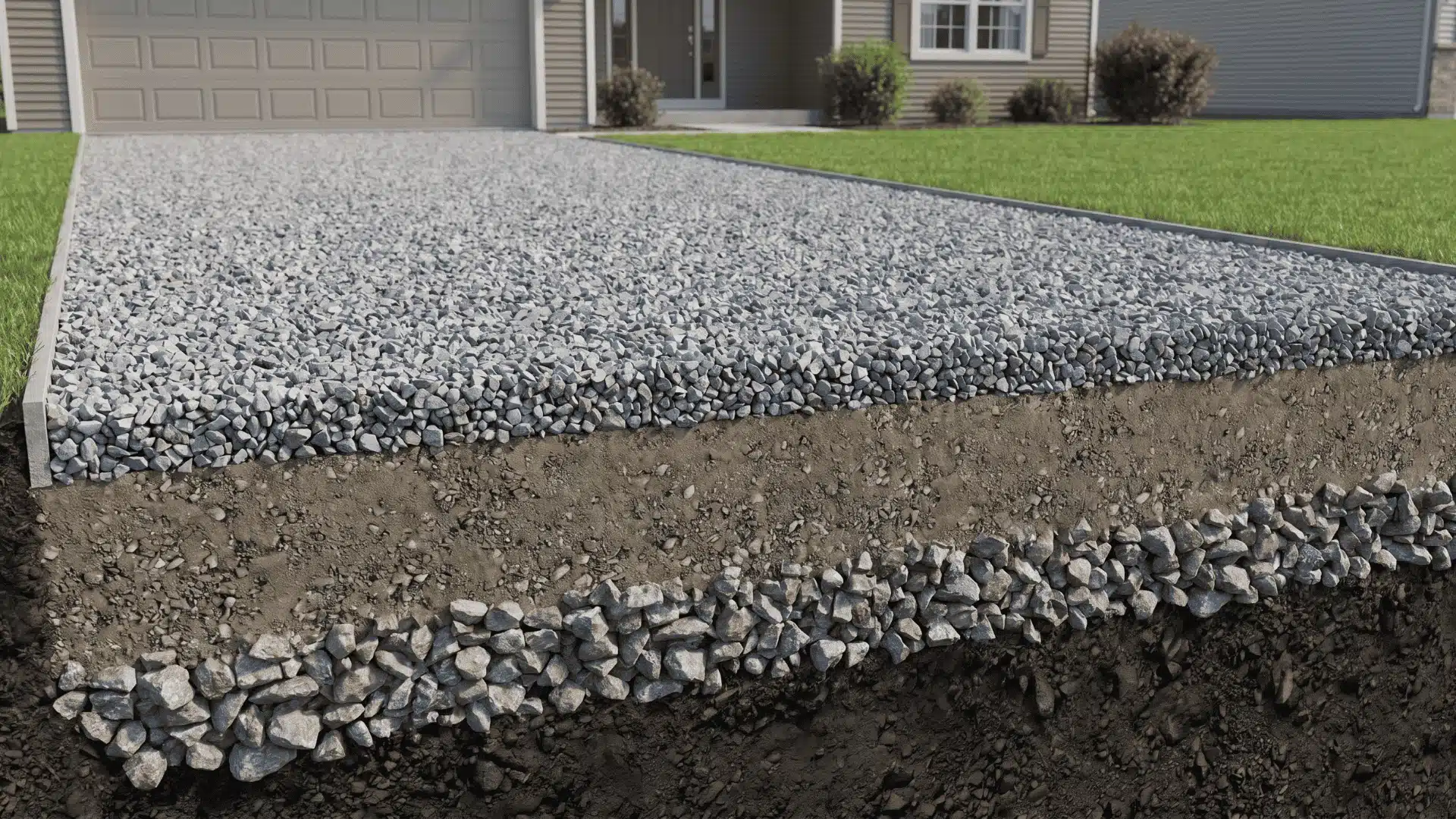
Choosing the best gravel for driveway projects is not just about picking the stone that looks clean or costs less. Some gravel locks together and holds firm under cars, while other types shift, roll, and leave ruts after rain. The real difference comes from stone shape, layer depth, drainage, and how well the base is prepared before the top layer goes down. I will help you understand which gravel works for each layer, what to avoid, and how to choose based on slope, budget, and traffic. First, let us look at why gravel type matters more than size. Why Gravel Type Matters More than Gravel Size? Particle shape matters more than size. Angular crushed stone locks together under vehicle weight, while smooth, rounded stone shifts instead. The difference becomes clear once vehicles start driving over it. Angular stone spreads the load across the surface as its jagged edges press together. Rounded stones like pea gravel and river rock roll instead, creating ruts over time. Size still matters, but it comes second. Even the right-sized stone won’t perform well if its shape can’t interlock. Compaction also depends on fines. Those fine particles fill the gaps between larger pieces and, with pressure and moisture, help bind the gravel into a firmer surface. Without them, the gravel stays loose. This matters even more on slopes. Angular stone resists sideways movement, while smooth stone gradually shifts downhill. Edging helps contain the gravel, but it can’t stop that movement on its own. Choose shape first, then choose size. I’ve found that’s what gives a driveway the best chance of staying stable over time. What’s the Best Gravel for Driveway Projects? For most driveways, crushed limestone or granite built in three layersis the best gravel for driveway projects: coarse angular stone for the base, crusher run […]
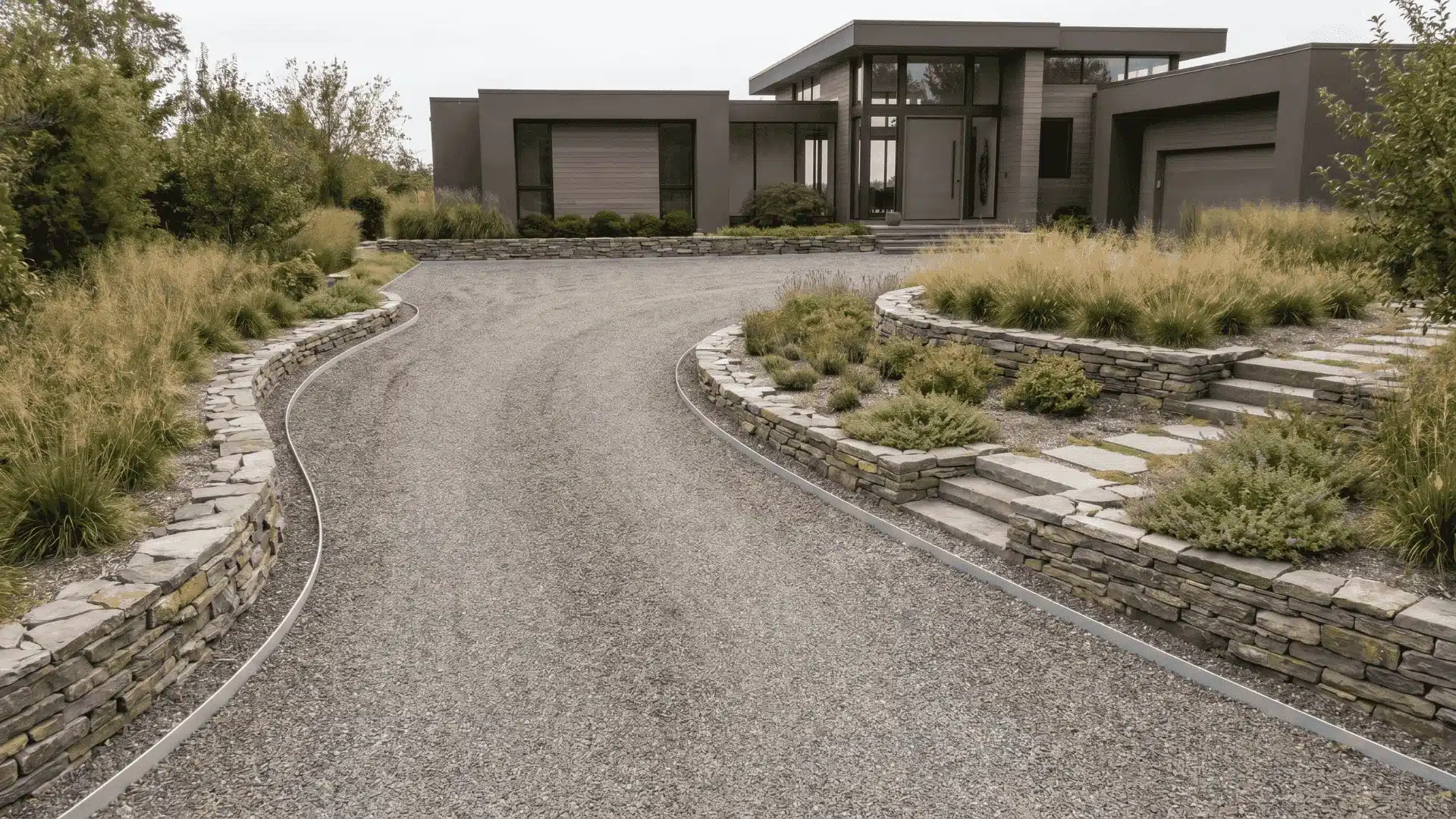
A gravel driveway looks simple at first glance, but there’s usually a lot happening underneath that decides how long it actually lasts. I’ve seen some stay solid for years without much attention, and others start rutting and shifting within a season just because one small layer wasn’t done right. What really changes things is how it’s built and how it handles real use, like daily turning, parking in the same spot, and weather hitting it over and over. It’s rarely the surface gravel that fails first. It’s what’s underneath that starts to give way. That’s where gravel driveway ideas start to matter. The right setup is really just a series of small choices that decide whether the surface stays firm or slowly breaks down. Why Do Some Gravel Driveways Hold Up While Others Fail? A gravel driveway usually looks simple from the outside, but the way it performs has a lot more to do with what’s underneath than the gravel you actually see. It starts with the base. That’s what carries the weight every time a car rolls in. If it isn’t compacted properly, the surface slowly gives in, and you start noticing dips and shifting in places you use the most. When it’s done right, it just stays firm without much thinking about it. Then comes water. This is where a lot of driveways quietly fail. If water sits or keeps running through the same paths, it weakens the base, and you start getting soft spots that turn into ruts over time. And even after all that, daily use still plays its part. A driveway that feels fine at first can start showing stress where cars turn or brake again and again, especially if the structure underneath isn’t solid enough. In my own work planning backyard and driveway layouts, […]
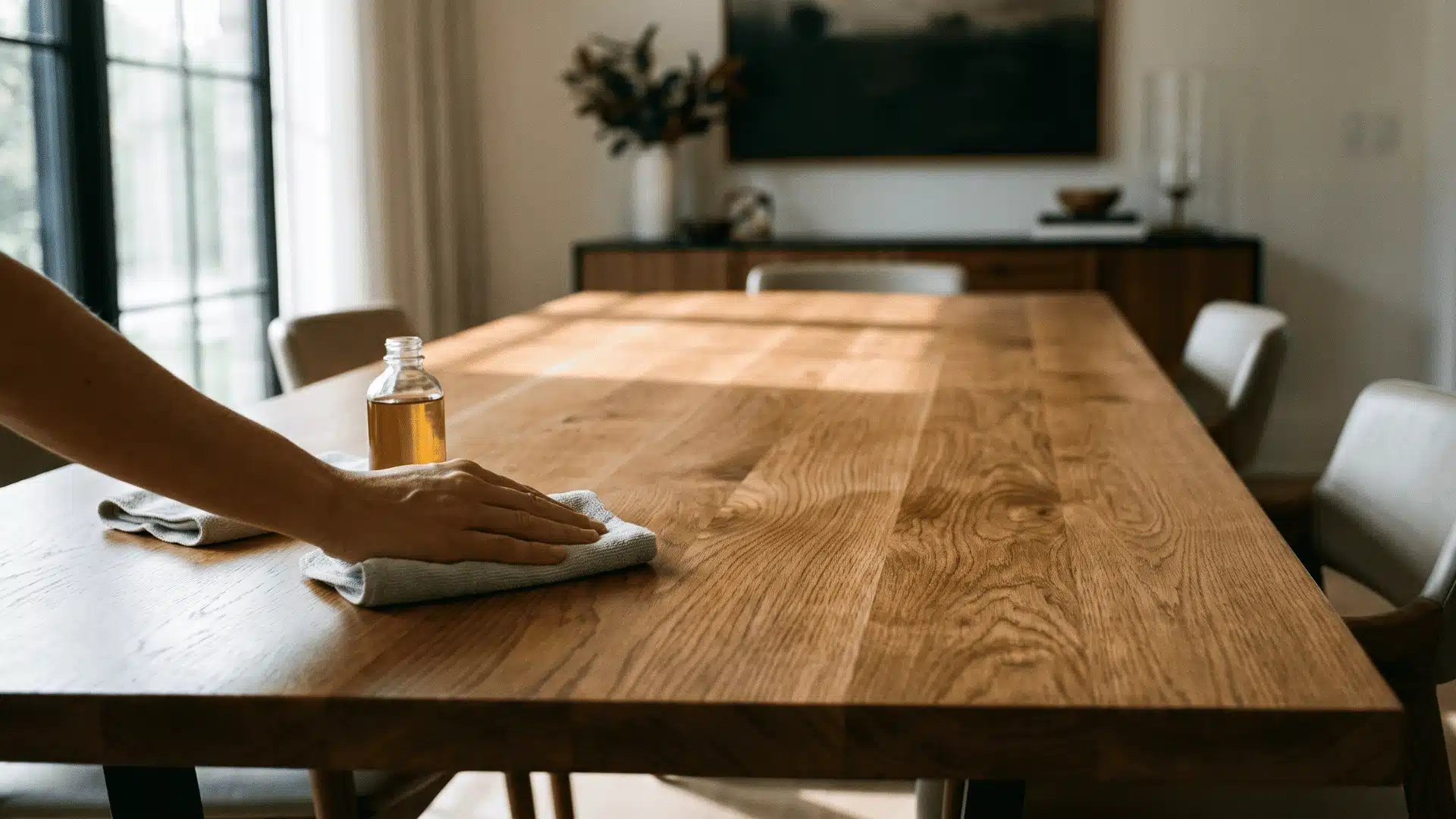
If you’ve ever polished a wooden table only to have it look dull again a day later, you’re not alone. Most of the time, the polish isn’t the problem. It’s everything that happens before and after it goes on. I’ve seen people blame the product when the real issue was skipping a quick clean, using too much polish, or not buffing it properly. Those small details make a much bigger difference than most people expect. The good news is that getting a smooth, even finish doesn’t take special skills or expensive products. A few simple steps can help bring back the shine, avoid sticky buildup, and even improve the look of light scratches and water rings while you’re already working. Let’s start with the part that makes the biggest difference What You Need Before You Start Polishing? A good diy wood polish routine starts with a clean surface, not the product itself. If you apply polish over dust or grime, those tiny particles can get rubbed into the wood, leaving fine scratches and a dull, uneven finish. I have watched plenty of beginners in my workshops blame the polish when the real problem was skipping the cleaning step. Start by wiping the surface with a dry microfiber cloth to remove loose dust. Then use a second microfiber cloth that’s lightly dampened with warm water and a drop of mild dish soap. Wring it out well so it’s only slightly damp. Wipe the furniture, then dry it right away with a clean cloth. Let the wood dry completely before applying polish. Even a little leftover moisture can get trapped under the polish and leave behind a cloudy finish. How to Polish Wood Furniture with Wax? Wax polish is one of the easier ways to refresh dry-looking wood. It does not need […]
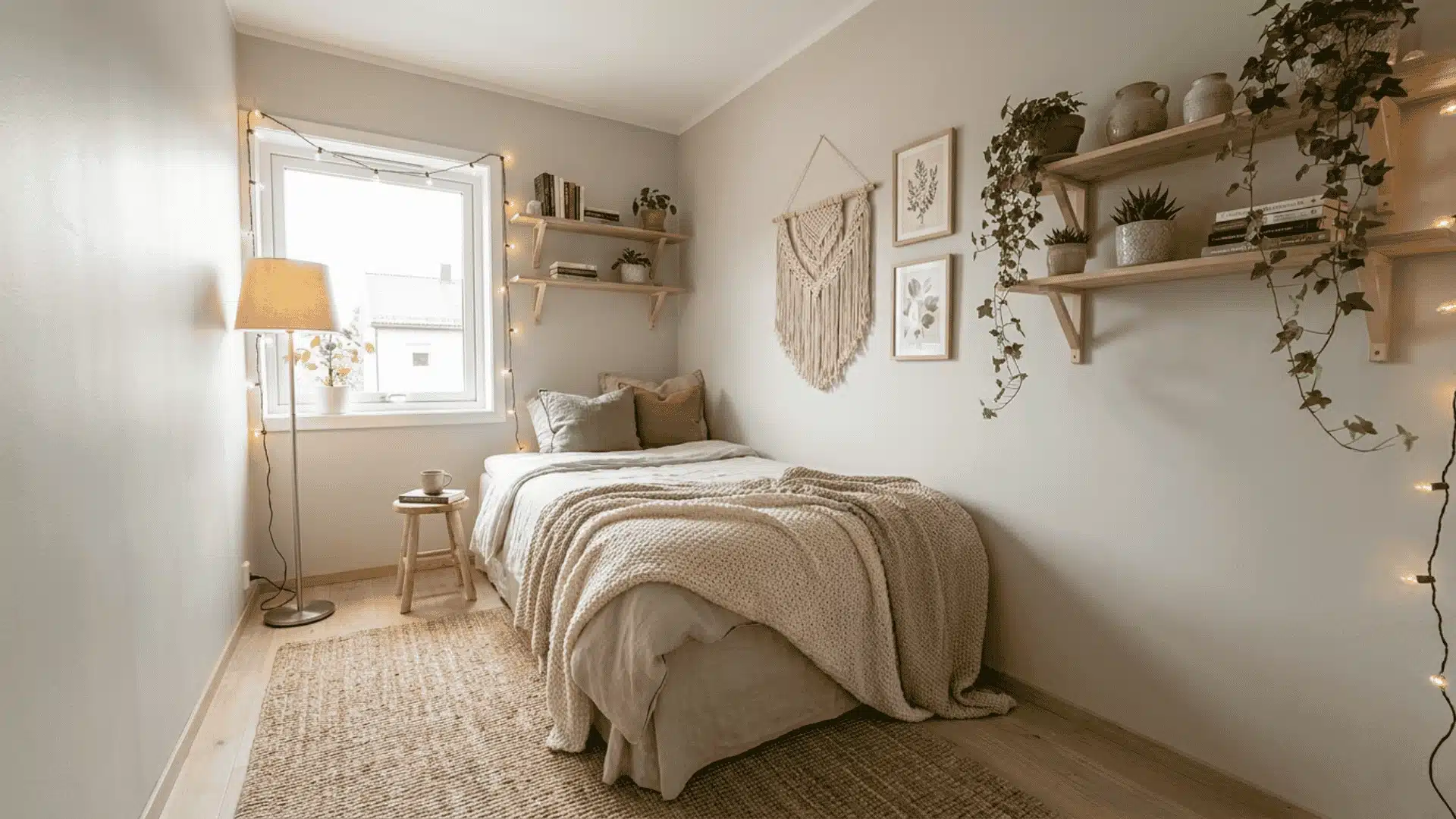
Small bedrooms come with real limitations, but they don’t have to feel that way. The right approach turns every constraint into an opportunity worth using. Layout, lighting, storage, and decor each play a distinct role in how spacious a room feels. Whether it’s your own space or you’re exploring small guest bedroom ideas, none of this requires major spending or structural changes. Here you’ll find practical, cost-effective strategies that work entirely within the space already available. Every tip is designed to create a bigger, calmer, and more personal bedroom. Whether starting from scratch or simply refreshing an existing setup, small changes deliver the most impact. A better bedroom is always closer than it appears. Why Small Bedroom & Small Guest Bedroom Layouts Fail Before You Move Furniture? Small bedrooms don’t fail because they’re too small. They fail because people place furniture before mapping the room’s fixed parts. Every small bedroom has three things that can’t move: The door The windows The closet These decide what layout will actually work. The door needs space to swing, which can take up 6–12 square feet. If the bed’s too close, the door can’t fully open, making the room feel cramped. Windows control natural light. Placing a bed in front blocks light, making the wall behind it the brightest area, which throws off the room’s balance. Closets require clearance. Sliding doors need almost no space, but hinged doors need 2–3 feet of open space. Furniture shouldn’t block that clearance to avoid problems. Map these three areas first. Once you do, many layout ideas will stop making sense right away. The remaining options are the ones that will actually fit and feel comfortable. Where to Place the Bed in Any Small Bedroom Layout: The Decision That Shapes Everything Else The bed is the biggest piece […]
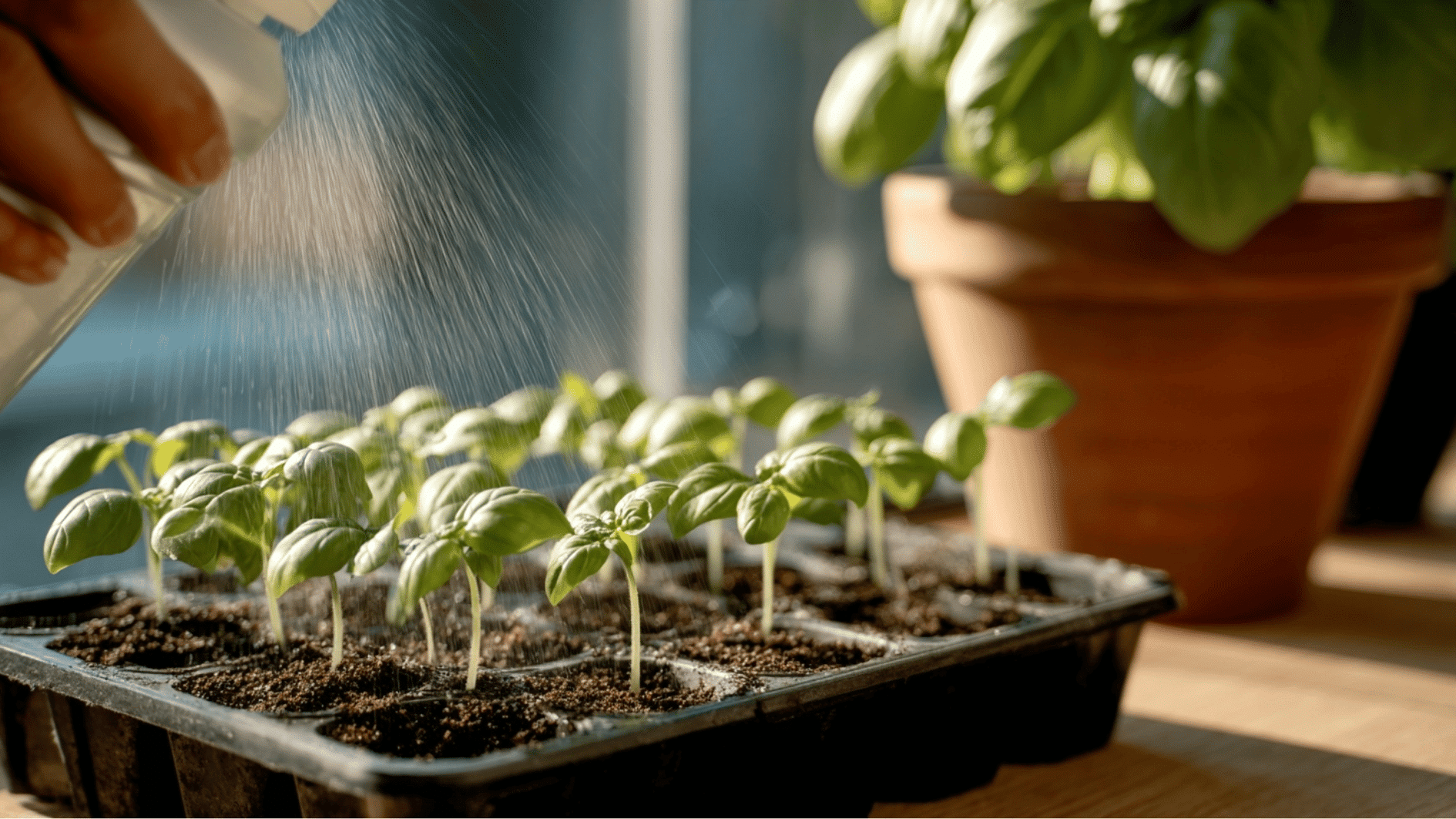
Basil is one of the easiest and most rewarding herbs anyone can grow at home. Fresh basil straight from the garden instantly upgrades everyday cooking, from pasta sauces to salads and everything in between. Yet many people still struggle with it. Knowing how to plant basil the right way, understanding basil germination time, and giving it the right conditions from the start are what separate a thriving plant from a disappointing one. Why Basil is One of the Best Herbs to Grow at Home Basil is one of the best herbs to grow at home because it gives beginners a quick win. It grows fast, needs very little fuss, and rewards you with fresh leaves within weeks. It grows quickly: Basil seedlings can break through within days, and established plants often grow fast in a warm, sunny spot. It is easy to maintain: Regular watering, good sunlight, and a light monthly feed are usually enough to keep basil healthy. It responds well to pruning: Pinching the top leaves every week or two helps the plant grow bushier instead of tall and thin. It tastes better fresh: Grocery-store basil is convenient, but homegrown basil has better flavor because you harvest it right when you need it. It saves money over time: One healthy basil plant can give you fresh leaves for months, which can cost less than buying small packs repeatedly. Growing Basil Indoors vs. Outdoors: What to Know Before Planting Basil can grow well indoors or outdoors, but each setup needs different care. The right choice depends on your light, space, weather, and how much basil you want to harvest. Factor Indoors Outdoors Best Season Can grow year-round with enough light and warmth Grows best from spring through autumn after the last frost Light Needs Needs 6 to 8 hours […]
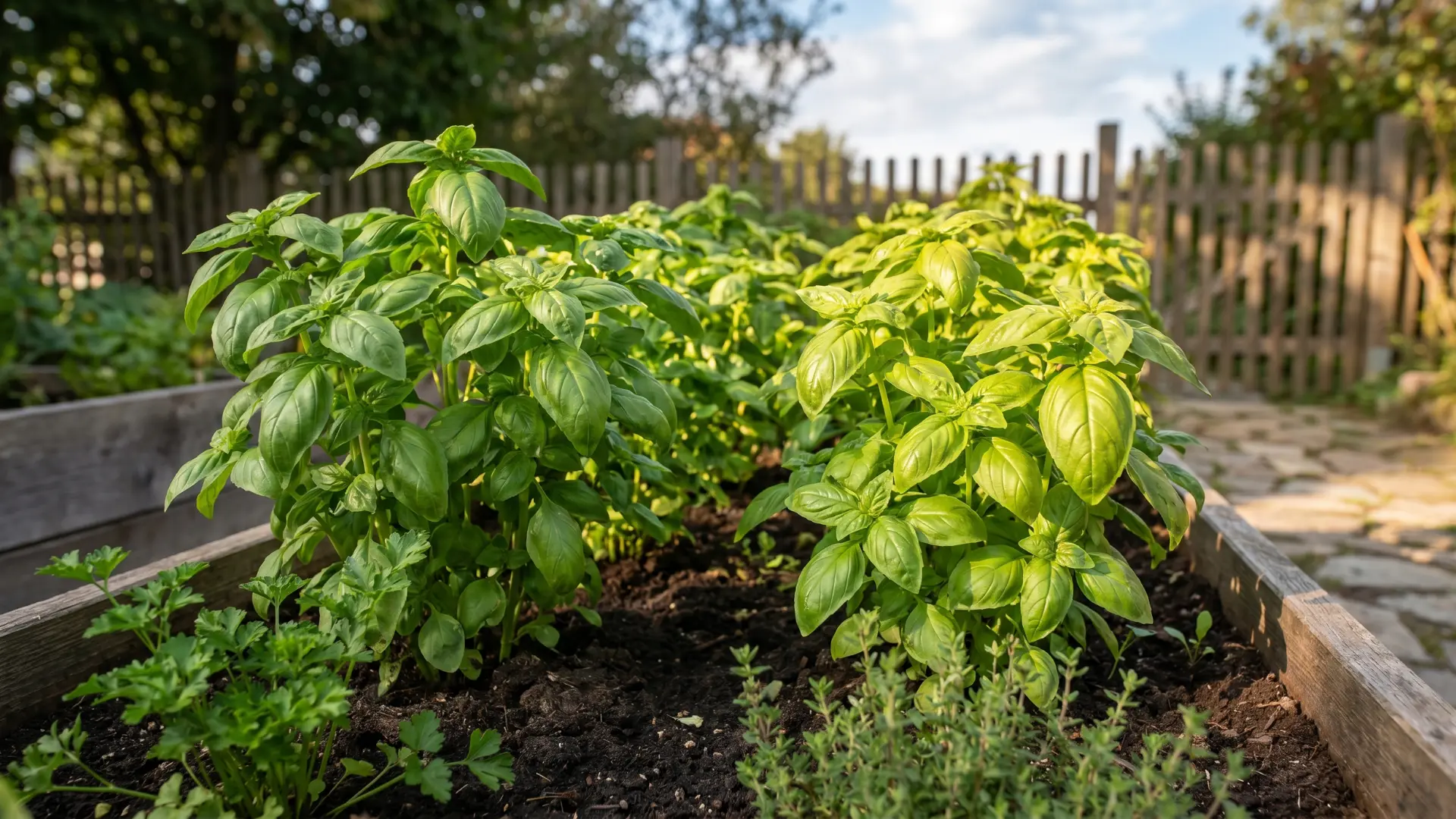
I’ve seen people think basil needs nothing but full, unfiltered sunlight to thrive. The reality is more nuanced, and failing to consider environmental factors can lead to disappointing results. Basil does need 6–8 hours of direct sunlight, but in extreme heat, overexposure can quickly damage it. Those growing basil in the sweltering heat of the South or Southwest know this firsthand: afternoon scorch is a serious risk. While basil thrives in the right conditions, understanding its true sun needs and adapting to your climate makes all the difference. I’ll break down how to keep your basil healthy and thriving, no matter where it grows. Does Basil Need Full Sun to Thrive? Basil grows best in full sun and needs at least 6–8 hours of direct sunlight daily. Without enough light, stems become weak, and flavor fades noticeably. Sunlight also drives oil production in basil. Those natural oils create the strong aroma and rich flavor the plant is known for. Note: More sunlight usually means stronger flavor and faster growth. Consistent light also helps basil produce larger leaves. In low-light conditions, the plant stretches toward available light instead of focusing on healthy foliage. When planning your garden layout, full sun means: A bright outdoor spot with direct sunlight Or a south-facing window indoors with several hours of strong light Basil Sunlight Requirements Daily Sunlight What Happens to Basil 6–8 Hours Fast growth, strong flavor, large leaves 4–5 Hours Slower growth and weaker flavor Under 4 Hours Leggy stems, pale leaves, poor growth Indoors, most windows do not provide true full sun throughout the day. If natural light is limited, a grow light running for 14–16 hours helps basil stay healthy and productive. How does Basil Perform in Extreme Climates Most basil growing guides treat full sun as a universal rule. The […]

Get the latest home decor tips, DIY ideas, and design inspiration delivered straight to your inbox.