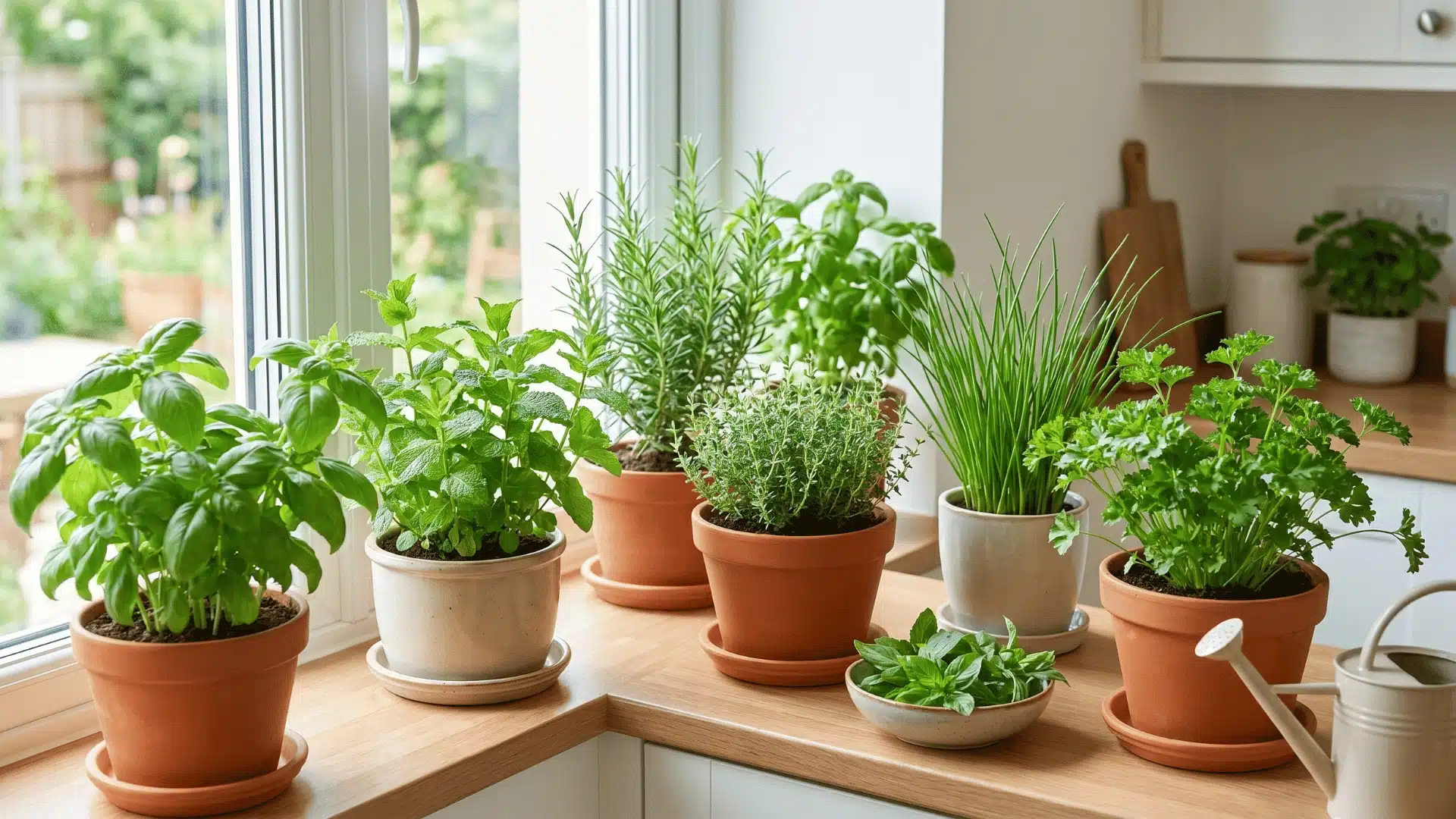



Basil is one of the easiest and most rewarding herbs anyone can grow at home.
Fresh basil straight from the garden instantly upgrades everyday cooking, from pasta sauces to salads and everything in between. Yet many people still struggle with it.
Knowing how to plant basil the right way, understanding basil germination time, and giving it the right conditions from the start are what separate a thriving plant from a disappointing one.
Why Basil is One of the Best Herbs to Grow at Home
Basil is one of the best herbs to grow at home because it gives beginners a quick win. It grows fast, needs very little fuss, and rewards you with fresh leaves within weeks.
- It grows quickly: Basil seedlings can break through within days, and established plants often grow fast in a warm, sunny spot.
- It is easy to maintain: Regular watering, good sunlight, and a light monthly feed are usually enough to keep basil healthy.
- It responds well to pruning: Pinching the top leaves every week or two helps the plant grow bushier instead of tall and thin.
- It tastes better fresh: Grocery-store basil is convenient, but homegrown basil has better flavor because you harvest it right when you need it.
- It saves money over time: One healthy basil plant can give you fresh leaves for months, which can cost less than buying small packs repeatedly.
Growing Basil Indoors vs. Outdoors: What to Know Before Planting
Basil can grow well indoors or outdoors, but each setup needs different care. The right choice depends on your light, space, weather, and how much basil you want to harvest.
| Factor | Indoors | Outdoors |
|---|---|---|
| Best Season | Can grow year-round with enough light and warmth | Grows best from spring through autumn after the last frost |
| Light Needs | Needs 6 to 8 hours of sunlight or strong grow lights | Needs 6 to 8 hours of direct sun each day |
| Flavor | Usually milder if the light is weak or filtered | Often stronger because of direct sunlight |
| Planting Time | Start seeds 4 to 6 weeks before the last frost | Plant after the last frost when nights stay warm |
| Soil | Use light, well-draining potting mix | Use light, well-draining garden soil |
| Pot or Spacing | Use at least an 8-inch pot | Space plants about 12 inches apart |
| Plant Choice | Seeds offer variety, but starter plants grow faster | Starter plants are easier, while seeds offer more variety |
| Best For | Small spaces, cooler climates, and kitchen growing | Bigger harvests, stronger flavor, and warm weather |
How to Plant Basil Seeds: Step-by-Step Process
Basil is simple to start from seed. What trips most people up isn’t difficulty; it’s doing the right things in the wrong order.
Step 1: Prepare the Soil
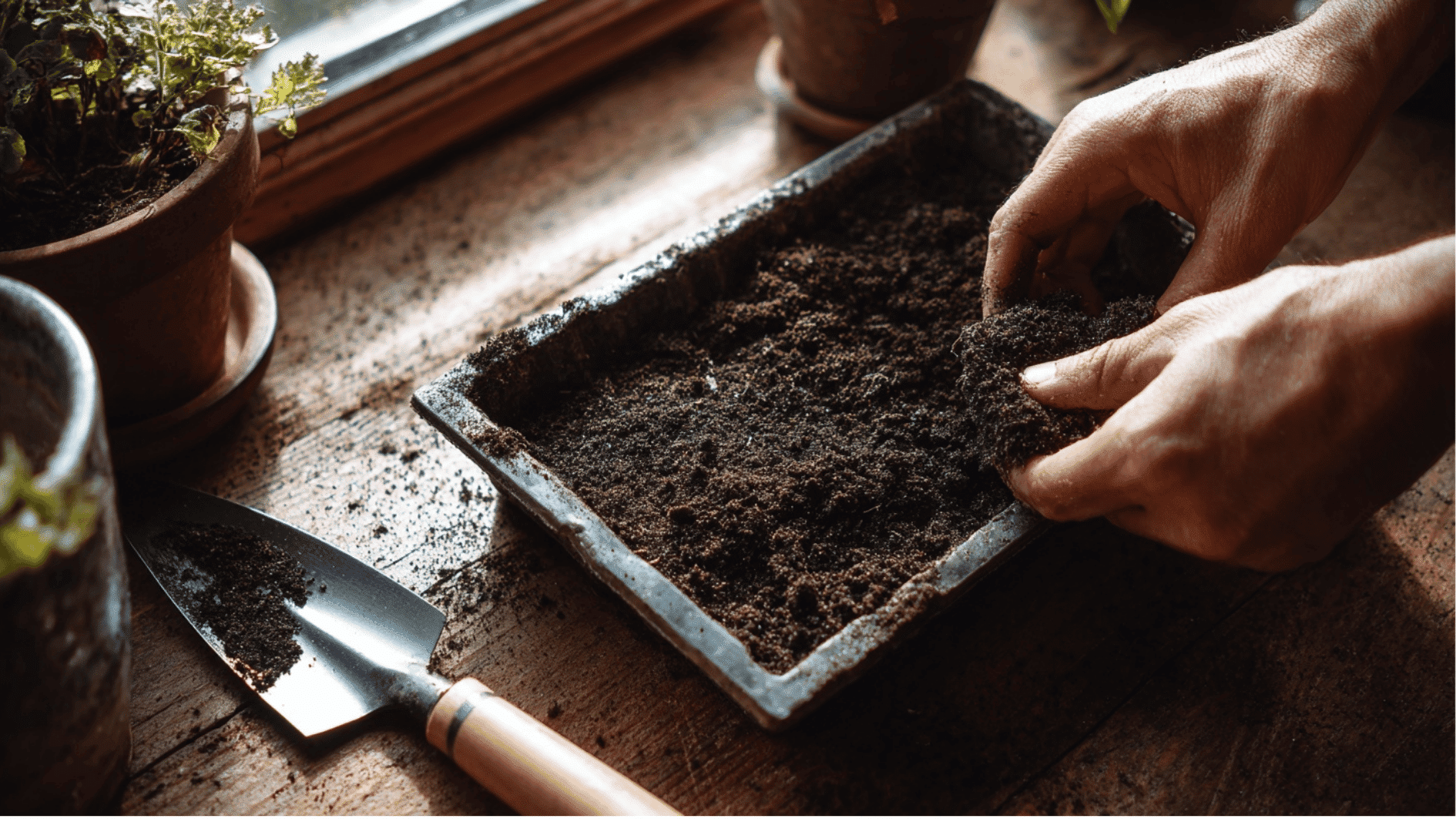
This step gets rushed more than any other, and the consequences show up in uneven germination later. Moisten the potting mix before placing seeds, since watering after washes them around and pushes them too deep.
Press lightly to remove air pockets. Good soil preparation creates even moisture around each seed, which leads to consistent sprouting later.
Step 2: Plant the Seeds Properly
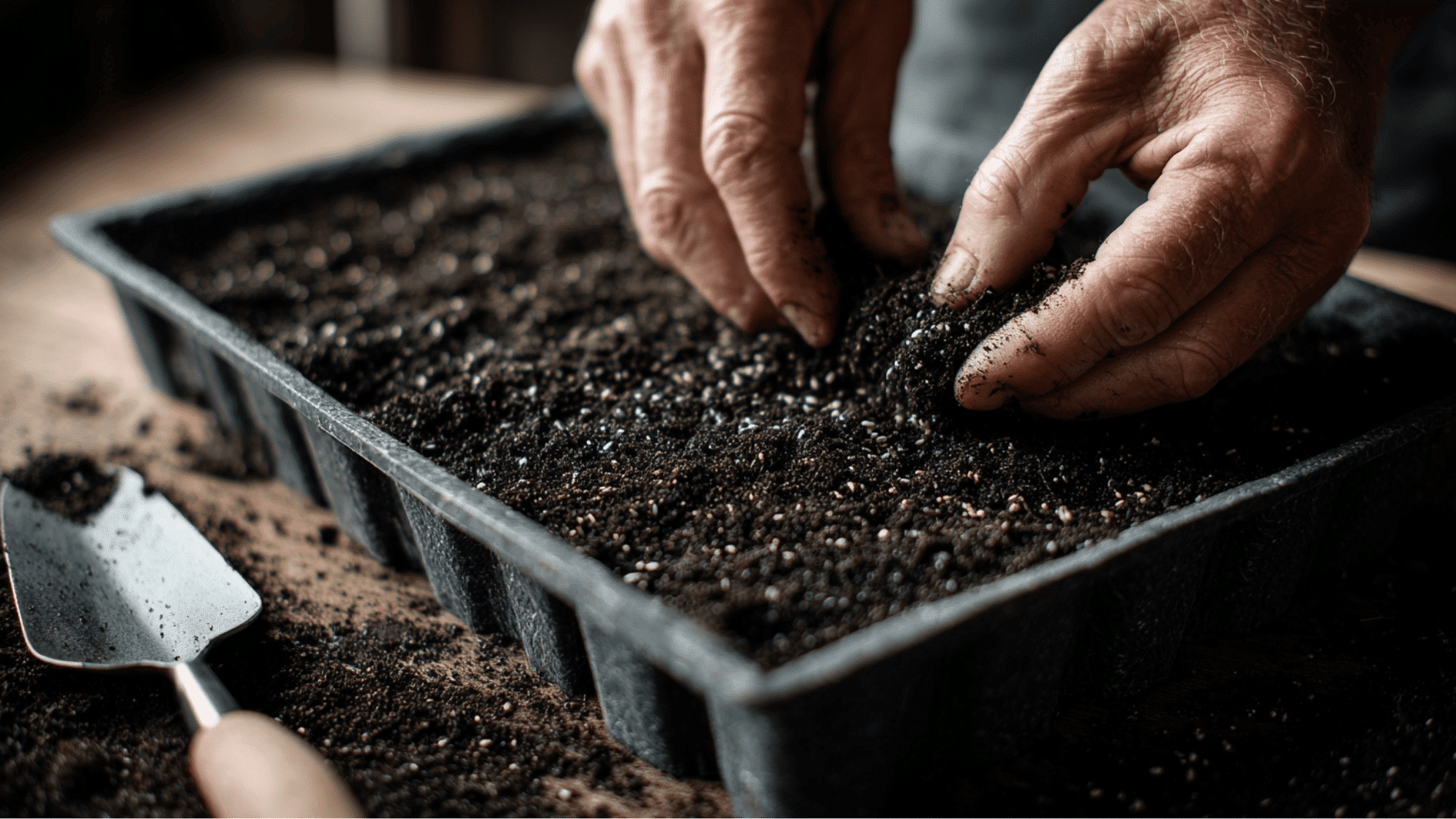
Sow at ¼ inch depth. Any deeper, and the needs exhaust themselves, reaching the surface.
Scatter lightly rather than clump, and press a thin soil layer over the top for direct contact between the seed and the soil. Shallow planting matters because basil seedlings have limited energy before they reach sunlight.
Step 3: Water the Soil Lightly
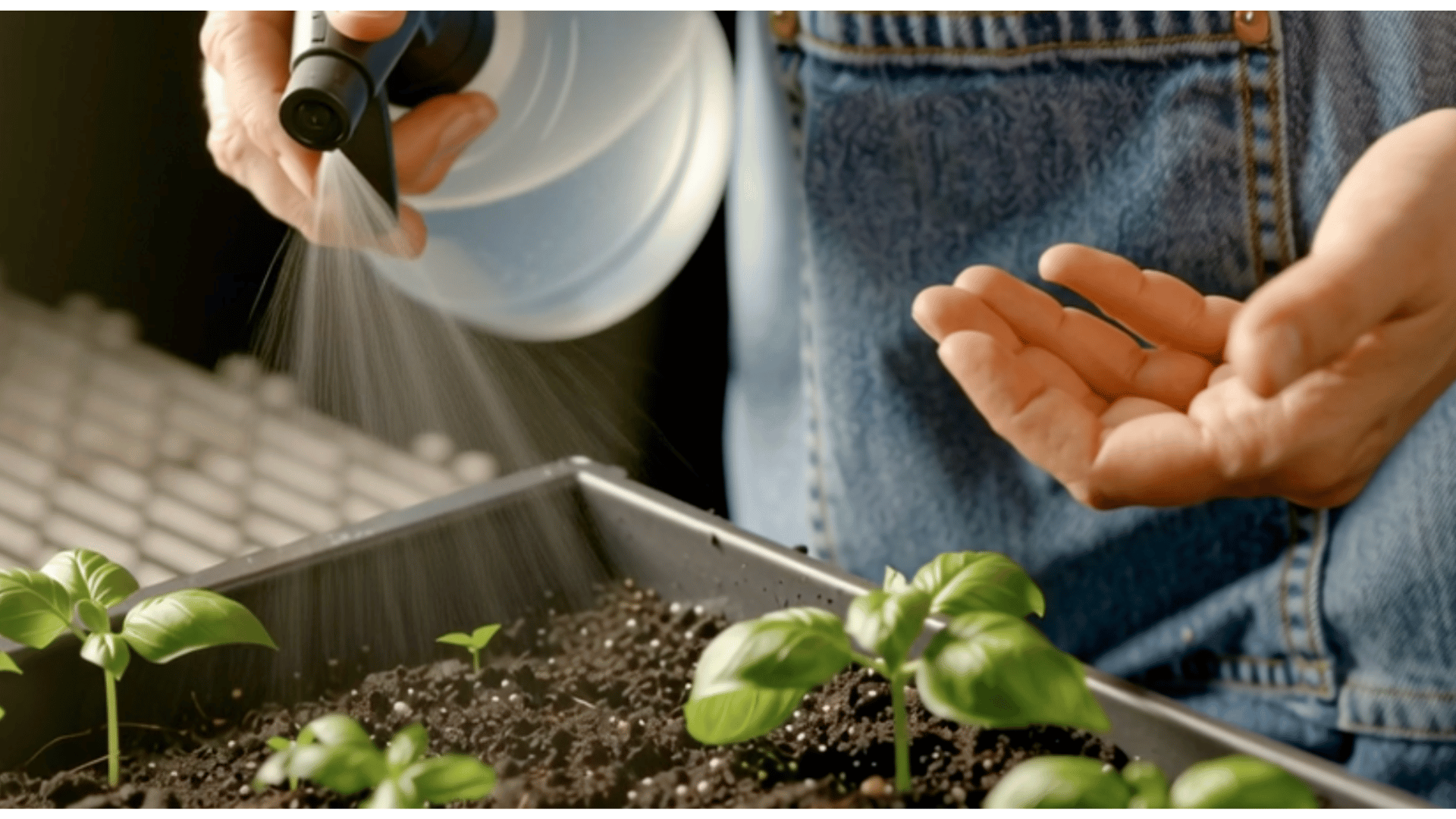
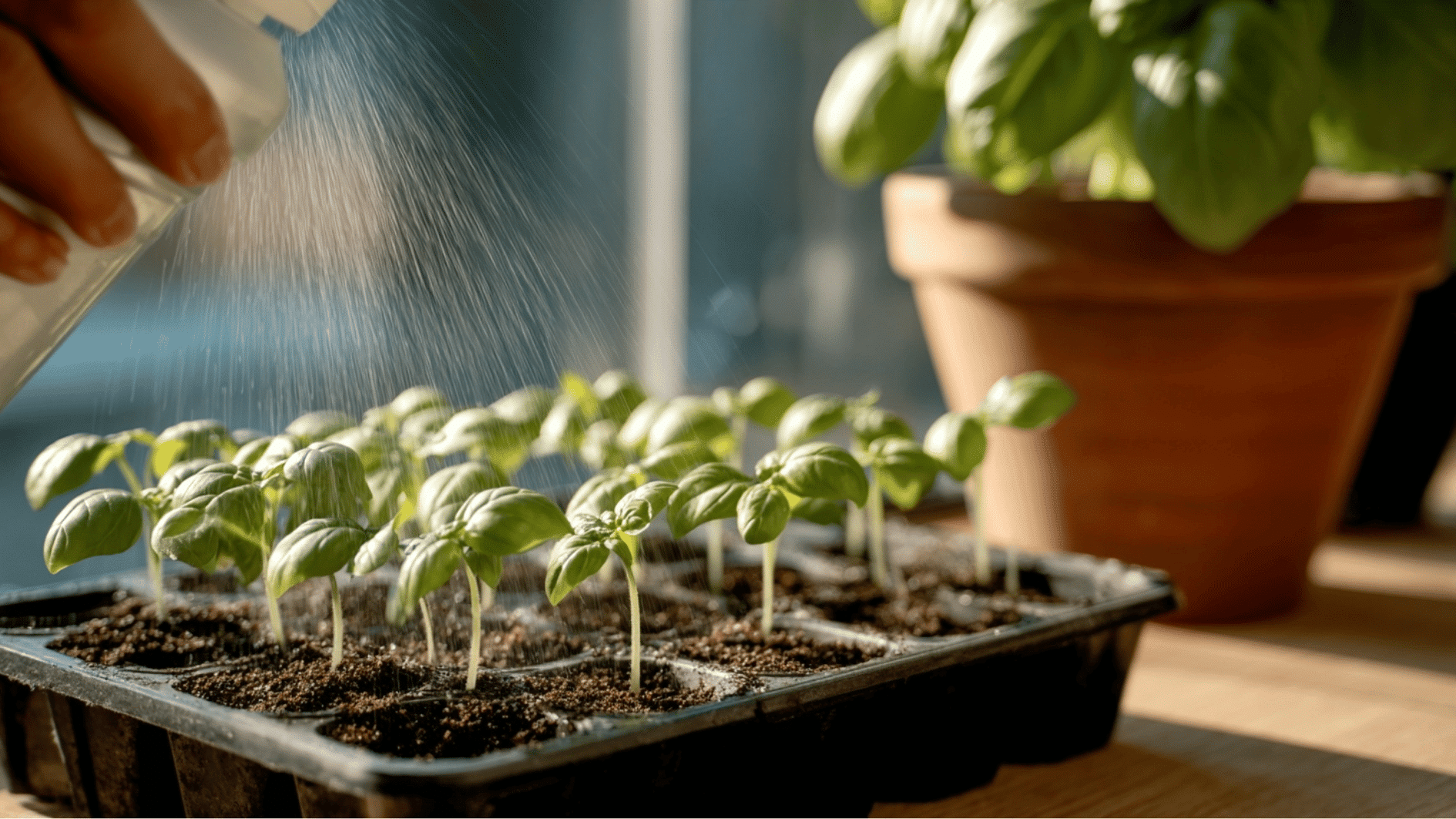
The temptation is to give seeds a proper watering to get things going. That’s exactly what kills most of them. Use a spray bottle or fine-head watering can. Soil should feel like a wrung-out sponge, not wet.
Cover with plastic wrap and remove it the moment seedlings emerge to prevent mould. Too much water this early causes more failed germination than underwatering ever does.
Step 4: Place Basil In Warm Sunlight
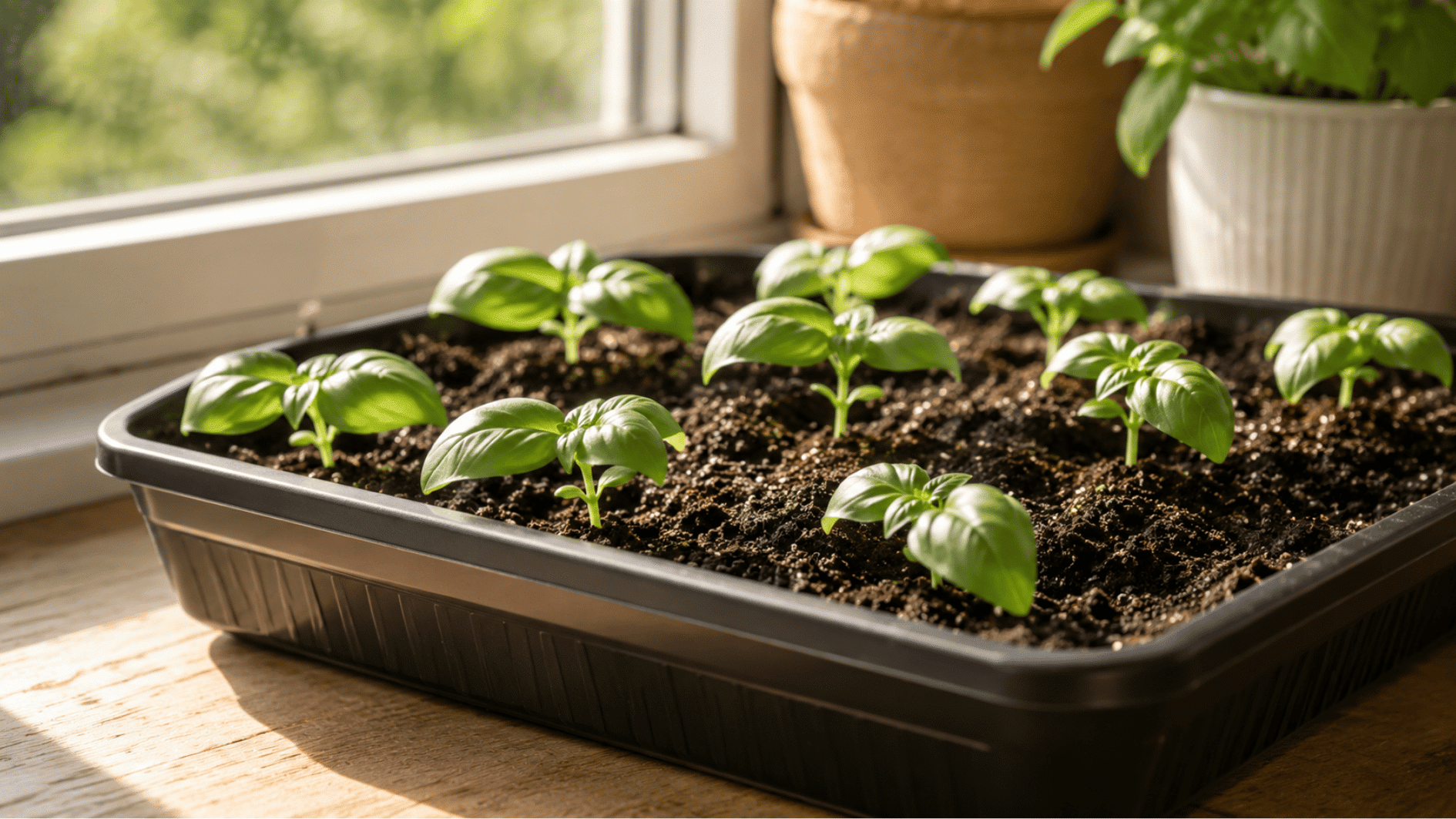
Most people find a bright spot and assume that covers it. At the germination stage, warmth does more of the work than light. A windowsill above a heat source gives warmth from below and light from above.
Seeds in a cold, bright spot sit dormant for weeks. Warmth speeds up germination, while light becomes more important after the seedlings emerge.
Step 5: Thin Out Seedlings
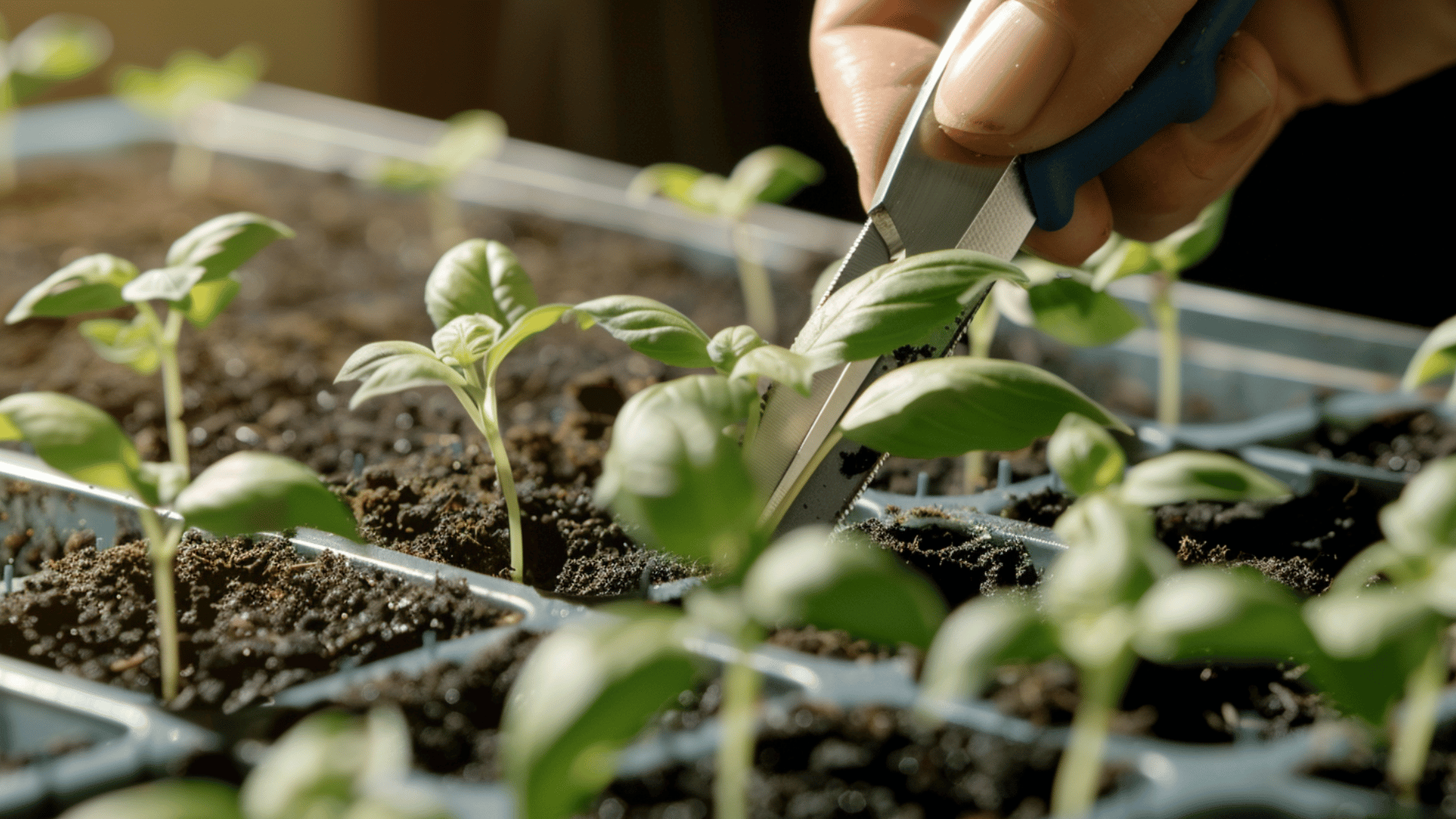
Skipping this results in a pot full of small, struggling plants rather than one or two strong, productive ones.
Once seedlings reach 2 to 3 inches tall and have a second set of leaves, snip the weaker ones at the soil level with scissors.
Basil Germination Timeline
Basil germination time is 5 to 10 days under the right conditions. Knowing what to expect at each stage removes most of the uncertainty from the process.
| Timeline | What Happens | Care Tip |
|---|---|---|
| Days 1–3 | The seed absorbs moisture and swells underground; nothing is visible yet. | Hold back on watering, even if it feels like nothing is happening. |
| Days 4–6 | A small, curved sprout begins to push through the soil. | Leave the soil alone; the seedling is still extremely fragile. |
| Days 7–10 | Seedling straightens, and the first seed leaves open fully. | Give it steady light, and the plant is now feeding from it. |
| After Day 10 | No growth usually means the the soil was too cold or too wet, or the that the seeds were old. | Replant with fresh seeds in properly warmed soil. |
| True Leaves Appear | Seedling is stronger and ready for more. | Begin thinning, light feeding, and regular watering. |
When and How to Harvest Basil
Basil is ready to harvest once the plant looks full and healthy. Picking it often helps the plant grow bushier instead of tall and weak.
The best time to harvest is in the morning, after the dew dries but before the heat gets strong. Start harvesting at 6 to 8 inches tall when the plant has several sets of leaves.
How to do it:
- Pick from the top first to help the plant grow fuller.
- Cut just above a leaf pair using clean scissors or your fingers.
- Do not remove more than one-third of the plant at one time.
- Pinch off flower buds early because flowering can make basil taste bitter.
- Use fresh basil right away or store stems in a glass of water for a few days.
Common Basil Growing Problems
Most basil problems build slowly from one small, unnoticed mistake. Knowing what actually caused the problem makes the difference between a quick fix and a lost plant.
- Yellowing with soggy soil almost always points to overwatering. Saturated roots cannot absorb nutrients properly, even when they are present in the soil.
- Yellowing with dry soil suggests a nitrogen deficiency. A balanced liquid fertilizer applied every 3 to 4 weeks usually corrects this within a couple of weeks.s
- Pale yellowing across the whole plant, rather than isolated leaves, signals insufficient light. The plant is producing less chlorophyll because it simply does not have enough s.un
- Wilting that does not respond to watering and occurs alongside yellowing leaves is a strong indicator that root damage has already occurred, and the soil needs investigation.
Conclusion
Basil is genuinely one of the easiest herbs a beginner can grow, and most people who struggle with it are usually one small adjustment away from getting it right.
Sunlight, watering, and regular harvesting aren’t complicated once the reasoning behind each one is understood.
Knowing how to plant basil correctly and understanding its germination time removes most of the guesswork from the process. A single well-tended plant can keep producing fresh leaves for months.
That’s the part most people don’t expect and the part that makes it worth growing in the first place.
Frequently Asked Questions
Can Basil Be Grown from Supermarket Plants?
Most supermarket basil pots contain several overcrowded seedlings, packed together to make them look full on the shelf. Separating them into individual pots with fresh soil and proper light often revives them into healthy, productive plants.
Can Basil Be Propagated from Cuttings?
A healthy 4-inch stem with lower leaves removed, placed in a glass of water, produces visible roots within 1 to 2 weeks. Once the roots reach about an inch, the cuttings are placed in the soil and grow into a full plant.
Is Basil Safe for Pets?
Sweet basil is non-toxic to cats and dogs according to most veterinary organizations. Large quantities can cause mild digestive upset, but occasional contact is not a concern.
Can Basil Survive Winter Indoors?
Basil slows considerably as daylight hours shorten. A grow light running 10 to 12 hours daily keeps the plant productive through colder months.