

I’ve seen people think basil needs nothing but full, unfiltered sunlight to thrive. The reality is more nuanced, and failing to consider environmental factors can lead to disappointing results.
Basil does need 6–8 hours of direct sunlight, but in extreme heat, overexposure can quickly damage it.
Those growing basil in the sweltering heat of the South or Southwest know this firsthand: afternoon scorch is a serious risk.
While basil thrives in the right conditions, understanding its true sun needs and adapting to your climate makes all the difference.
I’ll break down how to keep your basil healthy and thriving, no matter where it grows.
Does Basil Need Full Sun to Thrive?
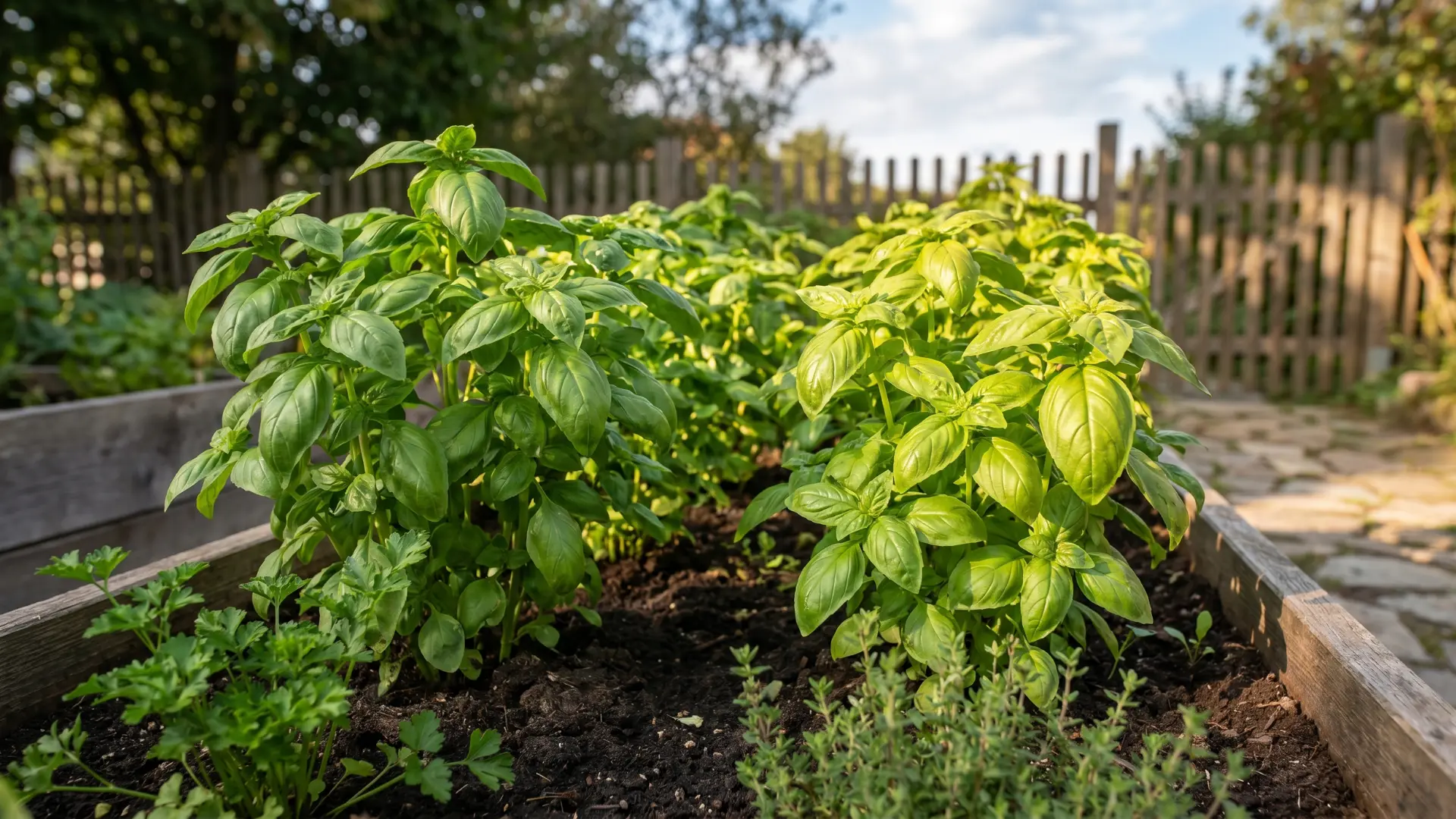
Basil grows best in full sun and needs at least 6–8 hours of direct sunlight daily. Without enough light, stems become weak, and flavor fades noticeably.
Sunlight also drives oil production in basil. Those natural oils create the strong aroma and rich flavor the plant is known for.
Note: More sunlight usually means stronger flavor and faster growth.
Consistent light also helps basil produce larger leaves. In low-light conditions, the plant stretches toward available light instead of focusing on healthy foliage.
When planning your garden layout, full sun means:
- A bright outdoor spot with direct sunlight
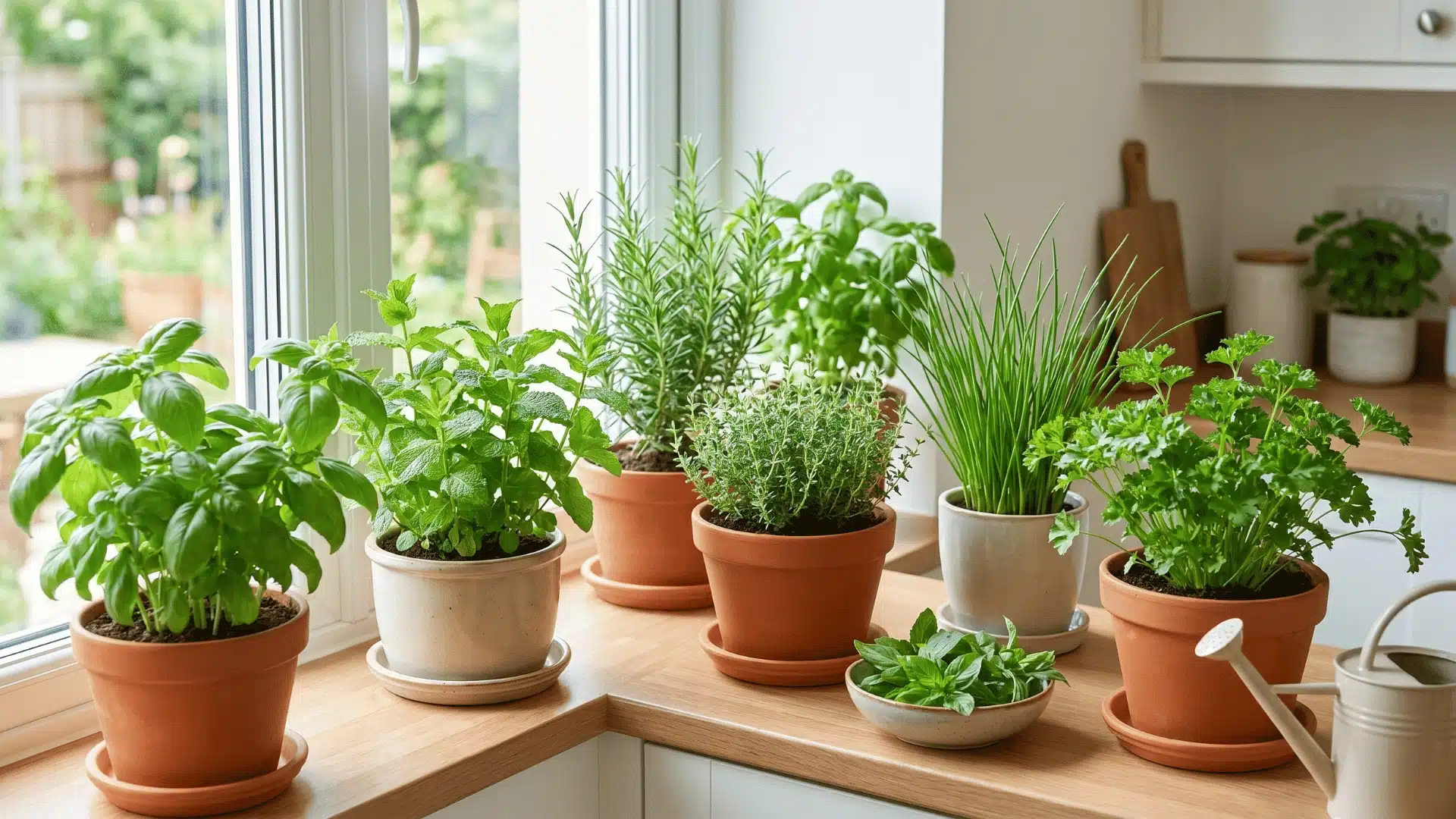
- Or a south-facing window indoors with several hours of strong light
Basil Sunlight Requirements
| Daily Sunlight | What Happens to Basil |
|---|---|
| 6–8 Hours | Fast growth, strong flavor, large leaves |
| 4–5 Hours | Slower growth and weaker flavor |
| Under 4 Hours | Leggy stems, pale leaves, poor growth |
Indoors, most windows do not provide true full sun throughout the day. If natural light is limited, a grow light running for 14–16 hours helps basil stay healthy and productive.
How does Basil Perform in Extreme Climates
Most basil growing guides treat full sun as a universal rule. The problem is that heat changes how basil responds to sunlight.
When Basil Struggles in Extreme Heat
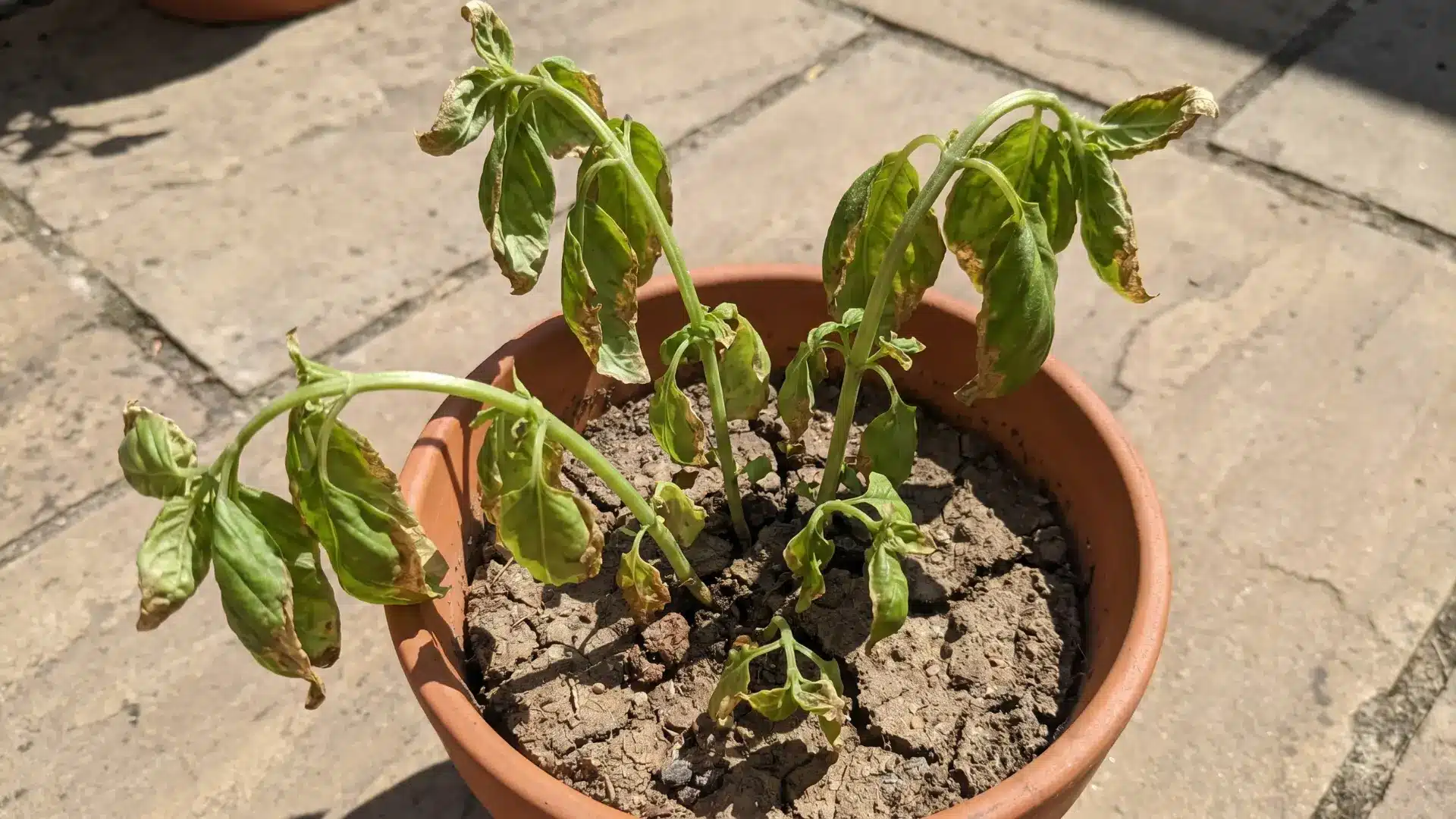
Like growing summer squash, basil loves warm weather, but it has its limits. Once temperatures consistently rise above 90°F (32°C), intense midday and afternoon sun can begin to damage the plant rather than help it grow.
Many gardeners notice the plant looks healthy in the morning, but is stressed by mid-afternoon.
This is especially common in:
- USDA zones 9–11
- Summer heat waves in zones 7–8
- Areas with intense afternoon sun and dry soil conditions
Effects of Extreme Sun Exposure on Basil
- Leaves turn yellow: Basil can’t take in enough water and nutrients.
- Leaves curl up: A defense mechanism to minimize surface area and reduce water loss.
- Brown, crispy edges: Scorching from intense heat that doesn’t recover.
- Stems weaken: Becoming limp and unable to support the plant properly.
- Early flowering: Stress-induced blooming that drains energy from the plant.
When Basil Struggles in Extreme Cold
Basil is a heat-loving plant, and temperatures below 50°F (10°C) can quickly halt growth. In frost-prone climates, cold can eventually kill it, which is why basil is grown as an annual in cooler regions.
Extreme cold shows clearly: leaves darken or blacken, edges become limp or water-soaked, stems weaken, and growth slows or stops.
The plant may flower early in response to stress, diverting energy from leaves. To protect basil, plant after the last frost and bring it indoors or use a greenhouse when temperatures drop.
Basil Sun Requirements by Climate
Basil grows differently depending on the climate. Many gardeners focus on sunlight, but heat, humidity, and soil moisture also impact basil’s growth and vary by location.
Hot Climates (Daytime highs over 90°F / 32°C)
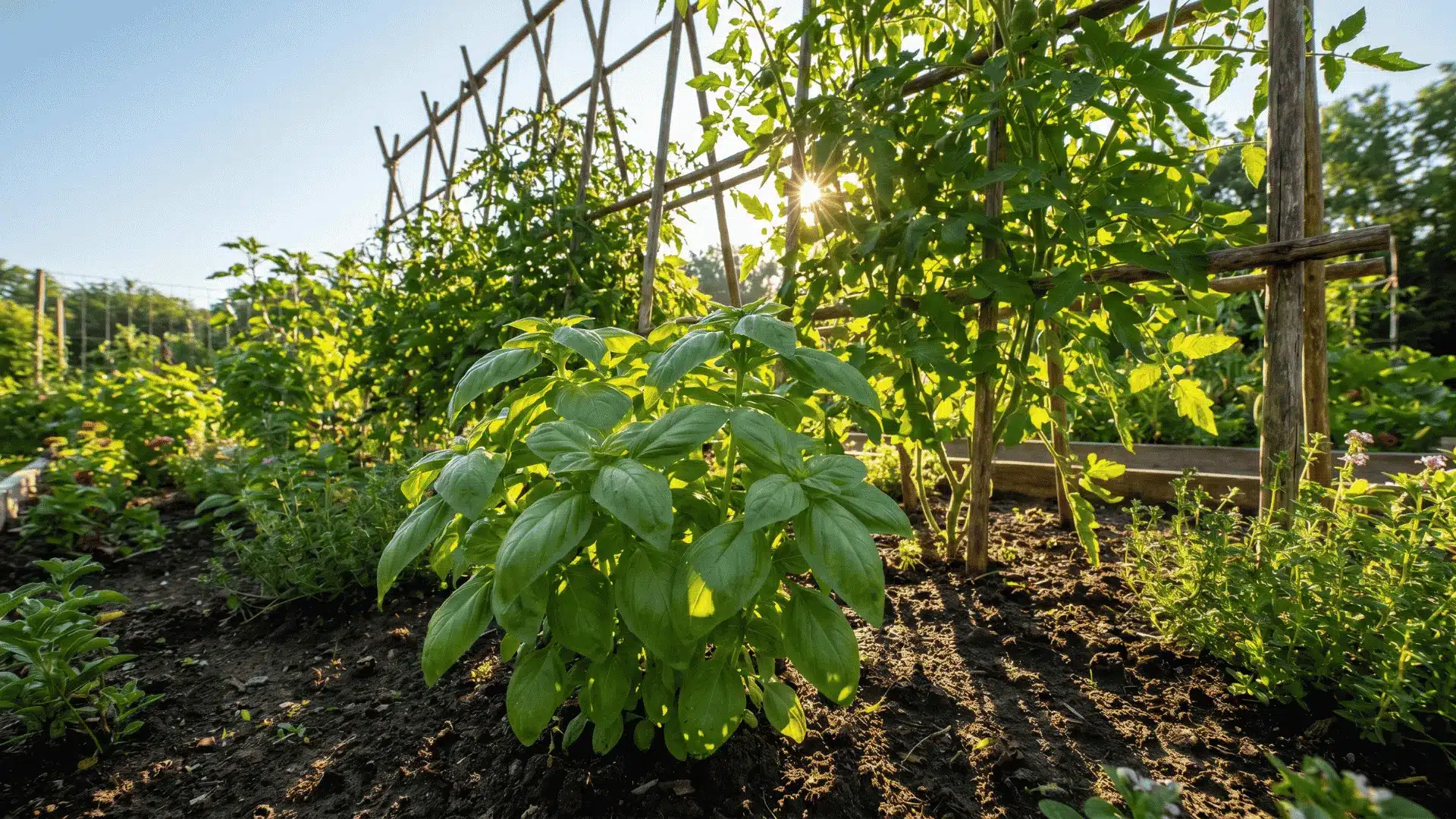
Basil struggles in regions such as Texas, Arizona, Florida, and Southern California. Intense midday and afternoon sun, along with constant heat, can damage the plant.
| Challenge | Solution |
|---|---|
| Intense afternoon sun | Move containers away from the afternoon heat; provide partial shade |
| Soil dries quickly | Mulch around in-ground plants; water early morning, not midday |
| Leaves wilt by noon | Check soil moisture daily; move the plant if needed |
| Afternoon heat stress | Morning sun plus afternoon protection works best; east-facing spots or taller plants help |
With these adjustments, basil can thrive even in hot climates, producing healthy leaves throughout the growing season.
Basil Care in Cooler Climates (Short Growing Seasons, Limited Sunlight)
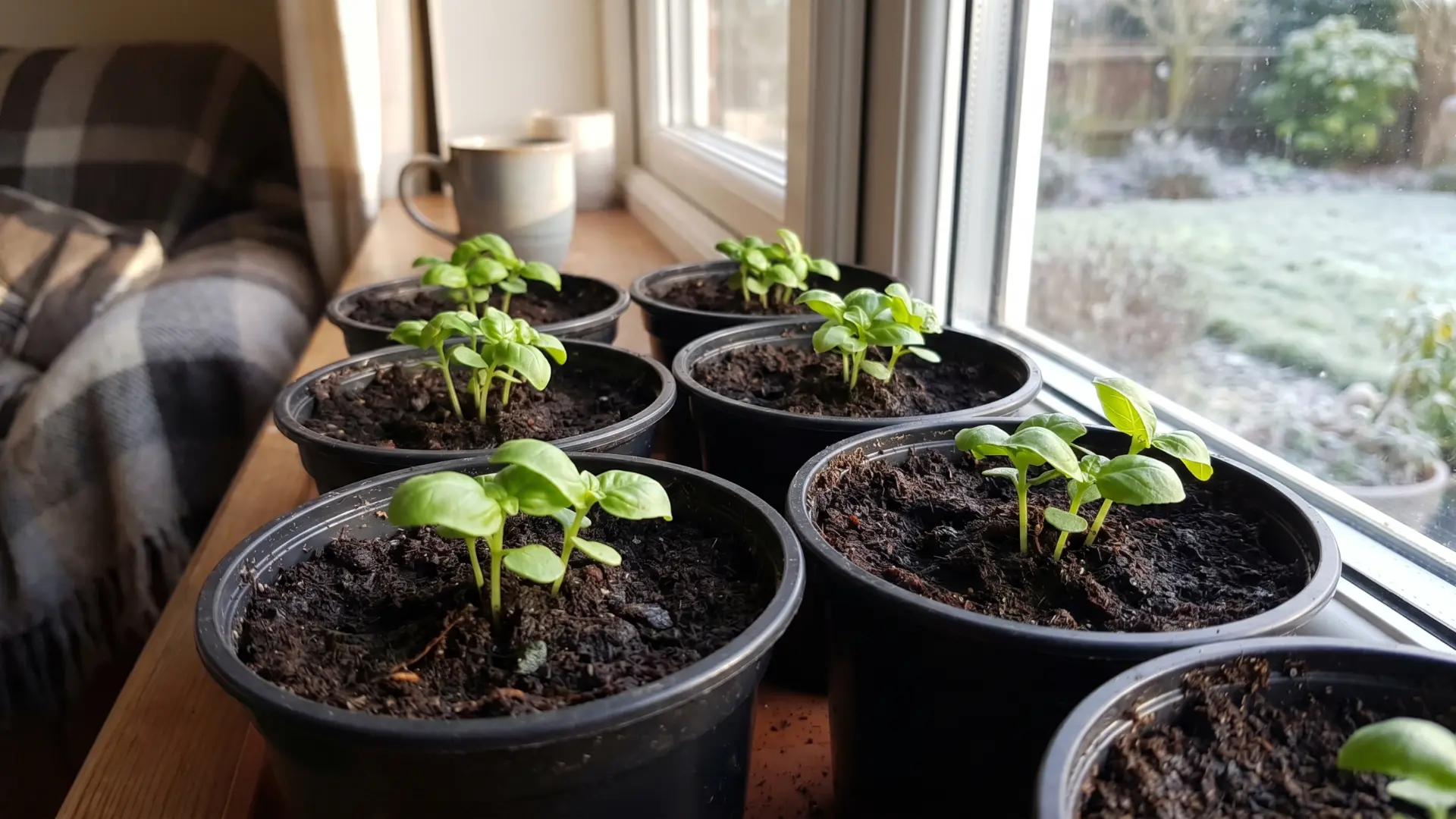
In regions like the Pacific Northwest, Upper Midwest, New England, and Canada, basil faces shorter growing seasons and limited sunlight rather than heat stress.
| Challenge | Solution |
|---|---|
| Short growing season | Start basil indoors before spring |
| Frequent cloudy days | Use the sunniest south-facing spot |
| Cool soil temperatures | Wait until the soil warms above 60°F |
| Slow early growth | Use dark containers to retain warmth |
Tip: In cooler climates, more sunlight is almost always better for basil.
Conclusion
Basil grows best with plenty of sunlight, but the right setup depends on your climate. Cooler regions can usually provide full sun all day, while hotter areas often need afternoon protection to prevent stress and leaf scorch.
Pay attention to how your plant responds to heat, adjust sunlight exposure when needed, and basil will reward you with stronger growth and better flavor throughout the season.
Frequently Asked Questions
Does basil need full sun to grow?
Yes. Basil needs 6–8 hours of direct sun daily. Less than that, and it grows slowly, produces fewer leaves, and loses the oils that give it flavor.
Can basil get too much sun?
Yes, especially in hot climates. Intense afternoon sun above 90°F causes wilting and leaf scorch. Morning sun plus afternoon shade prevents this while keeping flavor strong.
How do I know if my basil is getting too much sun?
Look for leaves curling inward, crispy brown edges, or stems that go limp by midday but recover overnight. These are early signs of heat stress; add afternoon shade before full scorch sets in.
Can basil grow in partial shade?
It can survive for 4–5 hours, but growth slows, and flavor weakens noticeably. Partial shade works better in hot climates as a protective measure, not as a preferred growing condition.