
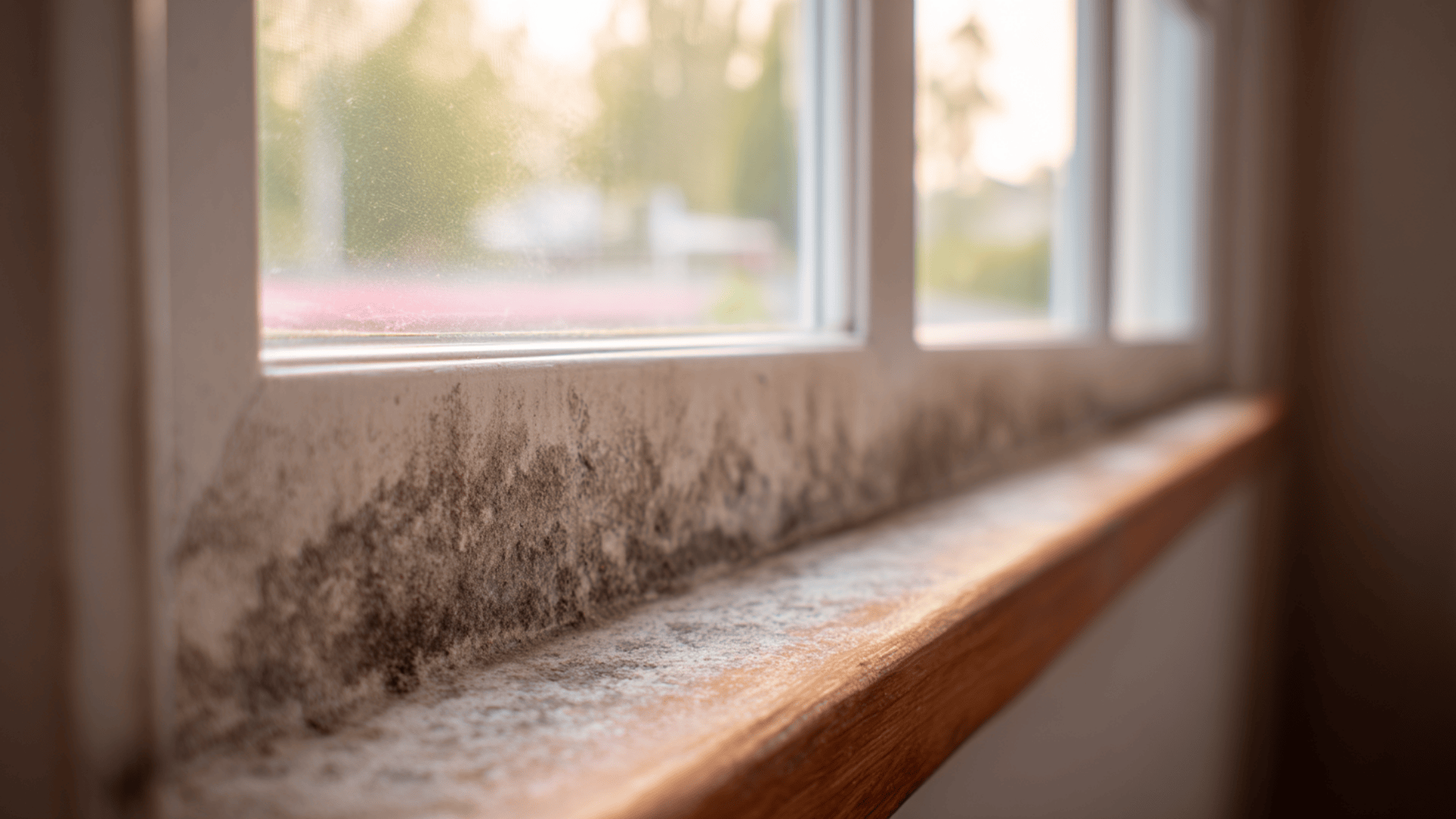




Mold on windows is more common than most people think, especially when moisture and poor ventilation meet.
If you’ve ever noticed small dark spots or a musty smell near your window frame, you might be dealing with box mold on a window sill. It doesn’t just look bad; it can also damage your woodwork and affect indoor air quality over time.
The good news is, it’s easy to control once you understand what’s causing it.
In this post, I’ll walk you through what box mold really is, why it appears, how to clean it safely, and what you can do to keep it from coming back.
What is Box Mold on a Window Sill?
When people talk about “box mold,” they usually mean a patchy mold growth that spreads in a box-like or rectangular shape along the edges of a window sill. It’s not a special type of mold but rather how the mold pattern looks when moisture collects in those corners or seams.
In my experience, this kind of mold shows up when water or condensation sits too long on wood or paint. It can grow on both the surface and inside tiny cracks, feeding on dust, dirt, or bits of organic material trapped there.
Box mold can look similar to black mold or mildew, but there’s a small difference.
- Mildew tends to stay light in color and flat, often gray or white.
- Black mold (Stachybotrys chartarum) is darker, thicker, and can signal a deeper moisture problem.
The most common molds you’ll see on window sills are Cladosporium, Aspergillus, and Penicillium. These types thrive anywhere damp air meets cold surfaces, like around glass panes, wood trim, or caulking lines.
What Causes Mold on Window Sills?
- Poor ventilation and condensation: When air doesn’t move, moisture collects and turns into condensation. Open windows, use exhaust fans, or add a small dehumidifier to keep the area dry.
- Leaky windows and damaged frames: Cracked seals or loose caulking let water seep into wood and behind paint. Inspect and reseal your windows yearly to stop hidden moisture buildup.
- High humidity and temperature changes: Warm indoor air meeting a cold window creates condensation. Keep humidity around 40–50% and add weatherstripping or insulated curtains to balance temperature.
- Organic matter buildup (dust, dirt, paint flakes): Mold feeds on trapped debris and dust. Wipe window sills regularly with mild soap and water to remove buildup before mold can grow.
How to Safely Remove Mold from a Window Sill
Cleaning mold takes care and the right products. I’ve done this a few times, and safety always comes first.
Step 1: Prepare the Area

Remove any items near the sill, open nearby windows for airflow, and wear gloves and a mask to protect yourself from spores.
Step 2: Choose the Right Cleaner

Bleach: Best for painted wood, vinyl, or metal surfaces.
Vinegar: Works well on raw or unpainted wood since it penetrates deeper.
Hydrogen peroxide: Great odor-free option that kills mold on most surfaces.
Step 3: Apply and Wait
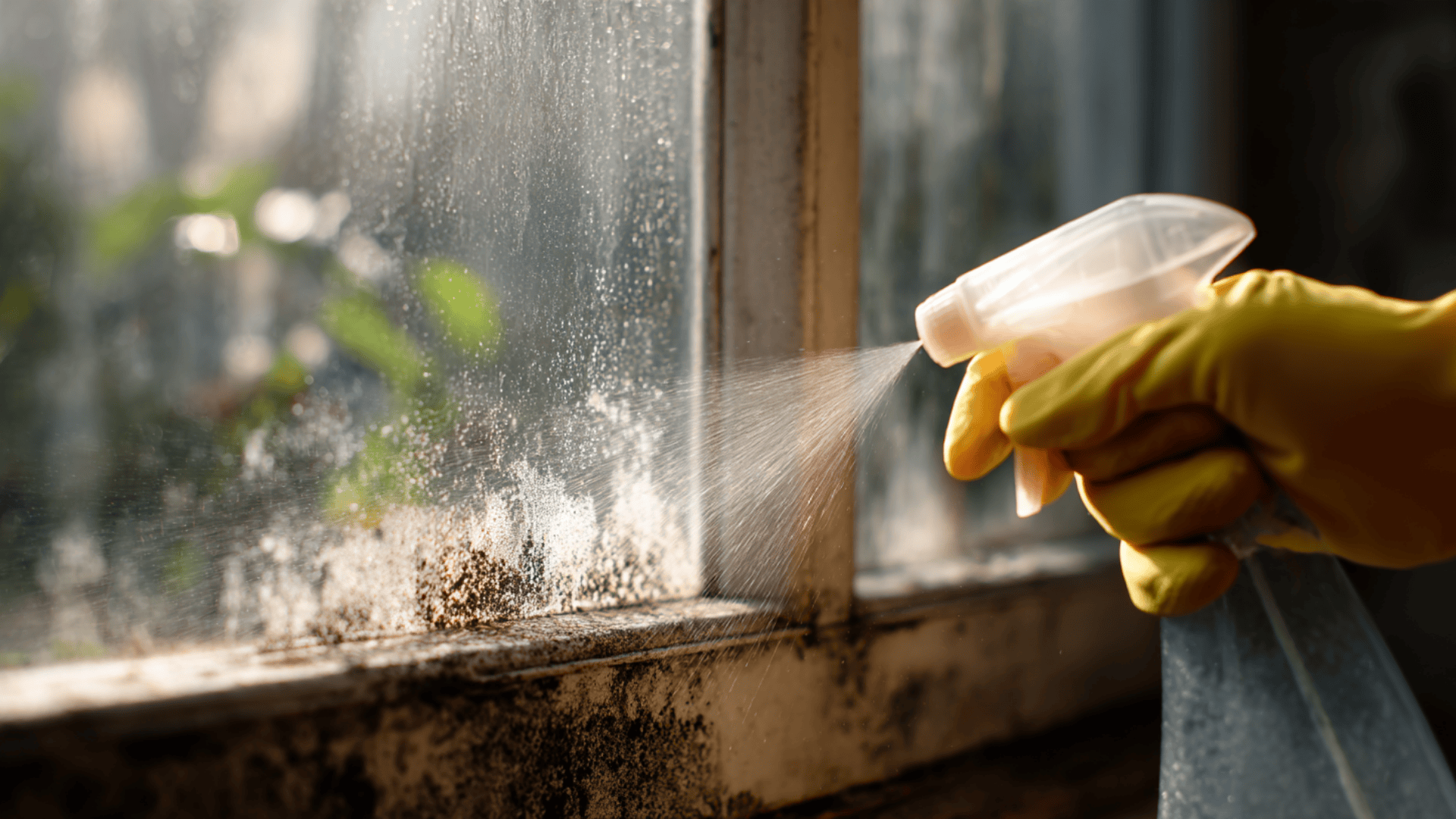
Spray or wipe your chosen solution onto the moldy spots. Let it sit for 5 to 60 minutes, depending on the cleaner.
Step 4: Scrub Gently and Dry

Use a soft brush or cloth to scrub the area. Wipe everything clean and make sure the sill is completely dry before closing the window.
Step 5: Dispose Safely

Throw away used cloths or sponges in a sealed bag so mold spores don’t spread around your home.
⚠️ Caution: Never mix cleaning solutions like bleach and vinegar; they can release toxic fumes. Keep the space ventilated, wear protective gear, and wash your hands after cleaning.
Is Box Mold Dangerous?
I’ve seen a lot of people worry when they spot dark patches on their window sills, and that’s fair. Mold isn’t just unpleasant; it can affect your health if ignored.
Symptoms of mold exposure: Some people notice sneezing, coughing, or itchy eyes after spending time near mold. Others might feel stuffy or short of breath, especially if they have allergies or asthma.
How to identify toxic molds: Toxic molds like Stachybotrys chartarum (black mold) often look slimy or dark greenish-black. They may appear thicker than normal surface mold and usually form in damp, hidden areas.
Black Mold on Window Sill
If you spot black mold on your windowsill, don’t ignore it. This type often means moisture has been sitting there for a while. It usually looks dark, patchy, and sometimes slimy.
Clean it quickly with bleach or hydrogen peroxide, and make sure the area stays dry afterward. If the mold keeps returning or covers a large area, it’s safer to call a professional to check for hidden moisture or deeper damage
Preventing Mold from Coming Back
Once you’ve cleaned the mold, the goal is to stop it from returning. In my experience, prevention comes down to keeping things dry, sealed, and well-ventilated. Here’s how you can do that:
- Improve airflow and ventilation: Keep air moving around windows by opening them regularly or using fans. Good airflow helps moisture evaporate before it settles into the sill.
- Control humidity (use dehumidifiers, hygrometers): Mold thrives in humid air. Try to keep indoor humidity between 40–50%. A hygrometer helps you track levels, while a dehumidifier keeps dampness under control.
- Seal cracks and gaps: Even small gaps in caulking or window frames let moisture in. Check seals every few months and reseal with waterproof caulk if needed to block leaks.
- Wipe condensation daily: Condensation is one of the main causes of mold. Each morning, wipe away moisture from window panes and sills to keep the area dry.
- Upgrade to moisture-resistant windows: If you’re dealing with constant condensation, switching to double-pane or energy-efficient windows can help. They reduce temperature changes that cause water buildup.
Staying consistent with these small habits goes a long way. A few minutes of care each week can save you from dealing with mold all over again.
Best Mold Prevention Products and Tools
When I’ve dealt with window sill mold, the right products made all the difference. If you’ve already cleaned up the problem, these are my go-to picks to help keep it from coming back.
Gorilla Waterproof Silicone Sealant Caulk: A strong 100% silicone sealant that keeps moisture out of cracks and corners. It’s great for sealing window frames and lasts for years without yellowing.
MOLD ARMOR 100% Silicone Mold-Free Caulk & Sealant: Perfect if you’ve had recurring mold. It’s designed to resist mildew and works well in damp areas like bathrooms and window sills.
Behr Mold & Mildew Resistant Paint & Primer: If you’re repainting the area, this paint adds a layer of protection. It seals the surface and helps block moisture from sinking into wood or drywall.
DampRid Hanging Moisture Absorber: I like using this in humid rooms. It pulls extra moisture from the air and helps prevent condensation near windows during cold or rainy weather.
When to Call a Professional
Sometimes, even after cleaning, mold keeps coming back. I’ve noticed this usually means there’s a deeper moisture problem behind the surface. When that happens, it’s time to bring in an expert.
If you’re dealing with recurring mold after cleaning, chances are it’s growing inside the wall or window frame. A professional can use tools like moisture meters or infrared scanners to find the hidden source and treat it fully.
When wood damage or soft frames appear, cleaning won’t fix the problem. Soft or warped wood means the frame has started to rot, and you’ll likely need repair or replacement before sealing again.
If mold has spread to drywall or insulation, it’s not safe to handle on your own. Professionals can remove affected material and treat the area without spreading spores through the house.
Calling a licensed mold remediation specialist may sound like a big step, but it protects both your home and your health in the long run.
Wrapping Up
Dealing with box mold on a windowsill isn’t just about cleaning; it’s about understanding why it happens and preventing it for good.
In my experience, most mold problems start small, but they grow fast when moisture isn’t managed. Regular ventilation, quick cleanups, and the right sealants make a huge difference.
I also like to keep an eye on condensation during colder months since that’s when mold sneaks back.
If you’ve already taken steps to clean and protect your windows, you’re ahead of most homeowners. Stay consistent with maintenance, and your window sills will stay clean, dry, and mold-free all year long.








One Response