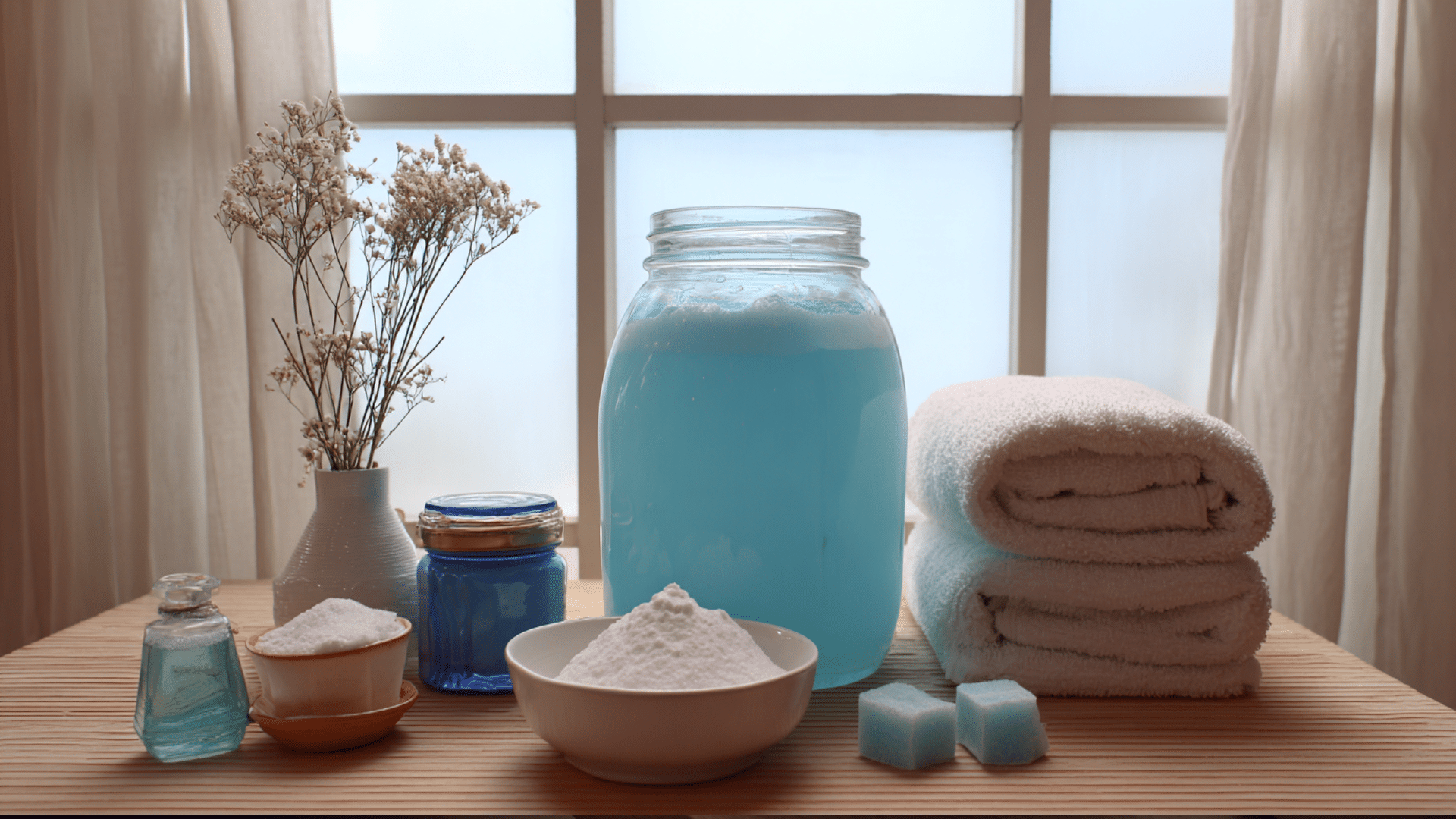




Have you ever thought about what’s really inside your laundry detergent? Many store-bought brands use harsh chemicals that can irritate your skin and harm the environment.
Making your own detergent is a simple, affordable, and eco-friendly alternative. It lets you use safe, natural ingredients that clean effectively without leaving toxic residues.
In this blog, you’ll find out why homemade detergent is worth the switch and how to make your own using gentle, sustainable ingredients.
Why Make Your Own DIY Laundry Detergent
Creating your own laundry detergent is an easy way to save money and reduce exposure to unnecessary chemicals.
You get full control over what goes into your wash, no synthetic fragrances, dyes, or irritants.
Homemade detergent uses natural ingredients that are tough on stains yet gentle on skin and fabrics. It’s a smart choice for anyone seeking a cleaner, greener laundry routine.
Beyond health benefits, DIY detergent also cuts plastic waste and reduces chemical pollution in waterways. It’s a small change that makes a big impact on your home and the environment.
DIY Laundry Detergent: Step-by-Step Guide
This quick guide walks you through every step using simple ingredients you may already have at home.
1. Gather Ingredients
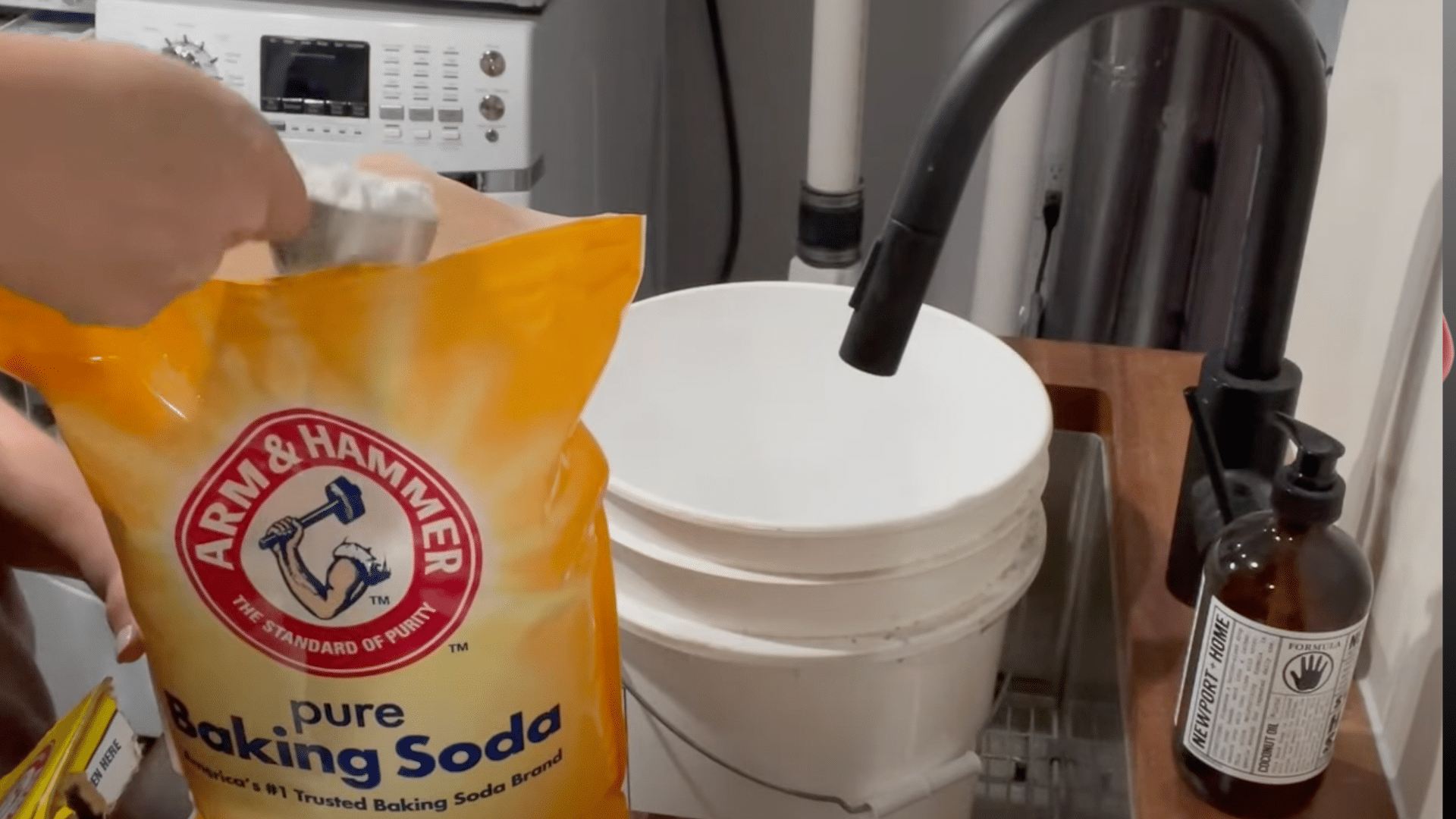
- Washing Soda: The Main cleaner that breaks down dirt, grease, and stains.
- Borax (optional): Boosts cleaning power and removes odors. Skip for a gentler mix.
- Baking Soda: Softens fabrics, removes smells, and is safe for sensitive skin.
- Soap Bar or Flakes: Core cleaning base. Use grated Castile, Fels-Naptha, or pure soap flakes.
- Grater: Used to shred soap bars before mixing.
- Mixing Bowl or Container: For blending and storing your detergent.
- Measuring Cup or Spoon: Helps measure ingredients accurately.
2. Grate or Melt the Soap
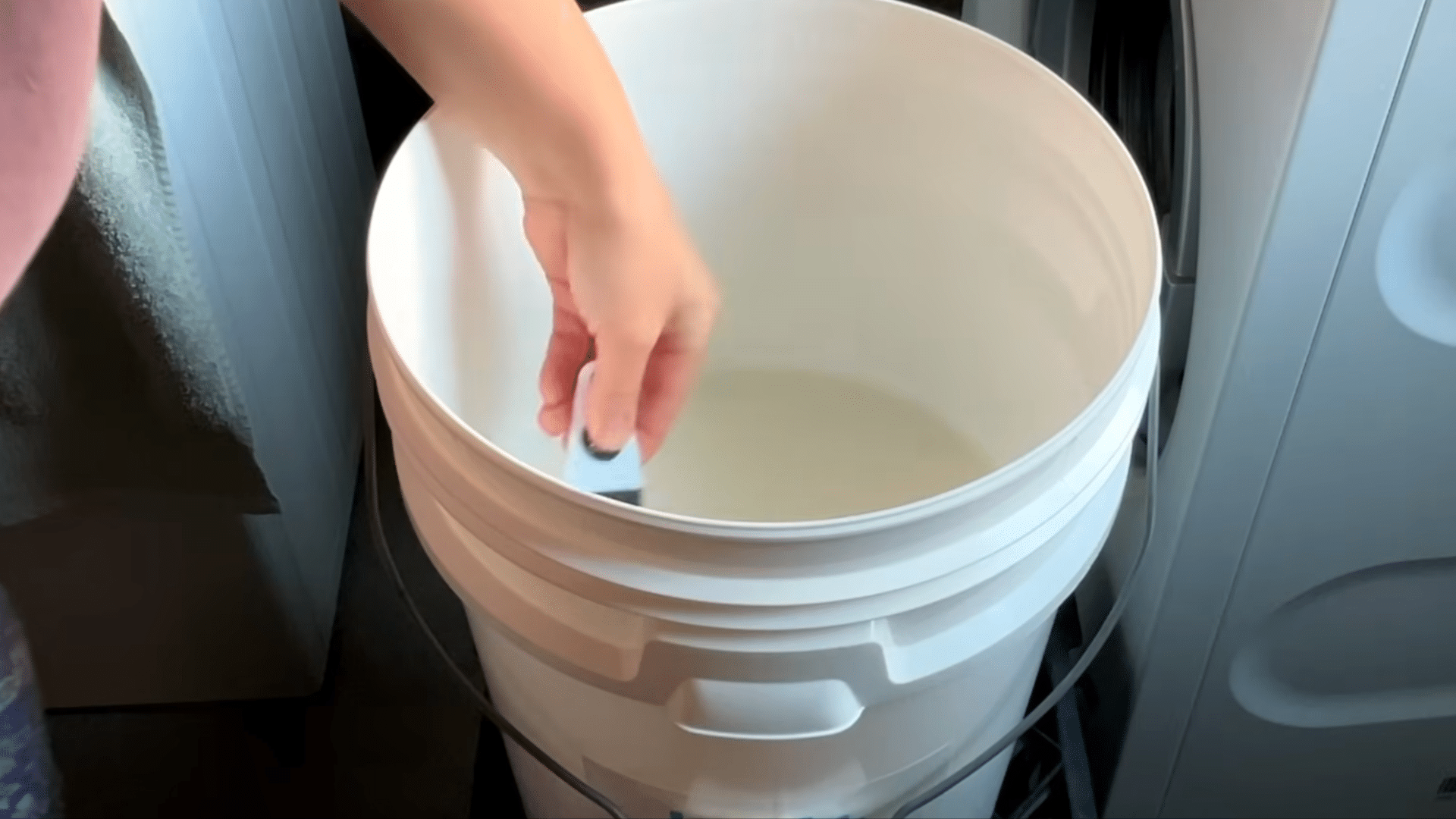
Grate the soap bar using a fine cheese grater or food processor to help it dissolve faster. You can also melt the soap in a saucepan with hot water until it becomes smooth and liquid.
This step ensures the soap blends well with other ingredients and doesn’t leave residue on clothes. For best results, stir continuously until the texture is creamy and even.
3. Mix the Dry Ingredients
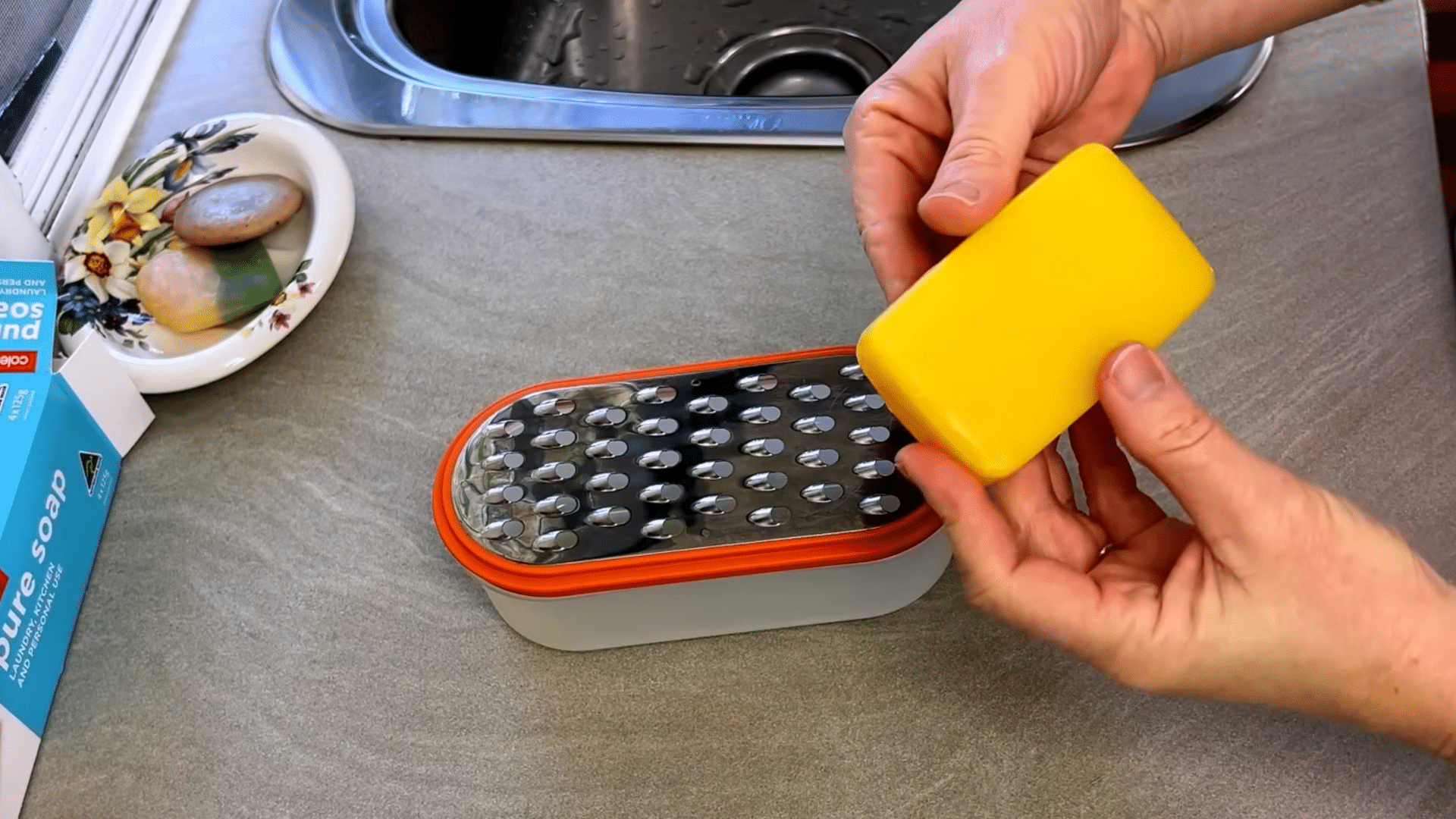
Combine washing soda and borax (or baking soda, if substituting) in a large container. These ingredients work together to lift dirt, grease, and odors from fabric.
Mix thoroughly until the powders are evenly distributed. A well-mixed base ensures your detergent performs consistently and stays fresh longer.
4. Combine Soap + Water + Dry Mix
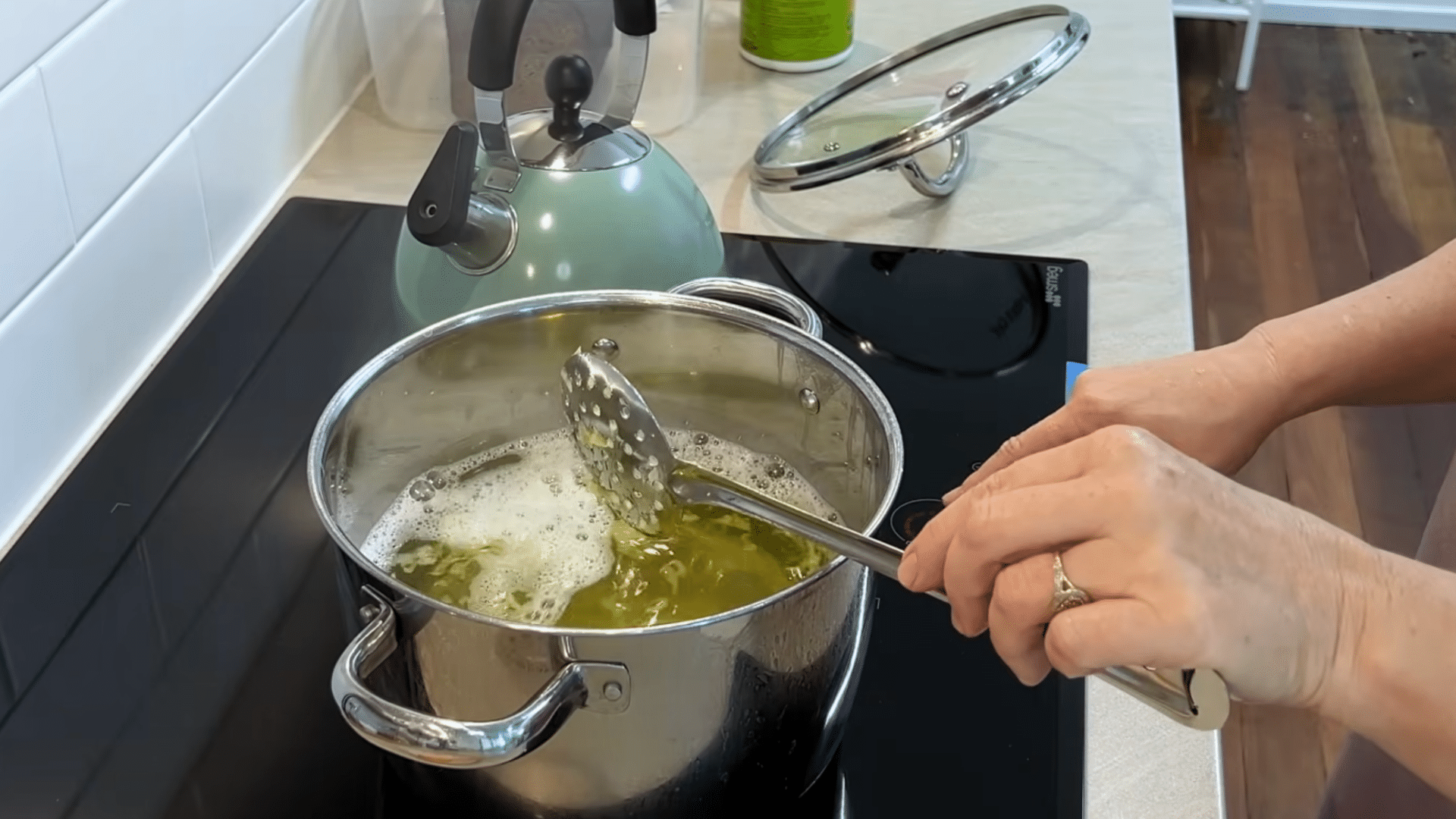
Slowly pour the melted soap mixture into the container with your dry ingredients. Add hot water a little at a time, stirring continuously to avoid clumps.
Keep mixing until everything dissolves completely and the mixture starts to thicken. Let it rest for several hours or overnight until it forms a gel-like texture.
5. Add Fragrance (Optional)
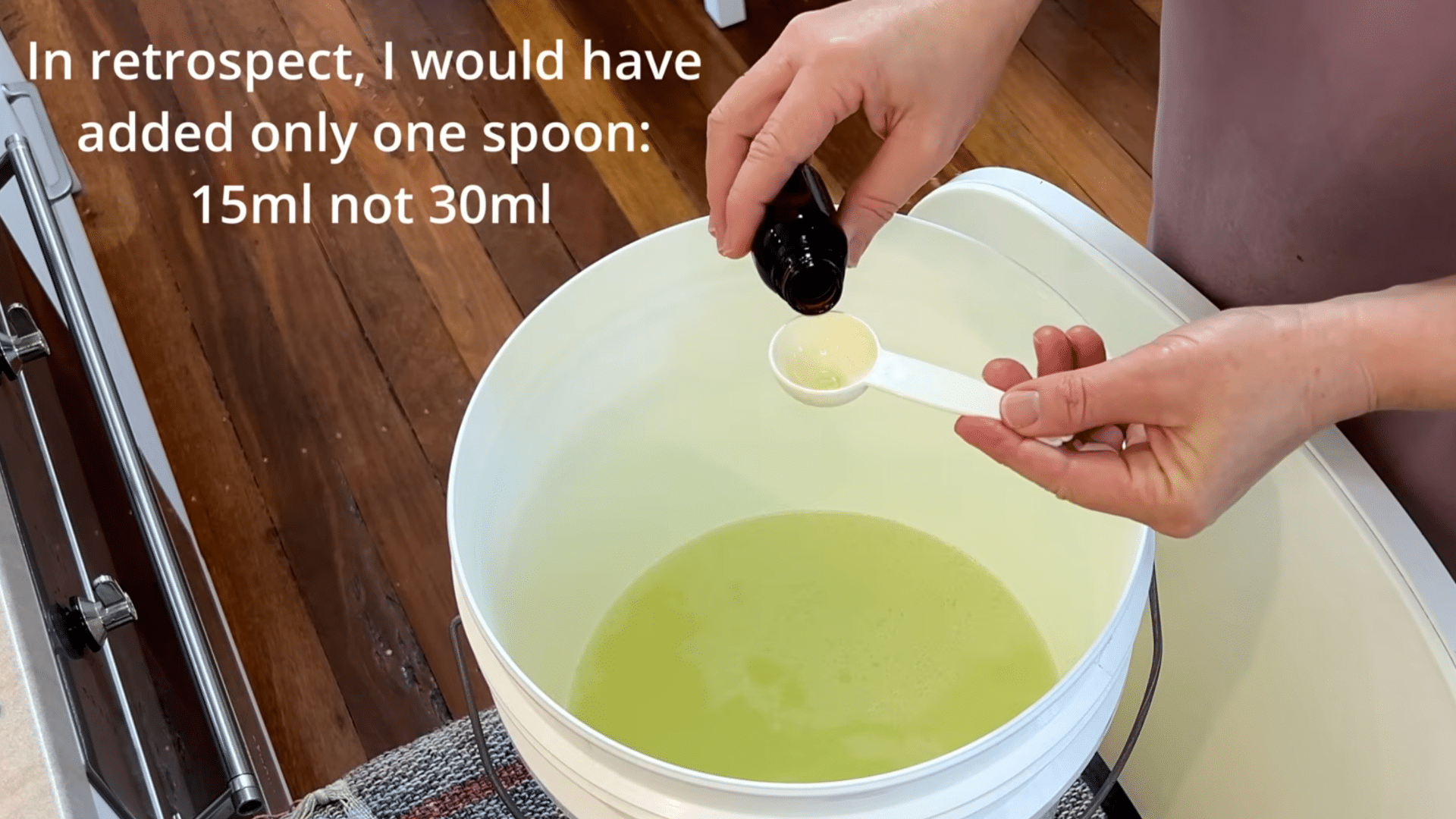
Once the mixture cools, add a few drops of essential oil lavender for calmness, lemon for freshness, or tea tree for antibacterial benefits. Stir to blend the scent evenly.
Pour the detergent into airtight jars or jugs, label with the date and ingredients, and store in a cool, dry spot. Shake gently before each use.
Watch the Tutorial: See the full step-by-step video on how to make your own DIY laundry detergent at home.
How to Use Your Homemade Laundry Detergent Powder
Using your homemade laundry detergent powder is simple and works for any type of washing machine.
Use about 2 tablespoons (30 mL) of your detergent for a regular load, and add a little extra for larger or heavily soiled loads.
It’s safe for both standard and high-efficiency machines because it creates low suds while still cleaning well.
For the best results, dissolve the powder in warm water before adding your clothes. This helps it mix evenly and leaves your laundry fresh, soft, and free from harsh chemicals or artificial fragrances
Customizing Detergent According to Your Needs
Making your own detergent means you can tweak it just the way you like. Here’s how to adjust it for scent, sensitivity, and machine type:
- Essential Oils: Add a few drops of lavender, lemon, or tea tree oil for a natural scent. Mix them in after the detergent cools so the fragrance lasts longer.
- HE Washers: Use one tablespoon per load or add extra water to help reduce suds.
- Sensitive Skin: Skip essential oils and choose mild soaps like Castile or pure vegetable-based soaps. Replace borax with baking soda for a gentler clean.
- Storage: Keep your detergent in glass jars, tins, or reused containers. Label with the date and ingredients, and store in a cool, dry place.
A few small tweaks make your detergent safer, simpler, and perfectly suited to you. Clean clothes, fresh scent, and zero waste; every load feels good.
Is Diy Laundry Detergent Better than Store-Bought?
Both DIY and store-bought detergents have their pros and cons.
| Factor | DIY Laundry Detergent | Store-Bought Detergent |
|---|---|---|
| Cost per Load | Very low, around $0.05 to $0.10 per load. Ingredients are cheap and last long. | Higher usually $0.25 to $0.40 per load, depending on brand and type. |
| Cleaning Power on Stains | Works well on light to moderate dirt. May need a pre-treatment for heavy stains. | Stronger formulas handle heavy grease and tough stains more easily. |
| Impact on Fabrics | Gentle on clothes due to fewer chemicals. Keeps fabrics soft and colors bright. | Some brands may cause fading or wear over time from harsh additives. |
| Washing Machine Safety | Safe for both standard and HE machines when used in small amounts. | Designed for all machines, but some high-suds versions can cause buildup in HE washers. |
| Eco Benefits | Highly eco-friendly, plastic-free, biodegradable, and customizable. | Often packaged in plastic, with chemical surfactants that aren’t always biodegradable. |
Safe and Sustainable Laundry Practices
Keeping your laundry routine safe and eco-friendly is easier than you think.
- Natural Ingredients: Use washing soda, baking soda, and Castile soap for a gentle, skin- and fabric-safe clean.
- Biodegradable Formula: Choose eco-friendly ingredients that break down easily and protect water systems from chemical buildup.
- Septic System Safety: Go for low-suds or borax-free recipes to keep your septic tank healthy and functioning properly.
- Smart Storage: Keep detergent in airtight, labeled containers placed in a cool, dry spot away from children and sunlight.
- Eco-Friendly Habits: Wash full loads, reuse containers, and measure detergent carefully to save water, reduce waste, and protect the environment.
Conclusion
Creating your own DIY laundry detergent is a simple way to save money, protect your skin, and care for the planet.
You’ve learned why it’s better than store-bought options, what ingredients to use, and how to make it step by step.
By following these tips, you can enjoy cleaner clothes, a healthier home, and a more sustainable lifestyle. I encourage you to try making your first batch and see the difference it makes in your routine.
If you found this guide helpful, share it with others who care about eco-friendly living. Small changes like this can make a big impact, one load of laundry at a time!