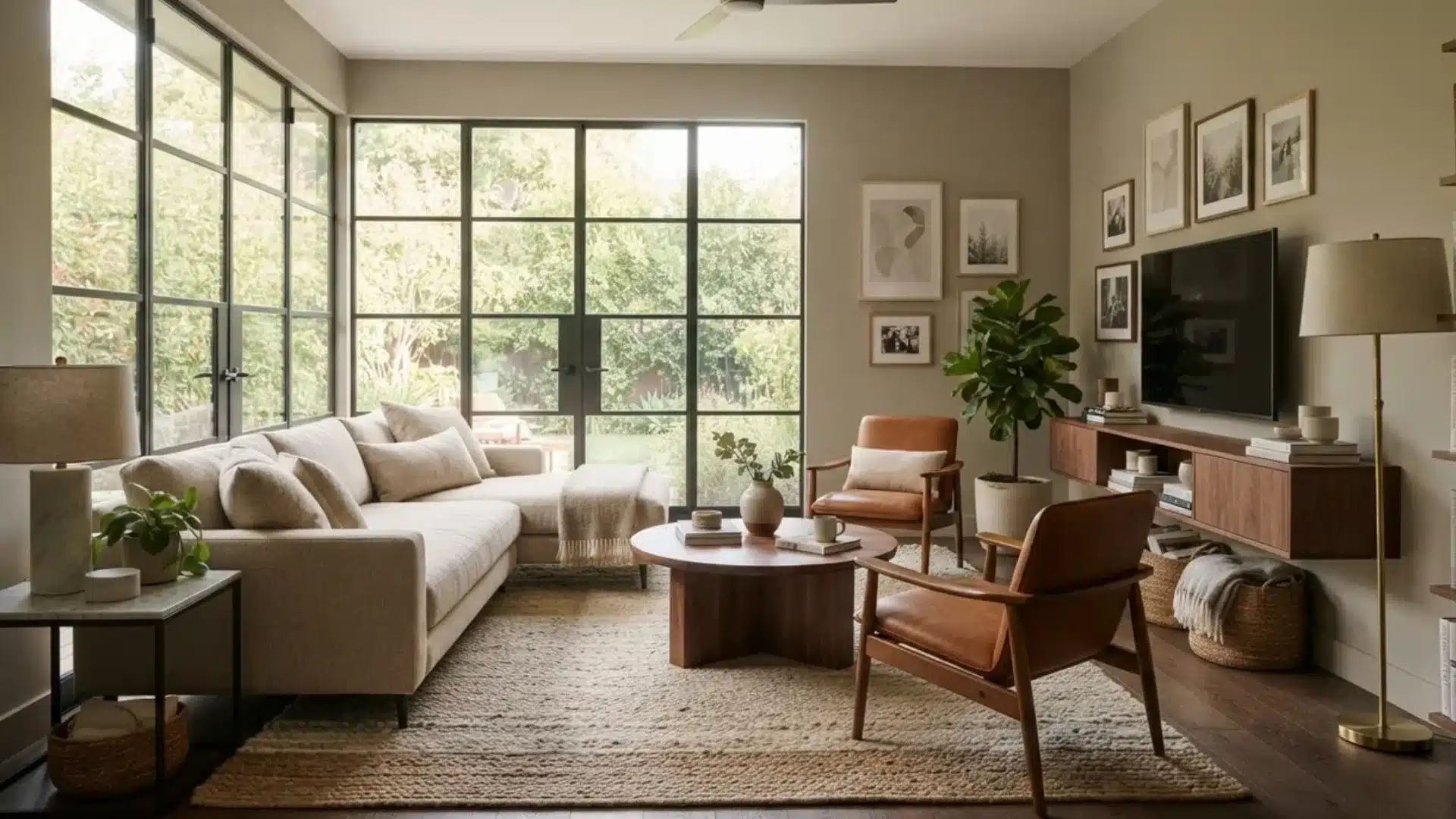


If outside noise, safety worries, or harsh sunlight keep disrupting your peace, you’re not the only one. I’ve seen how these everyday problems can make a home feel less secure and uncomfortable.
What many people don’t realize is that the right type of window glass can quietly fix most of these issues. That’s why laminate glass windows have become such a practical upgrade for many homeowners.
They don’t just look like regular windows; they quietly add strength and protection to any space.
Once you see how they work and what they can handle, it’s easy to understand why they’re replacing traditional glass in so many modern homes.
What is Laminated Glass?
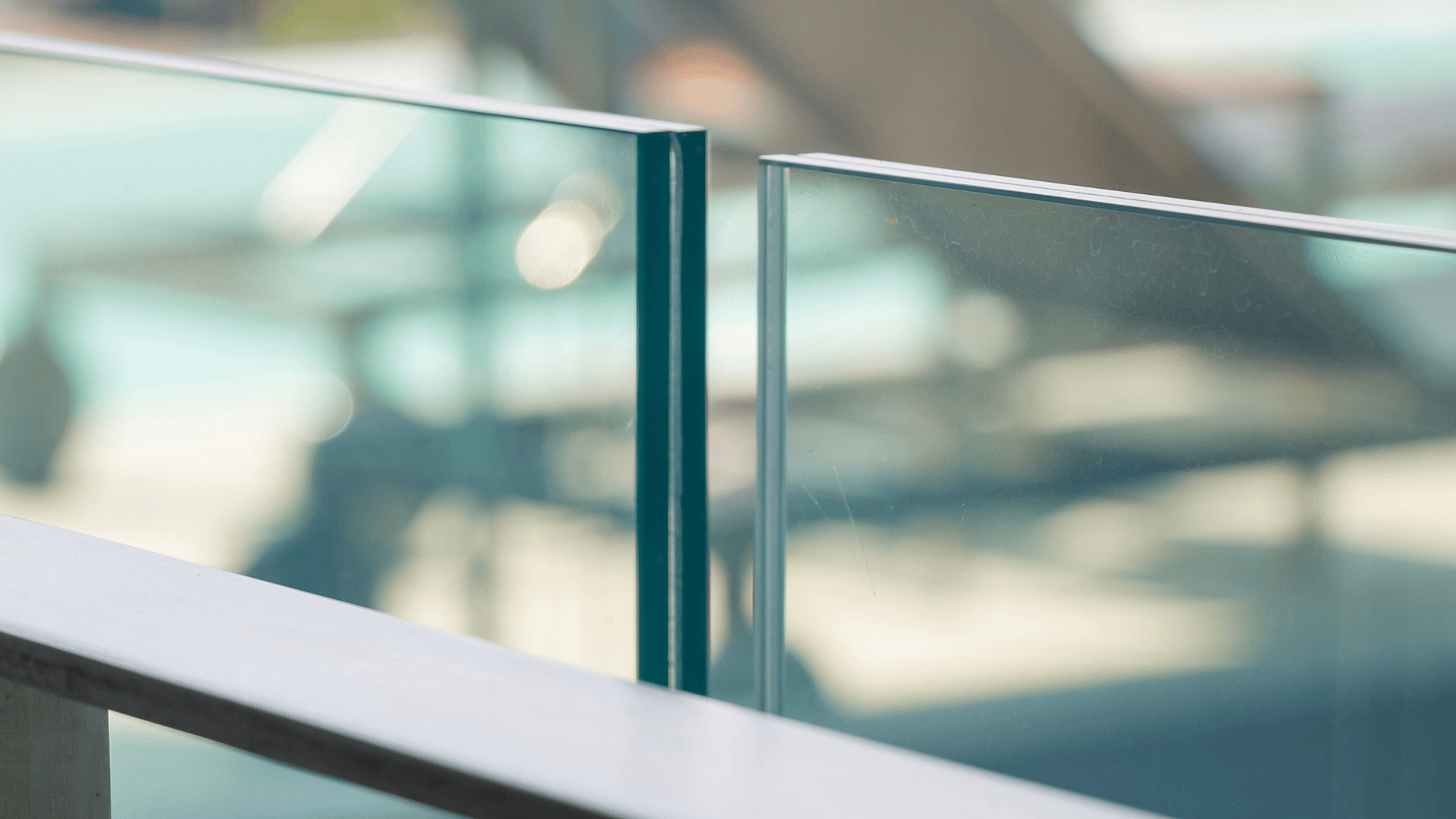
Laminated glass is a type of safety glass designed to hold together when shattered. It’s made by combining multiple glass sheets with a strong plastic layer in between, forming a single, strong panel.
When struck, it may crack but doesn’t fall apart, reducing the risk of injury and property damage. This makes it a popular choice for homes, offices, and vehicles where safety and durability matter most.
How Laminated Glass Works
Laminated glass is made by bonding layers of glass with a plastic interlayer through heat and pressure. First, the glass sheets are cleaned, and a thin layer of Polyvinyl Butyral or Ethylene Vinyl Acetate is placed between them.
The layers are then pressed to remove air bubbles and heated in an autoclave, which fuses them into one solid, durable sheet.
The plastic layer absorbs impact energy, preventing cracks from spreading, and also reduces sound vibrations, making the glass quieter and more secure.
Key Benefits of Laminated Safety Glass Windows
Laminated glass windows provide more than just strength. They improve safety, comfort, and energy savings, making them a smart choice for modern homes and buildings.
- Enhanced Security and Impact Resistance: The inner plastic layer prevents shattering and keeps the glass in one piece, making it suitable for ground-floor windows, patio doors, and storm-prone areas.
- Noise Reduction and Acoustic Comfort: The interlayer absorbs vibrations and can cut outside noise by up to 60–65%, which is useful for homes near highways, rail lines, or airports.
- UV Protection and Energy Efficiency: Laminated glass blocks up to 99% of UV rays, helping reduce fading and heat transfer. This supports a more stable indoor temperature and can lower energy costs.
- Durability and Long-Term Safety: The glass remains held together even when cracked and resists damage from weather, temperature changes, and aging, providing consistent protection over time.
By choosing laminated glass windows, you’re investing in a safer, quieter, and more energy-efficient space. Their blend of protection and comfort makes them one of the most reliable window options available today.
Laminated Glass vs. Other Glass Types
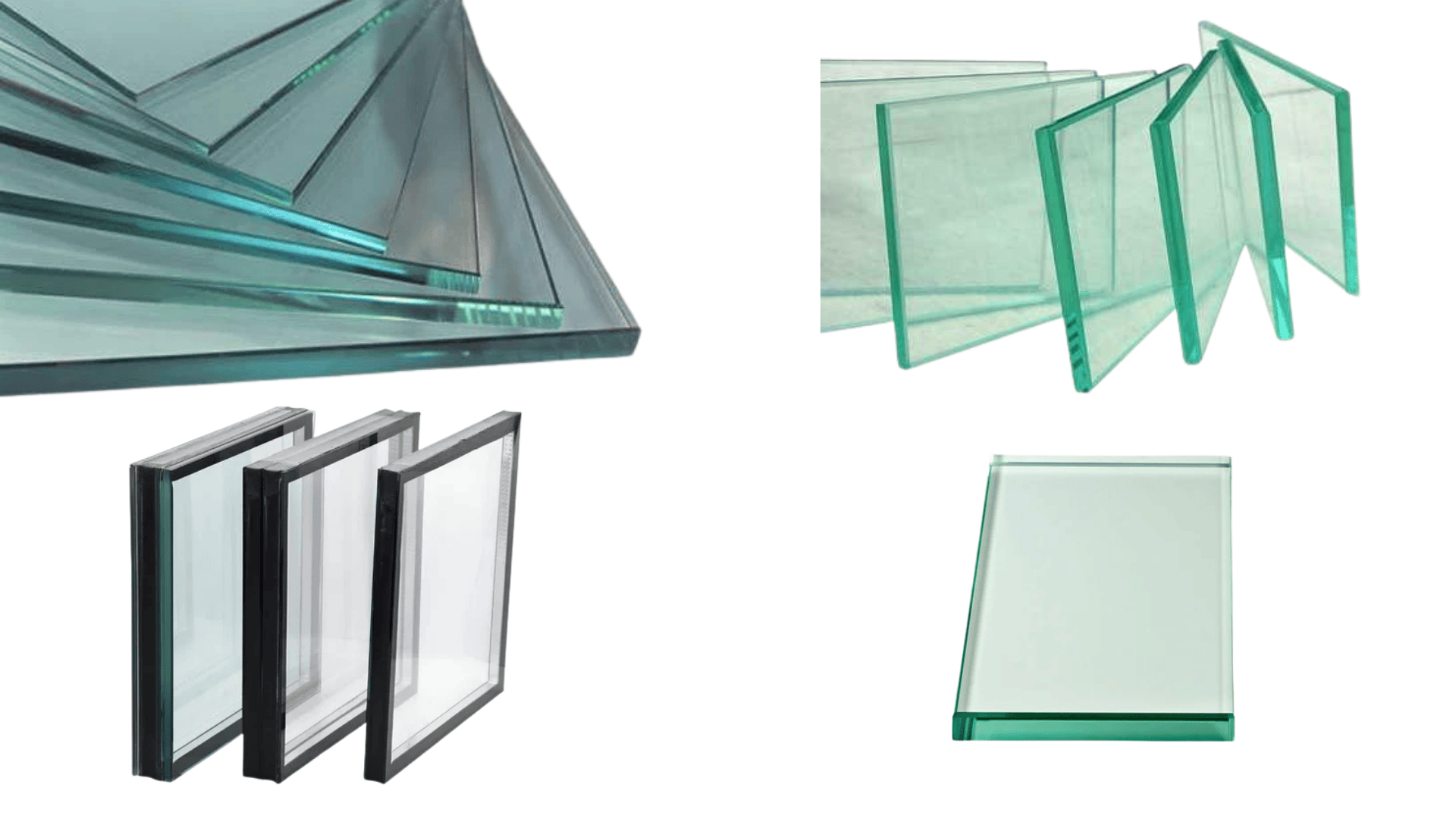
Laminated glass is one of several popular window materials, alongside tempered, double-glazed, and standard glass.
| Feature | Laminated Glass | Tempered Glass | Double Glazing | Standard Glass |
|---|---|---|---|---|
| Safety | High stays intact after impact | Moderate shatters into small pieces | Varies depending on the pane type | Low breaks into sharp shards |
| Strength | Strong and flexible | Very strong but brittle | Good overall | Weak and fragile |
| Noise Control | Excellent reduces up to 60–65% of sound | Limited noise blocking | Good but less effective | Poor soundproofing |
| Thermal Insulation | Moderate reduces heat transfer | Low insulation | Excellent traps air/gas | Very low insulation |
| UV Protection | Up to 99% UV blocked | Moderate | Good | Minimal |
| Durability | Weather and age resistant | Strong but short-term safety | Long-lasting with sealed edges | Prone to cracks and wear |
| Best Use | Homes, offices, coastal or noisy areas | Interior partitions, shower doors | Energy-efficient or cold regions | Low-cost interiors or decor |
Laminated glass provides the best overall mix of safety, noise reduction, and UV protection. While tempered glass offers strength, double glazing improves insulation, and standard glass is more affordable, laminated glass remains the most balanced and long-lasting choice for modern homes.
Cost of Laminated Glass Windows
Laminated glass windows cost more than regular glass but offer better safety, soundproofing, and energy efficiency.
Basic options cost $7–$15 per sq ft, while thicker or premium types range from $20–$40 per sq ft. Tinted or acoustic variants are about 10–30% costlier.
Installation adds $10–$20 per sq ft, bringing the total to $20–$50+ per sq ft. Buying during off-season sales, ordering in bulk, and using local suppliers can help reduce costs.
Choose interlayers like PVB or EVA for longer life and better performance. Despite higher initial costs, laminated glass delivers strong value through durability and lower energy use.
Common Applications
- Residential spaces: Ideal for homes in busy or noisy areas, ground-floor windows, and sun-facing rooms where security and UV protection matter most.
- Commercial buildings: Common in storefronts, schools, offices, and hospitals, where safety, visibility, and noise reduction are important.
- Special uses: Widely used in skylights, glass railings, balconies, and hurricane-resistant designs to ensure durability and impact protection.
From homes to high-rises, laminated glass offers a perfect balance of safety, comfort, and style – making it suitable for both everyday and specialized applications.
Maintenance, Cleaning, and Longevity
Laminated glass windows are built to last, but regular care helps them stay clear and strong for many years.
Clean them gently using a soft cloth or sponge with mild soap and water- avoid harsh chemicals or rough scrubbers that could damage the surface. Wipe away dust and moisture from the edges to protect the seals and prevent mold.
Over time, signs like cloudiness, small bubbles, or yellowing may indicate delamination or moisture issues. If cracks spread or the interlayer becomes cloudy, it’s best to replace the glass.
With proper cleaning and upkeep, laminated glass windows can easily last 20–25 years while maintaining their strength and appearance.
Disadvantages & Limitations
Laminated glass windows offer many benefits, but they also come with a few drawbacks that are worth considering before installation.
Higher cost: Laminated glass costs more than tempered glass due to its multi-layered design and complex production process.
Slight tint or clarity loss: The interlayer may cause a faint tint or slightly reduce the glass’s optical clarity.
Not fully shatterproof: Though highly impact-resistant, laminated glass can still crack or break under extreme or repeated force.
Overall, while these limitations exist, the safety and comfort benefits often outweigh the minor downsides for most users.
Buying Guide: Choosing the Right Laminated Glass Window
Choosing the right laminated glass window ensures safety, comfort, and long-term value for your space.
- Thickness & interlayer type: Use 6–12mm glass for homes and up to 25mm for commercial or storm-prone areas. PVB offers better sound and UV protection, while EVA provides higher durability and moisture resistance.
- Customization options: Choose clear, tinted, frosted, or reflective glass. Polished or beveled edges improve both safety and look.
- Where to buy: Buy from trusted sellers like Home Depot, Lowe’s, Fab Glass & Mirror, or Alibaba.
- Quality verification: Check certifications such as ANSI Z97.1, EN 14449, or IS 2553, and ensure the product has a valid warranty and brand label.
Compare thickness, interlayer type, and certifications to get durable, safe, and stylish laminated glass windows.
Is Laminated Glass Worth It?
Laminated glass windows are a smart investment for anyone seeking better safety, sound control, and energy efficiency. They’re ideal for homes in noisy areas, ground floors, or regions prone to harsh weather.
While the upfront cost is higher than regular or tempered glass, the long-term return is strong-thanks to fewer replacements, lower energy bills, and improved security. Homeowners also appreciate the added comfort and UV protection these windows provide.
In short, laminated glass is worth it if you want lasting protection, peace of mind, and better overall home value.
Conclusion
Choosing the right windows can make your home feel safer, quieter, and more comfortable. If you’ve been dealing with too much noise or worrying about glass safety, laminate glass windows are worth serious consideration.
They combine strength, peace of mind, and long-term value in one design. After going through this guide, you now know how they can improve your living space while adding real durability and comfort.
Before you make your decision, take a little time to compare options and costs. It’ll help you find what fits your needs best.
When chosen well, laminate glass windows can truly change how your home feels every single day.