
Home » Kitchen & Bathroom » Page 2
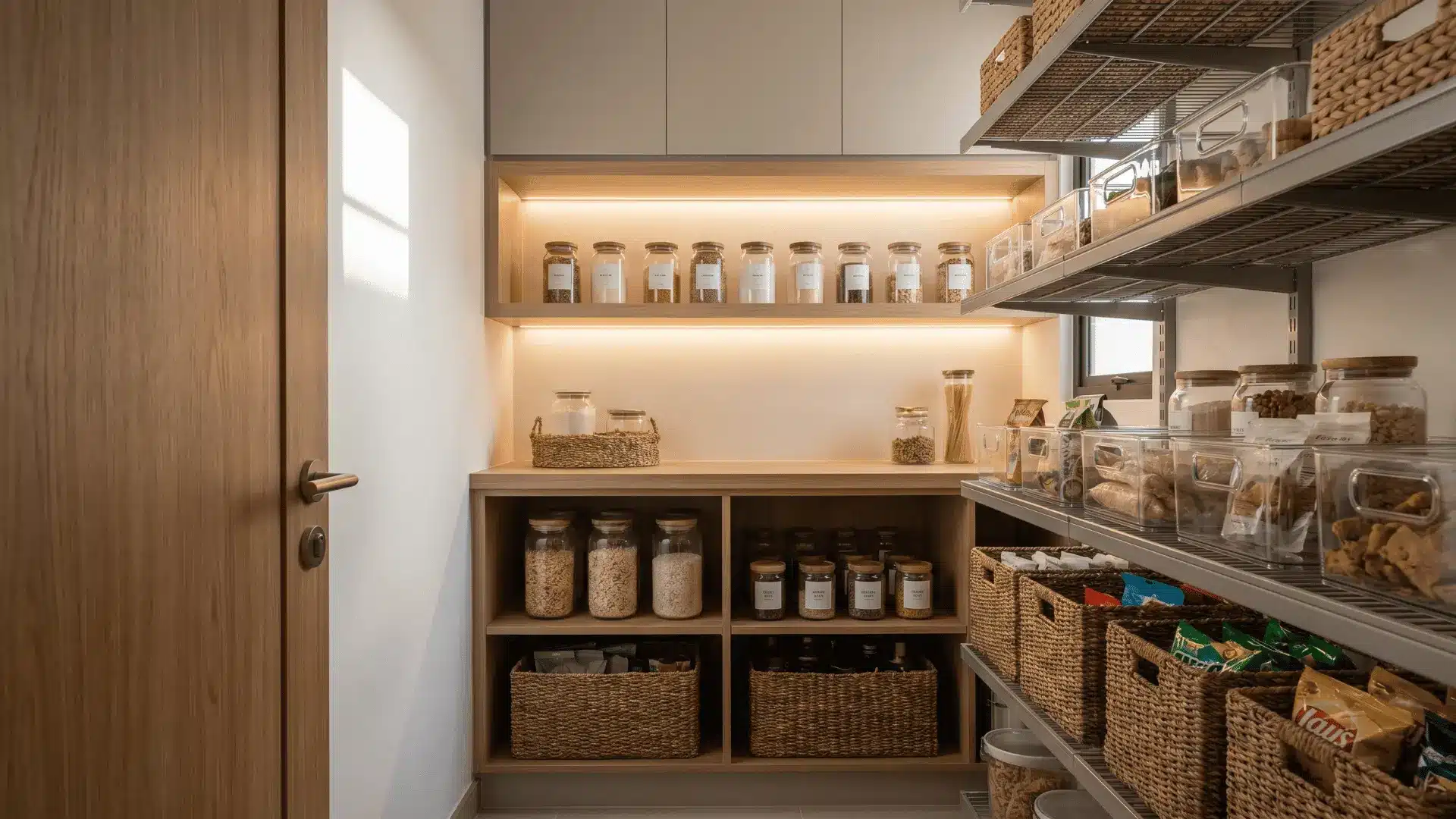
Transforming a small pantry can feel like solving a puzzle: I’ve spent hours rearranging shelves and bins, only to realize one wrong choice ruins
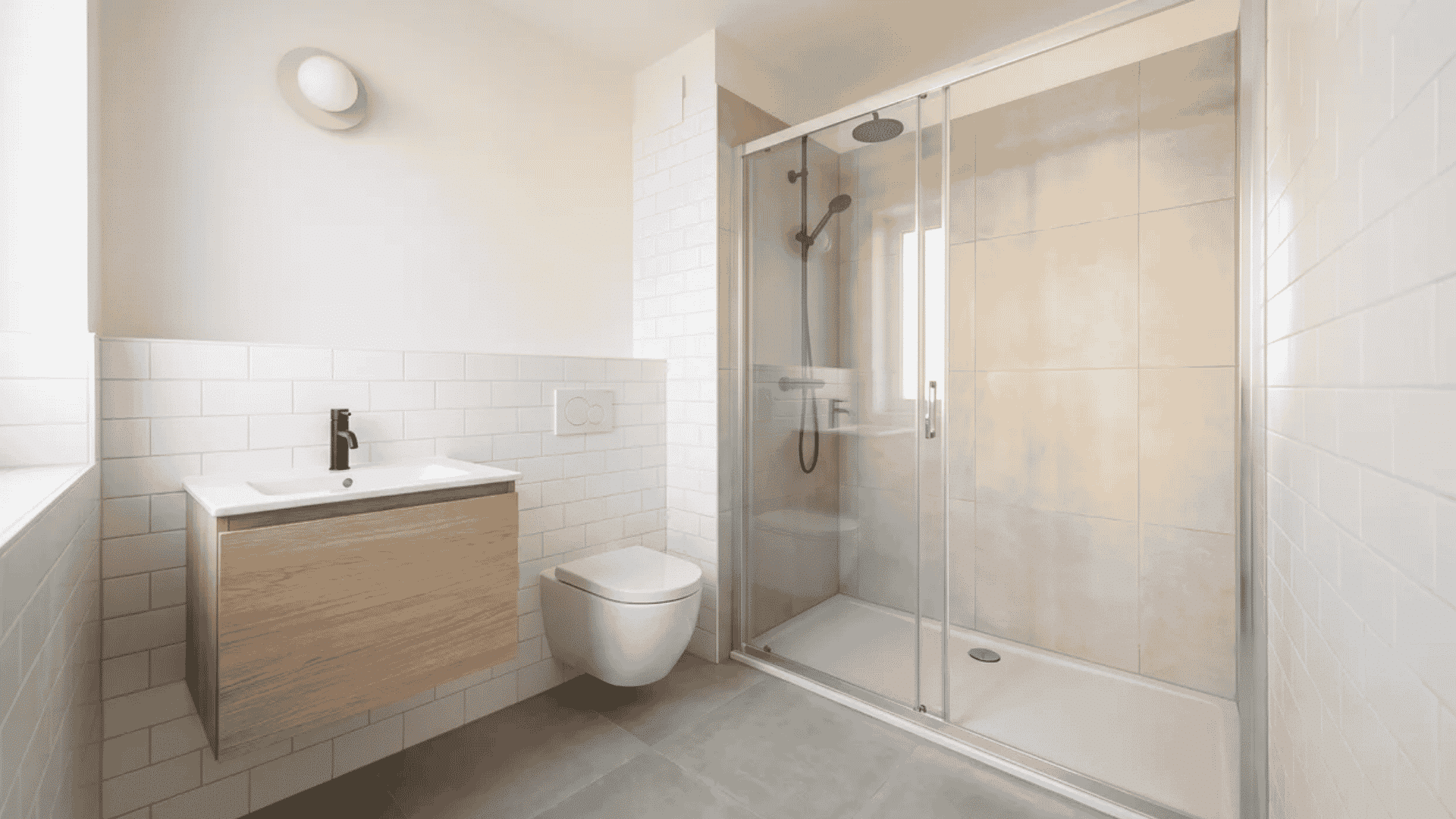
A small bathroom can feel frustrating when every fixture, door swing, and storage choice competes for space. The good news is that you do not always need a full renovation to make the room work better. The right small bathroom
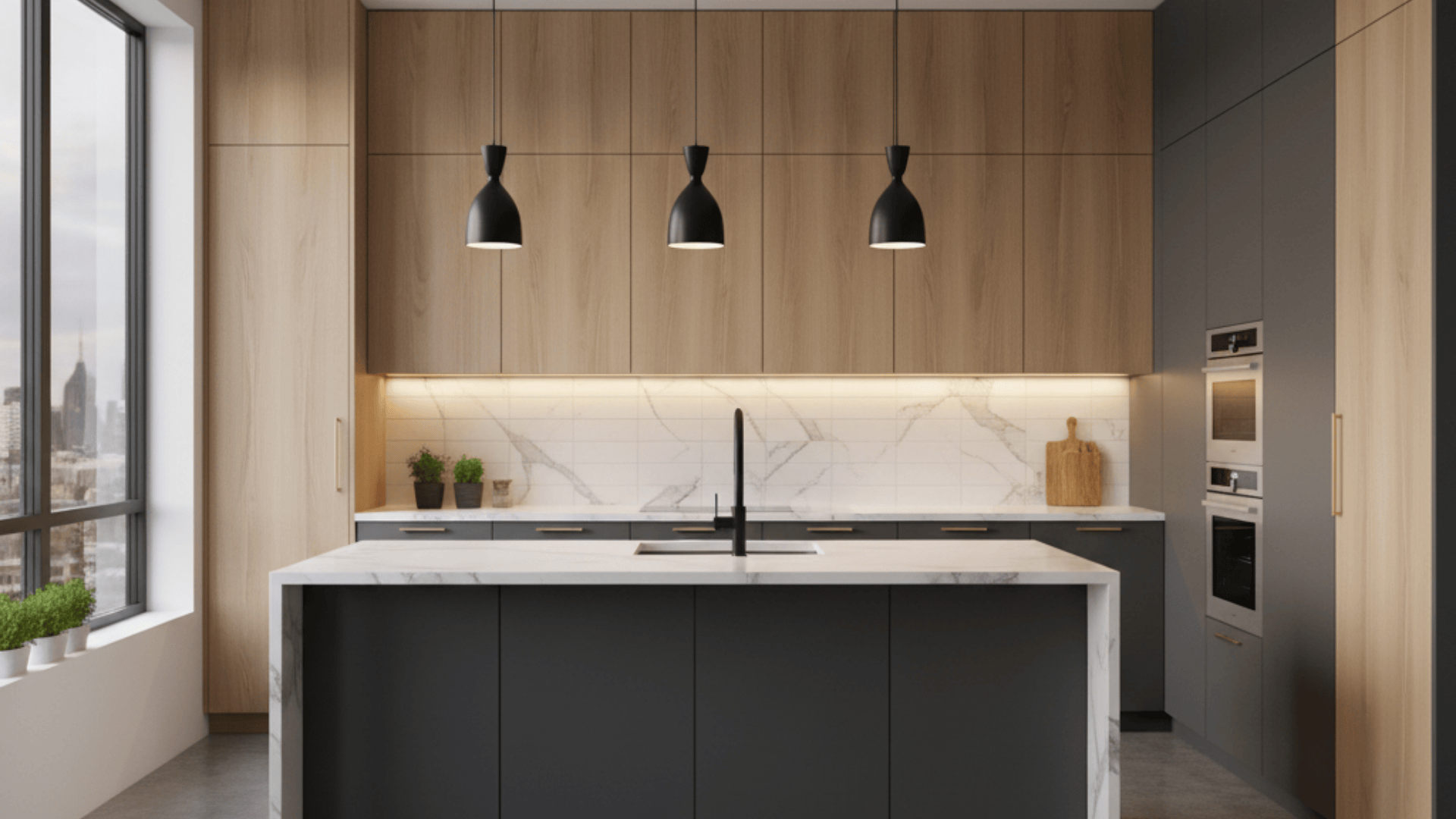
Cabinet styles bring structure and character to a room, shaping both its look and how it functions day to day. They mix construction, door design, finish, and hardware to create distinct moods from rustic farmhouse charm to sleek, modern minimalism. Each style choice affects storage, space flow, and even how light interacts with your surroundings. I’ve found that understanding these details helps you match beauty with practicality, ensuring your cabinets fit your lifestyle as well as the decor. By learning how design and build quality work together, you can make choices that balance budget, function, and long-term durability with confidence before finding specific cabinet types and styles. Different Cabinet Types by Construction Cabinet construction impacts both style and functionality. Knowing the difference helps you choose what suits your budget and space best. Stock Cabinets: Pre-made and ready to install. Budget-friendly and fast, but it offers limited designs and sizes. Semi-Custom Cabinets: Allow adjustments in size, color, and finish. A great balance between flexibility and price. Custom Cabinets: Fully built to your needs. Expensive but ideal for unique spaces or premium designs. Framed vs. Frameless: Framed cabinets have a visible frame that adds strength. Frameless ones offer a modern look and better interior access. Overlay vs. Inset: Overlay doors sit over the frame for a layered effect. Inset doors fit flush within the frame for a seamless, classic style. Cabinet Style Ideas to Incorporate in Your House Cabinet styles define both the look and function of a space. From timeless classics to modern statements, each design creates a distinct atmosphere. 1. Farmhouse Cabinets Farmhouse cabinets feature Shaker or beadboard doors that bring warmth and rustic charm. Natural wood tones, distressed finishes, and vintage hardware create a lived-in, welcoming feel. These cabinets work beautifully in open kitchens, mudrooms, and country homes, where […]
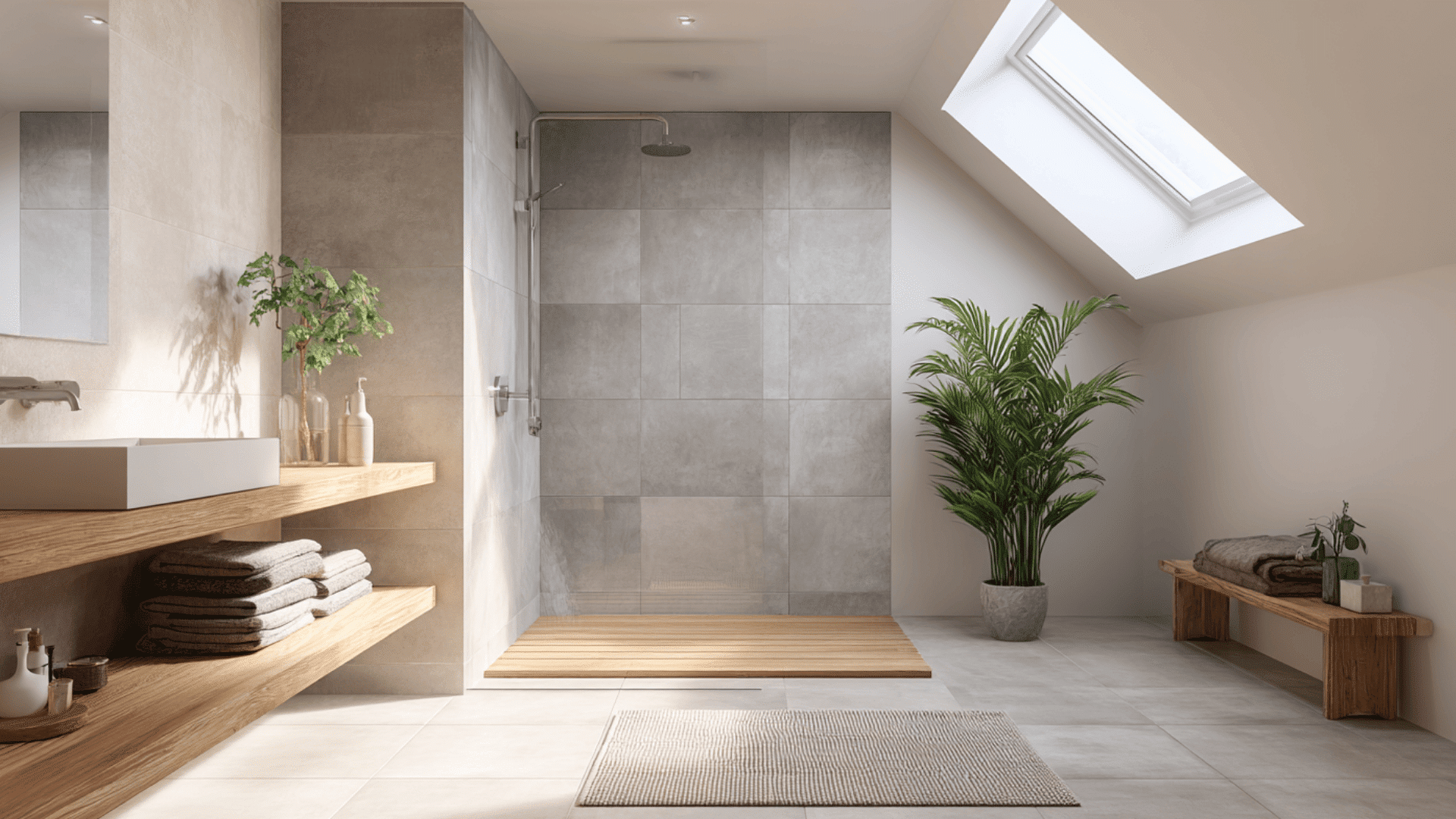
There’s something about an open, doorless shower that instantly makes a bathroom feel calm and inviting. It blends comfort, simplicity, and modern design in a way that fits almost any space. In this blog, you’ll find creative doorless walk-in shower ideas, practical layout tips, and easy styling details to help you plan your own setup. I’ll keep it real and simple- just the inspiration and advice you need to turn your shower into a space you’ll actually enjoy using every day. Why Choose a Doorless Walk-In Shower A doorless walk-in shower brings a clean, open look that instantly makes a bathroom feel more spacious. It’s perfect if you want a modern layout without clutter or heavy glass doors. The open design helps small bathrooms look bigger and gives the whole space a relaxing, spa-like feel. It’s also easy to walk in and out of, which makes it a smart choice for accessibility. Since there’s no door to scrub or track to clean, maintenance stays simple. Plus, the open style lets natural light flow through, keeping the bathroom bright, airy, and welcoming. Creative Doorless Walk-In Shower Ideas These design ideas show just how versatile a doorless shower can be. From simple layouts to luxurious setups, each one adds its own charm and function to your bathroom. 1. Sleek Minimalist Shower with Floor-to-Ceiling Tile A minimalist shower with floor-to-ceiling tiles gives your bathroom a clean and modern look. The tall tiles draw the eye upward, making the space feel taller and more open. Choose neutral tones like white, beige, or gray for a calm, spa-like vibe. Large tiles also mean fewer grout lines, so cleaning stays easy and the finish looks smooth. 2. Curved Wall Walk-In Shower Curved walls add a soft and stylish touch to your shower area. It naturally guides […]

When I started planning my walk-in tile shower, I learned that tile changes everything. It defines the mood, adds texture, and sets the tone for the whole bathroom. If you’ve been searching for walk-in shower tile ideas, you already know how many options there are. Some make small spaces feel larger, while others create warmth or luxury. I’ve gathered some unique walk-in shower tile ideas that focus on structure, pattern, and style, not just color. Each idea is simple, modern, and easy to picture in your own home. Why Tile Design Defines a Walk-In Shower Tile design plays a major role in shaping the overall feel of a walk-in shower. The pattern, texture, and layout you choose can transform the space, making it look taller, wider, or more balanced. Structured designs like herringbone, stacked lines, or lattice patterns add movement and guide the eye, while textured tiles bring depth and a more grounded, spa-like feel. Even small choices, like tile size, grout color, or orientation, can shift the mood from modern to classic or from calm to dramatic. With the right tile design, a walk-in shower becomes both visually striking and uniquely personal. Walk-In Shower Tile Ideas for Every Style These ideas go beyond surface color. Each one uses different layouts, forms, or finishes to build personality, comfort, and visual depth into your bathroom design. 1. Diamond-Lattice Ceramic Wall Tile Diamond-lattice tiles form an elegant geometric grid that adds refined depth to any shower wall. The interlocking pattern reflects light softly without overpowering the design. They’re perfect for modern or transitional spaces, pairing well with matte fixtures and soft lighting to create balanced visual texture. 2. Fluted Vertical Porcelain Panels Fluted panels with vertical ridges add rhythm and height, giving a shower wall sculptural beauty. The grooves cast subtle shadows […]
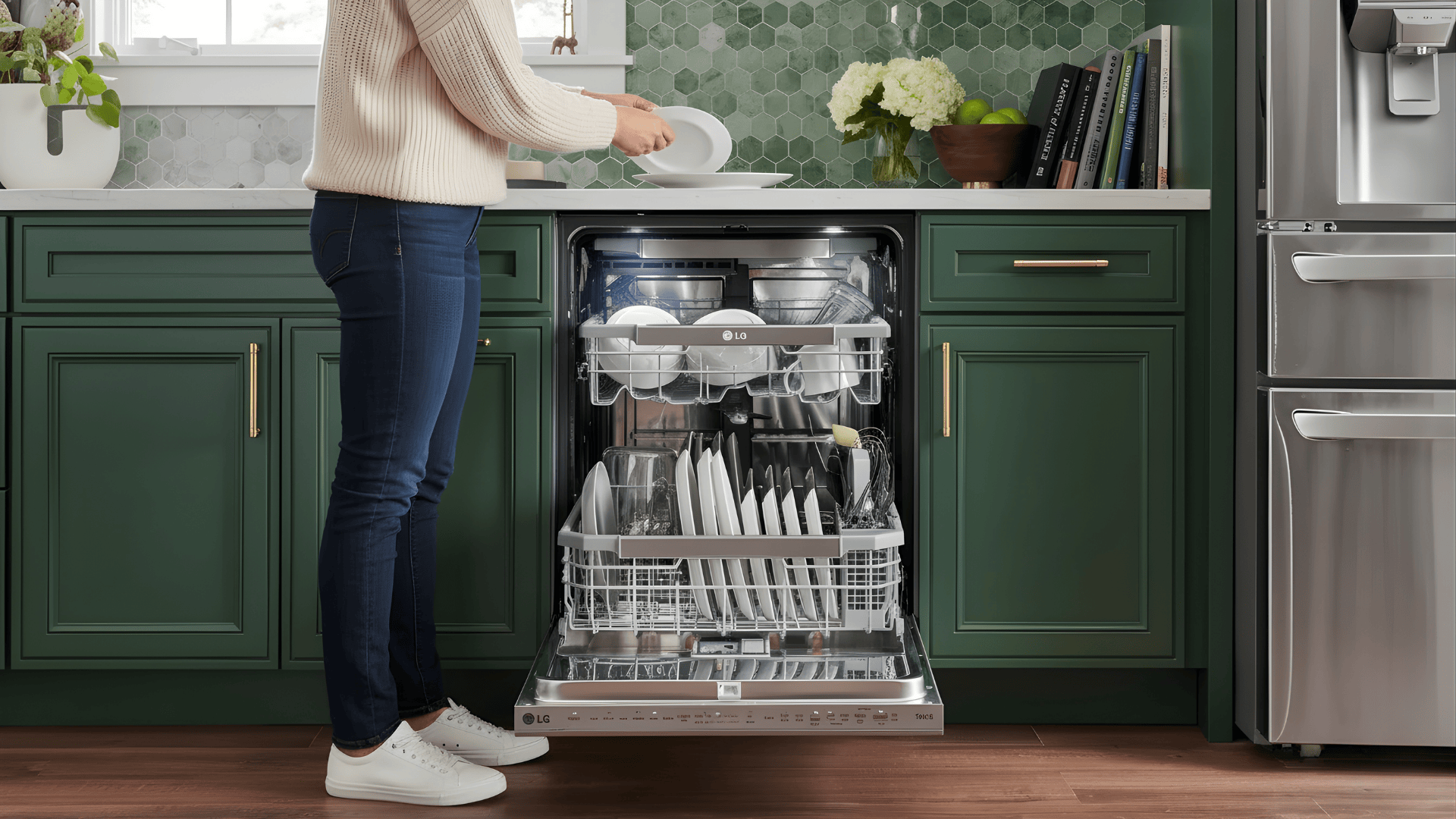
Your dishwasher works hard every day, tackling grease, grime, and food residue. But over time, even the best machines need a little care to stay efficient. Knowing how to clean dishwasher parts properly doesn’t just make it look better; it helps your dishes come out spotless, reduces odors, and prevents clogs. With the right steps, you can restore water flow, improve performance, and even extend your appliance’s lifespan. Today, I’ll walk you through the essentials, from what supplies to use to simple cleaning methods that keep everything running smoothly. So, let’s get started. Why Cleaning Your Dishwasher Matters A clean dishwasher does more than just look nice. It helps your machine run better and last longer. Over time, grease, soap scum, and food particles can build up in the filter, spray arms, and seals. This buildup blocks water flow and lowers the cleaning power. When your dishwasher starts smelling, leaves cloudy streaks, or dishes come out dirty, that’s a sign it needs a deep clean. Regular maintenance keeps the water jets clear, prevents mold, and reduces odors. It also improves energy efficiency and helps your dishwasher perform like new for years. Tools and Materials You’ll Need White vinegar, dish soap, and microfiber cloth: For basic cleaning and wiping surfaces. DIY cleaning mix: Combine one cup of vinegar, one cup of water, and one teaspoon of dish soap in a spray bottle. Sink or tub with warm water: Use it to soak the filter and bottom tray. Toothbrush or soft brush: Perfect for scrubbing edges, seals, and corners. Flathead screwdriver: Helps remove the vent cover, if your model has one. Commercial cleaner (optional): Use brands like Finish or Affresh for a stronger clean instead of vinegar. Safety note: Never mix chemicals or bleach. Use one cleaner at a time to prevent […]
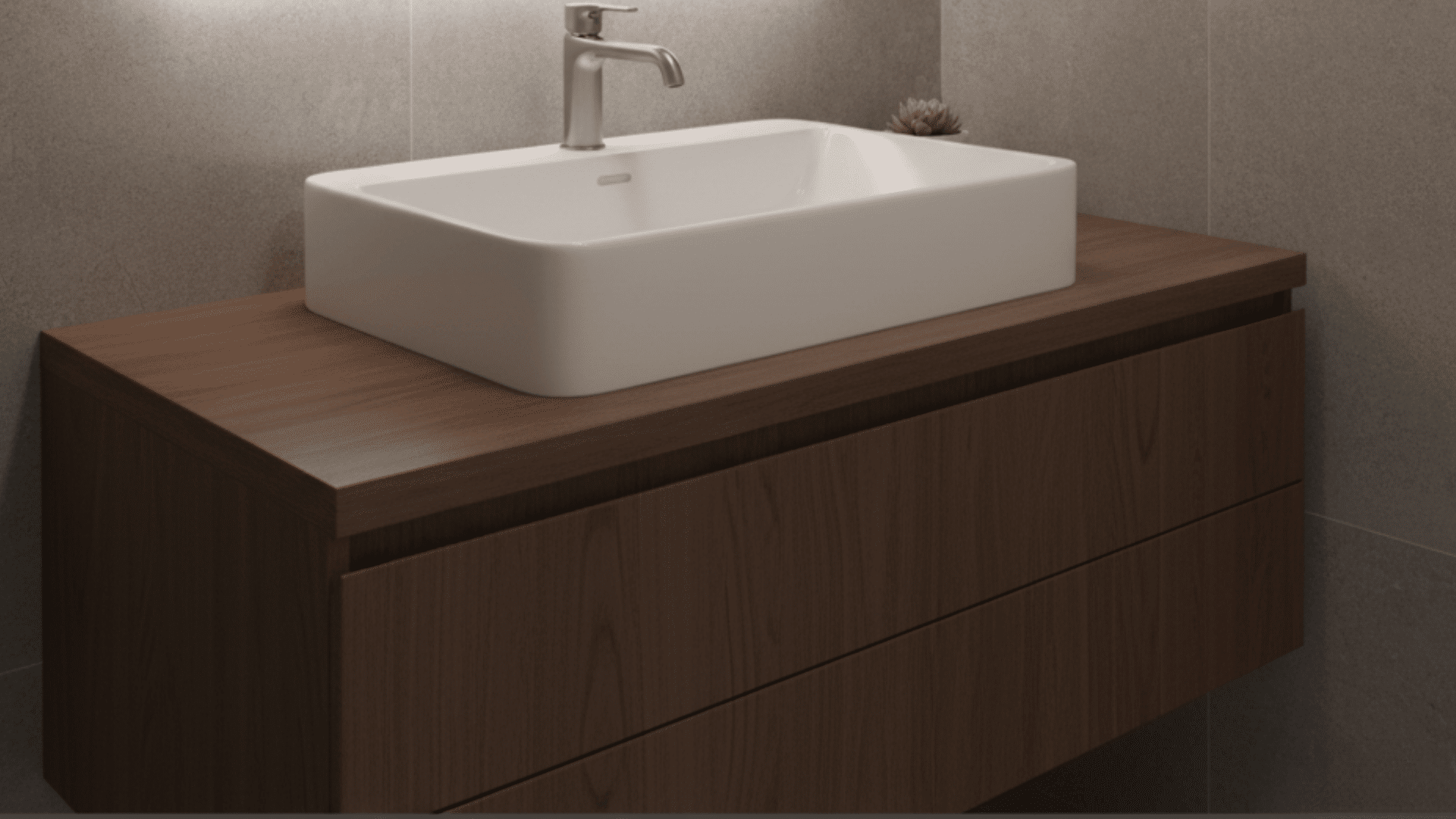
Choosing the right bathroom sink makes a big difference in both how your bathroom looks and how it works every day. The right style can save space, simplify cleaning, and match your overall design. It also sets the tone for the whole space, influencing how comfortable and functional your bathroom feels. A well-chosen sink combines beauty with practicality, shaping how you use the room each day. Today, I’ll help you understand the main types of bathroom sinks and what makes each one useful. By the end, you’ll feel confident picking a sink that fits your space, style, and routine perfectly. What Are Bathroom Sinks Made Of? Ceramic: Classic and affordable with a smooth, glossy surface that resists stains and scratches. Easy to clean with mild soap and water, perfect for modern or traditional bathrooms. Stone: Natural and luxurious, featuring unique veining and colors. Made from marble, granite, or onyx, it needs sealing for protection and works best in spa-style or upscale bathrooms. Glass: Sleek and modern, often used as vessel sinks in clear, frosted, or colored styles. Creates a bright feel but shows water spots easily, needing regular cleaning. Concrete: Industrial and customizable, available in tinted or textured finishes. Strong and architectural, but heavy and requires sealing to prevent moisture damage; ideal for minimalist, modern spaces. Metal: Durable and stylish, available in copper, stainless steel, or brass. Copper develops patina, steel resists corrosion, and brass adds warmth, great for rustic or contemporary designs. Each material brings its own personality, upkeep needs, and price point. Choosing the right one comes down to your bathroom’s style, how much maintenance you prefer, and your budget. Types of Bathroom Sinks The way a bathroom sink is installed changes how it looks, how much space it needs, and how easy it is to clean. Some […]
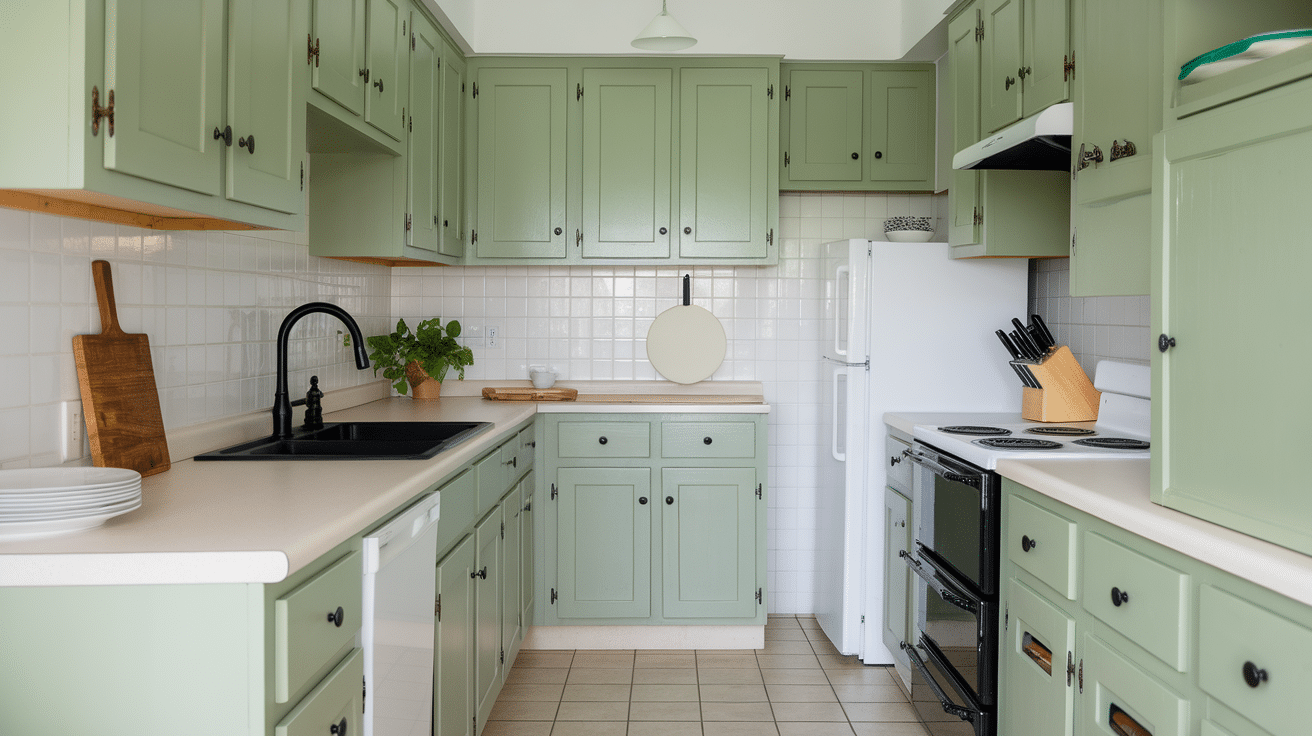
If you’re thinking about updating your kitchen, you’ve probably asked yourself what the real cost to paint kitchen cabinets looks like, why prices vary so much, and how to make the smartest choice for your space. It’s a common question, and you’re definitely not the only one trying to figure it out. This blog walks you through the numbers, the choices you’ll face, and the small details that can make a big difference. You’ll get a clearer picture of what to expect before you spend a dollar, without the usual noise or guesswork. Average Cost to Paint Kitchen Cabinets Painting kitchen cabinets usually costs between $1,000 and $12,000, depending on the size of your kitchen and the finish you choose. Small kitchens tend to fall on the lower end of the range, medium kitchens land in the middle, and large kitchens usually cost the most because they have more doors, drawers, and prep surfaces. Formula to Estimate Your Cost: Count the number of cabinet doors and multiply by the cost per door. Count your drawers and multiply by the cost per drawer. Add the cost for each cabinet box. Include any extra prep work, like repairs or heavy cleaning. What Drives the Cost of Painting Kitchen Cabinets? The cost of painting kitchen cabinets can vary a lot from one home to another. Small details in the job often make the price go up or down. 1. Number of Doors, Drawers, and Cabinet Boxes More doors, drawers, and cabinet boxes mean more time spent cleaning, sanding, priming, and painting. Kitchens with islands, tall cabinets, or corner units also take longer because they’re harder to reach. Extra time increases the overall cost. 2. Cabinet Condition and Prep Work Needed Cabinets in good shape cost less because they need less prep. Grease, dents, […]

Get the latest home decor tips, DIY ideas, and design inspiration delivered straight to your inbox.