


Choosing the right bathroom sink makes a big difference in both how your bathroom looks and how it works every day.
The right style can save space, simplify cleaning, and match your overall design. It also sets the tone for the whole space, influencing how comfortable and functional your bathroom feels.
A well-chosen sink combines beauty with practicality, shaping how you use the room each day.
Today, I’ll help you understand the main types of bathroom sinks and what makes each one useful. By the end, you’ll feel confident picking a sink that fits your space, style, and routine perfectly.
What Are Bathroom Sinks Made Of?
- Ceramic: Classic and affordable with a smooth, glossy surface that resists stains and scratches. Easy to clean with mild soap and water, perfect for modern or traditional bathrooms.
- Stone: Natural and luxurious, featuring unique veining and colors. Made from marble, granite, or onyx, it needs sealing for protection and works best in spa-style or upscale bathrooms.
- Glass: Sleek and modern, often used as vessel sinks in clear, frosted, or colored styles. Creates a bright feel but shows water spots easily, needing regular cleaning.
- Concrete: Industrial and customizable, available in tinted or textured finishes. Strong and architectural, but heavy and requires sealing to prevent moisture damage; ideal for minimalist, modern spaces.
- Metal: Durable and stylish, available in copper, stainless steel, or brass. Copper develops patina, steel resists corrosion, and brass adds warmth, great for rustic or contemporary designs.
Each material brings its own personality, upkeep needs, and price point. Choosing the right one comes down to your bathroom’s style, how much maintenance you prefer, and your budget.
Types of Bathroom Sinks
The way a bathroom sink is installed changes how it looks, how much space it needs, and how easy it is to clean. Some are designed for small spaces, while others add style or luxury.
1. Drop-In (Self-Rimming) Sink
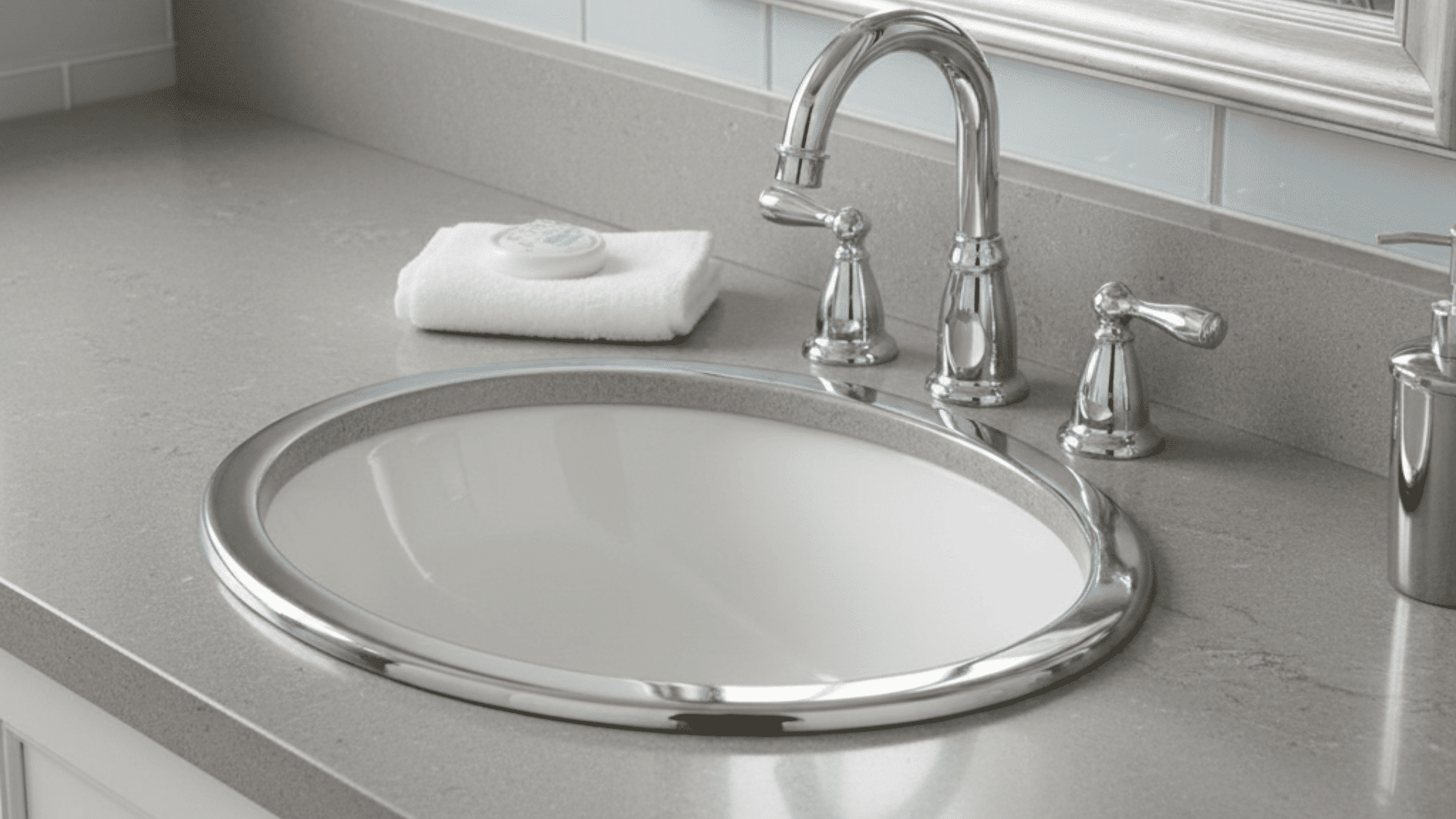
A drop-in sink is mounted from above, with a rim resting on the countertop. The edge supports the sink’s weight and prevents leaks.
It’s easy to install or replace, which makes it a great option for renovations. This type suits traditional or family bathrooms, but the rim can trap dirt, so it needs frequent cleaning to stay spotless.
2. Undermount Sink
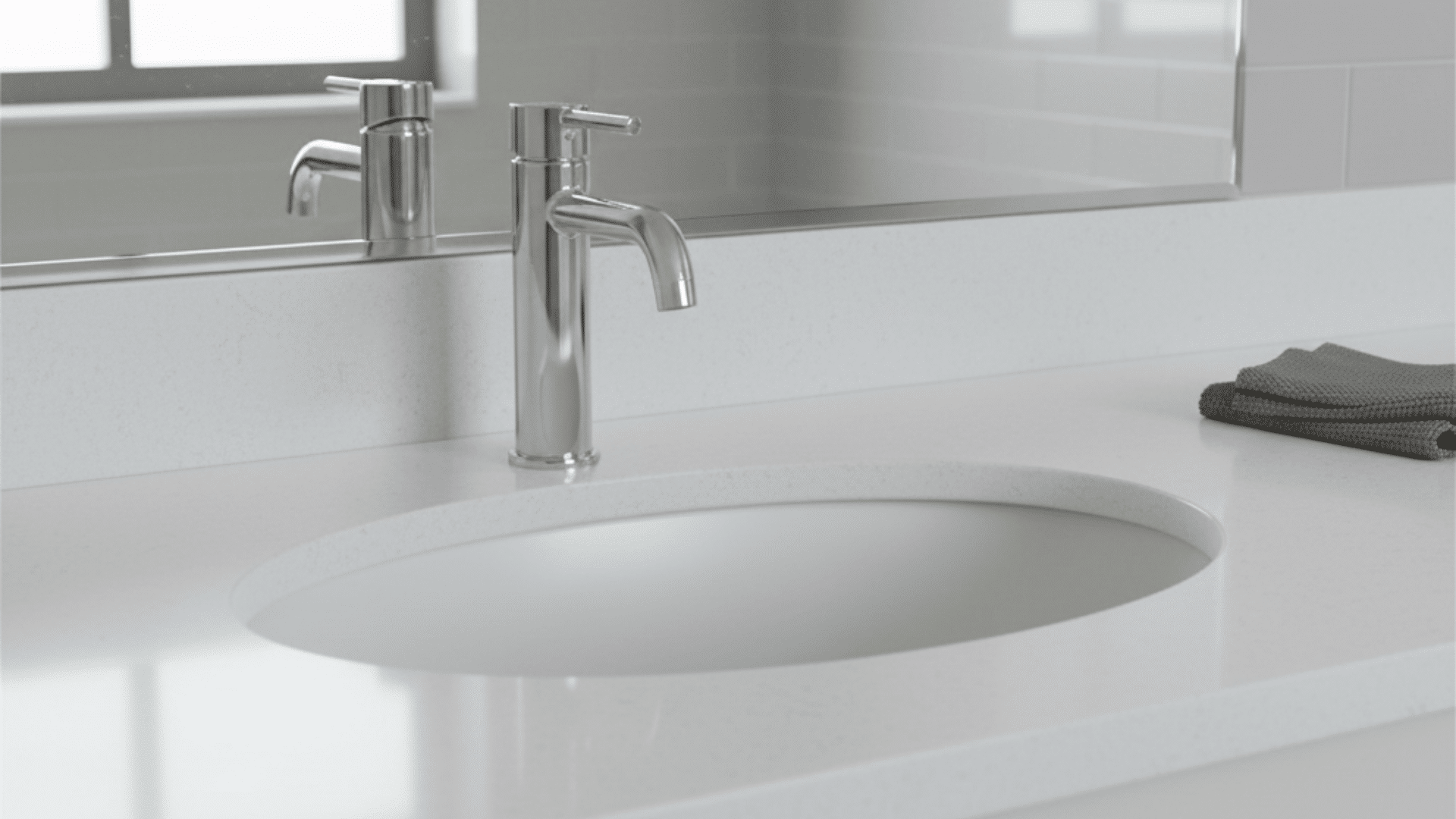
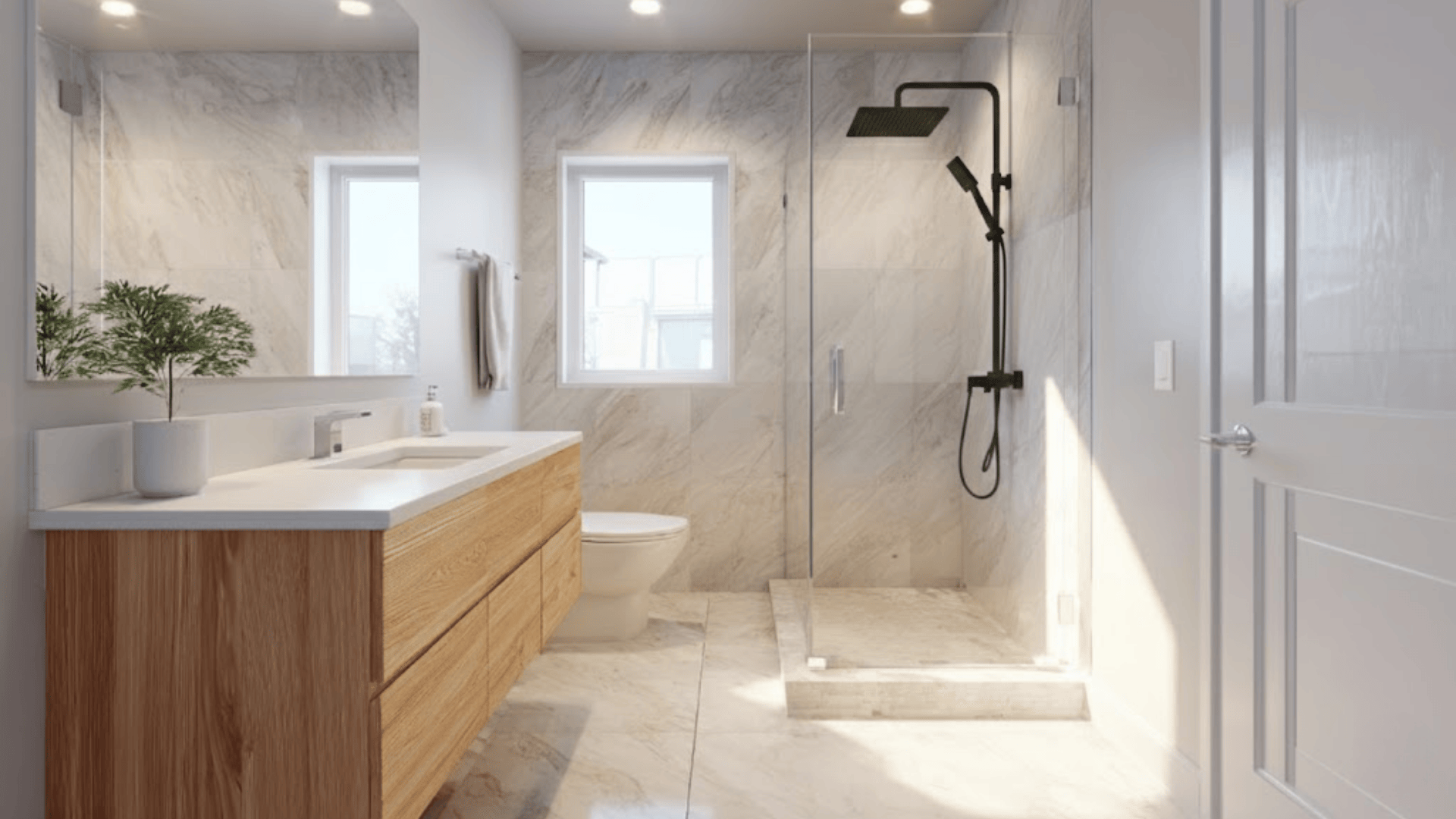
An undermount sink is installed beneath the countertop for a flat, seamless look. You can wipe water or debris straight into the basin. It’s best for modern bathrooms with stone or solid surfaces.
The design looks clean and elegant, though it needs secure installation. It’s perfect for those who want a clutter-free, easy-to-maintain sink area.
3. Vessel Sink
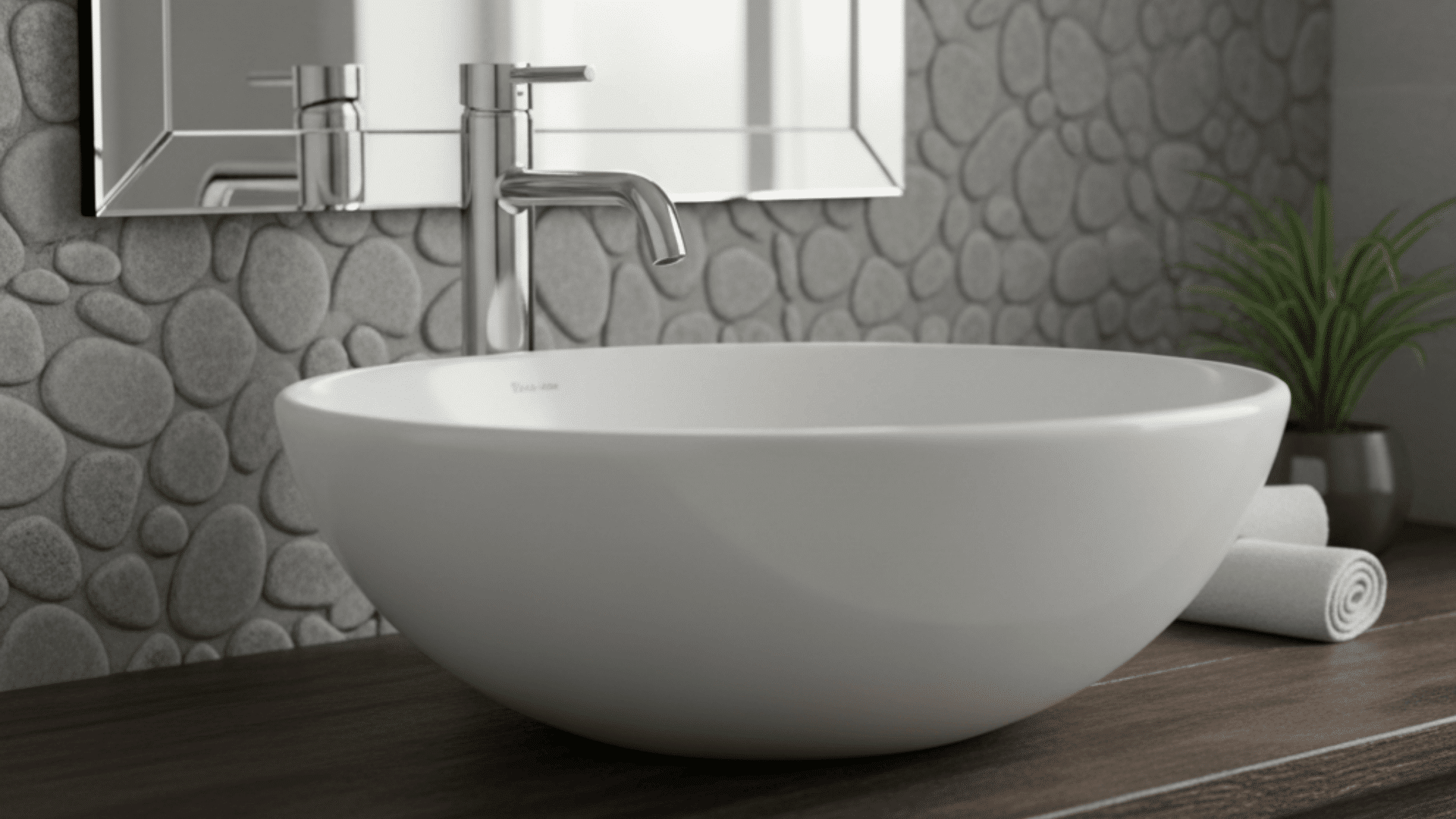
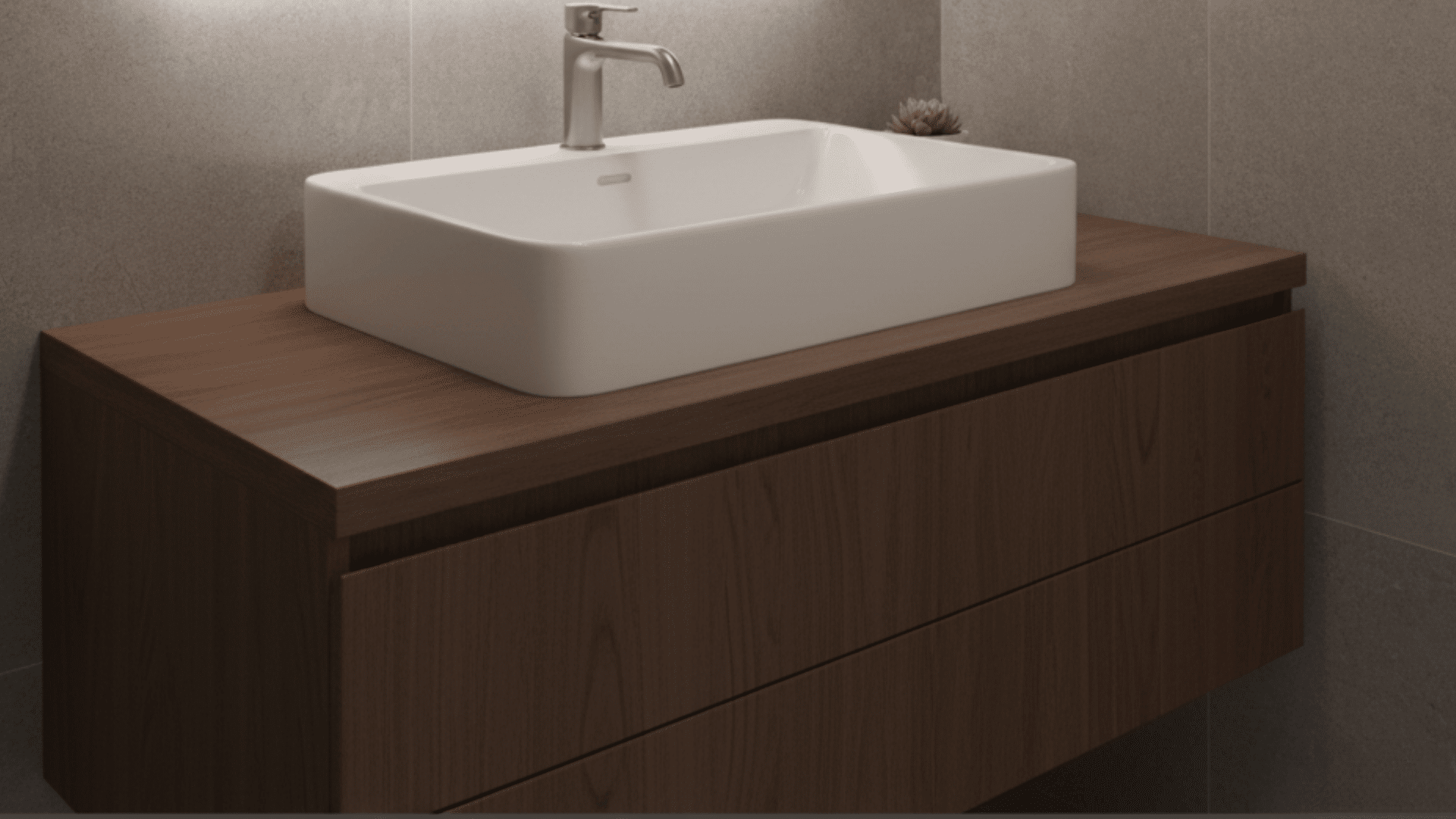
A vessel sink sits on top of the counter like a decorative bowl. It’s often used in stylish or spa-inspired bathrooms. These sinks come in materials such as glass, ceramic, or stone.
They work best with lower counters and tall faucets. While vessel sinks make a design statement, they can splash more water and require regular cleaning around the base.
4. Pedestal Sink
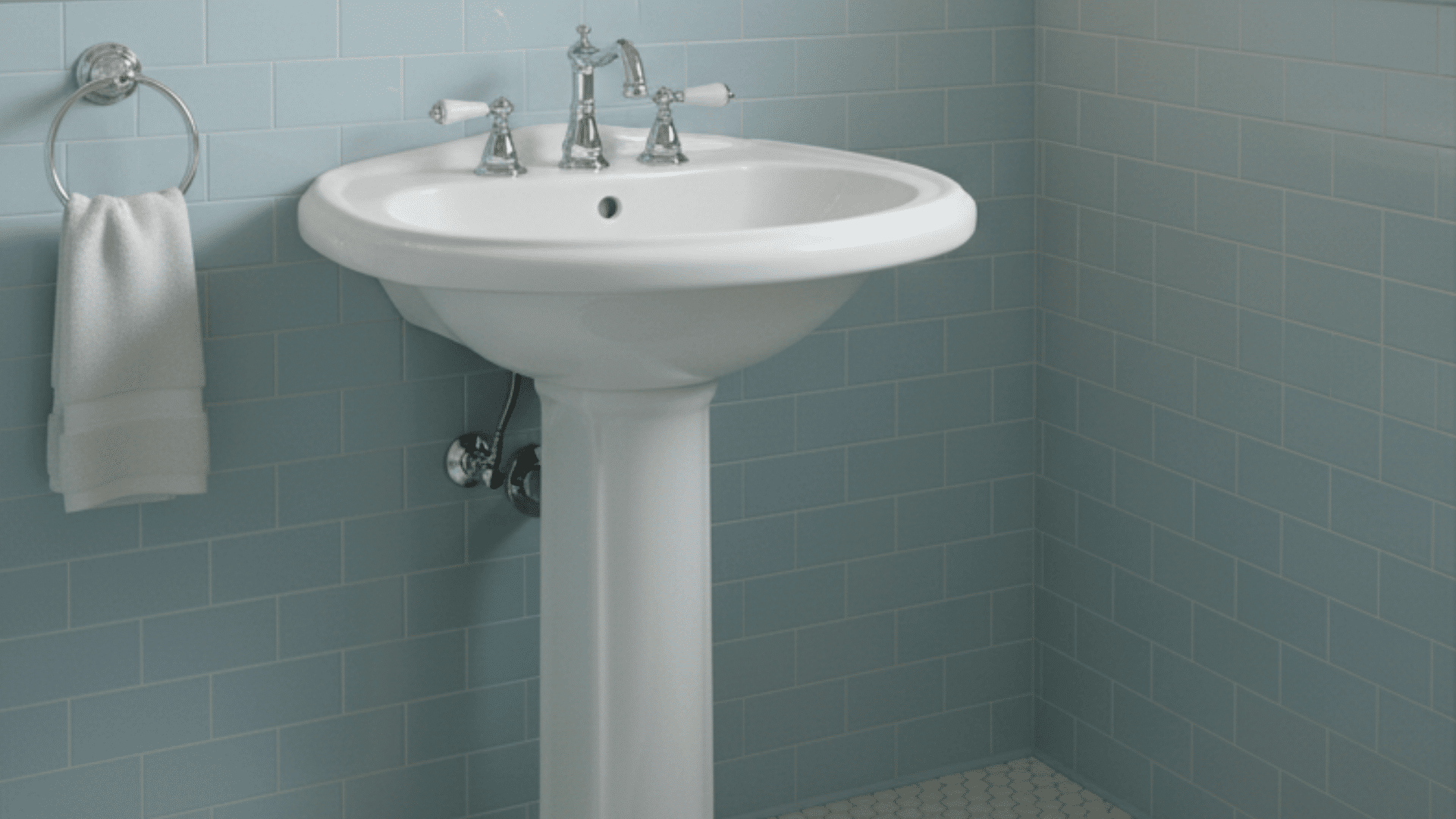
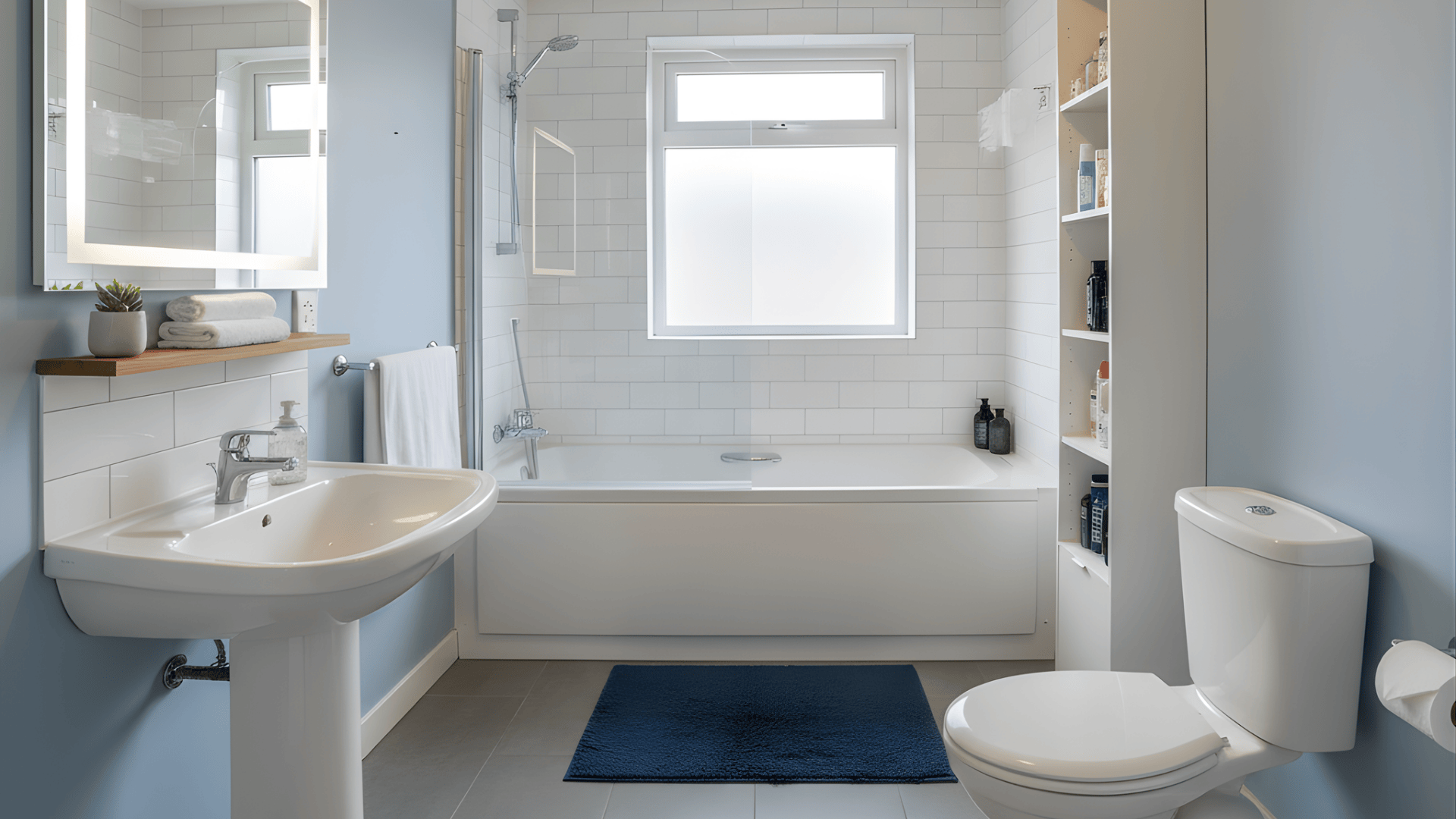
A pedestal sink features a basin supported by a tall column that hides the plumbing. It’s ideal for small or vintage-style bathrooms. The design looks light and elegant, though it lacks countertop space.
Pedestal sinks are easy to install and work well in powder rooms or tight spaces where storage isn’t a priority but classic style is.
5. Wall-Mounted Sink
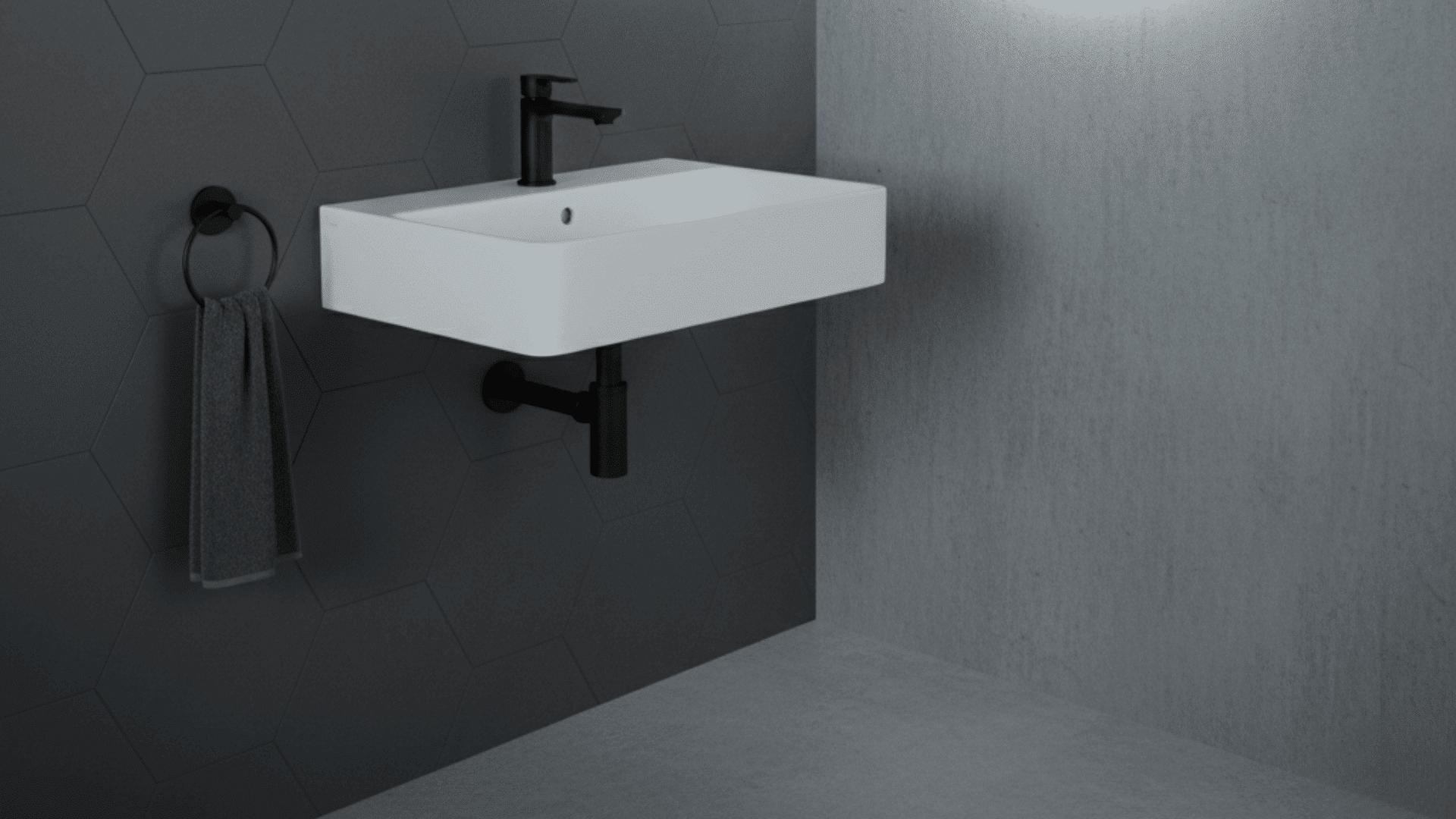
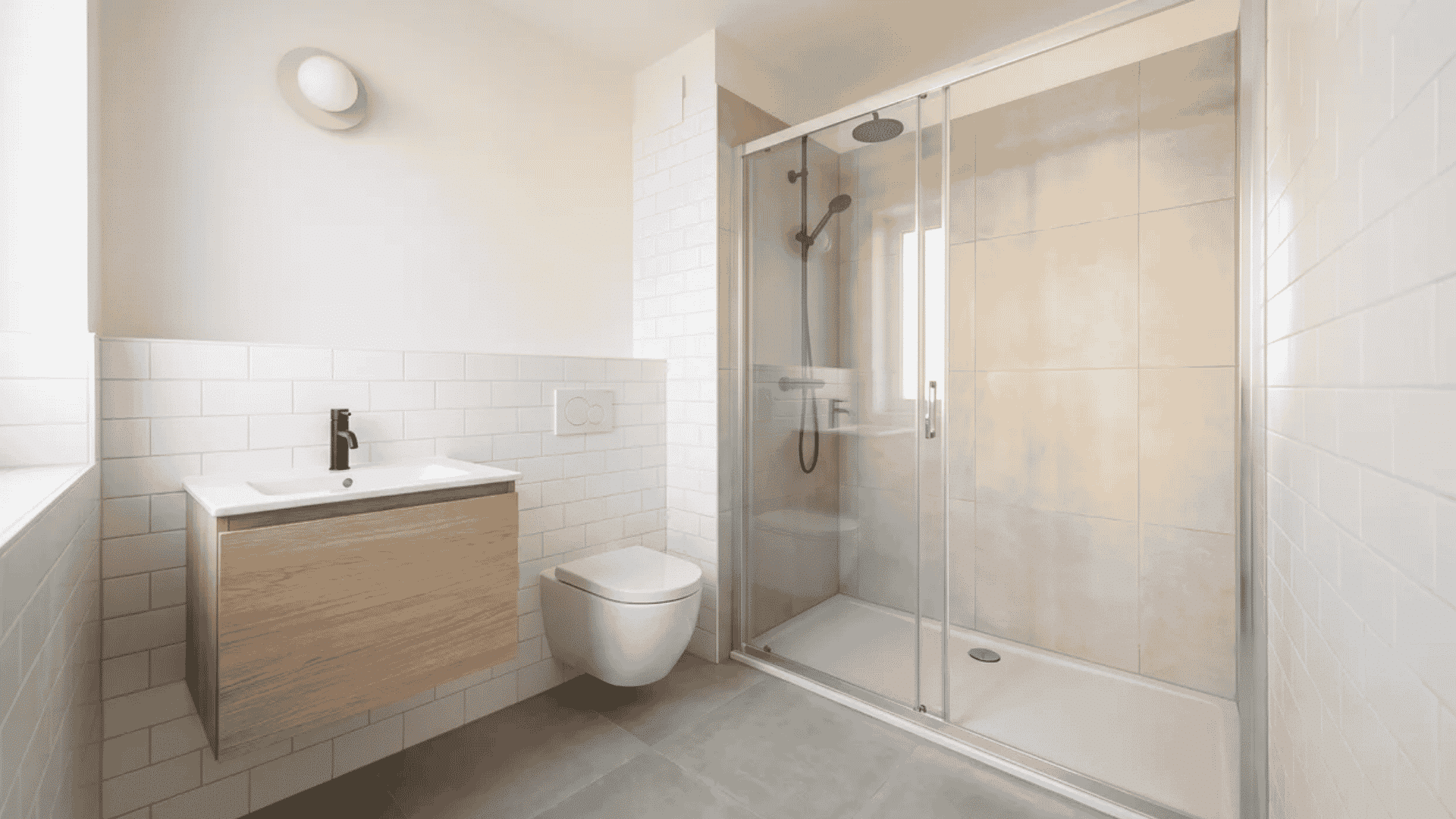
A wall-mounted sink is attached directly to the wall, leaving space below. It’s perfect for small bathrooms where every inch matters. The plumbing is hidden within the wall, creating a neat and airy look.
It’s often paired with modern or industrial interiors. Wall-mounted sinks are easy to clean underneath, but need strong wall support during installation.
6. Console Sink
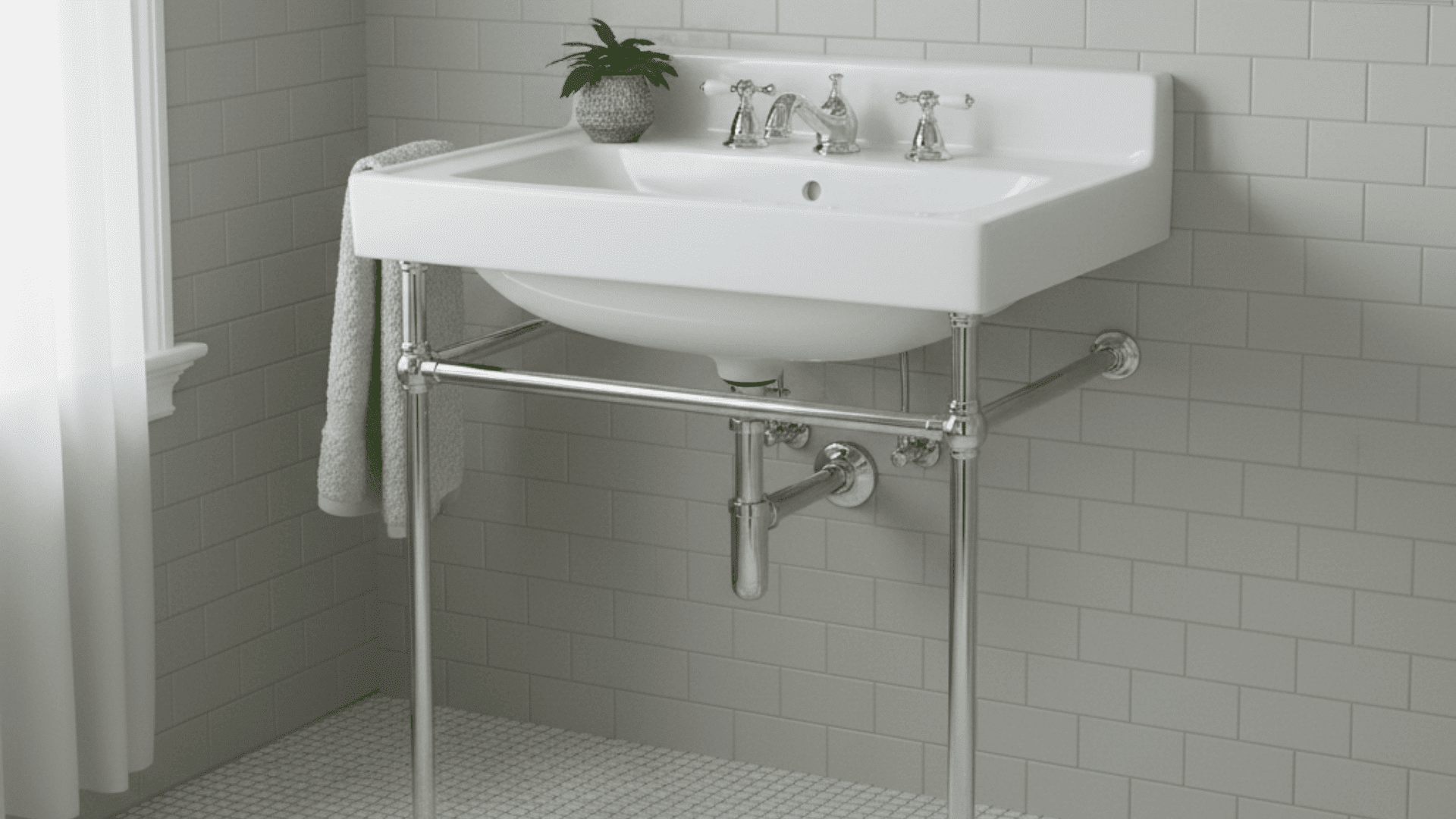
A console sink combines a wall-mounted setup with visible legs for added support. The legs can be metal or ceramic, giving a vintage yet open feel.
It’s ideal for medium-sized bathrooms that want practicality. Console sinks offer a light, airy appearance and make it easier to keep the floor clean while adding visual interest.
7. Corner Sink
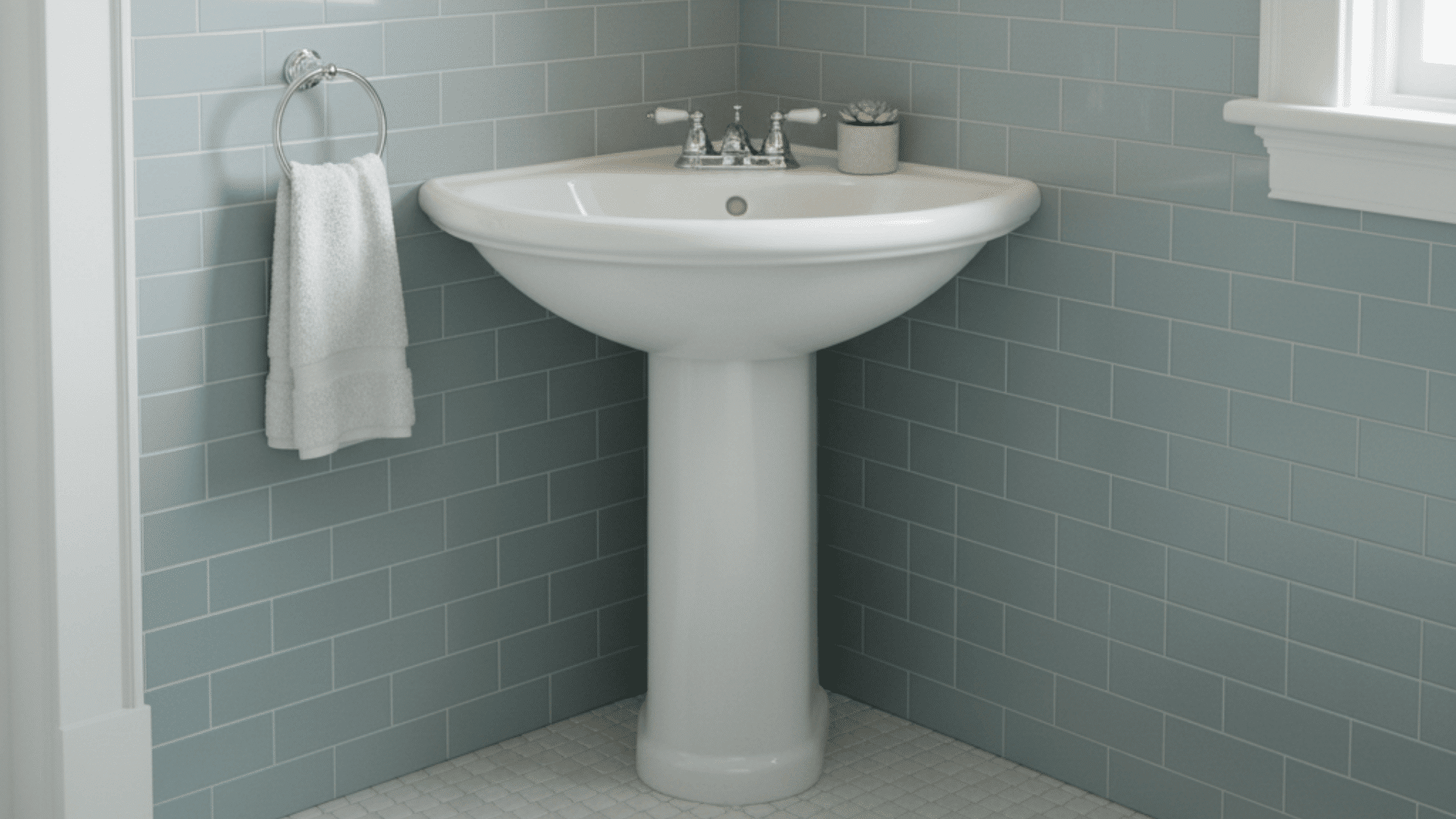
Corner sinks fit snugly into a bathroom corner, making them perfect for compact layouts. They can be wall-hung or mounted on a short pedestal.
This type saves floor space while keeping the bathroom functional. Corner sinks work well in powder rooms or guest bathrooms where every inch counts, but style and comfort are still important.
8. Semi-Recessed Sink
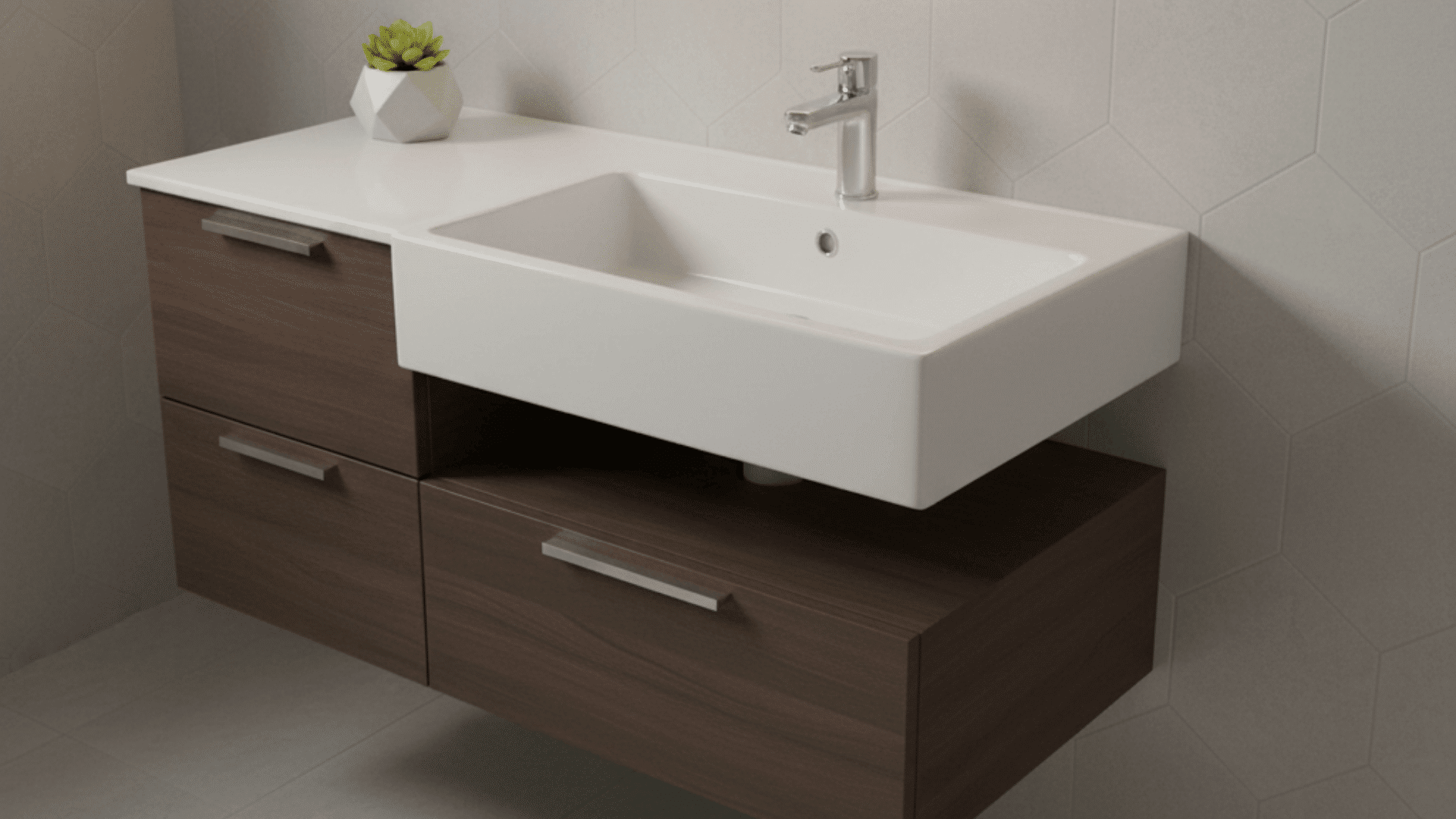
A semi-recessed sink is partly built into the countertop, with the front edge extending beyond the vanity. This setup provides easy access to the basin while maintaining storage behind it.
It’s ideal for modern bathrooms where space and design must balance. Though installation takes precision, it rewards you with a sleek, ergonomic look and easy reach.
9. Integrated Sink
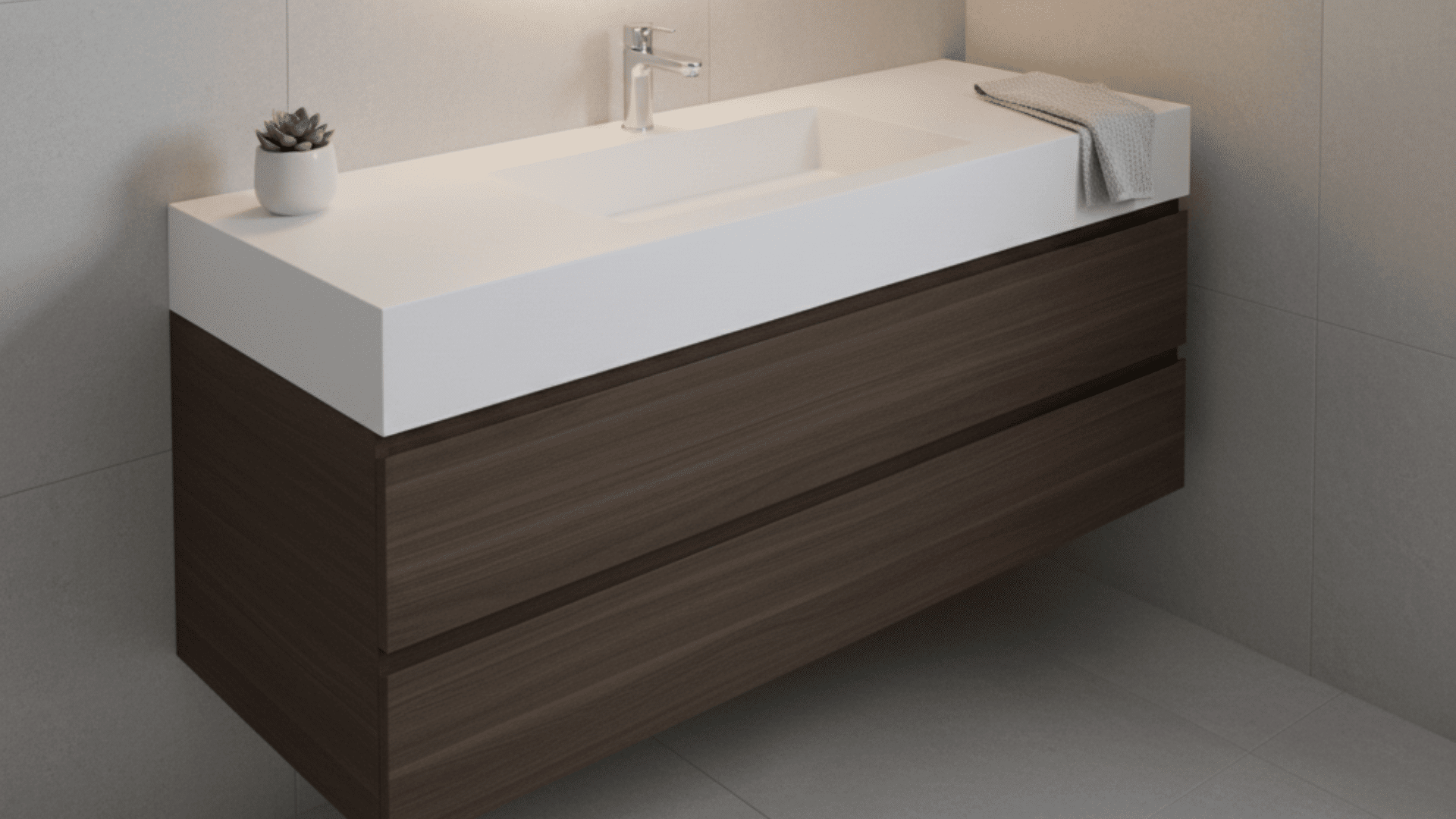
An integrated sink is molded from the same material as the countertop, creating one continuous surface. It’s sleek, seamless, and easy to clean since there are no joints or rims.
These sinks are common in contemporary bathrooms and are often made from resin or solid surfaces. They suit minimalist designs and simplify both installation and maintenance.
10. Trough Sink
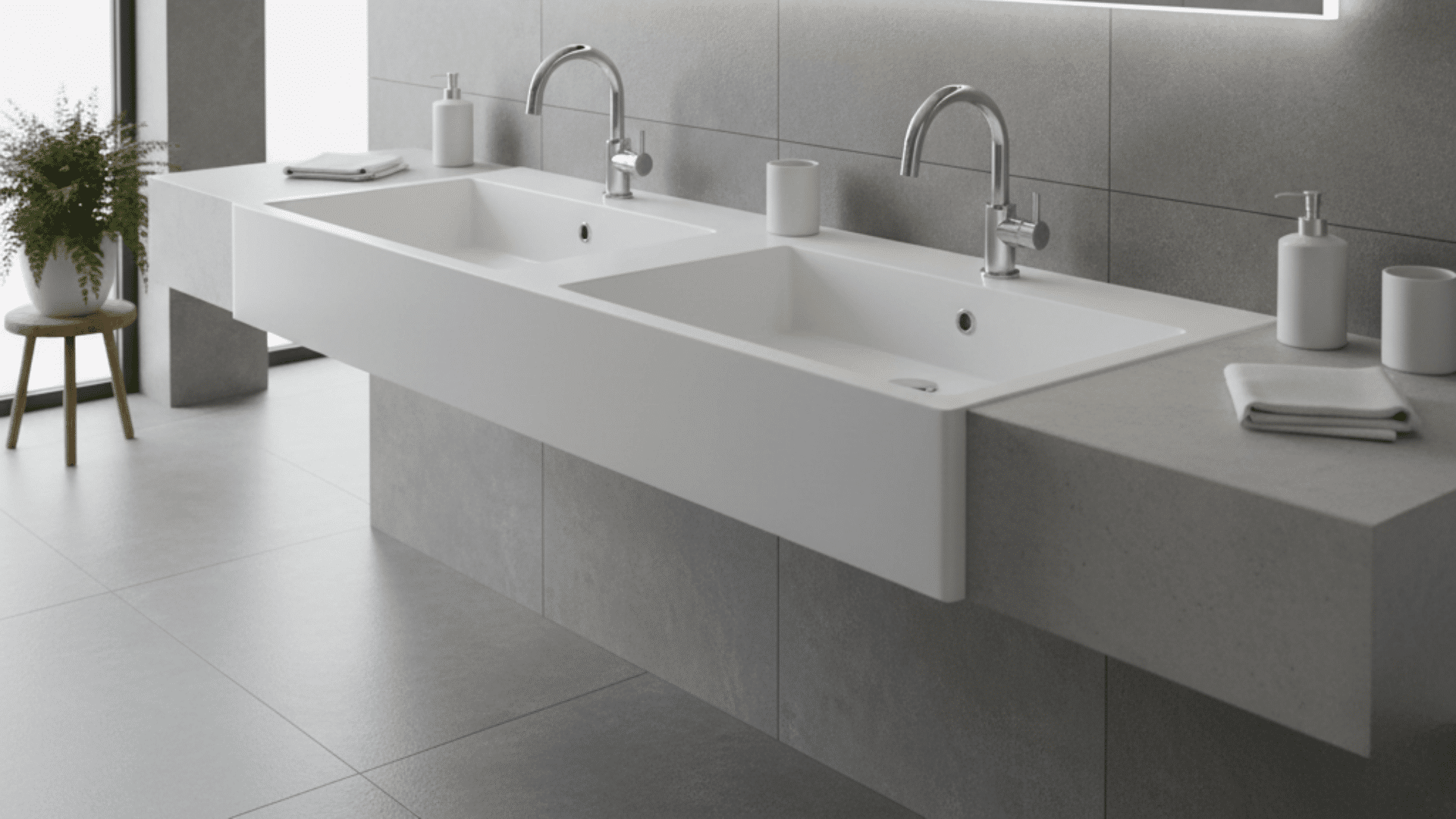
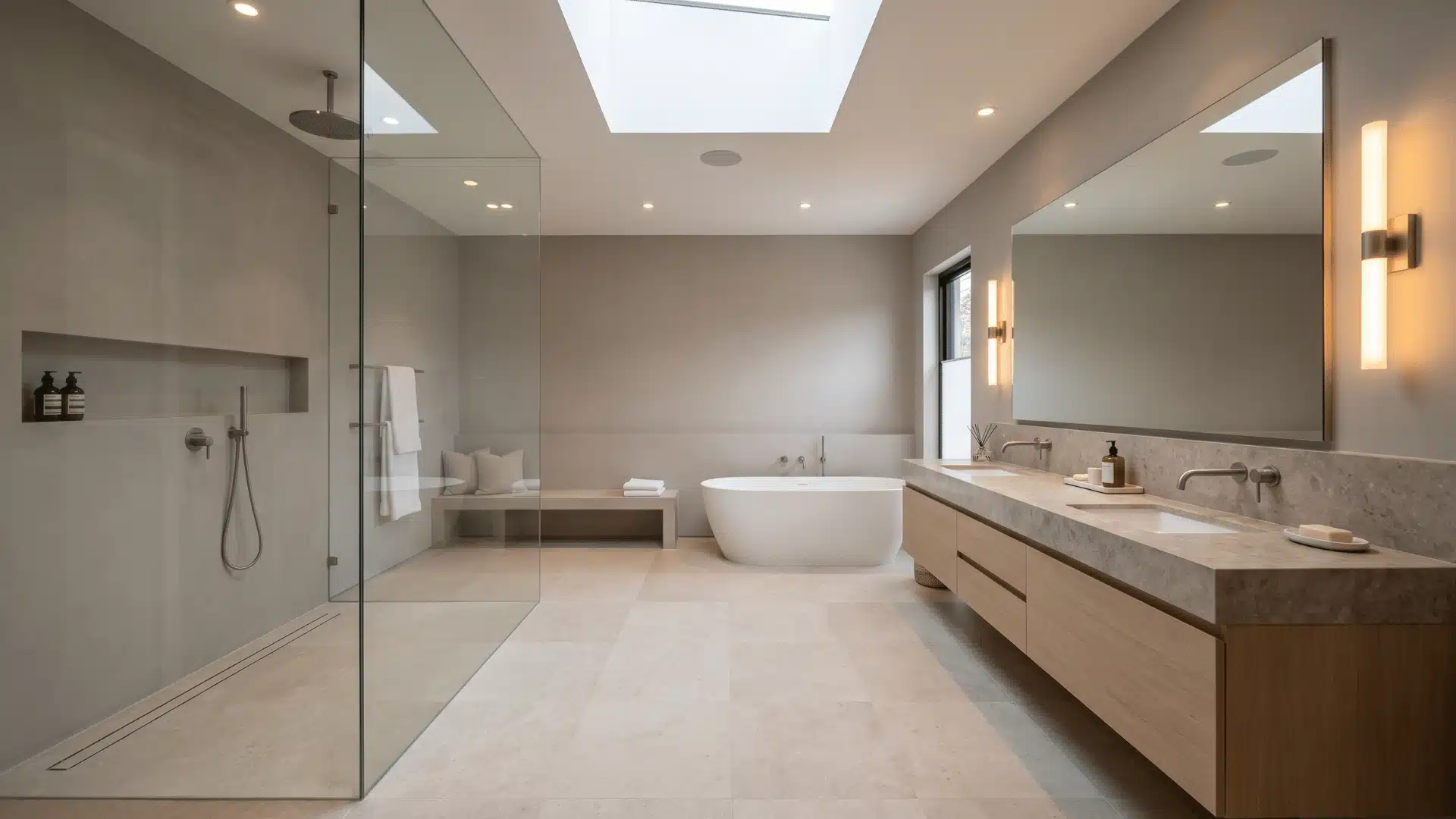
A trough sink is long and shallow, often designed for two faucets. It’s ideal for shared or family bathrooms. The design can be wall-mounted or countertop-based, depending on preference.
Trough sinks add a modern, linear look and save counter space by serving two users at once. They fit contemporary interiors and emphasize clean, simple lines.
11. Vanity-Top Sink
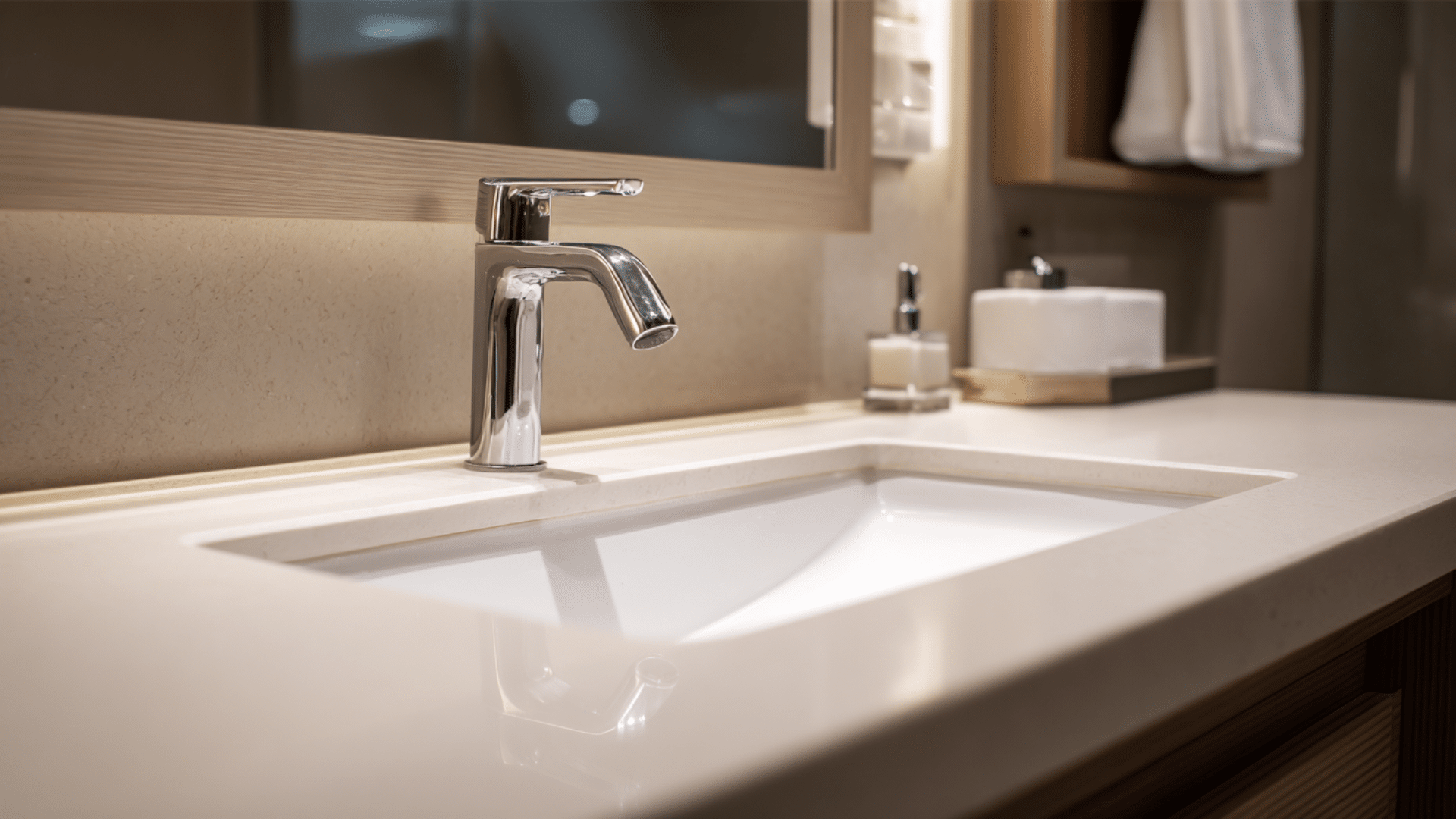
A vanity-top sink comes attached to a countertop or vanity base, making installation quick. It’s perfect for easy remodeling and provides a polished, unified look.
These sinks work well in modern and transitional bathrooms. While customization is limited, they offer convenience and storage, combining practical design with a clean, coordinated style.
12. Apron-Front Sink
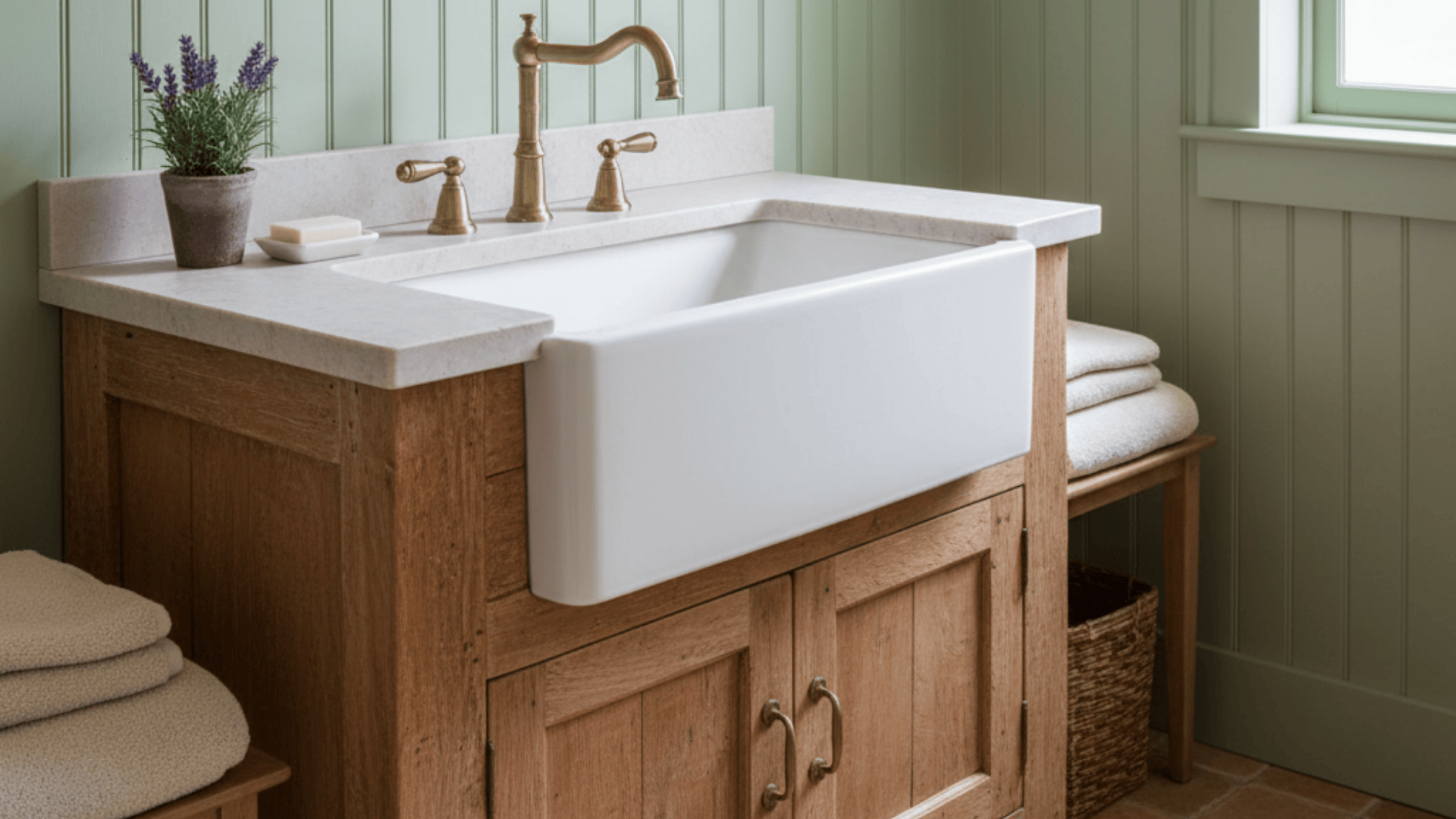
An apron-front sink, inspired by farmhouse designs, features an exposed front edge that extends past the counter. It’s mounted under or flush with the countertop, giving a bold visual focus.
Though often used in kitchens, smaller versions suit rustic or country-style bathrooms. The deep basin makes washing easy while adding character and charm to the space.
13. Washstand Sink
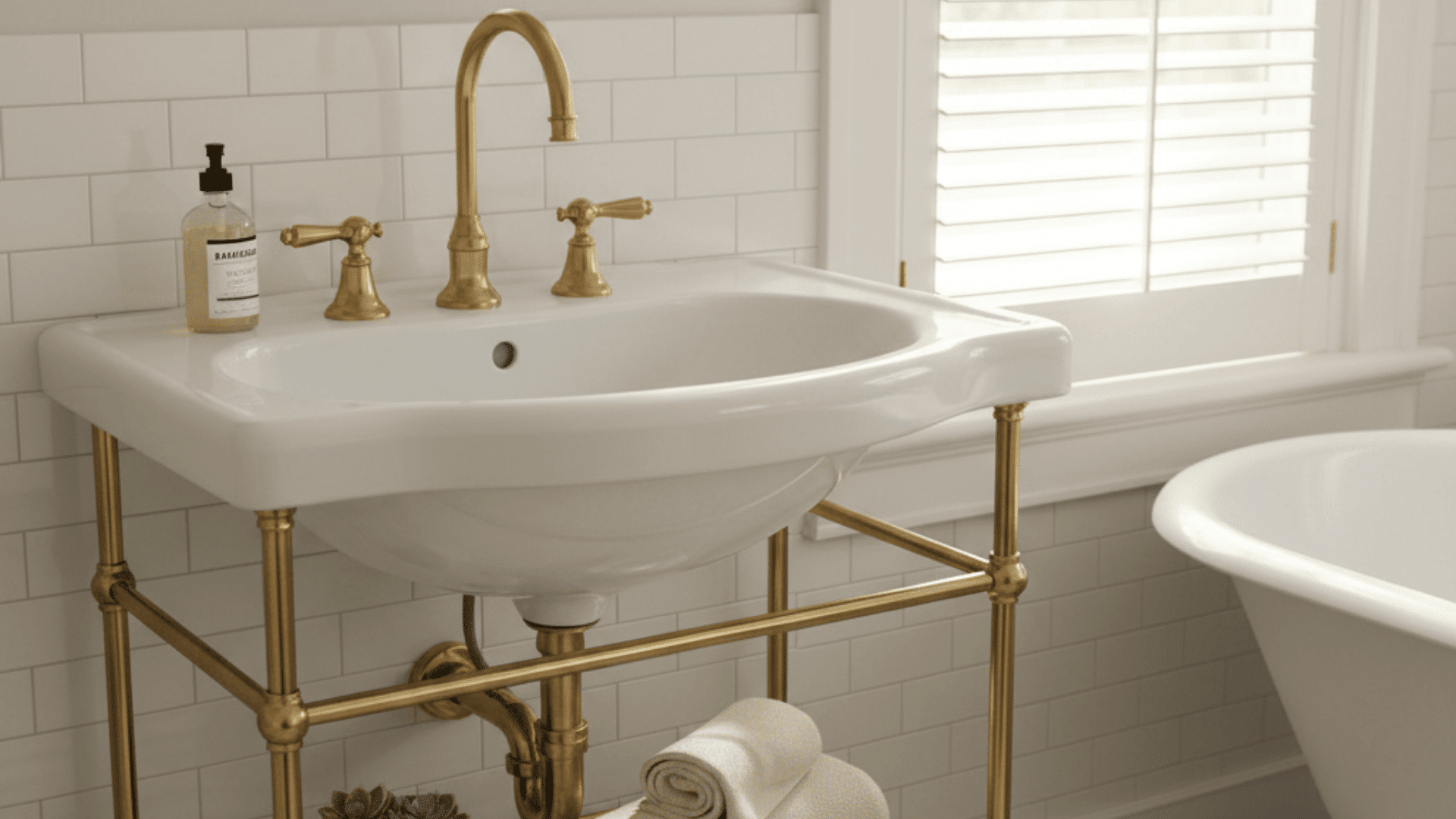
A washstand sink features a basin mounted on a metal or wood stand, echoing early 20th-century bathroom furniture. The open base can hold towels or décor, keeping the area functional and light.
It’s great for vintage or eclectic bathrooms. Installation involves securing the basin on the frame, giving a stylish mix of old-world practicality.
Choosing the Right Sink
The sink should fit your bathroom’s size and how often it’s used. Here’s how to match the right type to your layout and needs:
- Small Bathrooms: Wall-mounted, corner, or pedestal sinks save space and make the room feel open. They’re easy to clean and keep the floor area clear.
- Luxury Bathrooms: Stone or vessel sinks give a bold, upscale look. Marble, granite, or onyx add texture and pair well with modern or premium fixtures.
- Family Bathrooms: Drop-in or undermount sinks are durable and simple to clean. Their wide basins handle daily use and suit busy households.
- Guest Bathrooms: Glass or countertop sinks add visual appeal with little upkeep. They work best in spaces focused on design over heavy use.
Pick a sink that fits your space and use. The right type improves comfort, function, and appearance.
Pros and Cons
| Sink Type | Pros | Cons |
|---|---|---|
| Drop-In | Easy to install and replace; fits most countertops | Rim collects dirt; less seamless look |
| Undermount | Clean edges; easy to wipe spills into sink | Needs strong support; harder to install |
| Vessel | Stylish focal point; wide design options | Can splash easily; needs frequent cleaning |
| Pedestal | Space-saving; hides plumbing well | No counter space; less storage |
| Wall-Mounted | Saves floor space; modern look | Needs a strong wall and concealed plumbing |
| Console | Open, airy design; easy floor access | Limited storage; may require extra support |
| Corner | Perfect for small spaces; efficient layout | Small basin; limited styles |
| Semi-Recessed | Easy access to the basin saves space | Complex installation; limited counter space |
| Integrated | Seamless look; easy to clean | Hard to replace; limited design flexibility |
| Trough | Great for two users; modern design | Requires a wide counter; may splash more |
| Vanity-Top | Simple installation; unified design | Hard to customize; limited size options |
| Apron-Front | Deep basin; standout design | Heavy; needs strong support |
| Washstand | Vintage charm; open storage space | Less privacy; may take more room |
Each sink type has strengths and trade-offs. Choose based on what matters most: easy upkeep, unique style, or space efficiency.
Tips for Maintenance and Longevity
- Cleaning Frequency: Clean ceramic and metal sinks weekly with mild soap and water. For stone or concrete, use pH-neutral cleaners and reseal once or twice a year. Glass sinks need frequent wiping to remove water spots.
- Avoiding Scratches and Stains: Use soft cloths or sponges instead of abrasive pads. Avoid harsh chemicals that can dull finishes. Always rinse away toothpaste, soap, and cosmetics that can stain over time.
- Handling Leaks and Drain Issues: Check plumbing connections regularly and tighten loose fittings. Use a mild drain cleaner or baking soda and vinegar to clear minor clogs. Fix slow leaks quickly to prevent water stains or damage to the countertop.
Routine care keeps your sink clean, strong, and working well. A few minutes of maintenance each week can extend its life and maintain its appearance for years.
Conclusion
Your bathroom sink is more than a fixture; it sets the tone for how your space looks and works every day.
Understanding the different types of bathroom sinks helps you choose one that fits your needs, from compact layouts to stylish upgrades.
The right sink can make cleaning easier, add character, and create a sense of harmony across your bathroom design. It’s a small feature that often makes the biggest visual difference.
Think about how you use your space daily, then pick a sink that feels practical and personal. Take the next step and start finding styles that match your home and lifestyle.