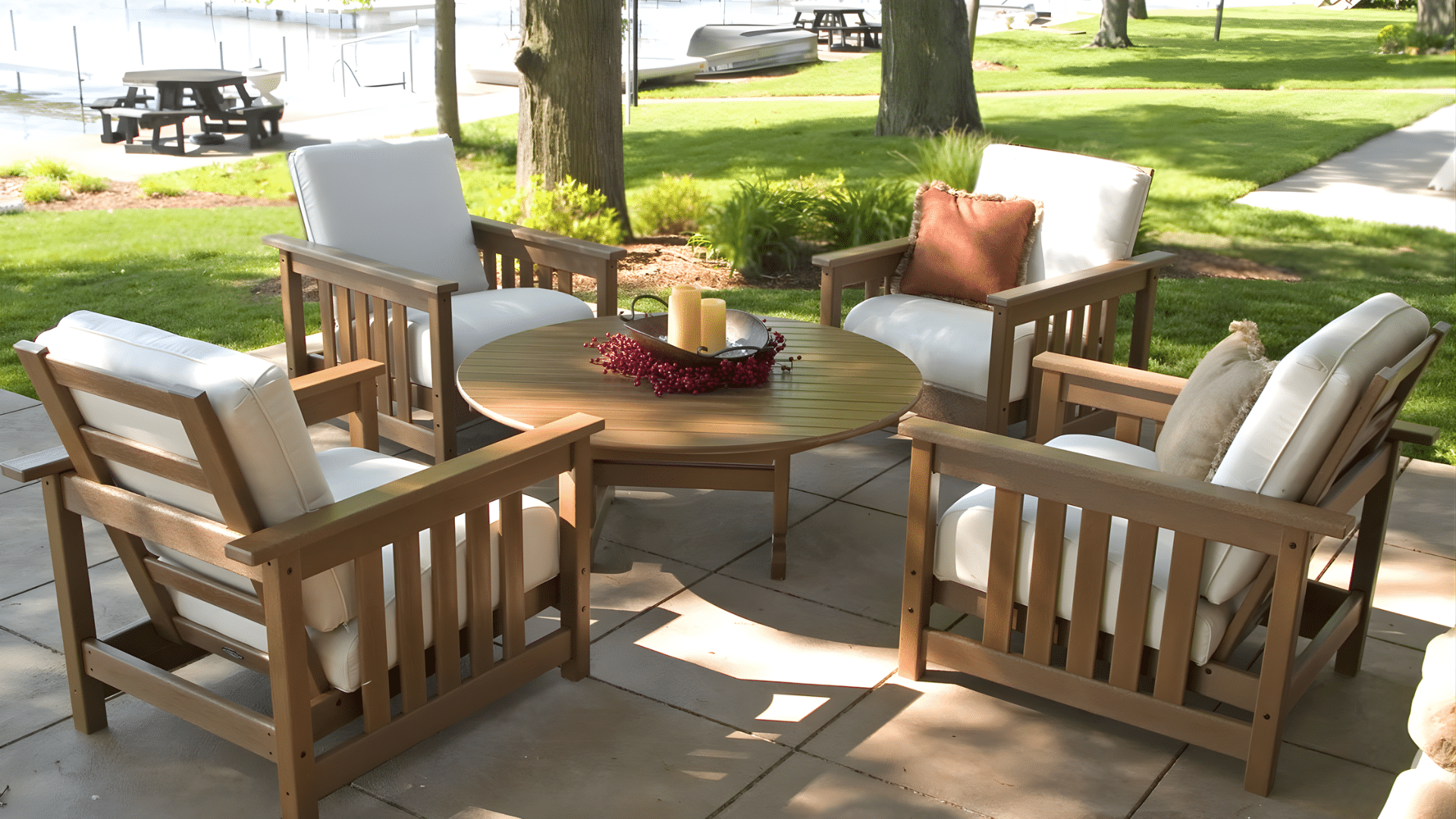




Finding the best wood for outdoor furniture can feel confusing with so many choices. I’ve learned that what works in one climate may not hold up in another.
You want furniture that lasts through sun, rain, and changing seasons without constant repairs. The right wood can handle all that while keeping its strength and color.
In this guide, I’ll share the most durable woods for outdoor furniture, how they perform in different climates, and simple care tips to make them last for years.
What Makes Wood Suitable for Outdoors
Outdoor furniture is constantly exposed to sun, rain, and humidity. The right wood can handle these challenges without warping, rotting, or losing its look.
- Durability: Dense hardwoods like teak and white oak resist wear, insects, and decay better than softwoods.
- Weather Resistance: Natural oils or tight grain patterns help wood stay stable in moisture and heat.
- Maintenance: Some woods, such as teak, need little care, while others, like acacia, require regular oiling.
- Sustainability: Woods from renewable or certified sources reduce environmental impact.
- Budget: Choosing a wood that fits your price range while lasting long saves money over time.
Best Woods for Outdoor Furniture
Outdoor furniture faces constant exposure to sun, rain, and humidity. The woods below combine strength, beauty, and weather resistance for long-lasting use.
1. Teak
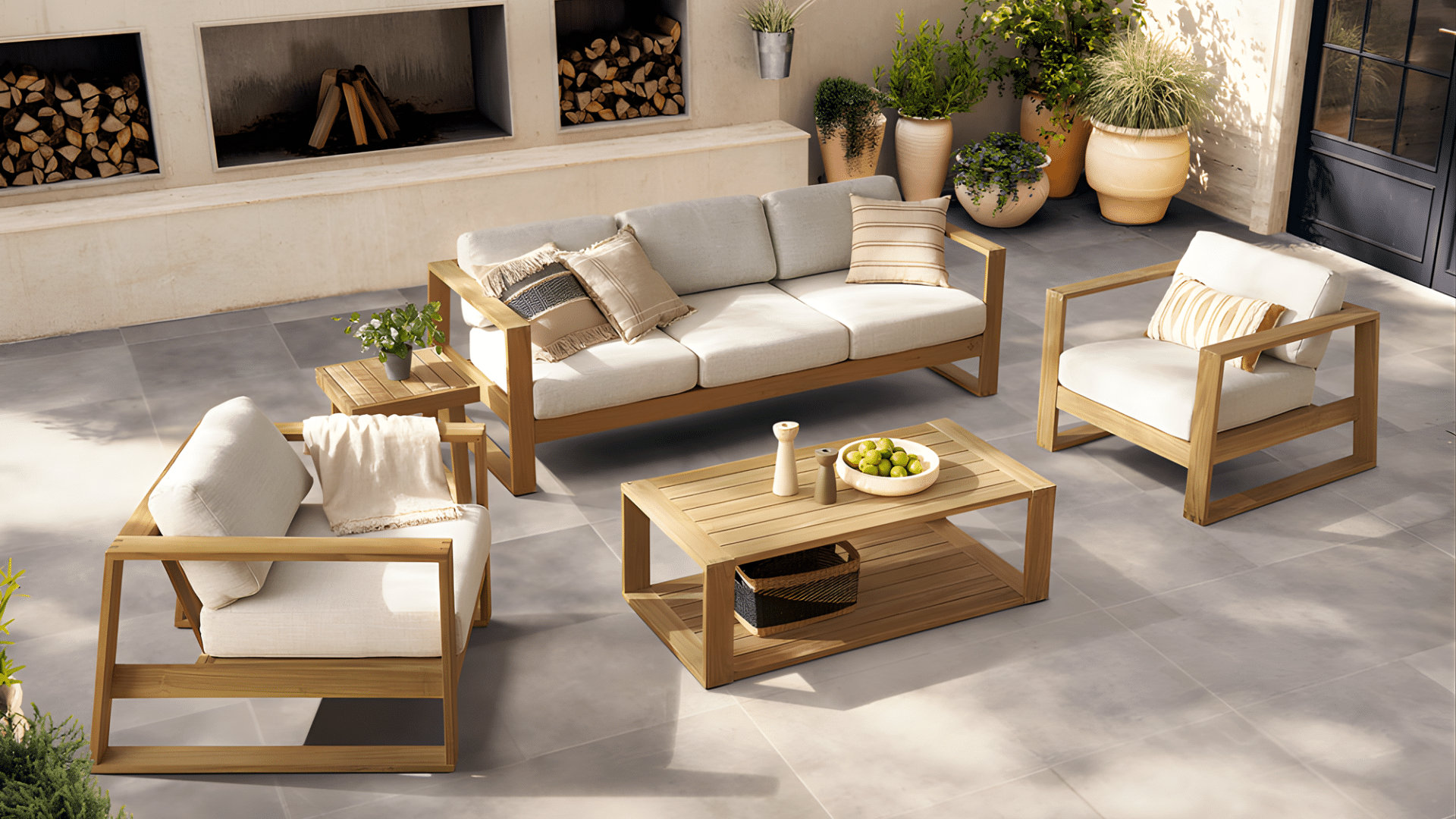
Teak is naturally rich in oils that protect it from moisture, rot, and insects. It’s extremely durable and needs very little maintenance outdoors.
It can last for decades, even in harsh climates, making it ideal for coastal areas. Over time, teak develops a smooth silver-gray patina that many love.
2. White Oak

White oak’s tight grain makes it resistant to water and decay. It’s sturdy enough for constant outdoor use and holds up well through all seasons.
Apply a clear sealant to help it last longer and preserve its golden tone. If left untreated, it fades to a soft gray that suits rustic designs.
3. Black Locust

Black locust is an incredibly hard wood that resists rot without chemical treatment. It’s often used as a native, eco-friendly alternative to teak.
It performs well in both dry and humid environments with little upkeep. Its density and sustainability make it a favorite among long-term builders.
4. Cedar

Cedar is soft, easy to handle, and naturally resists insects and decay. It’s perfect for DIY furniture or light-use outdoor seating areas.
It has a pleasant aroma and holds finishes well, but needs yearly sealing. Without it, cedar turns gray and may show dents or scratches faster.
5. Redwood

Redwood is known for its rich color and natural stability outdoors. It resists warping and cracking, even in damp or changing weather conditions.
It’s more expensive than cedar but lasts longer when sealed properly. To protect its warm tone, apply a UV-blocking finish once or twice a year.
6. Eucalyptus

Eucalyptus is dense and moisture-resistant, making it a strong value pick. It’s grown in sustainable plantations and works well for outdoor settings.
It needs regular oiling to prevent splitting and fading under strong sunlight. With steady care, eucalyptus furniture stays durable for many seasons.
7. Acacia

Acacia is a hard, affordable wood with a striking natural grain. It holds up well outdoors when kept sealed and maintained throughout the year.
It’s best suited for covered patios or mild climates with little rain. With regular oiling, acacia can stay sturdy and stylish for a long time.
8. Other Reliable Choices

Cypress, mahogany, and ipe are also excellent options for outdoor use. They’re dense, water-resistant, and known for their impressive longevity.
These woods are often harder to find and more expensive than others. Still, they deliver unmatched strength, stability, and lasting visual appeal.
Best Outdoor Woods by Climate and Durability
| Wood Type | Durability (Years) | Maintenance Level | Best Climate / Region | Why It Works Well / Best For |
|---|---|---|---|---|
| Teak | 50+ | Low | Humid, Tropical, Coastal | Natural oils resist rot, insects, and salt; long-term use in all climates |
| White Oak | 25–40 | Moderate | Coastal, Cold, Wet | Tight grain resists moisture and decay; great for wet or coastal areas |
| Black Locust | 30–40 | Low | Humid, Cold, All-Weather | Naturally rot-resistant and sustainable; performs well in any climate |
| Cedar | 15–20 | Moderate | Dry, Arid | Light, easy to work with; needs sealing but handles heat and sun well |
| Redwood | 20–30 | Moderate | Cold, Wet | Stable and crack-resistant; resists decay and moisture with sealing |
| Eucalyptus | 10–20 | High | Dry, Warm | Dense and affordable; requires regular oiling to prevent cracking |
| Acacia | 10–15 | High | Mild, Dry | Budget-friendly and durable with care; best for covered patios or mild climates |
| Mahogany | 30–40 | Moderate | Humid, Tropical | Dense and weather-resistant; ideal for elegant, long-lasting furniture |
Maintenance and Finishing Tips
Proper care helps outdoor furniture last longer and stay attractive. Use these simple steps to keep each wood type protected year after year.
- Cleaning: Wash furniture with mild soap and a soft brush twice a year, then rinse and dry completely to prevent mildew or surface stains.
- Oiling: Apply natural oil to woods like acacia or eucalyptus every few months to maintain color, prevent cracking, and keep the surface smooth.
- Sealing: Use a clear, breathable sealant once a year to guard against moisture and sun damage while allowing the wood to expand naturally.
- Painting: Choose high-quality exterior paint for full coverage and UV protection, helping the furniture resist peeling, fading, and cracking.
- Storage: Cover furniture during harsh weather or move it indoors in winter to reduce wear and keep it looking fresh for many years.
- Extra Tip: Elevate furniture slightly to prevent water from pooling around the legs during rainy seasons.
Regular maintenance not only protects your investment but also highlights the wood’s natural beauty, keeping your outdoor furniture sturdy and appealing season after season.
Eco-Friendly and Sustainable Choices
If you want outdoor furniture that lasts and stays kind to the planet, these eco-friendly wood options balance durability, ethics, and long-term value.
- Certified and Responsible Sourcing: Choose wood labeled with FSC or similar certifications to ensure ethical harvesting and forest protection while maintaining premium quality.
- Fast-Growing and Renewable Woods: Pick acacia or eucalyptus, which grow quickly and are plantation-managed, providing durable furniture with a lower environmental footprint.
- Reclaimed and Recycled Wood: Use reclaimed wood to give old materials new life, reduce waste, and add unique character to your outdoor furniture pieces.
- Local and Sustainable Choices: Buying locally sourced wood cuts transport emissions and supports nearby forestry practices focused on conservation and regeneration.
Opting for sustainable woods not only benefits the environment but also creates outdoor spaces that feel responsible, natural, and built to last.
Wrapping Up
The best wood for outdoor furniture depends on your climate, budget, and how much care you’re willing to give. Some woods handle humidity better, while others shine in dry heat.
I always suggest choosing a wood that matches your local weather and the time you have for maintenance. That way, your furniture stays sturdy and beautiful for years.
Now that you know the best options, compare your choices, plan your space, and start building outdoor furniture that truly lasts.