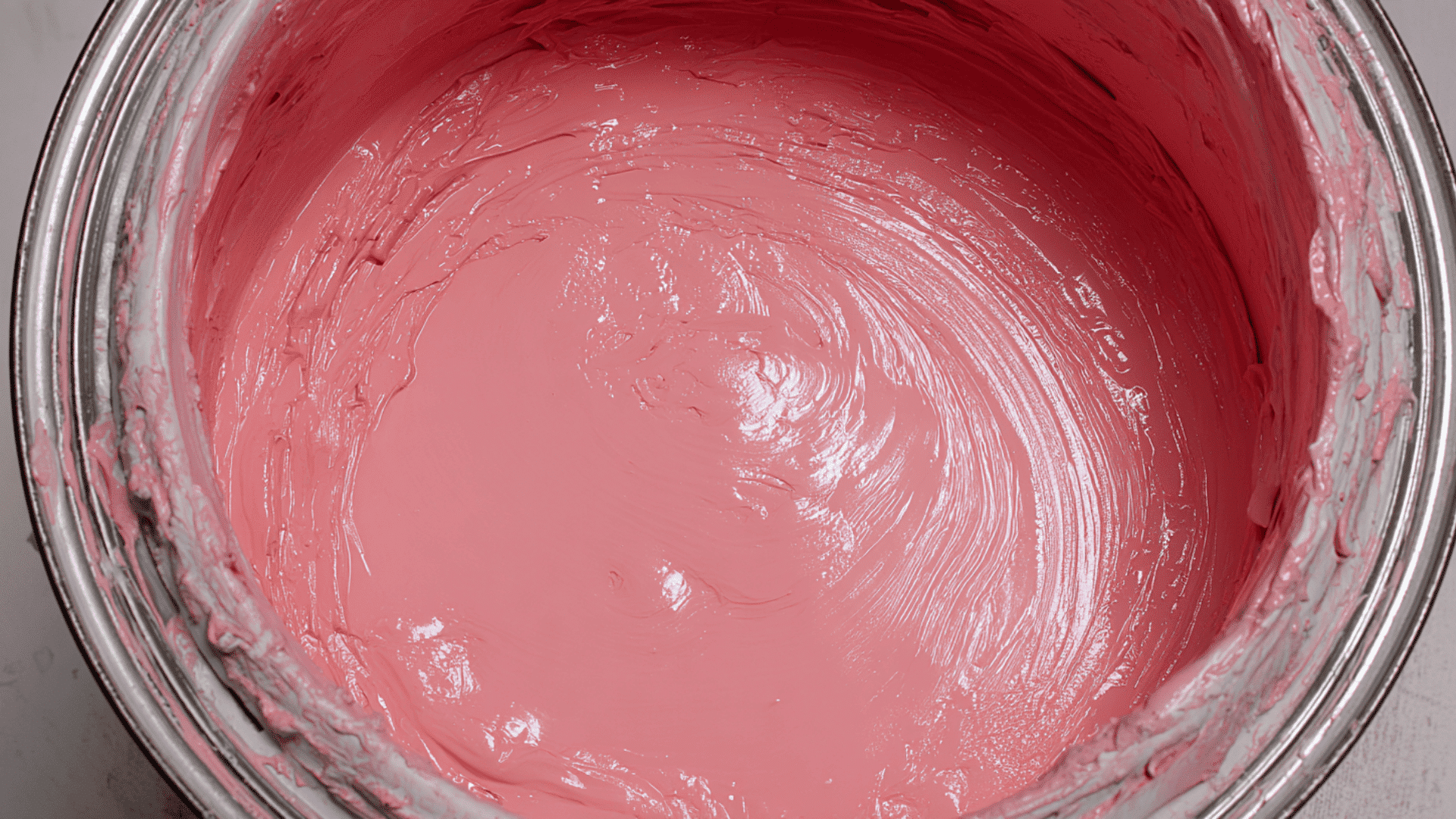





Have you ever wondered if acrylic paint is safe for skin? You’re not the only one. Many of us have been tempted to use it for quick art, makeup looks, or Halloween fun.
What most people don’t realize is that even “non-toxic” paints can cause unexpected skin reactions. But before you brush it on, there’s more you should know.
Today, I will share the truth about acrylic paint, the effects it can have on your skin, and the smarter choices every person should know about.
By the end, you’ll know exactly how to keep your skin safe while still enjoying your creative side – no worries, no irritation, just the facts you need.
Why Acrylic Paint Isn’t Safe for Skin
Acrylic paint isn’t safe for skin because it’s not made for human use. It contains chemicals such as ammonia, formaldehyde, and synthetic binders that can irritate or damage skin.
- Ammonia can cause dryness, redness, or a burning feeling when it touches the skin.
- Formaldehyde, a common preservative, may trigger allergic reactions or inflammation, especially in sensitive individuals.
- Synthetic binders in acrylic paint form a plastic-like layer that clogs pores and traps dirt and bacteria, preventing the skin from breathing properly.
When acrylic paint stays on the skin, it can cause redness, itching, rashes, and burning sensations. These reactions might appear soon after contact or worsen over time, depending on how long the paint stays on.
With repeated use, acrylic paint can lead to long-term skin issues such as damaged skin barriers, allergic responses, and bacterial infections. Even small amounts can cause irritation, making acrylic paint unsafe for any kind of body or face painting.
The “Non-Toxic” Label Doesn’t Mean Skin-Safe
“Non-toxic” on an acrylic paint label doesn’t mean it’s safe for skin. It only means the paint won’t cause harm if used as intended, like on canvas or wood, and in small amounts. It doesn’t mean the paint is tested for use on the body.
Dermatologically tested products are checked on human skin to ensure they don’t cause irritation, allergies, or damage. Acrylic paints are not made or tested this way. Their ingredients can still irritate skin, even if labeled non-toxic.
Many people assume “water-based” or “non-toxic” paints are harmless, but these terms apply to how the paint behaves in art projects, not on skin. Always use paints made specifically for face or body art, since those are designed and tested to be skin-safe.
Removing Acrylic Paint If You’ve Already Used It

If you’ve accidentally used acrylic paint on your skin, don’t panic. The key is to remove it quickly and gently to avoid irritation or damage. Here’s a safe step-by-step guide to help:
- Rinse with warm water: Start by running warm water over the painted area. This softens the dried paint and helps loosen it from your skin. Avoid using hot water as it can dry or irritate your skin further.
- Wash with mild soap: Apply a gentle, fragrance-free soap and lather it well. Use your fingers to lightly massage the area and break down the paint. Harsh scrubbing can cause redness or micro-tears, so keep your touch soft.
- Apply oil if needed: If the paint doesn’t come off easily, use a few drops of baby oil, coconut oil, or olive oil on a soft cloth or cotton pad. Let it sit for a minute to dissolve the paint, then gently wipe it away.
- Wipe gently: Rub lightly in circular motions until the paint starts to lift. Be patient; forcing it off can irritate your skin or cause dryness.
- Rinse and moisturize: Once the paint is gone, rinse your skin again with warm water. Pat dry with a towel and apply a mild moisturizer or aloe gel to restore hydration.
Avoid scrubbing hard, using alcohol, or applying paint removers; these can cause burns, dryness, or further irritation.
What to avoid: Avoid using alcohol, acetone, or paint removers, as these can cause burns or dryness.
When to seek medical help: If you notice redness, swelling, pain, or a rash that doesn’t go away, contact a doctor. These could be signs of an allergic reaction or chemical irritation.
Best Paints that Are Safe for Skin
If you enjoy creative skin art, there are safe options that won’t harm your skin. You can choose professional-grade paints, make your own at home, or try simple temporary alternatives.
Face & Body Paints
These paints are specially made for use on skin. They’re non-toxic, dermatologically tested, and easy to wash off after use.
- Snazaroo Face & Body Paint: Water-based, fragrance-free, and gentle on sensitive skin.
- Mehron Face & Body Paint: Professional-quality paint made with skin-safe ingredients.
- Ben Nye Face & Body Paint: Used by makeup artists and performers; safe when applied correctly.
DIY Natural Paint Options
If you prefer a homemade choice, you can create your own paint with simple ingredients found in your kitchen.
- Mix cornstarch, water, and food coloring to make a basic, safe paint.
- For a softer texture, add a bit of moisturizing cream or baby lotion.
Always patch-test your DIY paint first to ensure it suits your skin.
Temporary Tattoo or Makeup Alternatives
For quick, low-effort body art, temporary products are a great choice. Use washable face crayons, makeup pencils, or temporary body stickers. These are safe, easy to remove, and perfect for kids or short-term designs.
Acrylic Paint vs. Skin-Safe Paint
| Paint Type | Safe for Skin? | Common Use | Risk Level |
|---|---|---|---|
| Acrylic | No | Canvas, wood | High |
| Face Paint | Yes | Skin art | Low |
| Tempera | Partially | Kids’ crafts | Moderate |
| Watercolor | Not ideal | Paper art | Moderate |
Face paints are the safest option since they’re tested and approved for skin. Acrylic and other craft paints may seem harmless, but they can still cause irritation or allergic reactions. Always pick products made for body or face use to protect your skin.
Common Myths About Acrylic Paint Safety
Many people think acrylic paint is harmless, but that’s not true. Here are some common myths you should know about:
| Myth | Why It’s Not True |
|---|---|
| “Non-toxic means safe.” | Non-toxic only refers to safe use on surfaces like canvas or wood, not on skin. |
| “Water-based means skin-safe.” | Acrylic paint still contains chemicals that can irritate or damage skin, even though it’s water-based. |
| “It’s fine because it dries quickly.” | It dries fast because it forms a plastic layer that can clog pores and trap bacteria, causing irritation. |
Always remember a paint’s safety depends on how it’s meant to be used, not just what the label says.
Conclusion
So, is acrylic paint safe for skin? The simple answer is no – it’s made for art, not your body. While it might seem harmless, its chemicals can irritate or damage your skin over time.
Choosing paints designed specifically for face and body use is always the smarter and safer move. Your skin is delicate, and using the right products not only protects it but also gives better, longer-lasting results.
If you love creative expression, let your art shine without risking your skin’s health. Start by switching to skin-friendly products and giving your skin the care it deserves.