

Painting may look easy, but timing is what makes the real difference between an average job and a smooth, professional-looking finish.
Many people think about how long to wait between coats of paint to achieve a perfect finish without streaks or peeling. But with the right approach and a little care, you can transform any space beautifully.
In this blog, you’ll learn why patience matters, how proper drying helps paint stick better, and simple ways to get a flawless finish.
So, before you rush to add that second coat, take a moment; waiting the right amount of time can make all the difference in how your project turns out.
Why Waiting Between Coats Really Matters
Waiting between coats of paint helps your project look smooth and last longer. Each layer needs time to dry and stick properly before you add another one.
If you rush the process, the paint might not bond well. This can lead to:
- Peeling: the top coat lifts off because the first coat isn’t dry.
- Streaking or uneven texture: caused by wet paint being disturbed too soon.
- Bubbling or cracking: when trapped moisture tries to escape through the new layer.
Factors that Affect Drying Time
How fast your paint dries depends on a few simple things you can control:
- Temperature: Paint dries best in moderate warmth. Cold air slows the drying process, while very hot temperatures can cause paint to dry too quickly, leading to cracks.
- Humidity: Moist air traps water in the paint, making it harder for it to set. Lower humidity levels help paint dry faster and more evenly.
- Air Circulation: Good airflow helps moisture and fumes escape from the surface. Using fans or opening windows speeds up drying and prevents uneven spots.
- Surface Material: Different materials absorb paint differently. Porous surfaces like wood soak up paint and take longer to dry, while smooth ones like metal dry faster.
- Coat Thickness: Thick coats hold more moisture and take longer to dry completely. Applying thin, even layers helps paint cure better and look smoother.
- Primer Type: Some primers are designed for quick recoating, while others take longer to bond. Always check the label to see how soon you can apply paint over it.
Understanding and taking the time to let each coat dry properly gives your paint the best chance to shine. With the right conditions, your finish will look smoother, last longer, and stay beautiful for years.
Average Wait Time by Paint Type
Different paints dry at different speeds. Knowing the right wait time between coats helps you avoid smudges and streaks while ensuring a smooth, lasting finish.
1. Latex (Water-Based) Paints
Latex paints are among the most popular choices for interior walls and ceilings because they dry quickly and have low odor.
They’re usually dry to the touch in about 1 hour and ready for a second coat after 2–4 hours. This makes them perfect for projects you want to finish in a single day.
Latex paints are also easy to clean with soap and water and produce a smooth, even finish with minimal effort.
2. Oil-Based Paints
Oil-based paints take much longer to dry, but the result is a durable, high-quality finish that stands up to wear and moisture.
They usually feel dry after 6–8 hours, but you should wait a full 24 hours before applying another coat.
The slower drying process allows the paint to level out, reducing brush marks and creating a glossy, hard surface. These paints are ideal for furniture, doors, trim, and other areas that need extra durability
3. Acrylic & Specialty Paints
Acrylic and specialty paints vary greatly in drying time, depending on the formula and surface type. On average, they’re dry to the touch in 1–2 hours, but you should always check the manufacturer’s label for accurate recoat times.
Specialty paints, such as chalk, enamel, or epoxy-based products, often have unique ingredients that affect how fast they cure. Some may need longer drying periods to achieve full hardness and durability.
When is Paint Ready for The Next Coat?
Knowing the right time to apply your next coat of paint makes all the difference in getting a smooth, lasting finish. A little patience ensures your paint sticks properly and looks flawless once it’s dry.
- Touch Test: Gently press your finger on the painted surface. If it feels dry and smooth, without sticking or leaving a mark, it’s ready for another coat.
- Visual Check: Look closely at the surface. A fully dry coat will look even and dull. If any areas still appear shiny or wet, wait a bit longer before painting again.
Most latex paints need 2–4 hours to dry, while oil-based paints should rest for a full 24 hours before recoating. Always double-check the paint can for specific directions.
Brand-Specific Guidelines
| Brand | Dry to the Touch | Wait Time Before 2nd Coat | Notes |
|---|---|---|---|
| Sherwin-Williams | About 1 hour | 4 hours (latex), up to 24 hours (oil-based) | Common for both interior and exterior paints |
| Behr | Around 1 hour | 2 hours (under normal conditions) | Fast-drying latex formula for easy recoating |
| Dulux | 1–2 hours | 2–4 hours (water-based), 16–24 hours (oil-based) | Times may vary by product line |
| Glidden | 1–2 hours | 2–4 hours (latex), up to 24 hours (oil-based) | Check the label for the exact temperature range |
However, always read the label on your specific product. Factors such as temperature, humidity, and surface type can affect how long each coat needs to dry properly.
Understanding Dry Time, Cure Time, and Recoat Time
Not all “dry” paint is ready for another coat or daily use. These three terms often cause confusion, but each has a different meaning.
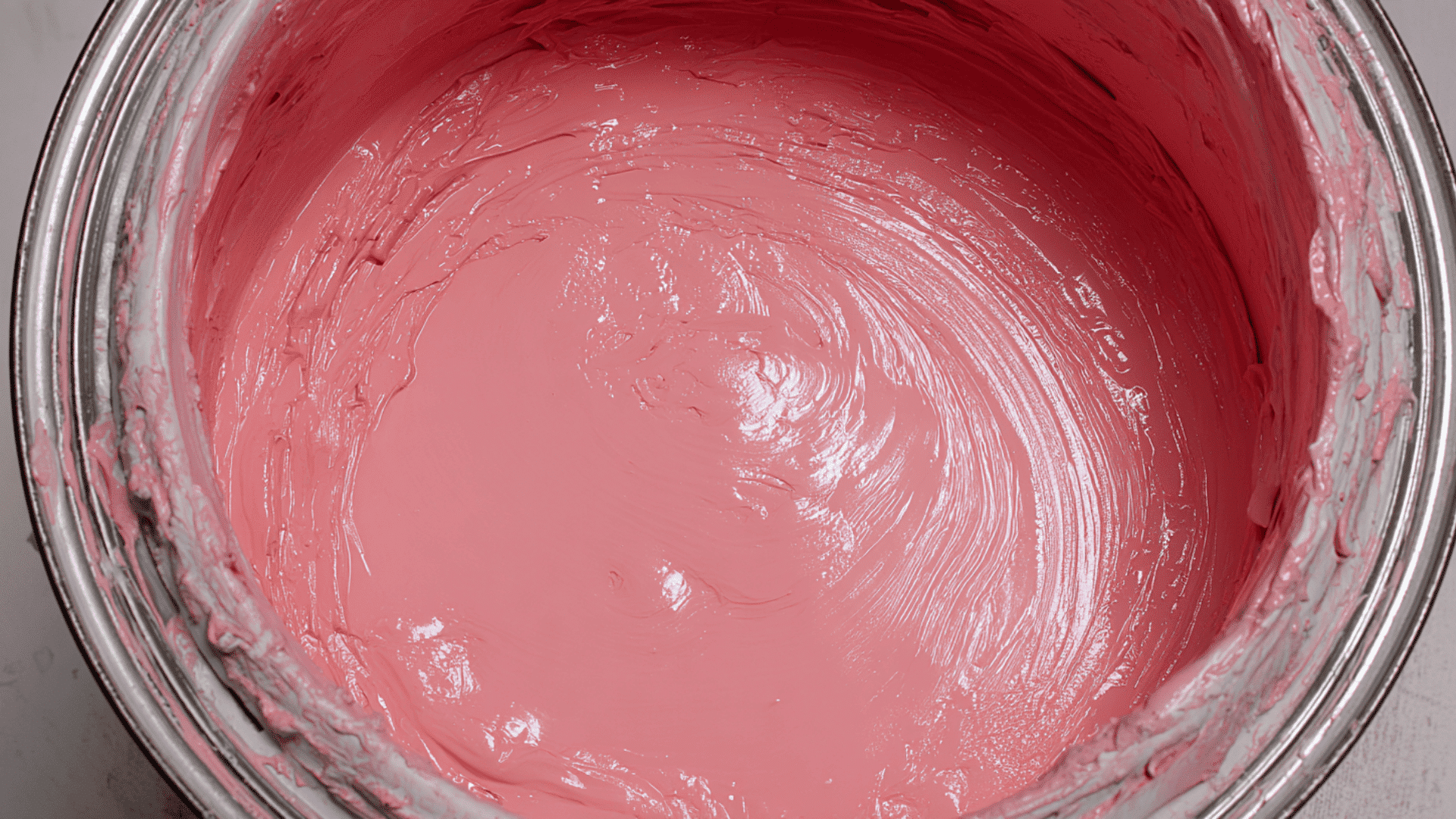
Dry Time is when the paint feels dry to the touch. You can gently press your finger against it without smudging, but the layer underneath might still be soft.
Cure Time is when the paint has fully hardened and reached its maximum durability. This can take several days or even weeks, depending on the paint type and conditions.
Recoat Time is the safe window to apply your next coat. Even if the paint feels dry, applying another coat too soon can cause peeling or uneven texture. Always follow the label’s recommended recoat time for best results.
In short, “dry to the touch” doesn’t mean it’s ready for a second coat. Waiting for the right recoat time ensures better adhesion and a smoother, longer-lasting finish.
Common Mistakes to Avoid
When painting, a few small errors can make a big difference in how your project turns out. Here are the most common mistakes and how to prevent them:
- Recoating too soon: Applying a new coat before the first one dries can cause streaks, peeling, or bubbling. Always follow the recommended drying time.
- Waiting too long: If you leave too much time between coats, dust and dirt may stick to the surface, reducing paint adhesion.
- Ignoring label instructions: Every brand has unique formulas and drying times. Always read the paint can label before starting.
- Overapplying paint: Thick layers take longer to dry and can lead to drips or uneven texture. Use thin, even coats for a smoother, longer-lasting finish.
Avoiding these mistakes ensures your paint job looks cleaner, lasts longer, and dries just right.
Tips to Speed Up Paint Drying Safely
- Use fans and dehumidifiers: Improve airflow in the room by turning on fans or opening windows. A dehumidifier also helps remove excess moisture from the air, allowing paint to dry faster.
- Control temperature: Keep the room warm and steady, ideally around 70°F (21°C). Cold air slows drying, while a comfortable, consistent temperature helps paint cure evenly.
- Avoid thick coats: apply thin, even layers rather than a single heavy coat. Thick layers trap moisture and take much longer to dry completely.
- Choose fast-drying paints: Look for products labeled “quick-dry” or “fast recoat.” These formulas are designed to dry faster without affecting coverage or finish.
By following these tips, you can safely speed up drying time and still get a smooth, professional-looking finish.
Conclusion
Painting is all about balance between creativity and patience. When you understand how long to wait between coats of paint, you give your project the time it needs to shine.
The right pause lets each layer settle, creating a strong, smooth finish that lasts for years.
I know that giving paint enough time to dry can completely transform the final look, turning an ordinary project into a stunning, polished finish.
So, take your time, enjoy the process, and let your walls tell their story with color and care. Ready to start your next painting project? Do it today!