


Whenever you walk into any paint store, you’ll face a wall of finish options that all sound the same. But flat vs. satin paint? That’s the decision that’ll make or break your project.
I’ve watched people spend hours picking the perfect color, then grab the wrong finish and regret it within weeks. The sheen you choose affects how your walls handle daily life, how often you’ll repaint, and whether that color actually looks good in your space.
This isn’t about trendy versus traditional; it’s about matching paint performance to real-world conditions.
I’ll walk you through how these finishes actually behave, where each one shines, and the costly mistakes that trip up even experienced DIYers.
What is Flat Paint?
Flat paint is the go-to choice when you want zero shine. It soaks up light instead of bouncing it back, giving walls a soft, matte look that feels almost velvety to the touch.
Flat paint works like magic on older walls. Those bumps, cracks, and uneven spots? They practically disappear under this finish. The lack of sheen means light doesn’t highlight every little flaw.
The finish is completely matte: no gloss, no reflection. When light hits it, the surface stays dull and uniform. This creates a smooth appearance that feels understated and classic. Your walls become a soft backdrop rather than a reflective surface.
What is Satin Paint?
Satin paint sits right in the middle of the sheen spectrum. It has a soft, subtle glow that’s noticeable but not overpowering. Think of it as a gentle pearl finish that catches light without being shiny.
I’ve used satin paint in busy areas of my home, and it holds up remarkably well. The slight sheen gives walls a polished look while still feeling warm and inviting. When light hits it, you’ll see a delicate reflection that adds depth to the color.
The finish is smooth to the touch and has a silky quality. It’s not flat like matte paint, but it’s nowhere near the glossiness of semi-gloss. This balance makes it versatile for different rooms and lighting conditions.
Flat vs. Satin Paint: Side-By-Side Comparison
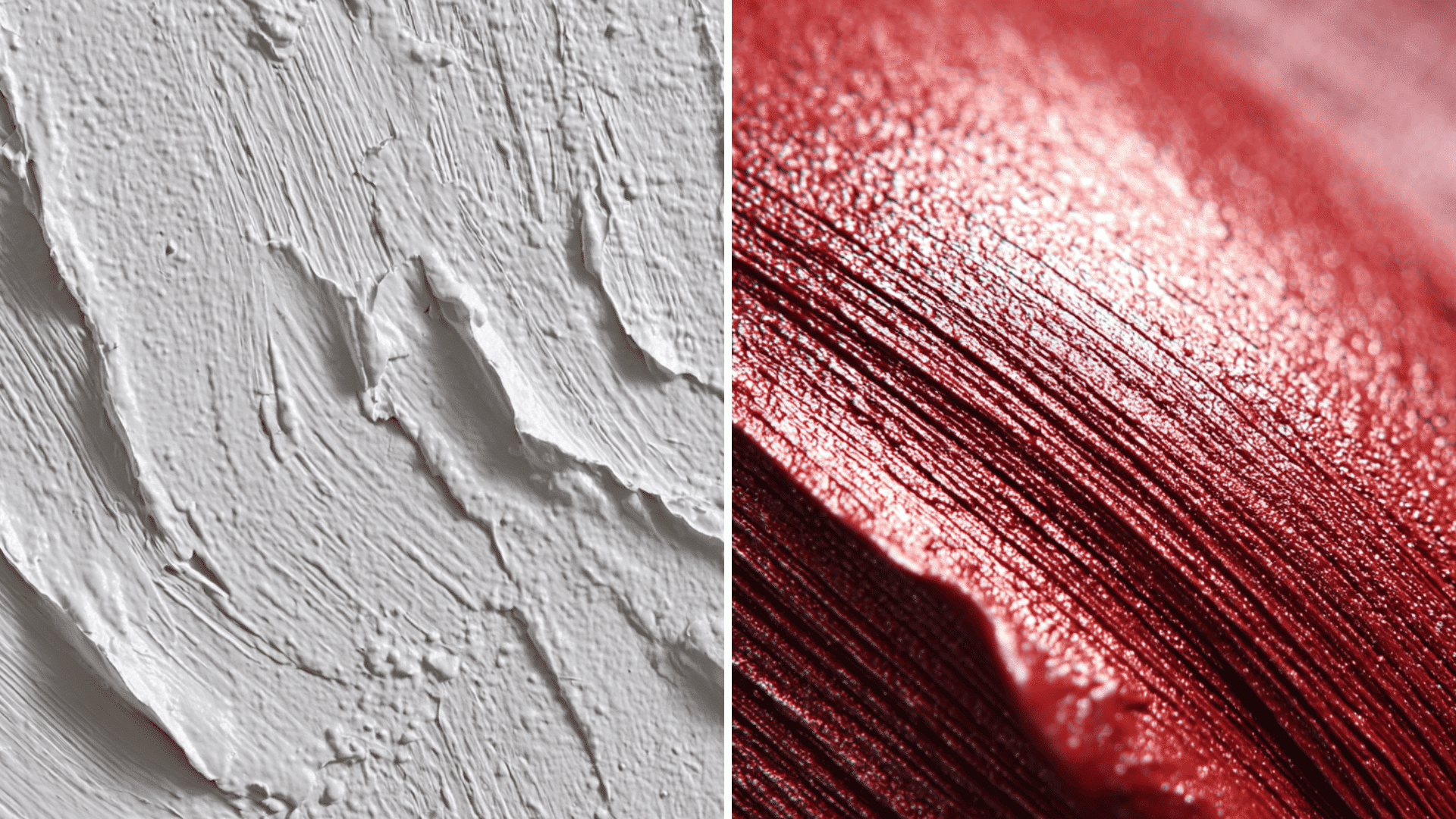
Choosing between flat and satin paint comes down to what your room needs. Each finish has strengths that make it better for specific situations.
I’ve worked with both finishes enough to know they’re not interchangeable. What works beautifully in a bedroom might be a disaster in a hallway. The key is matching the paint to how you actually use the space.
Here’s how flat and satin paint compare across the factors that matter most:
| Feature | Flat Paint | Satin Paint |
|---|---|---|
| Appearance | Matte finish with zero shine or reflection. Creates a velvety, soft look that absorbs light. Color appears rich and deep. | Soft pearl-like sheen with gentle glow. Reflects light subtly, adding dimension and depth. Color looks slightly more vibrant. |
| Durability | Low durability: scuffs, scratches, and marks appear easily from normal contact. Not ideal for areas with frequent wall contact. | High durability: resists scuffs, scratches, and daily wear. Handles bumps and contact without showing damage. Perfect for active spaces. |
| Cleanability | Not washable: scrubbing creates shiny spots or removes paint. Stains are nearly impossible to remove without repainting. | Highly washable: dirt, fingerprints, and stains wipe away with soap and water. Finish stays intact after cleaning. |
| Cost | Budget-friendly option, typically $25-40 per gallon. Lower upfront investment makes it attractive for large projects. | More expensive, usually $30-50 per gallon. Higher quality and durability justify the extra cost for high-use areas. |
| Touch-up Difficulty | Very easy: patched areas blend invisibly into surrounding paint. No visible difference between old and new paint. | Difficult: touch-ups often show as darker or lighter spots. Sheen reflects light differently, making patches noticeable. |
| Moisture Resistance | Poor: absorbs moisture and humidity. It can lead to water stains, mildew, and paint damage in damp environments. | Good: repels moisture effectively. Handles bathroom steam, kitchen splashes, and humidity without damage or staining. |
| Wall Preparation Needed | Minimal: hides bumps, cracks, nail holes, and texture. Forgiving finish that works on imperfect surfaces. | Extensive: requires smooth, well-prepped walls. Highlights every flaw, crack, or uneven spot due to light reflection. |
Room-by-Room Guide: Which Should You Choose?
Different rooms have different needs. What works in your bedroom won’t necessarily work in your kitchen. Let me walk you through each space so you can make the right call.
1. Living Rooms
Go with satin paint if your living room gets heavy use. Families gather here, kids play, pets lounge, and walls take hits from furniture and daily activity. Satin handles this wear while still looking great.
Flat paint works if your living room is more formal and sees light traffic. I’ve seen it create beautiful, sophisticated spaces in homes where the living room is mostly for adult conversation and entertaining.
2. Bedrooms
Flat paint is my top choice for bedrooms. These are low-traffic spaces where you want calm, restful vibes. The matte finish creates that peaceful atmosphere without worrying about durability since you’re not constantly touching the walls.
Satin works in kids’ bedrooms though. They need something washable for when crayons, sticky fingers, or toy marks appear. The slight sheen won’t disrupt sleep but gives you cleaning power.
3. Bathrooms
Always choose satin paint for bathrooms. The moisture resistance is non-negotiable here. Steam from showers creates humidity that flat paint simply cannot handle.
Here’s a common mistake I see: people use flat paint in bathrooms, thinking it’ll look better, then deal with water stains, mildew, and peeling paint within months. Satin repels that moisture and wipes clean when soap scum or toothpaste splatters hit the walls.
4. Kitchens
Satin paint is essential in kitchens. Cooking creates grease splatters, food stains, and humidity that demand a washable, moisture-resistant finish. You’ll be wiping down kitchen walls regularly and satin handles that without damage.
Flat paint in kitchens is asking for trouble. Grease stains won’t come out, and you’ll end up repainting far sooner than necessary.
5. Hallways
Satin paint wins in hallways every time. These are high-traffic zones where walls get brushed against constantly. Backpacks, shoulders, hands; all of it comes into contact with hallway walls daily.
Flat paint shows every scuff mark almost immediately. I’ve watched hallways with flat paint look dingy within weeks, while satin keeps looking fresh for years.
6. Kids’ Rooms
Satin paint is the smart choice for kids’ rooms. Children are messy, creative, and active. Walls become canvases for fingerprints, crayon marks, and mystery stains. Satin lets you wipe these away without stress.
Flat paint might seem appealing for the soft look, but you’ll regret it the first time you try removing a marker stain or jam handprint.
7. Ceilings
Flat paint belongs on ceilings, period. Ceilings rarely need cleaning; they’re not touched, and the matte finish hides texture and imperfections beautifully. Plus, you don’t want light reflecting off your ceiling, creating glare.
Satin on ceilings looks odd and highlights every roller mark or uneven patch of drywall compound.
8. Trim
Satin paint works well on trim, though many people go even glossier with semi-gloss. Trim takes abuse from vacuums, furniture, and hands, so you need durability and cleanability.
Flat paint on trim is a mistake. It scuffs immediately and can’t be cleaned properly, leaving your trim looking beat up fast.
9. Doors & Cabinets
Satin paint is the minimum for doors and cabinets, though semi-gloss is even better. These surfaces get touched constantly, think doorknobs, cabinet pulls, opening and closing. They need a finish that withstands that contact.
Flat paint on doors shows every fingerprint and handprint. You’ll see the grime build up with no way to clean it off effectively.
Common Mistakes to Avoid
- Satin paint on textured or imperfect walls: The sheen highlights every bump, crack, and flaw. Wall prep must be perfect or the reflective finish creates a patchy, uneven look.
- Flat paint in bathrooms: Absorbs moisture, leading to mold, mildew, and permanent staining. You’ll be repainting within a year while dealing with potential health issues from mold.
- Flat paint in high-traffic areas: Scuff marks appear within weeks and can’t be cleaned. The beautiful matte finish quickly looks dirty and worn, with no solution but repainting.
- Skipping wall prep with satin: Satin demands smooth surfaces. Skip sanding or patching, and the reflective finish broadcasts every imperfection you tried to ignore across your walls.
- Using flat paint on trim and doors: These surfaces need regular cleaning from constant touching. Flat paint shows fingerprints and dirt immediately, with no way to remove them effectively.
How Lighting Affects Paint Sheen
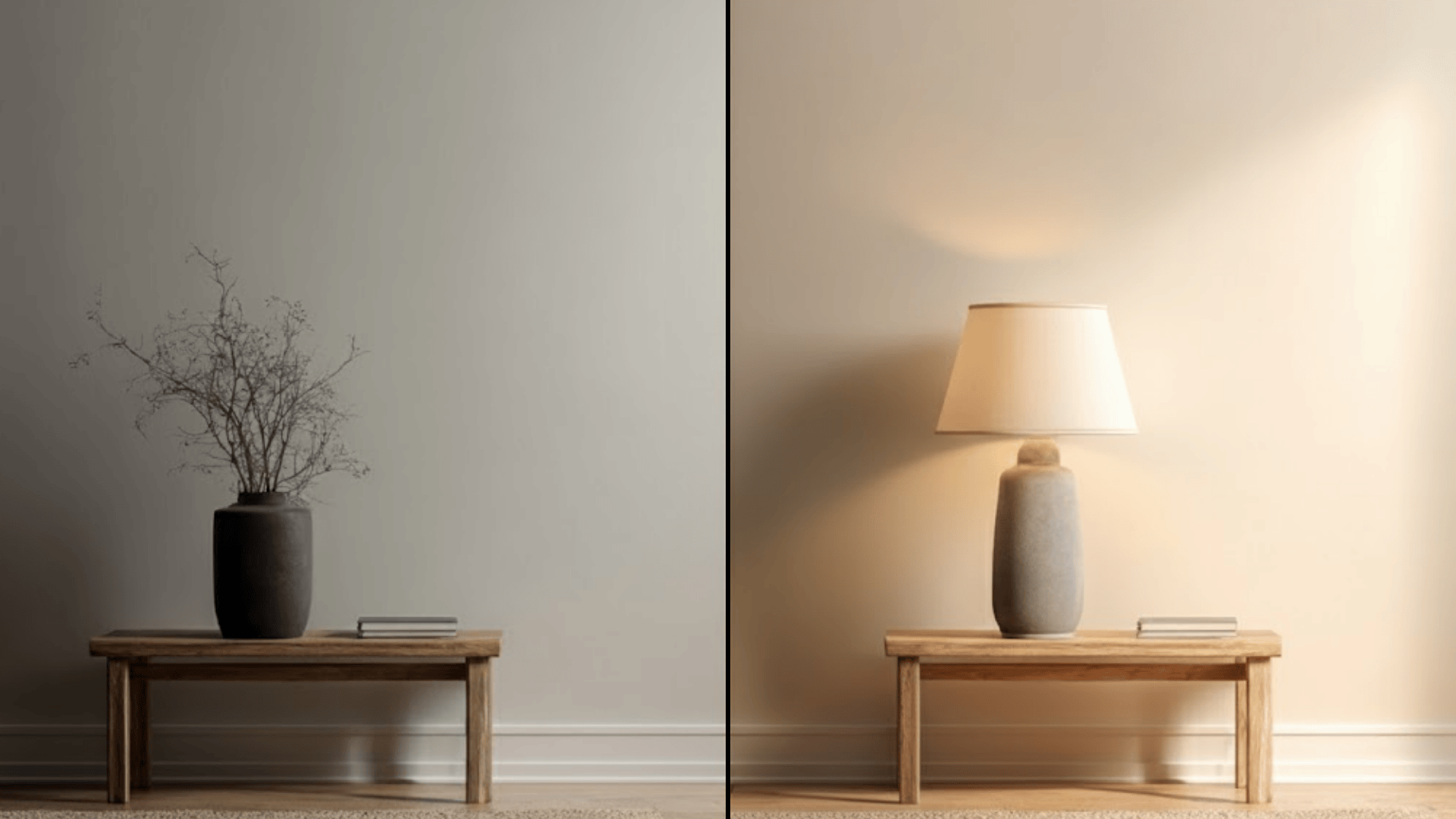
Light changes everything about how paint looks on your walls. I’ve seen homeowners shocked when their paint looks nothing like it did in the store. That’s because lighting conditions in your home are unique and dramatically affect how sheen performs.
| Lighting Type | Flat Paint | Satin Paint |
|---|---|---|
| Natural/Direct Sunlight | Absorbs light, looks soft and warm without glare | Looks noticeably shinier, can appear almost glossy in peak sun |
| Morning/Eastern Light | Maintains a warm, cozy glow despite bright light | Sheen really pops; bright sun emphasizes reflective finish |
| Low/Dim Light | Creates an intimate feel, perfect for limited windows | Sheen is less noticeable but still reflects available light |
| Warm Bulbs | Looks richer and velvety, color deepens beautifully | Enhances pearl glow while keeping sheen subtle and elegant |
| Cool LED Light | Stays matte without reflections, uniform appearance | Makes sheen more apparent, can look clinical if too bright |
Always test your paint in the actual room with its real lighting before committing. Paint a large swatch on the wall and observe it morning, afternoon, and evening. The way light interacts with the sheen will either confirm your choice or send you back to reconsider.
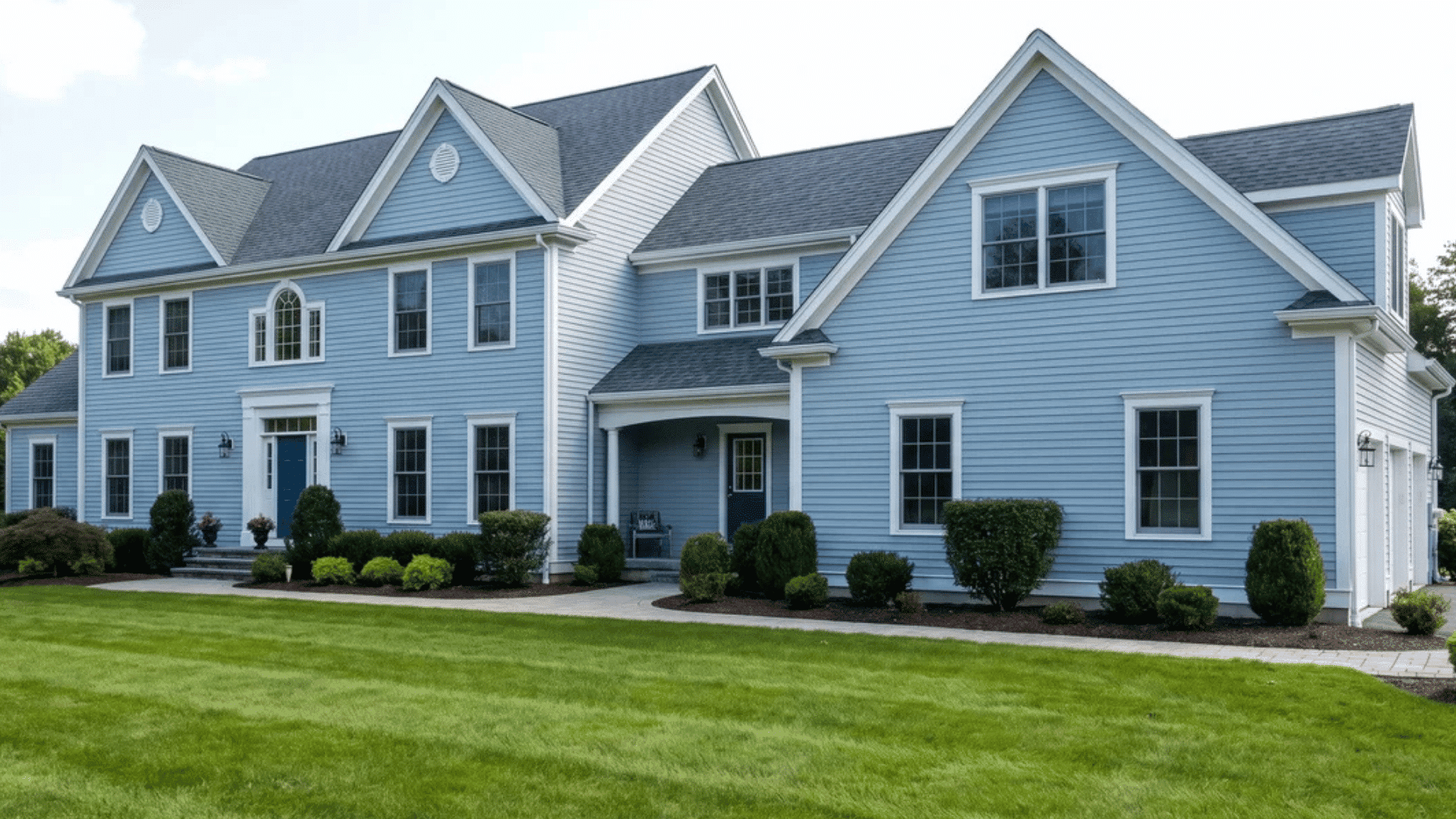
Satin vs. Flat for Exteriors
Exterior paint faces challenges that interior walls never see. Sun, rain, wind, temperature swings, all of it beats down on your home’s exterior constantly.
1. Durability Outdoors
Satin paint dominates for exterior durability. The finish resists wear from weather, debris, and other environmental exposure far better than flat paint. It creates a tougher barrier between your home and the elements.
Flat paint breaks down faster outdoors. The porous surface absorbs moisture, collects dirt, and shows weathering quickly. Within a few seasons, you’ll see fading, chalking, and deterioration that satin would resist.
2. UV Exposure
UV rays damage flat finishes more. The matte surface breaks down under constant sun exposure, causing color to fade and the paint film to degrade faster.
Satin paint reflects UV light better thanks to its sheen. This reflection protects the paint underneath from sun damage. Colors stay truer longer, and the finish maintains integrity through years of sun exposure.
If your home gets intense direct sunlight, satin paint is the smarter investment. Flat paint needs repainting within 3-5 years versus 7-10 for satin.
3. Moisture & Weather
Satin repels rain, snow, humidity, and dew. Water beads up and runs off instead of soaking into the paint film.
Flat paint absorbs moisture like a sponge. This leads to water stains, mildew growth, and paint failure. In humid climates or rainy regions, flat exterior paint creates problems fast.
Moisture gets trapped under flat paint, freezes, expands, and destroys the paint bond. Satin’s water resistance prevents this cycle. Satin also handles temperature swings better; it expands and contracts without cracking, while flat paint becomes brittle.
4. Resale Value
Satin paint looks more polished and well-maintained to potential buyers. The slight sheen suggests quality and proper upkeep. Homes with satin exteriors photograph better for listings, too.
Flat exterior paint can make a home look dated or poorly maintained, especially when showing wear. Buyers notice faded, chalky, or weathered flat paint immediately. It signals deferred maintenance and potential painting costs.
Real estate agents often recommend satin for exterior surfaces when preparing homes for sale. The durability means the paint job looks fresh longer.
Cost Comparison: Flat vs. Satin Paint
Price matters when you’re painting an entire home. But the upfront cost tells only part of the story. How often you’ll need to repaint affects your long-term budget significantly.
Price Per Gallon
Flat paint runs cheaper, typically $20–45 per gallon for quality brands. The lower price point makes it attractive for large projects like entire homes or commercial spaces where the budget is tight.
Satin paint costs more, usually $25–65 per gallon. You’re paying extra for durability, washability, and moisture resistance. The price difference isn’t huge, but it adds up across multiple gallons.
Premium brands push these prices higher for both finishes. Expect $50–95 per gallon for top-tier flat paint and $55–95 per gallon for premium satin. The quality difference shows in coverage, color retention, and longevity.
Long-Term Cost
Here’s where the math gets interesting. Flat paint in high-traffic areas or bathrooms needs repainting every 2-4 years. The finish wears quickly, stains permanently, and can’t be cleaned effectively.
Satin paint in those same spaces lasts 5-7 years or longer. You’re washing walls instead of repainting them. Even with the higher upfront cost, you save money over time by not repainting as frequently.
Let’s say you paint a 12×12 room. Flat paint costs $120 in materials, satin costs $150. But if you repaint flat twice in the time satin lasts once, you’ve spent $240 on flat versus $150 on satin; plus double the labor costs.
Exterior painting amplifies this difference. Flat exterior paint might last 3-5 years before needing a refresh. Satin holds up 7-10 years. With professional exterior painting costing $3,000-8,000, that durability difference translates to thousands in savings.
The smart move? Use flat paint where it makes sense: low-traffic bedrooms, ceilings, and formal spaces. Use satin where durability pays off: kitchens, bathrooms, hallways, exteriors. This targeted approach balances upfront costs with long-term value.
Touch-Up & Maintenance Differences
- Feathering technique with flat paint: Dab on matching paint and feather the edges into the surrounding area. The matte finish blends seamlessly with no visible patch lines or sheen differences.
- Why satin touch-ups fail: Even using the same paint from the same can shows patches. Original paint has aged, settled, and been exposed to light differently than fresh paint.
- Strategic repainting for satin: Plan to repaint from corner to corner or natural break to break, not just spots. Paint the baseboard to the ceiling between corners or doorways for invisible repairs.
- Try cleaning satin first: Before touching up marks on satin walls, try cleaning them instead. Since satin is washable, removing the mark beats creating a visible paint patch.
- Flat paint cleaning method: Use a dry cloth or barely damp sponge only. Any scrubbing damages the finish or creates shiny spots that stand out against the matte surface.
- Satin paint cleaning method: Soap and water remove most marks without damage. You can scrub lightly without worrying about altering the sheen or removing paint from the surface.
- Maintenance trade-off: Flat paint needs more frequent full repaints but offers easier spot fixes. Satin demands less frequent repainting but commits you to larger sections when refreshing.
Understanding these helps you choose the finish that matches your willingness to touch up versus repaint. Your tolerance for ongoing upkeep should factor into your decision as much as the initial look you want.
Wrapping Up
Choosing between flat vs. satin paint comes down to matching the finish to the function. Your walls aren’t just decoration; they’re surfaces you’ll live with daily, clean regularly, and maintain for years.
Flat paint rewards you with that perfect matte elegance in calm spaces where durability takes a backseat to aesthetics. Satin paint earns its keep in active areas where life happens and walls need to withstand the chaos.
Don’t let price alone drive your decision. Factor in your lifestyle, lighting conditions, wall quality, and honest assessment of how much maintenance you’re willing to handle.
What’s your biggest paint finish challenge? Drop a comment below and let’s solve it together!