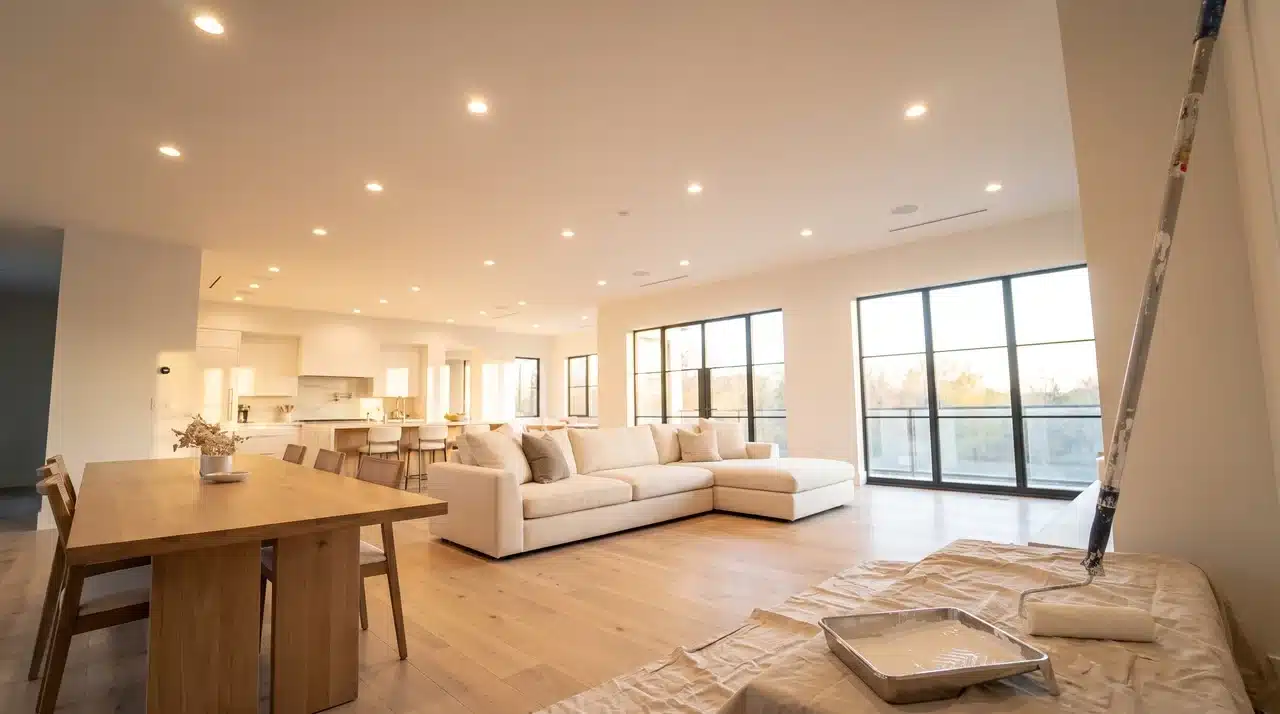


Painting the interior of your house is one of the easiest ways to give your home a new feel without major renovations.
A fresh coat of paint can change the entire mood of a space, making it brighter, cozier, or more modern.
In this blog, I’ll walk you through average costs, simple ways to estimate your own painting budget, and helpful tips to save money and make sure you get the best results for your home.
Why Interior House Painting Matters
Painting the inside of your home is one of the easiest ways to refresh your space. It makes rooms look brighter, cleaner, and more modern.
Over time, walls collect dust, marks, and scuffs. A new coat of paint can instantly make them look new again.
Fresh paint also protects walls from moisture, dirt, and wear. It can seal small cracks, reduce damage, and make cleaning easier.
Average Cost to Paint the Interior of a House
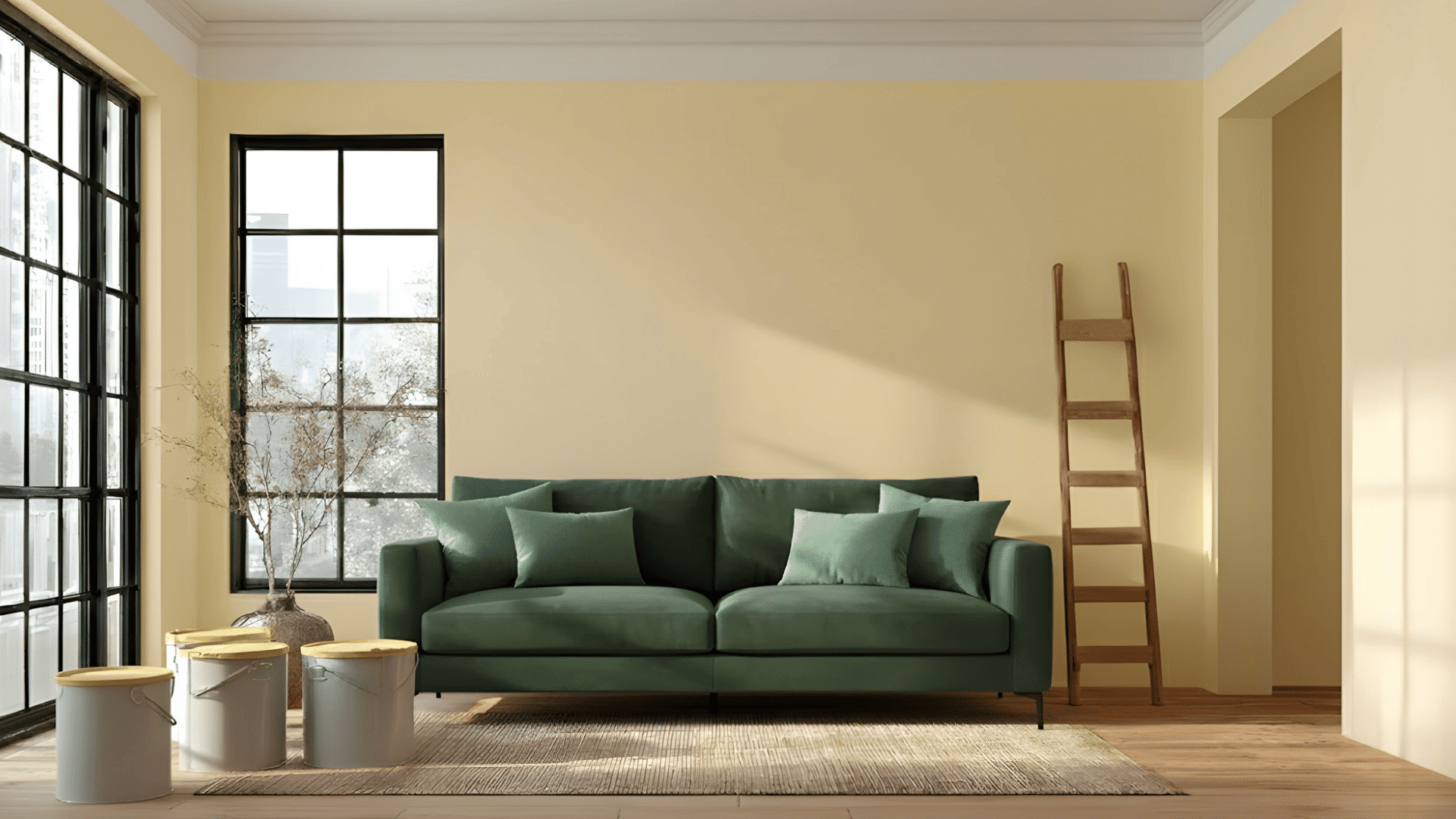
Painting the inside of your home can come with a wide price range. The cost depends on the size of your home, the rooms you paint, and the amount of prep work needed.
Most homeowners pay between $2,000 and $10,500 to paint the inside of a house. This usually comes out to $2–$6 per square foot for standard jobs.
National Average Cost:
- National average cost: $3,000–$10,500
- Cost per sq ft: $2–$6
- Cost per room: $300–$1,500
- Cost per wall: $50–$150
These numbers help you see where your project might land before getting quotes.
Interior Painting Cost by Home Size
| Home Size (Sq Ft) | Low End | High End |
|---|---|---|
| 500 sq ft | $1,000 | $2,500 |
| 800 sq ft | $1,600 | $3,800 |
| 1,000 sq ft | $2,000 | $5,000 |
| 1,500 sq ft | $3,000 | $7,500 |
| 2,000 sq ft | $4,000 | $10,000 |
Cost Breakdown by Area
| Area | Typical Cost Range |
|---|---|
| Walls | $1–$3 per sq ft |
| Ceilings | $1–$3 per sq ft |
| Trim | $1–$3 per linear foot |
| Doors | $50–$150 per door |
| Closets | $75–$200 per closet |
| Repairs | $50–$400+ depending on damage |
| Priming | $0.50–$2 per sq ft |
| Sanding/Prep | $25–$200+ depending on room size |
Cost to Paint a Room
| Room Type | Typical Cost Range |
|---|---|
| Bedroom | $300–$900 |
| Living Room | $600–$2,000 |
| Kitchen | $300–$800 |
| Bathroom | $150–$400 |
| Hallways | $300–$1,200 |
| Staircases | $400–$1,500 |
| High Ceilings | Add $1–$3 per sq ft |
| Accent Walls | $100–$300 |
These prices give you a clear idea of what each space may cost, and they make it easier to plan your budget room by room.
Factors Affecting Interior Painting Cost
These factors help explain why painting costs can vary so much, and they make it easier to understand what’s driving your final price.
- Home Size: Bigger homes need more paint and labor, which raises the total cost and increases the overall project time.
- Room Layout and Complexity: Rooms with trim, corners, windows, or built-ins take longer to paint, increasing labor time and overall cost.
- Ceiling Height: High ceilings require ladders or scaffolding, adding extra effort and time, which raises labor costs.
- Prep Work and Repairs: More wall damage means more prep work, which adds labor hours and increases the total painting cost.
- Location and Labor Rates: Prices vary by area, with cities and high-cost regions charging more for labor than rural locations.
- Number of Coats: More coats mean more paint and more time, increasing both material costs and total labor hours.
- Paint Quality and Finish: High-quality paints and glossy finishes cost more and often need extra coats, raising materials and labor.
- Hard-to-Reach Areas and Accessibility: Tight spaces and tall areas require extra setup and careful work, which increases the total labor cost.
Estimating Interior Painting Cost
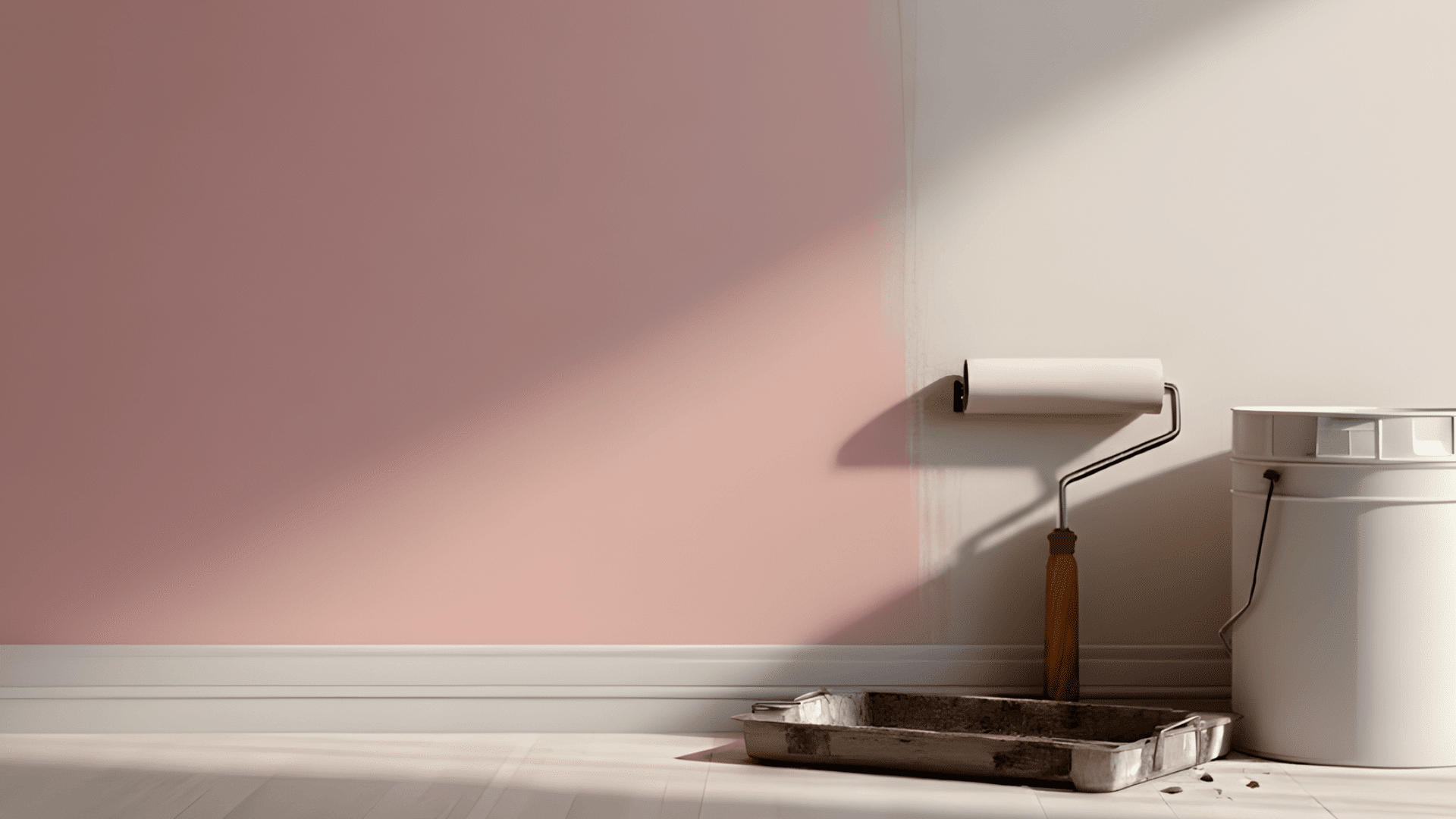
You can get a pretty close cost estimate on your own. Just follow a few simple steps to measure, calculate paint, and apply pricing.
Step 1: Measure Your Square Footage
First, measure each wall. Use: width × height for every wall, then add the totals together.
Formula: Total Wall Sq Ft = (Wall Width × Wall Height) × Number of Walls
For example, if a room has four walls that are 10 feet wide and 8 feet high:10 × 8 = 80 sq ft per wall, and 80 × 4 = 320 sq ft of wall area.
Step 2: Calculate How Much Paint You Need
Most interior paints cover about 350–400 sq ft per gallon. Use this to figure out how many gallons you need.
Formula: Gallons Needed = Total Sq Ft ÷ 350.
With 320 sq ft of wall space: 320 ÷ 350 ≈ 1 gallon of paint for one coat.
Step 3: Add the Number of Coats
Most rooms need at least 2 coats for a smooth, even finish. Dark colors or big color changes may need more.
Formula: Total Paint Needed = Gallons per Coat × Number of Coats
If you need 1 gallon per coat and plan 2 coats, 1 × 2 = 2 gallons of paint in total.
Step 4: Estimate Your Total Cost
Now multiply your total wall square footage by the price per square foot. For many homes, this is around $2–$6 per sq ft for professional work.
Formula: Cost = Total Sq Ft × Price per Sq Ft
With 320 sq ft: 320 × $2 = $640 (low end), 320 × $6 = $1,920 (high end).
These steps make it easy to estimate your painting budget, so you know what to expect before you buy supplies or hire a painter.
DIY vs. Professional Painting Costs
Painting a room can be done on your own or by hiring professionals, and each option comes with different costs and benefits.
| Option | Cost | Time Required | Pros | Cons |
|---|---|---|---|---|
| DIY Painting | $200–$500 per room (paint + supplies) | Slower – depends on your pace | Saves money, full control, good for motivated beginners | Time-consuming, learning curve, mistakes can add costs |
| Professional Painting | Higher cost (labor + materials) | 2–5 days for most jobs | Fast, high-quality finish, includes prep/cleanup, often warranties | More expensive than DIY |
Whether you choose DIY or professional painting depends on your budget, time, and how confident you feel doing the work yourself. Either approach can give great results when matched to your priorities
Ways to Save Money on Interior Painting
Using these tips helps you keep costs down while still getting a clean, fresh, and long-lasting paint job in your home.
- Paint During the Off-Season: Painters are slower in late fall and winter, so you may get better prices and seasonal discounts.
- Buy Your Own Paint: Buying paint yourself lets you compare prices, watch for sales, and use coupons to reduce material costs.
- Prep the Rooms Yourself: Doing simple tasks like moving furniture, cleaning walls, and patching small holes cuts labor time and lowers your quote.
- Bundle Multiple Rooms Together: Painting several rooms at once reduces setup time. Many painters offer lower rates for larger, bundled projects.
- Choose Mid-Grade Paint: Mid-grade paints give good coverage and durability without the high cost of premium brands.
Conclusion
A fresh paint can completely transform the look and feel of your home without breaking your budget. By understanding the cost to paint the interior of a house, you can make smarter decisions about materials, timing, and labor.
Planning ahead helps you stay within budget while still getting a professional-looking finish. Whether you decide to pick up a brush yourself or hire experienced painters, a little preparation goes a long way.
Take the time to compare quotes, choose the right colors, and prep your space well.
If you’re ready to bring new life to your walls, start planning your painting project today and turn your home into a space you’ll truly love.