

Choosing exterior paint sounds simple until you start comparing formulas, finishes, siding materials, and weather conditions.
A paint that performs well on shaded wood siding may not hold up as well on stucco exposed to intense afternoon sun. That is why finding the best exterior paint means looking beyond brand names alone.
You need a coating that suits your home’s surface, climate, moisture exposure, and maintenance expectations.
I have narrowed the options to reliable exterior paints for different budgets and conditions, including strong choices for sun, rain, humidity, and temperature swings.
You will also see how paint type, sheen, primer, and preparation affect how long the finish lasts.
What Makes Exterior Paint Perform Well?
A good exterior paint needs to do more than provide an even color. It must remain bonded to the surface while dealing with sunlight, rain, humidity, temperature changes, and normal expansion and contraction.
For most residential exteriors, high-quality 100% acrylic or acrylic latex formulas are strong choices because they combine flexibility with moisture and UV resistance.
Look for paint that offers good adhesion, color retention, mildew resistance, and protection against cracking, peeling, and blistering. Sun-exposed walls also benefit from strong fade and chalk resistance.
However, no single formula is ideal for every house. Wood needs flexibility and moisture management, while masonry may require a more breathable coating.
The same sun, rain, and temperature swings also shape which wood holds up outdoors longest, whether it’s siding or a piece of patio furniture. The right choice ultimately depends on both the surface and the environment around the home.
Best Exterior House Paints by Surface and Climate
The 10 best exterior house paints are easier to compare when the surface, weather exposure, and project budget are considered together. Each option below includes a short overview followed by practical details that add new information rather than repeating the same benefits.
1. Benjamin Moore Aura Exterior
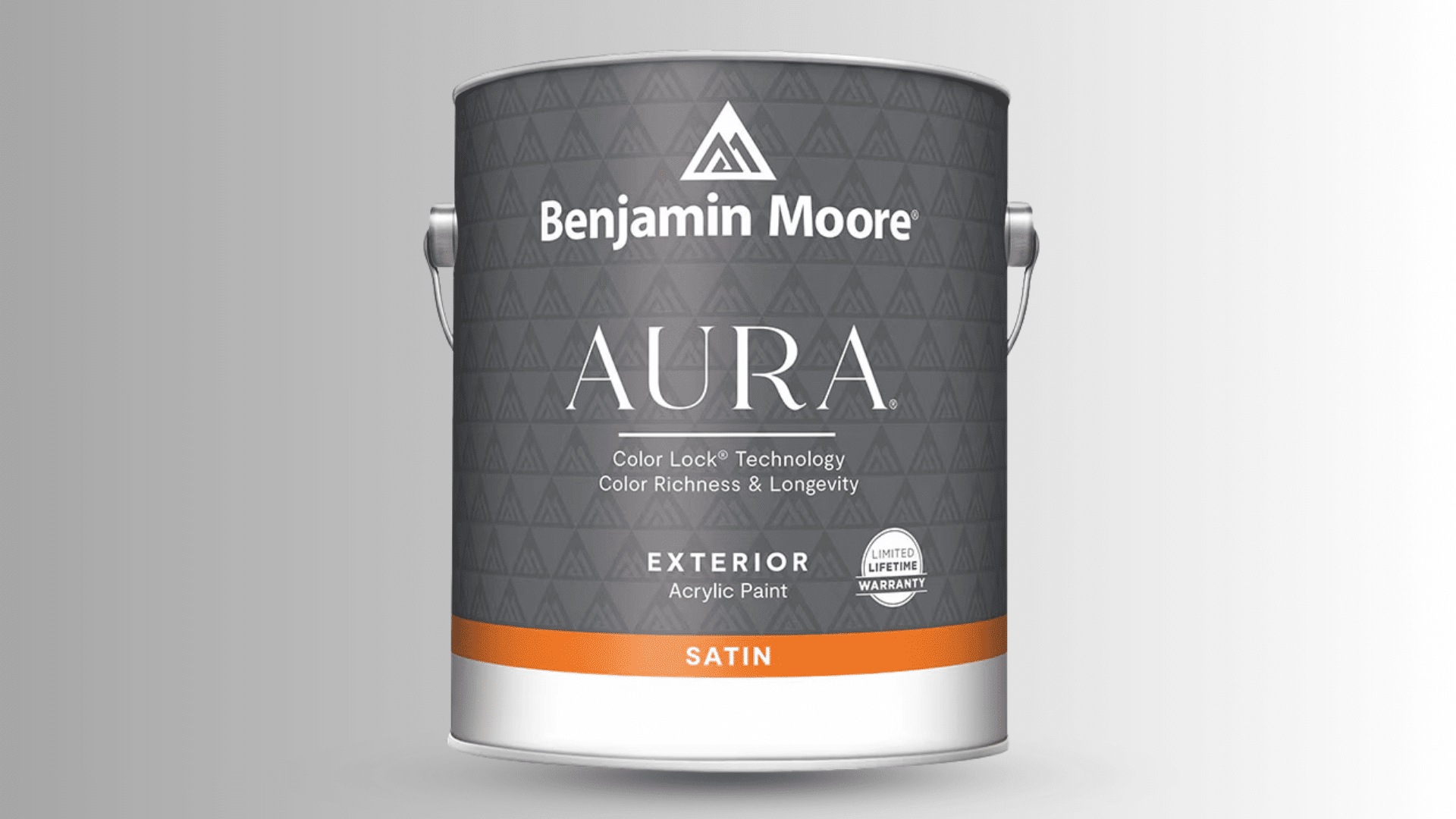
Best overall for wood siding and strong sun
Benjamin Moore Aura Exterior is a premium choice for homeowners who want dependable performance on demanding exteriors.
Its flexible acrylic formulation suits wood siding well, while strong color retention makes it a reliable option for homes exposed to prolonged sunlight.
- Preparation: Bare, repaired, or heavily weathered wood may require appropriate primer before painting.
- Useful feature: The coating offers resistance to mildew and common exterior weathering.
- Main drawback: Its higher price can make it excessive for low-exposure walls or secondary structures.
2. Sherwin-Williams Emerald Exterior
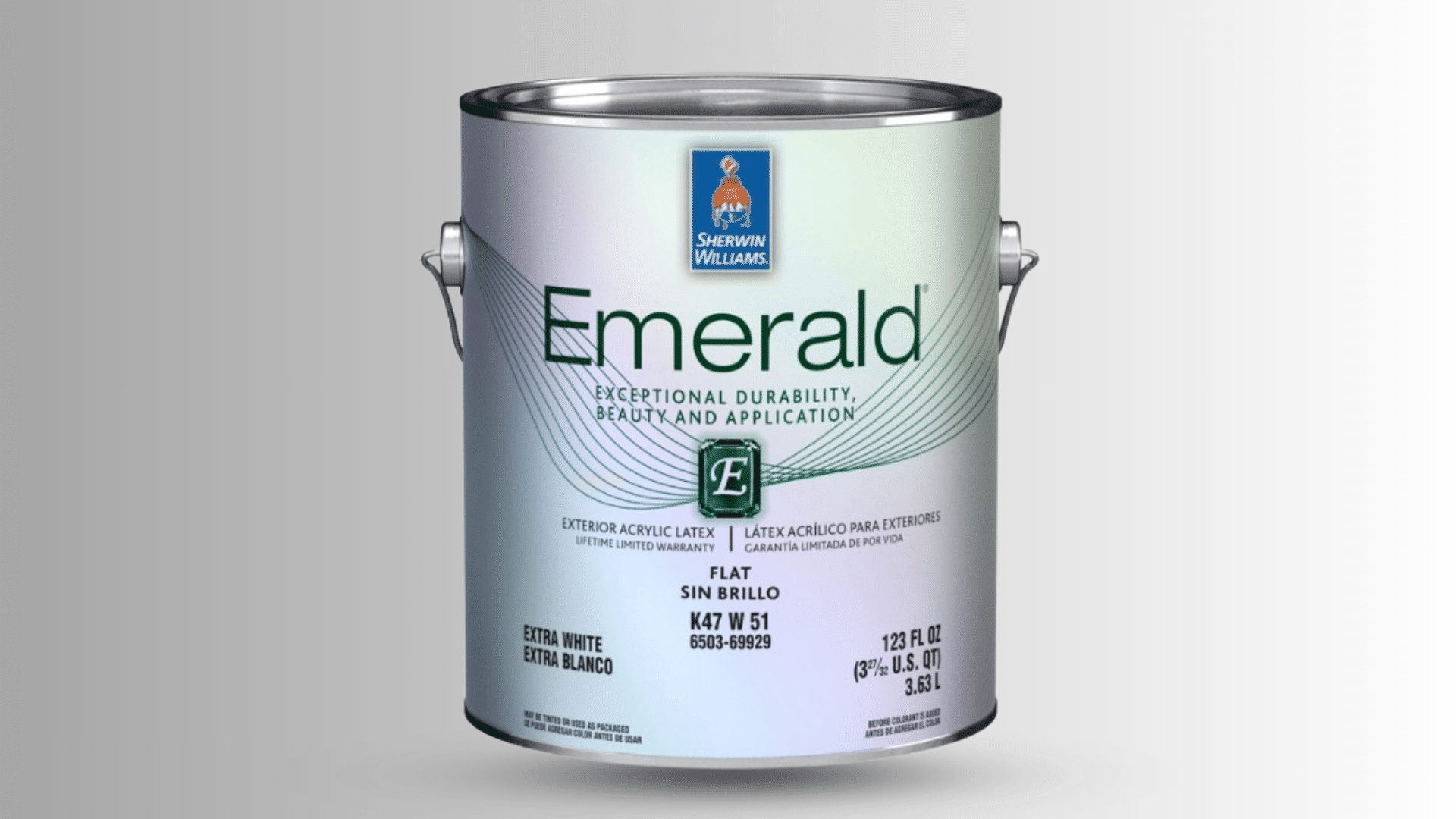
Best for fiber cement and harsh weather
Sherwin-Williams Emerald Exterior is a strong premium option for homes exposed to changing weather. Its durable acrylic coating performs well on fiber cement and other siding materials, making it useful where temperature swings, moisture, and prolonged exterior exposure are common.
- Surface prep: Exposed fiber-cement edges, patches, and repairs should be primed before applying finish coats.
- Protection: The formula resists peeling, blistering, mildew, and dirt pickup.
- Best fit: It makes more financial sense on highly exposed homes than on sheltered, low-wear surfaces.
3. Sherwin-Williams Duration Exterior
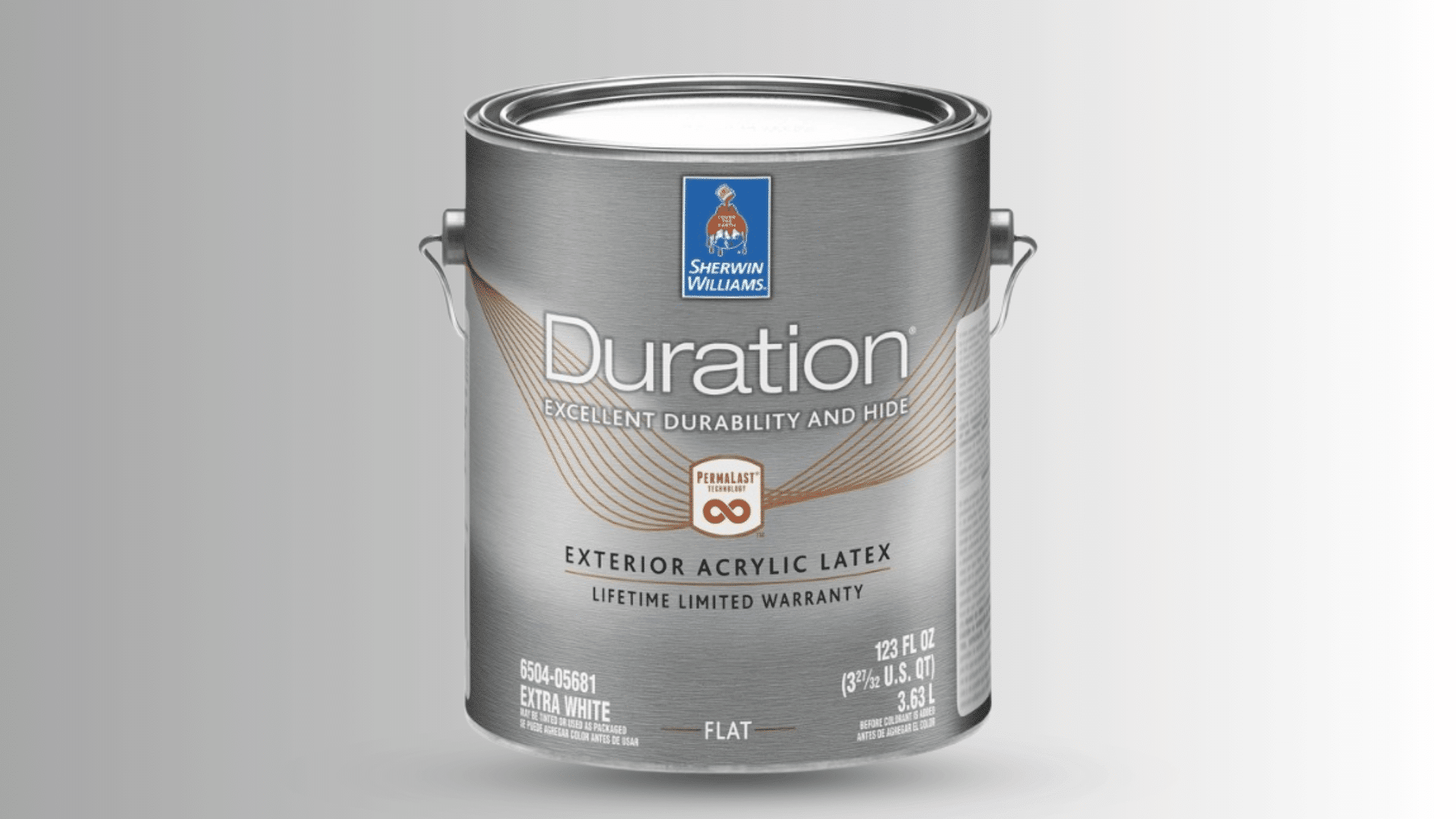
Best for older wood siding and cold climates
Sherwin-Williams Duration Exterior works especially well on older or previously painted wood siding. Its thicker, flexible coating helps aging surfaces handle seasonal movement, making it a practical choice for homes located in colder regions with repeated freeze-thaw conditions each year.
- Preparation: Loose coatings should still be scraped and sanded rather than covered with another heavy layer.
- Application: Its heavier film requires careful spreading to maintain an even finish.
- Project fit: It can be more coating than necessary for newer siding in mild, protected locations.
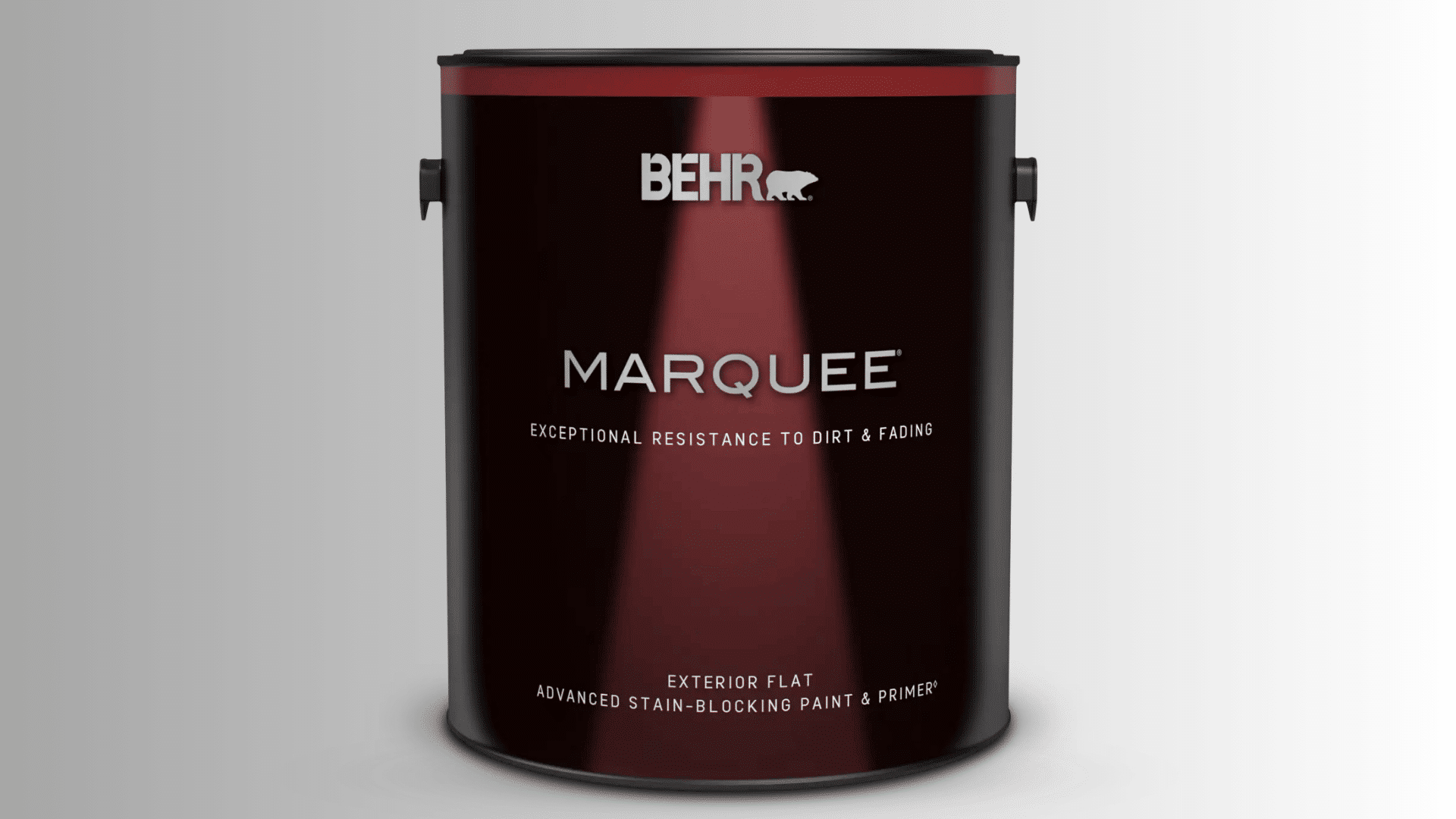
4. BEHR Marquee Exterior
Best for vinyl siding and sun exposure
BEHR Marquee Exterior is a strong option for vinyl siding in sunny locations. Its exterior formula is designed for prolonged UV conditions, making it especially useful on south- and west-facing elevations where fading and heat buildup can become serious concerns.
- Color choice: Use manufacturer-approved or vinyl-safe shades when changing the original siding color.
- Maintenance: Its finish is designed to resist dirt and mildew accumulation.
- Important caution: Extremely dark shades may raise surface temperatures enough to affect certain vinyl products.
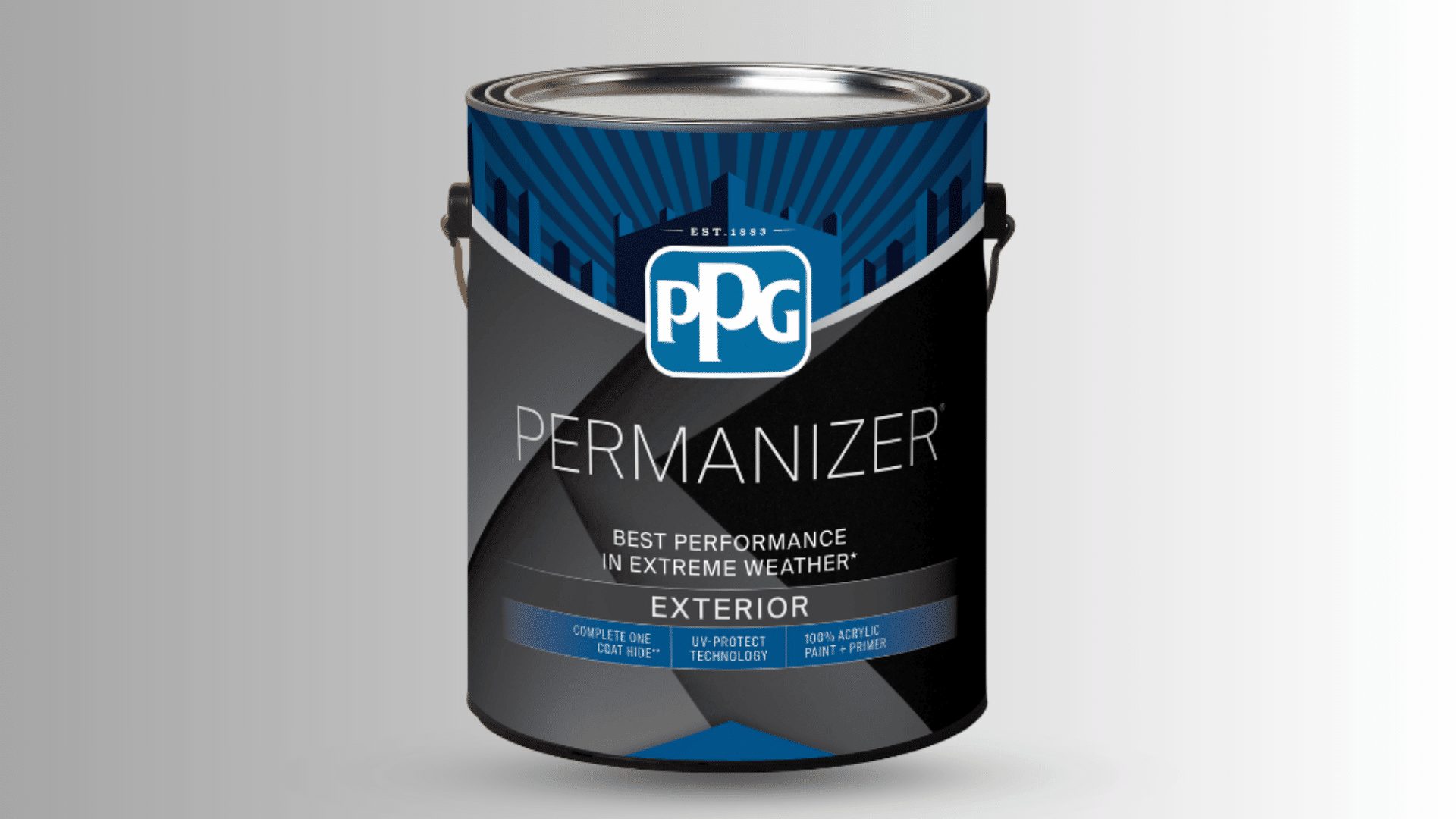
5. PPG Permanizer
Best for general siding and long-term weather protection
PPG Permanizer is a durable exterior coating suited to homeowners who want balanced performance across common siding materials. It works well where surfaces face regular sun, rain, and seasonal changes, making it a dependable choice for general long-term exterior protection.
- Best use: Suitable for full-house repainting where one coating system must cover several common exterior surfaces.
- Preparation: Chalking, loose coatings, and damp areas should be corrected before application.
- Buying consideration: Availability and pricing can vary more by local retailer than some nationally distributed competitors.
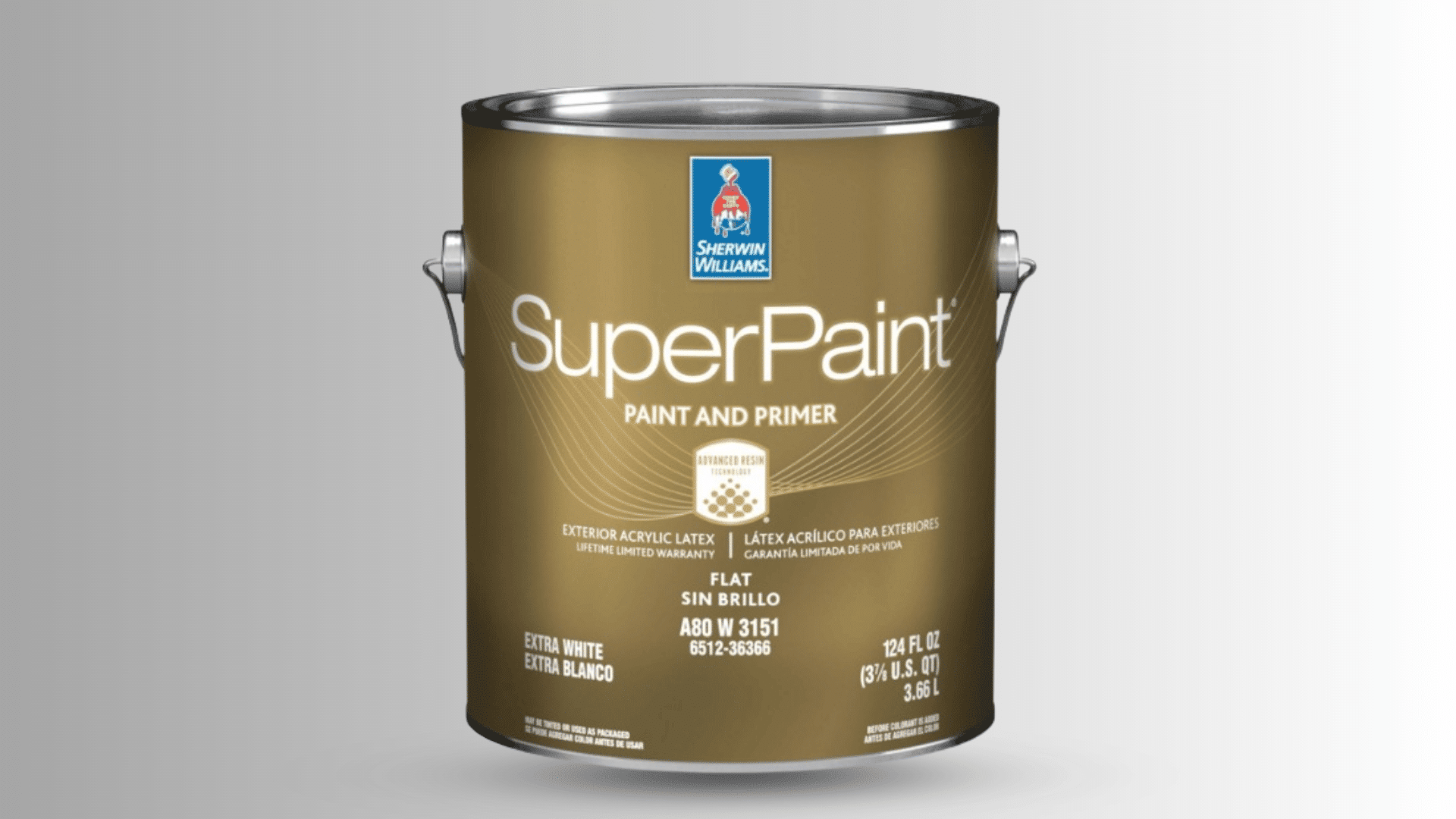
6. Sherwin-Williams SuperPaint Exterior
Best for general siding in moderate climates
Sherwin-Williams SuperPaint Exterior offers a practical balance between performance and price. It suits general residential siding in moderate climates, making it a useful option for homeowners who want dependable everyday protection without paying for the brand’s highest-tier exterior coating line.
- Protection: It includes resistance to mildew and dirt that can help simplify routine exterior maintenance.
- Best project: Well suited to standard repainting jobs without unusually severe environmental exposure.
- Limitation: Homes facing extreme UV, moisture, or temperature stress may benefit from a higher-tier formula.
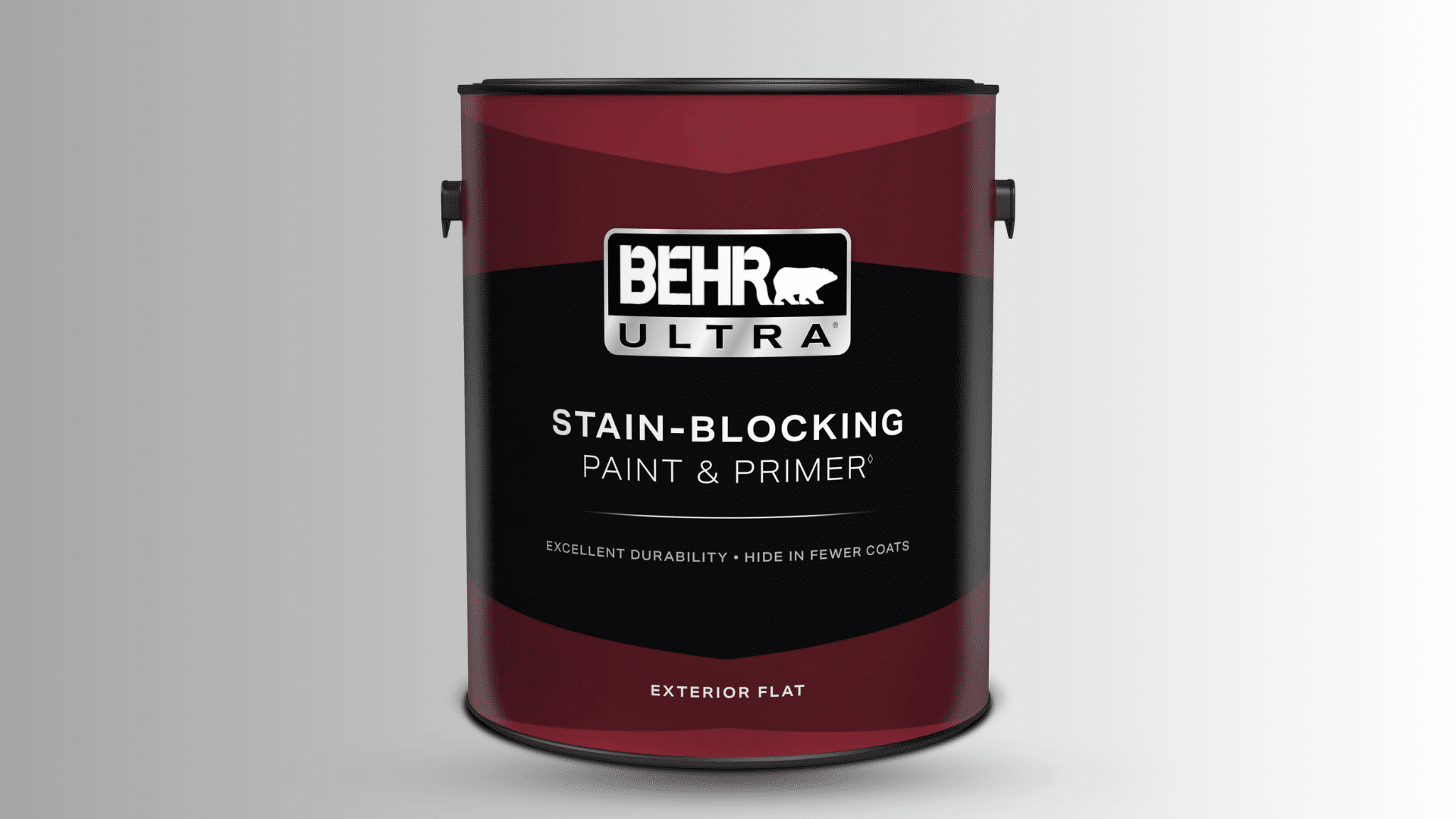
7. BEHR Ultra Exterior
Best for stucco in humid and rainy climates
BEHR Ultra Exterior is a value-focused choice for stucco and other surfaces exposed to humid or rainy conditions. It appeals to DIY homeowners who want solid exterior protection without stepping into the higher price range of premium paint product lines.
- Surface condition: Stucco should be dry, clean, cured, and free from major cracks before coating.
- Primer: Porous repairs and exposed substrate may still require separate priming.
- Project advantage: Its accessibility through major home-improvement retailers makes touch-ups and additional gallons easier to source.
8. Benjamin Moore Regal Select Exterior
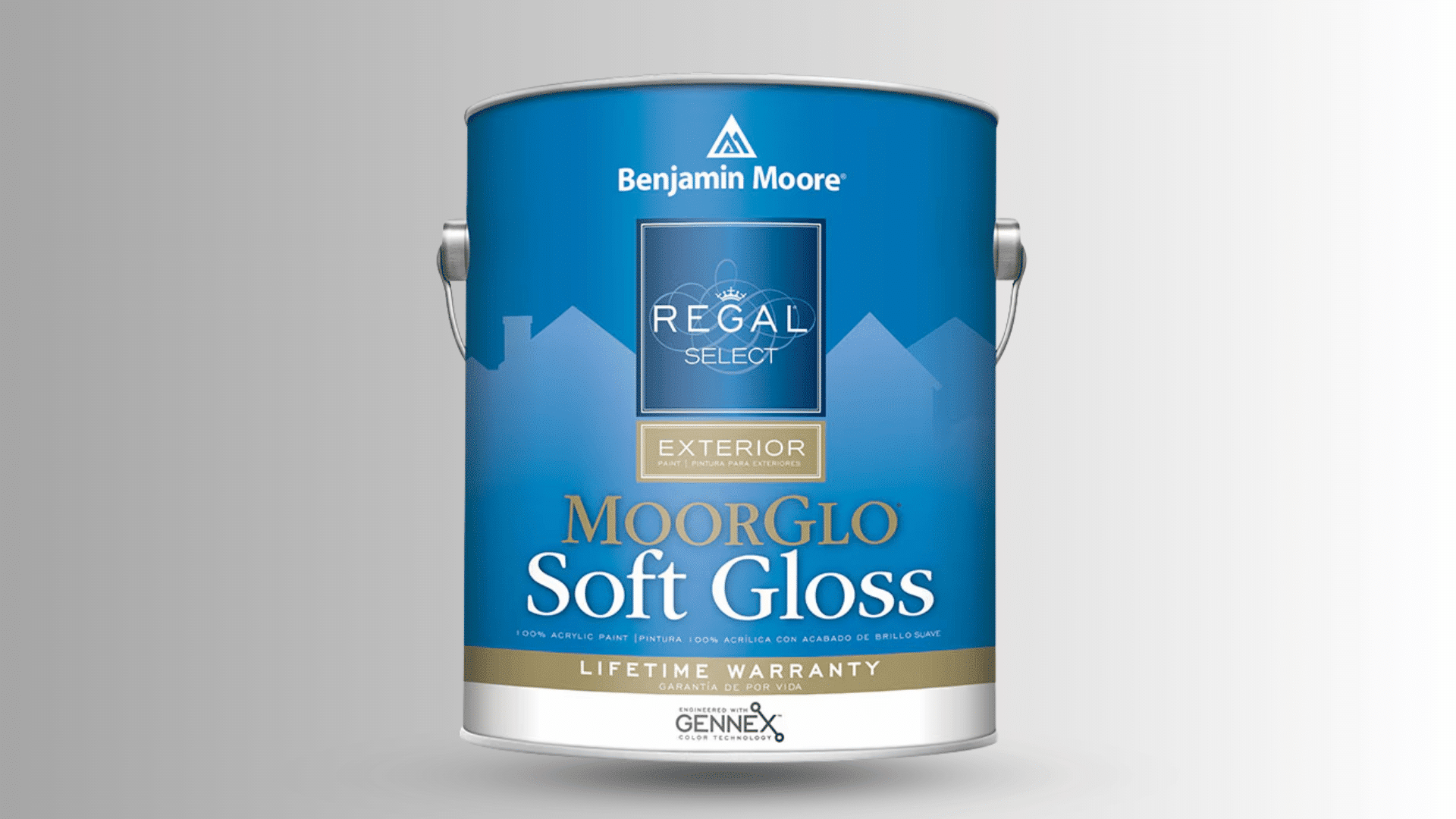
Best for fiber cement in seasonal climates
Benjamin Moore Regal Select Exterior offers dependable performance at a lower price than Aura. It works well on fiber cement and stable siding materials, making it a practical choice for homes that experience warm summers and colder seasonal weather conditions.
- Preparation: Prime exposed edges, patched sections, and areas where the original coating has worn away.
- Maintenance: Properly sealed joints and caulked gaps help prevent water from reaching the substrate.
- Best fit: A useful step-up choice when basic paint feels insufficient but top-tier pricing is unnecessary.
9. BEHR Premium Plus Exterior
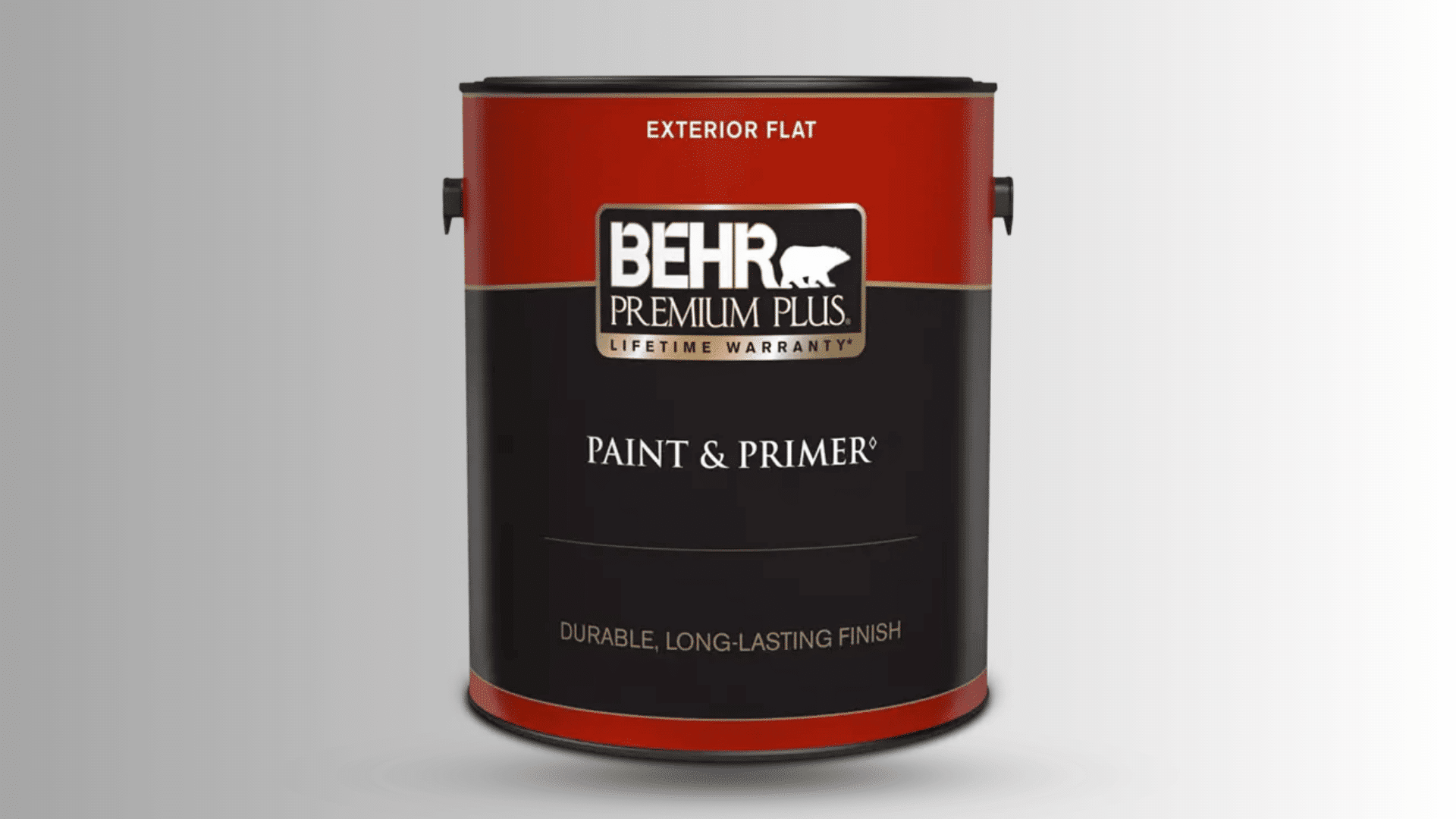
Best budget choice for mild climates
BEHR Premium Plus Exterior is a budget-friendly option for homes in mild climates and lower-exposure locations. It suits larger projects, secondary structures, and cost-conscious repainting jobs where extreme sunlight, heavy moisture, or severe temperature swings are not major concerns overall.
- Project type: Useful for sheds, garages, rental properties, and other cost-sensitive exterior work.
- Preparation: Clean, sound surfaces are especially important when working with a lower-cost coating.
- Trade-off: More demanding exposures may justify spending more for stronger specialized weather protection.
10. Sherwin-Williams Emerald Rain Refresh
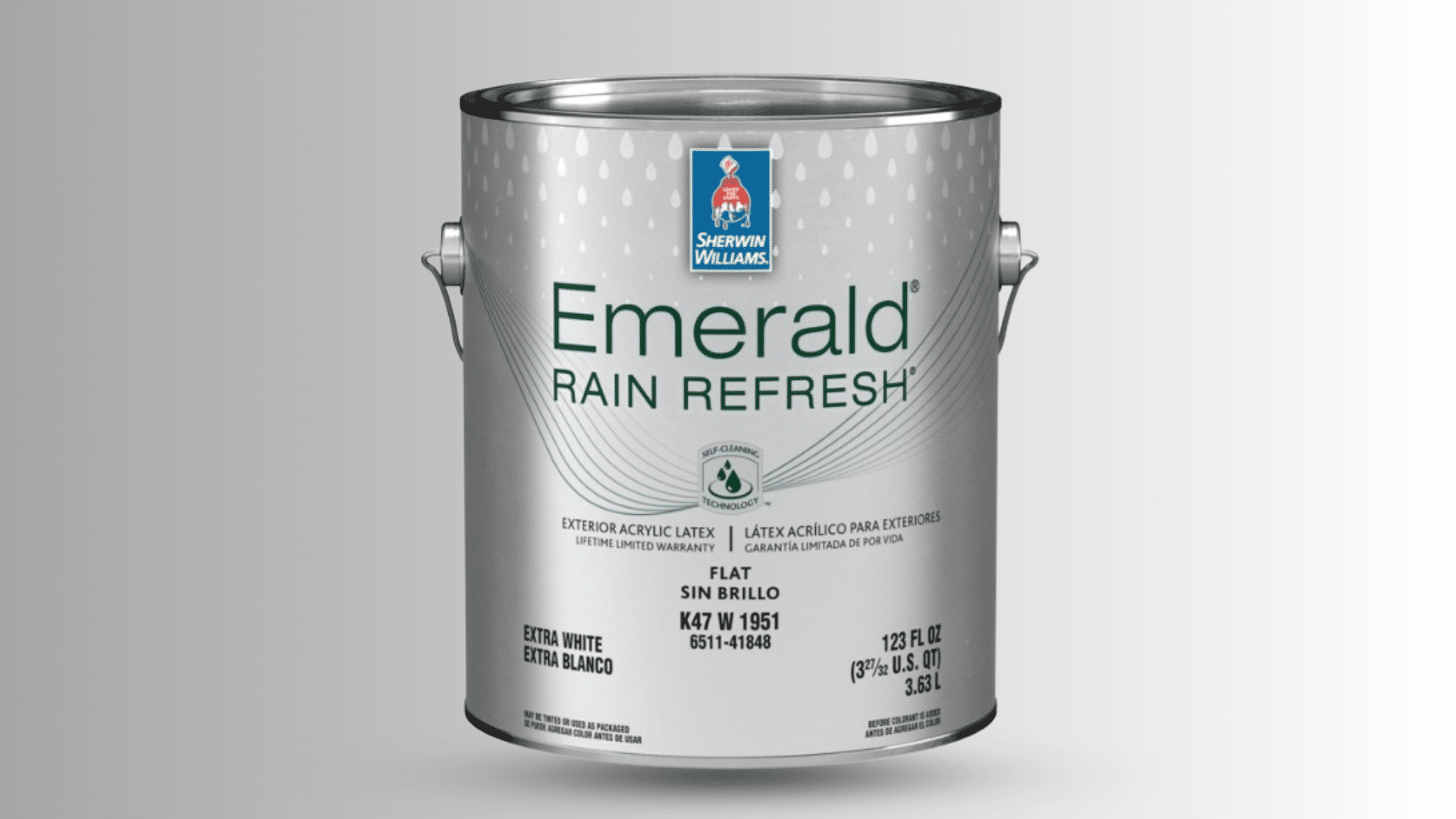
Best for masonry, humid areas, and coastal exposure
Sherwin-Williams Emerald Rain Refresh is designed for homes where exterior dirt buildup is a recurring issue. Its easy-cleaning surface is useful in rainy, humid, or coastal locations where regular weather exposure can leave siding looking dirty more quickly over time.
- Cleaning benefit: Rain or rinsing water can help remove surface dirt and reduce frequent washing.
- Metal surfaces: Rust must be removed and exposed areas treated with corrosion-resistant primer first.
- Best application: Particularly useful on highly visible exterior walls where maintaining a cleaner appearance matters.
Best Exterior Paint for Sun Exposure
Homes that receive strong sunlight need paint formulated to resist UV damage, fading, chalking, and loss of gloss. High-quality acrylic resins are particularly useful because they hold color while remaining flexible as the surface heats and cools.
Benjamin Moore Aura, BEHR Marquee, and Sherwin-Williams Emerald are strong options for high-exposure walls because they emphasize UV and fade resistance. However, product choice is only part of the equation. Dark colors absorb considerably more heat than lighter shades and may show fading sooner.
South- and west-facing walls usually receive the harshest sunlight, so those elevations may age faster than shaded sides of the same house. Choosing fade-resistant paint and preparing the surface correctly can help extend repainting intervals.
Choosing the Right Exterior Paint Type and Sheen
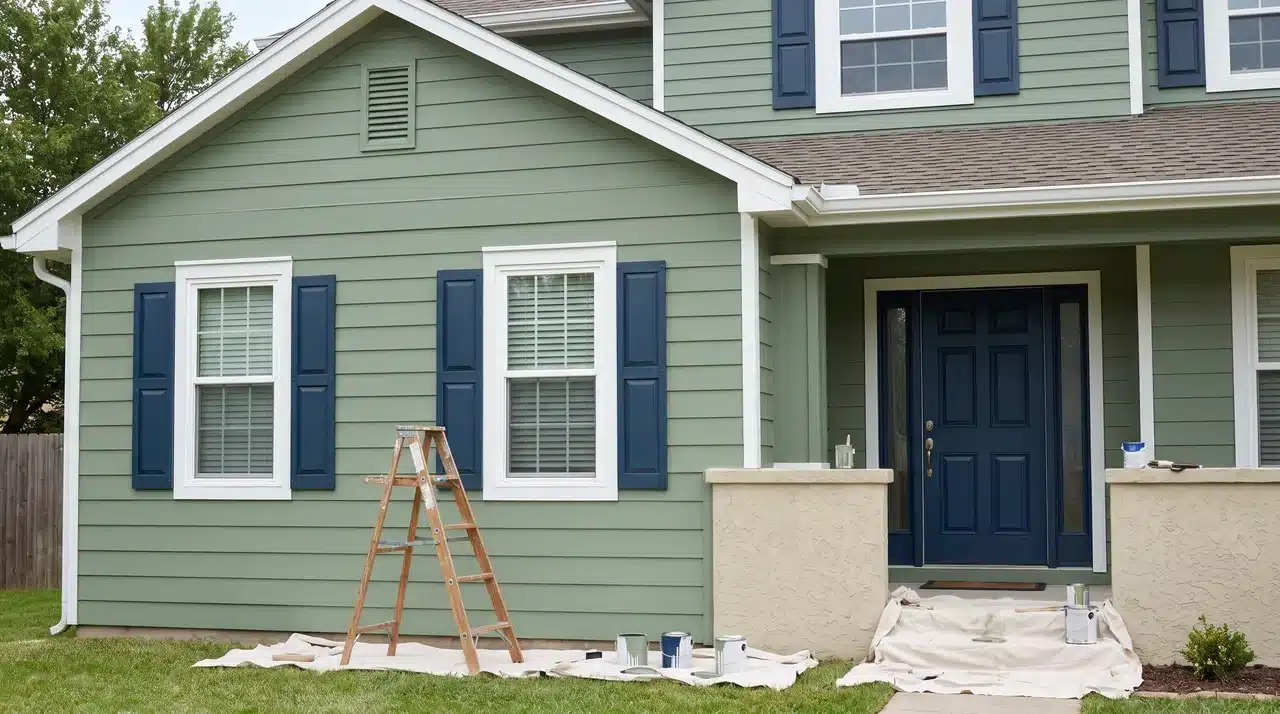
For most residential siding, 100% acrylic paint is a strong general-purpose choice because it offers good adhesion, flexibility, moisture resistance, and color retention.
Acrylic latex also works well across many exterior surfaces and offers easy water cleanup. Oil-based formulas are now more commonly reserved for selected doors, trim, railings, and metal, while elastomeric coatings are mainly used on suitable stucco, concrete, and masonry.
The sheen should match the surface and maintenance needs:
- Flat: Best for stucco, masonry, textured siding, and surfaces with visible imperfections.
- Low-luster: Works well on large siding areas where a subtle finish and moderate washability are preferred.
- Satin: A practical choice for smooth siding because it balances durability, appearance, and easier cleaning.
- Semi-gloss: Better for doors, shutters, and window trim elements that receive frequent handling or cleaning.
- Gloss: Suits architectural details and accents but can highlight dents, repairs, and uneven surfaces.
For most homes, acrylic paint with a flat, low-luster, or satin finish on siding and semi-gloss on trim provides the most practical combination.
When Exterior Paint Needs Primer
Paint-and-primer products can simplify repainting when the existing surface is sound, clean, and similar in color. They do not eliminate the need for primer in every situation.
A separate primer is usually worthwhile on bare wood, exposed metal, new masonry, heavily repaired surfaces, chalking paint, stains, or dramatic color changes. Areas where old paint has peeled back to the substrate should also be spot-primed before applying the finish coats.
Primer improves adhesion and creates a more uniform surface for the topcoat. Skipping it on a difficult substrate may save time initially but can increase the risk of uneven coverage, staining, or premature peeling.
How Long Does Exterior Paint Last?
There is no reliable lifespan that applies to every exterior paint job. The same product may perform very differently depending on surface preparation, climate, orientation, moisture, and application quality.
Paint generally lasts longer when the siding is clean, dry, structurally sound, and properly primed. Multiple properly applied coats also provide better protection than one excessively heavy coat.
Sun exposure can shorten color life, while persistent moisture may encourage mildew or peeling. Wood and other moving materials can place additional stress on the coating.
Regular inspections are more useful than relying on a fixed repainting schedule. Chalking, fading, cracking, exposed substrate, or peeling edges are signs that maintenance may be needed.
Exterior Painting Mistakes That Reduce Durability
Even premium paint can fail early when the surface or application conditions are poor. Common mistakes include:
- Painting dirty siding: Dust, mildew, and chalk prevent paint from bonding properly.
- Skipping loose paint removal: New coatings cannot stabilize paint that is already peeling.
- Painting damp surfaces: Trapped moisture can contribute to bubbling, blistering, and adhesion failure.
- Ignoring underlying leaks: Paint cannot fix roof, gutter, flashing, or siding moisture problems.
- Using the wrong primer: Different surfaces require primers designed for their specific adhesion or stain-blocking needs.
- Painting in unsuitable weather: Excessive heat, cold, rain, or humidity can interfere with proper curing.
- Applying excessively thick coats: Heavy application can dry unevenly and create a weak paint film.
- Using interior paint outside: Interior coatings are not formulated for UV exposure and exterior weather.
- Choosing unsuitable vinyl colors: Very dark colors may create excessive heat on some vinyl siding.
Is Premium Exterior Paint Worth the Cost?
Premium exterior paint can be worth paying for when the project involves large labor costs, difficult access, strong sunlight, or harsh weather. Higher-tier formulas typically place greater emphasis on resin quality, adhesion, UV resistance, mildew resistance, and color retention.
They may also provide better coverage, which can reduce the amount of material or labor required in some situations.
Budget paint still has a place. It can make sense for mild climates, rental properties, sheds, secondary buildings, or lower-exposure surfaces.
The biggest mistake is judging value by price per gallon alone. Preparation and labor often cost more than the paint itself, so repainting sooner can erase the savings from choosing the cheapest product.
Final Best Exterior Paint Recommendations
The best exterior paint choice comes from matching the product to your home’s surface and local weather.
I found that Benjamin Moore Aura offers strong color retention and sun resistance, while Sherwin-Williams Emerald handles demanding exposure.
Duration is useful for aging siding and major temperature changes. BEHR Marquee suits sunny walls, SuperPaint provides balanced mid-range value, and BEHR Premium Plus helps control costs in mild climates.
You can get better results by considering siding type, sunlight, moisture, and seasonal changes before buying. Good preparation and careful application also protect the finish and extend its life.
Use these tips to choose confidently, then share your experience or checkout related painting guides for more practical advice.
Frequently Asked Questions
Which brand makes the best exterior paint?
Benjamin Moore and Sherwin-Williams both offer strong premium exterior paints, while BEHR and PPG provide competitive alternatives. The best brand depends on the specific product line, siding material, climate, and project budget rather than the brand name alone.
What exterior paint lasts the longest?
Premium 100% acrylic paints generally provide strong long-term exterior performance because they resist UV damage, moisture, and surface movement. Longevity still depends heavily on preparation, number of coats, weather exposure, and maintenance.
Is Sherwin-Williams or Benjamin Moore better outside?
Both brands offer premium exterior formulas. Benjamin Moore Aura is particularly strong for color retention and sun exposure, while Sherwin-Williams Emerald and Duration are strong choices for weather resistance and changing temperatures.
Is BEHR good exterior house paint?
Yes. BEHR offers several exterior options at different price levels. Marquee is suited to homeowners wanting stronger UV and weather protection, while Ultra and Premium Plus provide more budget-focused alternatives.
Is 100% acrylic best for exterior walls?
For many residential exterior surfaces, 100% acrylic paint is one of the best options because it provides flexibility, adhesion, moisture resistance, and strong color retention. Some masonry and metal surfaces may require more specialized coatings.
What exterior paint color fades the least?
Light and neutral colors generally show fading less noticeably than very dark or highly saturated shades. Whites, light grays, tans, and similar colors also absorb less solar heat than darker exterior colors.
Is satin or flat better for exterior siding?
Flat paint hides imperfections better, while satin is easier to clean and provides slightly stronger resistance to dirt. Satin is often practical for smooth siding, while flat works particularly well on textured or imperfect exterior surfaces.
Does exterior paint always need primer?
No. Previously painted surfaces in good condition may not always need a separate primer. Bare wood, exposed metal, repairs, stains, chalking surfaces, and major color changes generally benefit from proper priming before the finish coats are applied.