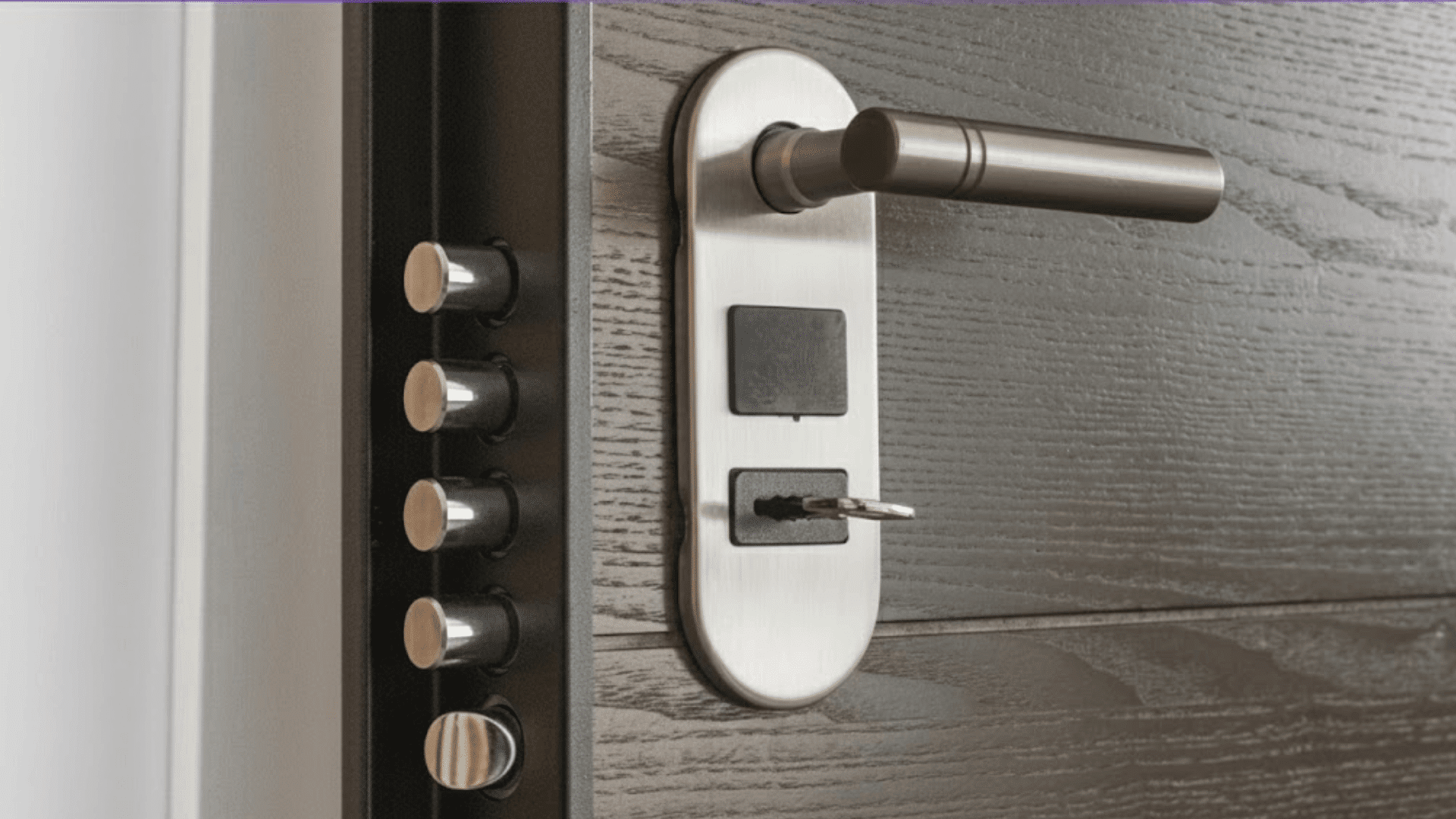



A door lock might look simple from the outside, but inside, it’s a small system of moving parts working together to keep your home secure.
Understanding the parts of a door lock helps you do more than just open and close a door; it helps you maintain, repair, and even upgrade it with confidence.
In this blog, I’ll walk you through the main parts, how they work together, common problems you might face, and simple ways to keep them in good shape.
From the cylinder that takes your key to the latch that clicks into place, every component plays a role.
Understanding the Main Parts of a Door Lock
Every door lock has several parts that work together to keep your door secure. Once you know what each one does, fixing or replacing them gets much easier.
1. Cylinder (Keyhole)
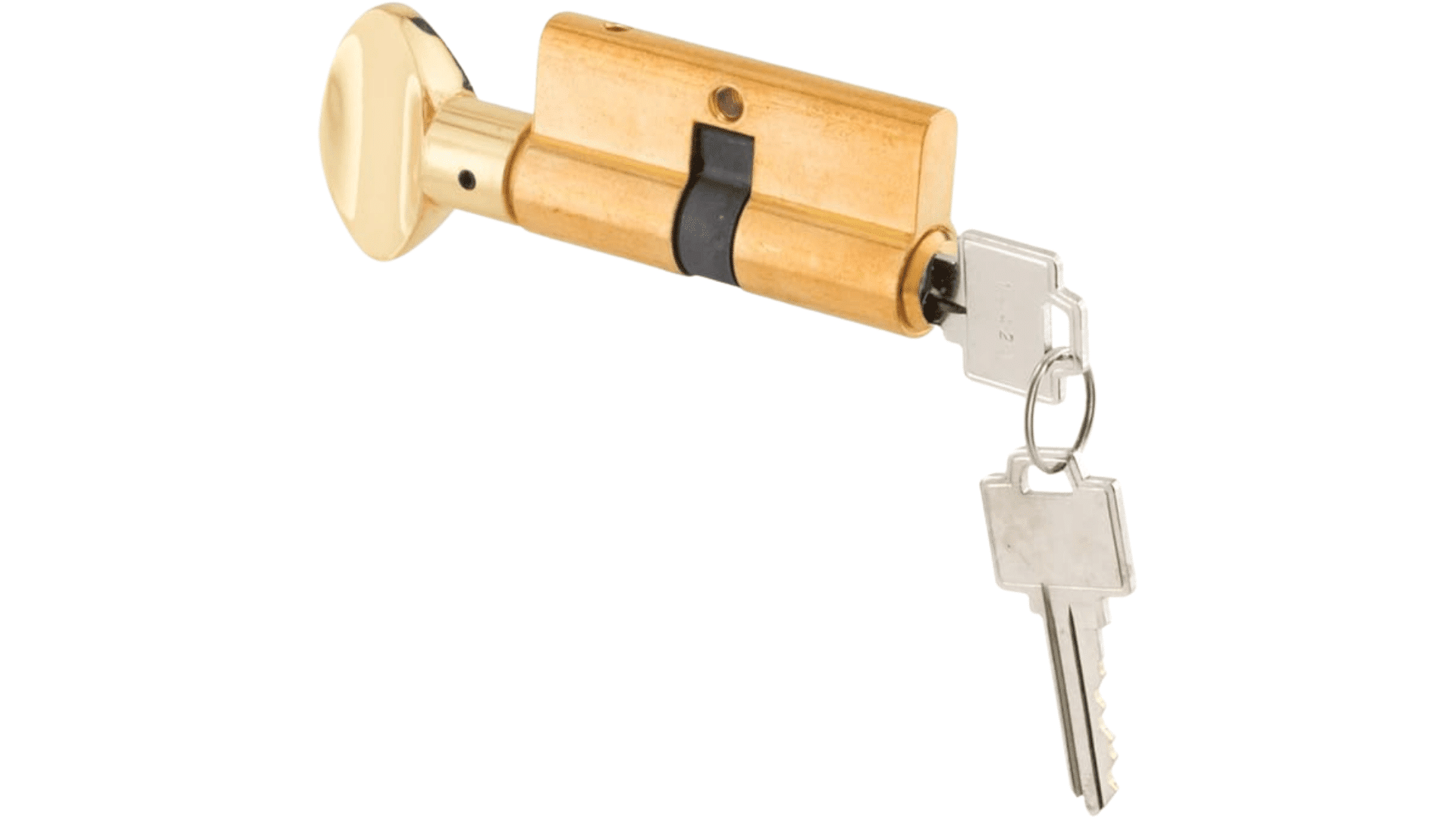
The Cylinder (Keyhole) is where you insert your key. Inside it are small pins and springs that line up when you use the right key, allowing the lock to turn.
This is the part that causes the most trouble. Keys can get stuck if dust builds up or if the pins wear out.
When that happens, a little graphite lubricant usually helps. If it keeps jamming, you might need to rekey or replace the cylinder.
Recommendation: Prime-Line E 2103 Cylinder Lock
2. Latch Bolt and Deadbolt
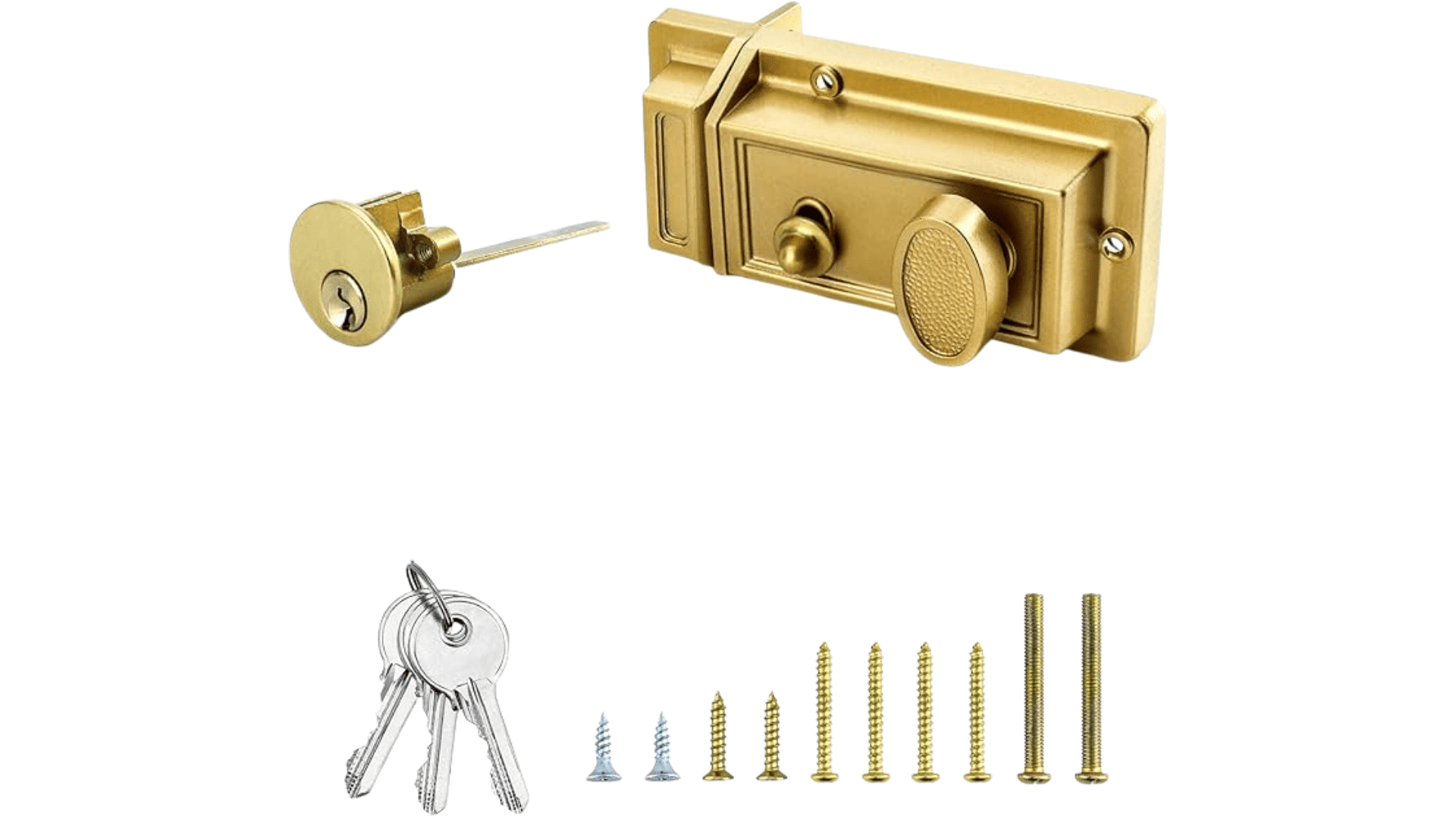
The Latch Bolt and Deadbolt are the spring-loaded piece that holds the door closed when it’s shut. It automatically retracts when you turn the handle and springs back when you release it.
The deadbolt, on the other hand, doesn’t move on its own; you turn it with a key or thumbturn. It slides deeper into the frame, making it harder for someone to force the door open. Using both together gives you the best mix of convenience and security.
Recommendation: QWORK Night Latch Deadbolt
3. Strike Plate
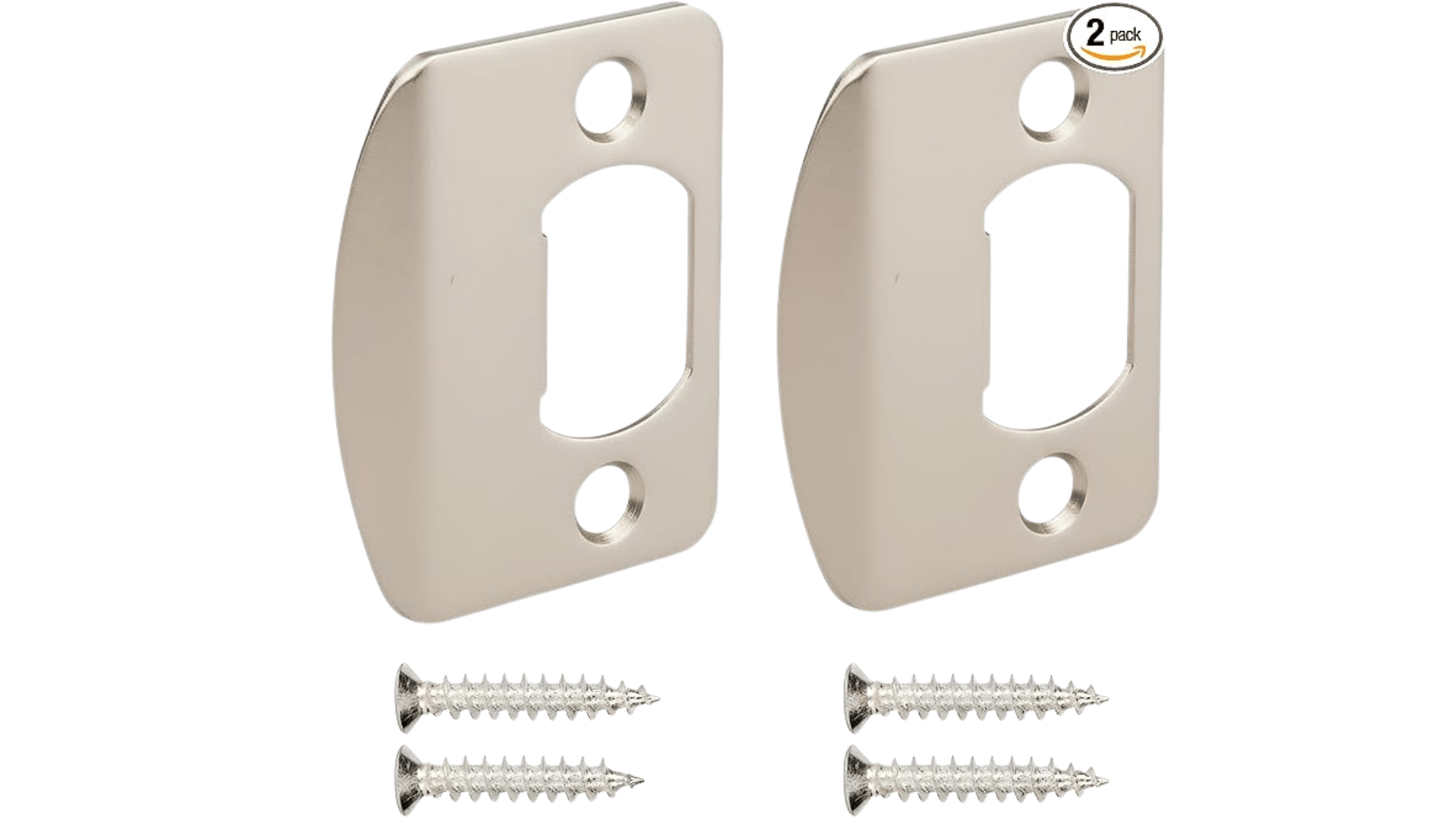
The strike plate is the small metal piece attached to your door frame. It has a hole where the latch bolt or deadbolt fits when the door is closed.
If your door doesn’t latch properly, this is usually where I’d look first. A misaligned strike plate can make your door rattle or stay slightly open. Adjusting its position or tightening the screws often fixes the problem.
Recommendation: Door Strike Plate Deadbolt
4. Handle or Knob
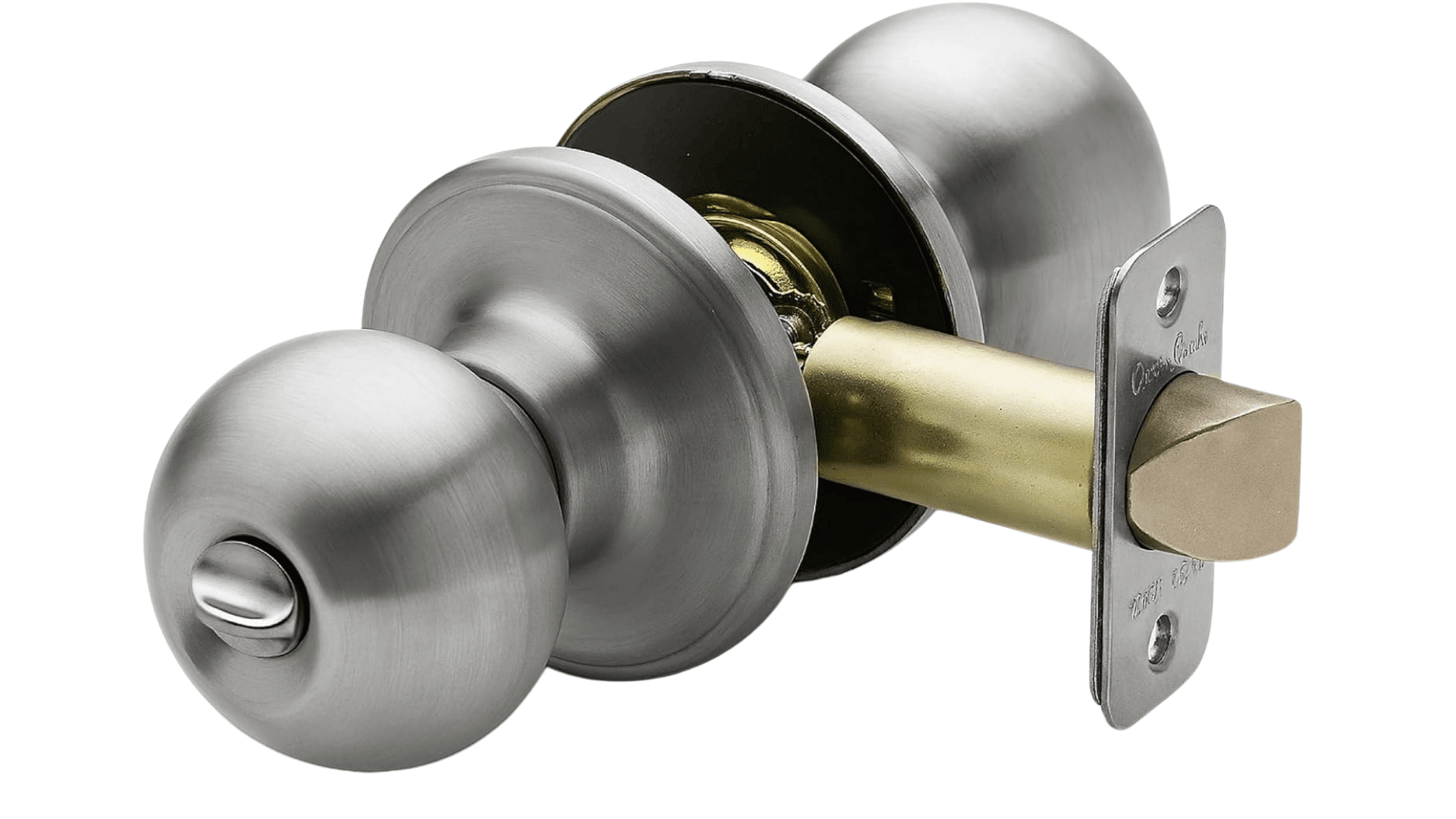
The handle or knob is the part you turn or press to open the door. It connects to the internal mechanism inside the door, moving the latch bolt through the spindle.
If you ever feel your knob turning loosely or not catching, it usually means the spindle or internal parts are wearing down.
Recommendation: Copper Creek Privacy Interior Door Knob
5. Spindle
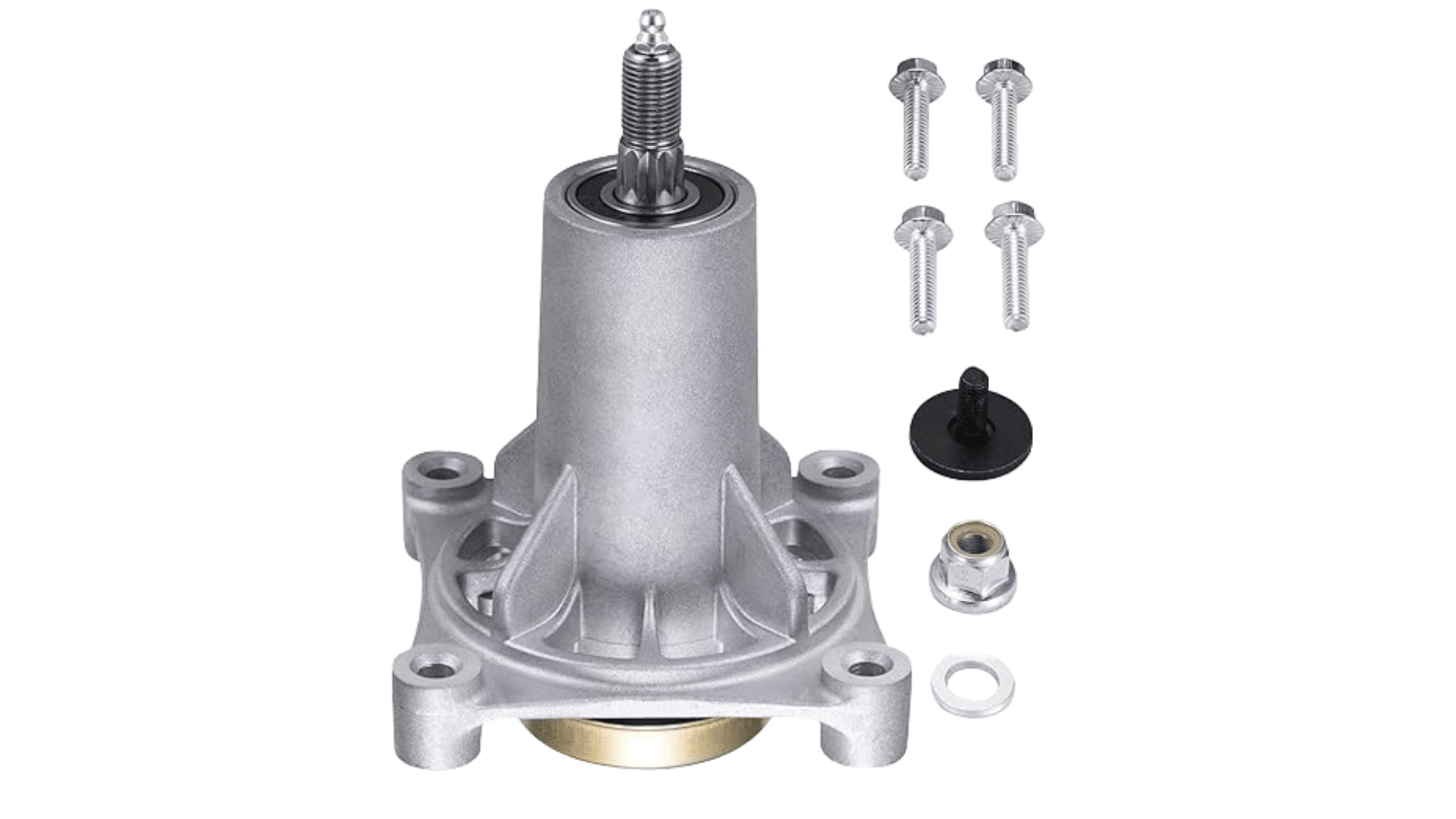
The spindle is a metal rod that connects the inside and outside knobs. When you turn the handle, the spindle rotates and pulls back the latch bolt.
A worn or bent spindle can make your knob spin without opening the door. Replacing it is a simple fix that can make an old lock feel brand new.
Recommendation: Mandrel Spindle Fit
6. Faceplate / Forend Plate
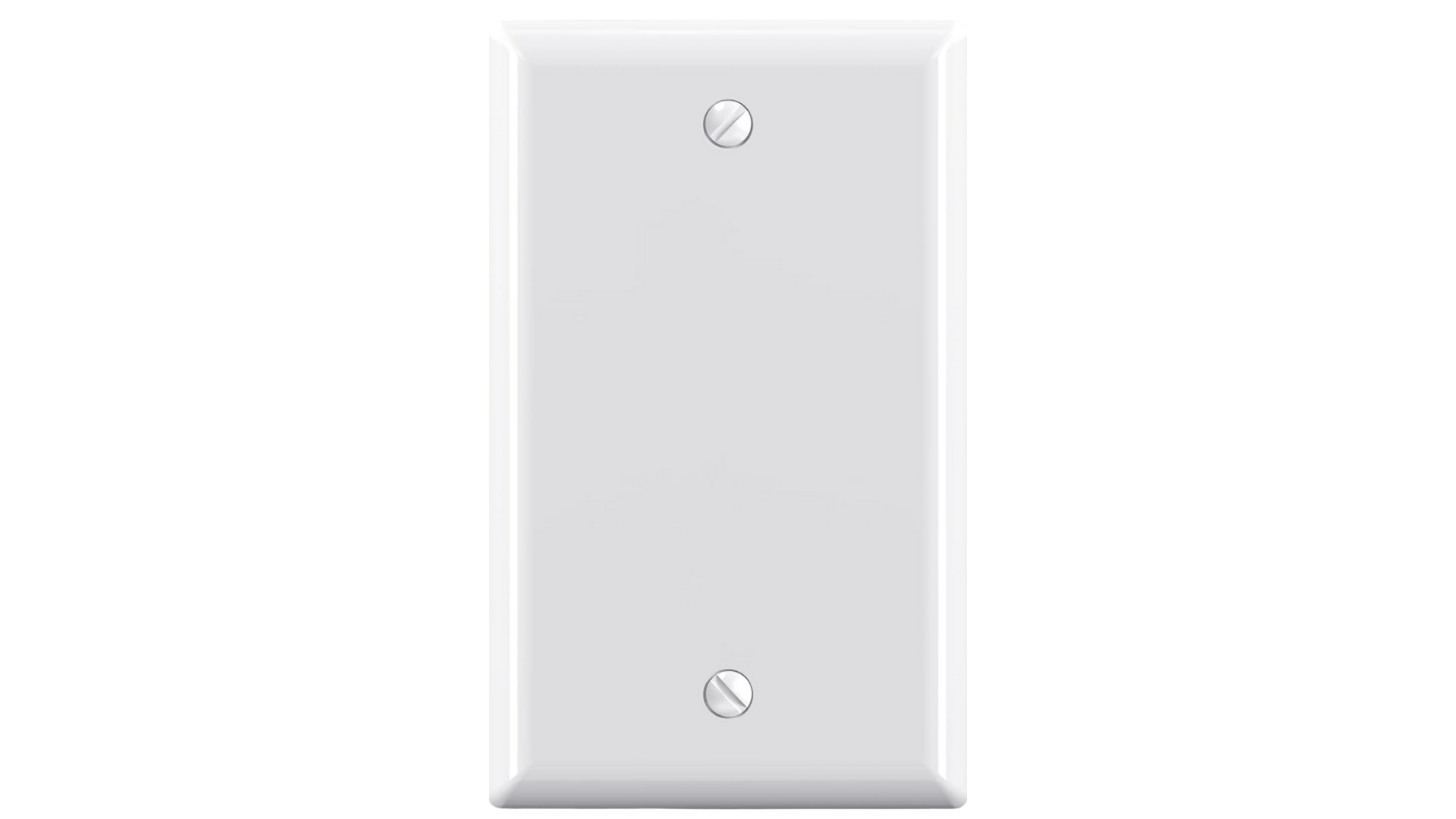
The faceplate (or forend plate) is the visible metal strip on the edge of the door. It’s where the latch bolt or deadbolt comes out.
Over time, this area can show scratches or dents from regular use. If the screws loosen or the plate gets bent, it can stop the latch from lining up smoothly with the strike plate.
Recommendation: ELEGRP 1-Gang Blank Device Wall Plates
7. Escutcheon and Rose Plates
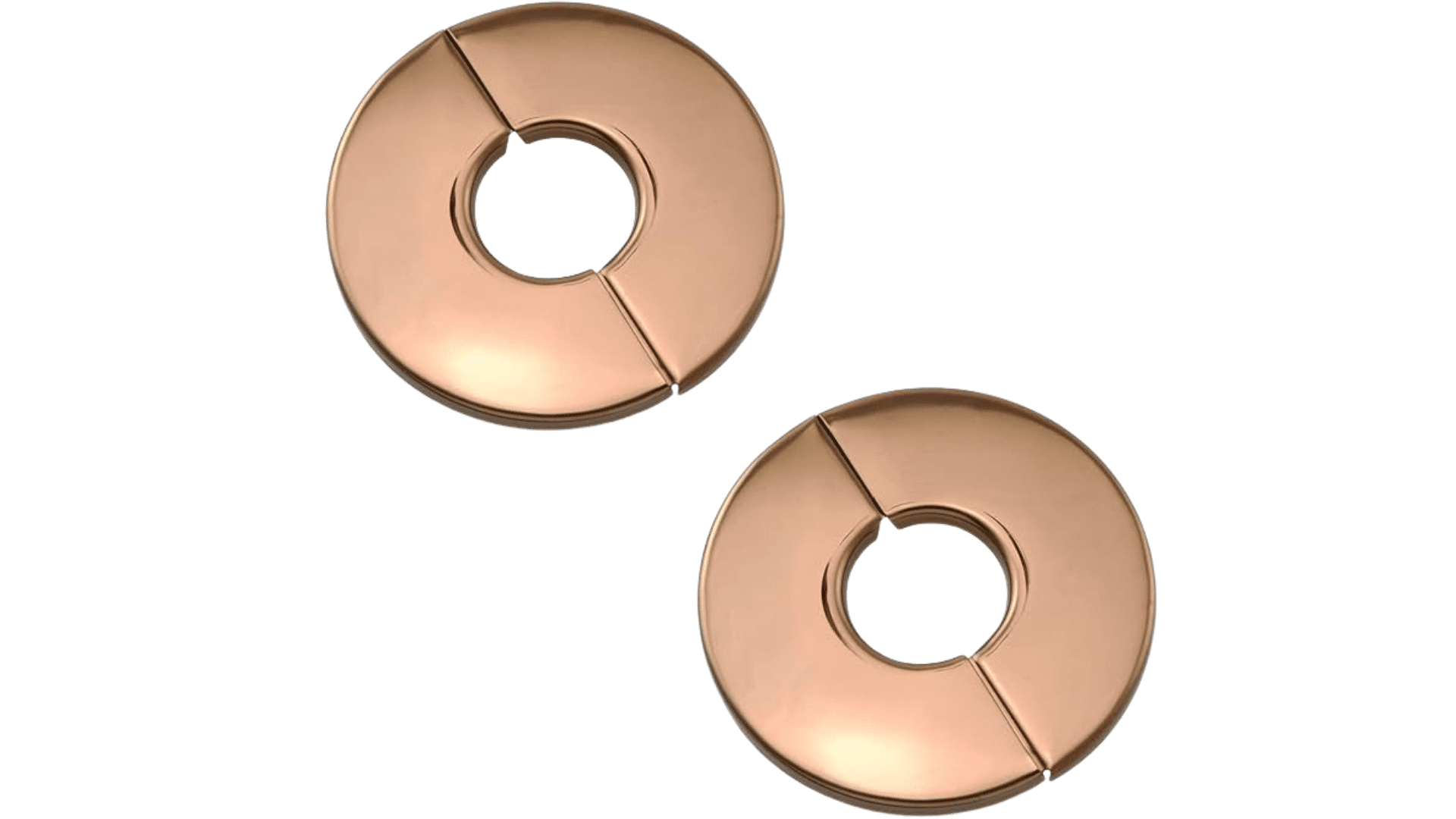
Escutcheon and Rose Plates are the decorative plates that sit behind your handle or around the keyhole. The escutcheon covers the keyhole area, while the rose plate usually sits behind the knob or lever.
They don’t affect how the lock works, but they protect the door surface and give it a cleaner look. If you’re updating your hardware, swapping these out can make a big difference in how your door looks without changing the entire lock.
Recommendation: Wall Split Flange JianLing
Additional Door Lock Components
- Thumbturn: A small knob or lever on the inside of the door that lets you lock or unlock it without a key. I like it because it makes locking up quick and easy; no need to fumble with keys when you’re inside.
- Backplate: A reinforcing plate that sits behind the handle or knob, adding support and stability. If your handle feels loose, a solid backplate can make a noticeable difference.
- Keyhole Cover: A small cover that protects the keyhole from dust, dirt, and moisture. Some designs slide or flip closed automatically, which helps keep exterior locks clean and working smoothly.
- Tailpiece: A thin metal bar that connects the cylinder to the internal lock mechanism. When you turn your key, the tailpiece rotates to move the latch or bolt.
- Cam: A small rotating piece attached to the cylinder that triggers the latch or deadbolt when you turn the key. If the key turns but the bolt doesn’t move, the cam is usually the problem.
- Actuator: The internal connector between the key cylinder and the bolt or latch mechanism. It turns the motion of your key or thumbturn into the movement that locks or unlocks the door.
Together, these parts make your door lock reliable, durable, and easy to use every day.
How Door Lock Parts Work Together
All the parts inside a door lock move in sync when you turn the key or handle. Here’s how the process works:
- Inserting the Key: When you slide your key into the cylinder, the grooves on the key push the pins inside into the correct positions. This alignment lets the cylinder rotate freely.
- Turning the Key or Handle: Once the cylinder turns, it moves the cam or actuator, which connects to the latch bolt or deadbolt inside the door.
- Moving the Bolt: The tailpiece or spindle transfers that motion, pulling the latch bolt back or sliding the deadbolt out of the door frame.
- Releasing the Door: When the bolt retracts, it clears the strike plate on the door frame, allowing the door to open easily.
- Resetting the Mechanism: Letting go of the key or handle allows the spring inside the latch to push the bolt back into place. The lock resets, ready to secure the door again.
Every part depends on the next, which is why even a tiny misalignment can stop the whole lock from working smoothly.
Types of Door Locks and Their Components
Not all door locks work the same way. Each type has a slightly different setup and set of parts that fit specific doors or security needs.
1. Knob Locks
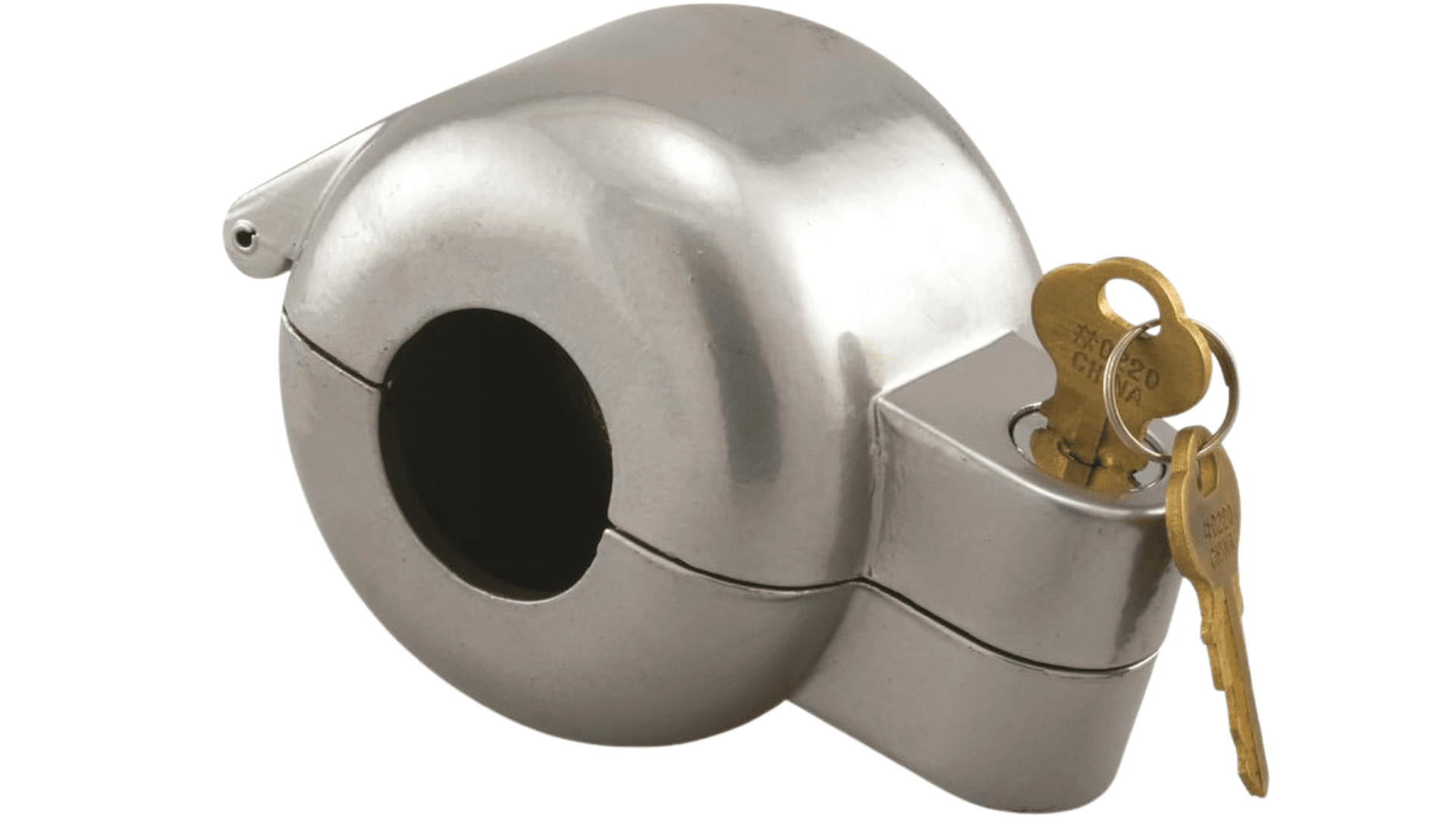
Knob locks are the most common type found on interior and some exterior doors. The locking mechanism sits inside the knob itself rather than the door.
They’re easy to install and use, but not the most secure for entry doors since the knob can be broken off with force. Best suited for bedrooms, bathrooms, or closets where convenience matters more than heavy security.
Recommendation: Prime-Line S 4180 Door Knob Lock
2. Deadbolt Locks
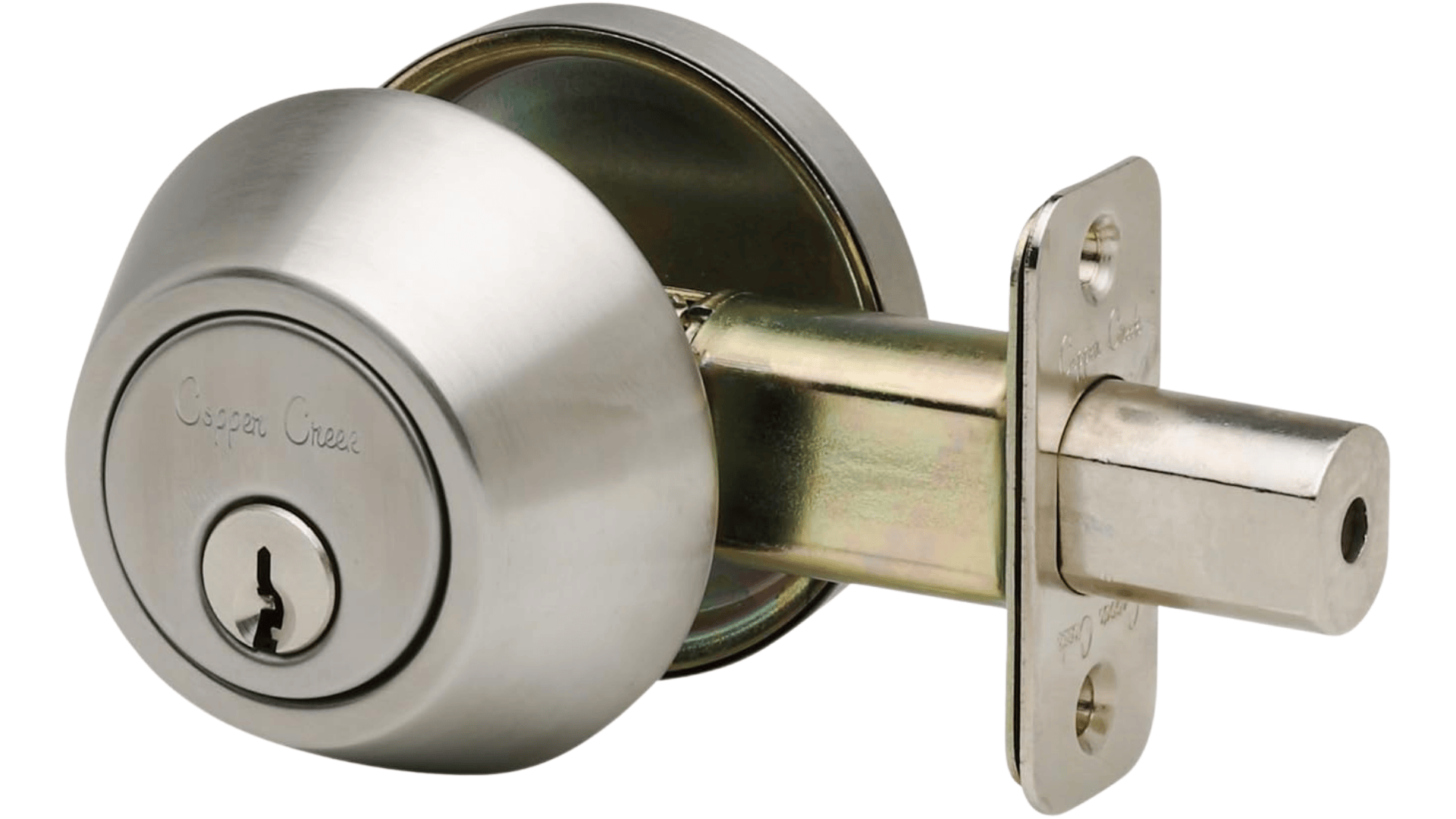
Deadbolt locks use a solid metal bolt that slides deep into the door frame for stronger protection. Unlike knob locks, they’re not spring-loaded; you have to turn a key or thumbturn to move the bolt.
This makes them ideal for exterior doors where security is a priority. Single-cylinder deadbolts use a key on one side and a thumbturn on the other, while double-cylinder versions require keys on both sides for extra safety.
Recommendation: Copper Creek DB2410SS Single Cylinder Deadbolt
3. Lever Handle Locks
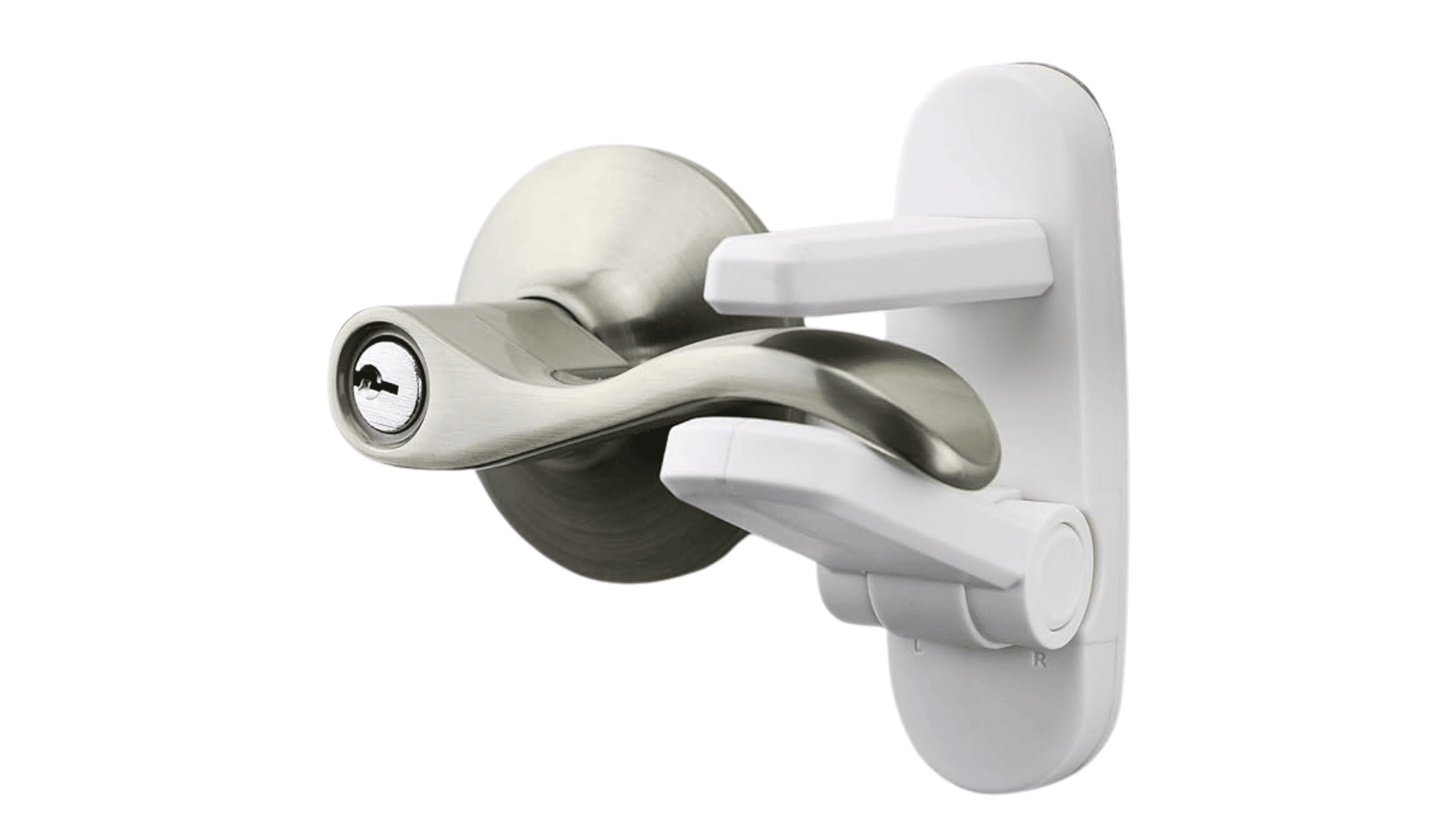
Lever handle locks use a push-down lever instead of a round knob. They’re easier to operate, especially for people with mobility issues or full hands.
The internal mechanism is similar to a knob lock, with a latch bolt and sometimes a small lock button or keyhole. I like these for interior doors because they combine comfort with accessibility.
Recommendation: Door Lever Lock
4. Mortise Locks
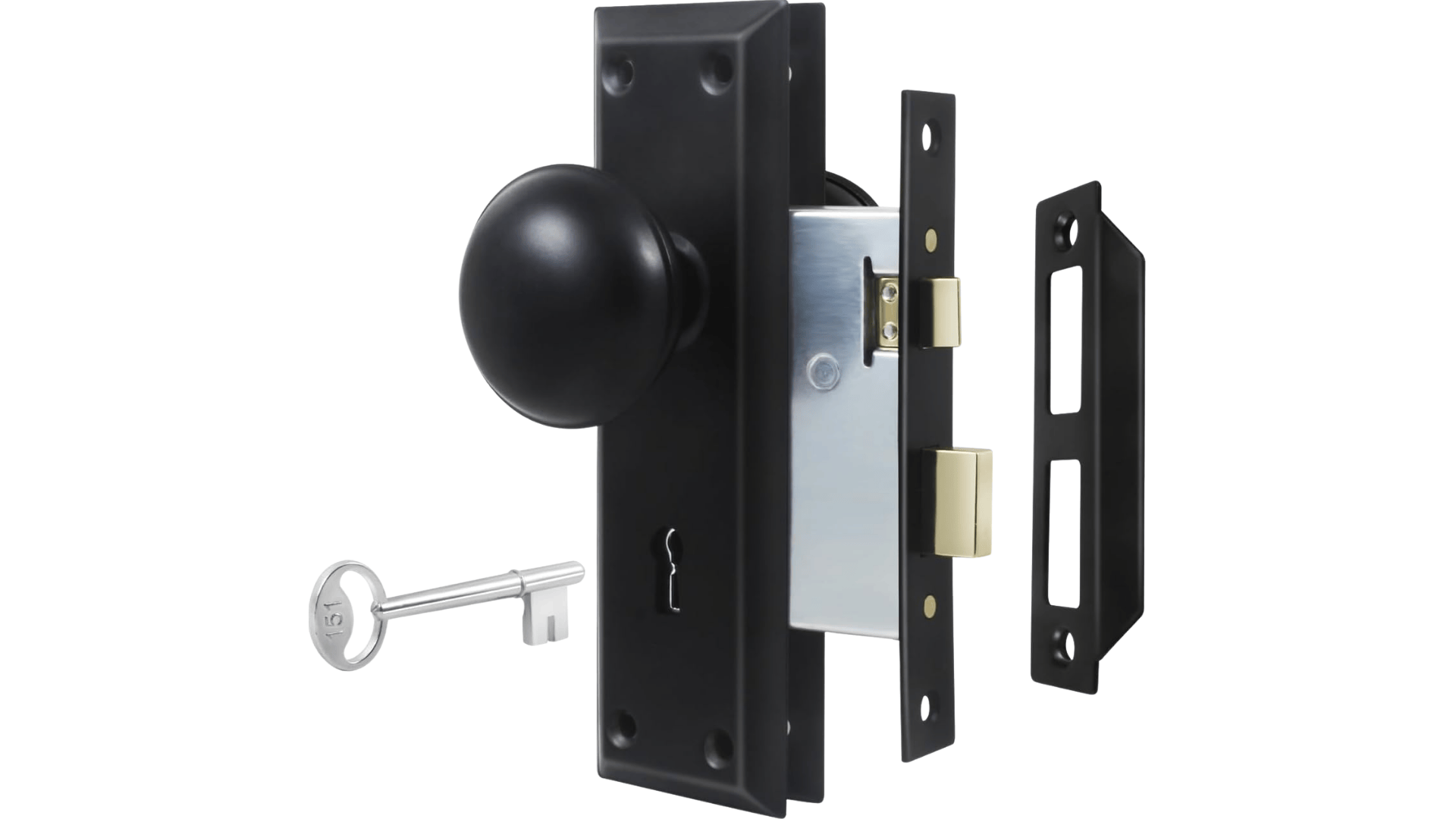
Mortise locks are built into a pocket, or “mortise,” cut inside the door edge. They use a complex assembly with a latch, deadbolt, and internal locking parts housed in one metal box.
These locks are heavier and more secure, often used in older homes, commercial buildings, or high-end doors. In my experience, they last a long time but take more effort to install or replace since they sit deep within the door structure.
Recommendation: Mortise Lock Set
Common Door Lock Problems and Fixes
- Misaligned Latch or Strike Plate: If your door doesn’t latch smoothly or needs a push to close, the latch and strike plate might not line up. Try tightening the screws first. If that doesn’t help, adjust the strike plate slightly up or down until the latch fits snugly.
- Loose Knobs or Handles: A handle that wiggles or spins freely usually means the screws or internal parts are loose. Check both sides of the knob, tighten any visible screws, and make sure the spindle is properly seated between them.
- Sticking Cylinder: When your key won’t turn smoothly, dirt or old lubricant is often the cause. I’ve had good results using graphite or silicone spray; never oil, since it attracts dust. If cleaning doesn’t help, the cylinder might need to be rekeyed or replaced.
- Broken Spindle: If the handle turns but the latch doesn’t move, the spindle could be cracked or stripped. You’ll need to remove the handle and replace the spindle. It’s an easy job with a screwdriver and a new part from any hardware store.
Most of these fixes take just a few minutes and can make your lock feel brand new again. Regular cleaning and tightening go a long way in keeping your door secure and easy to use.
Maintenance Tips for Door Locks
Cleaning: Wipe the lock and handle with a soft cloth to remove dust and dirt. Use mild soap and water for deeper cleaning, and avoid harsh chemicals that can damage the finish or dry out internal parts.
Lubricating: Apply a small amount of graphite or silicone-based lubricant once or twice a year. Spray it into the keyhole and around the latch bolt, then turn the key or handle several times to distribute it. Avoid oil-based lubricants; they attract dirt and make locks sticky.
Checking Alignment: If the latch doesn’t meet the strike plate cleanly, loosen the screws and adjust the plate slightly up or down. Once the door closes smoothly, tighten it back in place to prevent extra wear.
Buying or Replacing Door Lock Parts
When replacing a door lock part, knowing what to look for helps you get the right fit the first time. A few checks before buying can prevent most installation issues.
- Start by identifying what needs replacing. If you can, remove the old part and bring it to the store. Comparing it with new hardware makes matching easier, especially for latches, cylinders, or strike plates.
- Measure carefully. Check the latch length, backset (distance from the edge of the door to the keyhole), and hole size for the handle or knob. Even a small mismatch can stop the parts from working together.
- Choose the right material for your door. Brass resists corrosion, while stainless steel is stronger for exterior doors. Pick based on where the lock is used and how often it’s handled.
- Match the part to your lock type. Interior doors often use knob or lever locks, while exterior ones rely on deadbolts or mortise locks. Buying the wrong style can cause alignment or fit problems.
Replacing a single part instead of the whole lock saves money and keeps your door’s original look. Just test the fit before tightening everything to make sure the lock moves smoothly.
Top Places to Get Door Hardware Replacements
- US Hardware Supply: Stocks locksets and deadbolts, including cylinders, latches, strike plates, and hardware.
- US Lock Supply: Offers a variety of residential door hardware and parts in finishes and styles, including knobs, deadbolts, and accessories.
- Baldwin Hardware Direct: Specializes in replacement parts such as cylinders, thick-door kits, and hardware for upscale locksets.
Conclusion
Understanding how each part of a door lock works makes it easier for you to fix small issues, choose the right replacement pieces, and keep your home protected.
Most problems come from wear, dirt, or simple alignment issues, things you can often handle without calling a pro.
When you know what each component does, you can spot problems early and keep everything working smoothly. Whether you’re upgrading hardware or troubleshooting a sticky latch, you now have what you need.
Ready to improve the security and performance of your door? Start making the updates that matter today!