

Choosing paint colors can feel tricky when you want your room to look neat and nothing seems to match the way you hope. It’s easy to feel stuck when every shade looks different in every picture or sample.
I’ve been in that same place, and I know how much the right combination can change a room.
In this guide, I’ll share simple wall and trim color ideas that feel easy to use and clear to understand. Together, we’ll make this process feel lighter and much more manageable.
What Makes a Great Wall and Trim Color Combination?
A good wall and trim pairing starts with colors that agree with each other instead of competing. When tones fit naturally, the room feels steady and visually comfortable right away.
Matching undertones helps both shades fall into place without odd shifts. Warm walls work best with warm trim, and cool walls settle nicely with cool trim for a smooth finish.
Lighting changes how colors appear from morning to evening. Soft daylight brightens shades, while indoor lighting can deepen them, so checking both makes decisions easier.
Wall and Trim Color Combinations to Try in Your Home
Some combinations create softness, while others add contrast or drama. Here are ideas that make your home feel more balanced and stylish.
1. Soft White Walls + Pure White Trim
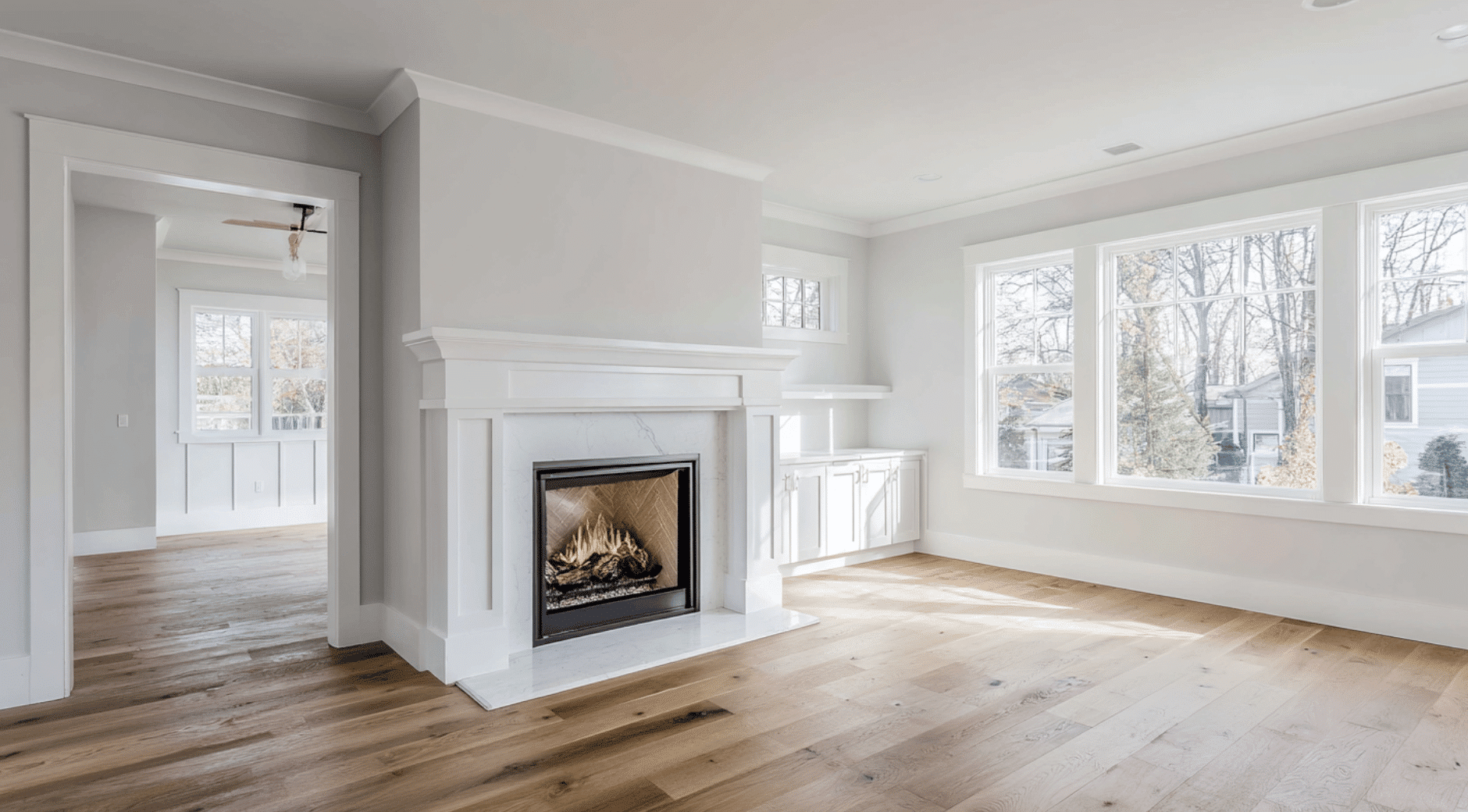
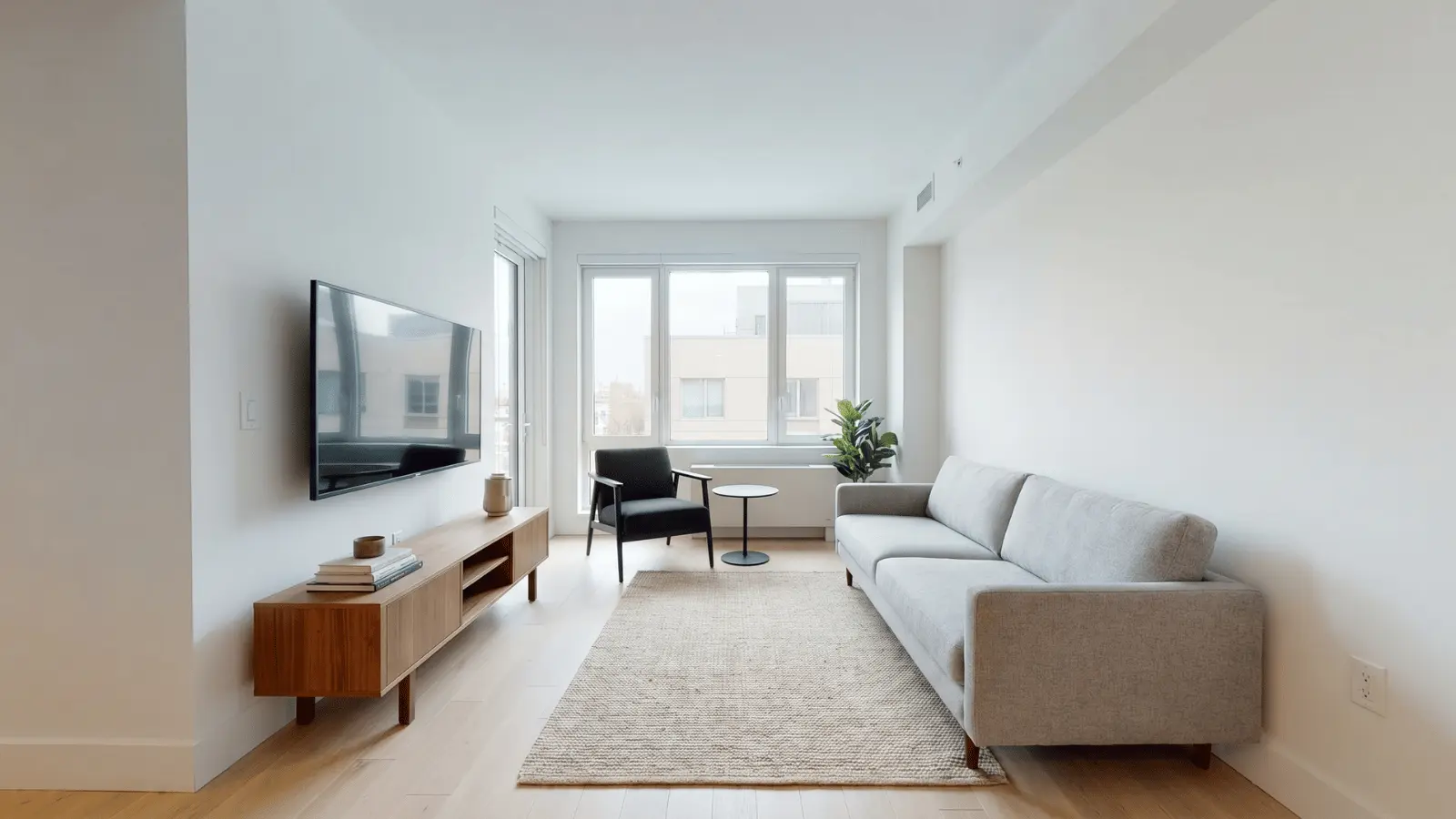
If you want a room that always feels fresh, this pairing is hard to beat. Soft white walls prevent the space from feeling too sterile, and the pure white trim adds a clean edge. It’s also a great fix for rooms with uneven light because it keeps everything looking even throughout the day.
2. White Walls + Soft Gray Trim
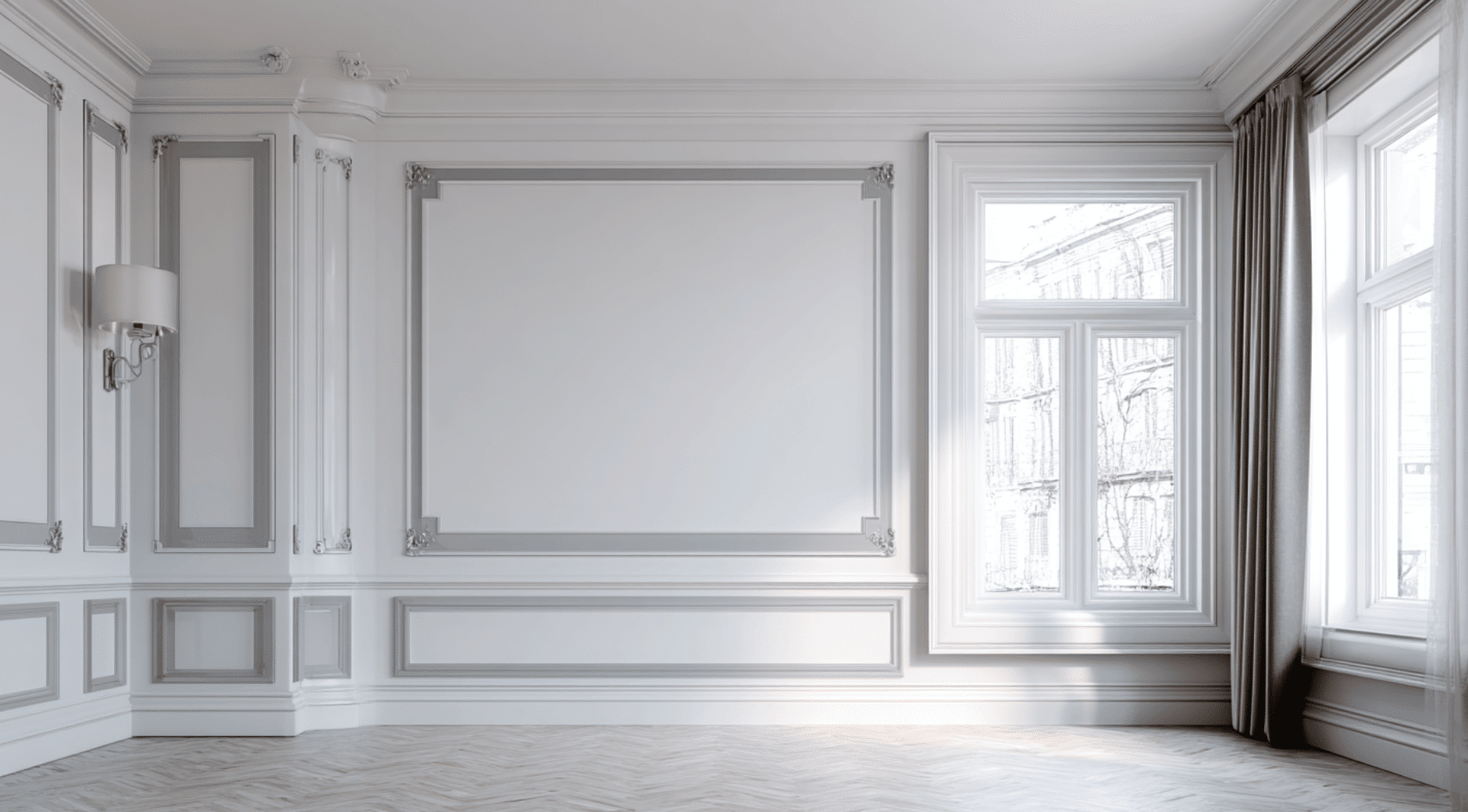
This combo is helpful when your white walls need more structure but you’re not ready for bold contrast. Soft gray trim outlines the room gently and blends well with cool-toned furniture or metal finishes. It’s often used in homes aiming for a quiet, modern feel without sharp lines.
3. White Walls + Charcoal Trim
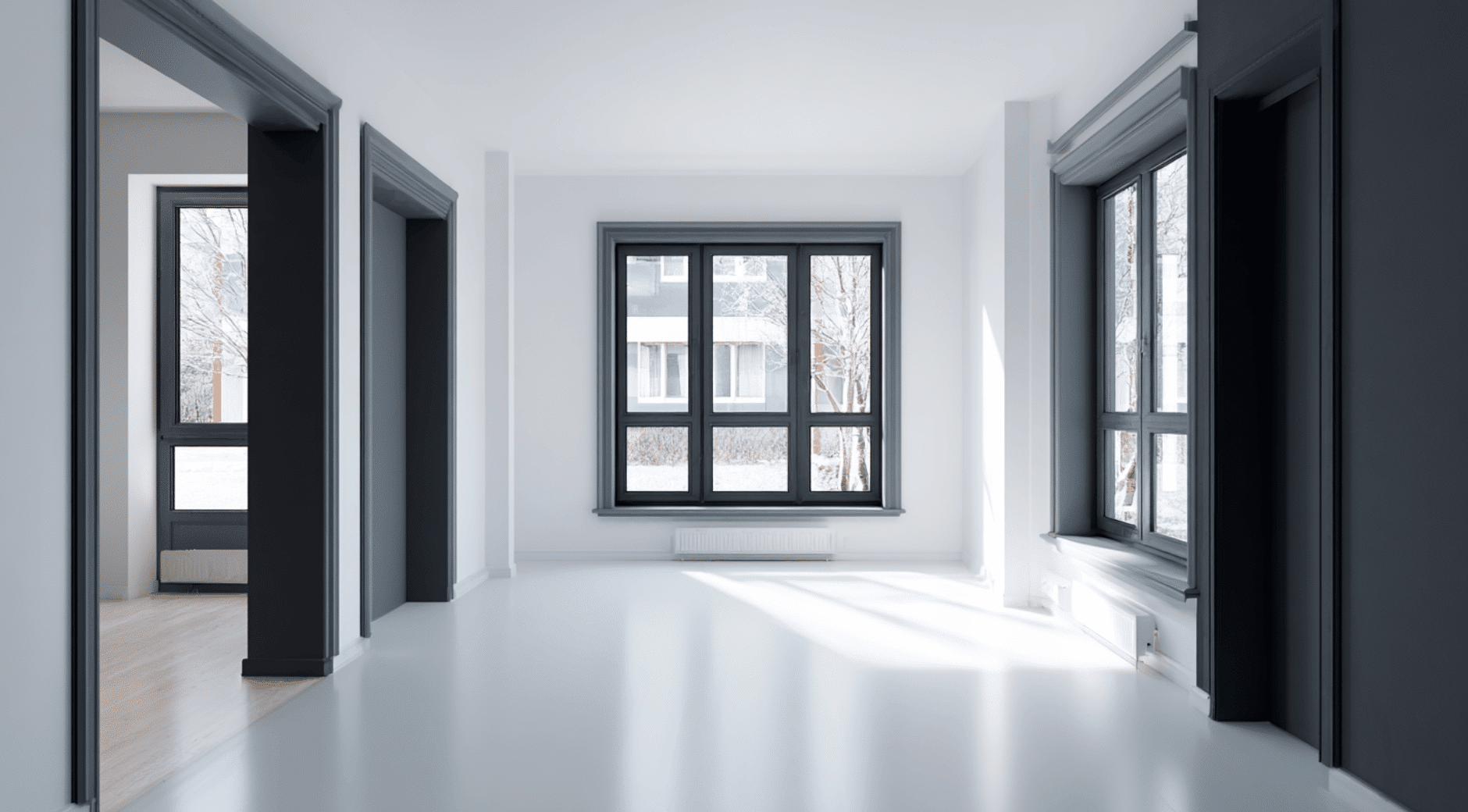
Charcoal trim instantly highlights baseboards and door frames, making the room’s architecture feel more intentional. This is a good choice for older homes with great trim you want to show off. It also pairs well with black hardware, helping the whole room look coordinated.
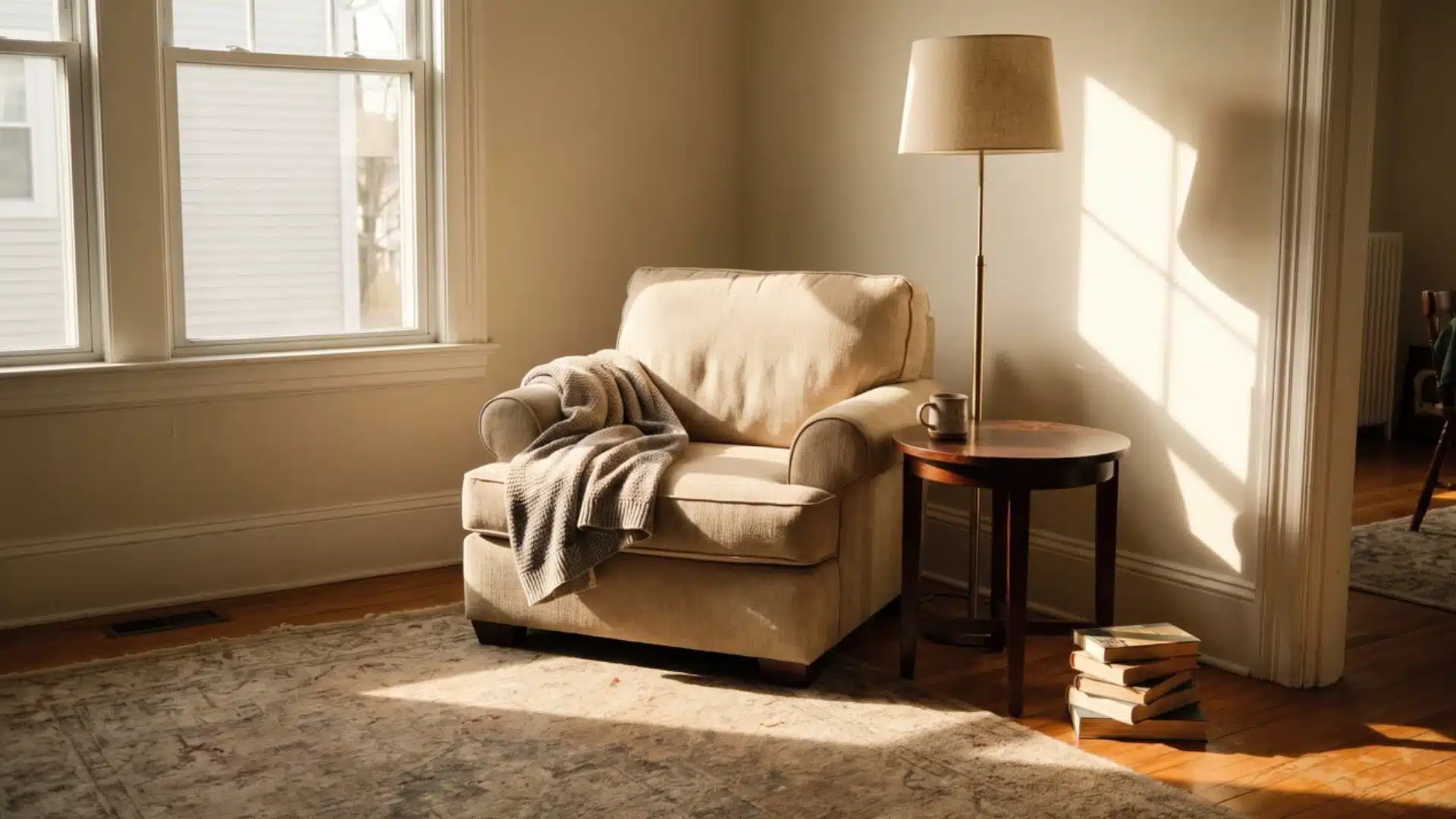
4. Cream Walls + Warm White Trim

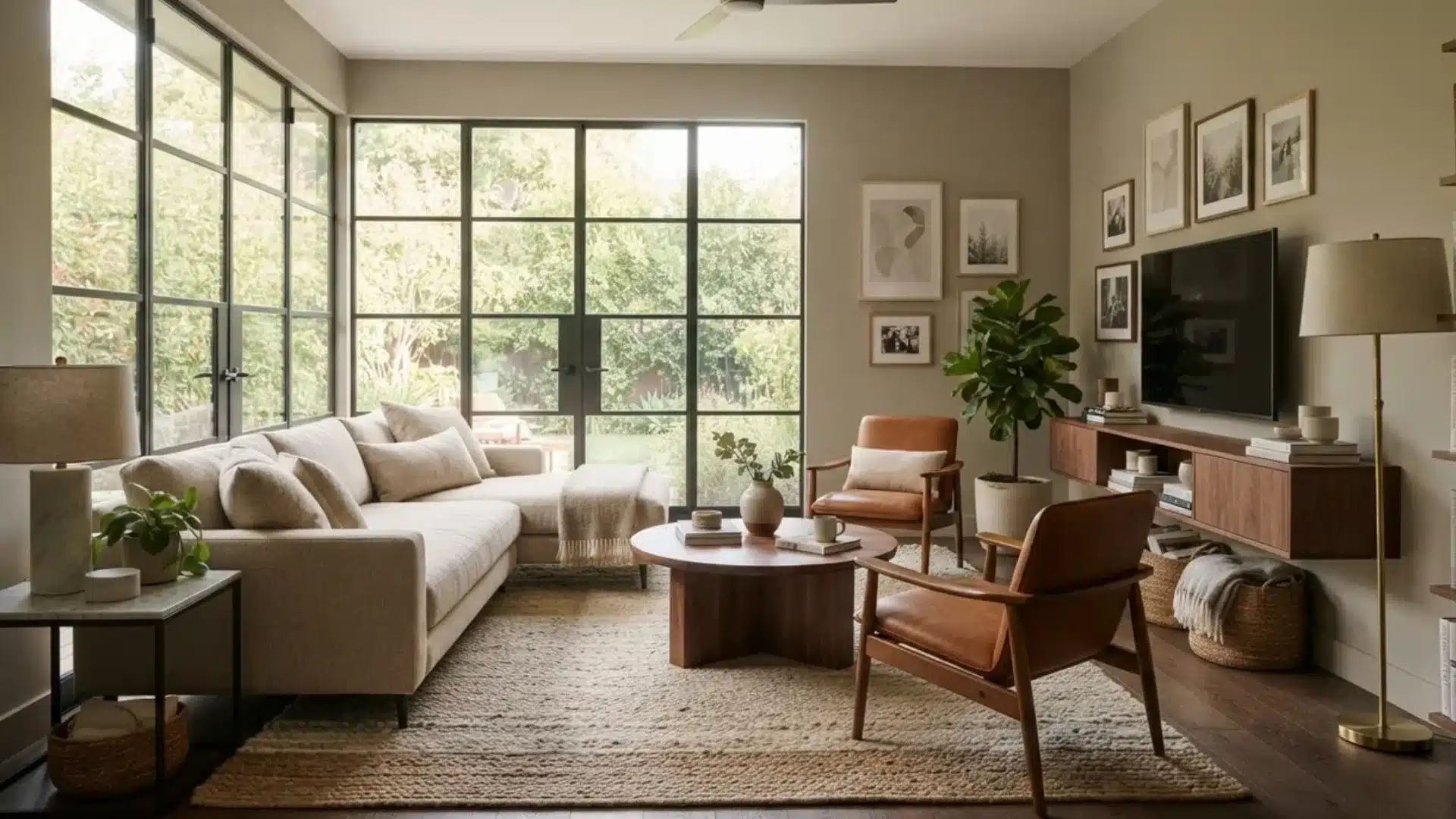
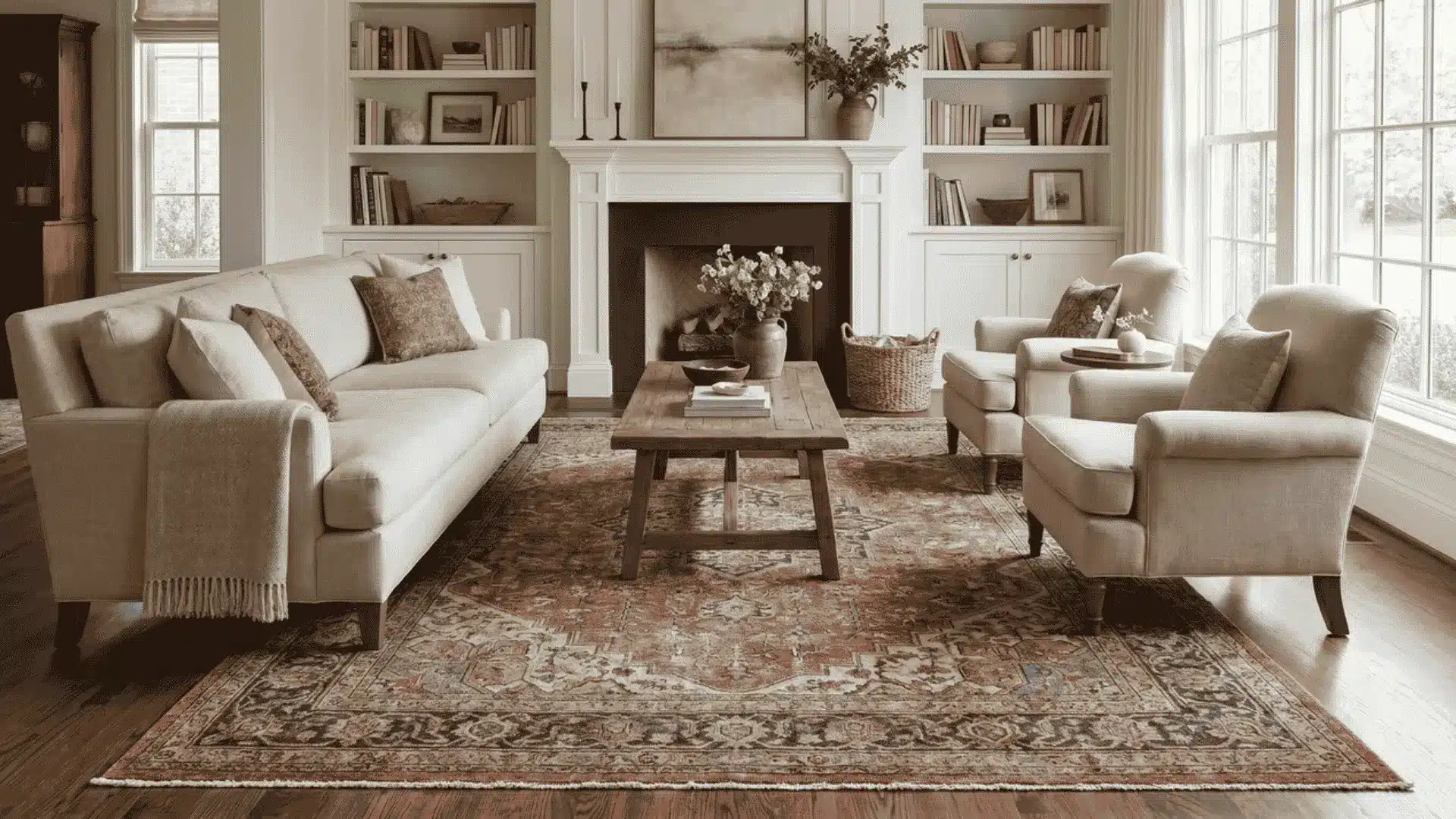
Homes with warm bulbs or southern light benefit from this pairing because both colors stay soft instead of turning yellow. Cream walls add comfort, and warm white trim keeps the edges clean without harsh contrast. Try this combo if your room uses natural textures like jute, rattan, or medium wood tones.
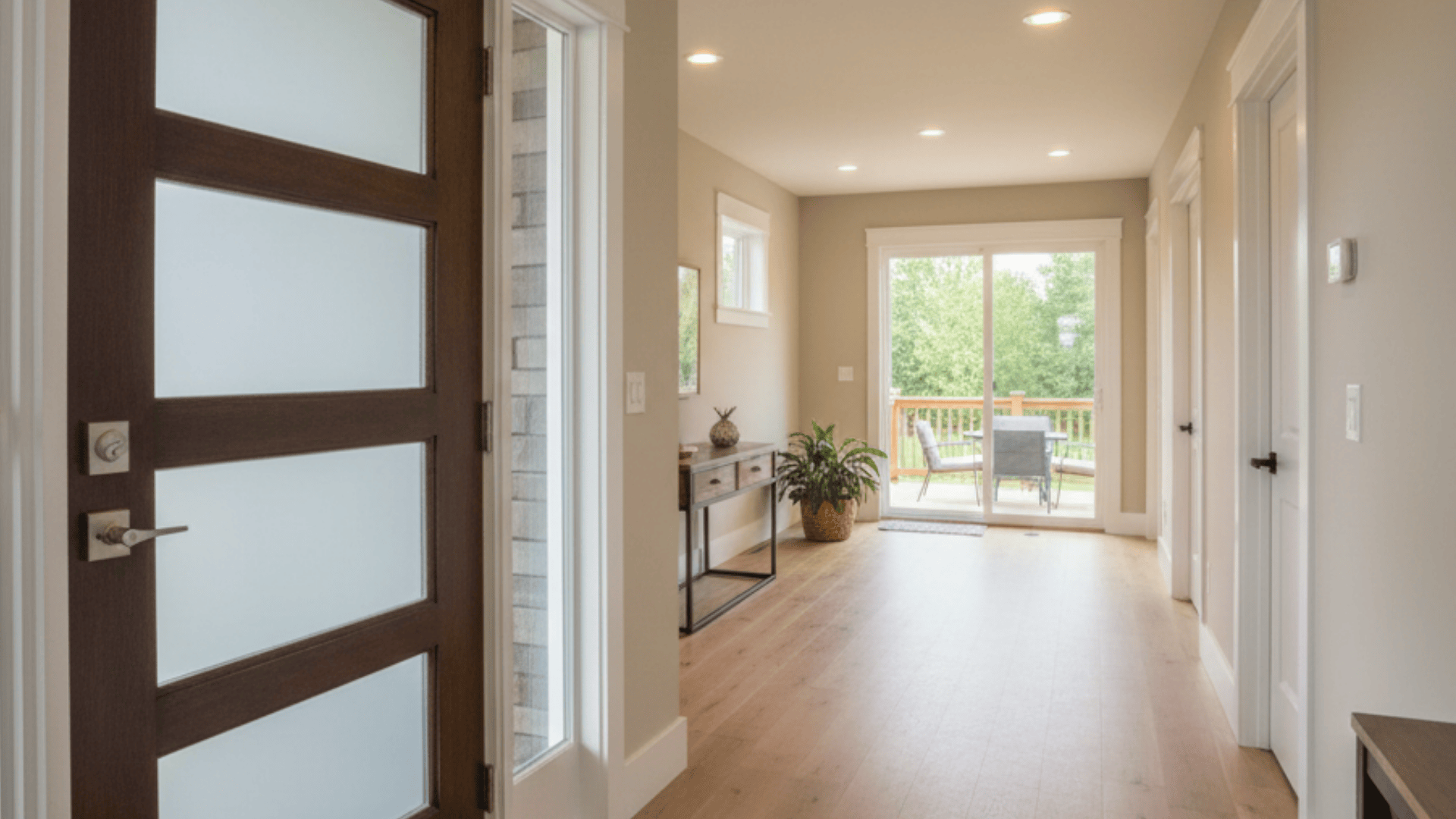
5. Greige Walls + Pure White Trim
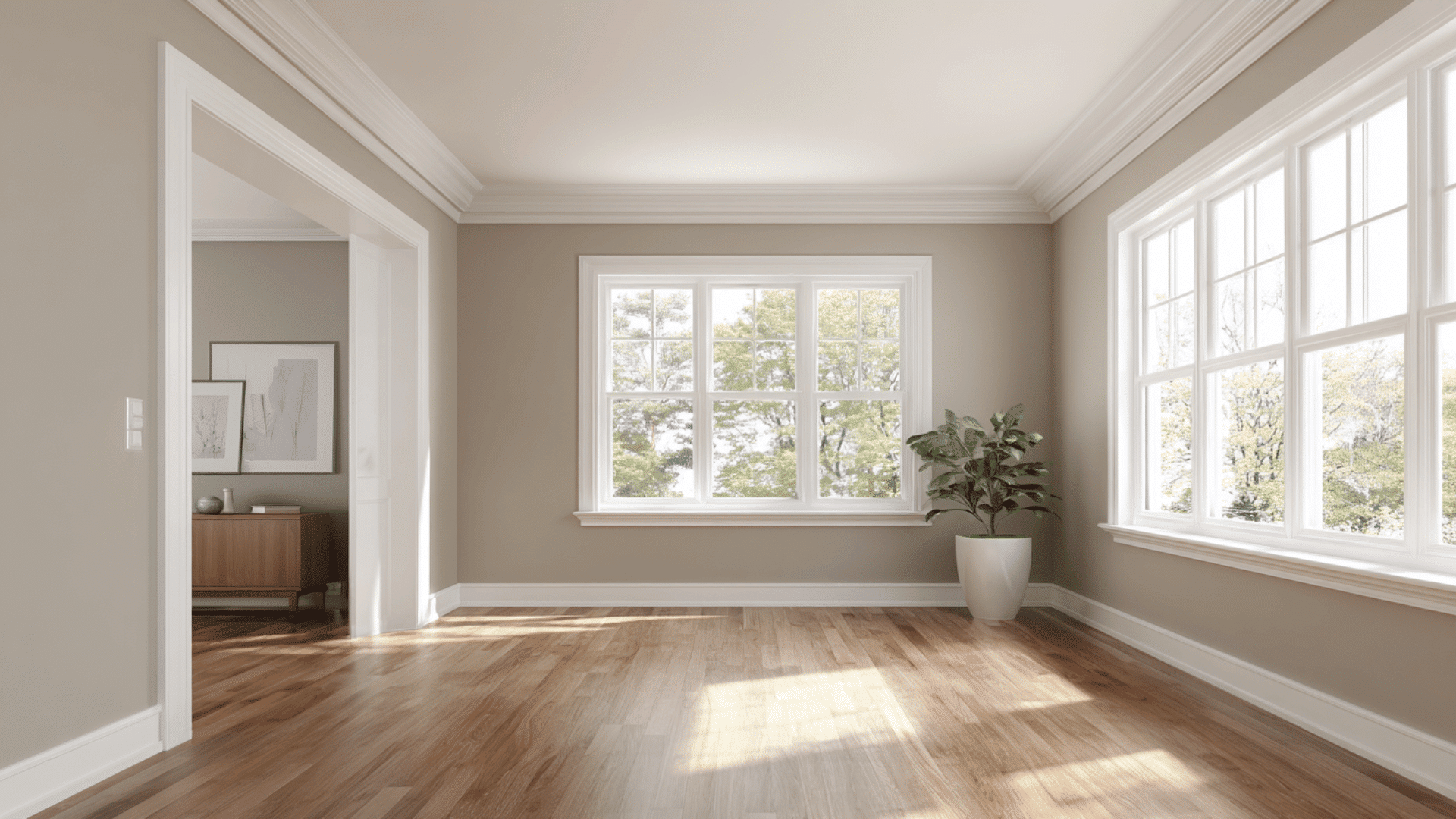
Greige is a go-to when you need a wall color that works with both warm and cool décor. Adding pure white trim sharpens the look and helps the room feel more polished. It’s especially useful in open layouts where one color needs to stay consistent across different lighting conditions.
6. Light Gray Walls + Black Trim
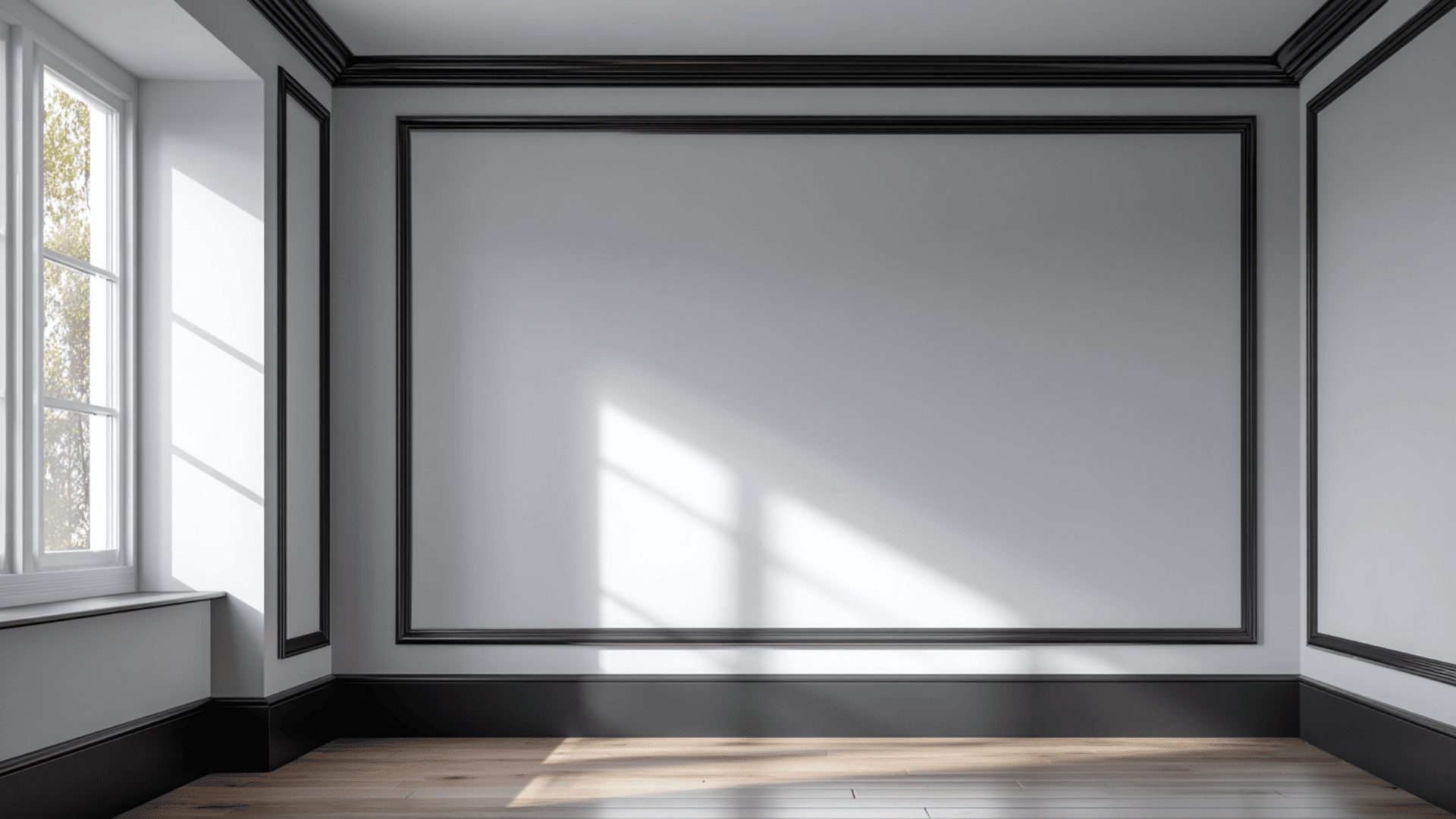
Use this combination when you want the trim to be a design feature. Black trim instantly draws attention to door frames, windows, and built-ins. Light gray walls prevent the room from feeling closed in, giving you contrast without committing to dark walls.
7. Cool Gray Walls + Beige Trim
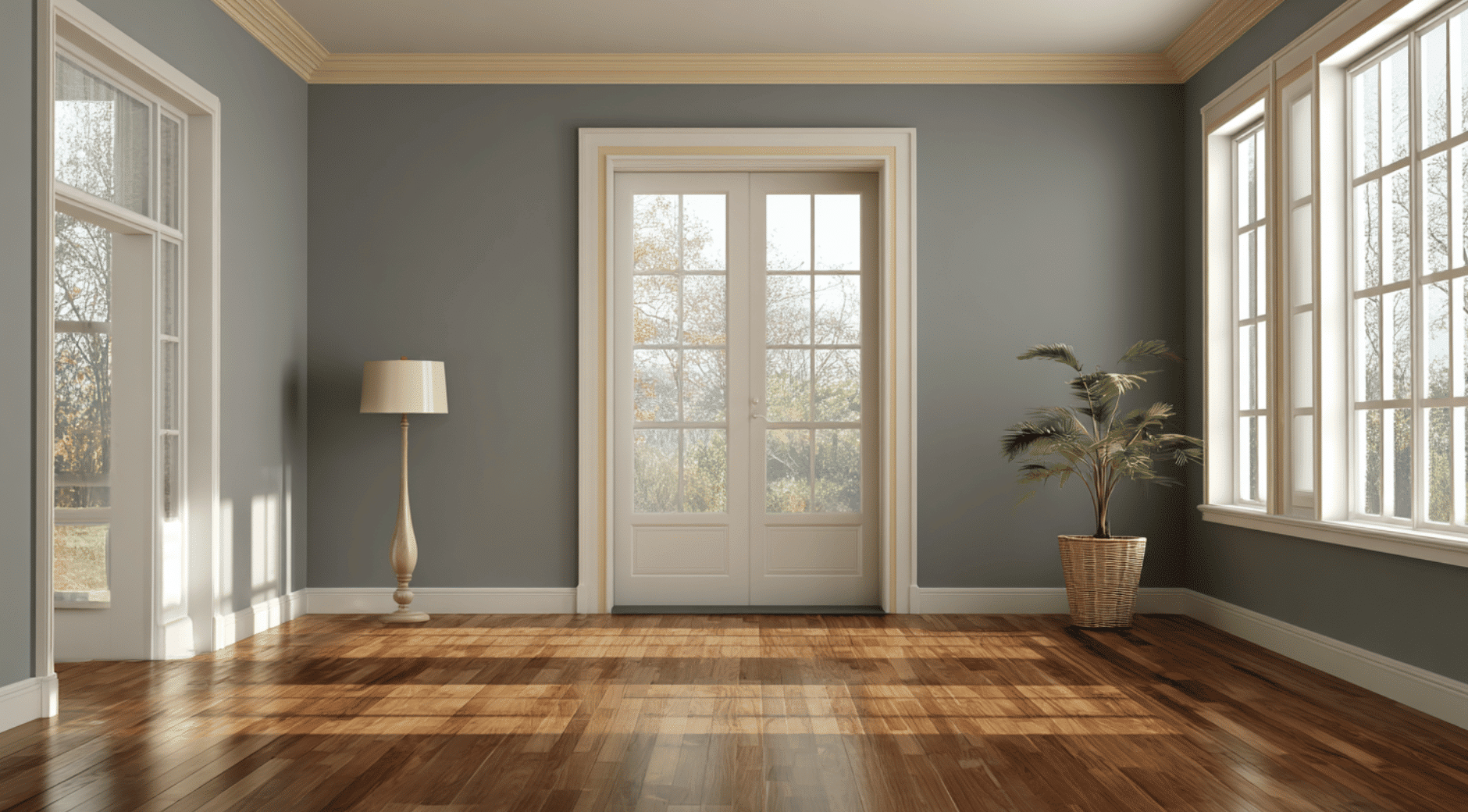
If your space feels too cold with all-gray tones, beige trim warms it up without changing the wall color. This blend works surprisingly well in mixed-style homes where furniture leans warm but the walls are cool. It’s also helpful when you want to soften the edges of a gray room.
8. Pale Blue Walls + Bright White Trim
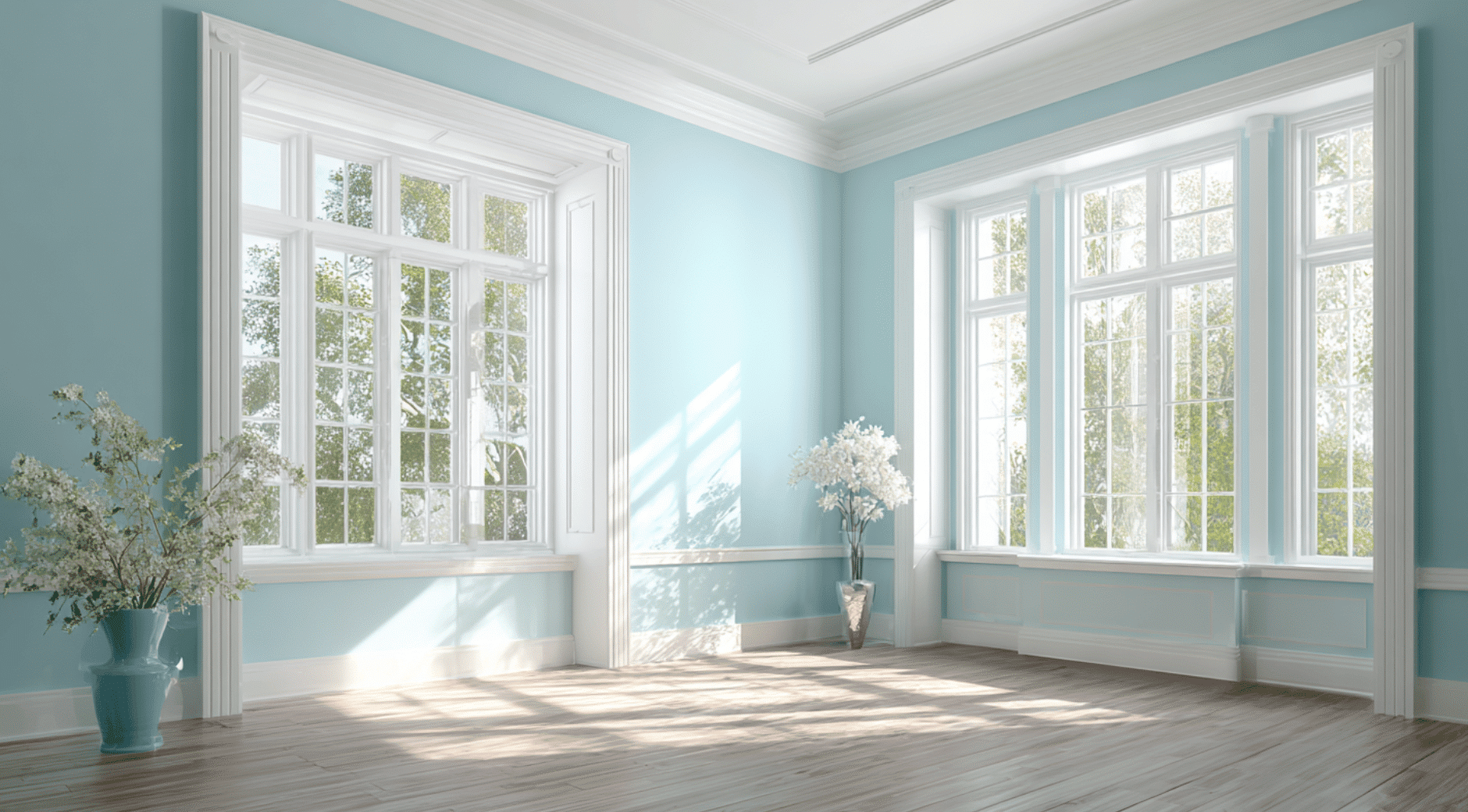
Pale blue works best when you want a calm room that still has personality. Pairing it with bright white trim keeps the color crisp and prevents it from looking dusty. This combination is popular in bathrooms and bedrooms because it gives the space a clean, refreshing feel.
9. Navy Walls + Soft White Trim
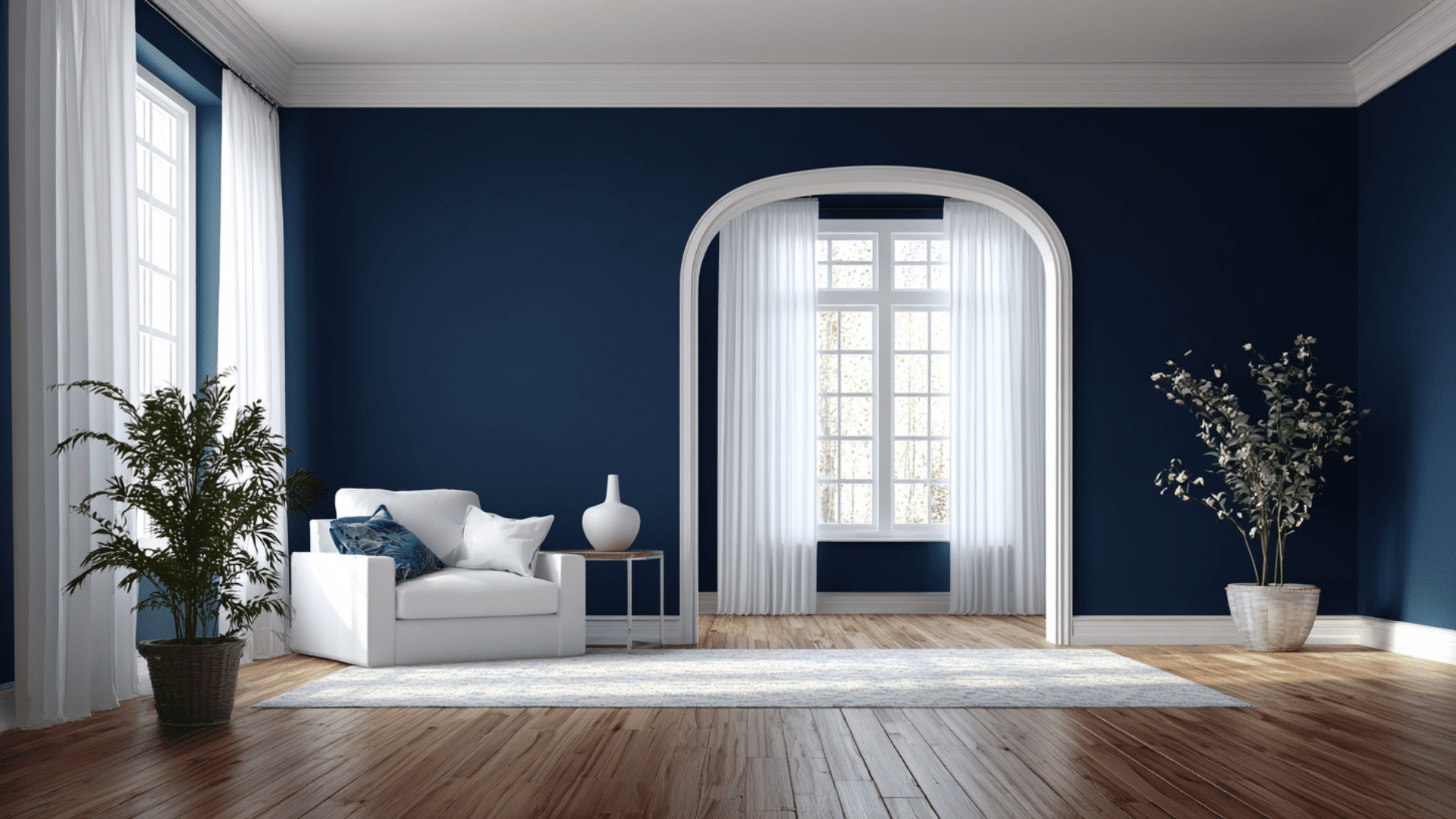
Dark walls can feel harsh with stark white trim, so a soft white creates a smoother transition. Navy hides imperfections well and brings depth to the room, making it a strong option for offices or dining rooms. The softer trim helps the room stay cozy instead of high-contrast.
10. Sage Green Walls + Off-White Trim
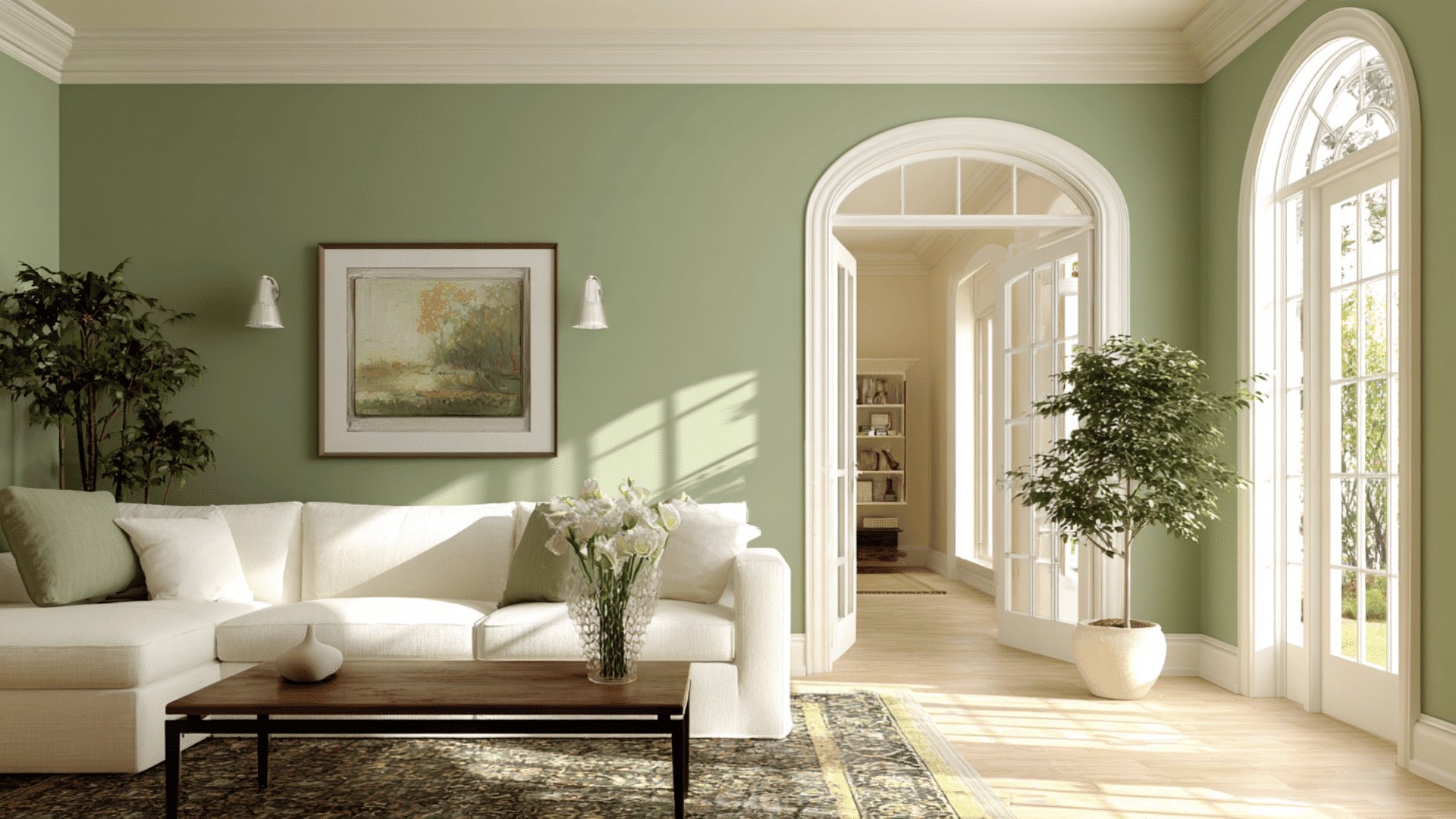
Sage brings a calm, earthy mood, and off-white trim helps keep the palette soft. This combo fits well with natural wood, woven textures, and relaxed décor styles. It’s a practical pick for living rooms or kitchens where you want color but still need a light, easygoing look.
11. Muted Olive Walls + Cream Trim
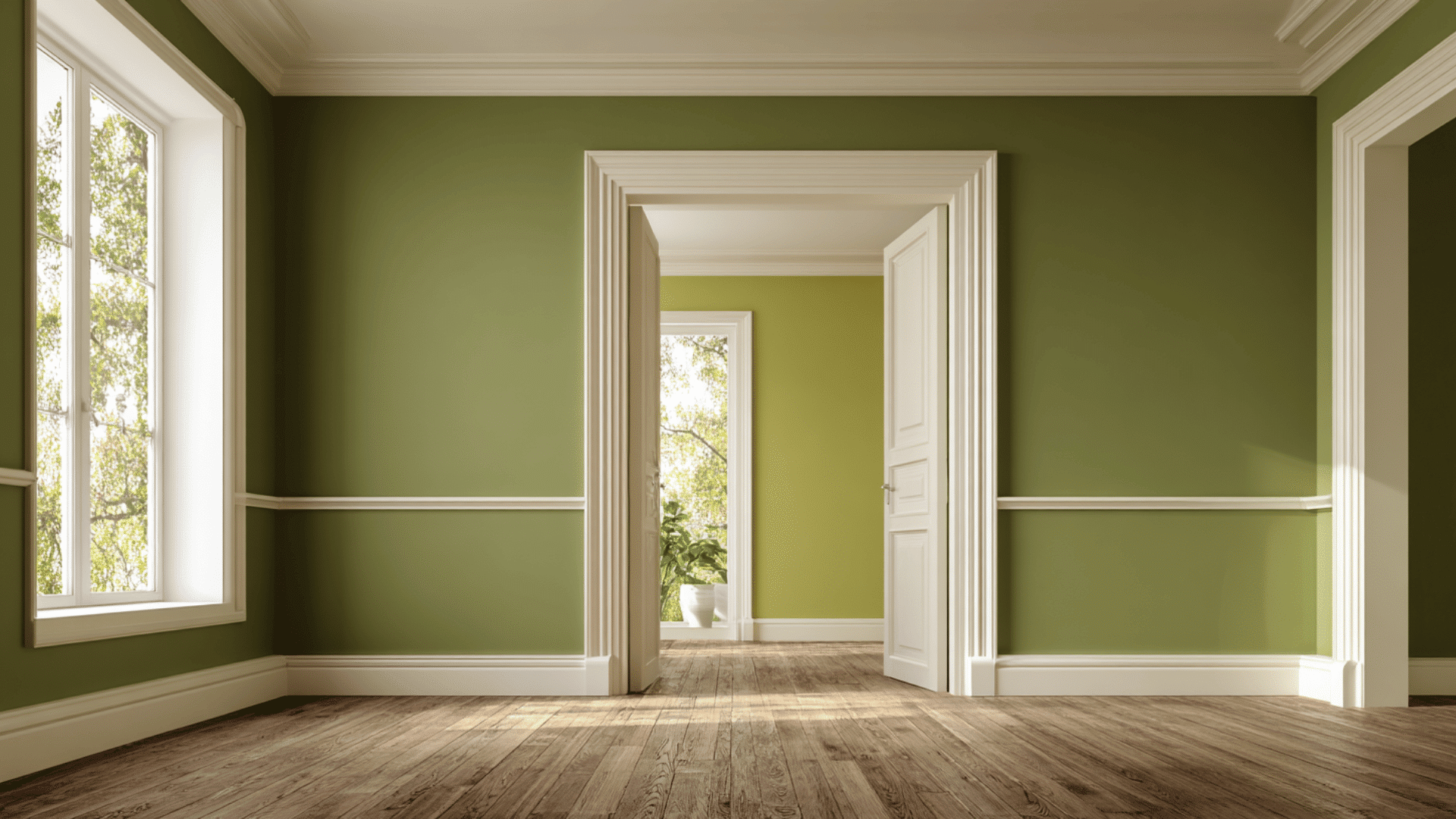
Muted olive is great for adding color without going dark. Cream trim lightens the edges and keeps the room approachable. If you have warm floors or vintage-style furniture, this pairing ties everything together and gives the space a grounded, classic feel.
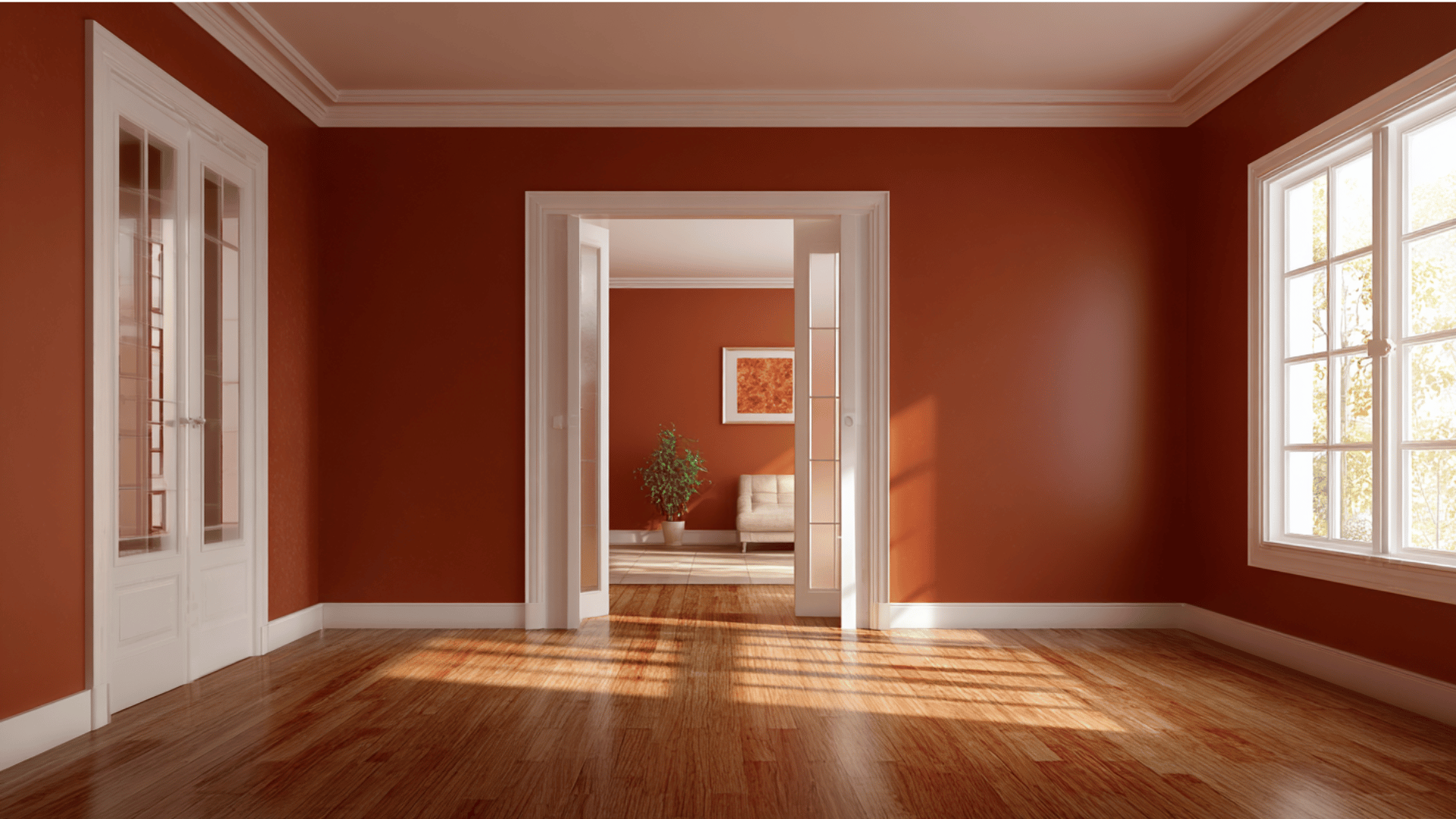
12. Terracotta Walls + Warm White Trim
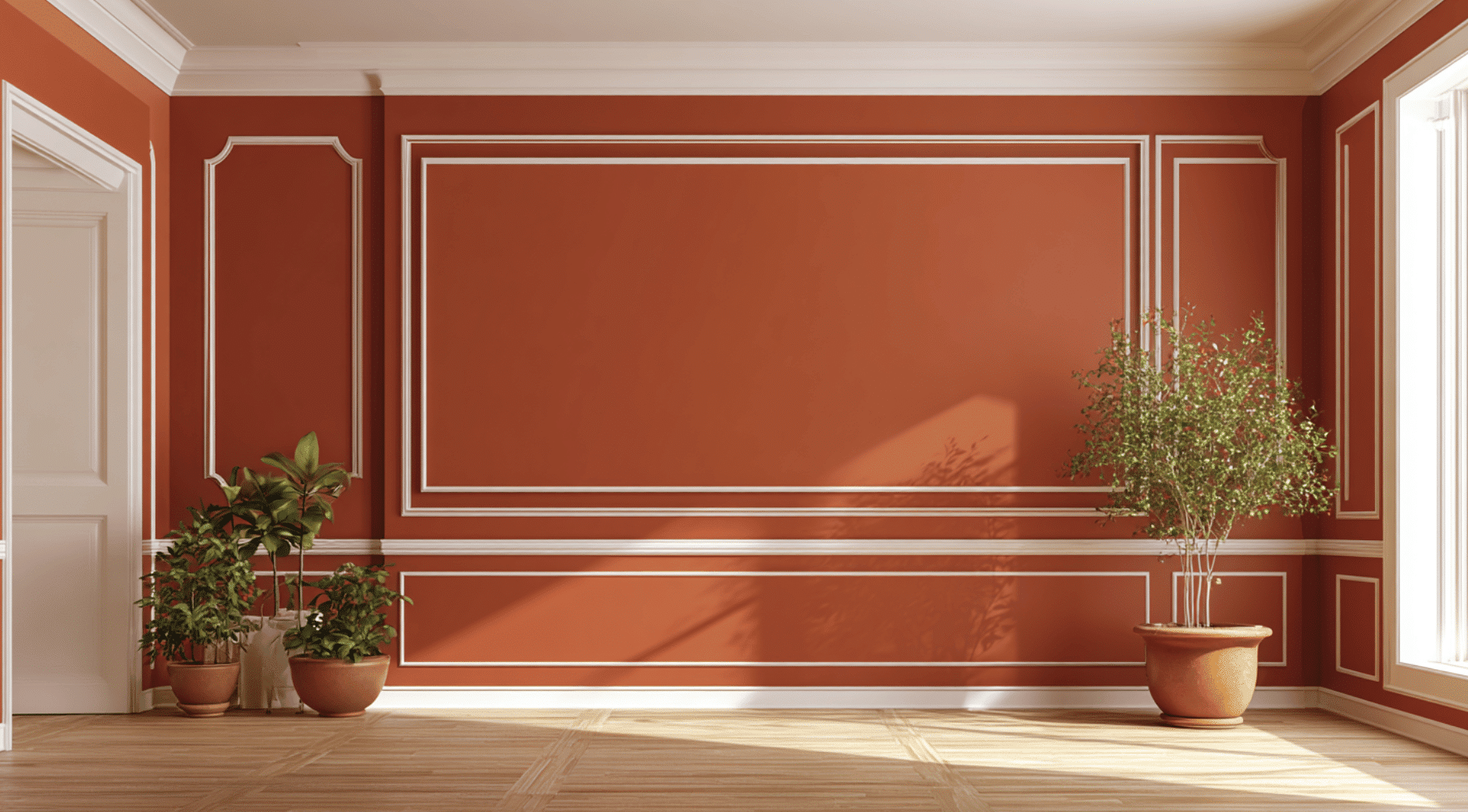
Terracotta brings energy and warmth, especially in rooms with lots of sunlight. Warm white trim calms the intensity so the walls don’t overwhelm the space. This combo fits well in creative spaces, sunrooms, or dining rooms where you want a bold but earthy vibe.
13. Taupe Walls + Dark Brown Trim
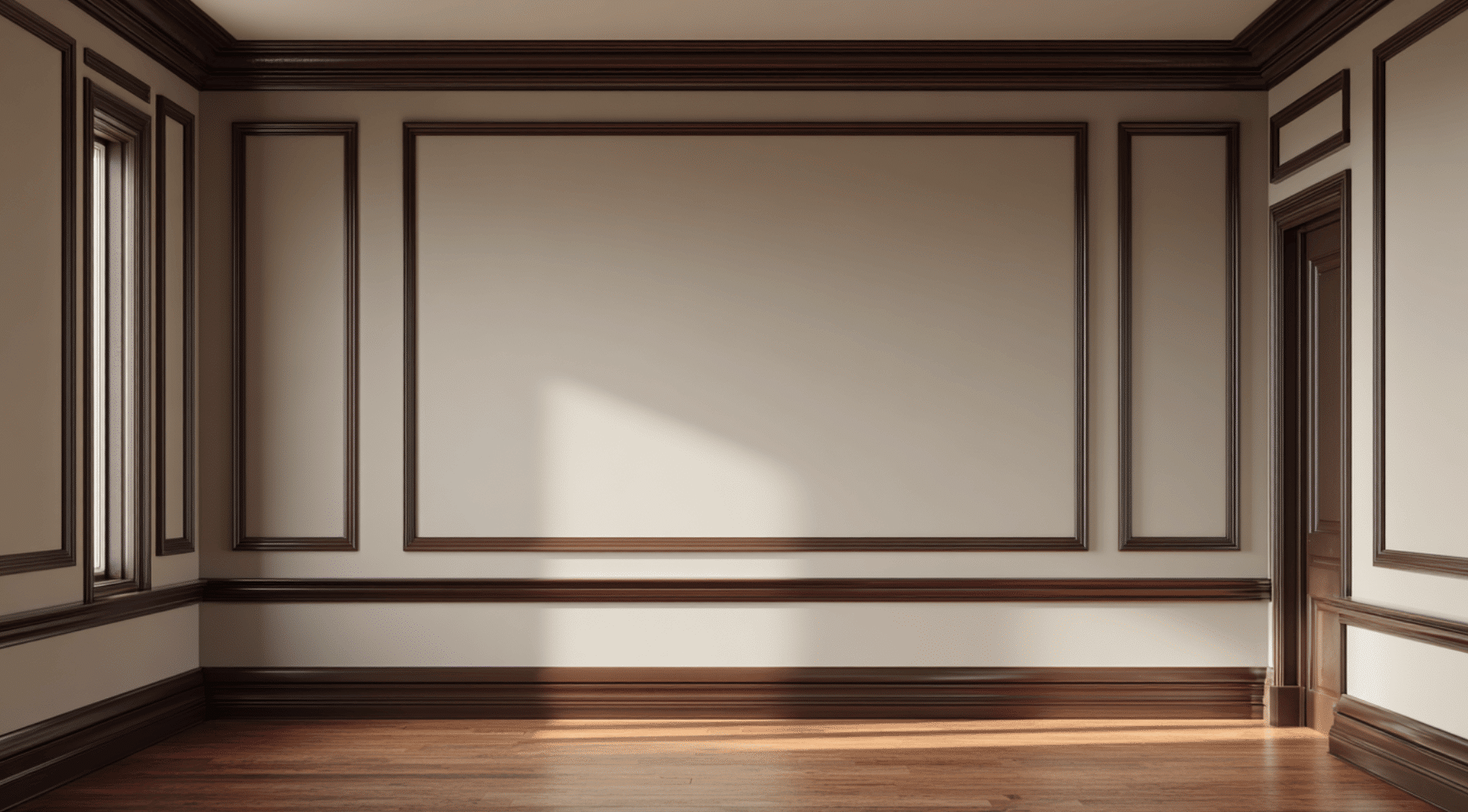
When you want a room to feel structured without using black, dark brown trim offers a softer alternative. Taupe walls work well with wood furniture and warm flooring, making this combination useful in dens or traditional spaces. It adds depth without feeling formal.
14. Charcoal Walls + Light Gray Trim
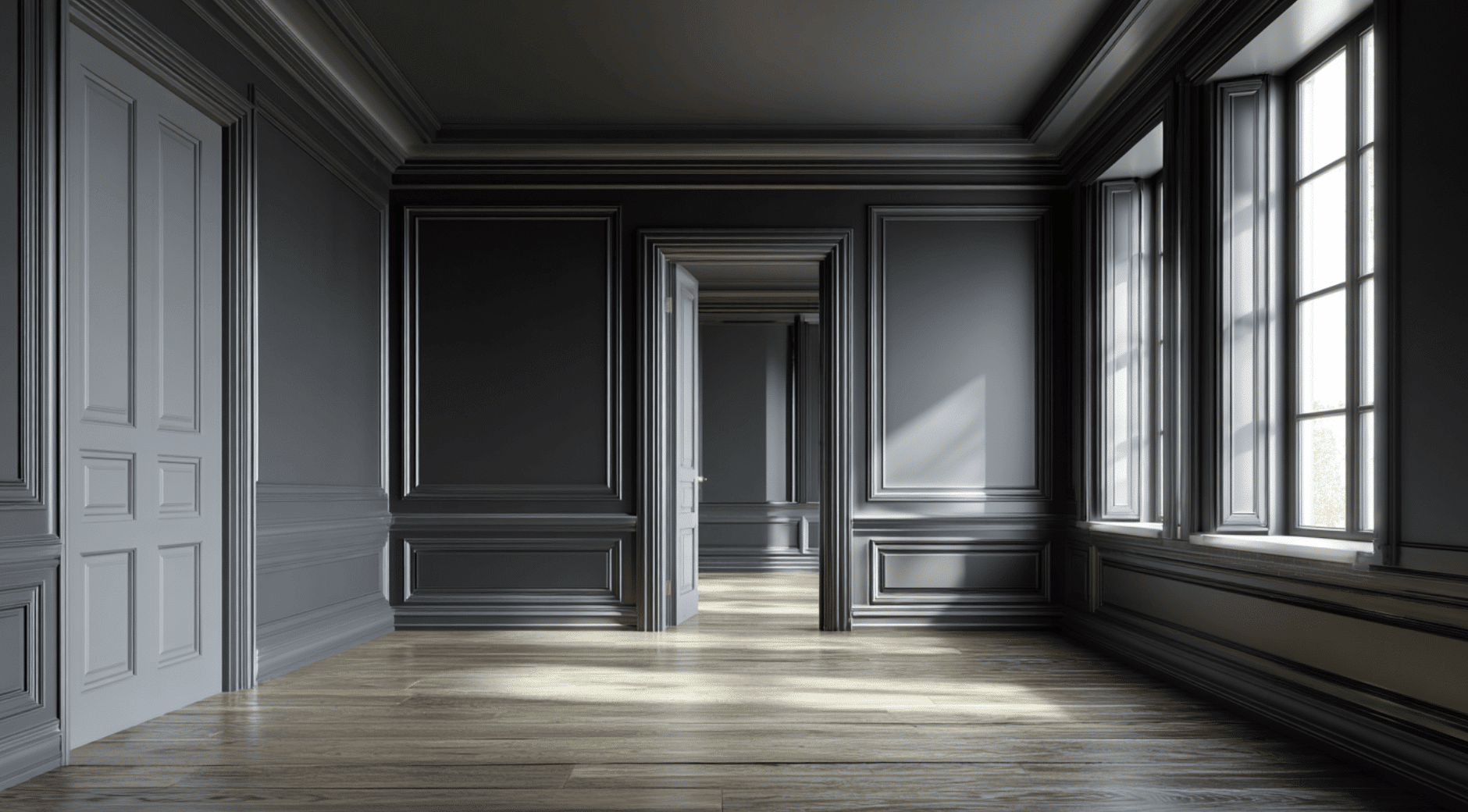
Light gray trim is a smart way to lighten charcoal walls without switching to white. It creates a layered look that’s more subtle than high contrast. This combination is ideal for large rooms where dark walls add drama but still need soft edges.
15. Soft Black Walls + Pure White Trim
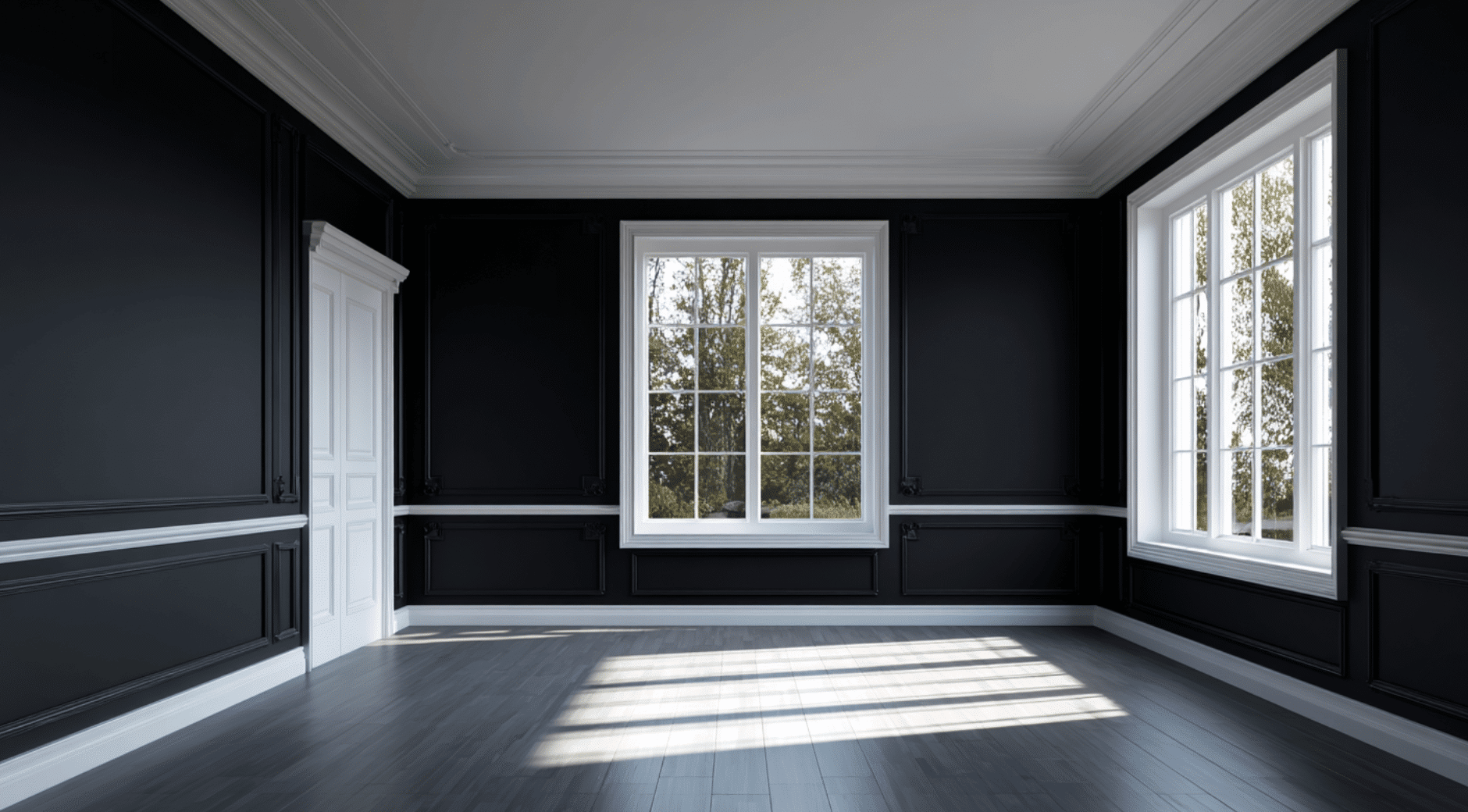
Soft black walls give a space a moody, modern feel, and pure white trim keeps the lines sharp. This works best in rooms with good natural or overhead light because the contrast shows up more clearly. It’s a standout option for accent walls, modern bedrooms, or media rooms.
16. Beige Walls + Wood-Stained Trim
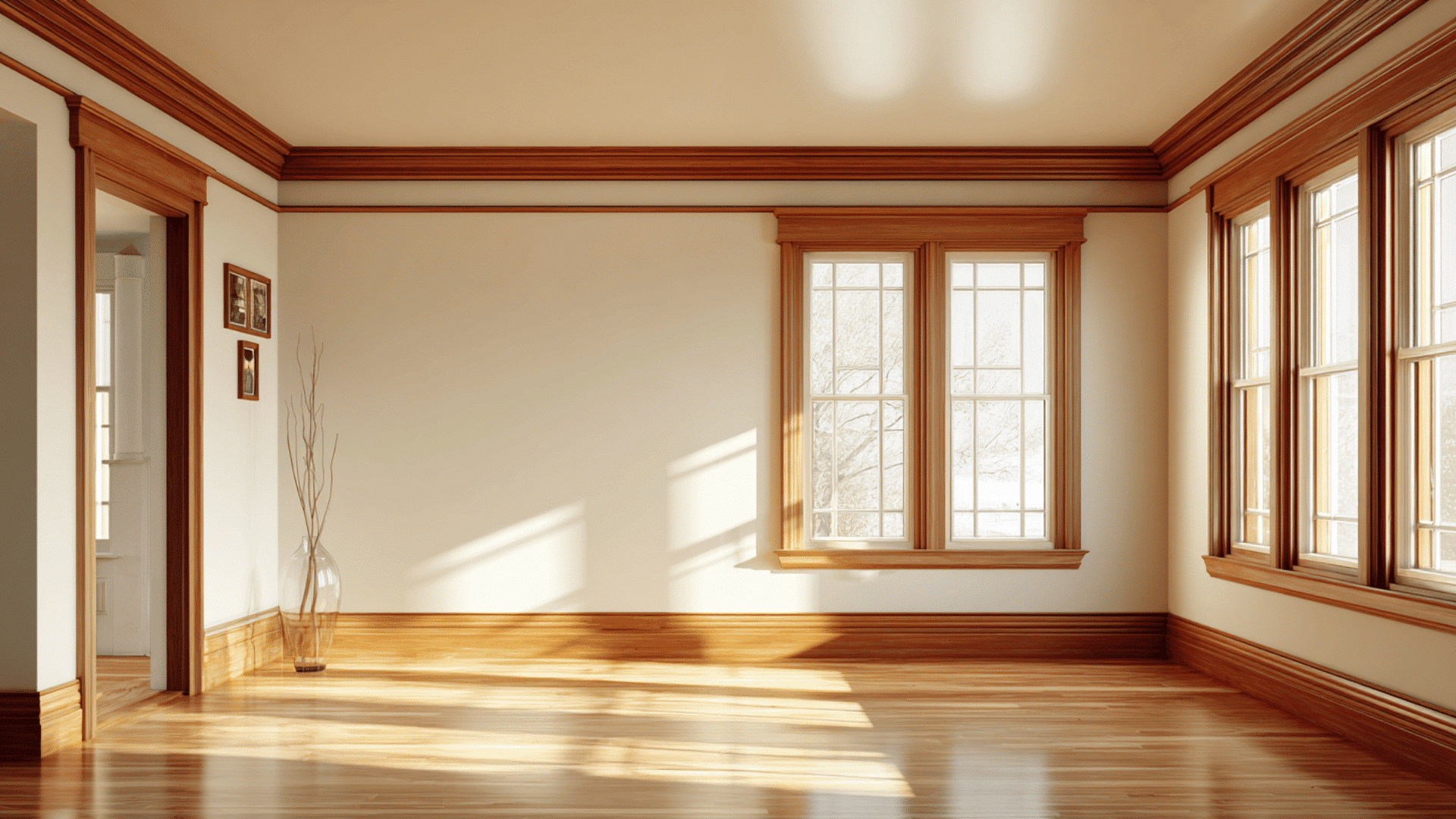
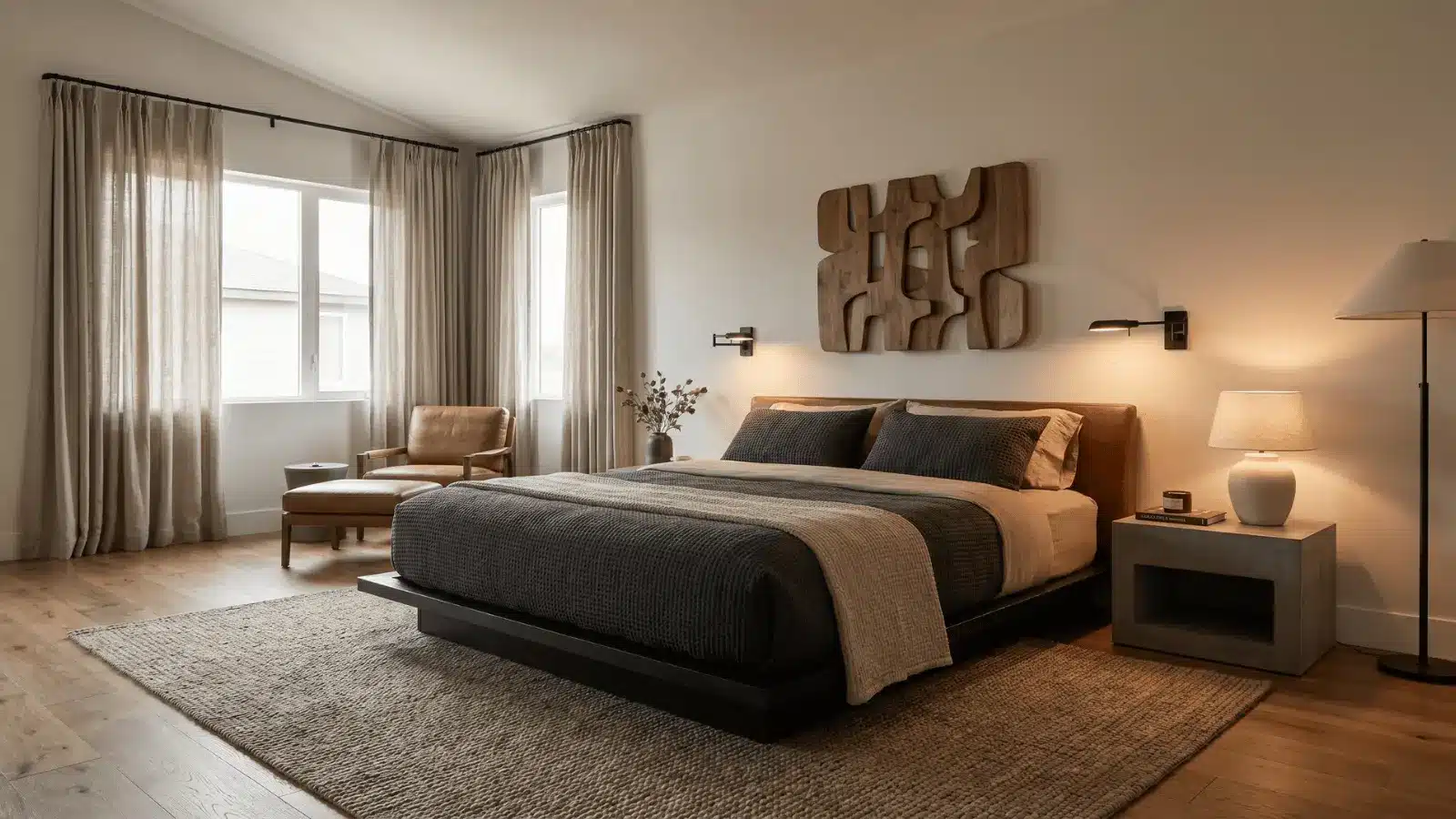
Wood trim adds texture and warmth, making beige walls feel more inviting. This combo works especially well in homes with real wood doors or exposed beams. It’s a reliable choice when you want a cozy, grounded style that doesn’t rely on bright whites.
17. Walls and Trim in the Same Color
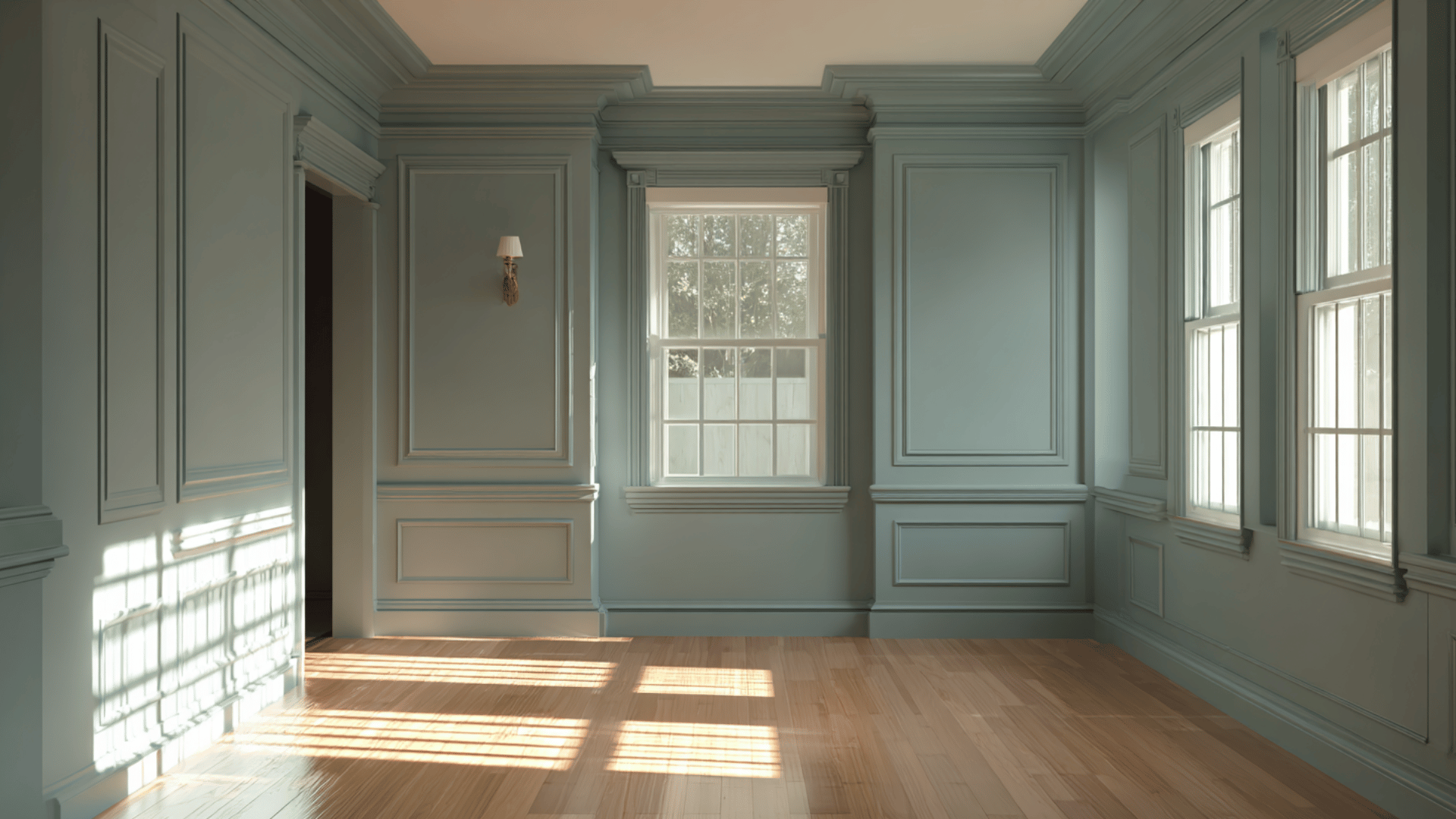
Using one color from top to bottom makes a room look bigger and more seamless. This is useful in small bedrooms, narrow hallways, or spaces with busy trim. If you try this, switch up the sheens matte for walls, satin for trim, so the details don’t disappear.
Choosing the Right Wall and Trim Combination for Your Space
Here’s a simple way to narrow your options and feel confident with your decision.
Step 1: Look at the Undertones: Warm walls pair best with warm trim, and cool walls pair best with cool trim. Matching undertones keeps the colors steady from corner to corner.
Step 2: Decide on Contrast Level: Choose bold contrast for strong edges or soft contrast for a smoother look. This helps you shape the room’s overall style with clarity.
Step 3: Test Samples in Your Lighting: Check your samples in daylight and evening light to see how the tones shift. Testing in both keeps your final choice accurate and predictable.
Common Mistakes to Avoid
Avoiding these mistakes helps your final look remain steady and predictable. A quick review keeps your paint choices on the right track.
- Mixing warm and cool undertones
- Using bright white trim with soft, warm walls
- Ignoring how floors affect wall color
- Skipping light checks at different times
- Relying only on store lighting for samples
Conclusion
Choosing the right wall and trim color combinations becomes easier when you have clear ideas and simple guidance. These options help you move forward with confidence and less guesswork.
You now have a wide range of pairings that fit different styles and room types. Try testing a few favorites in your own space to see which one feels right.
As you refine your choices, compare your samples with your floors and furniture for a smooth, steady result.
Move forward and create a room that feels balanced, comfortable, and true to your personal style, and take the next step by choosing two or three samples to test this week.