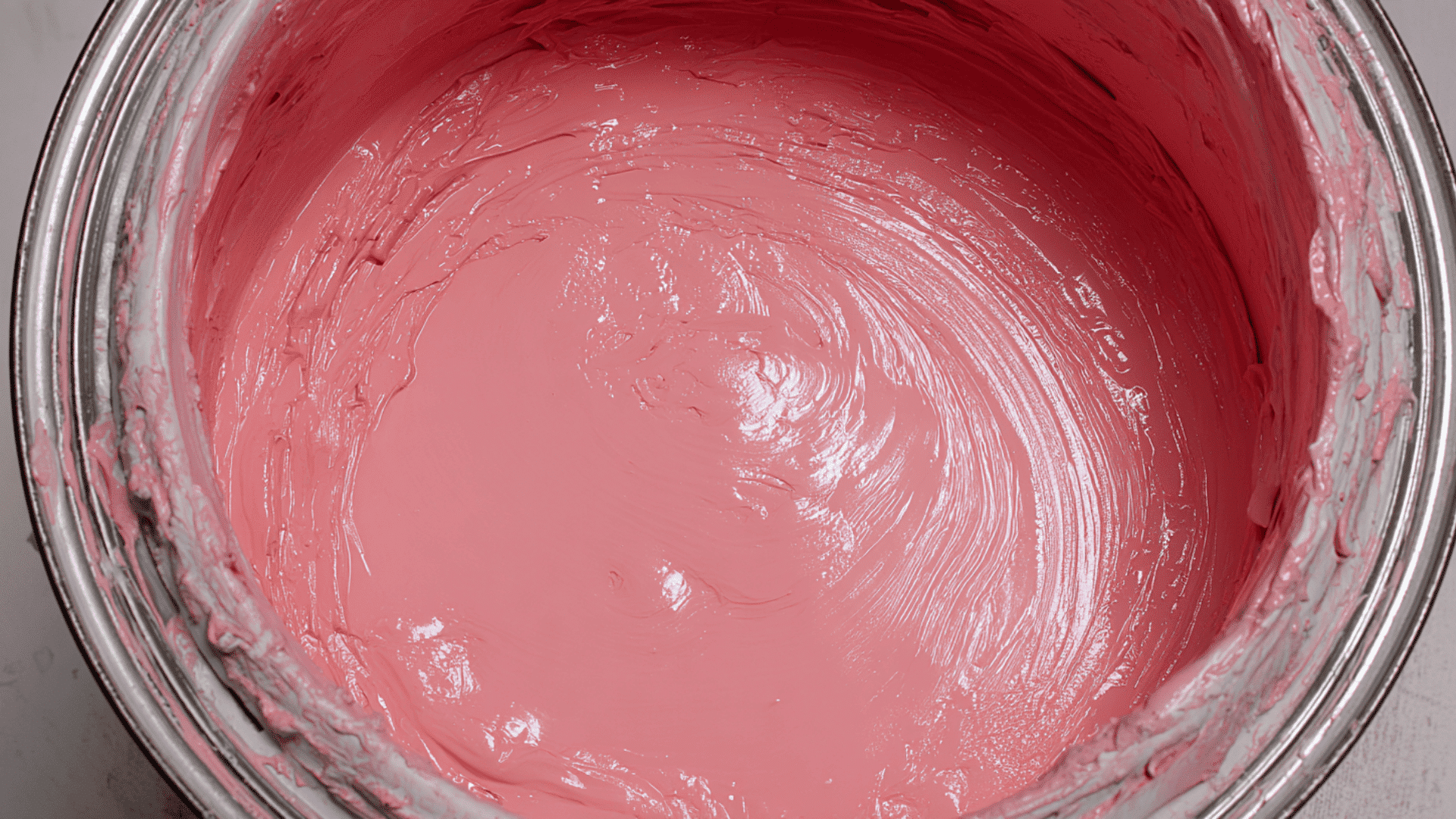





Have you ever opened a can of paint and wondered why the smell feels so strong? I’ve had the same thought, especially when working on rooms I use every day.
That strong scent often comes from something called VOCs, and understanding what is VOC in paint can help you make better choices for your home.
You don’t need technical knowledge to get a clear idea of how they work. A simple explanation can help you choose paint that fits your space and your needs.
Once you know how VOCs behave, it becomes easier to avoid common issues after painting and create a safer, more comfortable room.
What VOCs Are in Paint
VOCs in paint are chemicals that turn into gas as the paint dries, and this gas moves into the air at normal room temperature. This is the basic VOC paint meaning most people need to understand before choosing a product.
VOCs come from carbon-based ingredients such as solvents and drying agents that break down as the paint cures. When this happens, the chemicals release gas into the air and create the strong smell most people notice during and after painting.
Paint manufacturers use VOCs to help the paint spread evenly and dry at a steady pace so you get a smooth, consistent finish. These ingredients also keep the paint stable in the can, which helps it last longer on the shelf.
Why VOCs Are Used in Paint

VOCs are used in paint because they help the product perform well during application and after it dries. Here are the main reasons VOCs are included in many paints:
- Smooth application: They keep the paint thin enough to roll or brush without dragging or clumping.
- Controlled drying: They help the paint dry at a steady pace so it levels out and reduces streaks.
- Better durability: They strengthen the final coating so it can handle daily use without peeling or cracking.
- Longer shelf life: They help the paint stay stable in the can, preventing thickening or separation.
- Even color distribution: They help pigments spread evenly so the paint looks consistent once it dries.
Together, these functions make the paint easier to use and more reliable once it dries.
How VOCs Affect Indoor Air and Health
VOCs release gas into indoor air as the paint dries, and this buildup is stronger in rooms with limited airflow. This can cause irritation, headaches, or dizziness, especially within the first few hours after painting.
These effects can feel stronger for kids, older adults, and anyone with asthma or allergies. Long-term exposure is more concerning because some VOCs are linked to breathing issues and other health risks over time.
VOCs are strongest right after application, but small amounts can still be released even after the paint feels dry. Most off-gassing lasts for days, though rooms with poor ventilation may hold VOCs for weeks.
Good airflow helps these gases leave the room faster, making the space safer and more comfortable to use as the paint continues to cure.
Types of VOC Levels in Paint
Paint comes in different VOC levels, and each type affects air quality and comfort in its own way. Understanding these levels helps you choose a safer option for your home.
1. High-VOC Paint
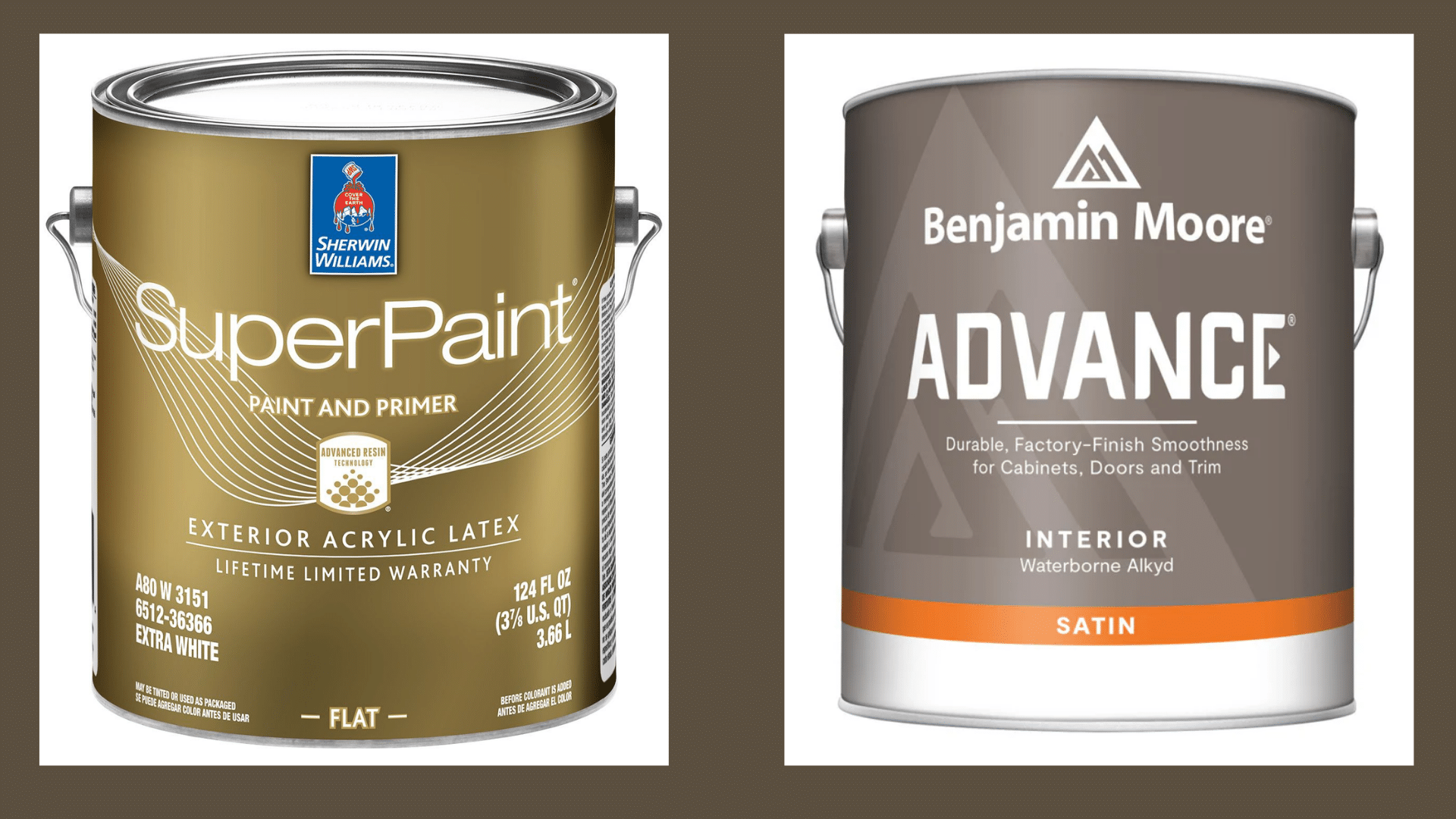
High-VOC paint contains larger amounts of chemical solvents that release gas into the air as the paint dries. This creates stronger fumes, longer off-gassing, and more irritation for people with breathing issues.
High-VOC products are often found in older formulas or specific industrial uses. They may offer a durable finish, but they’re not ideal for homes, especially in small or closed rooms.
2. Low-VOC Paint
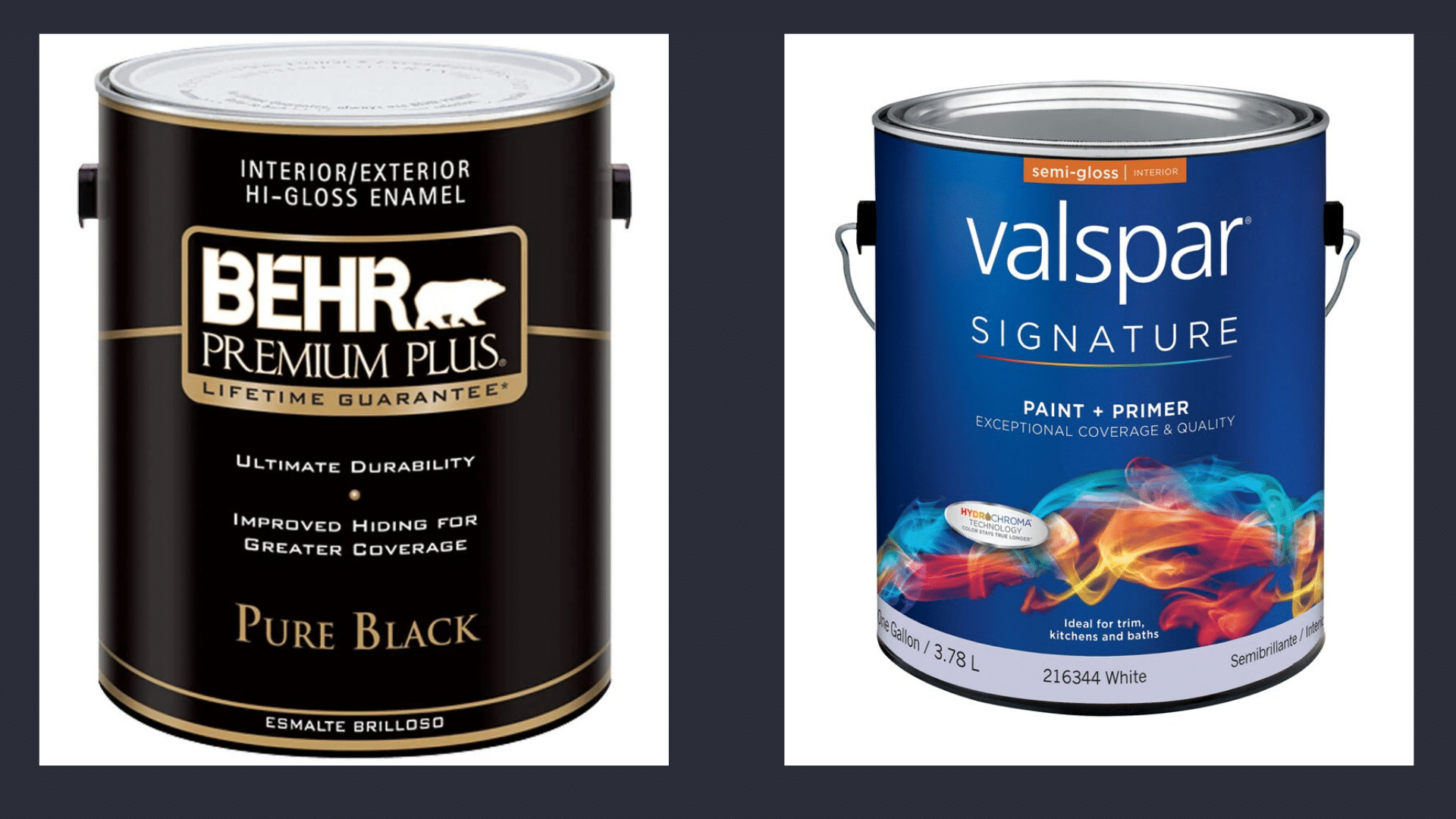
Low-VOC paint contains fewer chemical solvents, which means fewer gases are released into the air during and after painting. This reduces strong smells and lowers the impact on indoor air quality.
Many homeowners choose low-VOC paint because it provides a good balance of safety, coverage, and durability. It’s widely available and works well for most interior rooms.
3. Zero-VOC Paint
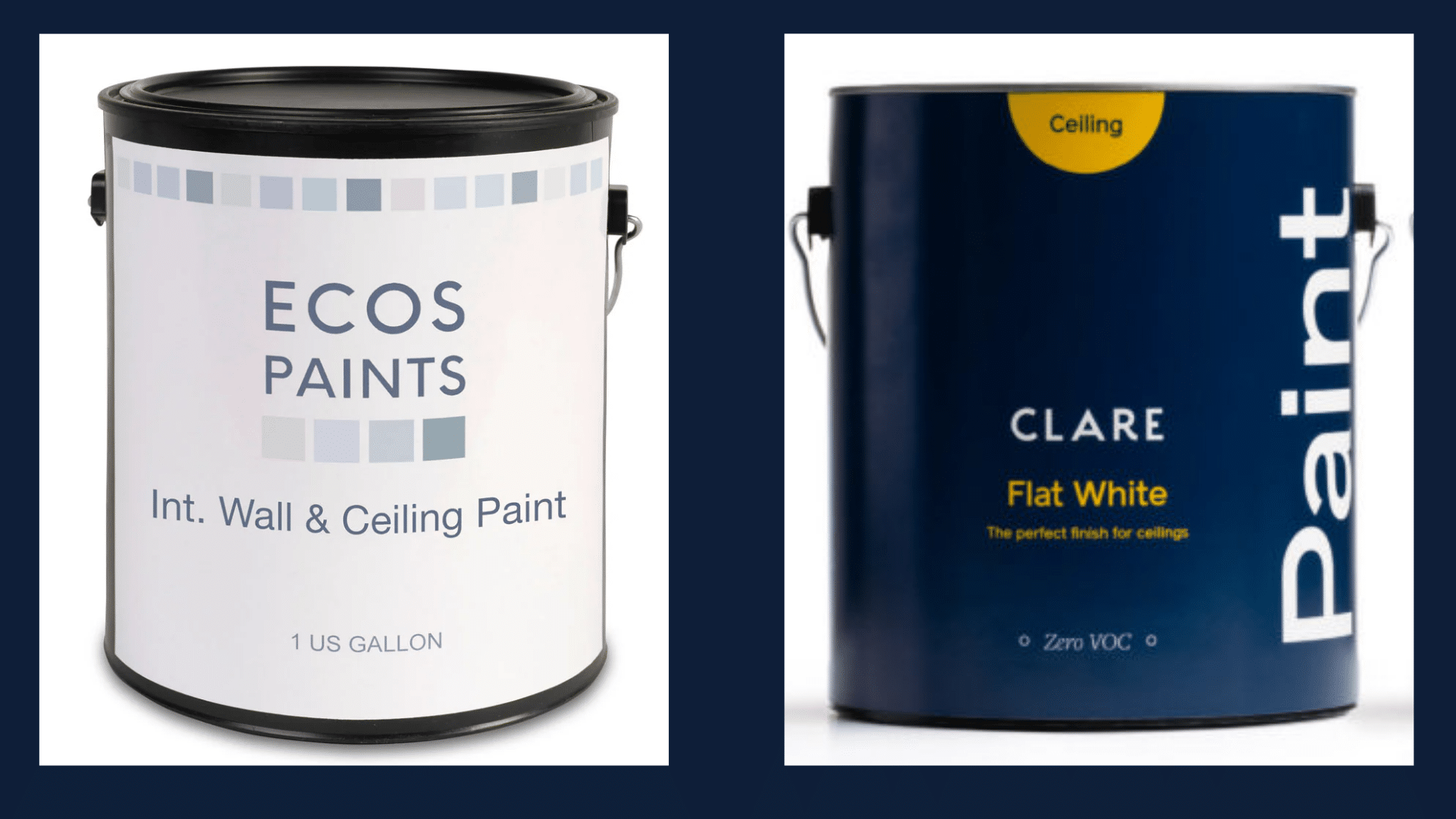
Zero-VOC paint contains very small amounts of VOCs, usually under 5 grams per liter. This makes it the safest choice for bedrooms, nurseries, and homes with children or people sensitive to fumes.
These paints have a much lighter scent and release fewer chemicals as they dry. They may still gain small amounts of VOCs when tinted, but they remain the safest option overall.
How to Choose Safer Paint Options
Choosing safer paint is easier when you focus on a few key details. These points help you understand VOC levels and pick the right product for each room.
- Check the VOC number on the label: Anything under 50 g/L is low-VOC, and under 5 g/L is zero-VOC
- Ignore terms like “low-odor” or “green”: These words don’t guarantee safer ingredients or lower emissions
- Look for trusted certifications: Labels such as Green Seal, GREENGUARD Gold, and Safer Choice show the paint has been tested for emissions
- Match paint to the room type: Zero-VOC is best for bedrooms, nurseries, and enclosed spaces
- Think about health needs: Choose the lowest VOC level if you have kids, pets, or anyone with allergies or breathing issues
- Consider daily use: Low-VOC works well in living rooms, hallways, and other open areas with good airflow
These points make it easier to compare products and choose paint that supports cleaner and safer indoor air.
Recommended Low-VOC and Zero-VOC Paint Brands
Here are some recommended U.S. paint brands known for low-VOC or zero-VOC formulas, good options if you’re looking to prioritize indoor air quality.
| Brand | Key Features | Notable Facts |
|---|---|---|
| ECOS Paints | 100% non-toxic, zero-VOC formulations. | Wide colour range, strong eco credentials. |
| Clare Paint | Max VOC content ~2 g/L, ultra-low-odor. | Designer-friendly line with premium finish. |
| AFM Safecoat | Zero VOC, formaldehyde-free, allergy/carbon-sensitive friendly. | Created for health-sensitive environments (homes, schools). |
| Valspar | Offers GREENGUARD-certified zero/low-VOC lines. | Big-brand availability, wide product range. |
Tips to Reduce VOC Exposure When Painting
- Open windows before you start: Good airflow helps the gases move out instead of staying in the room
- Use fans to push air outside: Point fans toward open windows or doors to keep fresh air moving through the space
- Take breaks away from the room: Stepping out gives you a break from the fumes, especially during the first few hours
- Seal off nearby rooms: Closing doors helps keep VOCs from spreading to the rest of your home
- Let the paint dry fully before sleeping in the room: Fresh paint releases the most gas during the first day
- Keep airflow strong for a few days: Continued ventilation helps clear any remaining fumes as the paint cures
These tips help reduce exposure and make the room safer to use while the paint dries.
Conclusion
Understanding what VOCs in paint are gives you the clarity you need to make safer choices for your home.
Once you know how these chemicals behave and why they’re used, it becomes easier to match the right formula to each room and protect the air you breathe every day.
The key is choosing products that balance performance with healthier indoor air, especially in spaces you use most. With the right paint type, good ventilation, and simple precautions, you can create rooms that feel cleaner and more comfortable from the moment the paint dries.
If you’re getting ready to start a project, check labels, compare VOC levels, and choose the safest option for your space today.