


A hip roof is one of those designs you may see often but not fully notice. I used to feel the same way until I learned how much this roof style can shape the look and strength of a home.
It’s a simple structure on the outside, but there’s a lot more happening behind its smooth, sloping shape.
Today, in this blog, I’ll walk you through what a hip roof is and what makes it different from other roof styles.
What is a Hip Roof?
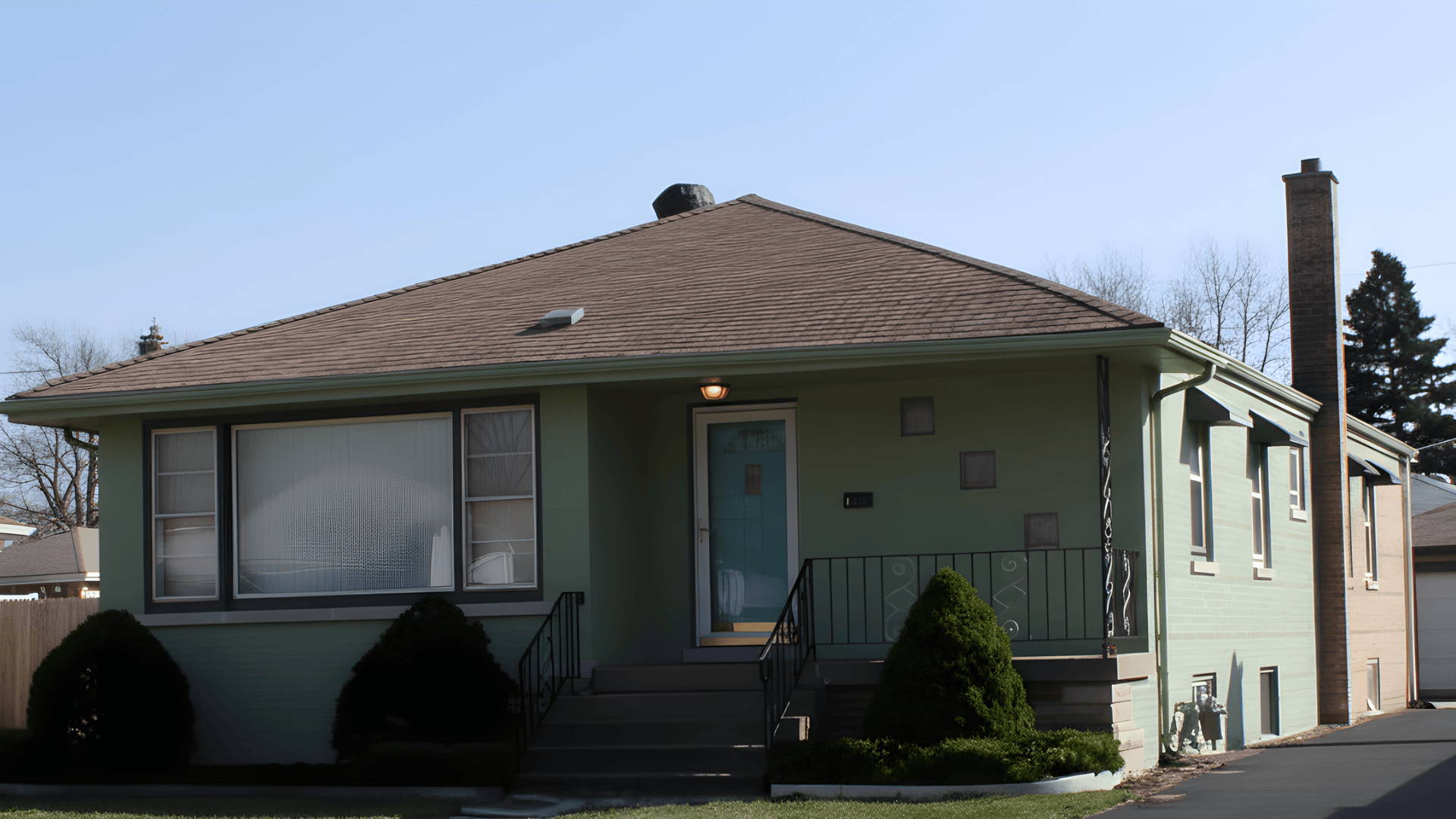
A hip roof is a type of roof where all sides slope downward toward the walls, meeting at the top to form a ridge or a point.
Unlike roofs with vertical gables, a hip roof has gentle, sloping sides on every edge of the house. This design gives the roof a smooth, balanced shape that looks clean and simple from all angles.
It’s a common roof style in many homes because of its neat appearance and stable structure.
Key Features of a Hip Roof
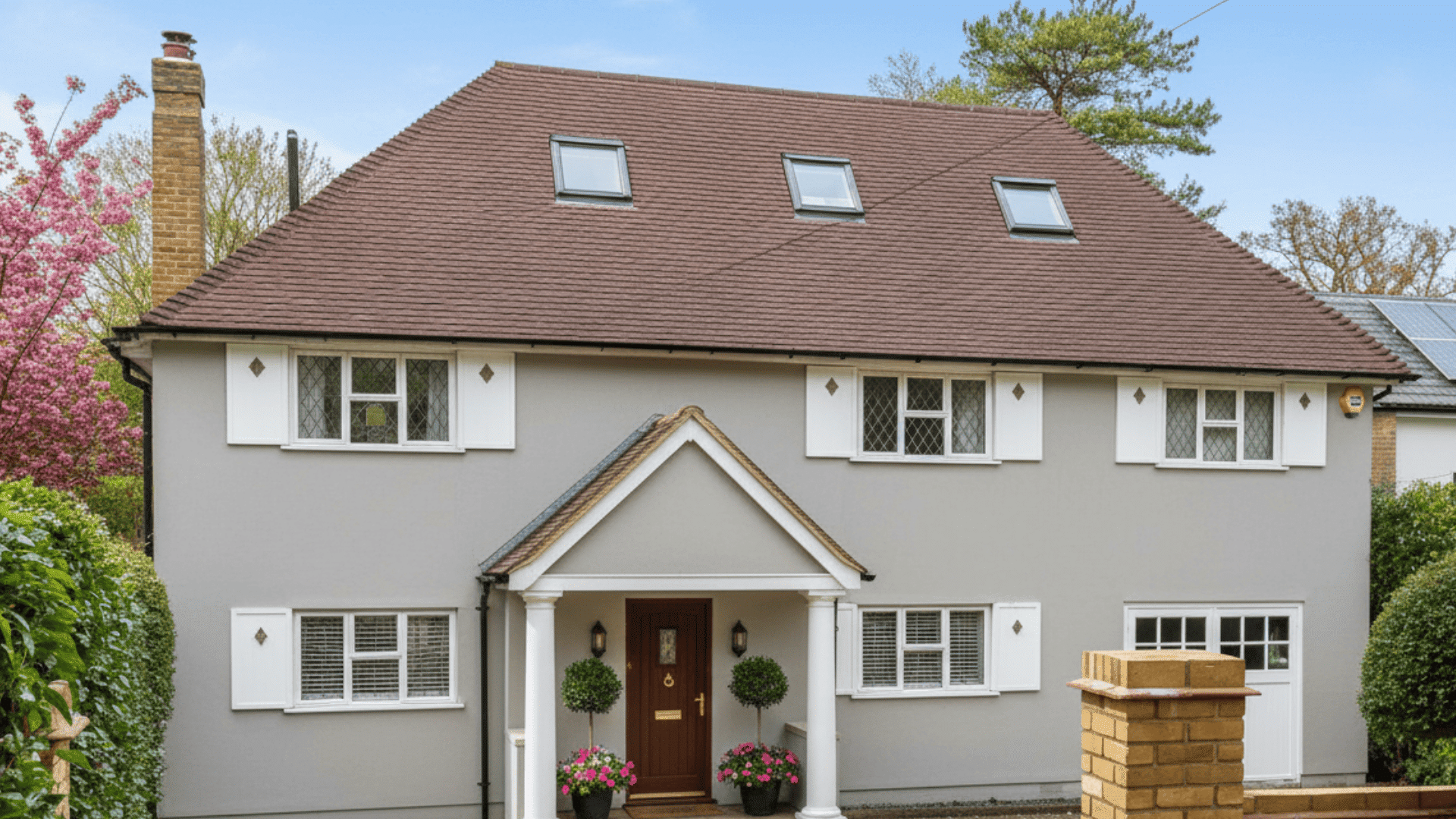
A hip roof has several defining features that make it strong, stylish, and suitable for many homes. Here’s a clear look at each feature to help you understand what sets this roof style apart:
1. Four Sloping Sides
A hip roof has four sides that all slope downward toward the walls. This creates a smooth, even shape from every angle.
The sloping sides help spread weight evenly, which makes the roof stronger and more stable. This design also helps water and snow slide off easily, reducing the chance of leaks or buildup.
2. No Vertical Ends
Unlike gable roofs, hip roofs have no flat, upright ends. Every side is angled, which helps the roof handle strong winds better.
With no vertical wall to catch wind pressure, the roof stays more secure during storms. This feature makes hip roofs especially popular in hurricane-prone or high-wind areas.
3. Strong Structural Support
The shape of a hip roof naturally spreads weight across all sides. This balanced support makes the structure more durable and less likely to shift or sag over time.
Builders often choose hip roofs for their steady performance and long-lasting strength, especially in regions with heavy rain, snow, or strong seasonal winds.
4. Better Weather Protection
Hip roofs offer excellent protection in tough weather because of their steady slopes. Rainwater drains off quickly, lowering the risk of pooling or leaks.
Snow also slides away more easily, reducing the weight on the structure. This makes hip roofs a smart choice for areas with frequent storms, heavy snowfall, or long rainy seasons.
5. Clean, Balanced Look
Hip roofs give homes a neat and symmetrical appearance. The smooth slopes on all sides create a balanced look that works with many architectural styles.
Whether a home is modern, classic, or rustic, a hip roof adds a simple but polished touch. This clean design is one reason the style remains so popular.
6. Supports Vaulted Ceilings
Hip roofs can easily support higher or angled ceilings because of their strong, balanced structure. This makes it possible to add vaulted or cathedral ceilings that create a wide, open feel inside the home.
The roof’s even weight distribution keeps these taller designs safe, stable, and practical for everyday living.
7. Works Well With Many Home Styles
Hip roofs fit smoothly with many architectural styles, including ranch, modern, colonial, and cottage homes. Their clean shape and strong build make them a popular choice for new builds and remodels.
This flexibility allows homeowners to enjoy a roof that works well in different climates while matching a wide range of home designs.
Key Parts of a Hip Roof and How It Works
These components work together to support the roof’s shape and keep it stable.
- Hip Rafters: Connect each corner to the ridge and create the sloped edges.
- Common Rafters: Run from the ridge to the walls and form the main roof surface.
- Jack Rafters: Fill the spaces between the hip rafters and common rafters.
- Ridge Board: The top board where rafters meet to form the peak.
- Eaves: Extend past the walls to help guide water away from the house.
- Roof Planes: The sloped surfaces seen on each side of the roof.
A hip roof works by having all its sides slope down toward the exterior walls, which helps spread the weight evenly across the structure.
The sloped sides meet at the top to form a ridge or peak, creating a balanced shape that handles wind and rain well.
Because the roof leans inward on every side, the force is pushed down into the walls instead of catching strong winds.
Types of Hipped Roof
Hip roofs come in several styles, and each one offers a different look and level of complexity. These common types make it easier to choose the right design for your home or project:
- Simple Hip Roof: This has four sloping sides that meet at one ridge. Gives a clean, balanced look and spreads weight evenly for better strength.
- Pyramid Hip Roof: Slopes down from a single point at the top. Works well for small structures and handles strong winds very effectively.
- Cross Hip Roof: Formed when two hip roofs connect at a right angle. Adds depth to large homes but needs careful framing to prevent leaks.
- Half-Hip (Jerkinhead) Roof: Mixes gable and hip styles with short slopes at each end. Offers better wind protection while keeping some wall space for windows.
- Irregular or Bastard Hip Roof: Used on homes with uneven shapes or mixed roof pitches. Allows custom designs but requires precise planning and framing.
These types help you match the right hip roof style to your home’s size, shape, and design.
Hip Roof vs. Gable Roof: Side-by-Side Comparison
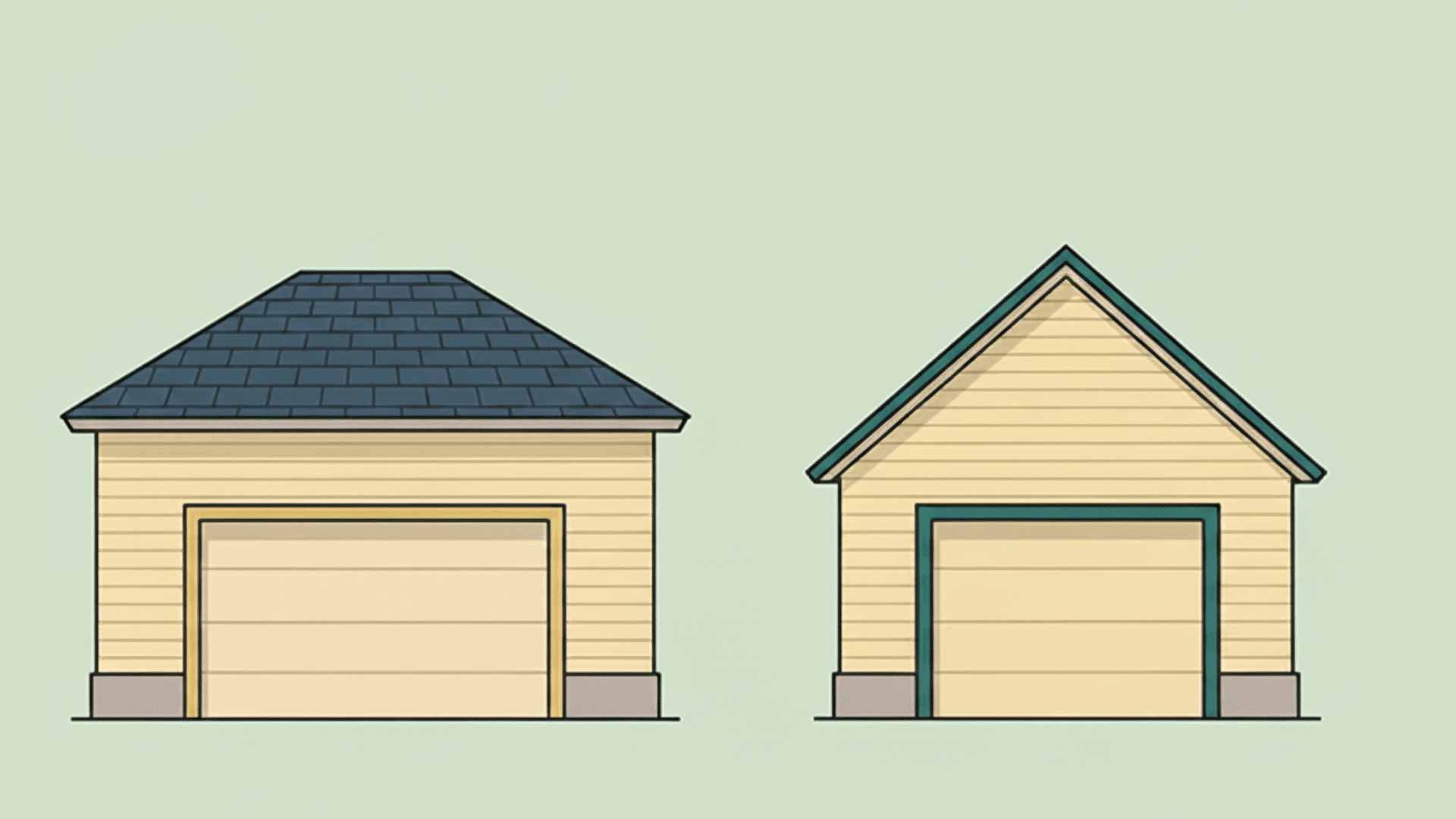
Many homeowners compare hip and gable roofs before choosing a design. This single table gives you a clear view of how they differ in all key areas:
| Category | Hip Roof | Gable Roof |
|---|---|---|
| Wind Strength | Very strong; slopes block wind from all sides | Weaker in storms; flat ends catch wind |
| Weather Protection | Great for rain and snow; sheds water well | Good in mild climates; can face pressure in storms |
| Attic Space | Less usable space | More attic room and better ventilation |
| Design Complexity | More complex framing | Simple and easy to build |
| Overall Cost | Higher due to materials and labor | Lower and more budget-friendly |
| Appearance | Clean, balanced, modern look | Classic triangular shape |
| Leak Risk | More seams need careful installation | Fewer seams, simpler layout |
| Best Climate | High wind, heavy rain, and snow-prone areas | Mild, dry, low-wind regions |
| Build Speed | Slower because of complexity | Faster due to simple structure |
| Durability in Storms | Excellent performance | Moderate; gable ends may fail |
This comparison makes it easy to see how each roof fits different needs, helping you choose the style that works best for your home and climate.
How Much Does a Hip Roof Cost?
A hip roof usually costs more than simpler roof styles because it has more slopes and requires extra labor to build.
On average, installation ranges from $8 to $12 per square foot for standard materials like asphalt shingles. A typical 2,000-square-foot roof may fall between $16,000 and $24,000.
Higher-end materials such as metal, tile, or slate can raise the price to $12 to $18 or more per square foot, pushing total costs past $24,000.
Final pricing depends on material choice, roof complexity, pitch, and labor rates in your area.
Maintenance & Lifespan
Keeping a hip roof in good shape is easy when you follow simple routine checks.
- Check for loose, cracked, or missing shingles each season.
- Clear debris from gutters and roof valleys to prevent water buildup.
- Inspect flashing around vents, chimneys, and skylights for gaps.
- Look in the attic for signs of leaks, moisture, or mold.
- Trim tree branches that touch or hang over the roof.
With these, you can avoid major repairs and protect your home. A little maintenance goes a long way in extending your hip roof’s lifespan.
Conclusion
Choosing a hip roof can be a smart way to add strength, style, and long-term value to your home. It’s a roof design that works well in different climates and fits many house styles without feeling too complex.
Now that you understand what a hip roof is and what it may cost, you’re in a great position to decide if it meets your needs.
Whether you’re building a new home or planning an upgrade, a hip roof can be a dependable and attractive choice.
If you want to move forward with confidence, take a moment to compare your options and choose what suits your home best.