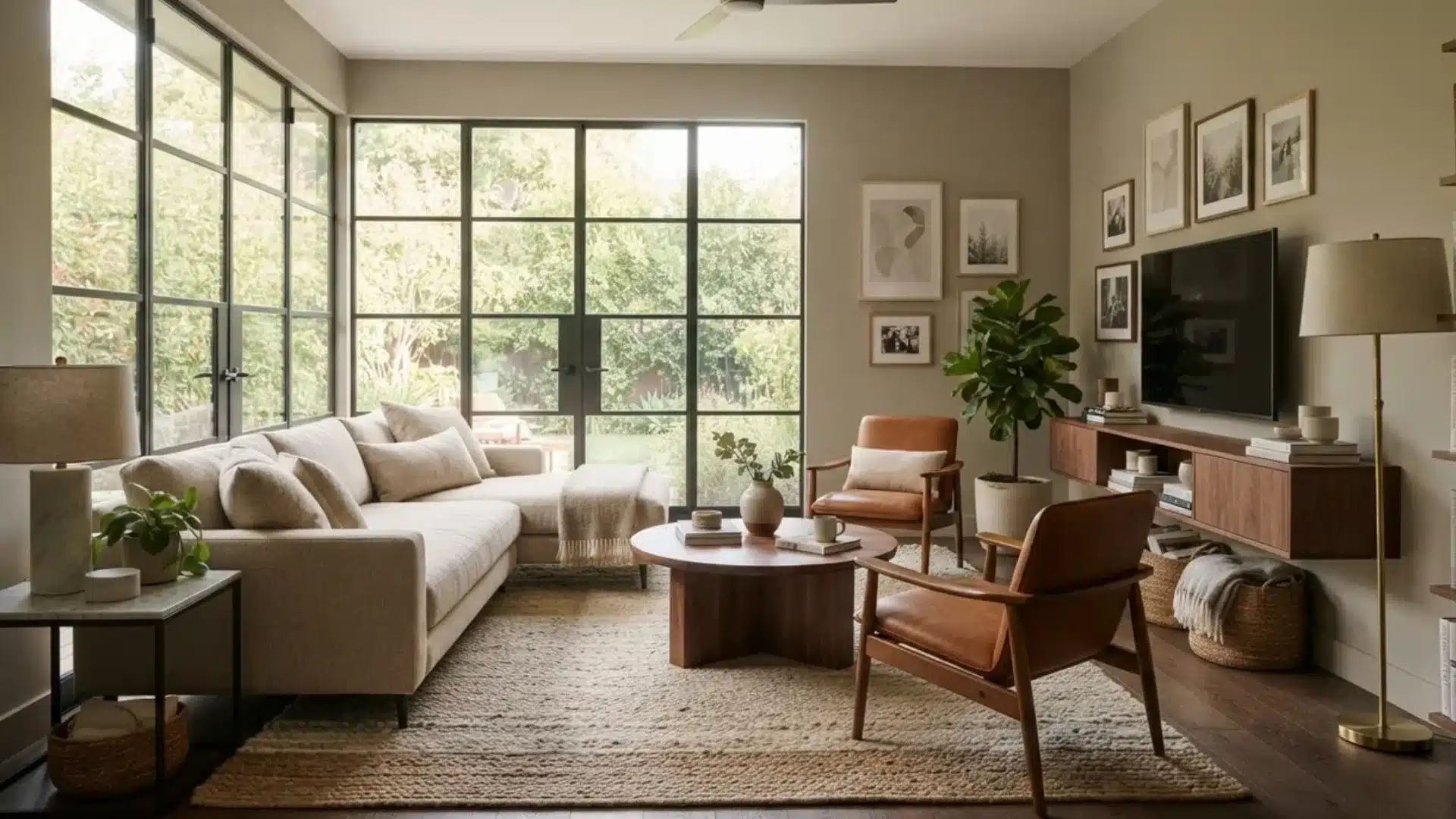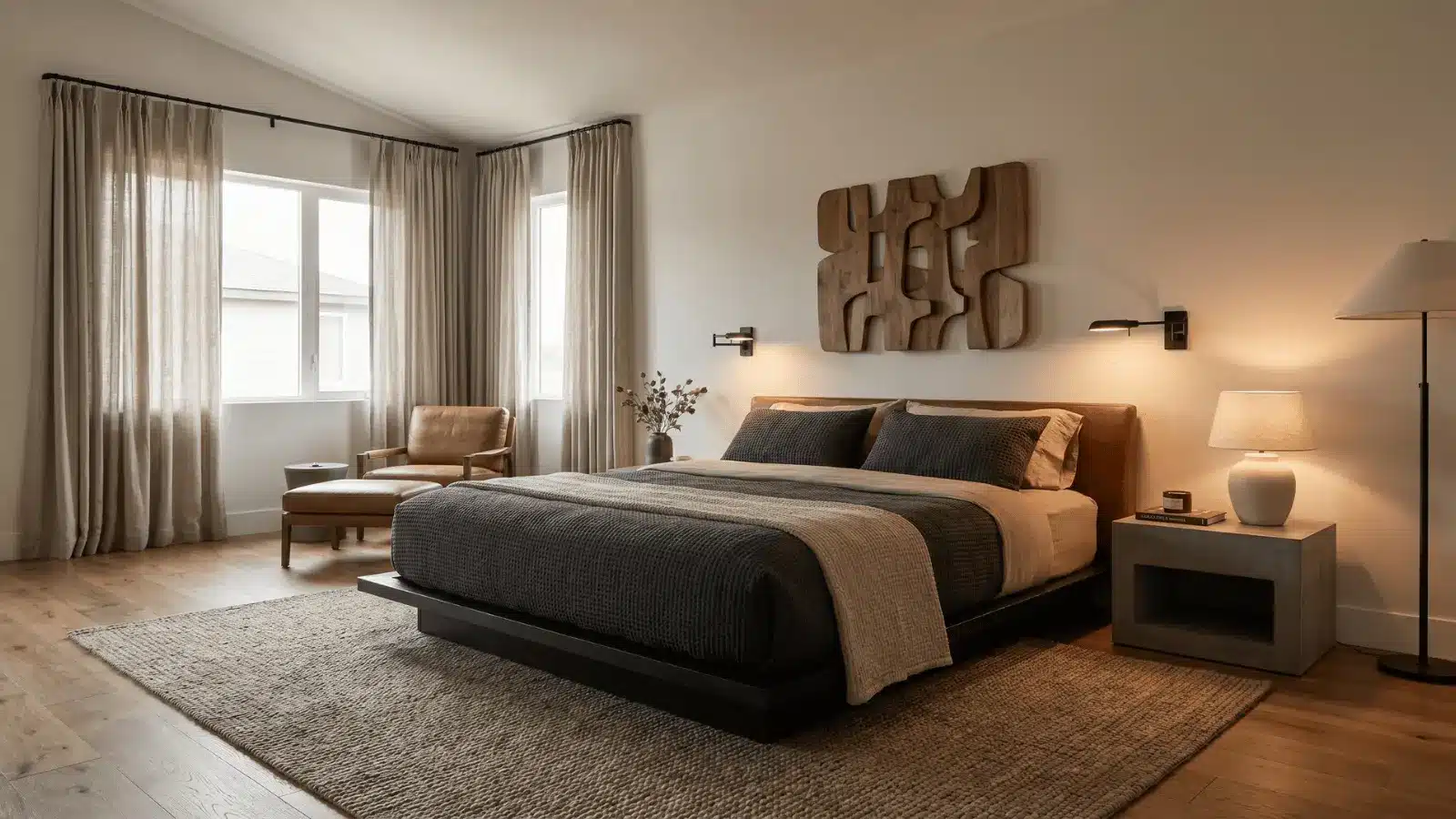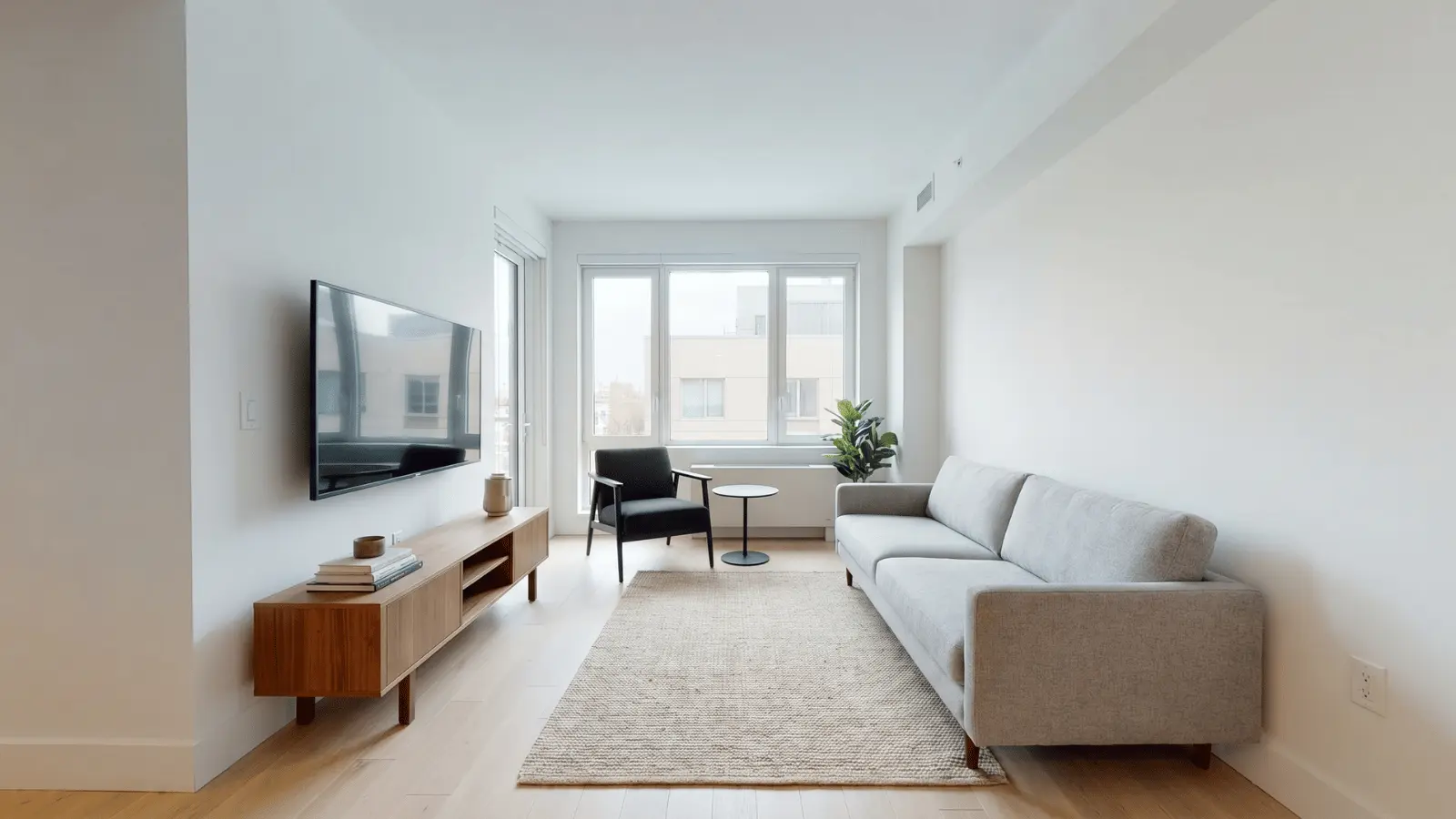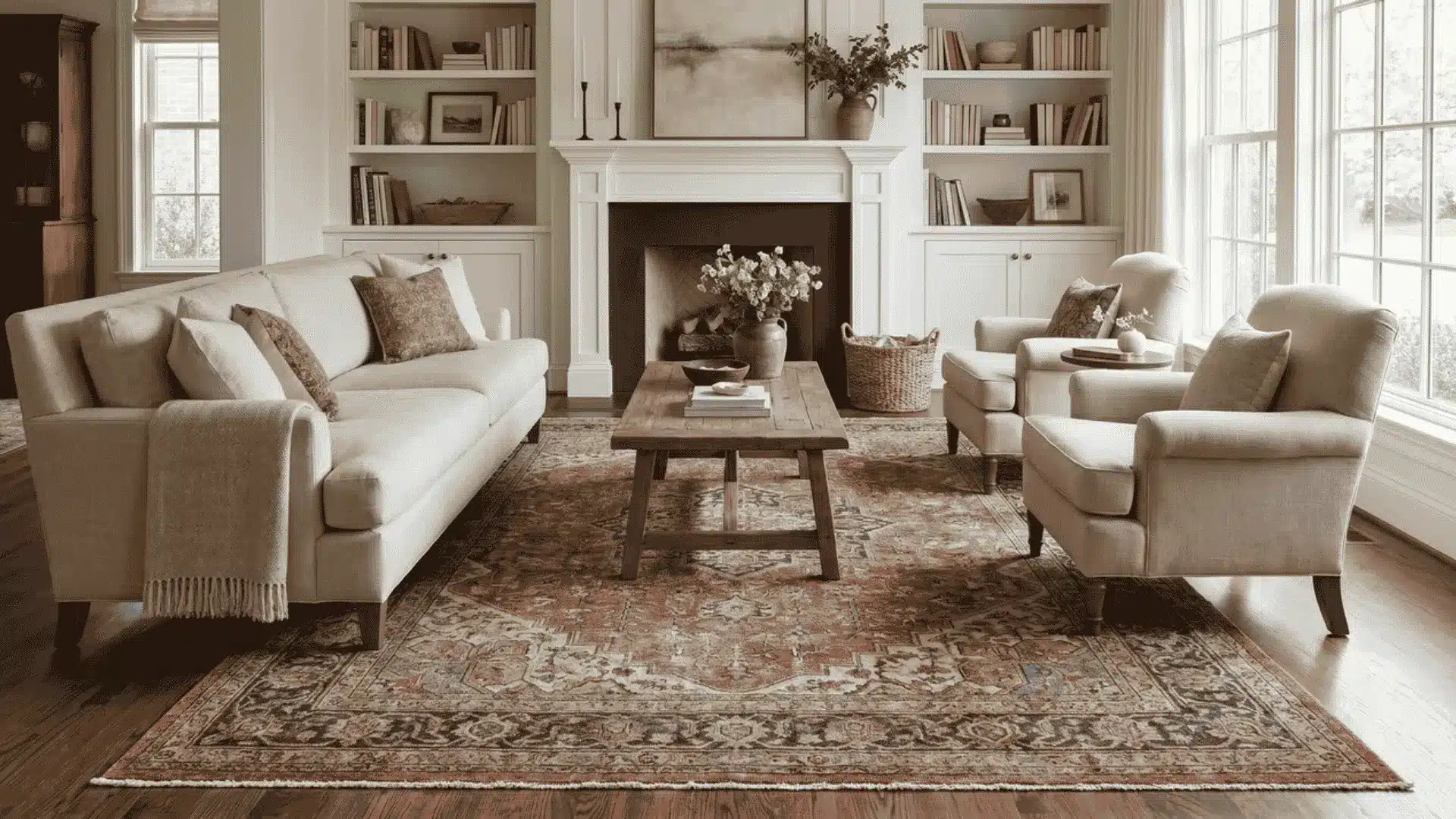




Mullioned windows do more than divide the glass; they influence how a room feels, looks, and even functions. The right use of window mullions can make your space feel clearer, brighter, and more balanced, while the wrong layout can disrupt the whole look.
That’s why I put together this guide on mullioned windows to show you how a few simple choices can shift the feel of your space.
Ahead, you’ll find ideas, insights, and small details that might surprise you and help you see your windows and your rooms in a completely new way.
Curtain Size Chart: Brief Overview
Before buying curtains, it helps to know the common lengths and widths available. This makes it easier to plan how they’ll fit your windows and the look you want to create.
Standard Curtain Lengths
| Inches | Centimeters (approx.) | Feet (approx.) |
|---|---|---|
| 63″ | 160 cm | 5.25 ft |
| 84″ | 213 cm | 7 ft |
| 96″ | 244 cm | 8 ft |
| 108″ | 274 cm | 9 ft |
| 120″ | 305 cm | 10 ft |
Standard Curtain Widths
Curtains are usually sold in panels. A single panel covers part of a window, while double panels meet at the center when closed.
To get the right fullness, use this simple formula: Curtain width = window width × 2 to 3.
- 2× gives a neat, tailored appearance.
- 2.5× to 3× offers a richer, fuller drape.
Choosing the right size from the start saves you time and effort later. When your curtains fit well, they instantly make the room look balanced, cozy, and thoughtfully designed.
Curtain Length Guide by Room Type
Each room serves a different purpose, so the curtain length should suit how you use that space. Choosing the right size can make your windows look balanced and your rooms feel more complete:
1. Living Room Curtains
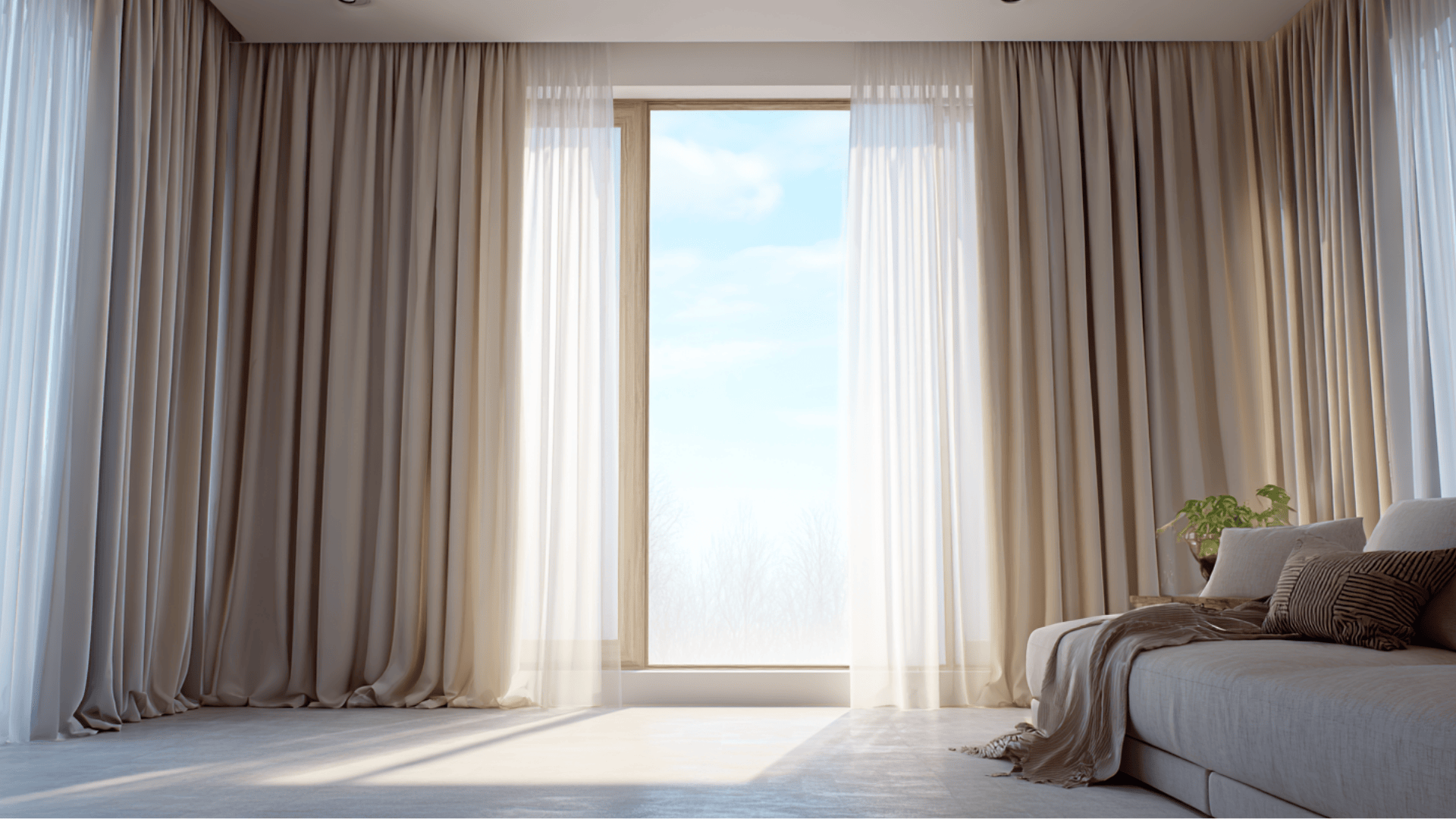
In living rooms, floor-length or puddle-style curtains work best. Measure from the ceiling to the floor for a full, graceful fall that adds height and polish.
Floor-length curtains create a clean, tailored look, while puddle-length ones add a touch of softness and luxury. These lengths also make ceilings appear taller and help the space feel more open and finished.
2. Bedroom Curtains
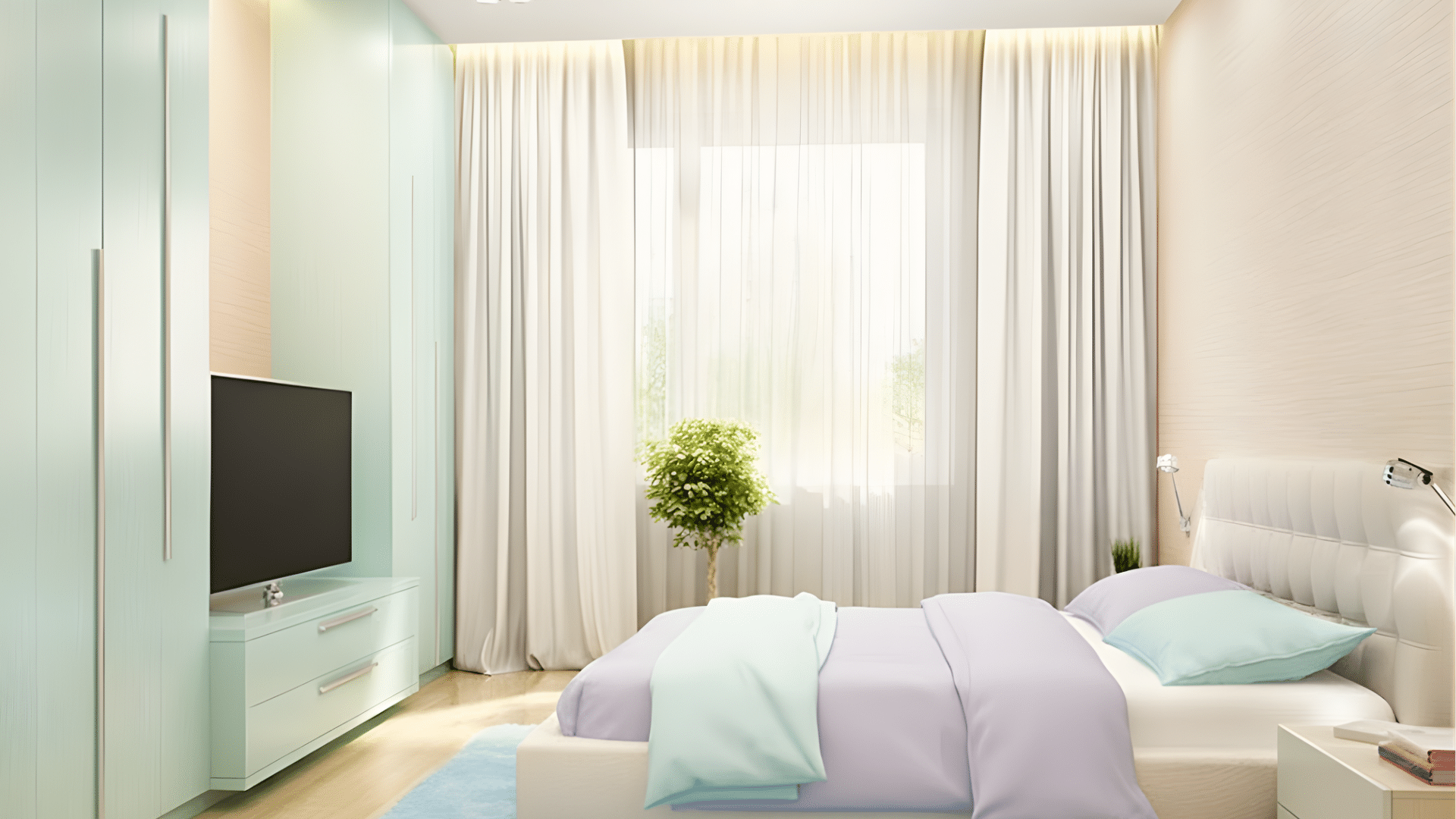
For bedrooms, choose full-length or slightly puddled curtains. They bring privacy, warmth, and softness, which are key to a cozy atmosphere.
Hanging them higher above the window frame gives the room a taller, more relaxing feel. A light puddle at the bottom can also make the space feel calm and inviting.
3. Kitchen and Bathroom Curtains
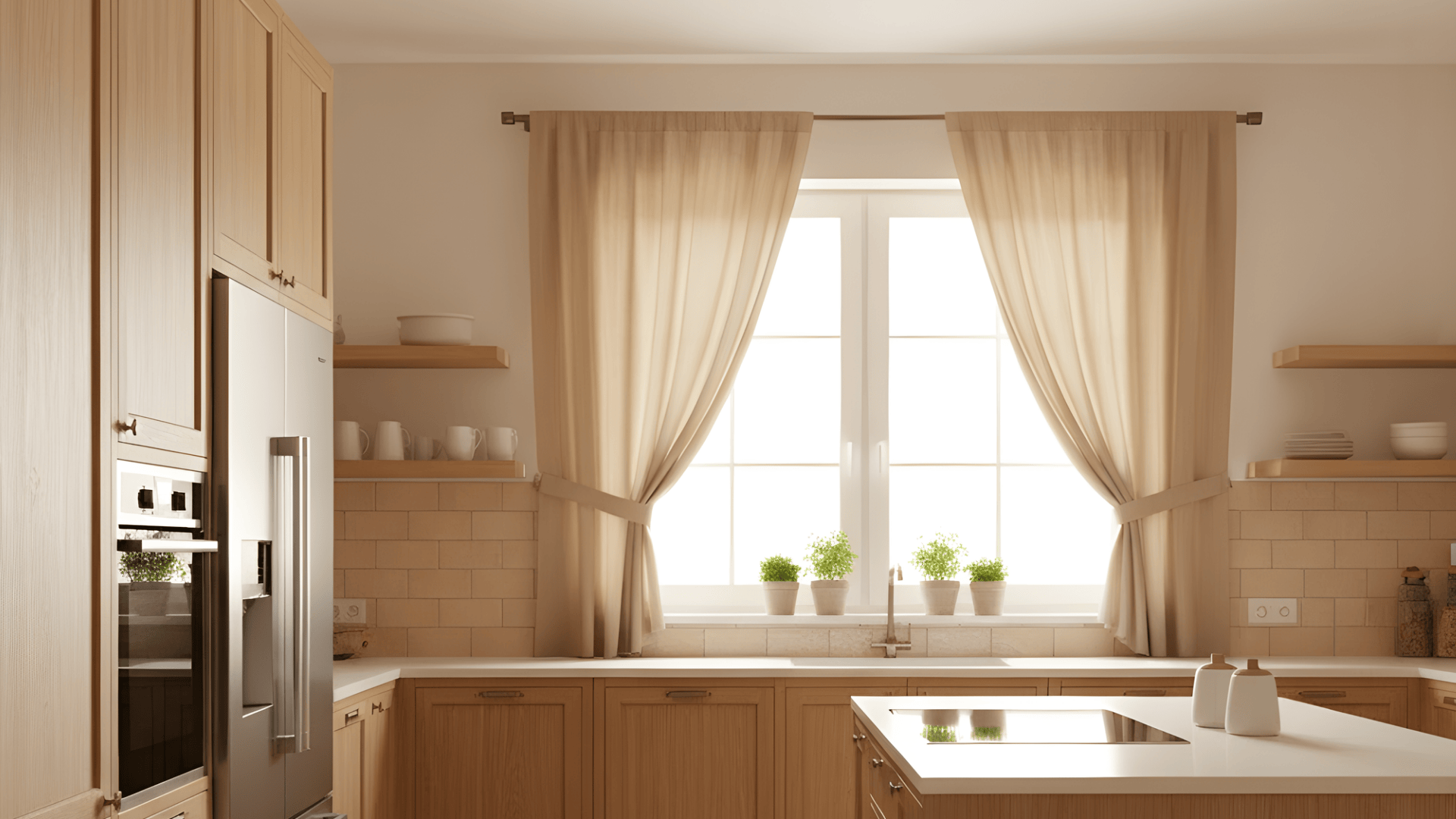
In kitchens and bathrooms, sill-length curtains are the most practical choice. They keep moisture and splashes at bay while keeping the area bright and open.
Café-style or tiered curtains work well for small windows and allow just the right amount of light. Choose easy-to-clean fabrics like cotton or polyester blends to make upkeep simple.
4. Door Curtains
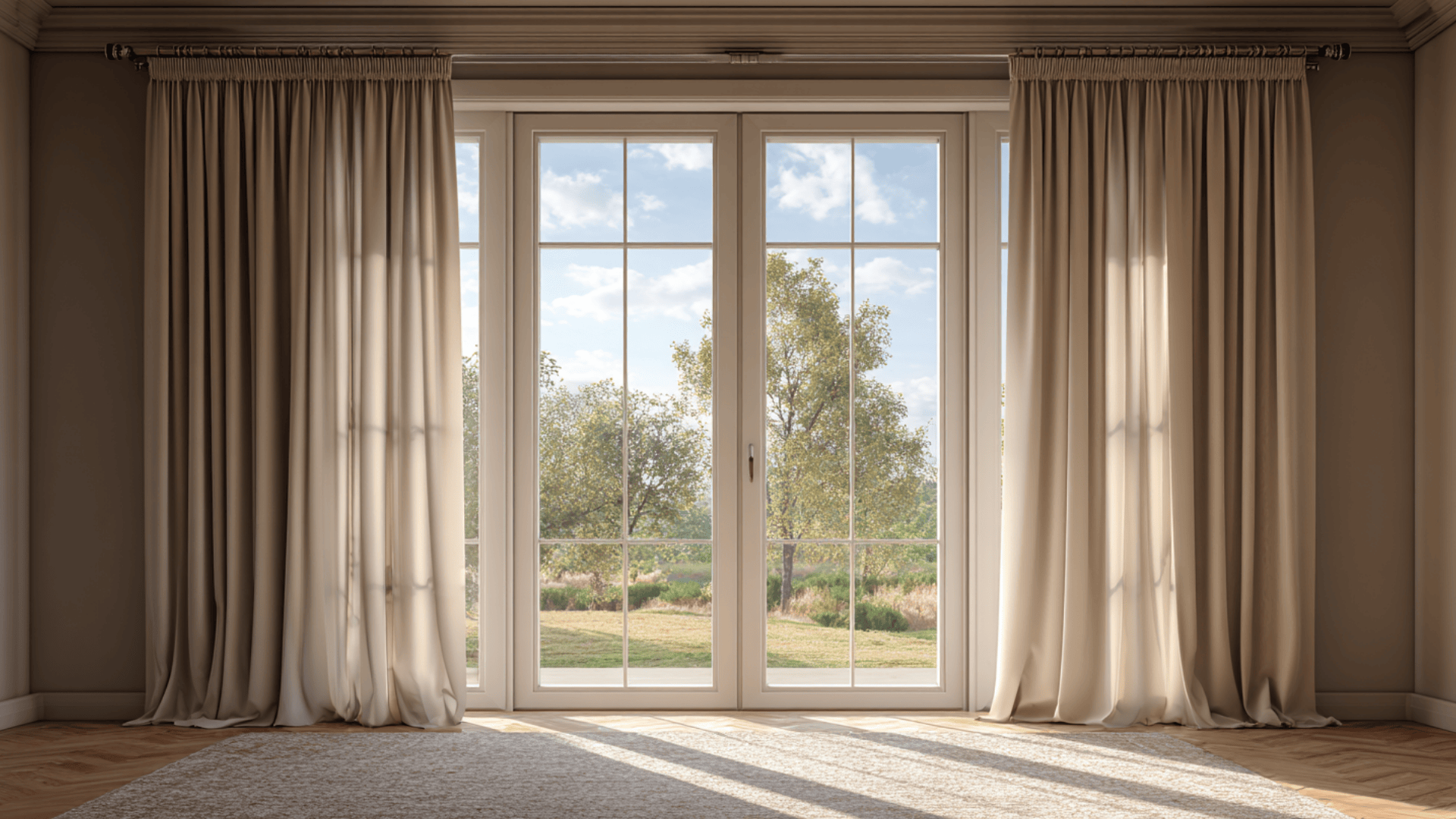
For doors, especially patio, balcony, or French doors, opt for curtains that are 7 to 9 feet long. Longer panels ensure full coverage and a smooth, elegant drop.
Use heavier fabrics to block heat and light effectively. If you have double doors, go for wider rods and extra panels to achieve a complete, functional look without blocking movement.
Getting the curtain size right for each room keeps your home looking neat, functional, and well-coordinated. The right length not only improves style but also adds comfort and ease to daily living.
Curtain Length Guide by Window Type
Different windows need different curtain lengths to look right and work well. The right choice keeps your space balanced and helps the curtains function properly:
1. Standard Windows
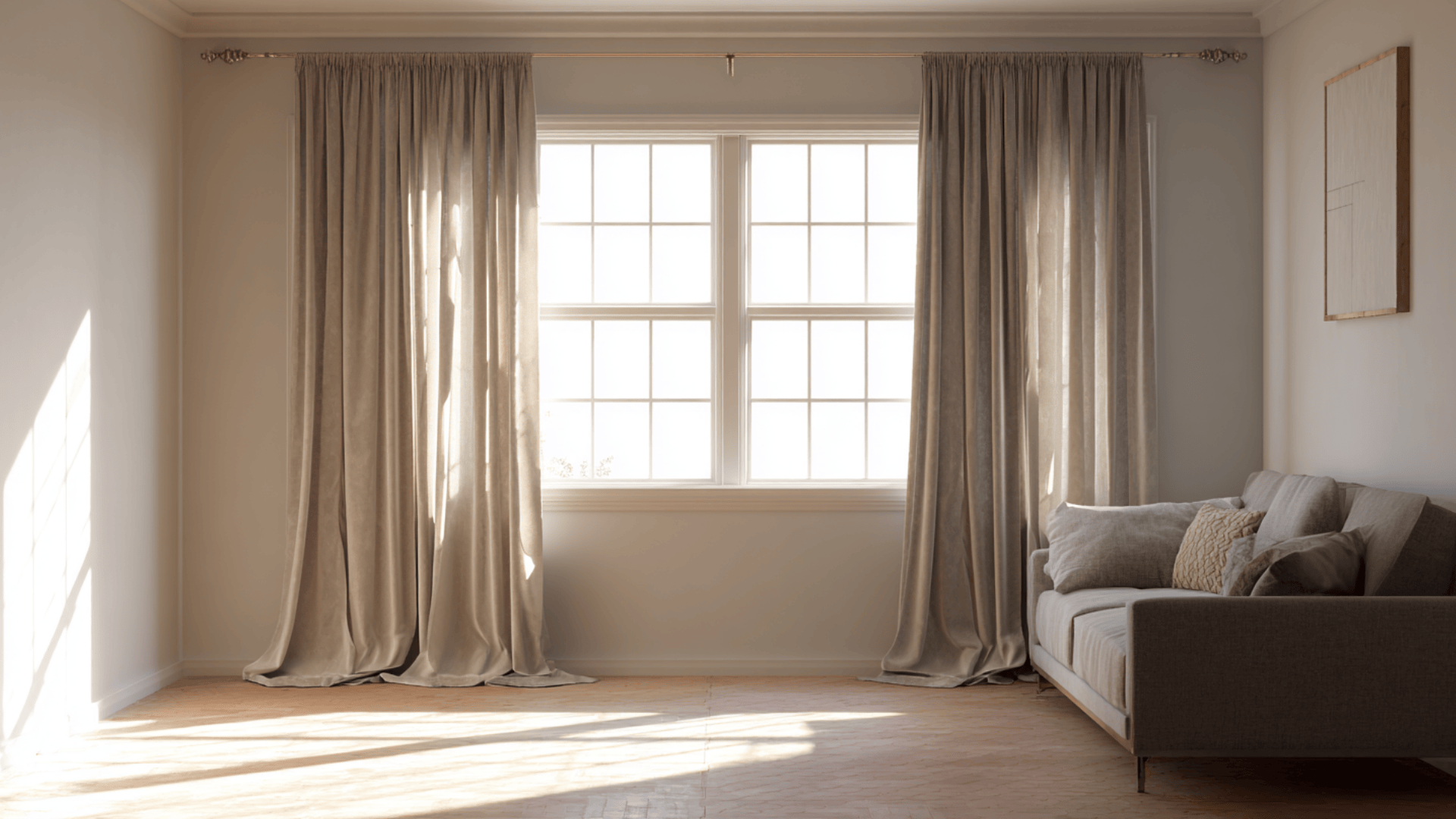
For standard windows, floor-length curtains are the most versatile option. They make the room look neat and proportionate while allowing flexibility in style.
Hang the rod 4–6 inches above the window frame to make the wall feel taller. If you prefer a cleaner look, let the curtains hover just above the floor to avoid dragging.
2. Tall or Floor-to-Ceiling Windows
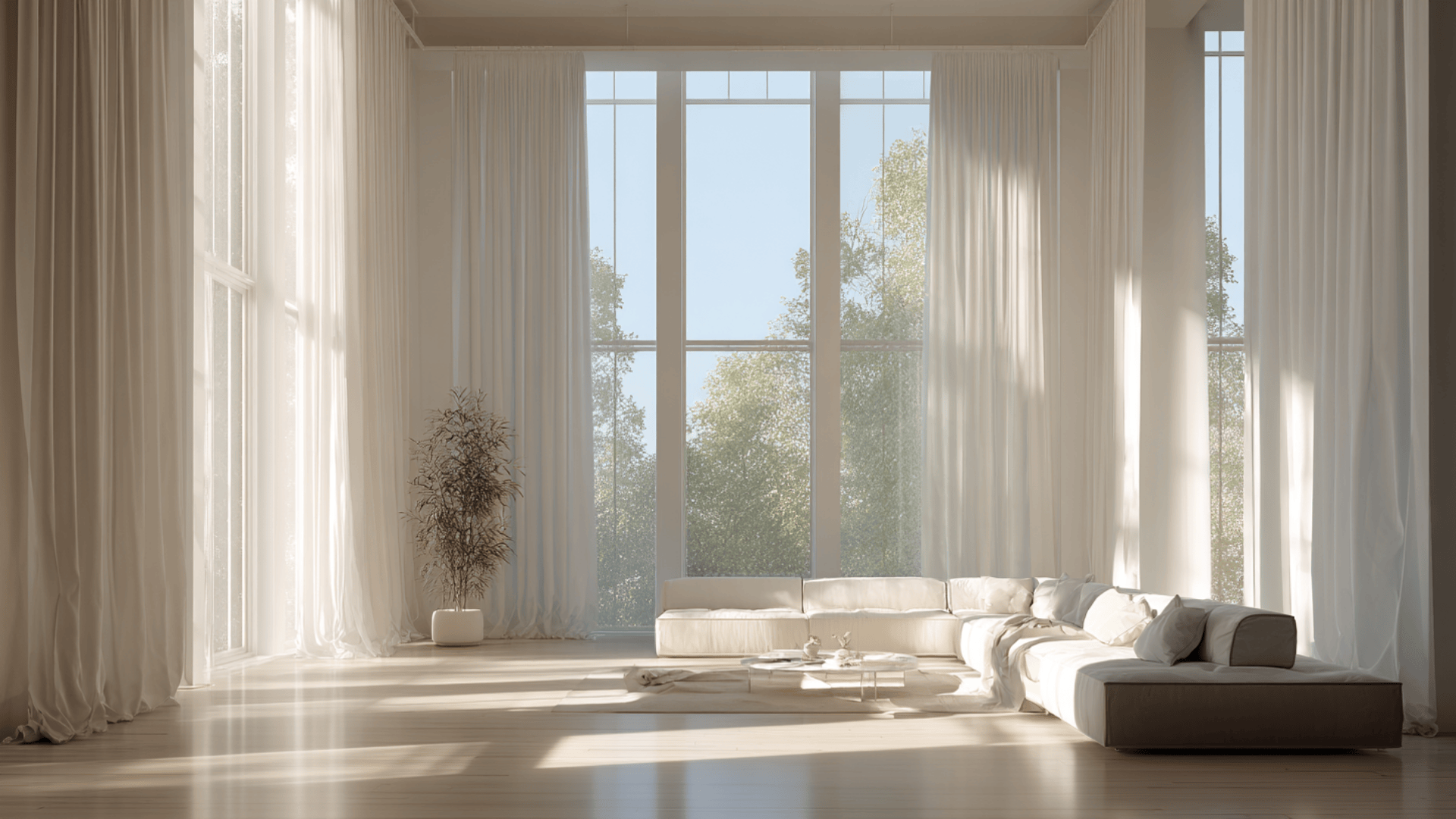
Tall or floor-to-ceiling windows look best with ceiling-to-floor curtains. This design emphasizes height and gives a sense of openness.
Place the rod just below the ceiling line for maximum impact. Lightweight fabrics like linen or sheer panels allow natural light to flow through while keeping the view soft and elegant.
3. Bay and Bow Windows
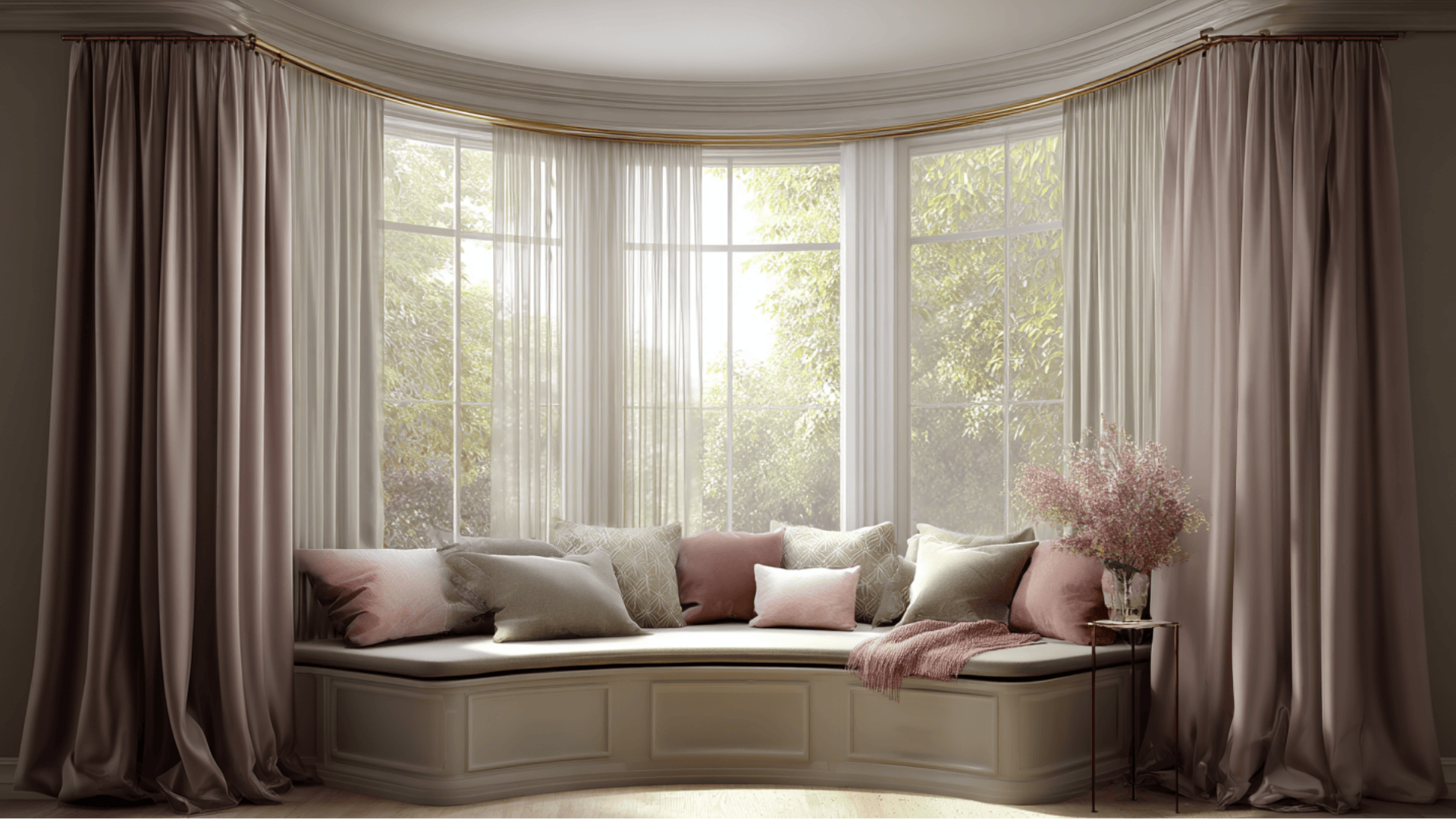
Bay and bow windows benefit from a layered curtain setup. Combine sheer inner panels for light control with heavier outer drapes for privacy and texture.
Use curved or flexible rods to follow the window’s shape for a perfect fit. This approach keeps the area cozy without blocking its architectural charm.
4. Café Windows
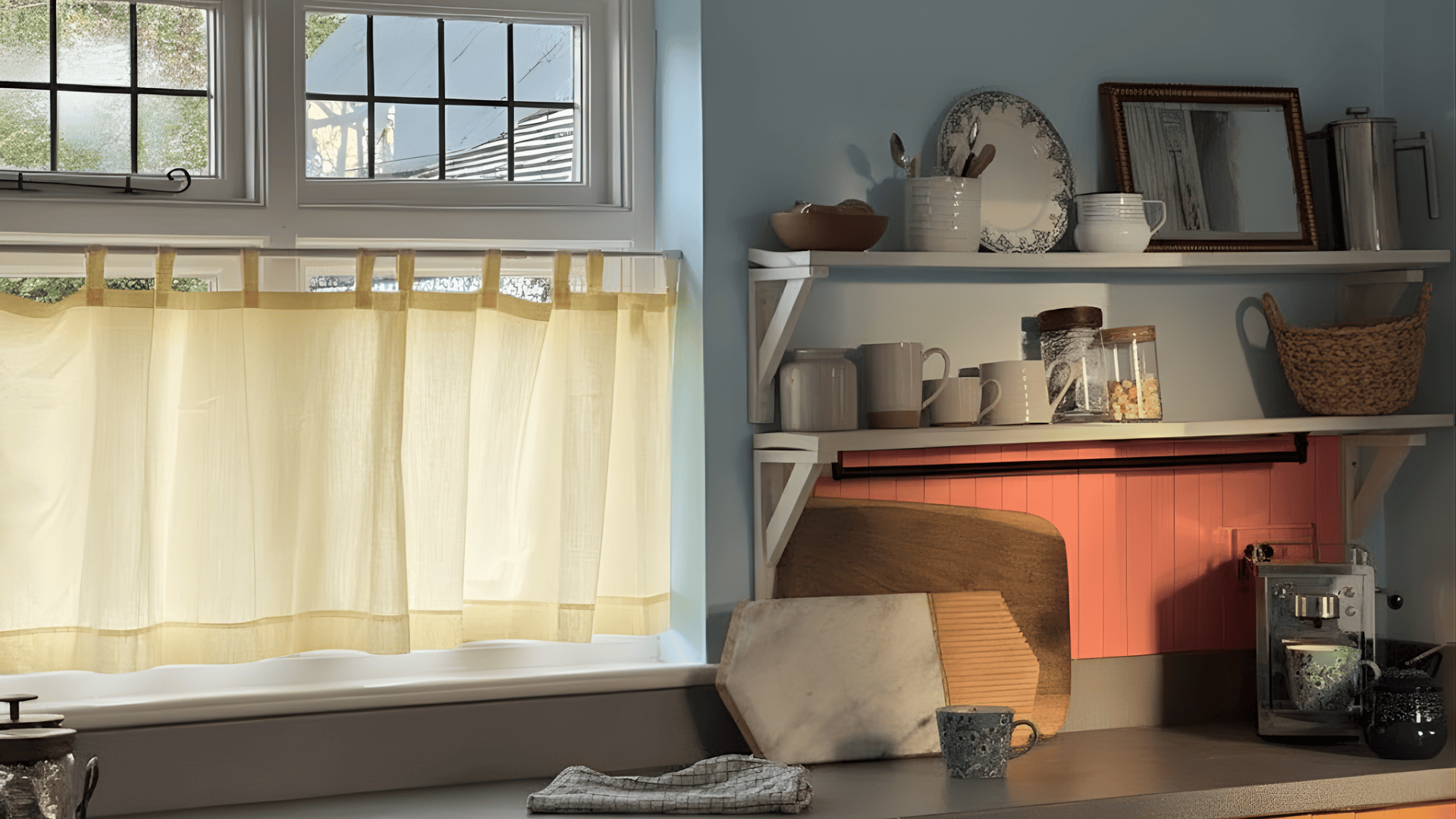
For café windows, go with half-length curtains that cover only the lower part of the window. They provide privacy while letting in natural light, making them perfect for kitchens and breakfast nooks.
Mount the rod halfway up the window frame for the best balance between coverage and brightness.
5. French and Sliding Doors
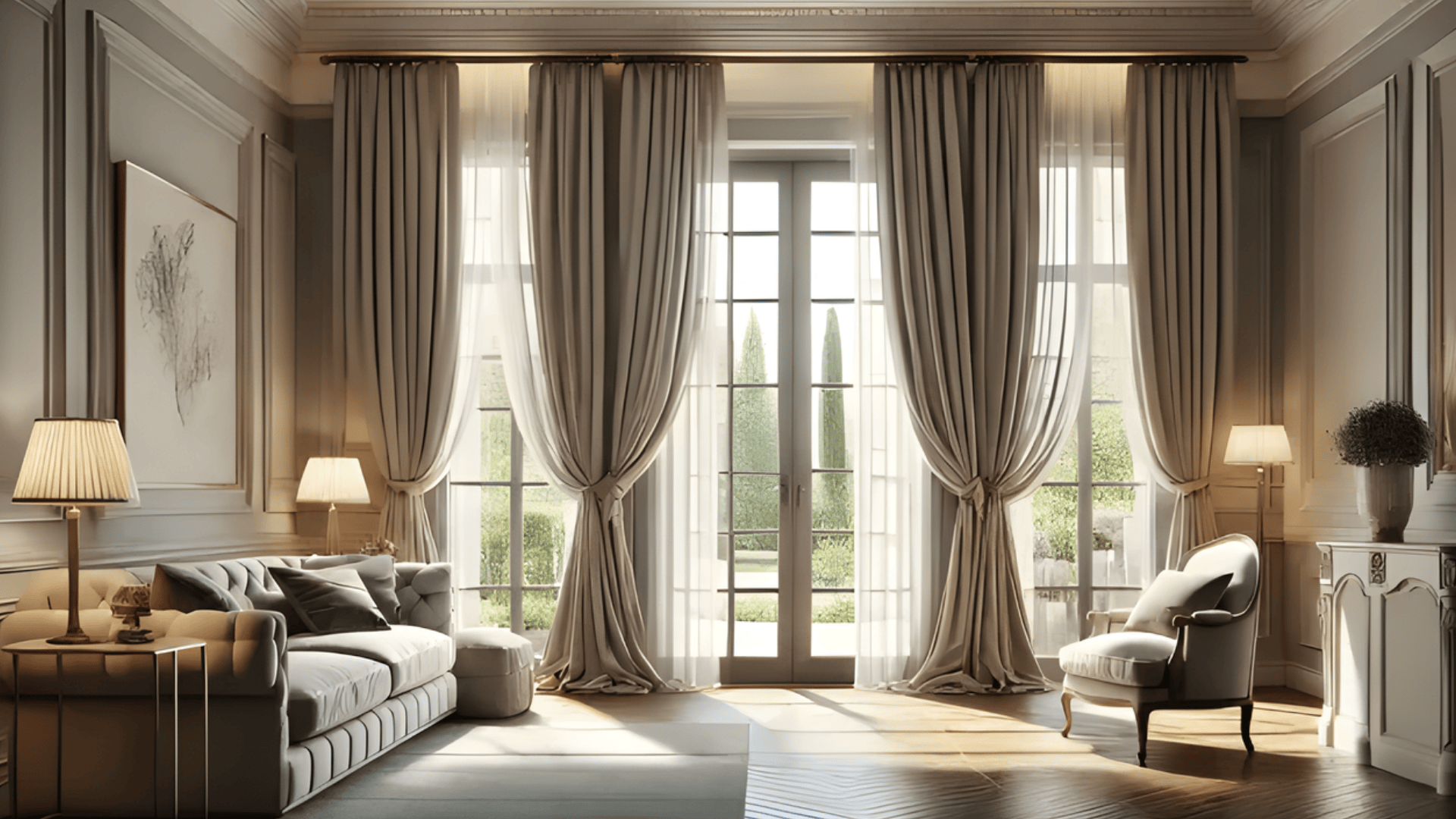
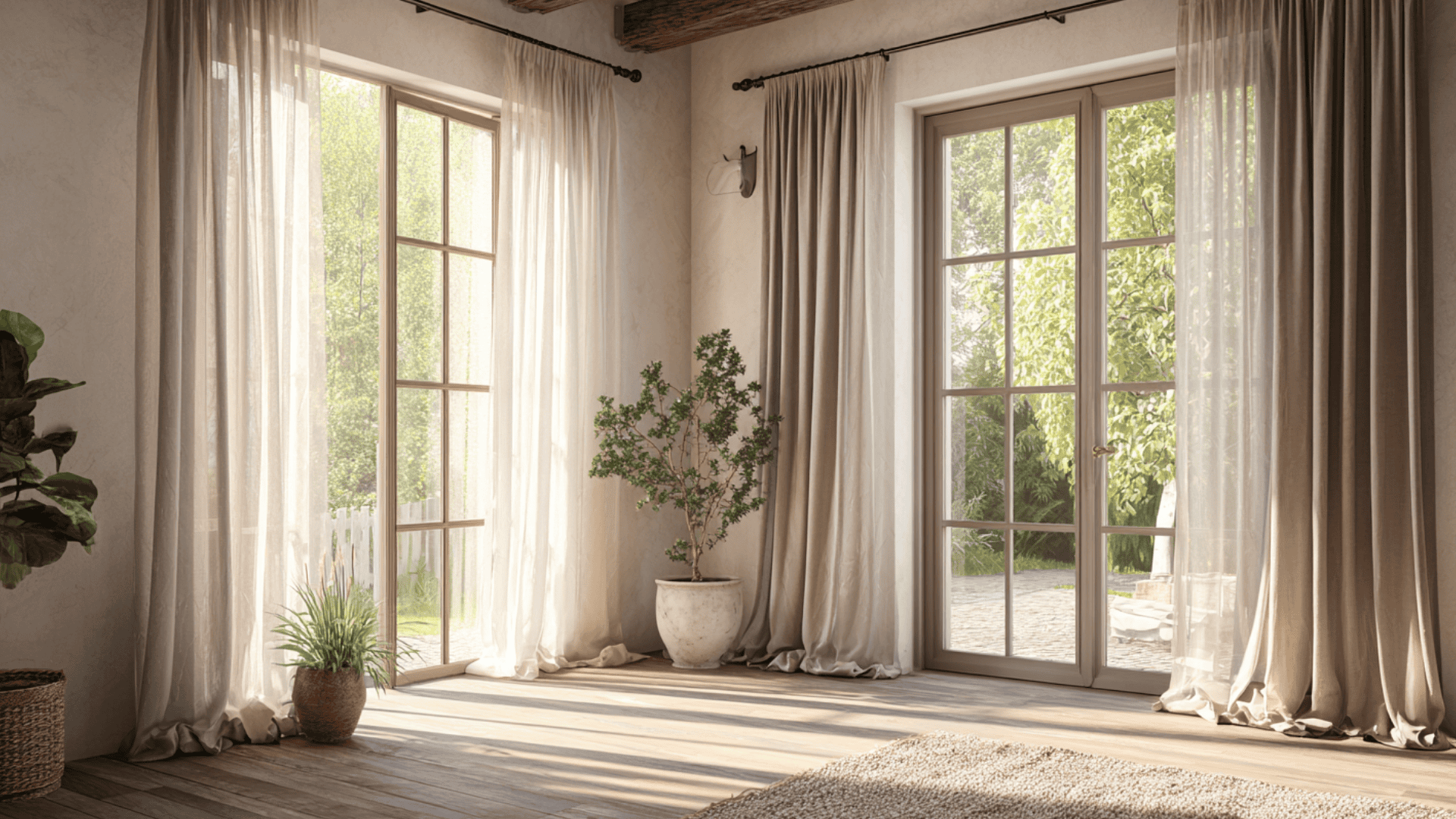
French and sliding doors call for full-length or puddle-style curtains that reach the floor. This length gives a seamless, flowing look and ensures smooth operation when opening or closing the doors.
Choose durable fabrics that can handle frequent movement and use tiebacks or holdbacks to keep panels neatly out of the way when needed.
Choosing curtain lengths based on window type not only improves appearance but also makes your rooms more practical. The right fit enhances light flow, privacy, and comfort in every space.
How to Measure For and Place Curtains
Measuring your windows the right way is key to getting a clean, custom-looking curtain fit. With just a few careful steps, you can make sure your curtains hang perfectly every time.
Step 1: Measure the Width
Start by using a steel measuring tape for accuracy. Measure the entire length of the rod, not just the window frame.
Add 4–6 inches on each side so the curtains can overlap properly when closed. For a fuller look, multiply the window width by 2 to 3 times, depending on how much gathering you like.
Step 2: Decide the Curtain Length
Before measuring the height, decide how you want the curtains to fall:
- Sill-length: Ends right at the sill- ideal for kitchens or small windows.
- Apron-length: Falls 4–6 inches below the sill- perfect for casual areas.
- Floor-length: Stops just above the floor- creates a neat, balanced look.
- Puddle-length: Extends 1–3 inches onto the floor- adds softness and drama.
Step 3: Measure the Height
Next, measure from the top of the curtain rod down to your chosen length. Avoid starting from the window frame, as this can shorten the measurement.
Measuring from the rod ensures your curtains hang at the exact height you want.
Step 4: Perfecting Rod Placement
Once you’ve measured correctly, it’s time to think about where to place the curtain rod. The rod position plays a big role in how your room feels overall:
- Mount height: Install the rod 4–6 inches above the window frame for most setups.
- Width extension: Extend the rod 4–6 inches beyond each side so the curtains can close fully.
- Taller effect: Placing the rod closer to the ceiling makes the room look taller and more open.
- Cozy effect: Lower placement gives a warmer, grounded look, ideal for bedrooms or snug spaces.
- Wide windows: Extend the rod even farther so the curtains can stack neatly when opened.
Getting the measurements and rod placement right is the foundation of great-looking curtains. When both are done well, your windows look intentional, balanced, and perfectly suited to your space.
Curtain Length Styles and Fit Overview
Each curtain length brings its own personality to a room. Some look neat and casual, while others feel grand and formal.
| Curtain Style | Length Description | Best For | Overall Look | Fabric & Header Suggestions |
|---|---|---|---|---|
| Sill-Length Curtains | Ends right at the windowsill | Kitchens, bathrooms, and small windows | Casual and practical; lets in light while offering privacy | Light fabrics like cotton or linen; simple eyelet or rod pocket headers |
| Apron-Length Curtains | Falls 4–6 inches below the sill | Bedrooms, home offices, casual rooms | Relaxed and homey; easy to maintain | Medium-weight fabrics; pleated or tab-top styles for a tailored look |
| Floor-Length Curtains | Stops just above the floor | Living rooms, dining rooms, or master bedrooms | Timeless and versatile; adds height and balance | Medium to heavy fabrics; grommet or pleated headers for structure |
| Puddle-Length Curtains | Extends 1–3 inches onto the floor | Formal rooms, large windows, or classic interiors | Luxurious and dramatic; creates a soft, flowing effect | Heavy fabrics like velvet or silk; pinch pleats for an elegant drape |
Quick Tips for Choosing the Right Curtain Style
- Match the style to the room’s function, with short curtains for casual spaces, longer ones for formal or large areas.
- Use lighter fabrics in sunny rooms and heavier fabrics for warmth and privacy.
- Header choice matters as eyelets give a modern look, pleats feel classic, and tab-tops suit cozy rooms.
Picking the right length and fabric helps your curtains blend seamlessly with your décor. It’s all about balancing function, comfort, and style.
How Curtain Length Affects Room Appearance
Curtain length plays a big part in how your space feels- not just visually, but also in how comfortable and balanced it looks. Small changes in height or drop can completely shift the room’s vibe.
Longer curtains make ceilings appear higher and give the space a more open, polished feel. They draw the eye upward and work well in living rooms or bedrooms where you want a sense of height and flow.
Shorter curtains create a casual, airy look that feels light and easy-going. They’re great for kitchens, bathrooms, or rooms where practicality matters more than formality.
It’s also important to match the curtain length to the furniture placement. If a sofa, bed, or console sits below a window, shorter or apron-length curtains help keep the setup balanced without looking cramped.
USA Curtain Size Conversion Chart
Knowing standard curtain sizes in both inches and centimeters makes shopping and measuring easier. Use this quick chart to find the most common U.S. curtain lengths and their metric equivalents:
| Curtain Size (Inches) | Centimeters (Approx.) | Feet (Approx.) | Common Use |
|---|---|---|---|
| 45″ | 114 cm | 3.75 ft | Café or small windows |
| 63″ | 160 cm | 5.25 ft | Short windows, kitchens, or kids’ rooms |
| 72″ | 183 cm | 6 ft | Bathrooms or medium-height windows |
| 84″ | 213 cm | 7 ft | Most living rooms and bedrooms |
| 96″ | 244 cm | 8 ft | High ceilings or tall windows |
| 108″ | 274 cm | 9 ft | Large or floor-to-ceiling windows |
| 120″ | 305 cm | 10 ft | Extra-tall or dramatic setups |
Before buying, always double-check both the window height and mounting position. Even small differences can affect how curtains hang and look once installed.
Common Curtain Sizing Mistakes to Avoid
Even the best curtains can look off if the sizing isn’t right. Here are a few simple mistakes to watch out for when measuring or hanging them:
- Buying curtains too short: Curtains that stop mid-wall make the room feel smaller. Aim for floor-length or just above the floor for a balanced look.
- Ignoring rod placement: Hanging the rod too low can throw off proportions. Mount it 4–6 inches above the frame or closer to the ceiling for height and flow.
- Forgetting about fabric shrinkage or pooling: Some fabrics shrink after washing, while others need extra length to prevent pooling. Always account for these before cutting or hemming.
A few small adjustments during setup can make the difference between curtains that look awkward and ones that fit your space beautifully.
Final Thoughts
By now, you’ve seen how much the right curtain length can influence your space- it’s the small detail that changes everything.
From window type to room size, every choice adds up to a look that feels balanced and complete. I hope this curtain length guide gives you the clarity and confidence to choose what truly fits your home.
When your curtains fall just right, the whole room comes together naturally
Take what you’ve learned, measure once, choose wisely, and watch how your space instantly feels more put together!