
Home » September 1, 2026
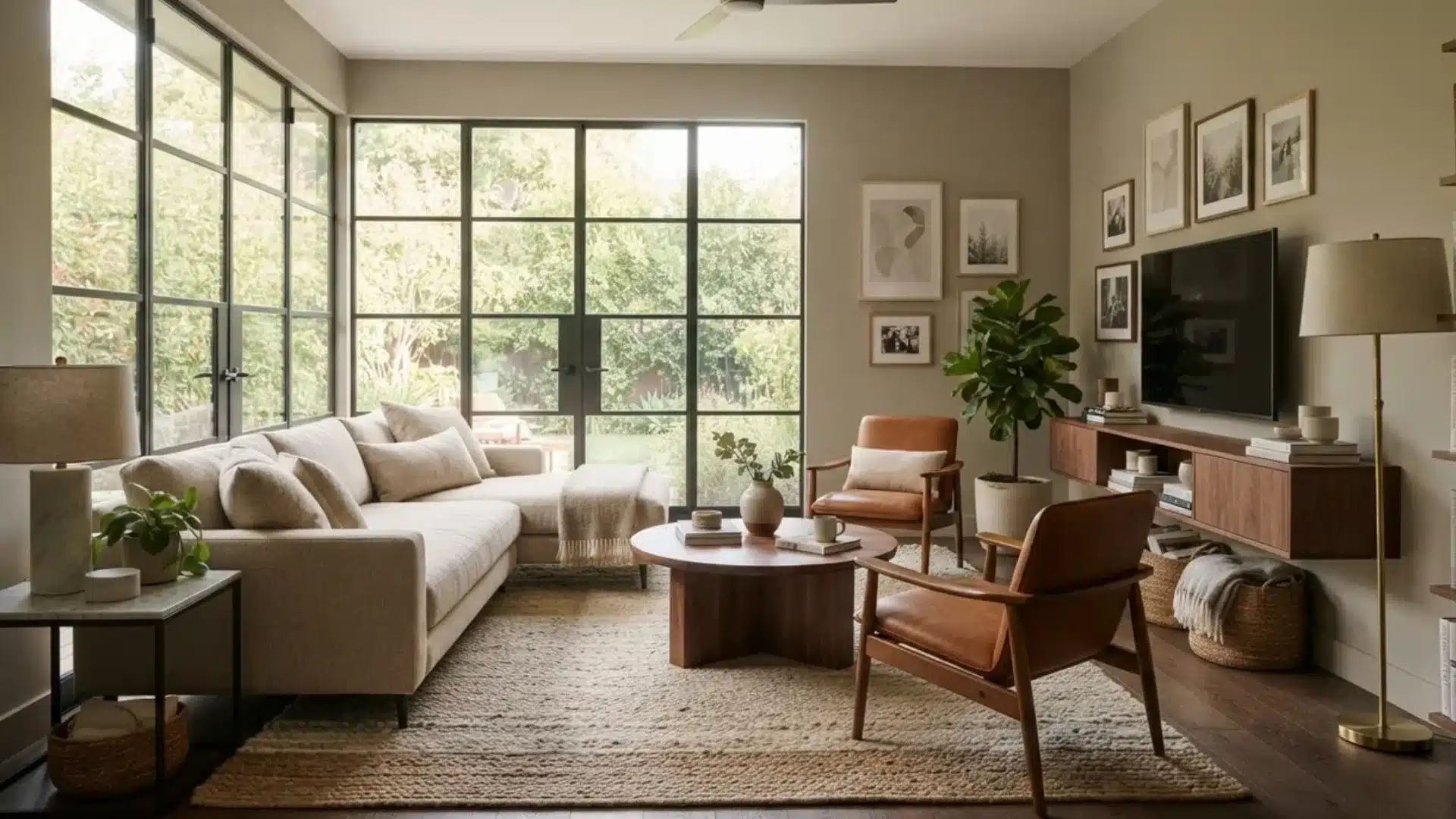
I’ve noticed that a living room can have beautiful furniture and still feel slightly uncomfortable. The sofa looks right, the decor matches, but something
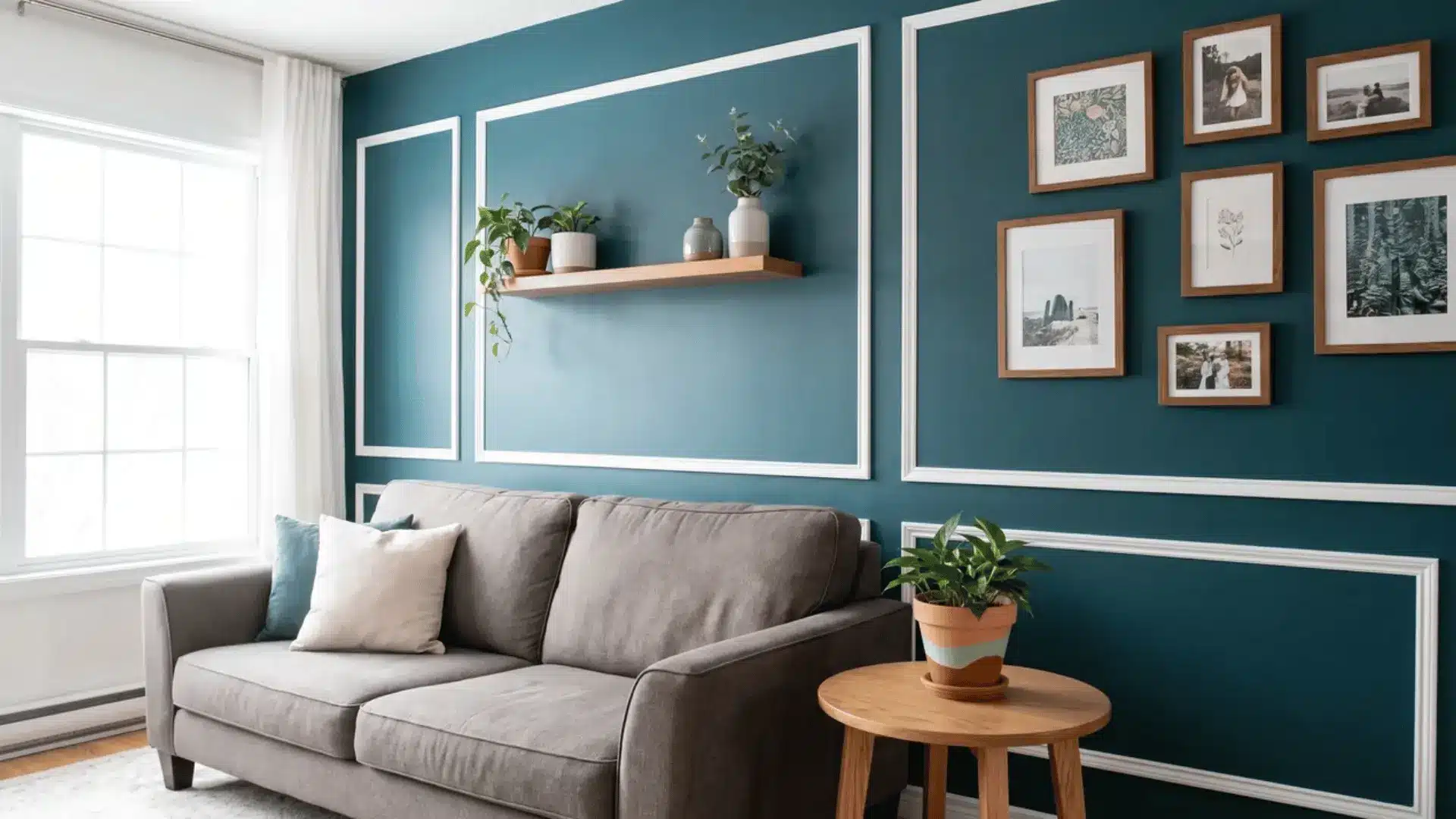
Easy DIY projects are a great way to refresh your home without spending a lot or taking on a stressful renovation. A small update, like painting a wall, replacing cabinet hardware, adding shelf liner, or framing a mirror, can make
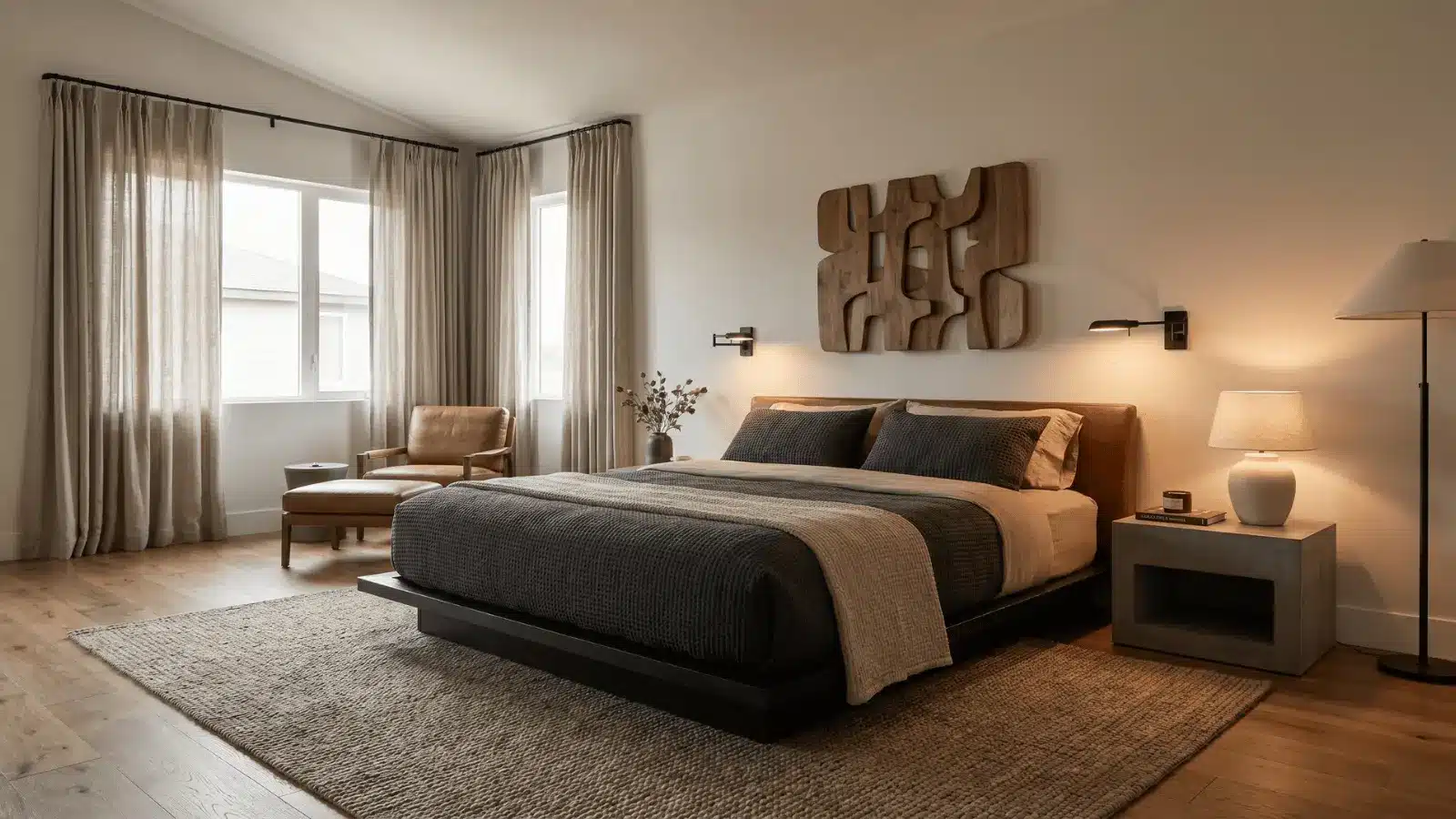
A bedroom can end up feeling more like a hotel room than a home, especially when decorating never quite gets past good enough. Room decor for men does not need a big budget or a professional eye. It needs a few pieces that genuinely mean something to you, paired with smart storage so the space stays useful and not just nice to look at. That might start with one bare wall, a corner you walk past every day, or bedding that has felt tired for years. That starting point is exactly where a clear plan for the room begins. What Makes Good Room Decor for Men? Good room decor for men should feel comfortable, useful, and personal. Every choice should support your routine while reflecting your personality. Start by choosing a clear style that suits your taste and existing furniture. This direction will help your colors, materials, and decorations work together. Choose furniture that fits the room without blocking movement or wasting space. Practical storage also keeps everyday belongings organized and reduces visible clutter. Add artwork, photos, books, or collectibles that genuinely matter to you. A few meaningful pieces will make your room feel personal without crowding it. Men’s Room Decor Ideas That Will Enhance Your Space These practical ideas include bold features and smaller finishing details for industrial, minimalist, and modern rooms. Choose options that suit your personality, available space, and budget. 1. Create a Dark Accent Wall A dark accent wall adds depth without making the entire room feel enclosed. Navy, charcoal, or forest green can create a strong background. Use the wall behind your bed, desk, or sofa for the greatest impact. Keep surrounding walls lighter to maintain balance and natural brightness. In a smaller room, a dark wall behind the bed can actually make the space […]
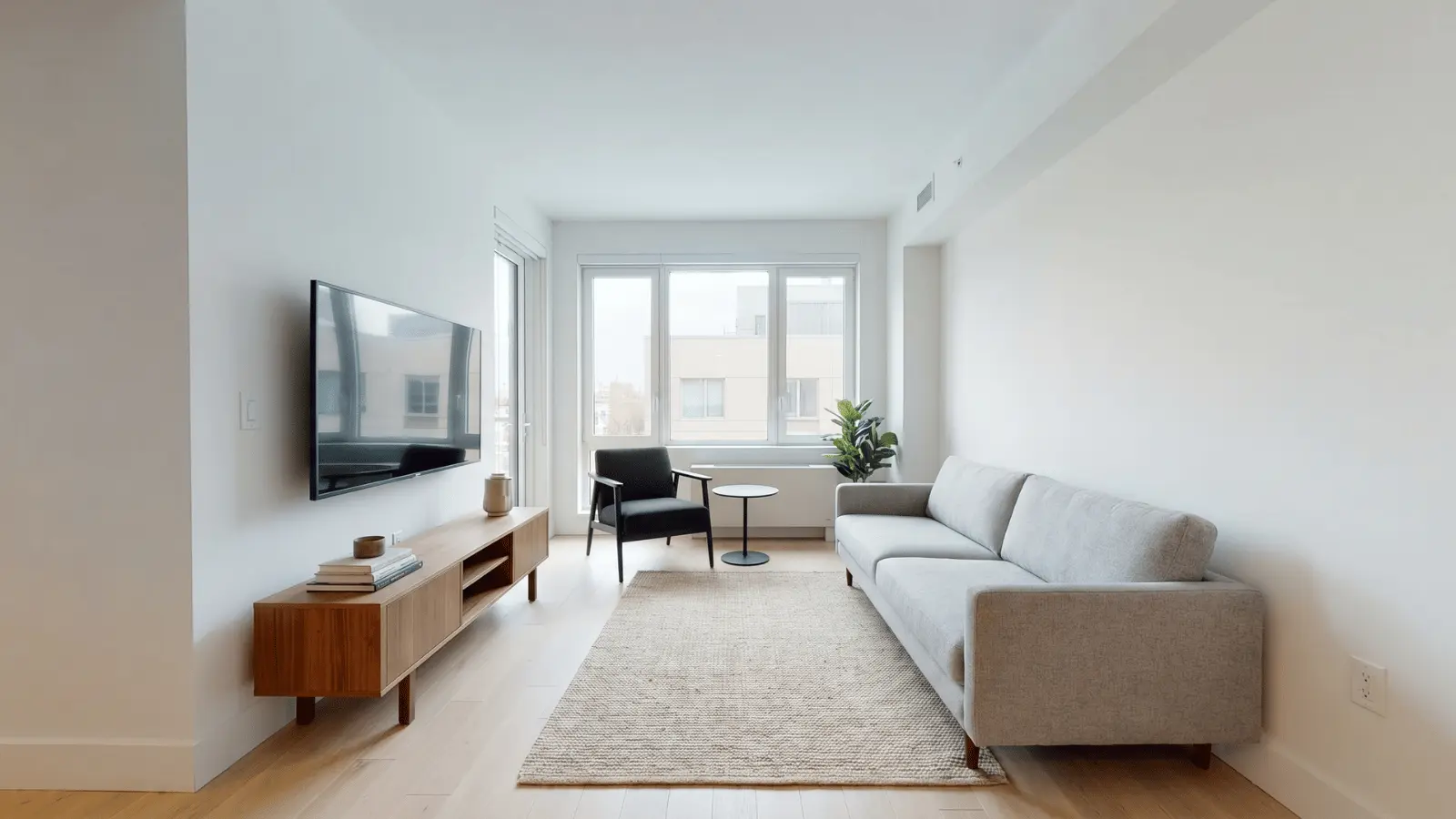
A small living room can feel even tighter once you add a TV, especially when the sofa, storage, and walkways all compete for the same space. The good news is that the problem is not always the room size. Most of the time, it is the layout. A smart small living room layout with a TV helps you keep the screen comfortable to watch without blocking movement or crowding the room. Start with the wall, windows, seating distance, and traffic path before buying more furniture. These ideas will help you choose a setup that fits how you actually use the space. Choose the Right Layout Before Buying Furniture Room shape and movement paths matter more than any inspirational photo. Before placing the TV or sofa, map out these basics: Identify the longest clear wall for the TV Note all window positions to avoid glare Mark at least one clear walking path through the room Measure the space before committing to any furniture size Getting these right first means any layout you choose will actually work, not just look good in a photo. If you want a closer walkthrough of where each piece should sit, our guide to arranging your living room furniture breaks it down room by room. Small Living Room Layout Ideas With a TV Every room is different, so these ideas cover the most common small-room setups. Each one is built around a specific problem, and you likely only need two or three for your space. 1. Place the Sofa Directly Across From the TV for a Simple Layout This layout works best for rectangular rooms where a direct viewing setup makes the most sense. Placing the sofa across from the TV creates a balanced arrangement while keeping the room easy to move through. Use a compact sofa […]

A garden trellis can turn a plain bed, wall, fence, or patio corner into useful growing space. It keeps climbing plants off the ground, makes harvesting easier, and helps vines grow in a cleaner direction. The best garden trellis ideas are not just decorative. They should match the plant’s weight, the space you have, and how much support the structure needs over time. A light string frame may work for peas, while squash, melons, roses, or grapevines need something much stronger. Here, you will find practical trellis designs for raised beds, containers, narrow paths, garden entrances, and spaces that need privacy or shade. What Does a Garden Trellis Do? A trellis provides a structure that climbing plants can grip, wrap around, or be tied against. It guides stems upward instead of across the ground. Raising foliage improves airflow and reduces disease pressure, keeping leaves drier and away from damp soil. It also makes plants easier to inspect for pests, damaged leaves, and developing fruit. Vertical growing can increase usable planting space within raised beds and small gardens. Ground-level space remains available for herbs, flowers, or shorter vegetable crops. A well-chosen trellis can also divide garden zones or screen exposed areas. Decorative designs remain useful even when plants become dormant during colder months. Garden Trellis Ideas The right design depends on your available space, plant weight, and preferred garden style. Consider how the structure will look both covered and uncovered. 1. Cattle Panel Arch Bend a cattle panel between two garden beds to create a strong walk-through arch. Secure each side to firmly installed T-posts with heavy wire. The rigid metal grid supports cucumbers, squash, melons, and other productive vines. Fabric slings can protect larger fruit as it develops overhead. 2. Wooden A-Frame Trellis Join two wooden frames at the top with […]
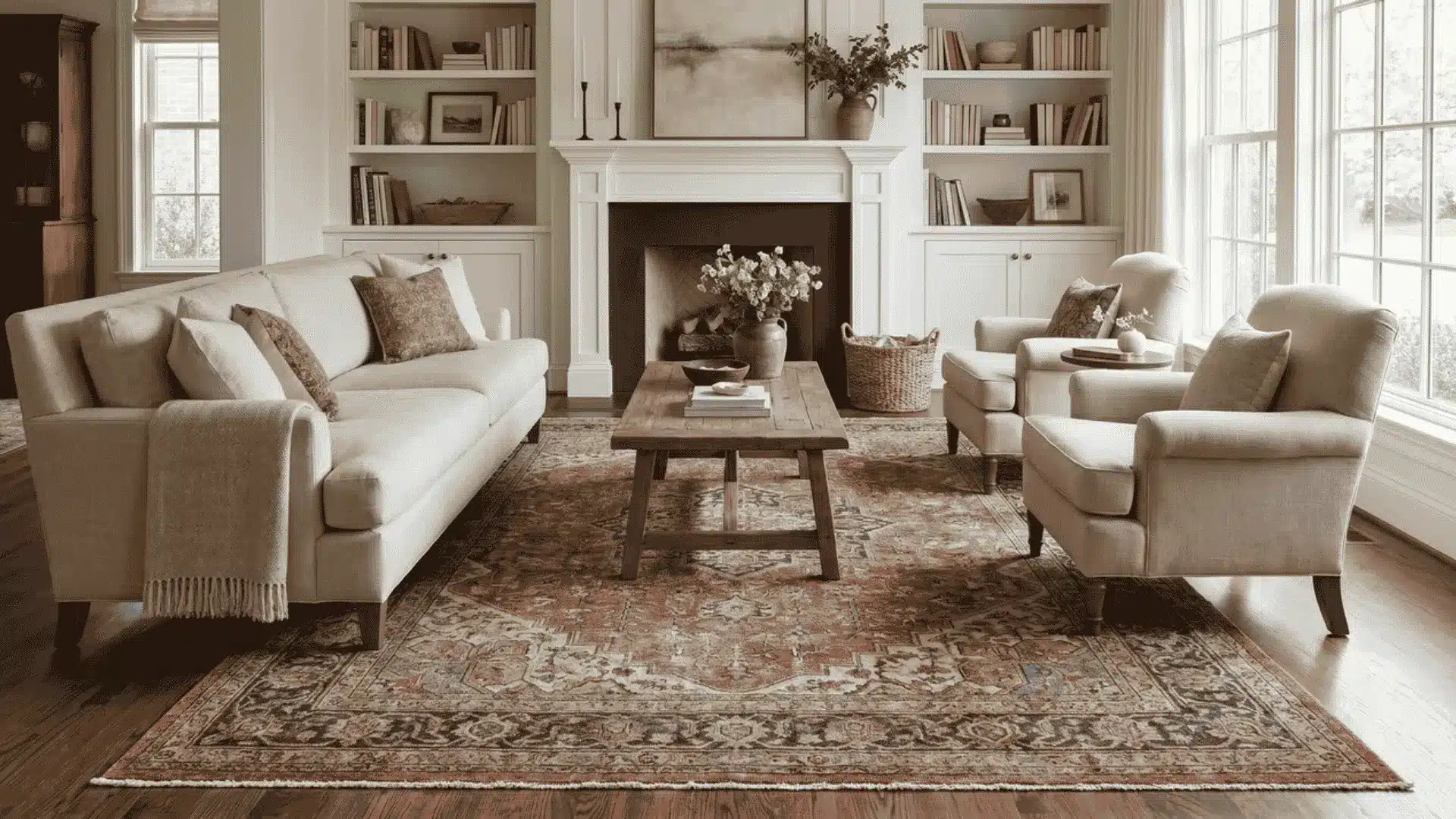
Picking a rug should feel easy, but the wrong size can throw off your whole living room. I know how confusing it gets when you are choosing between 6′ x 9′, 8′ x 10′, and 9′ x 12′ options. The right rug size for living room spaces depends on more than floor dimensions. Your sofa width, seating layout, and furniture placement all change what works best. That is where a few simple sizing rules help. You will learn how to measure your space, match common area rug sizes to different room layouts, and avoid the placement mistakes that make a rug look too small or disconnected. What Size Rug Is Best for a Living Room? An 8′ x 10′ rug is a practical starting point for many standard living rooms, while larger spaces often need a 9′ x 12′ or 10′ x 14′. Small apartments may work with a 6′ x 9′, while a 5′ x 7′ generally suits only compact seating arrangements. The rug should usually extend beyond the width of the sofa rather than ending inside its edges. A useful target is roughly 6 to 12 inches past each side, depending on available space. Furniture placement matters just as much as dimensions, especially in rooms with tricky furniture layouts. In most rooms, placing at least the front legs of the sofa and chairs on the rug creates a connected seating area. Larger rooms can accommodate all furniture legs on the rug. Living Room Setup Recommended Rug Size Typical Placement Very small sitting area 5′ x 7′ Coffee table mainly on rug Compact living room 6′ x 9′ Front sofa legs on rug Standard living room 8′ x 10′ Front legs of seating on rug Larger living room 9′ x 12′ Most seating anchored Large sectional room 10′ x […]
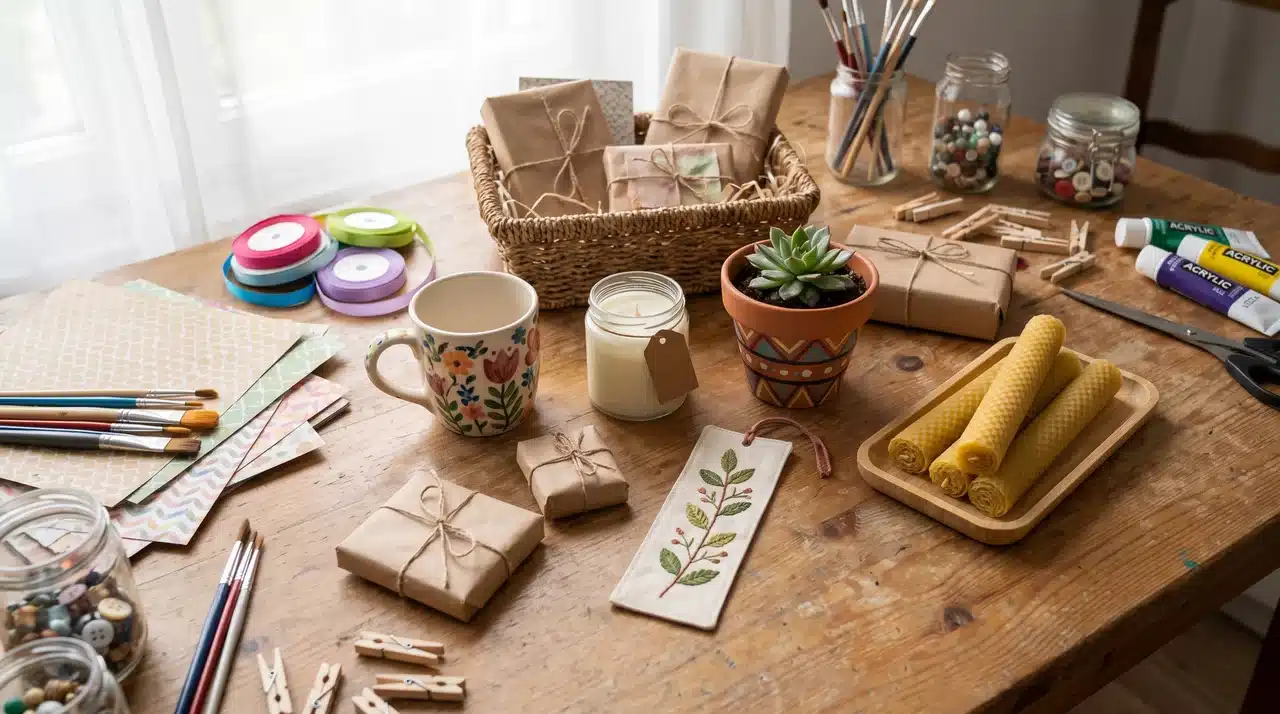
Store-bought gifts are easy, but they rarely feel personal. DIY gift ideas solve that problem without asking for hours of extra work or advanced craft skills. A candle poured in an evening, a mug painted at the kitchen table, or a jar filled with handwritten notes can say more than something pulled off a shelf. What makes a homemade gift land well has less to do with difficulty and more to do with fit. The right project matches the person, the moment, and the time you actually have to give. Here is where to start when picking one. How to Choose the Right DIY Gift? A great DIY gift starts with the person receiving it. Think about their hobbies, daily habits, favorite colors, and the things they already use or enjoy. The best handmade gifts usually solve a small need, preserve a memory, or add a personal detail that store-bought options cannot offer. A simple item with the right customization can feel more meaningful than an expensive present. I have watched plenty of gift givers overthink this step. The projects that land best are almost never the fanciest ones; they are the ones that show you paid attention to what someone actually likes. Whether you are making something for a birthday, holiday, friend, family member, or last-minute occasion, picking a gift that matches the recipient will make the final result feel more thoughtful. Homemade gifts have also become more common as budgets tighten. A recent Deloitte gift survey found that 45 percent of holiday shoppers planned to give DIY gifts, a sign that handmade presents are now a mainstream choice, not a fallback. Easy DIY Gift Ideas You do not need advanced craft skills to make something thoughtful. These simple DIY gift ideas use basic materials, easy techniques, and just […]
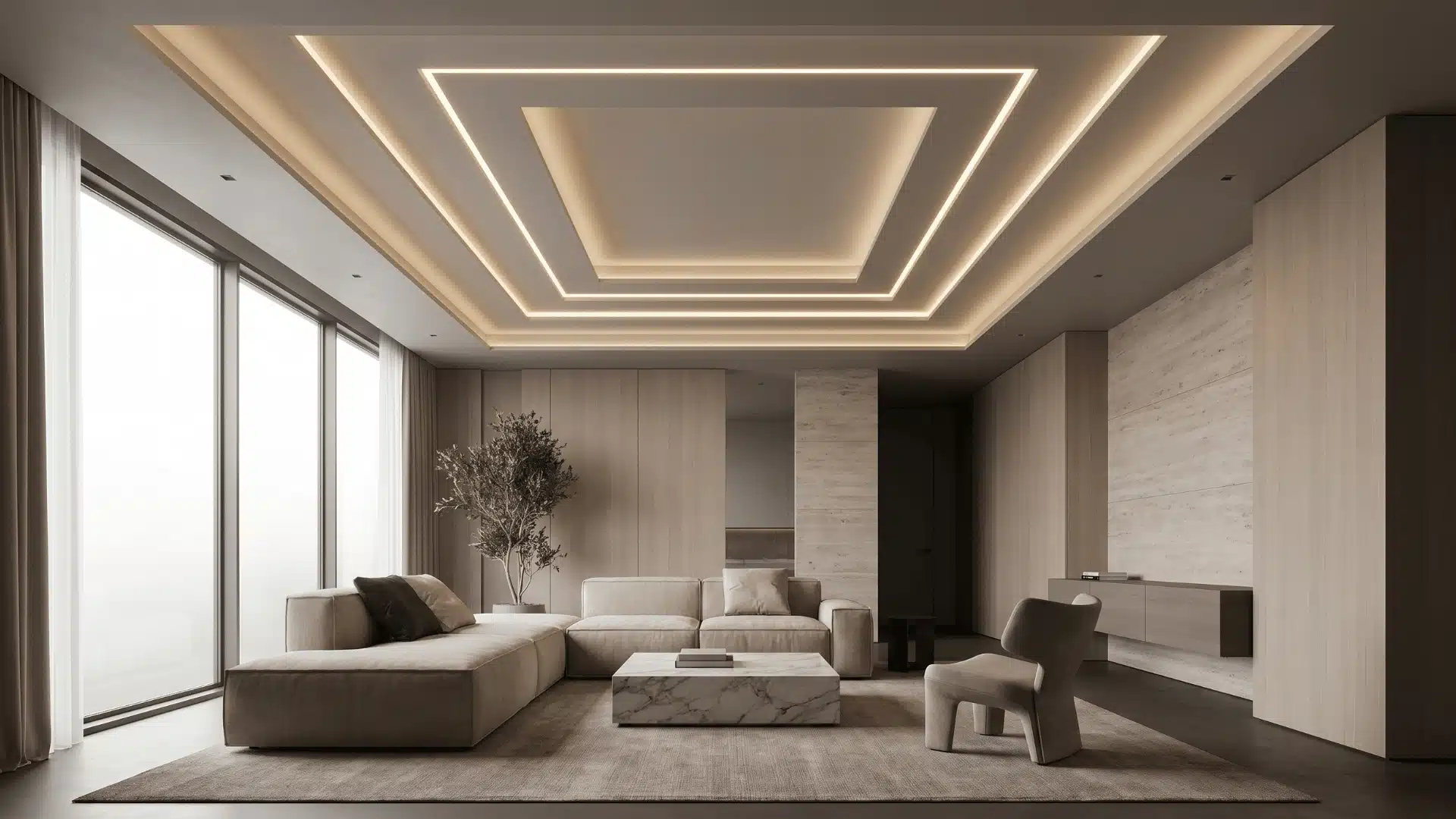
Tray ceilings tend to stand out the moment you walk into a room, but they’re often read as just a decorative ceiling step. Once you look closer, it’s really a composition of planes, edges, and levels working together like architecture, not surface detail. What actually shapes the result isn’t the tray itself, but how it’s treated. Lighting direction, paint transitions, trim proportions, and how the depth is defined end up doing most of the work. That’s also why the same ceiling form can feel balanced in one room and slightly off in another. Small shifts in light placement or finish choices change how the whole structure reads in space. Less common tray ceiling approaches show how flexible this basic form really is, depending on how intentionally those details are handled. What a Tray Ceiling Actually Gives You to Work With? A tray ceiling has three clear parts: the recessed center panel, the vertical step that drops down from it, and the outer flat border that frames everything. Most people only notice the center and the border. That’s where the design starts to feel flat or incomplete. The step face is usually overlooked, but it’s doing most of the visual work. It’s the transition surface, and it decides whether the ceiling feels intentional or like a construction detail that was never thought through. If everything is painted the same color, the tray loses definition and blends into the ceiling. When the step is treated differently, even subtly, the depth becomes readable and the structure starts to stand out. Depth isn’t just aesthetic either. Most tray ceilings sit around 3 to 6 inches, and that range sets the limits. A shallow drop won’t accommodate hidden lighting well. A deeper one opens up options like indirect lighting or stronger shadow lines. It’s also […]

Get the latest home decor tips, DIY ideas, and design inspiration delivered straight to your inbox.