

If you’ve ever stood in a furniture store figuring out which wood is really worth it, you’re not alone.
Choosing the right material can be confusing; every piece looks great until you think about durability, cost, and care.
Each type of wood tells its own story through color, grain, and strength.
Today, I’ll help you understand the world of types of wood for furniture, what makes each one unique, how to spot real value, and why the right choice can completely change how your space feels.
Understanding Furniture Wood Categories
When choosing wood for furniture, it helps to know the three main types of hardwoods, softwoods, and engineered woods. Each type has a different level of strength, cost, and maintenance needs.
| Wood Type | Description | Strength & Durability | Cost Range (USD) | Maintenance Need | Best Use |
|---|---|---|---|---|---|
| Hardwood | Comes from slow-growing trees like oak, walnut, and teak. Dense, strong, and long-lasting. | Very strong, lasts decades | $500–$3,000+ depending on piece | Low | Premium furniture, dining tables, and cabinets |
| Softwood | Comes from fast-growing trees like pine, fir, and cedar. Lighter and easier to shape. | Moderate strength | $200–$1,000 depending on size and finish | Moderate | Budget or rustic furniture, painted pieces |
| Engineered Wood | Made from wood fibers, veneers, or layers like MDF or plywood. Uniform and affordable. | Fair strength, stable, and smooth | $100–$800 depending on quality | Low | Office furniture, shelves, modern flat-pack designs |
Each type of wood serves a purpose. Knowing the differences helps you pick furniture that fits your style, budget, and how long you want it to last.
Types of Wood for Furniture
Each type of wood has its own look, strength, and character. Knowing their features helps you choose furniture that fits your home, budget, and style.
1. Oak
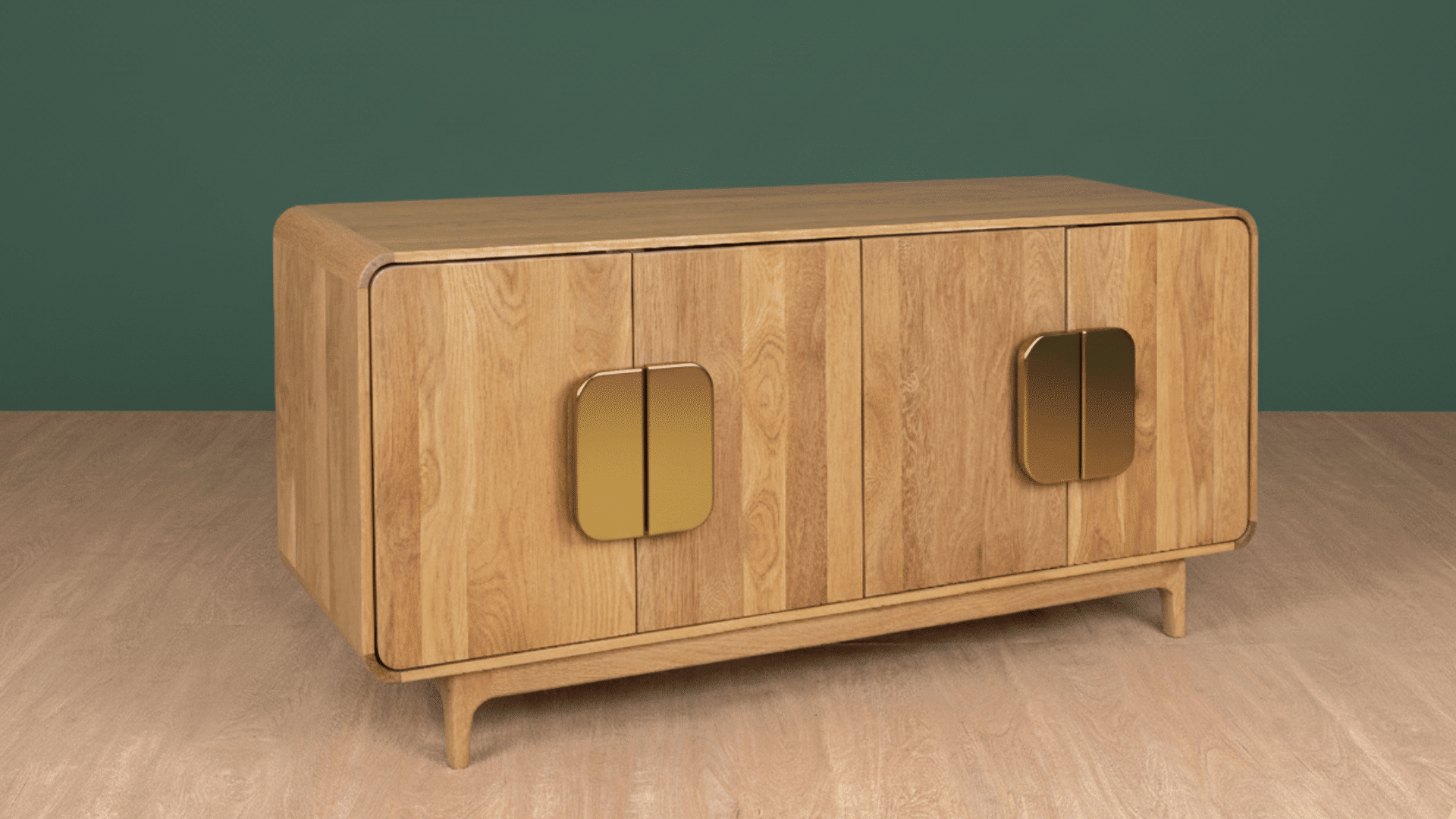
Oak is strong, durable, and has a beautiful open grain that gives furniture a timeless look. It resists scratches and lasts for many years.
Because it stains well, it suits both light and dark finishes. Oak is perfect for sturdy pieces like dining tables, cabinets, and everyday furniture.
2. Walnut
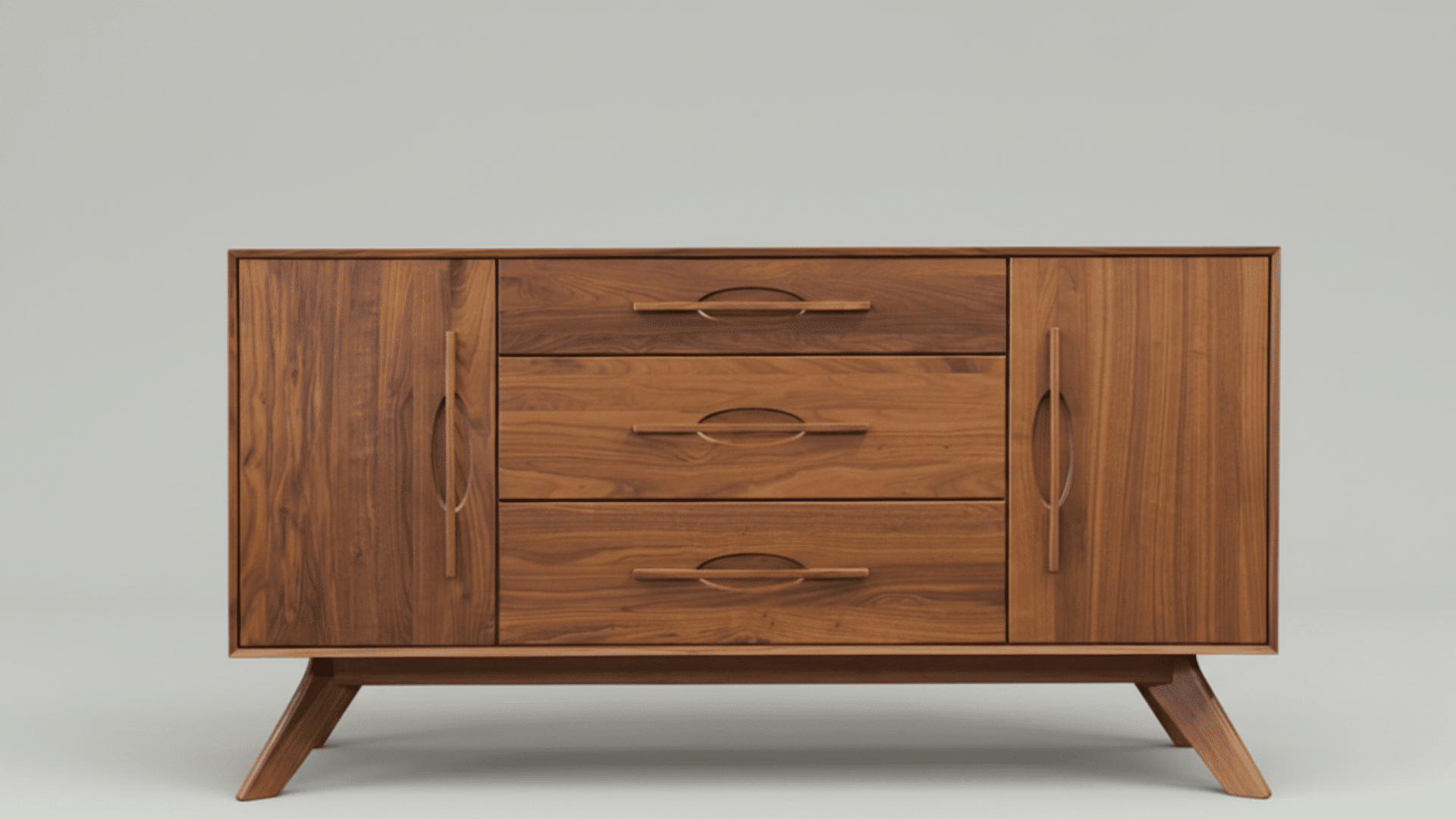
Walnut is a dark, rich wood known for its smooth texture and elegant finish. It adds luxury to any space and keeps its beauty for years.
Though more expensive, it’s stable and resists warping. Its deep brown color makes it ideal for premium furniture like desks, headboards, and statement pieces.
3. Cherry
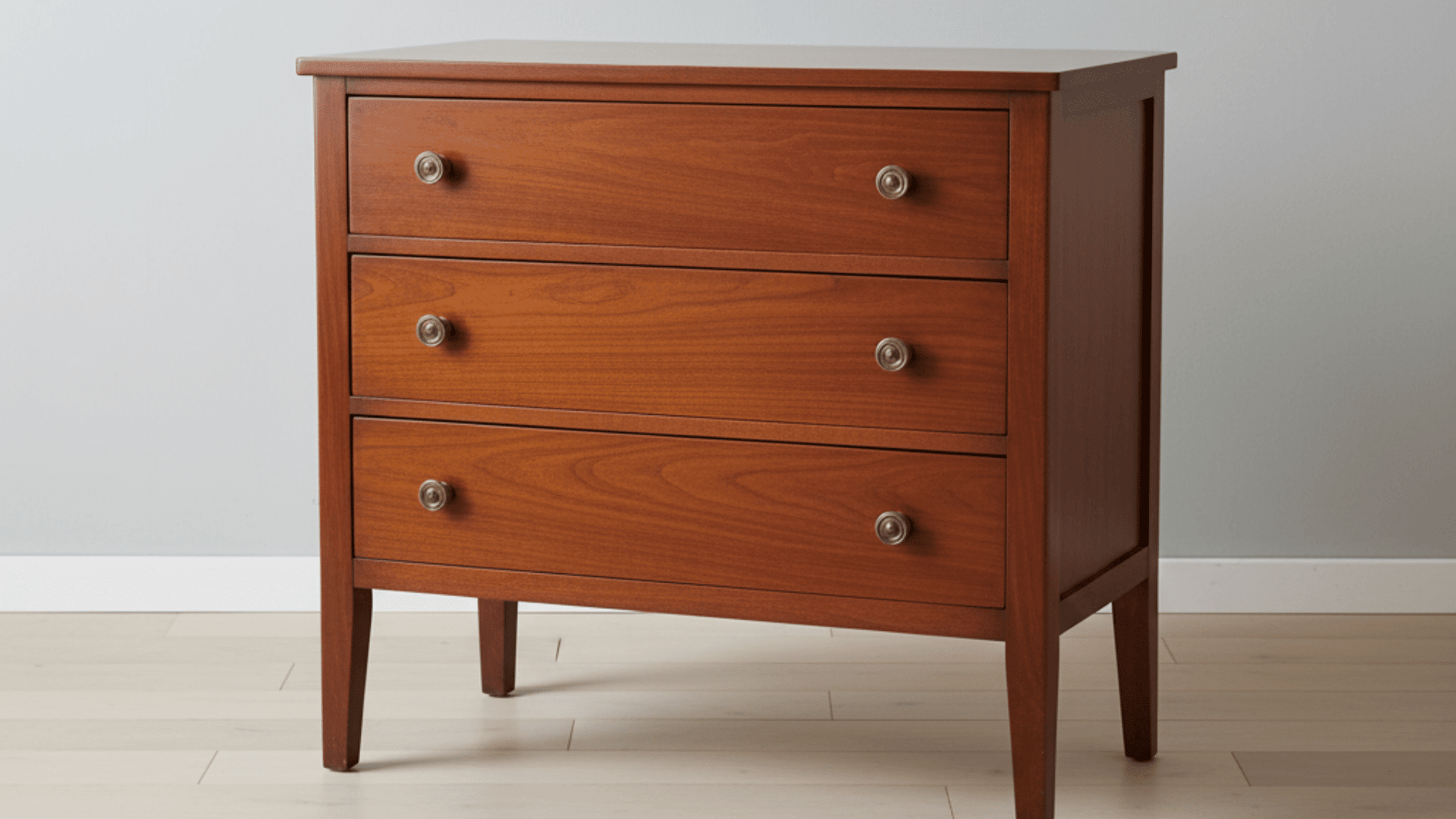
Cherry wood has a smooth texture and starts with a light color that darkens over time into a deep reddish tone. It’s easy to shape and polish, giving furniture a refined, warm look.
Its aging process adds natural charm, making it great for dressers, cabinets, and traditional furniture designs.
4. Mahogany
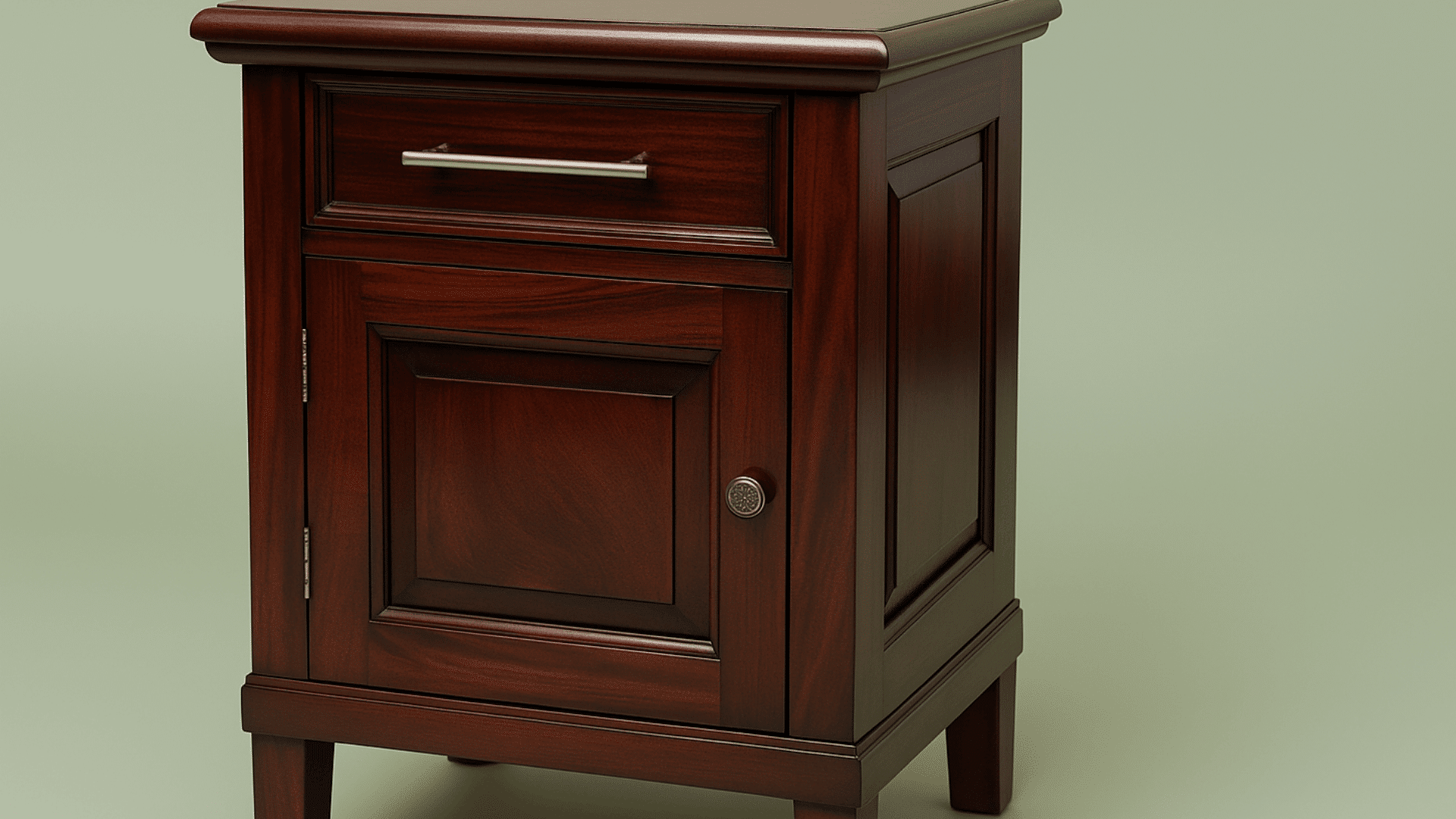
Mahogany is a dense, reddish-brown wood with a fine, straight grain. It’s durable, stable, and resists moisture, which helps it last for decades.
Its natural shine gives furniture a luxurious, classic appeal. Mahogany is often used for antique-style wardrobes, office desks, and high-end furniture with elegant finishes.
5. Maple
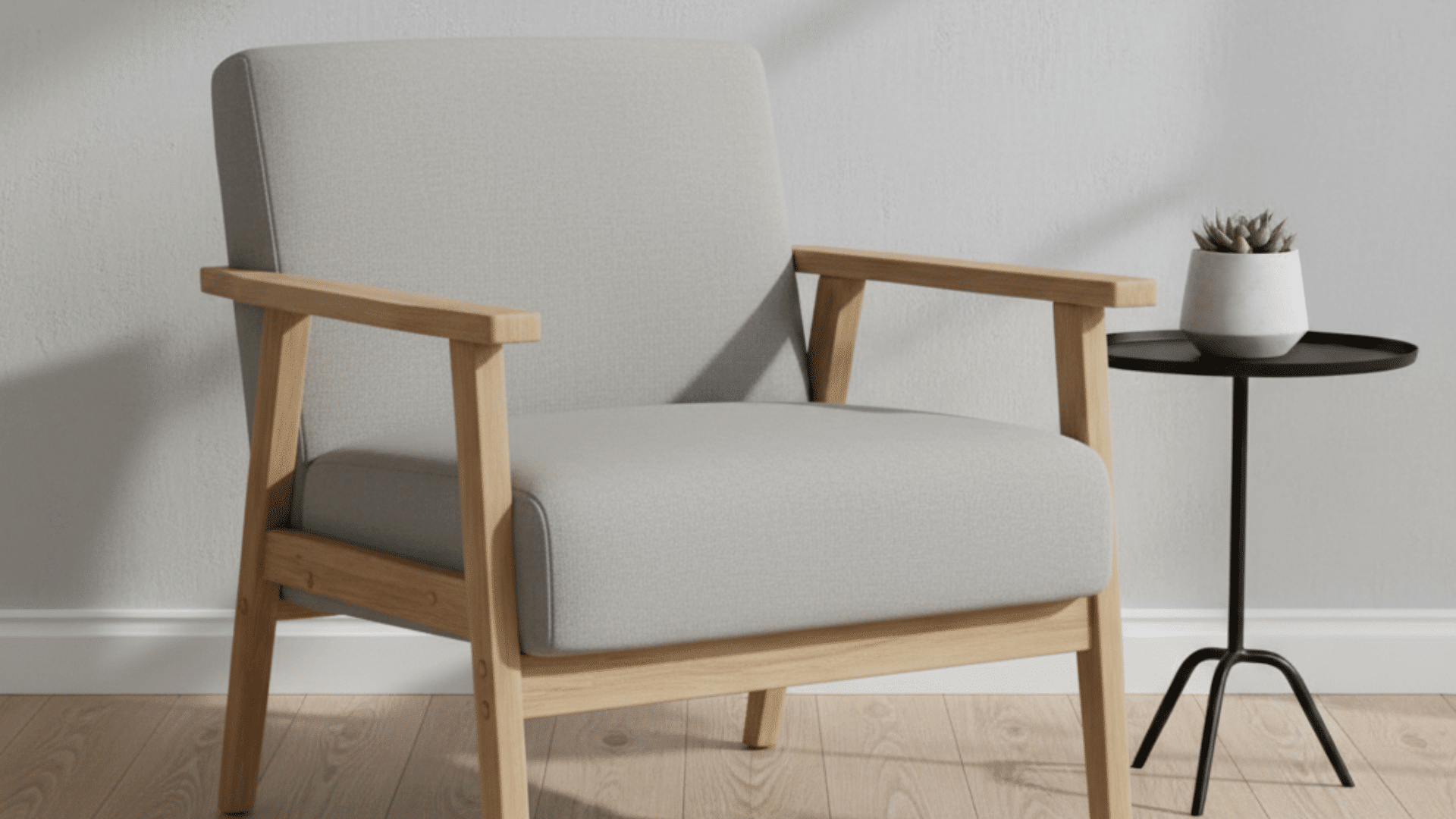
Maple is hard, smooth, and light-colored. It’s strong enough to handle daily use without denting easily. The wood stains evenly, making it great for both modern and traditional looks.
Its clean grain and bright tone fit perfectly in kitchens, bedrooms, and living room furniture.
6. Teak
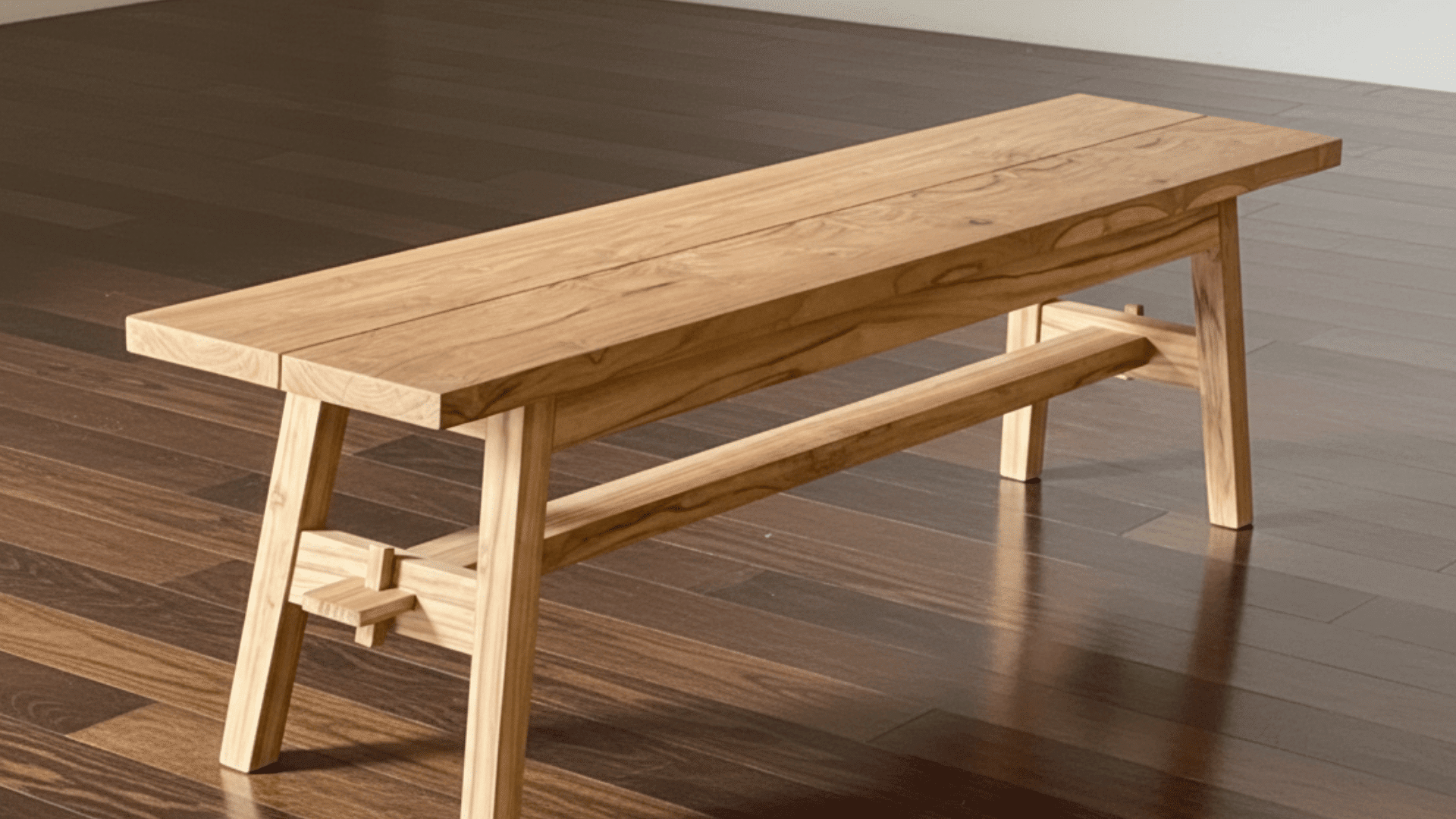
Teak is one of the most durable woods, with natural oils that resist water, decay, and insects. It has a golden-brown color that deepens beautifully over time.
Because it handles moisture so well, it’s often used for outdoor furniture, patios, and garden benches that need to withstand the weather.
7. Rosewood
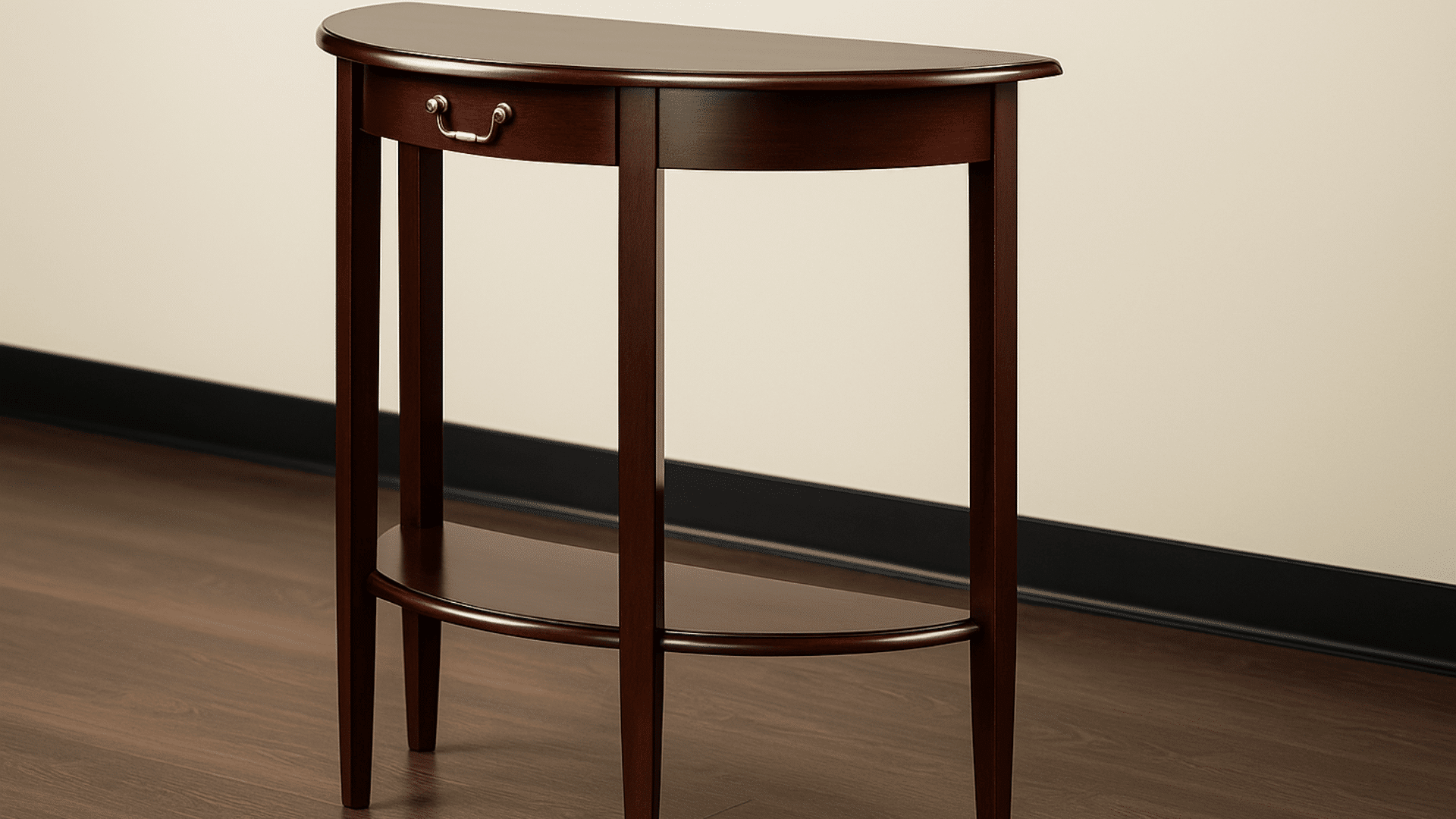
Rosewood is a dark, dense wood with rich reddish tones and dark streaks. It has a natural fragrance and smooth finish that adds sophistication to any space.
Known for its strength and beauty, it’s commonly used in high-end furniture, coffee tables, and decorative pieces that need a luxurious look.
8. Acacia
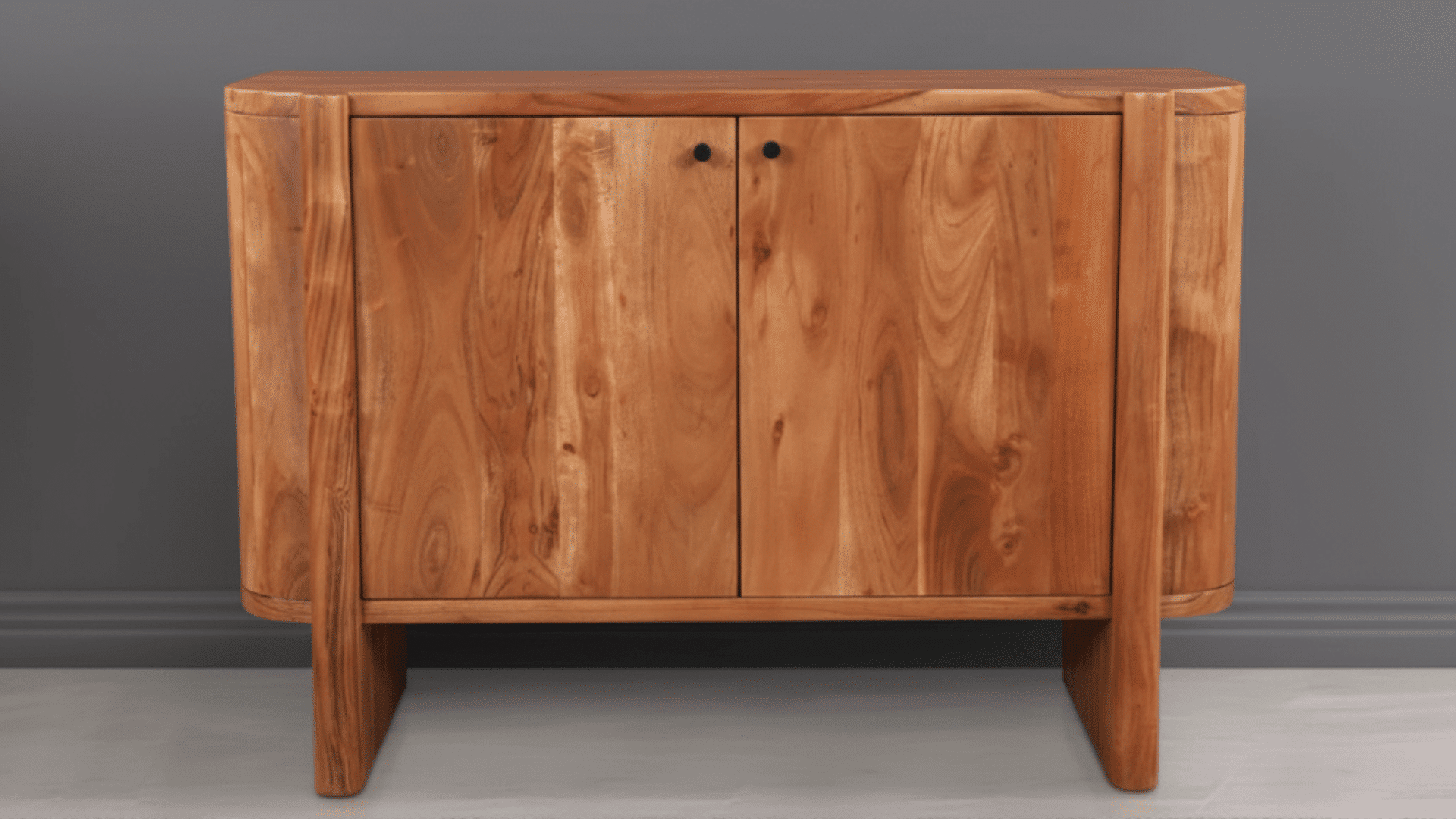
Acacia is a durable, eco-friendly wood with a warm golden-brown shade and distinct grain. It naturally resists water and scratches, making it a practical and sustainable option.
Acacia’s smooth texture and shine add comfort and character to homes, making it great for dining tables, benches, and statement furniture.
9. Alder
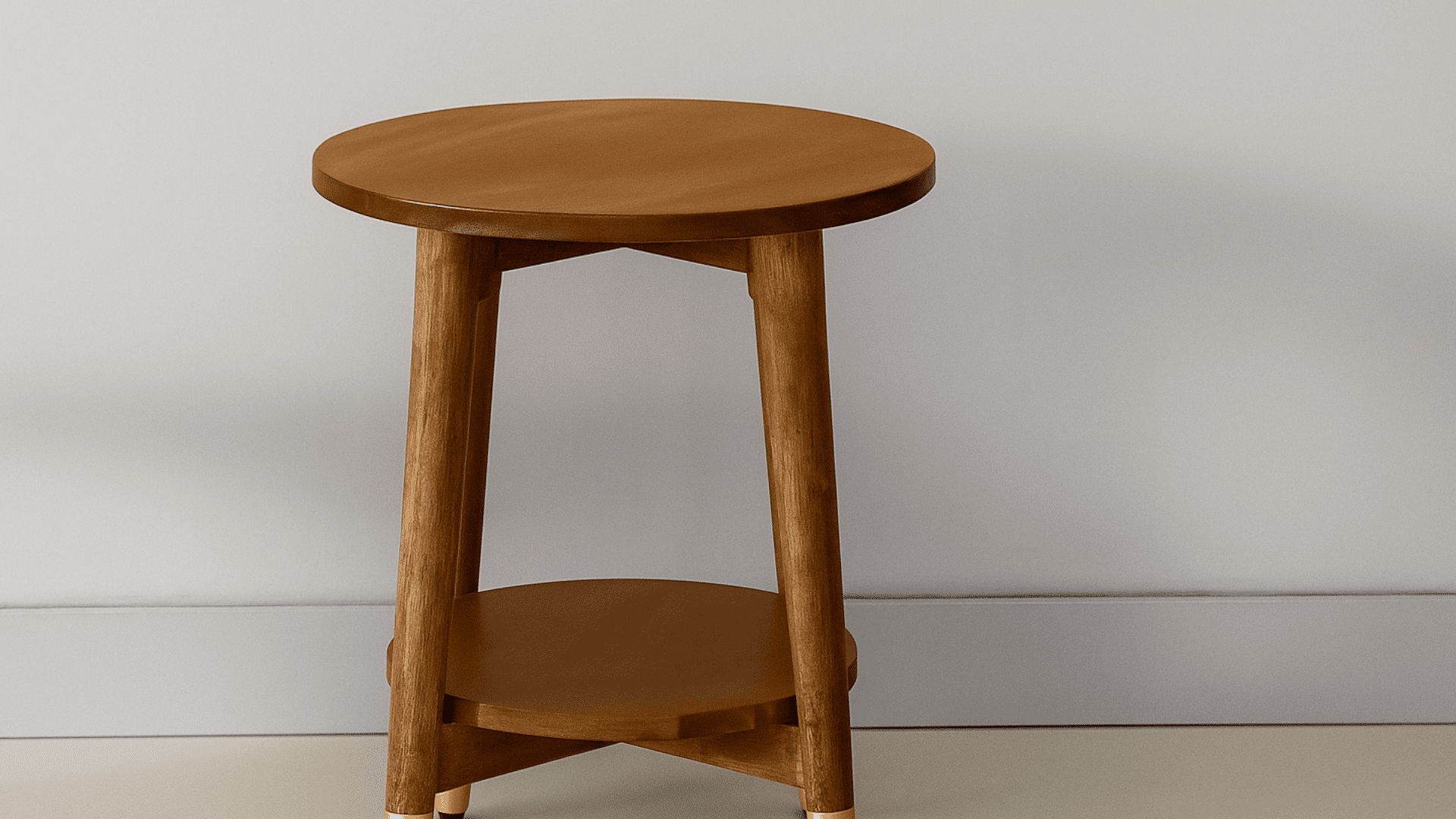
Alder wood is light, smooth, and easy to work with. It takes stain evenly and brings a soft, natural warmth to furniture.
It’s often chosen for simple, stylish designs that look timeless. Because of its stability and clean grain, alder is popular for cabinets, drawers, and light home furniture.
10. Ash
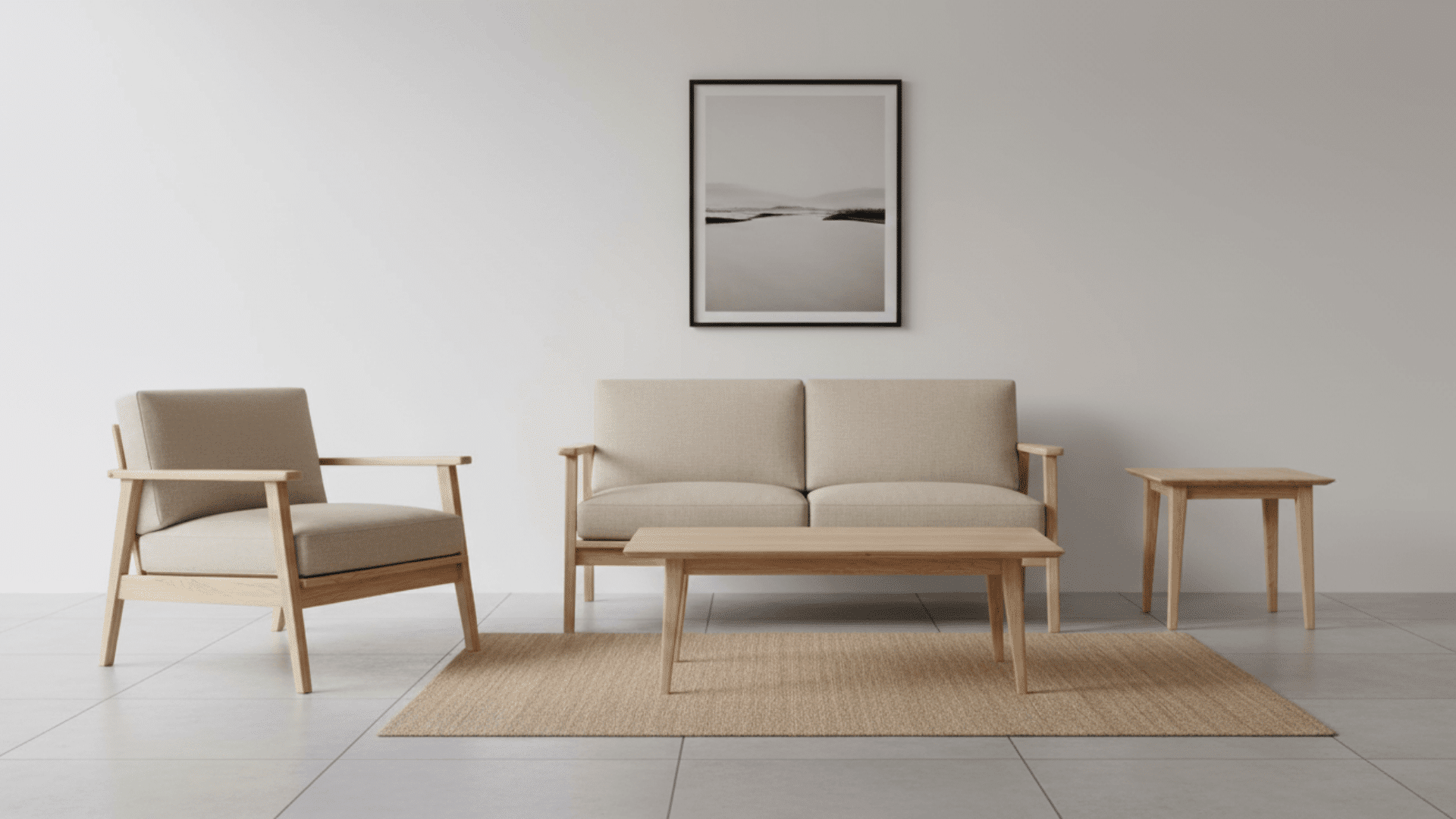
Ash is a pale, smooth wood known for its strength and flexibility. It’s often used for furniture that needs bending or shaping, like chairs or curved frames.
Its light tone fits bright and modern interiors, while the visible grain adds texture and depth to minimalist spaces.
11. Beech
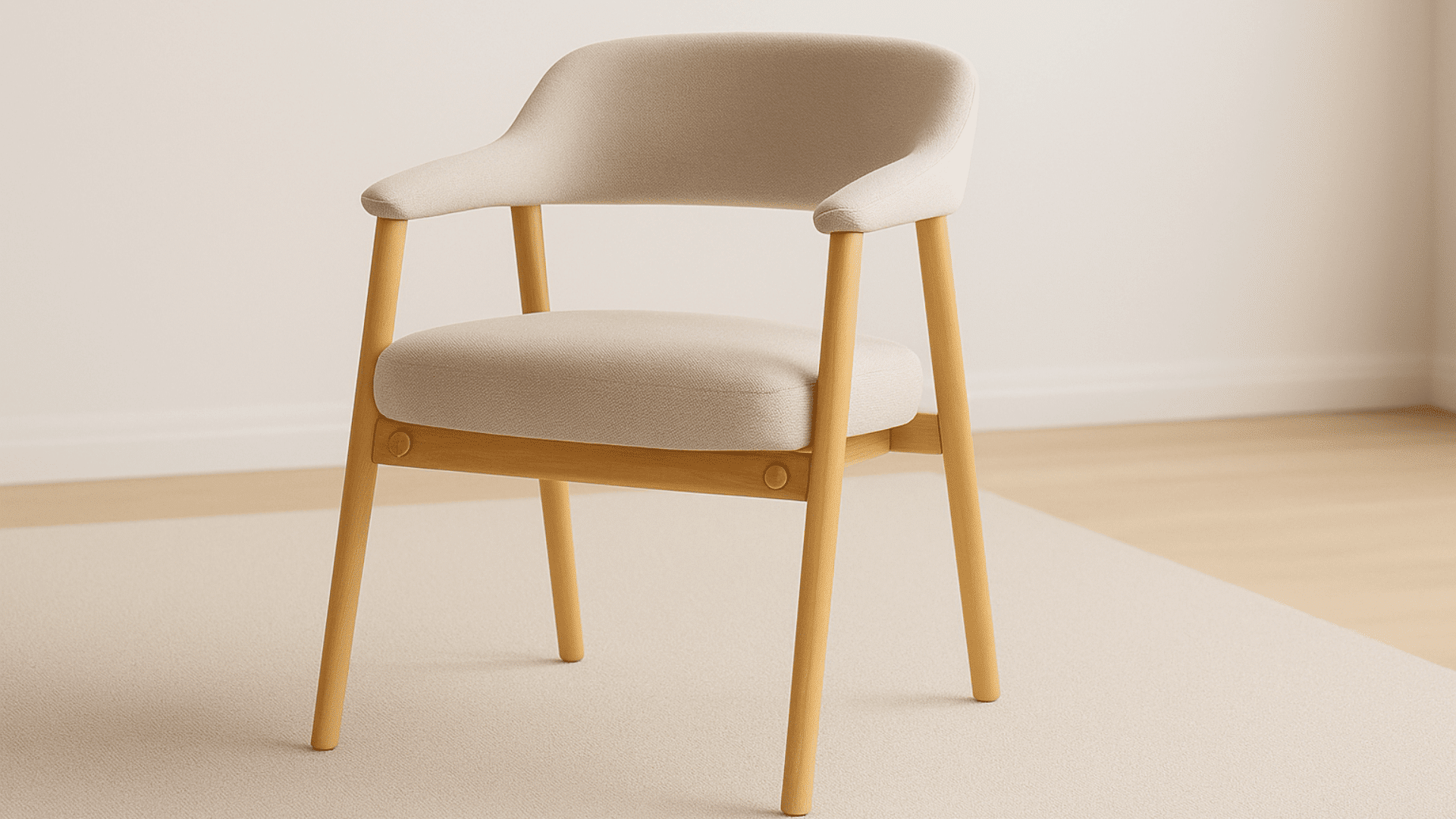
Beech wood is light-colored, smooth, and very strong. It can be bent into curved shapes without cracking, which makes it great for modern furniture.
Its fine texture and even grain give a clean, polished look. Beech is often used for chairs, stools, and solid wooden frames that need strength and balance.
12. Hickory
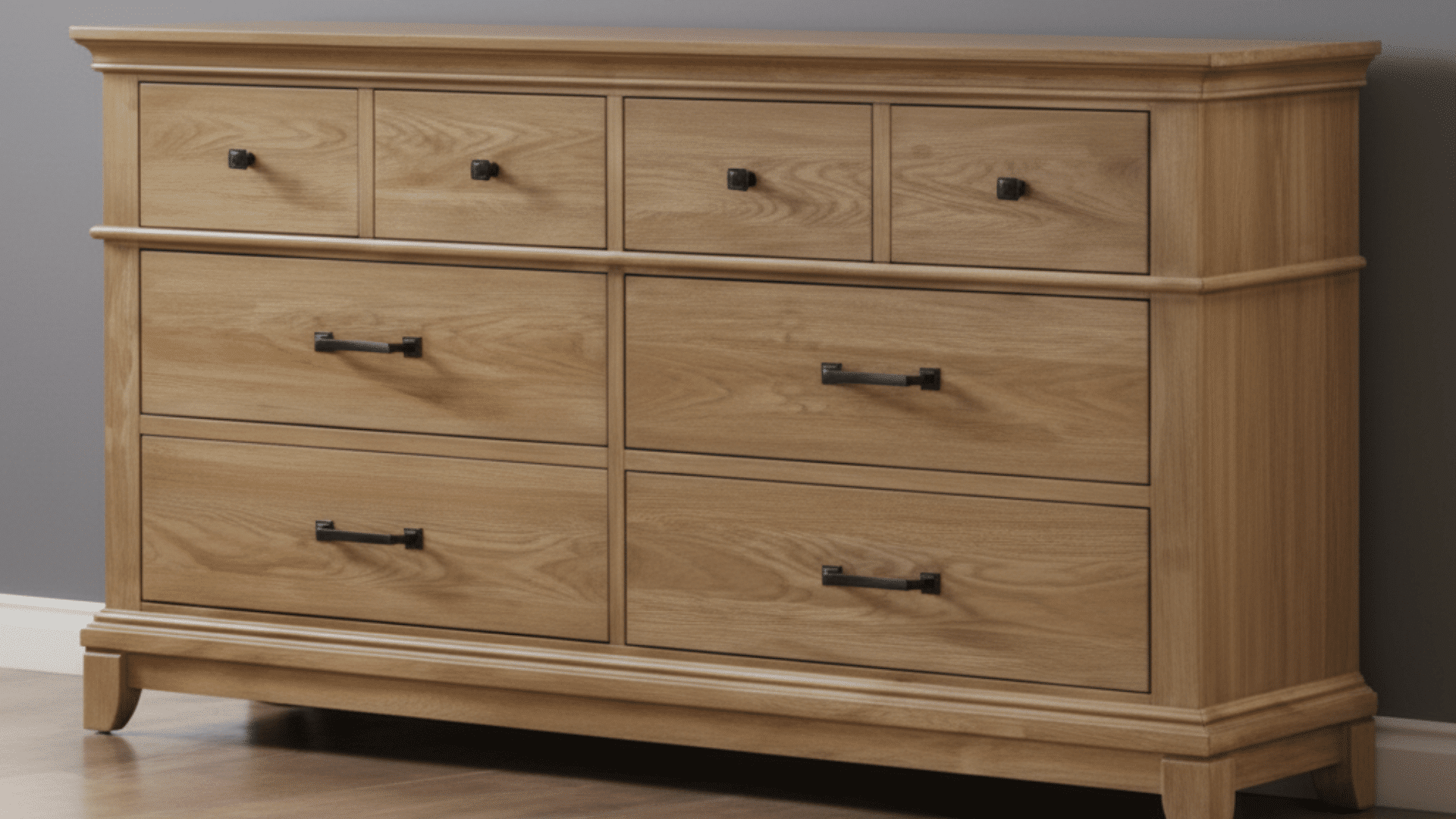
Hickory is one of the hardest woods available and has a bold, natural grain. It’s durable, heavy, and resistant to damage, making it ideal for busy homes.
The wood’s rustic look and color variation give furniture a cozy, country-style feel, perfect for tables, cabinets, and sturdy household pieces.
13. Bamboo
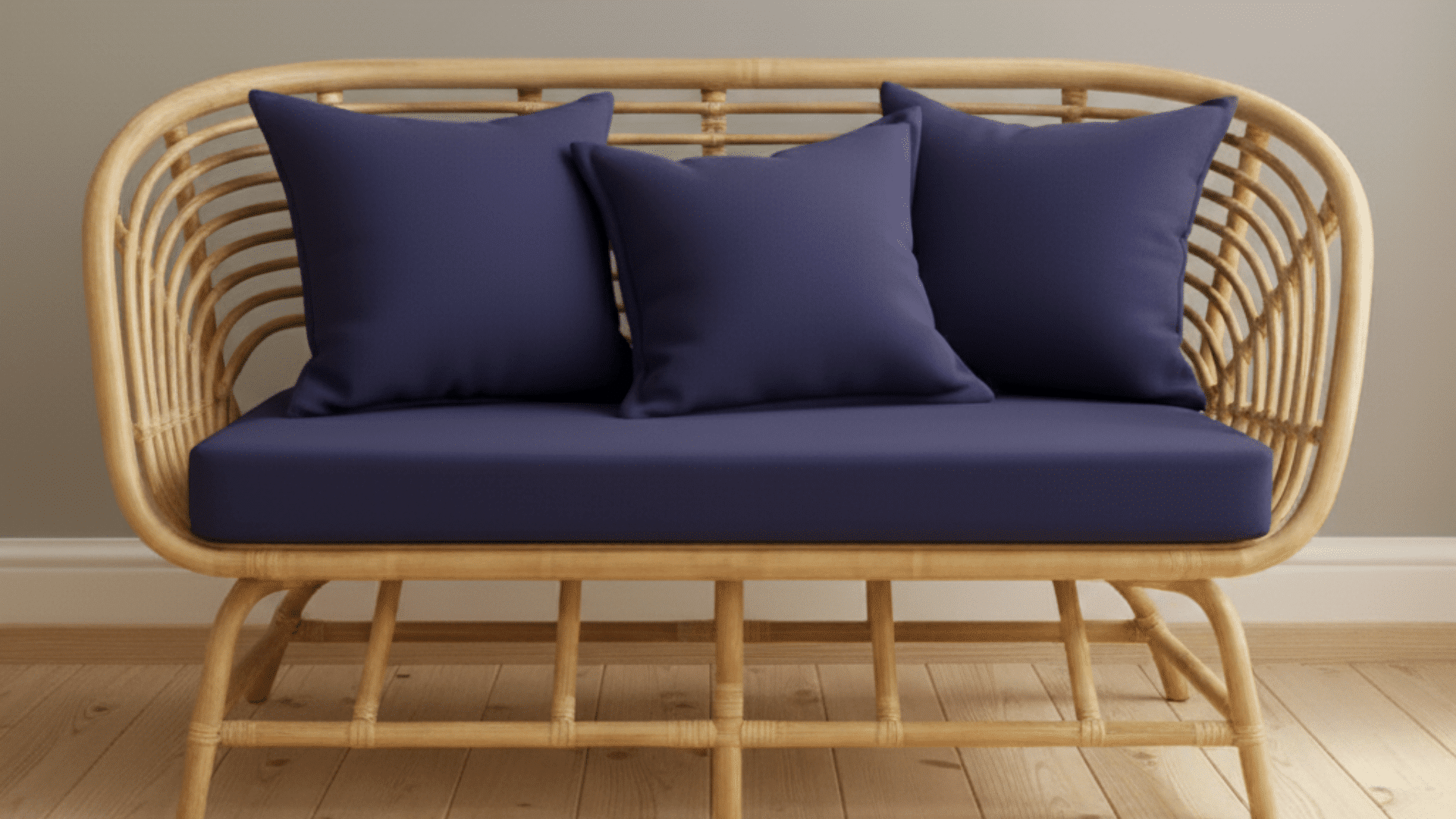
Bamboo is a fast-growing, eco-friendly material often used as wood. It’s lightweight yet strong and has a clean, smooth texture.
Its natural finish gives a fresh, modern look to interiors. Because it’s sustainable and durable, bamboo is perfect for shelves, small tables, and minimalist furniture designs.
14. Mango Wood
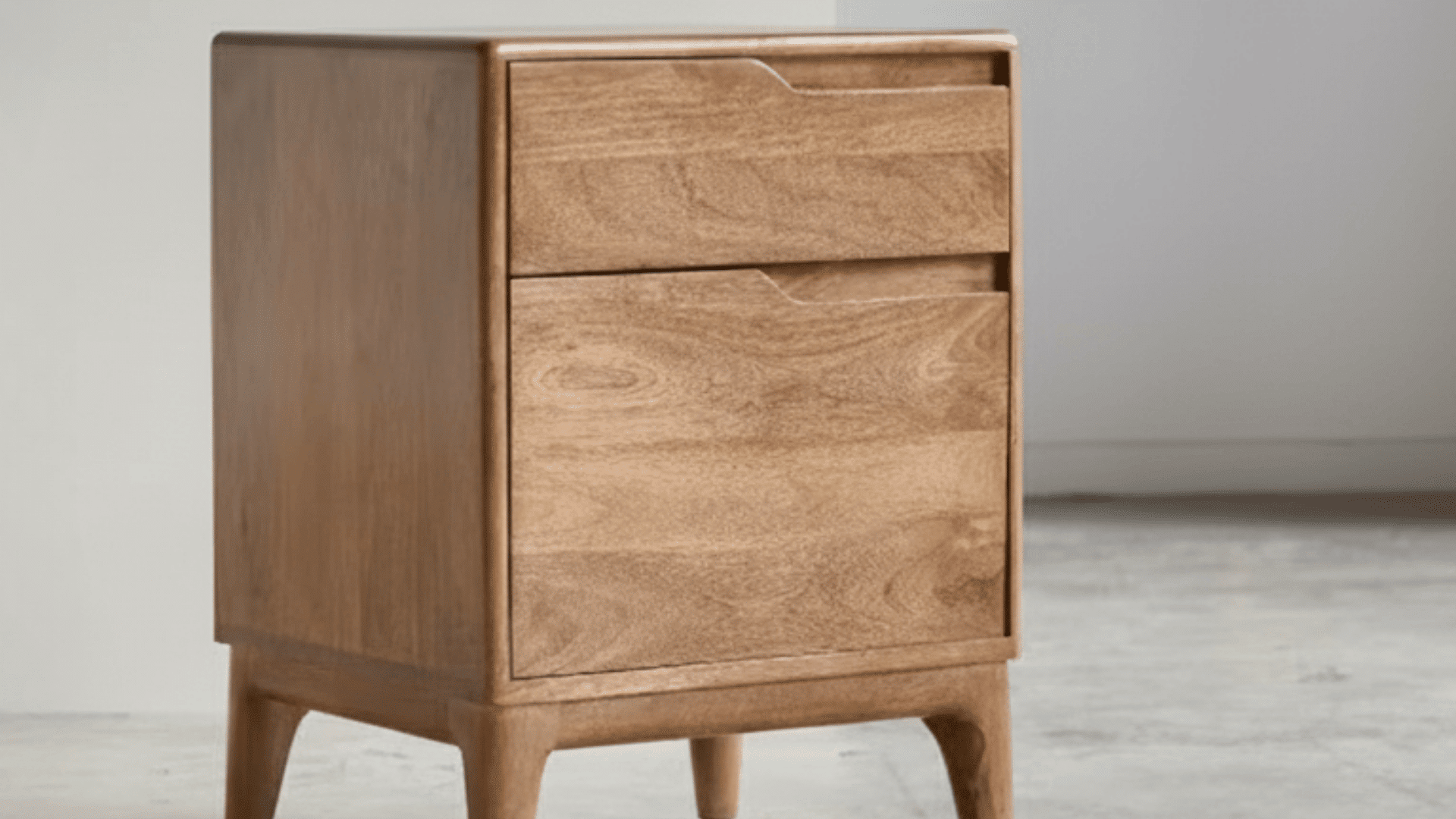
Mango wood is dense, durable, and made from trees that stop producing fruit. It’s an eco-friendly choice with a warm tone and unique grain marks.
Each piece looks slightly different, adding character to furniture. It’s ideal for rustic and artistic designs like coffee tables and accent pieces.
15. Mindi Wood
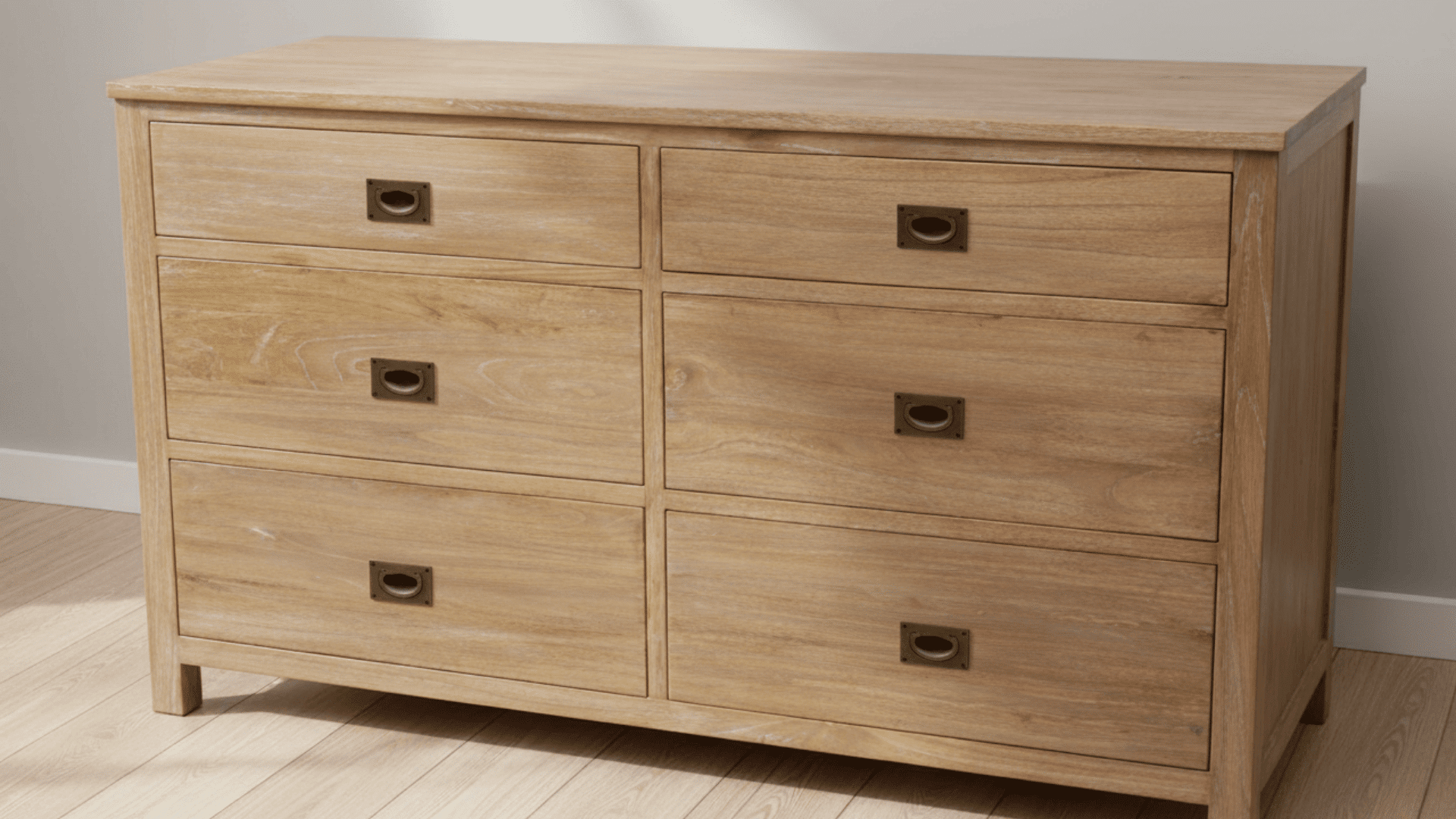
Mindi wood is light, easy to work with, and resistant to decay. It takes finishes well, giving furniture a smooth, attractive surface.
Its subtle grain pattern and natural tone make it great for casual, elegant designs. It’s often used for cabinets, dressers, and decorative home furniture.
16. Pine
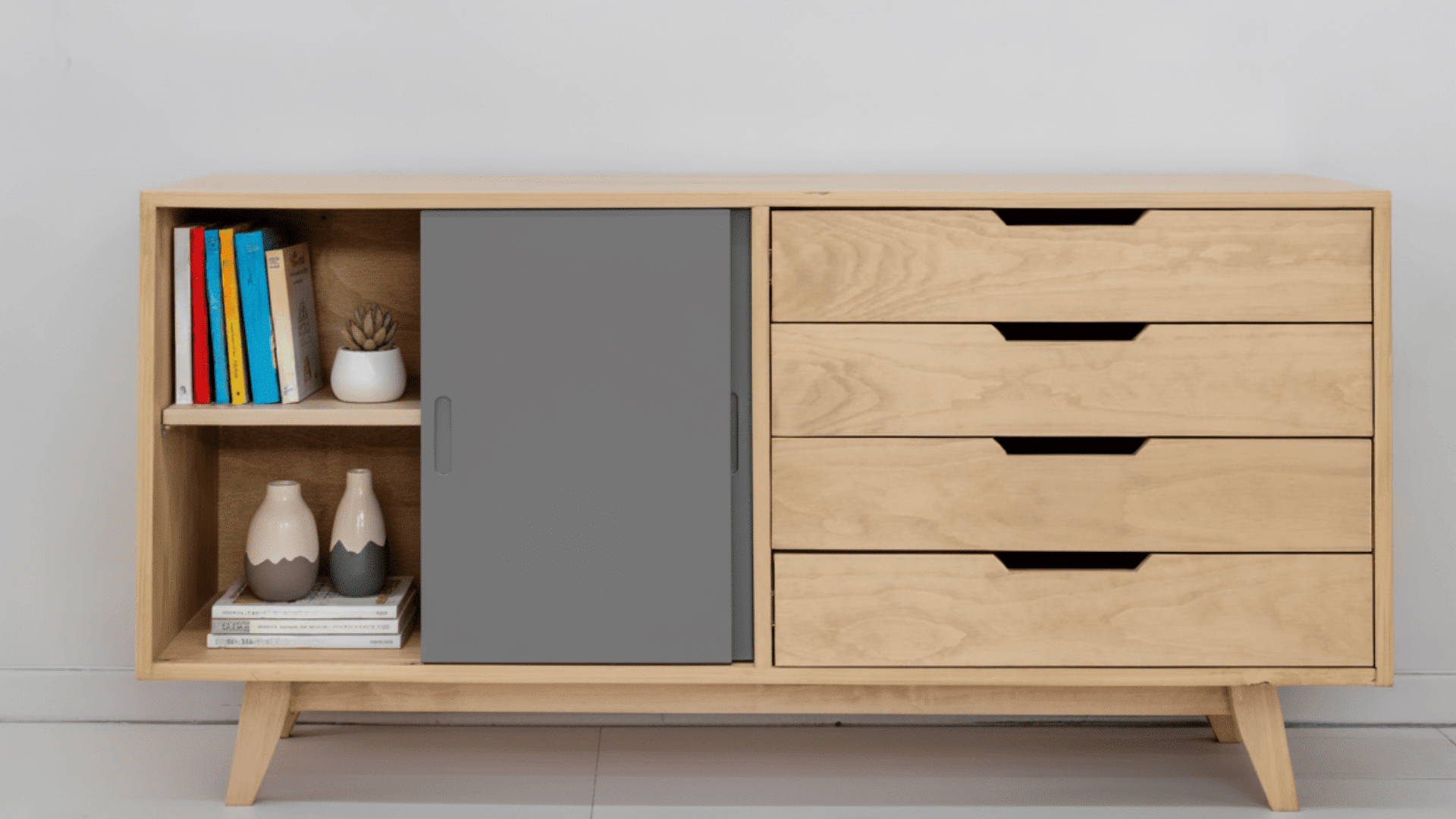
Pine is soft, light, and very affordable. It’s easy to cut and paint, which makes it perfect for DIY or beginner projects.
The light color mixes with any décor style, and it’s ideal for casual furniture. Pine works well for bookshelves, bed frames, and painted designs.
17. Cedar
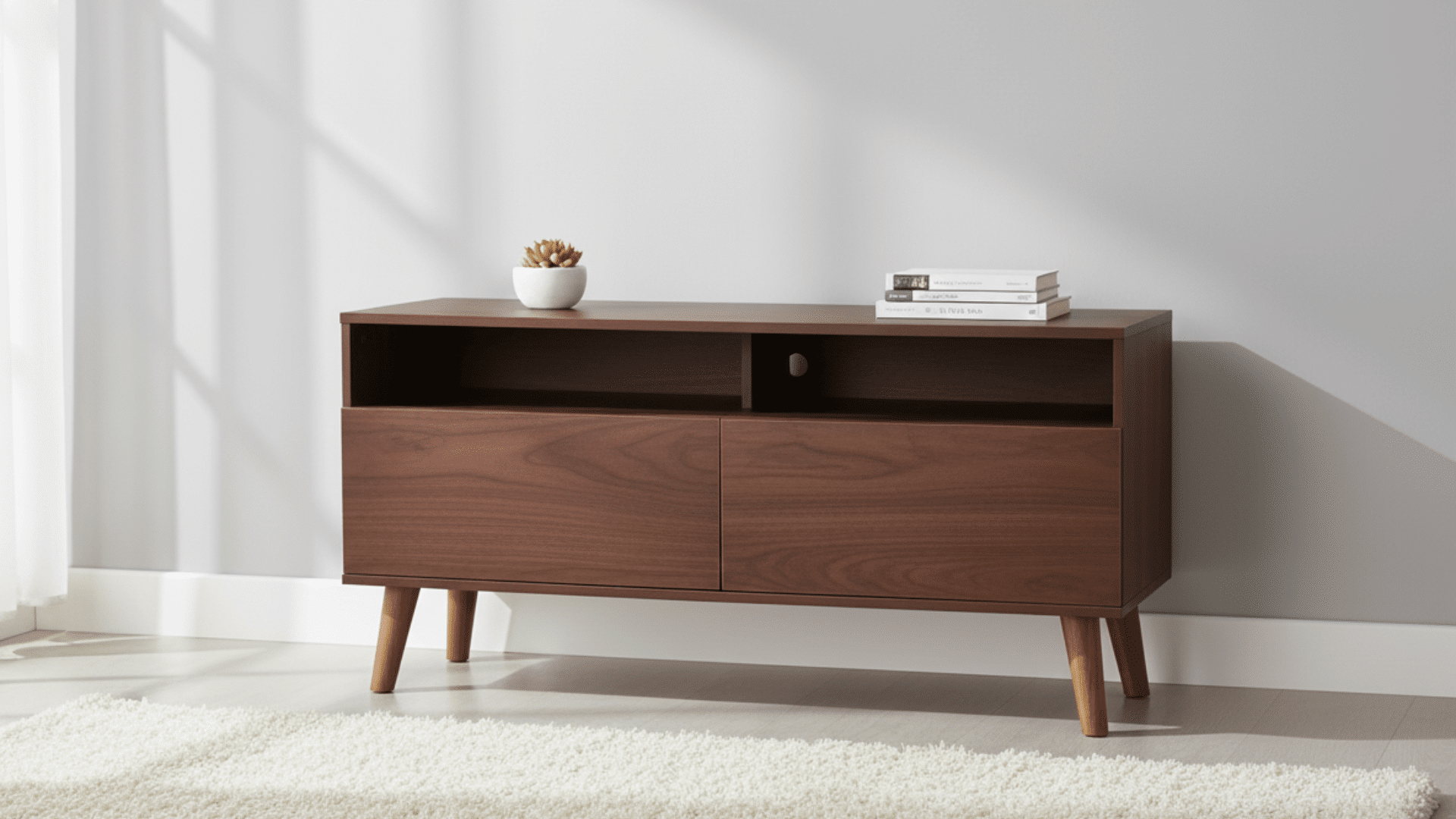
Cedar has a pleasant scent and natural oils that protect it from insects and decay. It’s lightweight but strong enough to last for years.
The reddish tone adds warmth to any space, and it’s often used for cabinets, closets, and outdoor benches where freshness and durability matter.
18. Redwood
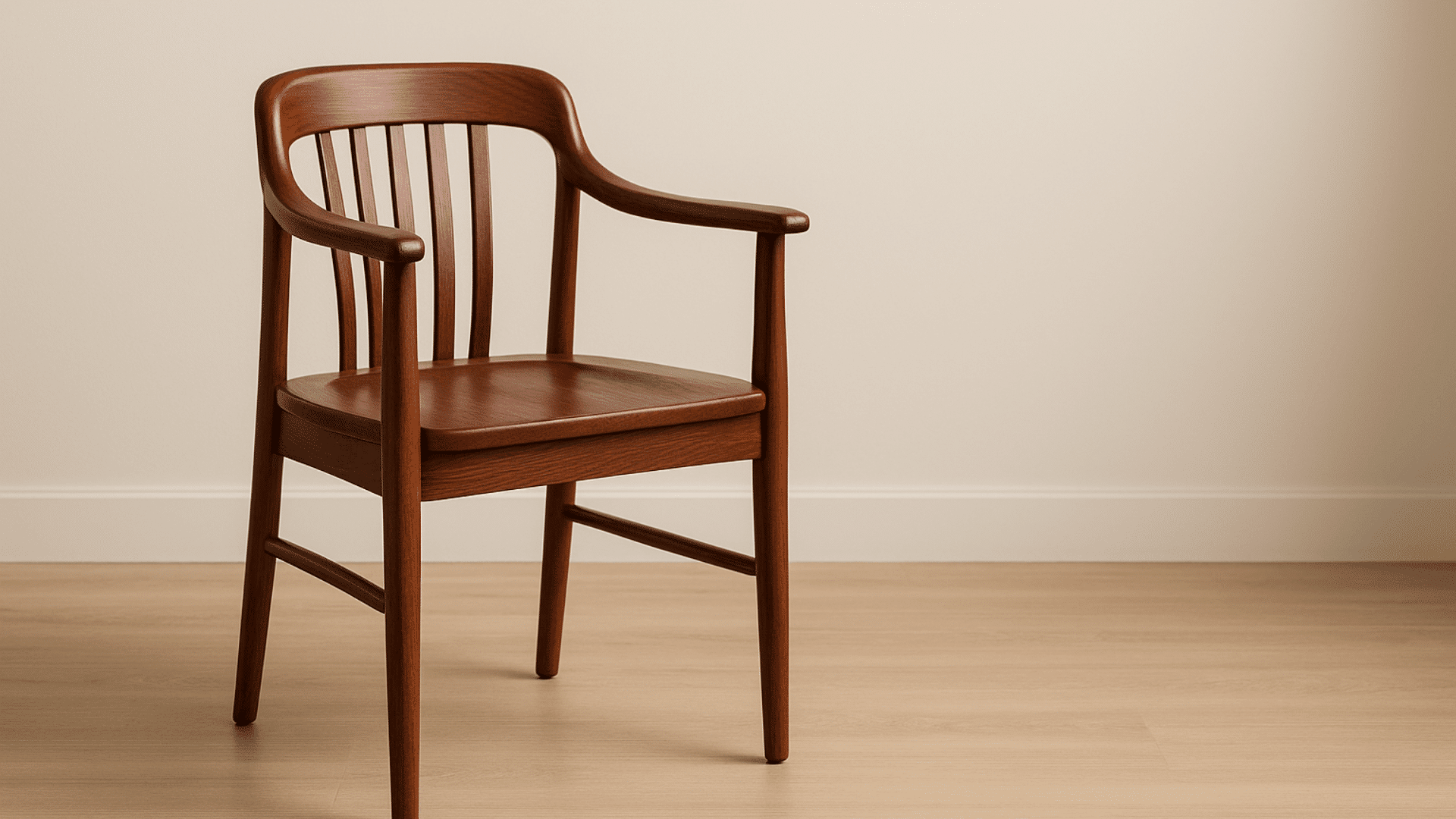
Redwood is strong, weather-resistant, and perfect for outdoor furniture. It has a deep, natural color that darkens over time.
The wood resists moisture, insects, and decay, making it a great choice for patio sets, garden décor, and outdoor tables that stay beautiful through all seasons.
19. Fir
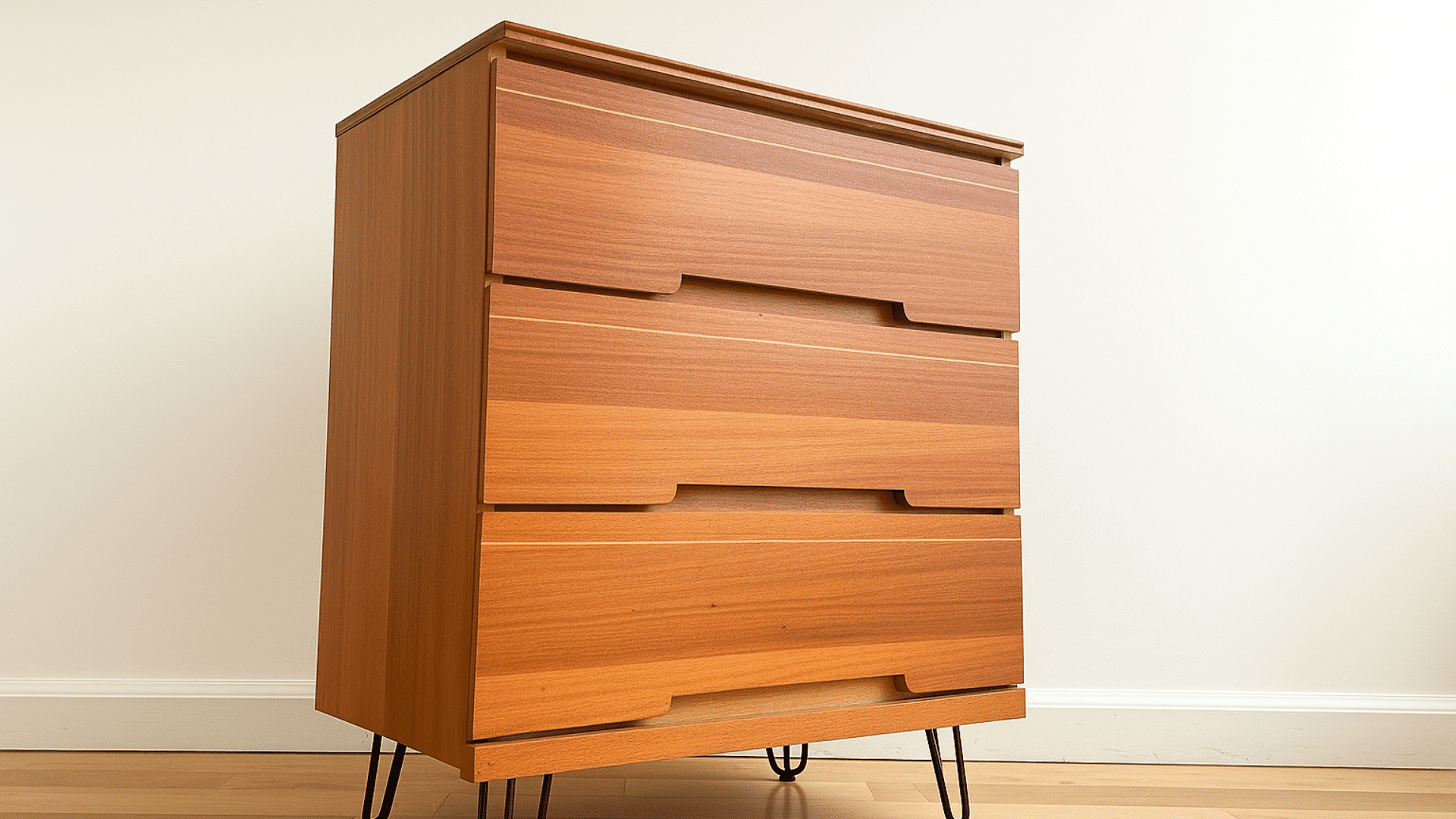
Fir is affordable, easy to shape, and has a straight grain with a smooth texture. It stains evenly and works well for large furniture pieces.
The wood is stable and durable, often used for tables, benches, and rustic furniture that combines strength with natural beauty.
20. Plywood
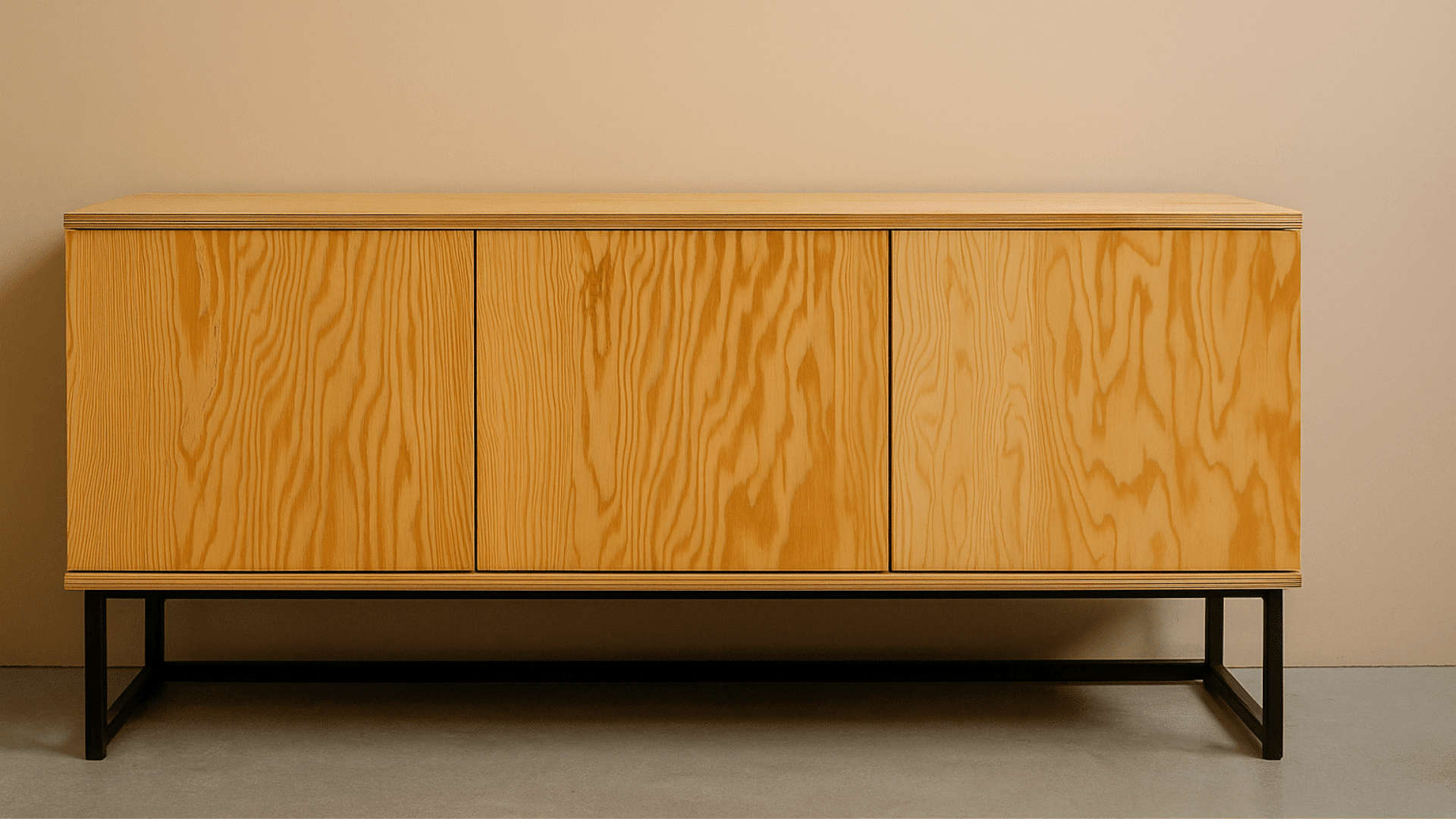
Plywood is made by gluing thin layers of wood together, creating strength and stability. It doesn’t crack or warp easily and is ideal for large, flat surfaces.
It’s often used as a base for furniture like cabinets, shelves, and wall panels because it’s reliable and budget-friendly.
21. MDF (Medium-Density Fiberboard)
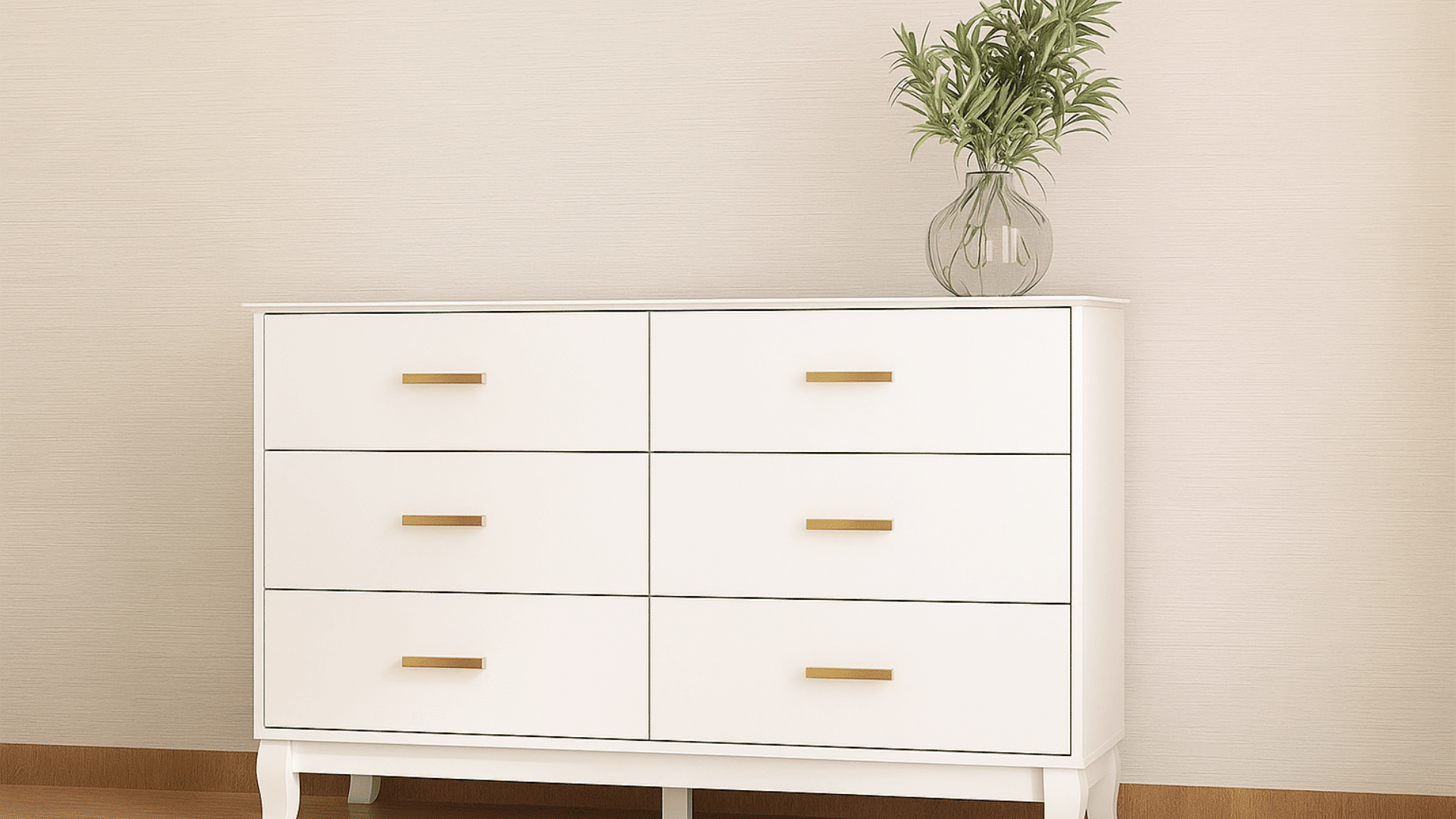
MDF is made from wood fibers pressed together with resin. It’s dense, smooth, and perfect for painted furniture.
The surface is even and easy to shape, but it should be kept away from moisture. MDF is commonly used in shelves, modern furniture, and decorative panels.
22. Veneer
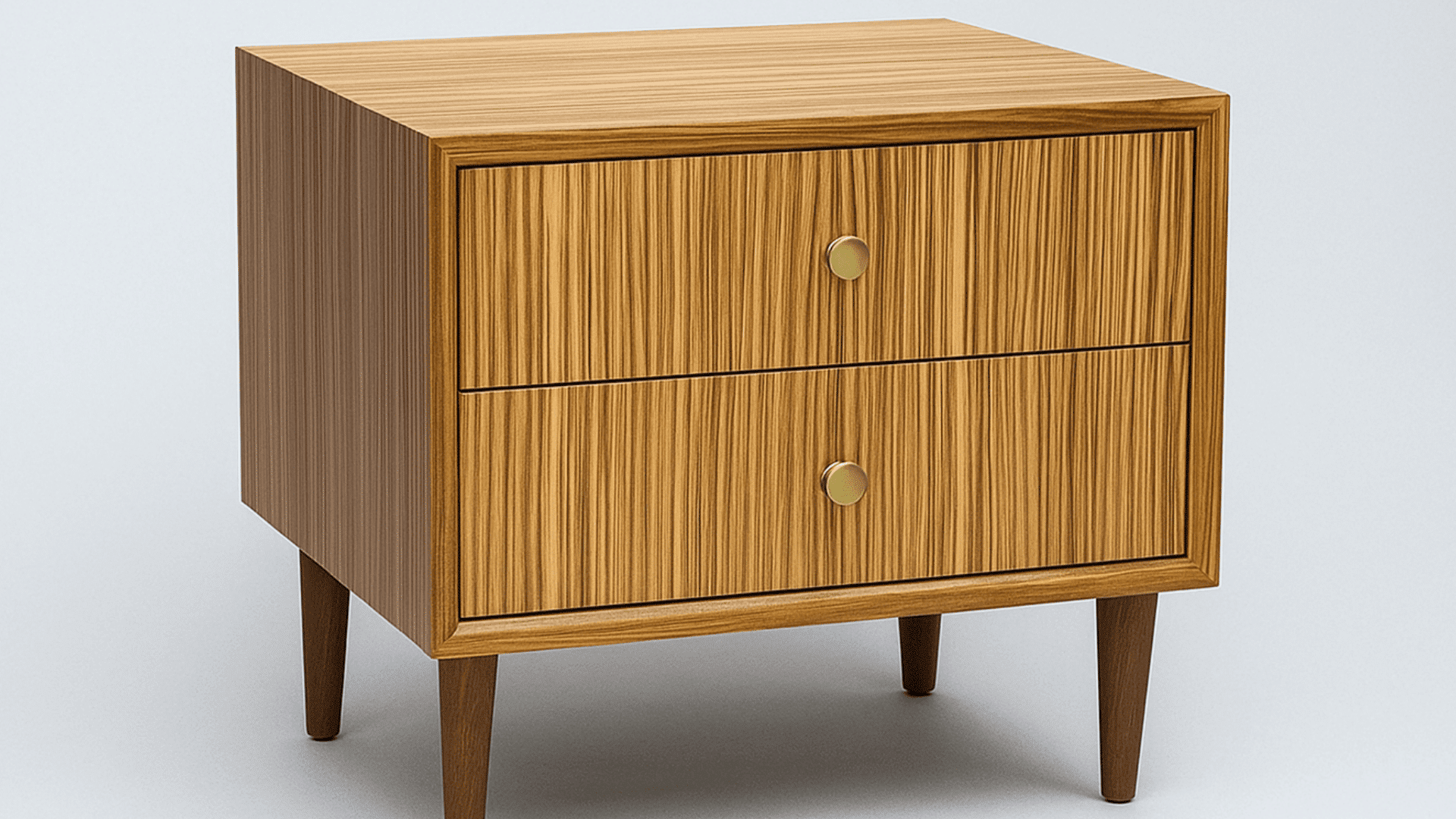
Veneer is a thin layer of real wood attached to a cheaper core like MDF or particleboard. It gives the look of solid wood without the high cost.
It’s smooth and sleek, ideal for office furniture, cabinets, and tables where you want a polished, high-end finish on a budget.
23. Rubberwood
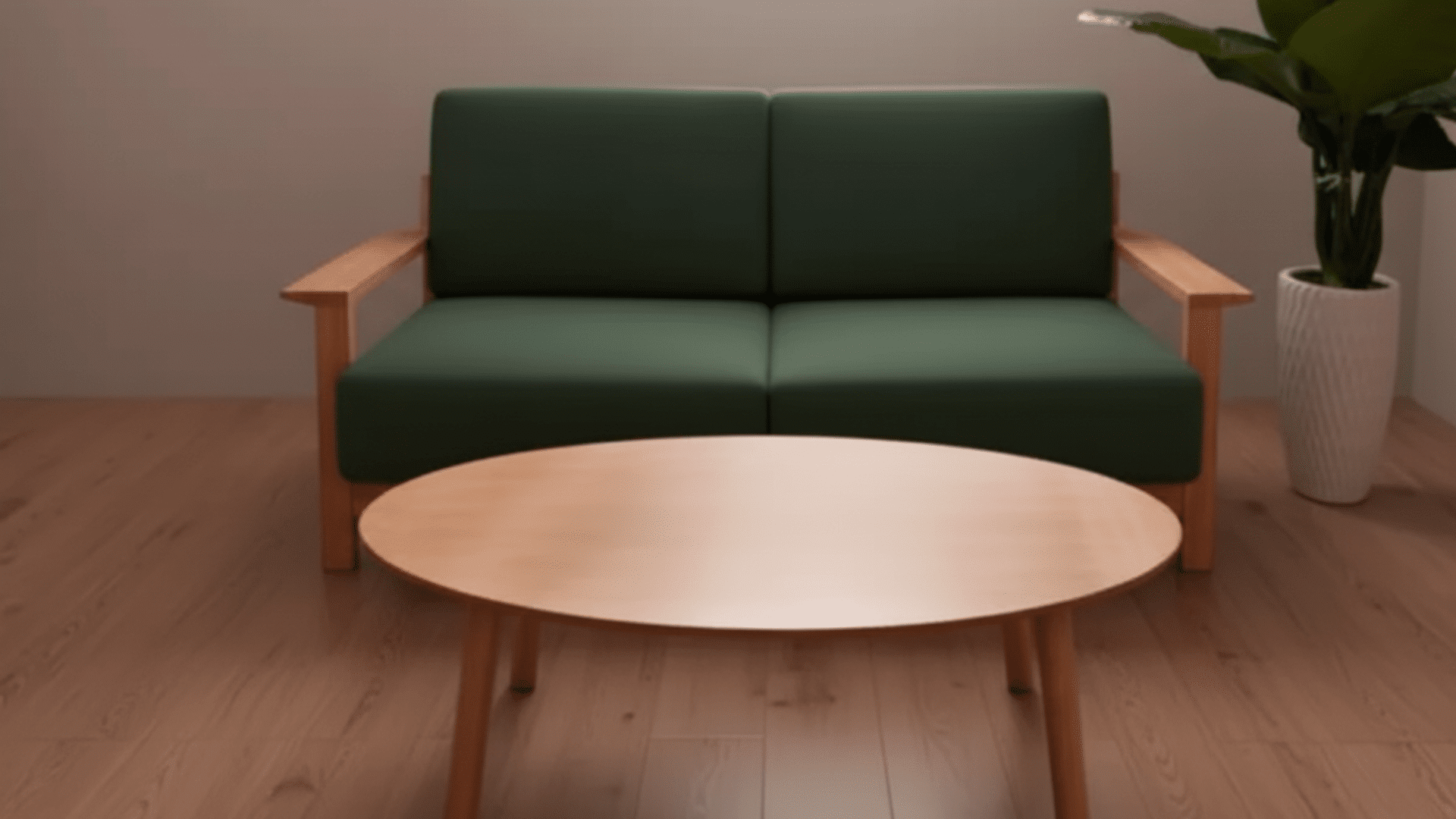
Rubberwood comes from rubber trees that no longer produce latex. It’s eco-friendly, light-colored, and durable enough for everyday use.
The smooth surface stains well, and its sustainability makes it popular for modern homes. Rubberwood is great for dining sets, chairs, and affordable, eco-conscious furniture.
Identifying Wood Types in Furniture
You can often tell what kind of wood your furniture is made of just by looking closely. Grain, color, texture, and a few simple tests can help you spot the difference between real and engineered wood.
| Wood Type | Grain Pattern | Color & Tone | Texture / Feel | Simple Clues |
|---|---|---|---|---|
| Oak | Bold, open grain | Light to medium brown | Slightly rough, strong | Heavy, resists scratches |
| Walnut | Wavy, curly grain | Deep brown | Smooth and dense | Heavy, stays firm under pressure |
| Cherry | Fine, subtle grain | Reddish tone that darkens with age | Smooth and warm | Easy to polish, rich color change |
| Mahogany | Straight, even grain | Deep red-brown | Silky and glossy | Distinct scent, very dense |
| Maple | Very fine-grained | Cream to light tan | Smooth and firm | Hard surface, doesn’t dent easily |
| Teak | Tight, oily grain | Golden to dark brown | Slightly waxy | Heavy, water-resistant |
| Rosewood | Dark streaks, irregular | Reddish-brown | Smooth and aromatic | Sweet scent, heavy and strong |
| Acacia | Wavy or straight | Warm golden-brown | Smooth and natural | Slightly oily, durable |
| Alder | Fine, straight grain | Light brown | Soft and even | Light, dents with pressure |
| Ash | Open, straight grain | Pale beige | Smooth and flexible | Light, springy feel |
| Beech | Tight, uniform grain | Light pinkish cream | Smooth and dense | Bends easily without cracking |
| Hickory | Bold, strong grain | Cream with streaks | Coarse and hard | Heavy, dent-resistant |
| Bamboo | Straight pattern | Light honey tone | Very smooth | Hollow sections, lightweight |
| Mango Wood | Curly, mixed grain | Golden-brown | Slightly rough | Moderate weight, rustic look |
| Mindi Wood | Subtle, straight grain | Light tan | Smooth and soft | Light, stains easily |
| Pine | Straight grain with knots | Pale yellow | Soft and light | Dents easily, resin smell |
| Cedar | Fine, even grain | Reddish tone | Soft and fragrant | Woody scent, light to lift |
| Redwood | Straight grain | Reddish-brown | Slightly coarse | Medium weight, resists rot |
| Fir | Straight lines | Yellowish to light brown | Smooth and dry | Scratches easily, clean scent |
| Plywood | Layered grain on edges | Varies | Smooth or textured | Layers are visible on the sides |
| MDF | No visible grain | Uniform brown | Very smooth | Heavy, dull sound when tapped |
| Veneer | Thin wood layer | Looks like solid wood | Smooth | Thin sheet visible at edges |
| Rubberwood | Straight, neat grain | Pale cream | Smooth | Slight latex scent, firm feel |
Each wood type has its own pattern, color, and texture. By observing these small details, you can quickly recognize the wood used in your furniture and judge its quality and durability.
How to Choose the Right Wood
Choosing the right wood depends on the budget, where you’ll use it, the style, and how much care you can give. The right match makes your furniture durable, beautiful, and practical for daily life.
- Budget: Pine, rubberwood, and mango wood are affordable for everyday use. Maple, acacia, and ash fit mid-range budgets with good strength. Teak, walnut, and mahogany are premium woods that offer luxury and long life.
- Use Case: Maple, cherry, walnut, and oak work best indoors. Teak, cedar, and redwood handle outdoor weather. Acacia and bamboo suit both indoor and outdoor furniture when properly sealed.
- Style Preference: Oak, cherry, and mahogany give a classic feel. Maple, ash, and bamboo fit modern spaces. Pine, acacia, and hickory bring a rustic charm. Walnut, rosewood, and teak offer a rich, luxurious look.
- Maintenance Level: Teak, acacia, and MDF need little upkeep. Oak, maple, and cherry need light polishing. Mahogany and rosewood require regular oiling to keep their shine.
Choosing wood that matches your lifestyle ensures your furniture stays strong, stylish, and easy to maintain for years.
Sustainability & Ethical Sourcing
Sustainable wood protects forests and reduces environmental damage. Choosing the right source helps conserve trees and supports responsible forestry.
Look for FSC-certified wood. The Forest Stewardship Council (FSC) label means the wood comes from responsibly managed forests that protect nature and local communities.
Use reclaimed or recycled wood when possible. It’s made from old furniture or buildings, reducing waste and giving materials a second life.
Choose fast-growing woods like bamboo, mango wood, and rubberwood. They renew quickly and help reduce pressure on natural forests.
Sustainable wood choices protect the planet while giving you strong, long-lasting furniture.
How to Maintain Wooden Furniture
Wooden furniture lasts longer when it’s cleaned and cared for properly. Regular upkeep keeps it looking new and protects it from damage over time.
- Dust regularly with a soft, dry cloth.
- Keep furniture away from direct sunlight and heat.
- Wipe spills immediately to prevent stains or swelling.
- Use coasters, mats, or covers under hot or wet items.
- Polish or oil the surface every few months to keep its shine.
- Avoid harsh cleaners, alcohol, or chemical sprays.
- Maintain normal room humidity to prevent cracks or warping.
- Lift furniture instead of dragging it to avoid scratches or damage.
A little care goes a long way. These small habits help your furniture stay strong, polished, and beautiful for many years.
Conclusion
Finding the right wood isn’t just about looks, but it is also about balance, purpose, and lasting value.
Now that you understand the main types of wood for furniture, you can choose pieces that match your style, budget, and lifestyle with confidence.
Whether you love the strength of oak, the elegance of walnut, or the simplicity of pine, the right choice will improve the home for years.
Each wood brings its own character, turning ordinary furniture into something that reflects your taste and personality.
Ready to pick the perfect wood for your next piece? Start choosing wisely today and make every purchase worth it.