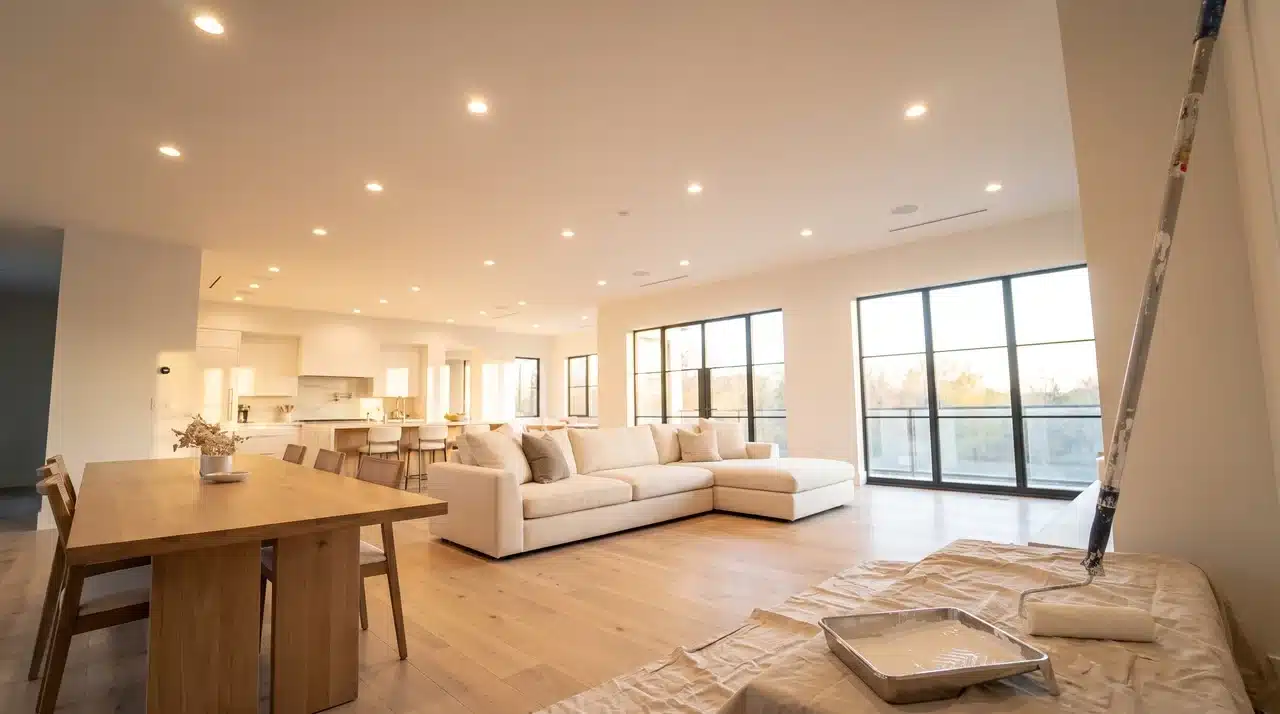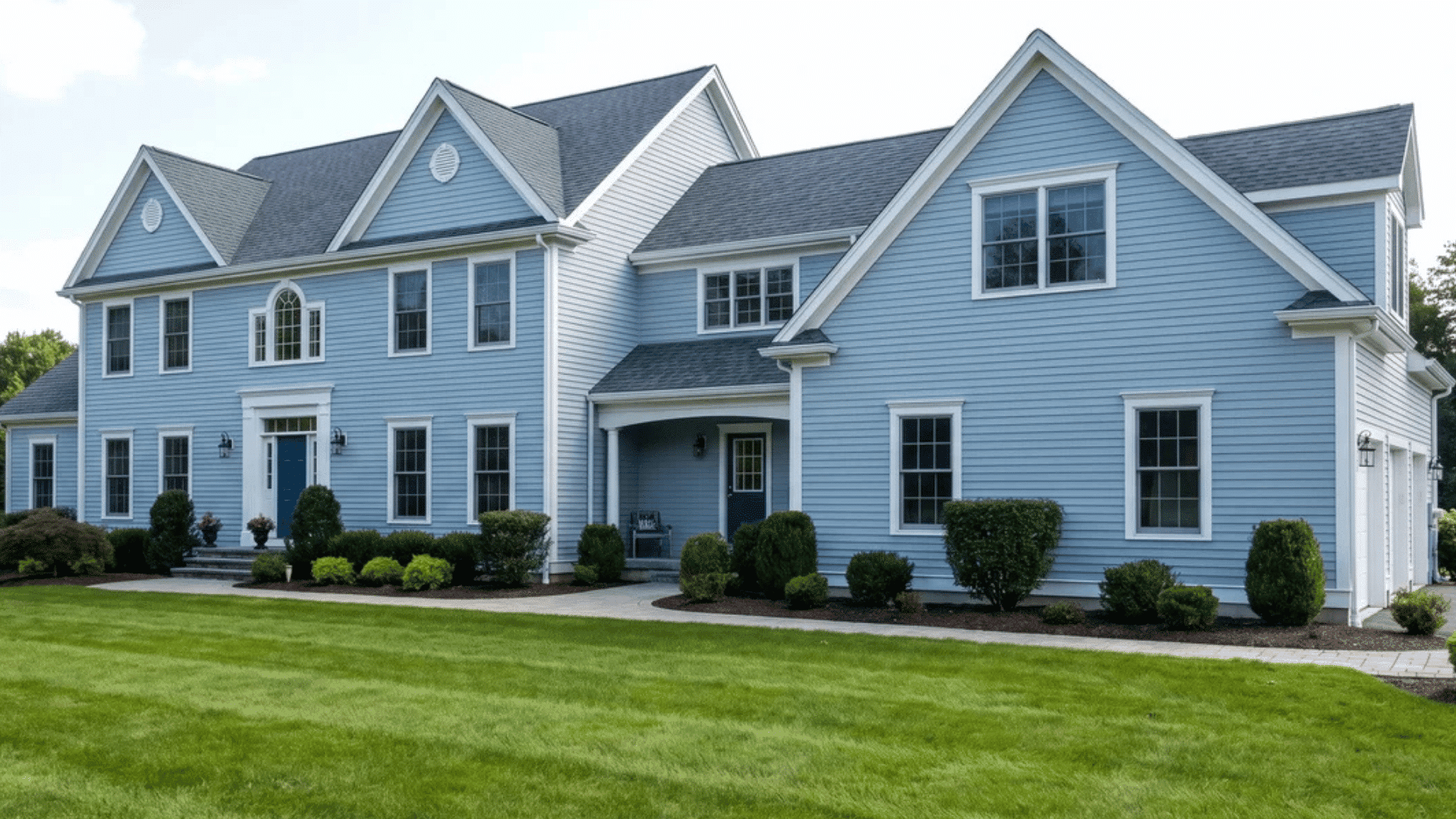


A fresh coat of paint can completely change how your home looks and feels. But before you pick up a brush or call a painter, you need to understand the real cost to paint exterior of house.
Prices vary widely depending on your home’s size, materials, and the quality of paint you choose.
Here, I’ll break down what influences pricing, how to estimate costs, and simple ways to save without cutting corners. You’ll also learn when to repaint, what products last longest, and whether DIY is truly worth it.
Let’s start with what most homeowners want to know first.
Average Cost to Paint a House Exterior
Prices can vary a lot depending on your home size, siding, and where you live, but there’s a clear national average you can use to plan.
On average, painting a house exterior costs between $1.50 and $4.00 per square foot. That means most homeowners spend around $3,000 to $7,000 for a typical house.
Typical Total Cost by Home Size
| Home Size (sq ft) | Estimated Cost Range |
|---|---|
| 1,000 sq ft | $1,500 – $4,000 |
| 1,500 sq ft | $2,500 – $5,500 |
| 2,000 sq ft | $3,000 – $7,000 |
| 3,000 sq ft | $4,500 – $10,000 |
| 4,000 sq ft | $6,000 – $12,000+ |
These numbers include paint, supplies, and labor for a standard exterior paint job.
Where you live plays a big role in the total cost. I’ve noticed prices are higher in big cities and coastal regions because of labor rates and climate factors.
United States:
- Midwest: $1.50–$3.00 per sq ft
- South: $1.75–$3.50 per sq ft
- Northeast: $2.50–$4.50 per sq ft
- West Coast: $3.00–$5.00 per sq ft
Canada:
- Average: $1.00–$4.00 per sq ft
- Small homes: $3,000–$5,000
- Large homes: $7,000–$12,000
Prices shift depending on paint quality, prep work, and accessibility. As I see it, getting at least three local quotes gives you the clearest picture of what you’ll actually pay where you live.
Factors That Affect Exterior Painting Costs
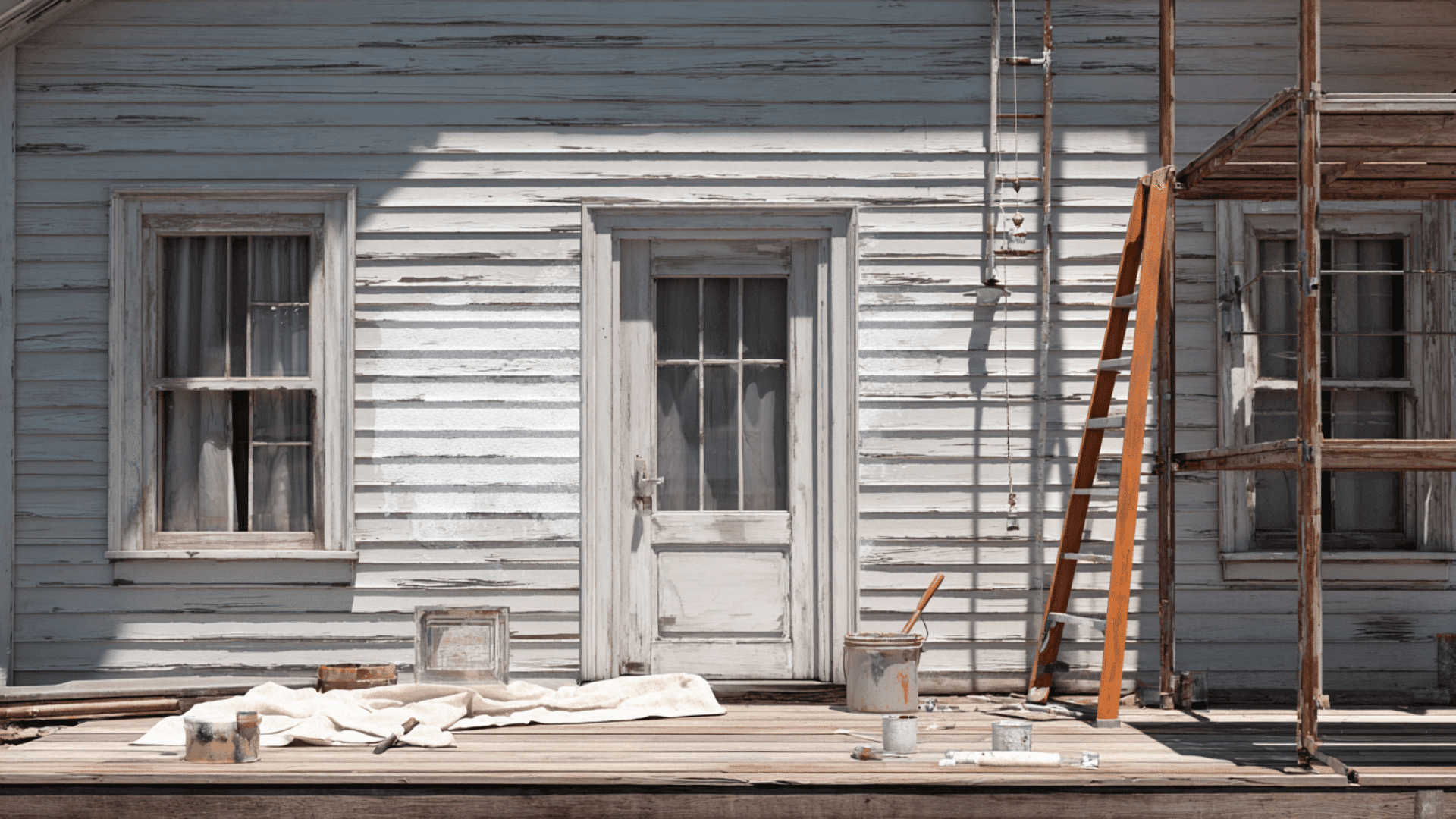
- House size and layout: Larger homes take more time and paint. Multi-story or complex layouts usually cost more because they’re harder to reach and cover.
- Siding material: Brick and stucco absorb more paint and need extra prep, while vinyl and metal are faster and cheaper to coat.
- Labor and prep work: Cleaning, scraping, caulking, and priming can make up a big chunk of labor costs. The more prep needed, the higher the price.
- Paint quality and number of coats: Premium paint lasts longer but costs more upfront. Adding extra coats increases coverage and durability, but also raises the total.
- Trim and accent details: Detailed trim, shutters, or decorative features take more precision and time, which adds to labor costs.
- Number of colors: Using multiple paint colors means more masking, extra materials, and longer painting time.
- Height and accessibility: Tall homes or steep roofs may require scaffolding or lifts, which increases the project cost.
- Climate and season: Extreme temperatures or humidity can affect how paint dries. Painting during mild weather often saves time and money.
From what I’ve seen, combining high-quality paint with good prep work gives the best long-term results, even if it costs a bit more upfront.
Cost Breakdown Example
When it comes to exterior painting, your total cost usually splits between materials and labor. Here’s what that breakdown often looks like for a typical home:
Material Costs
| Item | Typical Cost Range | Notes |
|---|---|---|
| Paint (per gallon) | $30 – $90 | Standard to premium quality; 2–5 gallons for smaller homes, 10+ for larger ones |
| Primer and caulk | $40 – $150 total | Depends on surface condition and coverage needs |
| Supplies (brushes, rollers, sprayers, drop cloths) | $100 – $300 | Includes basic tools and protective gear for the job |
Material costs usually make up 30–40% of the total price, depending on paint quality and prep needs.
Labor Costs
| Factor | Average Range | Details |
|---|---|---|
| Hourly rate (per painter) | $25 – $75 | Varies by region and experience |
| Man-hours (1,500–3,000 sq ft home) | 50 – 120 hours | Includes prep, priming, and two coats |
| Labor-to-material cost ratio | 60–70% labor / 30–40% materials | Labor is usually the largest expense |
In my experience, hiring experienced painters pays off in smoother finishes and longer-lasting results. You’ll save time and often get a warranty for peace of mind.
DIY vs. Hiring a Professional
I’ve tried both approaches over the years, and I can tell you each has its pros and cons. If you’re deciding whether to paint your house yourself or hire someone, here’s how the two options compare:
Cost Comparison:
| Category | DIY Painting | Professional Painting |
|---|---|---|
| Average cost (2,000 sq ft home) | $1,000 – $2,500 | $4,000 – $7,000 |
| Labor | Your own time and effort | Included in price |
| Paint & materials | $400 – $1,000 | $500 – $1,500 |
| Equipment (ladders, sprayers, etc.) | $300 – $800 (buy/rent) | Provided by contractor |
| Time required | 5–10 days (solo) | 2–4 days (crew) |
| Finish quality | Varies by skill | Smooth, even, and durable |
| Warranty or guarantee | None | Often included |
Skill and Time Requirements:
Painting your own home isn’t as easy as it looks. You’ll need solid prep skills, patience, and plenty of free time. Professionals work faster, handle repairs, and usually guarantee the finish.
Equipment Rentals or Purchases:
DIY painting often means renting or buying supplies like ladders, sprayers, and safety gear. That can add up fast, especially if you won’t use them again. Pros bring everything they need, so you only pay once.
Mistakes to Avoid (Common DIY Pitfalls):
- Skipping prep work like sanding or priming
- Using low-quality paint to save money
- Painting in bad weather or direct sunlight
- Ignoring safety precautions on tall areas
- Applying too little paint or uneven coats
From what I’ve seen, DIY painting makes sense if you enjoy hands-on work and have the time. But if you want a lasting finish with less hassle, hiring a pro is usually worth the investment.
How to Estimate Your Exterior Painting Cost
If you want a clear idea of what your project will cost, you can estimate it yourself with a few simple steps. I’ve done this before for my own home, and it helps you budget before calling any painters.
Here’s an easy way to get a rough estimate based on your home’s size and details.
1. Measure Square Footage
Start by measuring the total surface area you’ll paint. Multiply your home’s perimeter by its height, then subtract doors and windows.
Example: A 2,000 sq ft home may have about 1,600–2,000 sq ft of paintable surface.
2. Factor in Siding Type
Different materials cost different amounts to paint.
- Vinyl or metal: $1.50–$3.00 per sq ft
- Wood: $2.00–$4.00 per sq ft
- Stucco or brick: $3.00–$5.00 per sq ft
Multiply your total square footage by the rate that fits your siding type.
3. Add Labor Costs
If you plan to hire painters, labor usually runs $25–$75 per hour or $1.50–$3.50 per sq ft. Multiply your total area by that labor rate to get an estimated cost range.
4. Include Prep and Extras
Add 10–20% to your total for extras like priming, caulking, or repairing minor damage. You’ll also want to factor in things like trim, shutters, and doors if they’re included in your project.
Once you add these numbers together, you’ll have a realistic estimate. This approach gives you a close ballpark figure, usually within a few hundred dollars of what professionals quote.
Extra Costs to Consider
Even with a good estimate, some additional expenses often pop up once the project begins. Here’s a quick look to help you plan ahead:
| Extra Task | Typical Cost Range | Details |
|---|---|---|
| Trim, shutters, and doors | $35–$100 per shutter / $1–$5 per linear foot | Adds cost for detailed or accent areas |
| Power washing and repairs | $150–$500 | Includes cleaning, caulking, and minor fixes before painting |
| Removing old or lead paint | $1–$2 per sq ft | Covers safe paint removal and disposal |
| Two-tone or accent painting | +10–20% of total project cost | More labor and masking for extra colors |
In my experience, adding about 10% extra to your budget for these unexpected costs keeps your project stress-free and on track.
Tips to Save on Exterior Painting
- Paint in off-season months: Painters are usually less busy in early spring or late fall. You can often negotiate better rates when demand is low.
- Buy paint in bulk or on sale: Larger quantities or seasonal promotions can bring big savings, especially if you’re painting the trim or garage too.
- Prep the surface yourself: Cleaning, scraping, and masking windows ahead of time reduces labor hours, which lowers your total cost.
- Get 3–5 written quotes: Comparing estimates helps you spot overpricing and ensures you understand what’s included in each bid.
- Ask about warranties or maintenance packages: Some painters include free touch-ups or discounted maintenance if you book early or use their preferred products.
From what I’ve seen, being organized and flexible with timing goes a long way toward keeping your exterior painting project affordable.
How Often to Repaint Your House
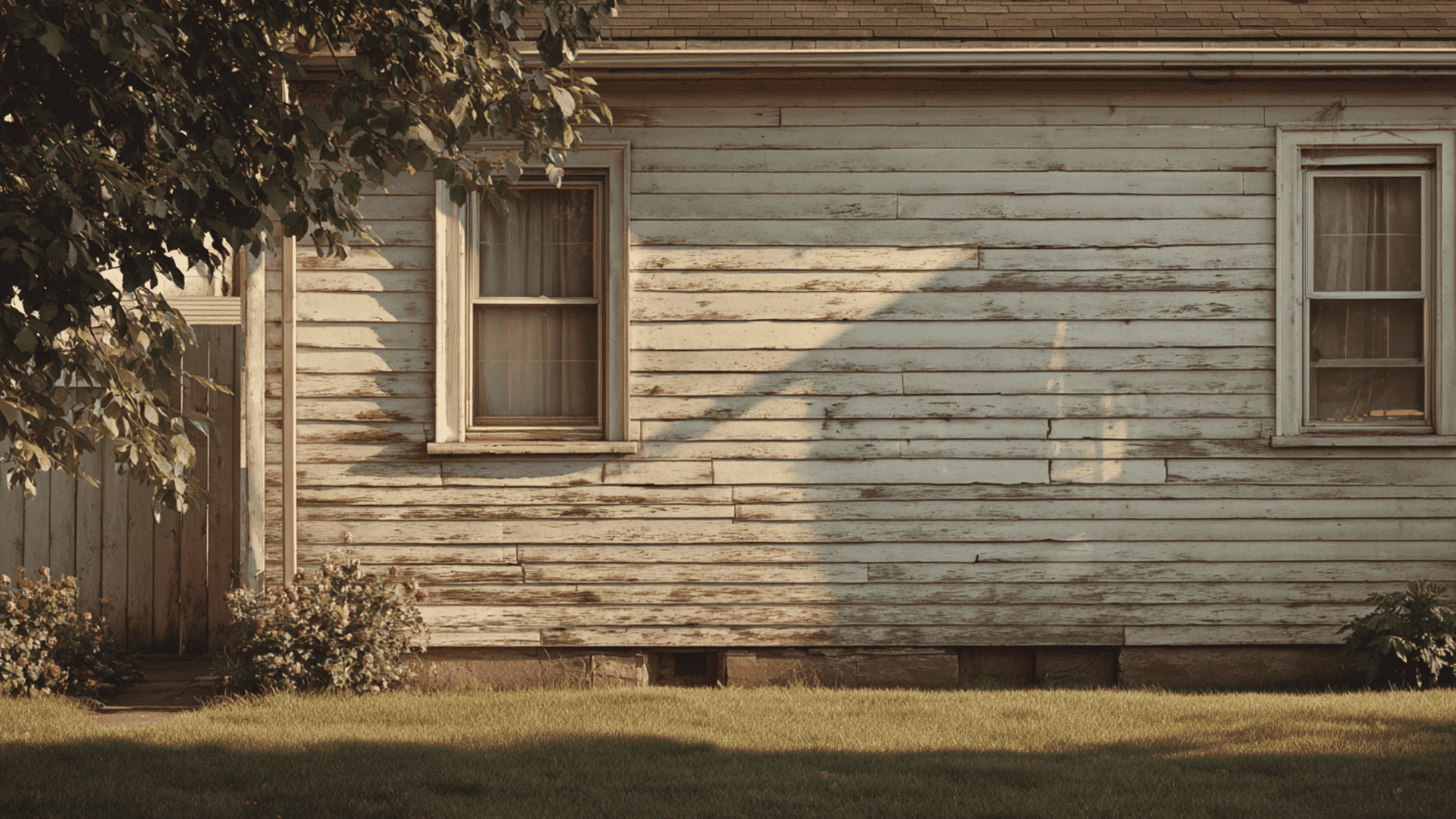
How often you repaint depends on your siding, climate, and the quality of your last paint job.
From what I’ve seen, wood homes usually need repainting every five to seven years, while brick or fiber cement siding can last a decade or more. Homes in humid or coastal areas may need attention sooner since moisture and salt wear down paint faster.
You’ll know it’s time for a new coat when you start seeing faded color, peeling, or cracked spots.
Exposed wood, mildew, or water stains are also early warning signs that the paint has stopped protecting your home. Catching these signs early saves you from more expensive repairs later.
To make your paint last longer, wash your exterior once or twice a year to remove dirt and mildew. Fix cracks or gaps before they grow, and always use high-quality paint that can handle your local weather.
Reapplying caulk around windows and trim also helps keep moisture out. A well-prepped surface and quality paint job can easily add several extra years before your next repaint.
Best Paints for Exterior Use
Choosing the right paint for your home’s exterior is important. Let’s go over some finishes and eco-friendly choices that work well outdoors.
Recommended Brands and Finishes
Matte or Flat: Gives a soft, non-shiny look and hides surface flaws well. I’ve noticed it’s great for older homes or textured siding.
Satin or Eggshell: Has a light sheen and is easy to clean. It’s a balanced choice between appearance and durability.
Gloss or Semi-Gloss: The shiniest option, best for trim, doors, and shutters. It highlights details but can show imperfections on flat surfaces.
Brands to Consider
Benjamin Moore and Sherwin-Williams are both reliable for exterior projects. They hold up well in different climates and have plenty of color options. I’ve used them on past jobs, and both delivered long-lasting results.
Eco-Friendly or Low-VOC Options
If you care about air quality or want fewer paint odors, look for low-VOC or zero-VOC paints. They release fewer chemicals and are safer for your family and the environment. Low-VOC usually means under 50 grams per liter, while zero-VOC means under 5 grams.
I’ve found these paints cost a little more upfront, but they’re worth it for healthier air and easier cleanup. When possible, check for labels like Green Seal or GREENGUARD to confirm eco safety.
Conslusion
Painting your home’s exterior is one of the best ways to protect it and improve its curb appeal.
The cost to paint the exterior of the house can vary, but planning ahead makes all the difference. From choosing durable paint to scheduling during mild weather, a little preparation goes a long way.
In my experience, investing in quality products and good prep work saves time and money over the years.
Whether you decide to hire professionals or do it yourself, focus on long-term value rather than quick fixes.