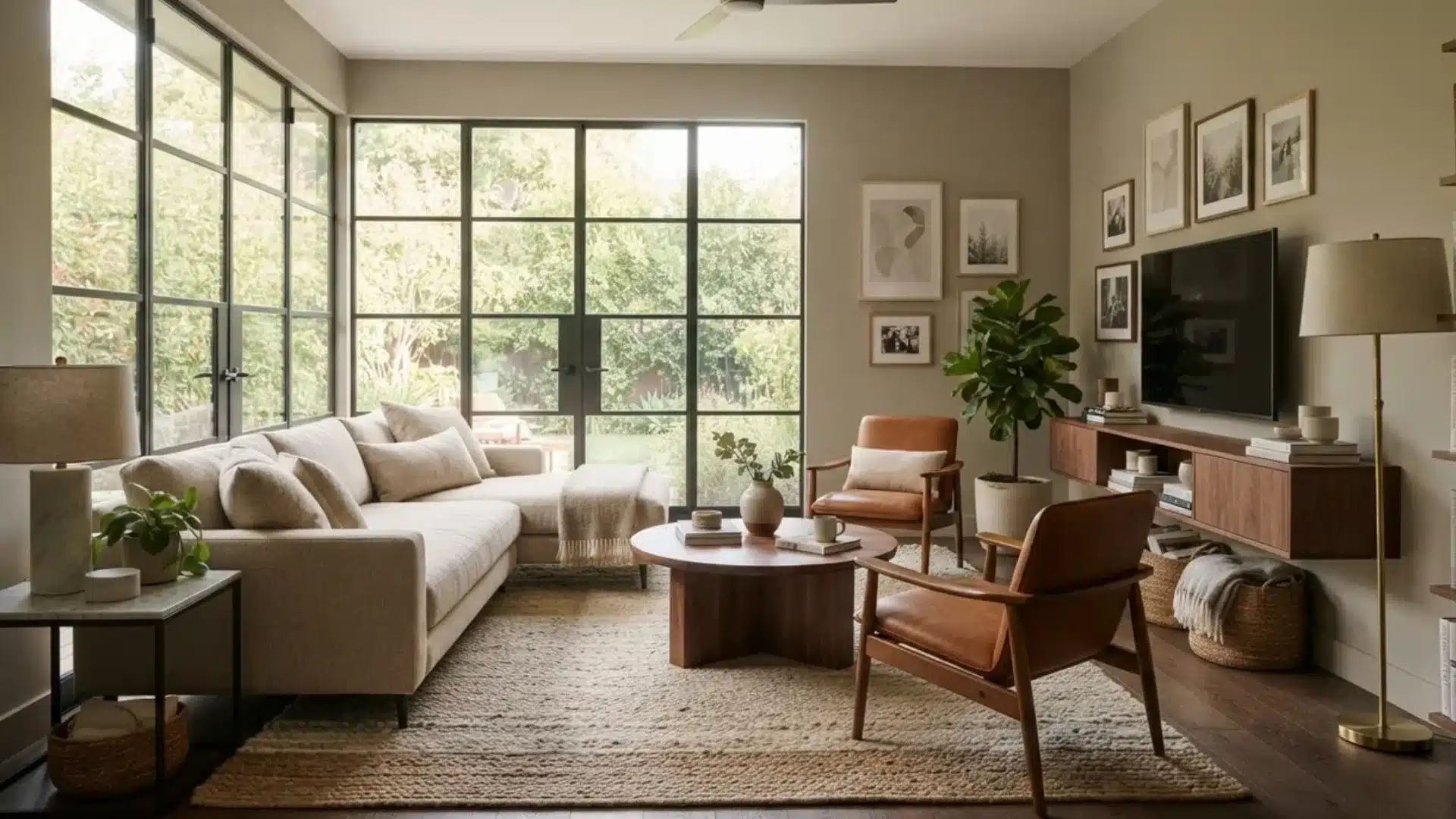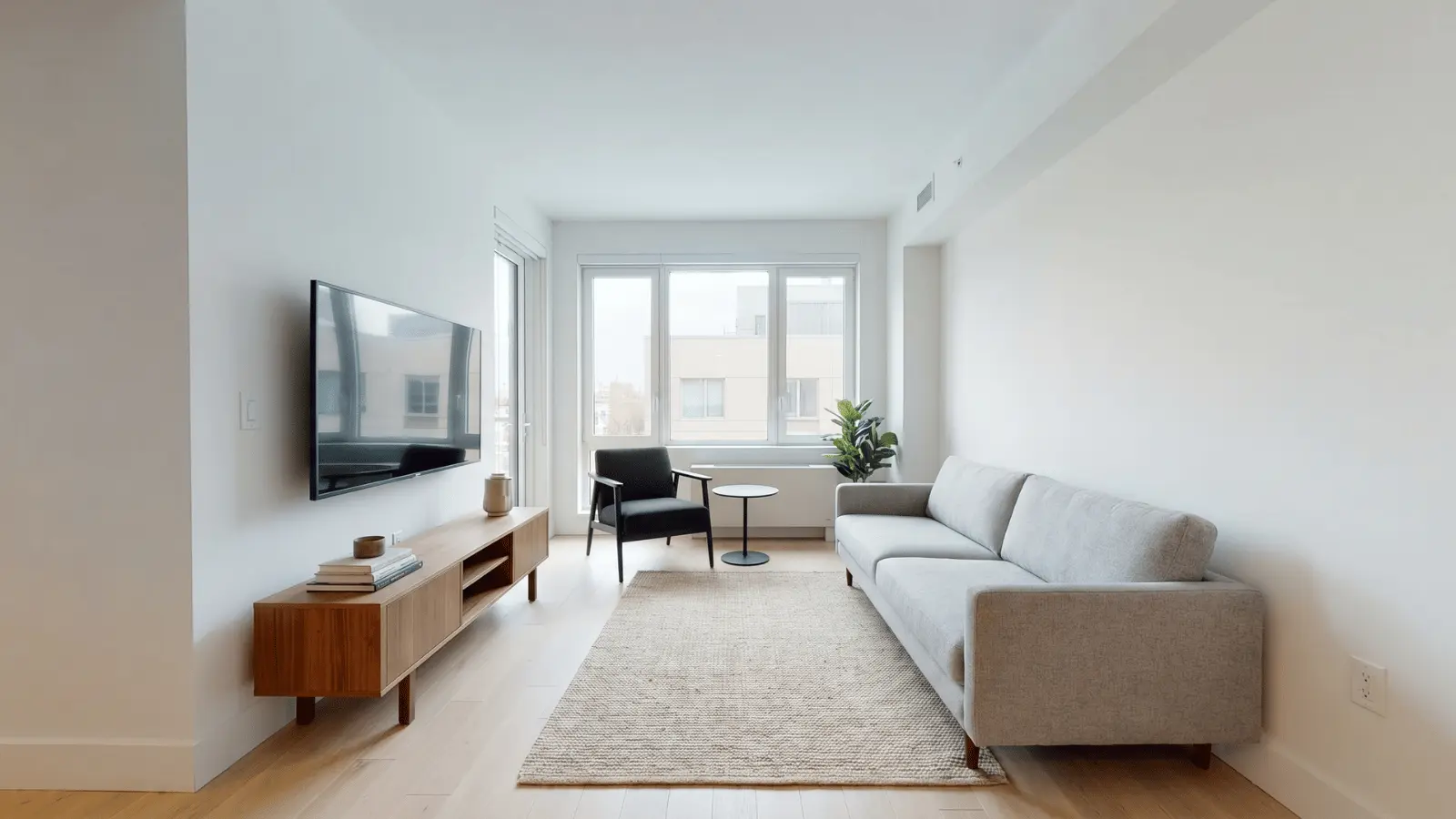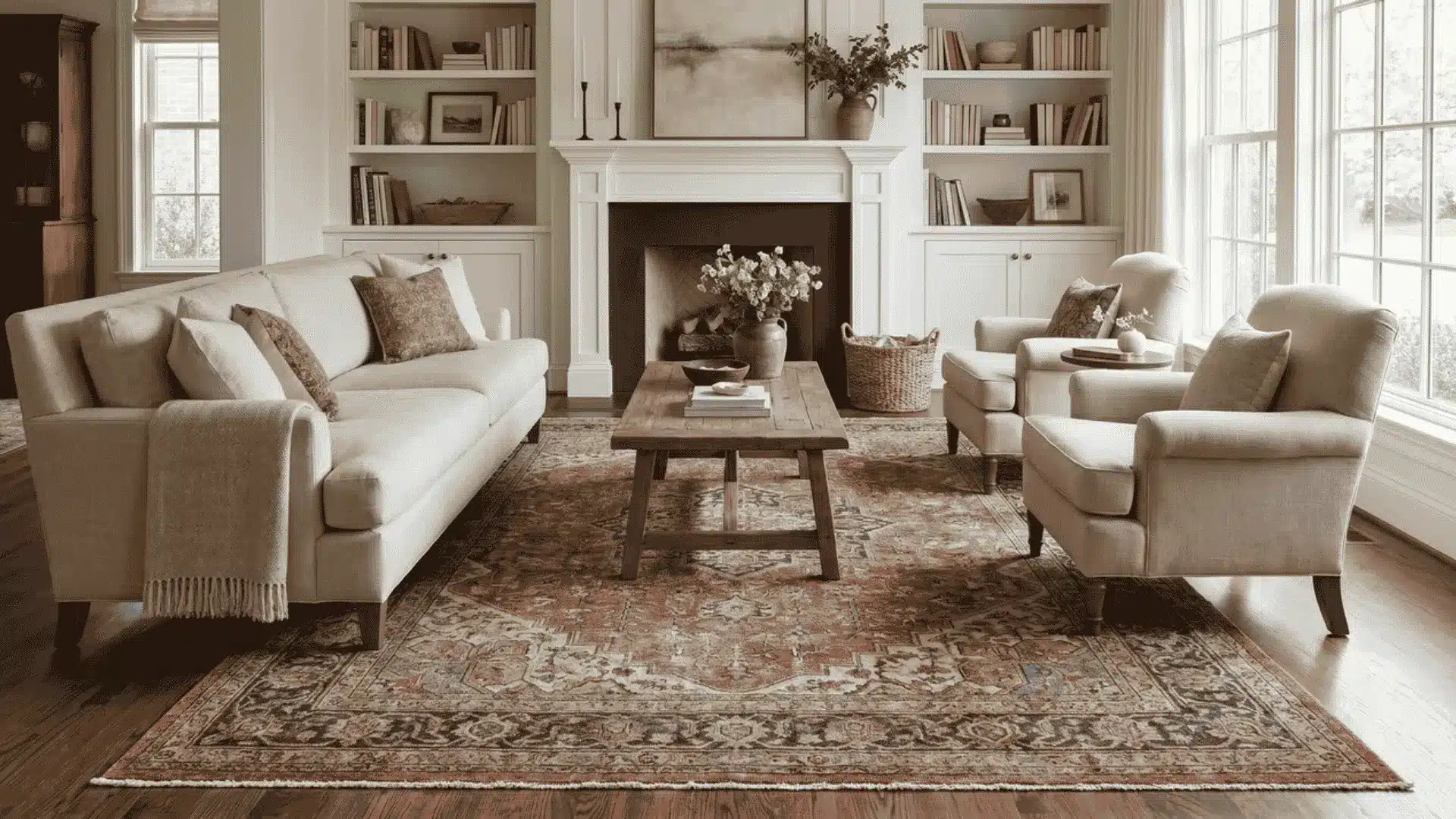


Homeschooling feels so much easier when your space feels calm and comforting. I’ve noticed that when a room has warmth and order, learning just flows better – for both you and the kids.
It’s not about having the perfect setup, but it’s about creating a space that feels right for your family.
Today, I’ll let you know about some simple homeschool room ideas that you can use to shape a space that truly supports you.
The goal is to make learning feel natural, not forced. A few small changes can improve focus, creativity, and connection in surprising ways.
With the right homeschool room ideas, you can shape a cozy, inspiring space that makes every school day feel a little more peaceful and purposeful.
Why a Thoughtful Homeschool Room Matters
A thoughtful homeschool room helps kids focus and enjoy learning. Having a set area for schoolwork, even if it’s small, gives structure and separates learning from play.
The environment directly affects concentration and creativity. Good lighting, simple organization, and a calm color scheme make studying easier and more engaging.
Parents with limited space can still create effective setups using corners, dining tables, or compact nooks. What matters most is keeping the area practical, tidy, and dedicated to learning.
Homeschool Room Ideas
Designing a homeschool room is about creating a space that supports focus, creativity, and comfort. The best setups combine organization, warmth, and flexibility to fit your family’s needs.
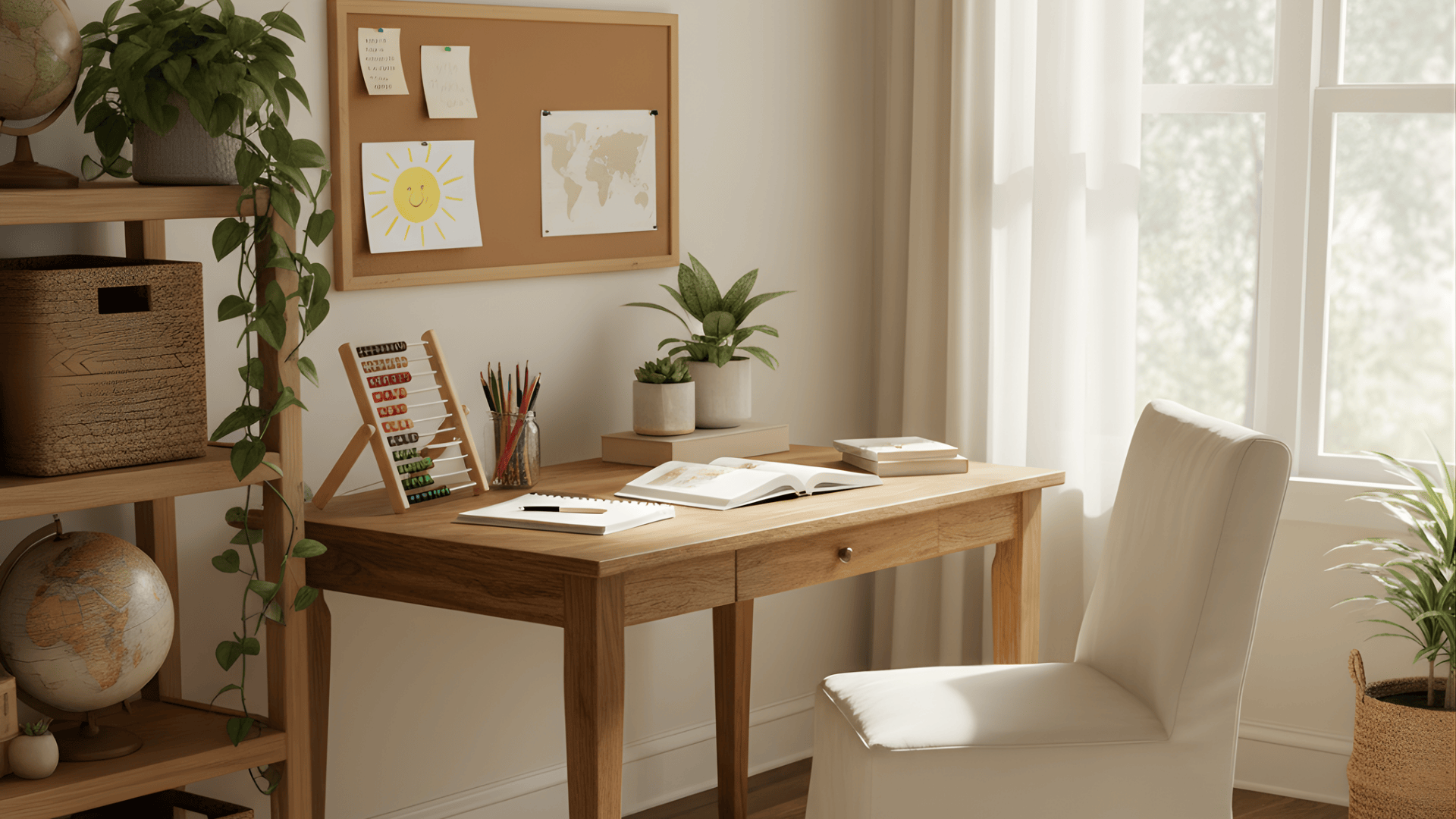
1. Dedicated Learning Corner
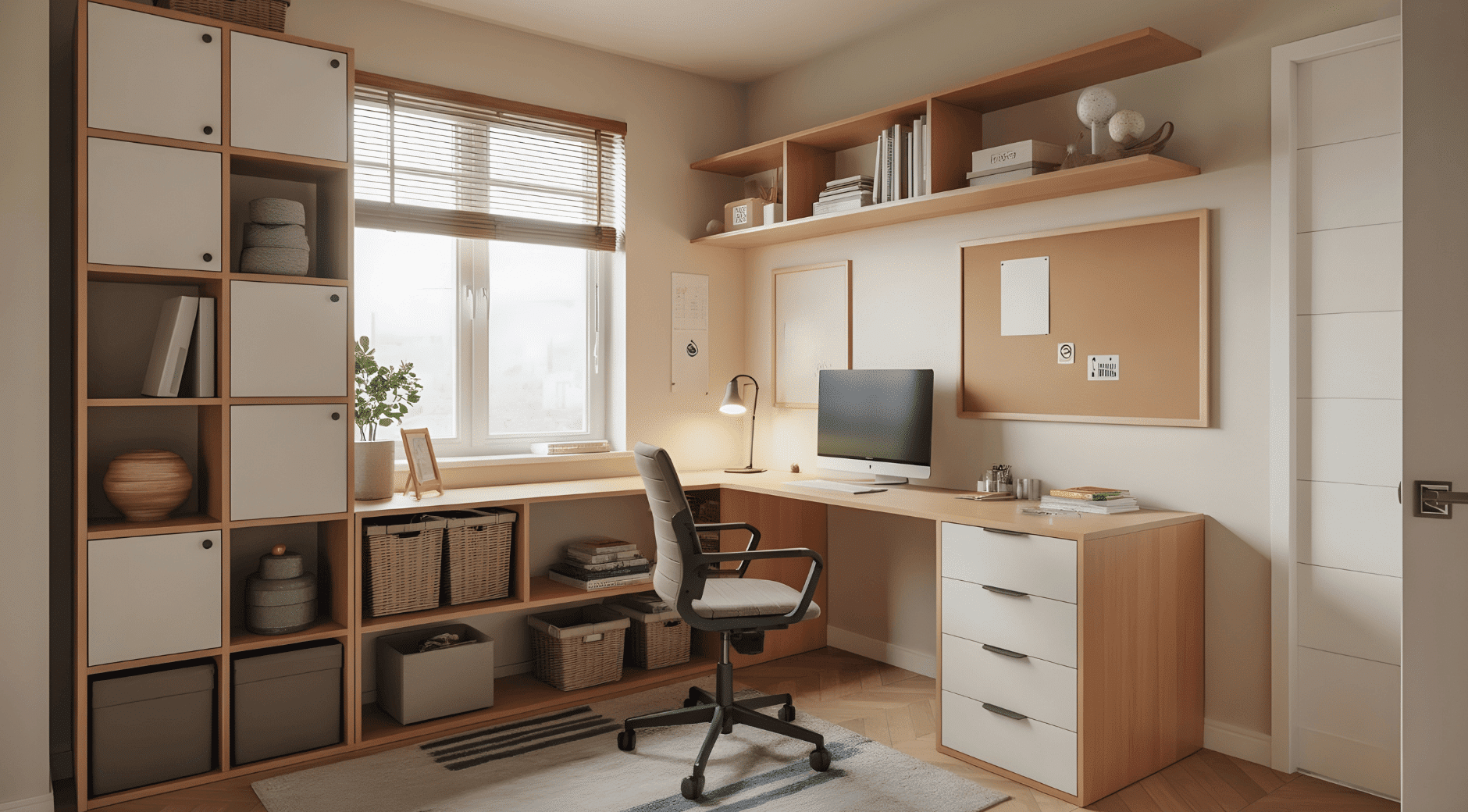
Set aside a small corner with a sturdy desk, ergonomic chair, and floating shelves. Keep school supplies organized in bins or baskets nearby.
Add a task lamp and a corkboard for schedules or notes. This simple, defined space helps children transition into learning mode and stay focused throughout the day.
2. Shared Table Setup
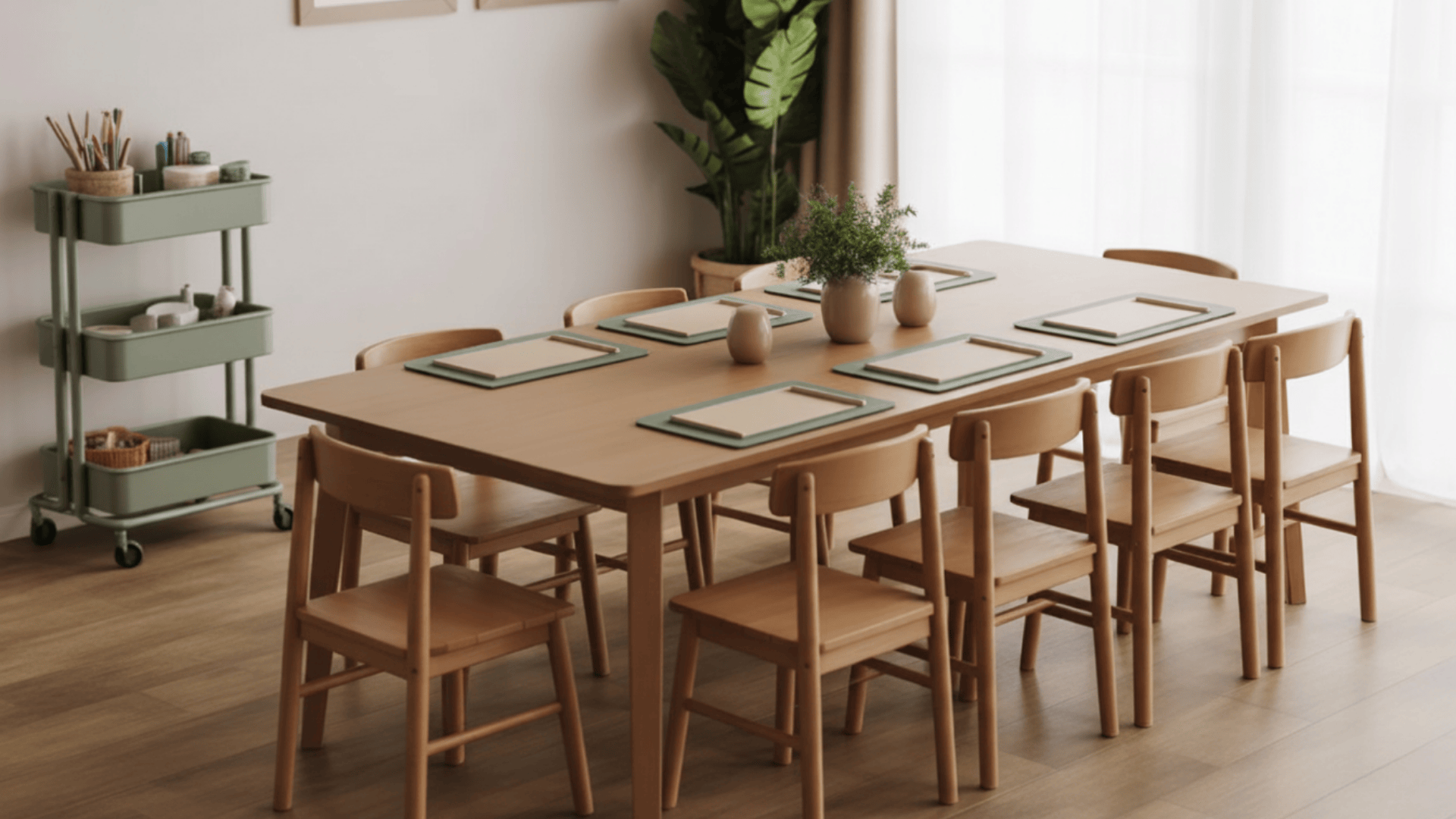
A shared table, like one in the dining or living area, makes homeschooling interactive and inclusive. Use placemats or trays to mark each child’s spot.
Store materials in nearby cabinets or rolling carts. After lessons, clear the surface to maintain a neat, multipurpose space that blends seamlessly with your home routine.
3. Closet Classroom
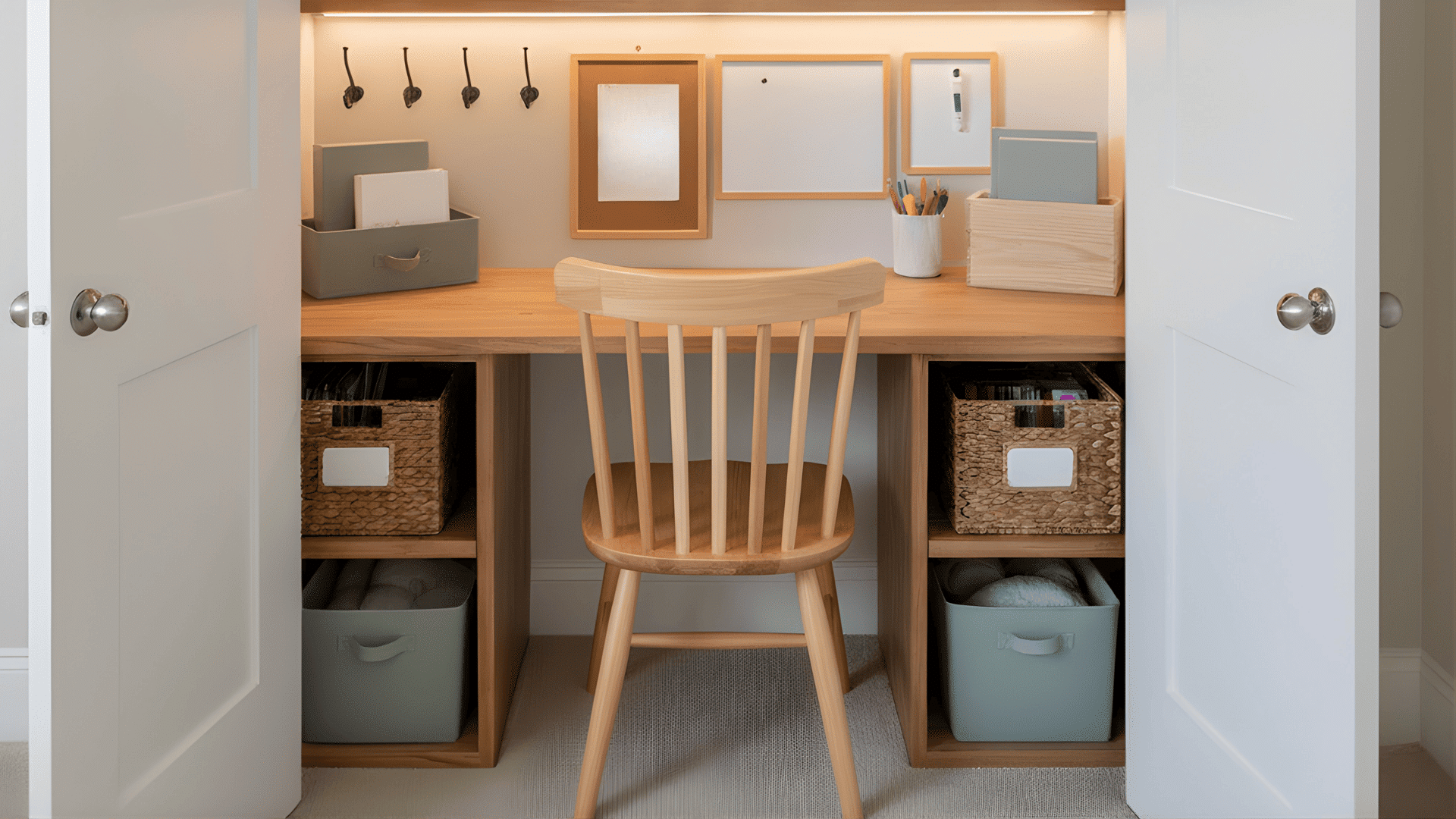
Convert an unused closet into a compact classroom by adding a narrow desk, adjustable shelves, and soft lighting. Use the back wall for hooks, clipboards, or small boards.
Keep supplies stored neatly in labeled bins. Closing the doors after lessons keeps the space tidy and hidden when school time is over.
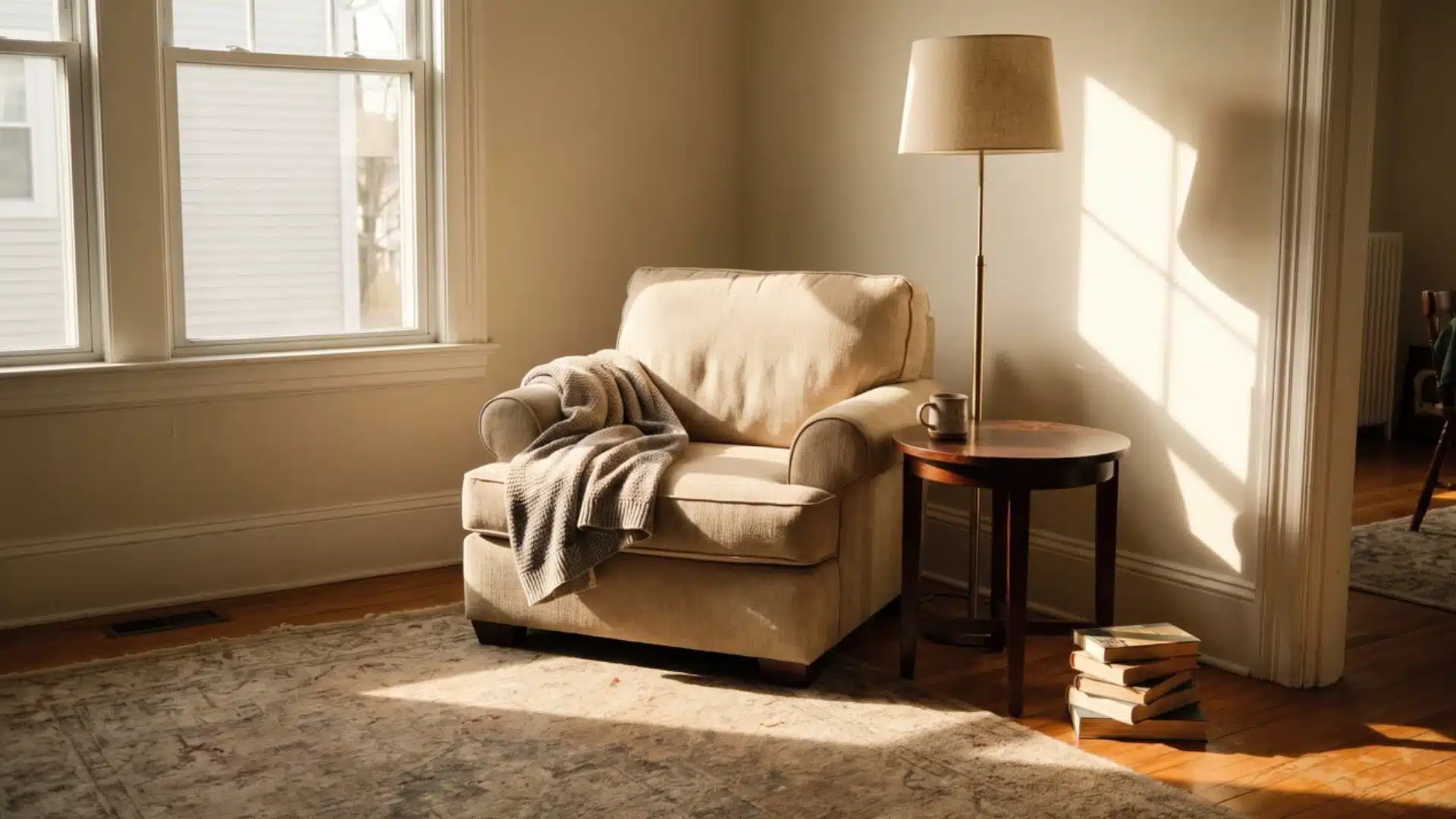
4. Reading Nook
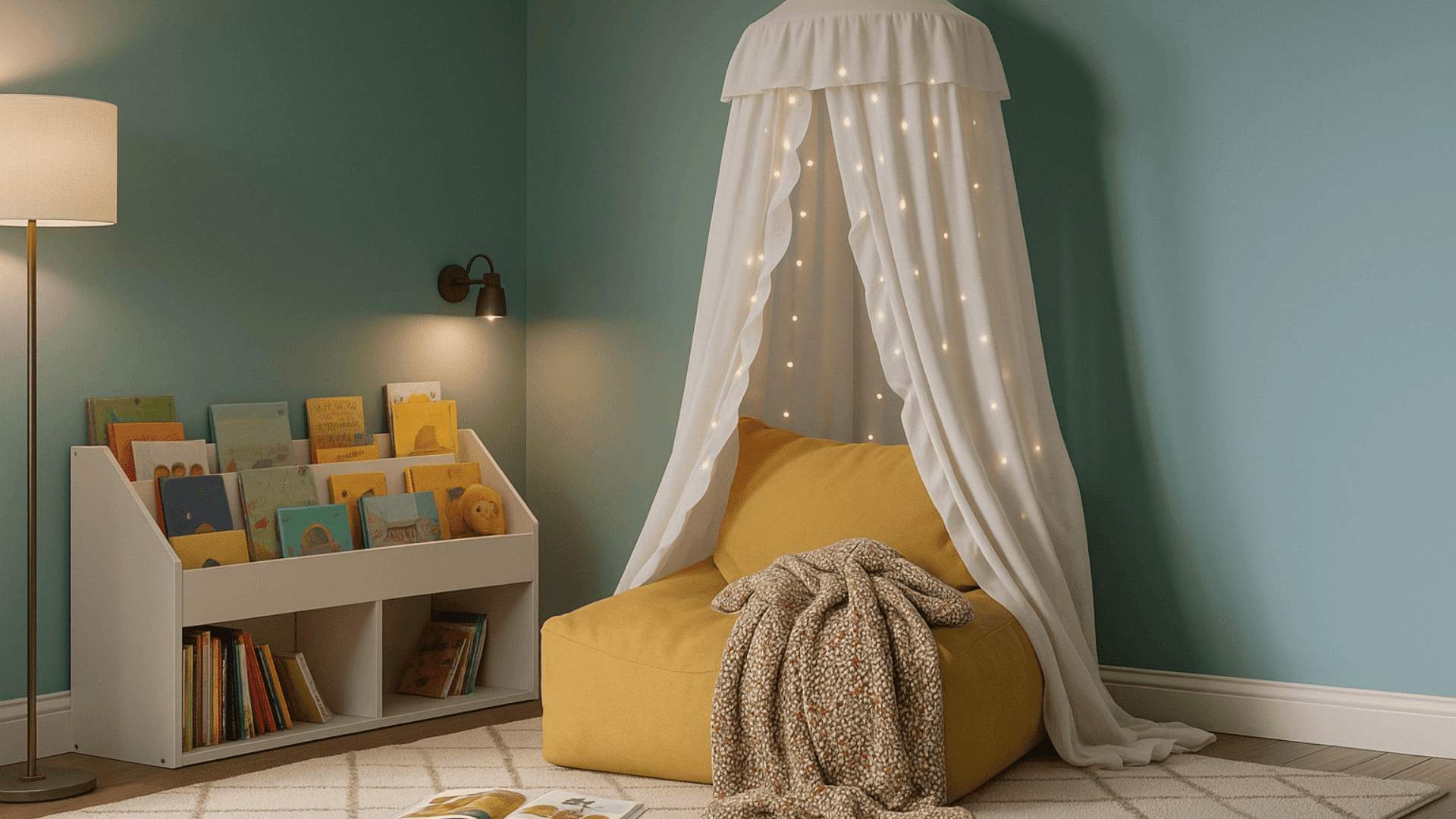
Create a quiet nook with a cozy rug, beanbag, or canopy to make reading inviting. Keep books on low shelves so children can browse independently.
Add a small lamp or fairy lights for soft illumination. A calm, designated reading spot helps kids develop focus, imagination, and a love for stories.
5. Rolling Cart Storage
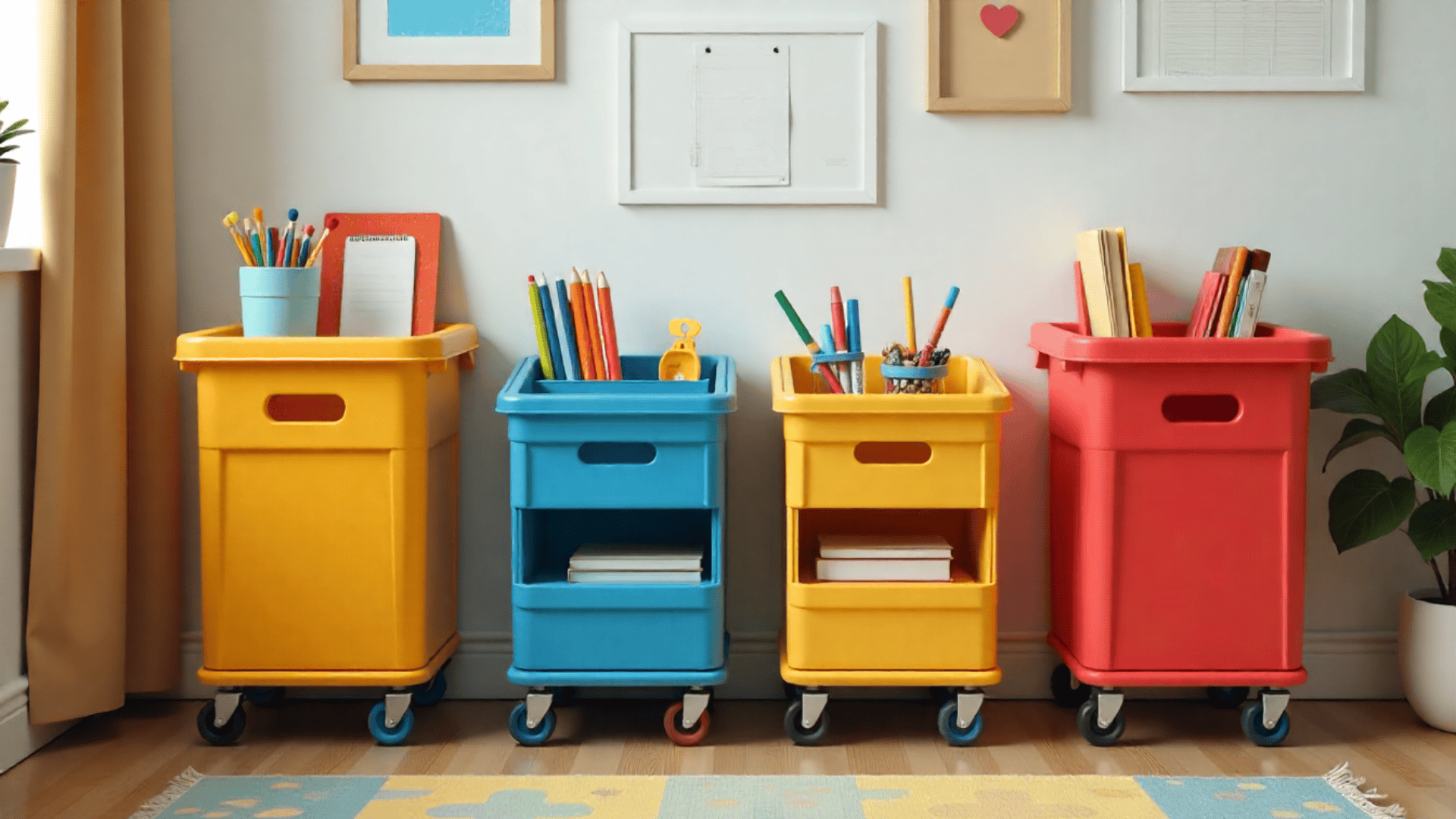
Rolling carts are perfect for organization in shared or small spaces. Assign one per child or subject to store notebooks, pencils, and art materials.
When lessons are done, wheel them into a closet or corner. They’re flexible, easy to manage, and keep clutter off tables and counters effortlessly.
6. Wall-Mounted Organization
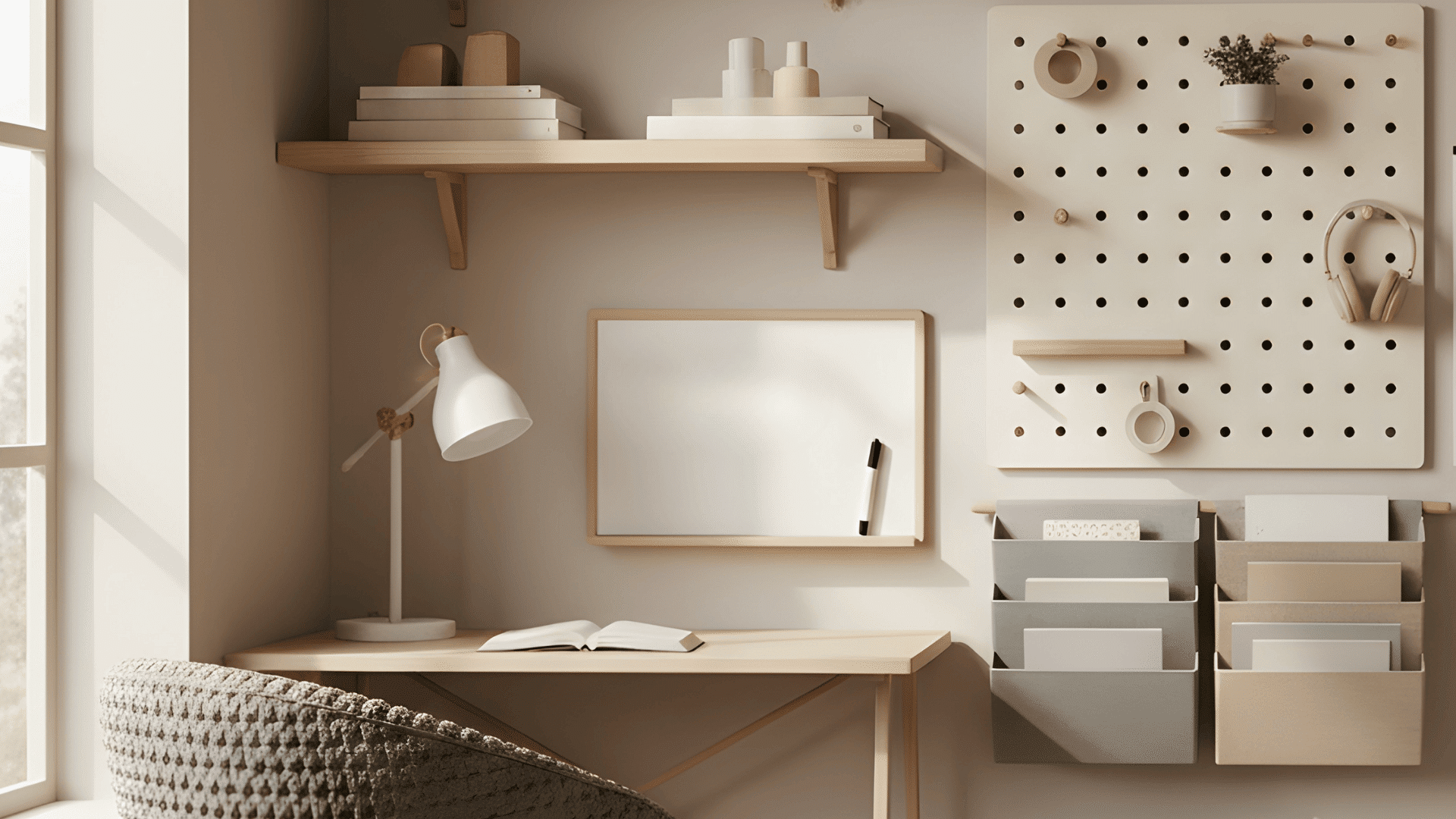
Maximize wall space with shelves, pegboards, or hanging file holders. Label bins for subjects or supplies to keep everything orderly.
Add a small whiteboard or calendar to track assignments. This vertical system reduces mess, saves floor space, and makes frequently used materials accessible while doubling as decor.
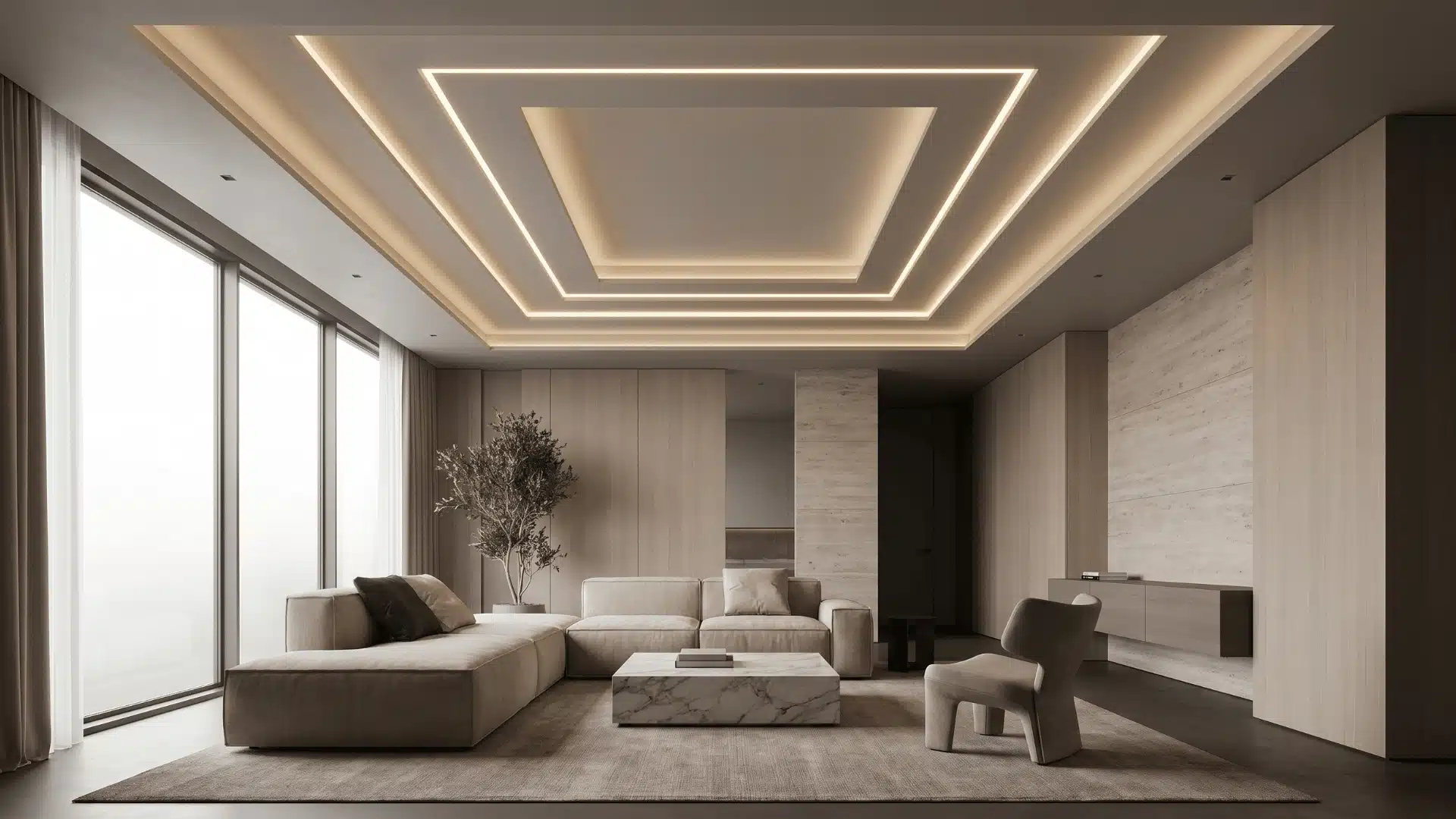
7. Minimalist Setup
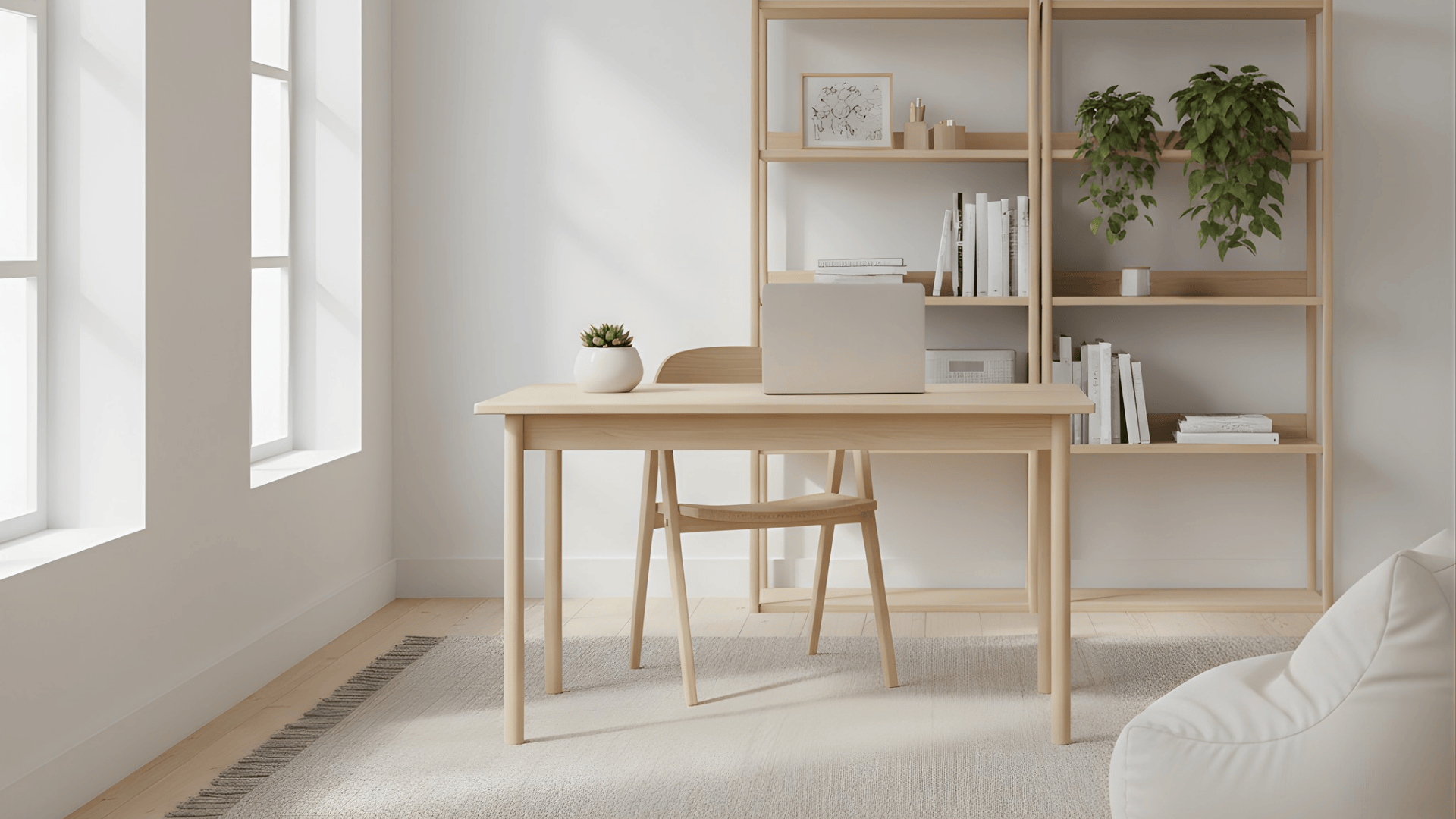
A minimalist homeschool room uses clean lines, neutral colors, and simple furniture. Keep only the essentials visible to minimize distractions.
This uncluttered style supports calm concentration and turns even small areas into efficient learning spaces that feel peaceful and open.
8. Montessori-Inspired Design
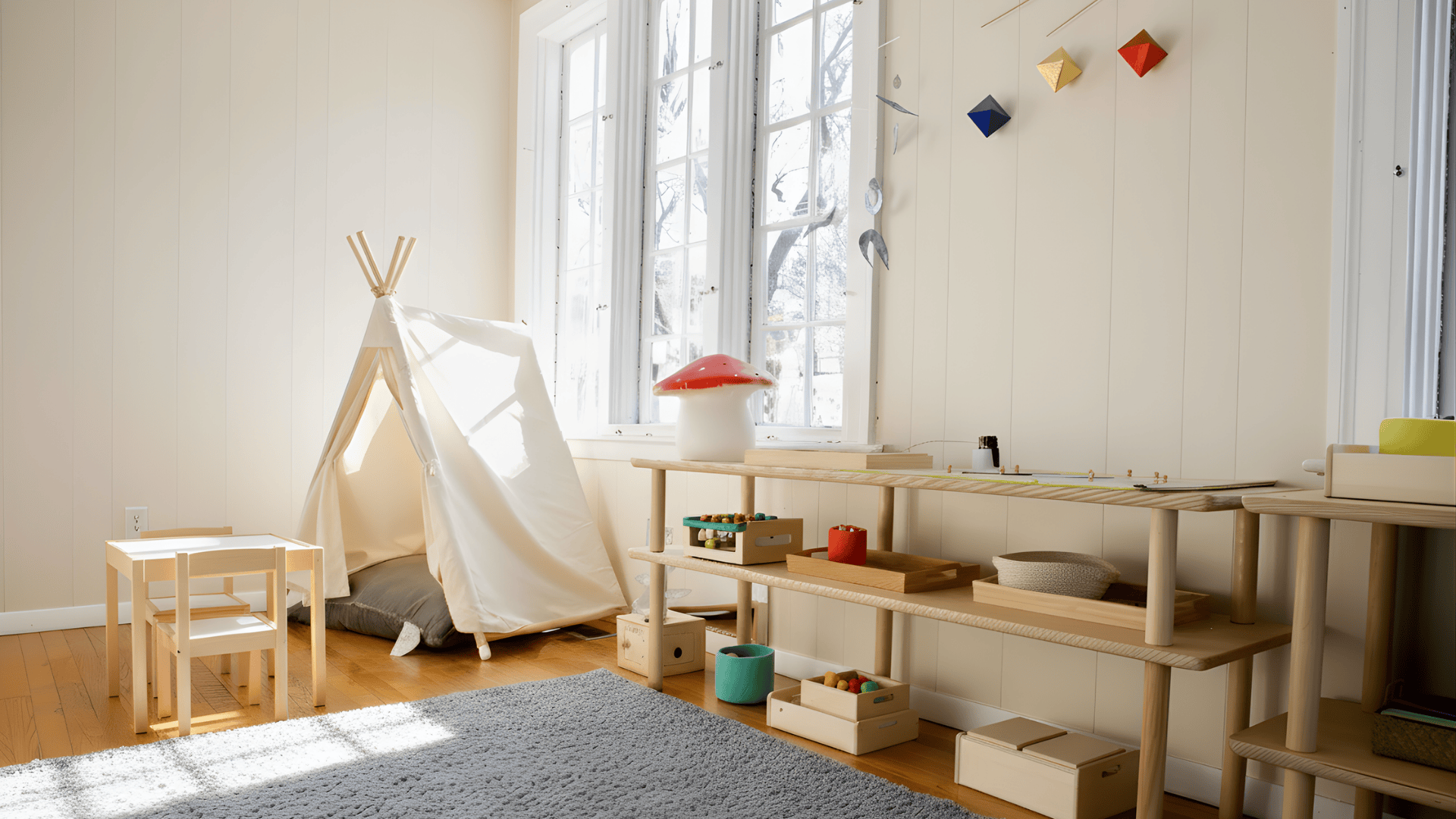
Arrange open shelves with accessible materials, natural textures, and child-sized furniture. Use baskets for sorting supplies and wooden trays for lessons.
Keep the setup simple and structured to promote independence. This design style encourages children to explore, make choices, and take responsibility for their learning environment daily.
9. Art & Creativity Corner
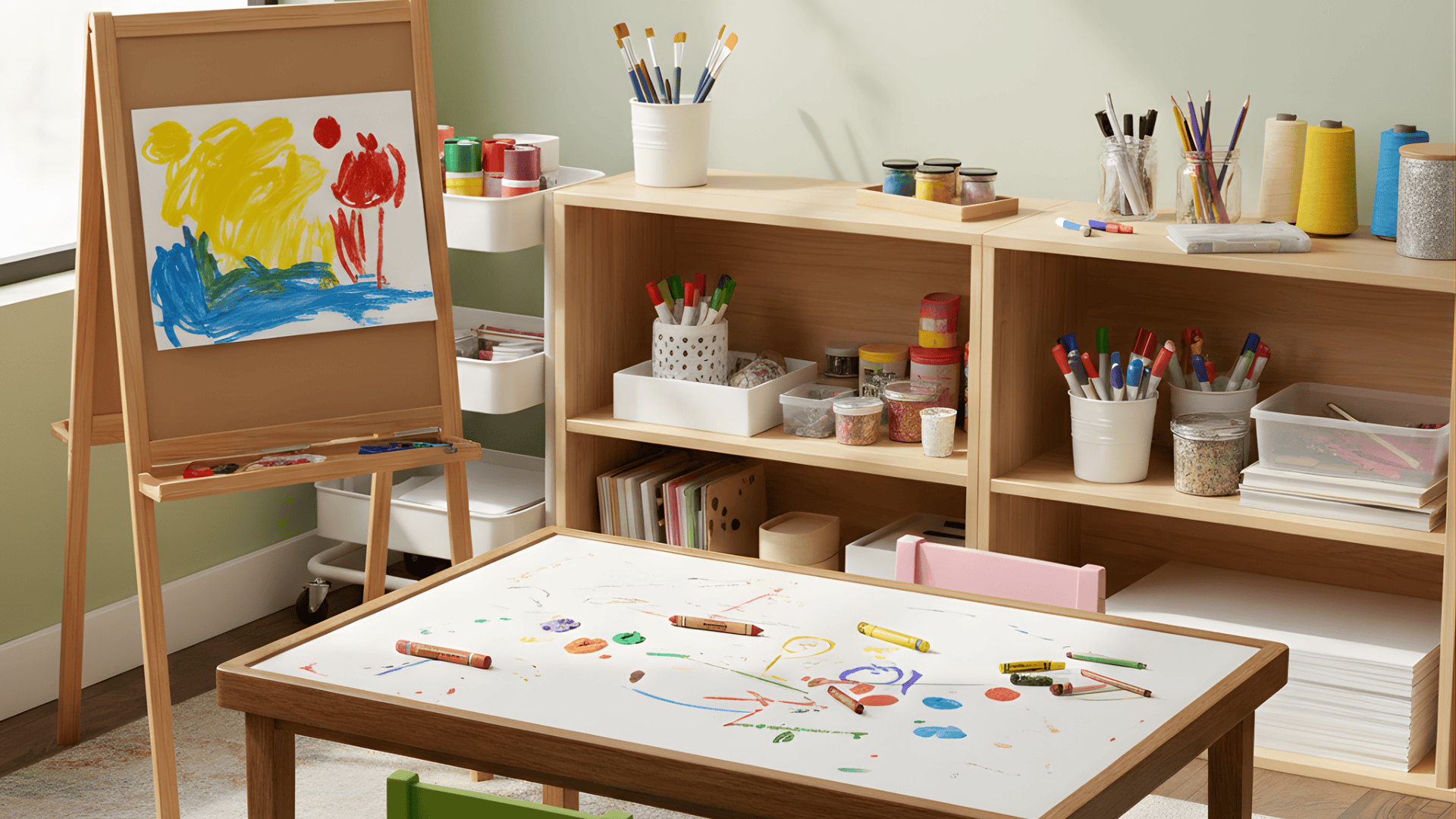
Design a small art station with a table, easel, and open shelves for paints, crayons, and craft supplies. Use wipeable surfaces and jars or bins to keep tools organized.
Hang a string or corkboard nearby to display kids’ artwork proudly. This colorful, hands-on corner encourages creativity, imagination, and self-expression in everyday learning.
10. Bright and Playful Theme
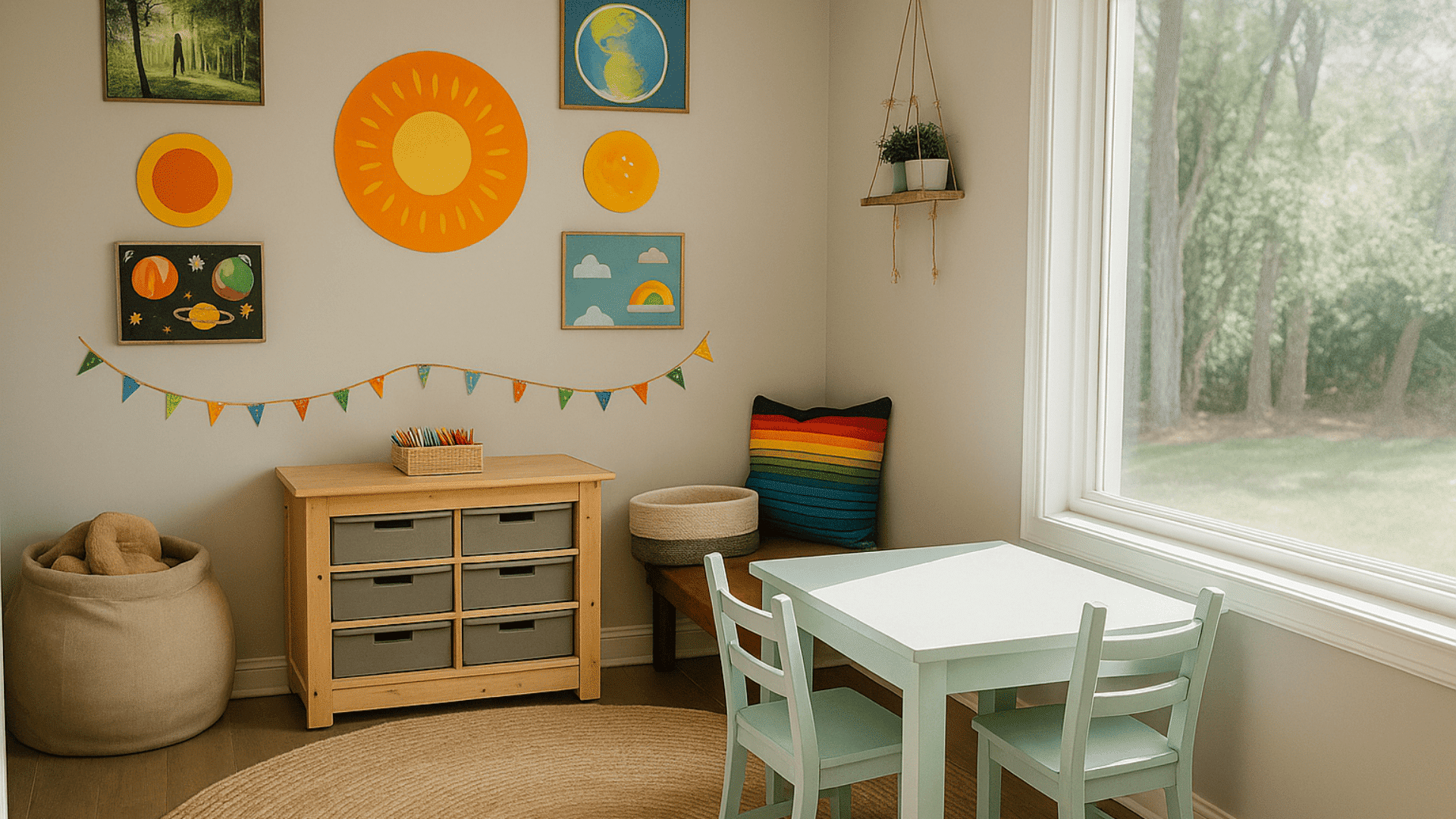
Incorporate cheerful colors, patterned rugs, and art displays to make learning fun. Add chalkboard walls or magnetic boards for writing and drawing.
Mix bright accents with neutral furniture to balance energy and focus. A lively atmosphere keeps children engaged and turns lessons into enjoyable, hands-on experiences.
11. Garage or Basement Classroom
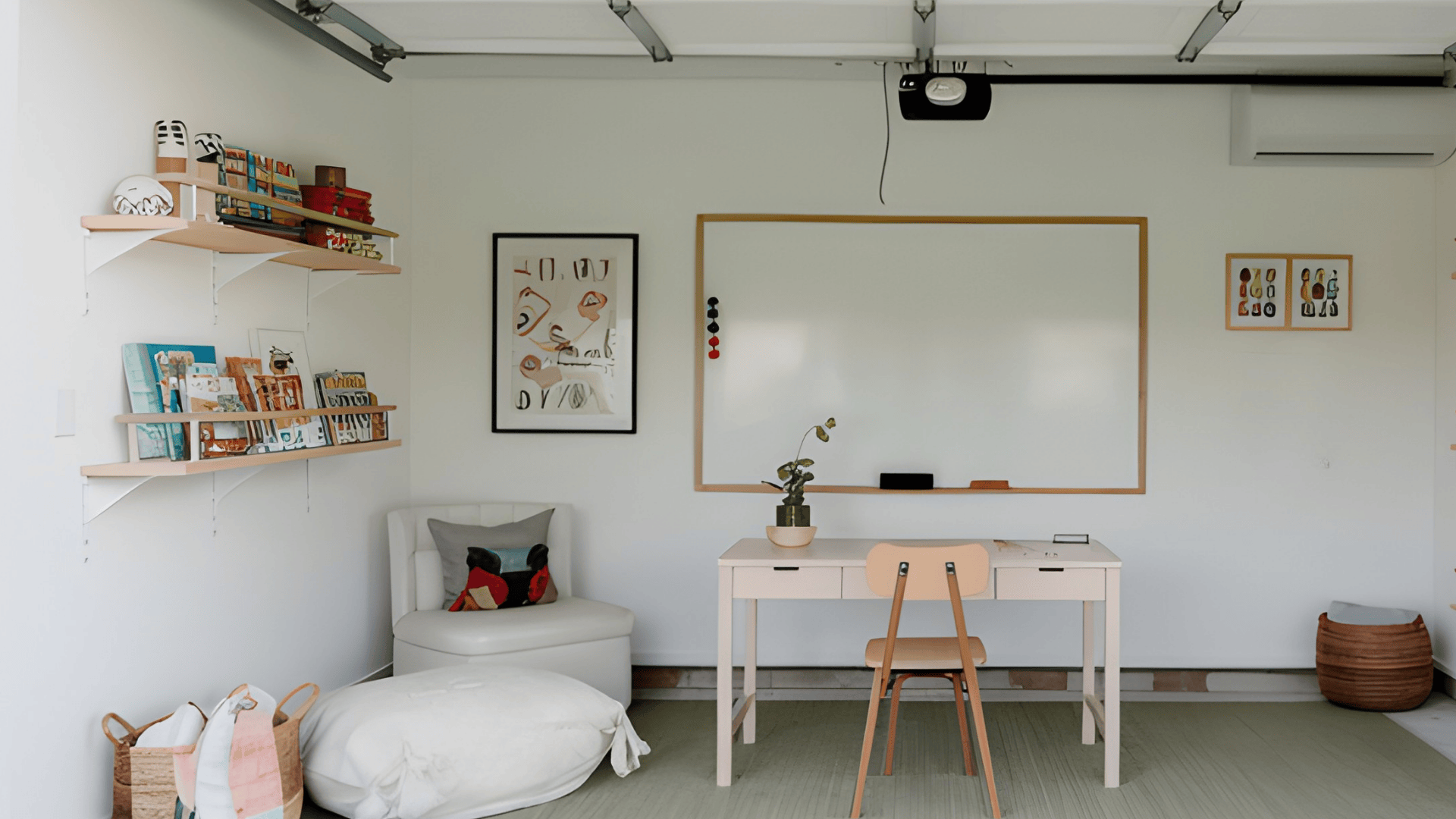
Convert unused basement or garage space into a dedicated homeschool zone. Add area rugs, soft lighting, and insulated walls to make it comfortable.
Use strong shelves and cabinets for storage. This quiet, separate area offers plenty of room for science projects, crafts, or focused study time.
12. Multi-Kid Learning Zone
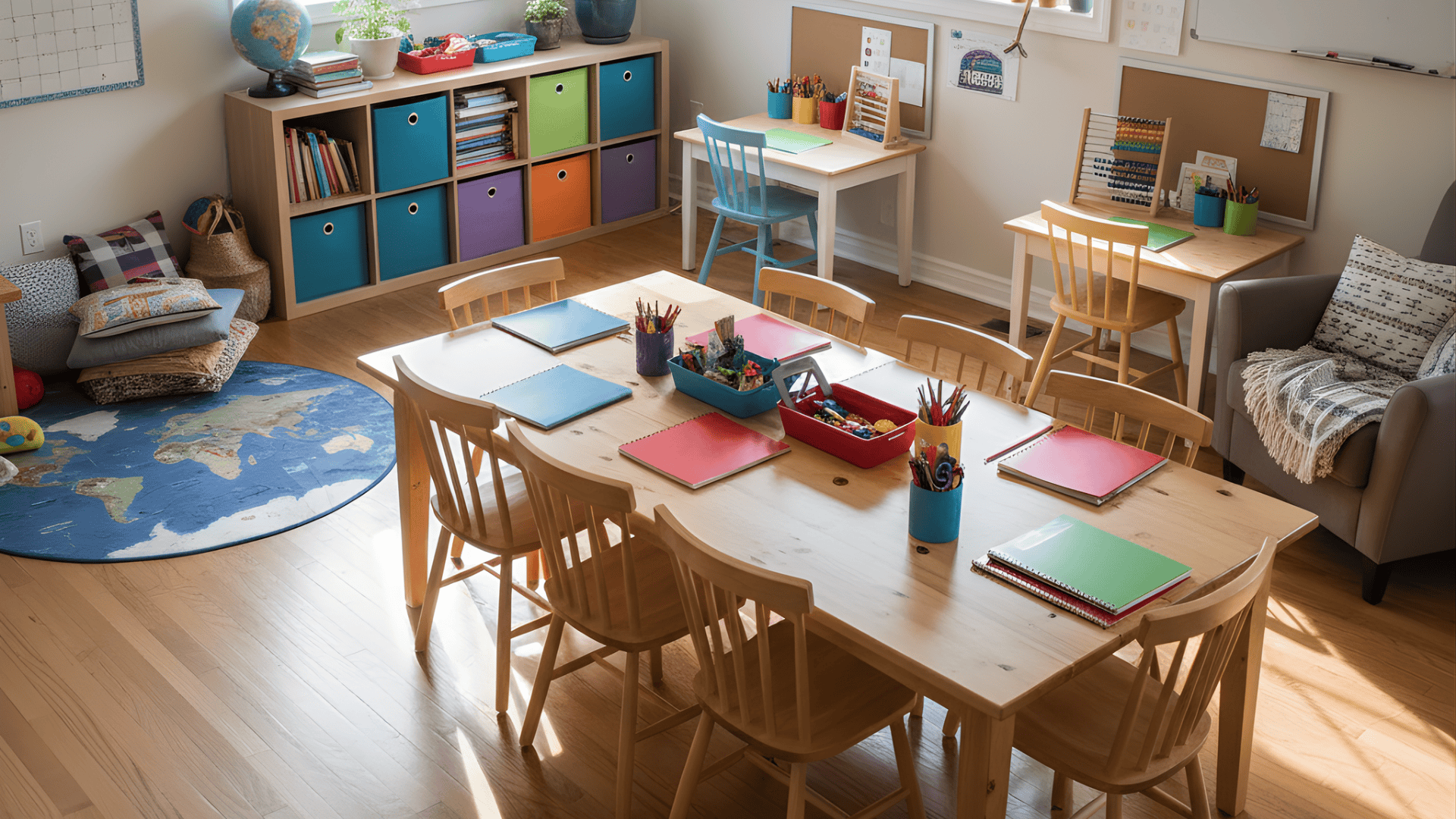
Create a shared learning area that supports different ages by dividing spaces with color-coded supplies or labeled bins. Use one large table for group lessons and smaller desks for independent tasks.
Keep the layout flexible so kids can collaborate while maintaining personal space and staying organized throughout the day.
13. Nature-Inspired Space

Bring in natural light, plants, and wooden accents to create a calm, refreshing atmosphere. Set up desks near windows and use earthy tones for decor.
Display rocks, leaves, or nature-themed prints for inspiration. A nature-inspired homeschool space helps kids stay relaxed, grounded, and focused during their lessons.
14. Nature Journal Desk
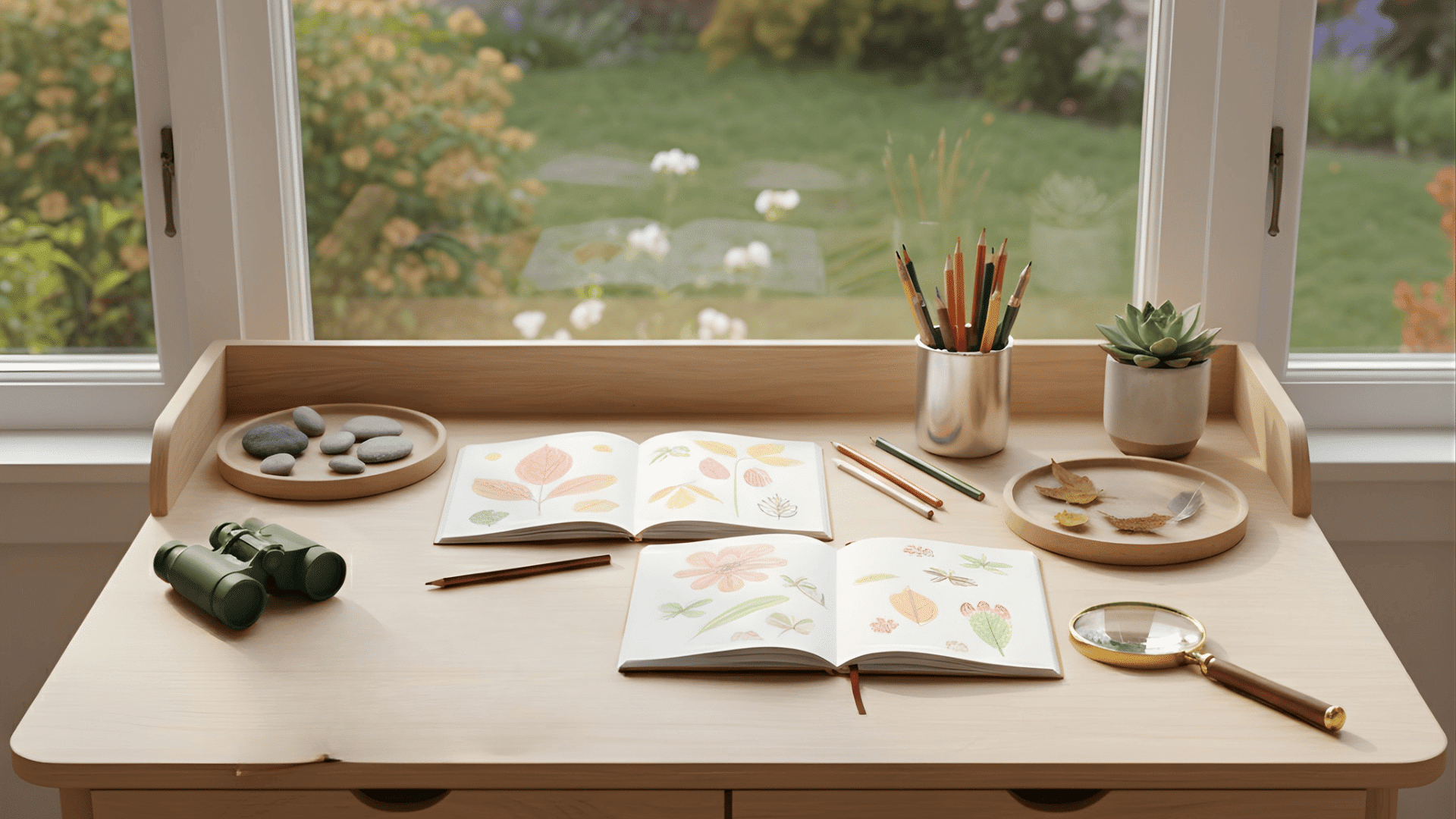
Set up a small window-facing desk stocked with sketchbooks, pencils, magnifiers, and binoculars. Kids can observe weather, plants, and birds while practicing mindful attention.
Add a small tray for collected leaves or rocks. This quiet spot helps children slow down, document nature, and build strong observation skills through simple, daily journaling or outdoor-inspired drawing.
15. Floor Learning Zone
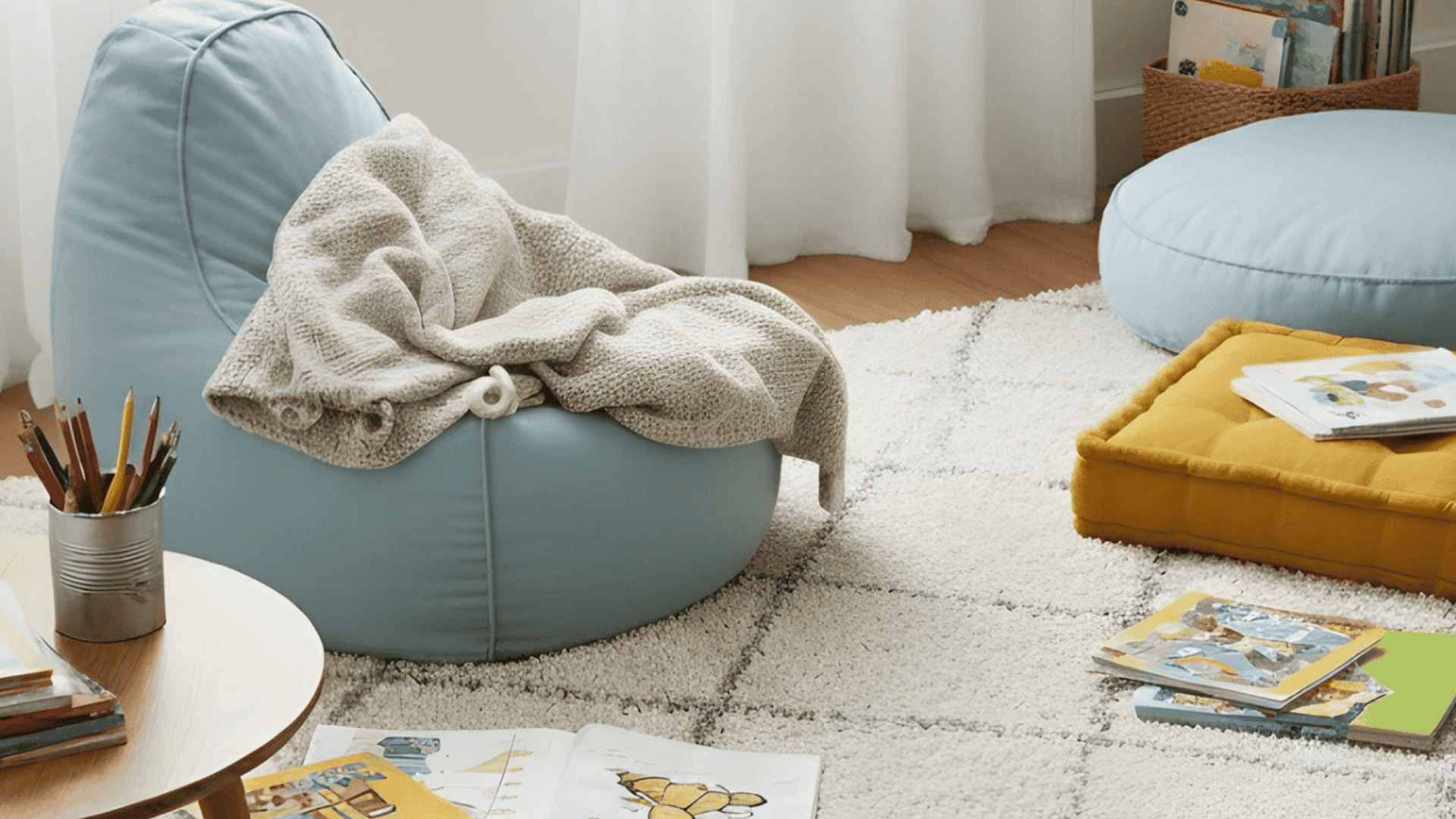
Use floor cushions, beanbags, and a cozy rug to create a relaxed, movement-friendly learning space. Add lap desks or clipboards so kids can write comfortably while sitting or stretching.
This setup works well for read-alouds, creative work, or active learners who focus better without sitting in a chair. It brings flexibility and comfort to everyday lessons.
16. Music & Rhythm Corner
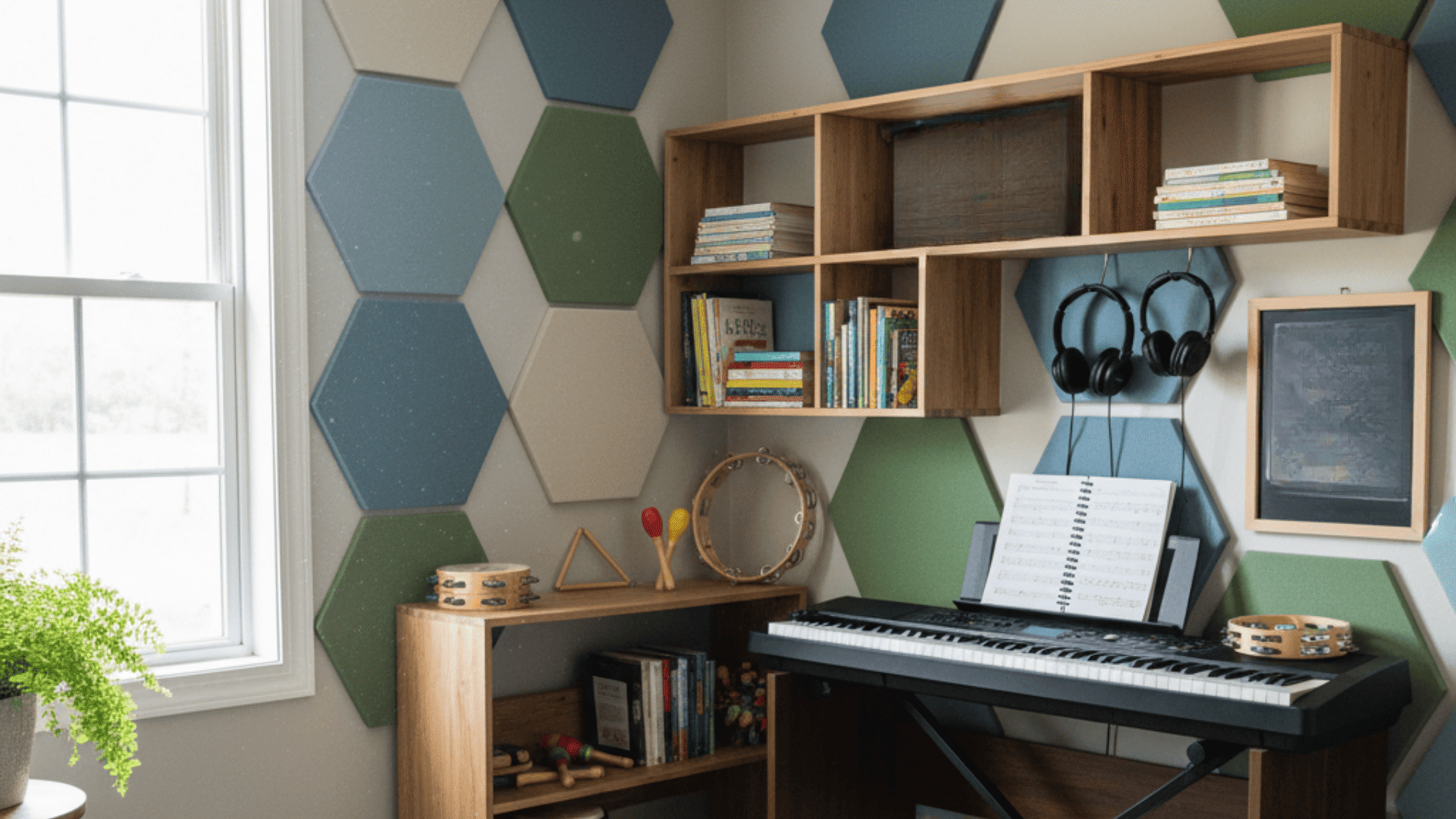
Design a small music nook with a keyboard, rhythm instruments, or simple percussion tools. Add shelves for books, headphones, and sheet music. Soft wall panels or rugs help reduce noise.
This dedicated spot encourages daily practice, creative play, and exploration of sound and rhythm without disrupting the rest of the homeschool environment.
17. Digital Learning Hub
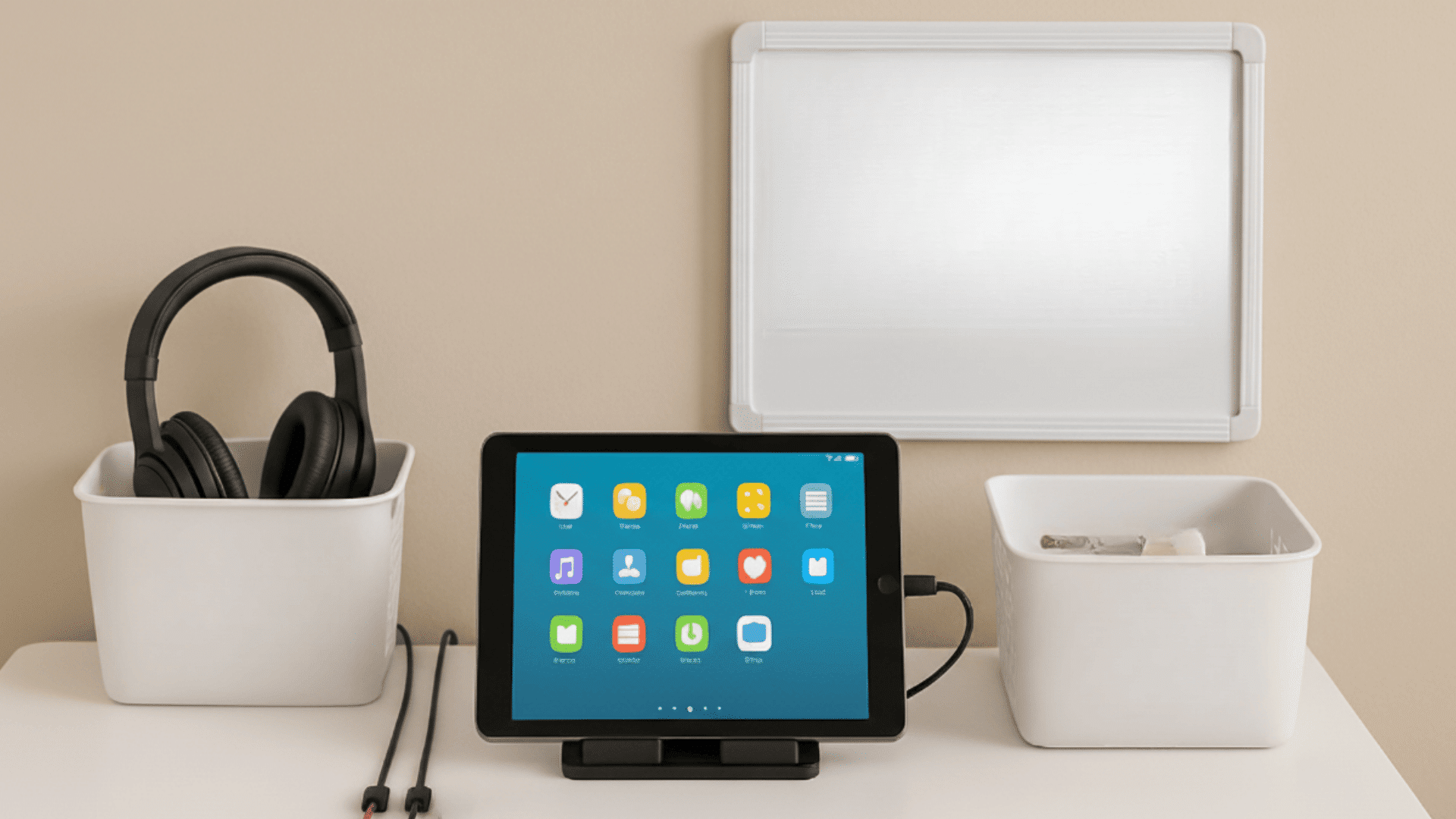
Create a structured tech station with tablets or laptops on a clean desk. Use charging docks, cable clips, and labeled baskets for headphones and accessories. Add a timer or schedule board to support balanced screen time.
This hub keeps digital learning organized and ensures kids have a consistent, clutter-free place for online lessons, research, and interactive activities.
18. Inspirational Wall
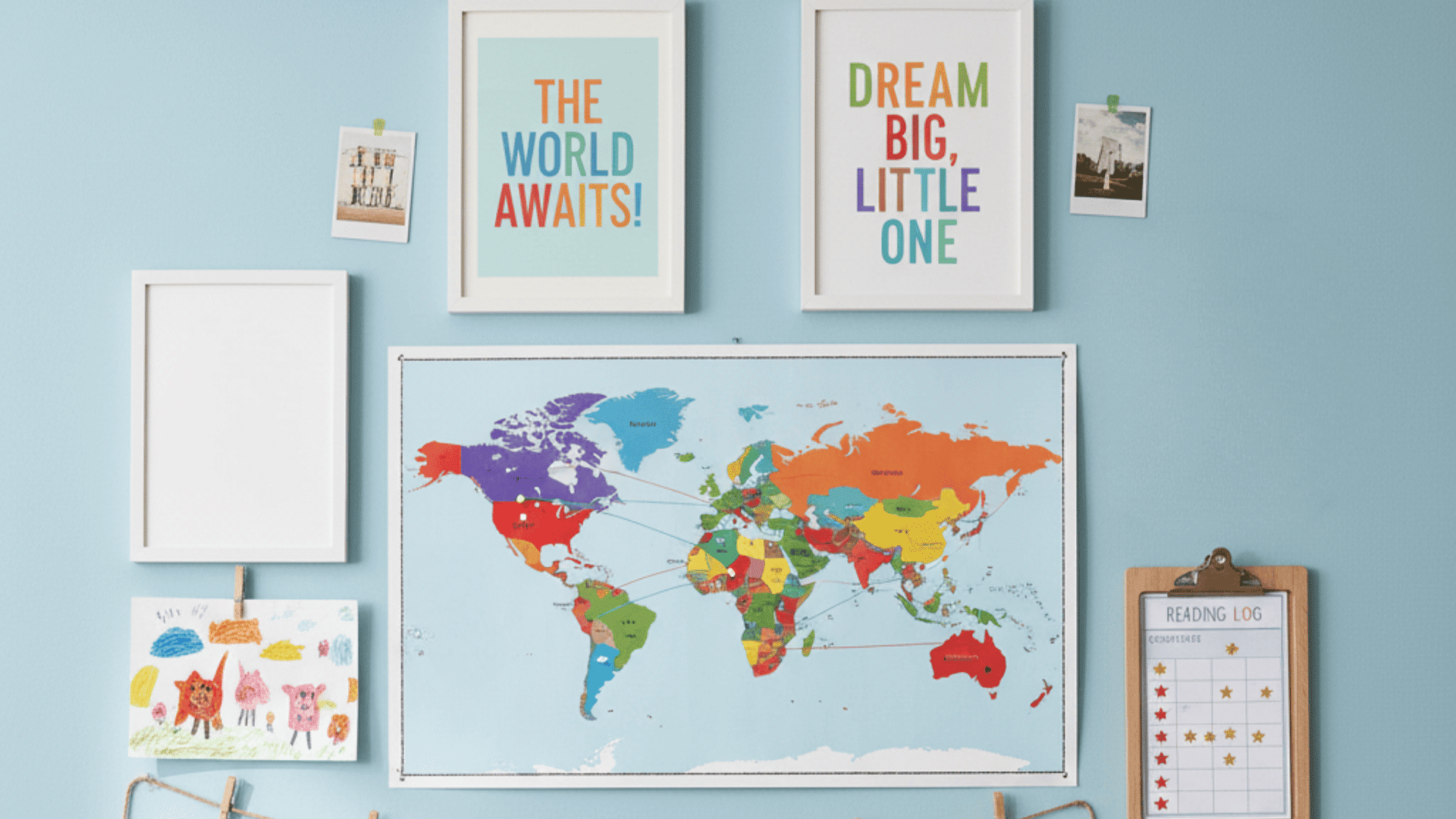
Design a motivational wall with maps, quotes, artwork, and achievement charts. Add clipboards or string lines so you can update displays easily. Rotate themes to match current lessons or seasons.
This visual anchor adds personality, reinforces learning goals, and boosts confidence by celebrating progress, creativity, and curiosity in a bright, uplifting way.
19. Calm-Down Space
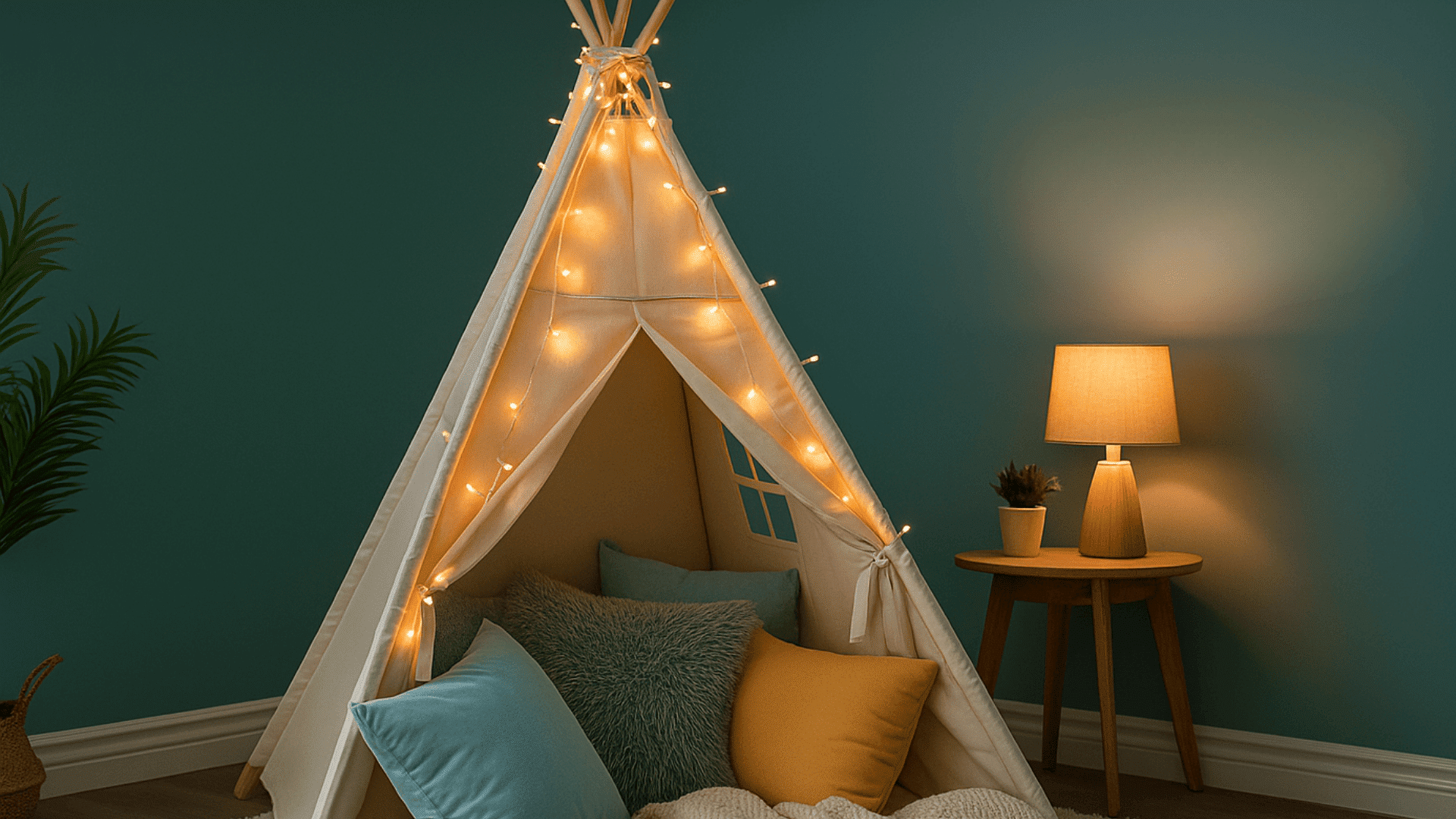
Create a quiet corner with soft pillows, a small tent, or cozy blankets. Add sensory tools like stress balls, fidgets, or calming jars. Keep lighting soft with fairy lights or a dim lamp.
This retreat gives kids a safe place to reset, breathe, and regain focus when emotions run high, creating a healthier learning rhythm.
20. Backyard Learning Extension
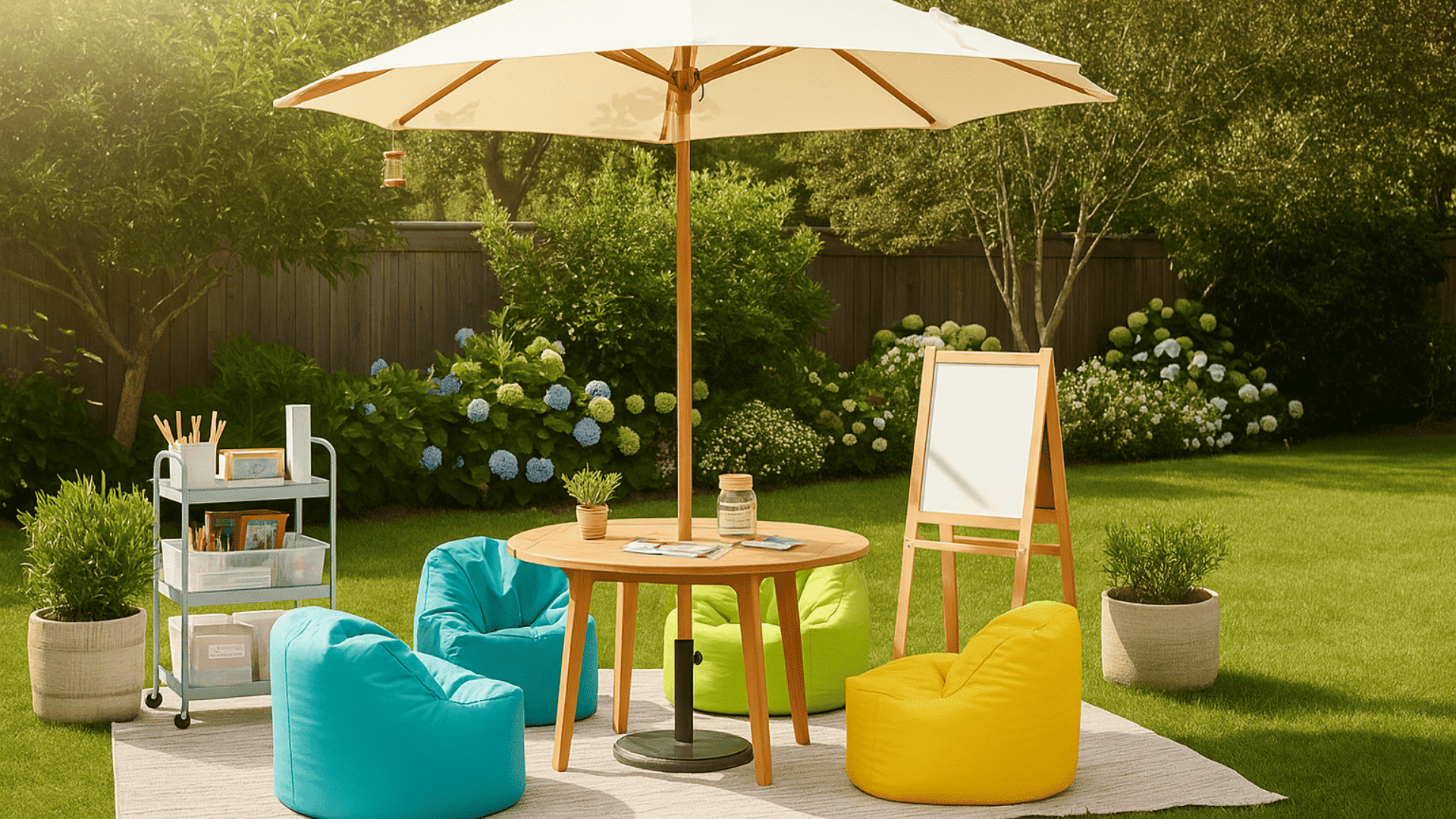
Set up an outdoor learning zone with a weather-resistant table, comfy seating, and a small cart for materials. Add shade like an umbrella or tent to make warm days comfortable.
Kids can read, write, paint, or explore science outdoors. Fresh air boosts attention, creativity, and mood while giving your homeschool day a refreshing change of scenery.
21. Weekly Projects Table
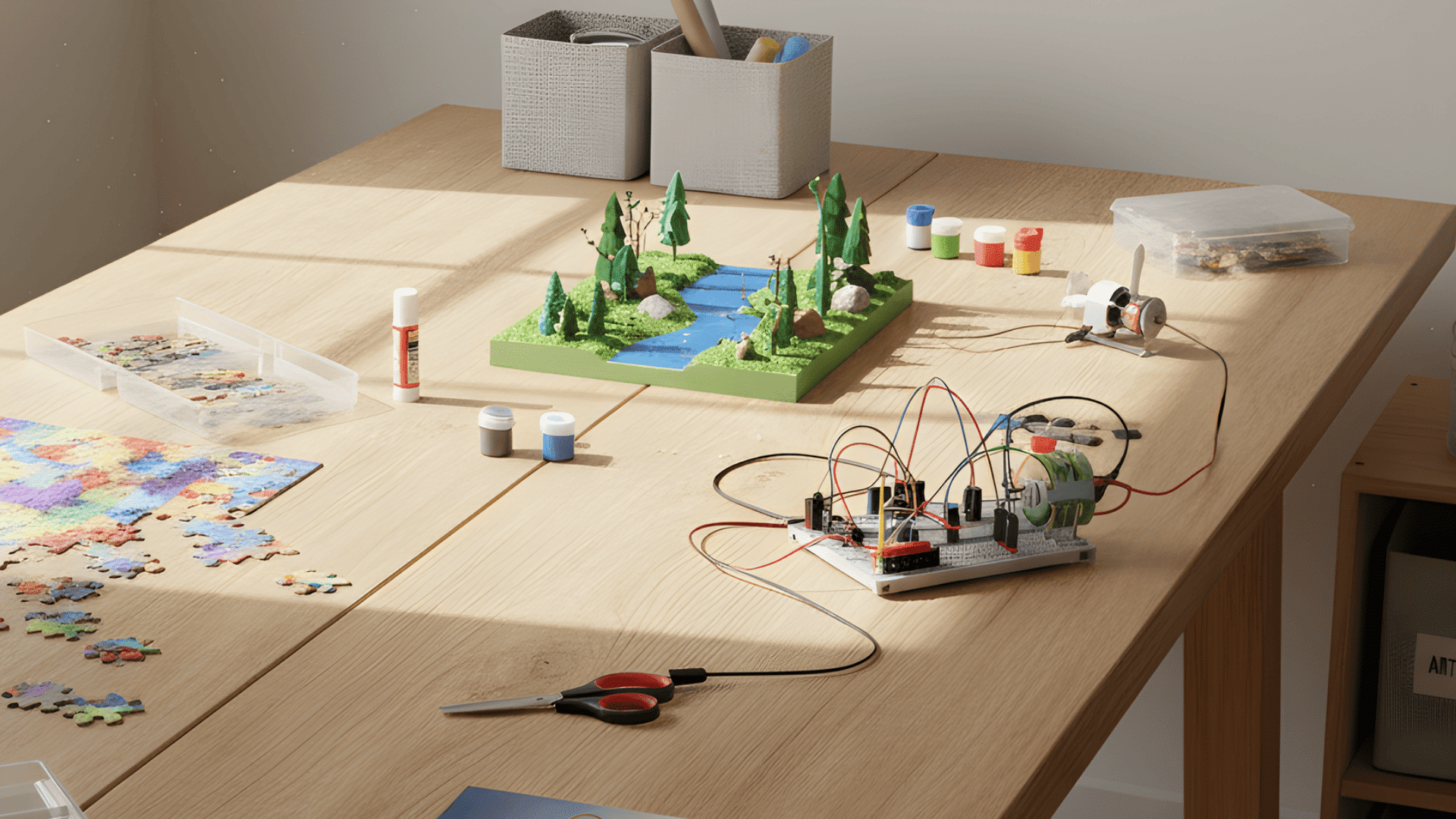
Set aside a table meant only for long-term projects like puzzles, dioramas, art pieces, or science builds. Kids can leave materials out without clearing them daily, which supports deeper focus.
Use small trays for loose parts and hang a project timeline above the table. This area encourages patience, creativity, and ongoing engagement with bigger learning tasks.
Homeschool Organization Essentials
A homeschool setup should focus on comfort, function, and organization. These essentials help create a space that supports focus and easy daily use:
- Strong desk or table: A strong, level surface for writing, reading, and projects that encourages good focus.
- Comfortable chair: Sized correctly for your child to maintain healthy posture during study time.
- Good lighting: Natural light during the day and a bright desk lamp for darker hours to prevent eye strain.
- Accessible book storage: Low shelves or baskets that keep learning materials within easy reach for independent use.
- Labeled bins or baskets: Containers marked by subject or student name to keep everything tidy and easy to find.
- Vertical shelving: Wall-mounted shelves to save floor space and store books, papers, and supplies neatly.
- Hidden storage: Cabinets or drawers to keep extra materials out of sight for a clean, uncluttered look.
The best homeschool setups are simple and purposeful. By including only the essentials, you make the space easier to maintain and more comfortable for learning.
Organization & Maintenance Tips for Homeschool Families
A few simple habits can reduce daily chaos, cut down clutter, and keep your learning space calm, functional, and motivating year-round.
- Use color-coding for each child to keep folders, notebooks, and bins easy to identify. It prevents mix-ups and gives every child ownership of their materials.
- End each day with a quick tidy-up routine so supplies return to their spots and clutter never gets a chance to build up.
- Balance shared and personal storage by using group shelves for common items and individual bins for each child’s essentials.
- Follow a weekly cleanup checklist to sort papers, wipe surfaces, and restock supplies before the next school week begins.
- Rotate learning materials regularly so books, posters, and manipulatives match current topics and keep the room visually fresh.
- Update furniture and tools as kids grow by adjusting desk heights, adding new materials, or rearranging the space to fit changing needs.
A clean, refreshed homeschool room stays structured, peaceful, and inspiring, helping your family learn with confidence and creativity every day.
Conclusion
Creating a calm and organized homeschool space doesn’t have to be overwhelming. Small changes, a bit of order, a few cozy touches, and some thoughtful planning can make learning at home more focused and enjoyable.
By now, you have learnt the best homeschool room ideas and how they could be the ones that fit your family’s rhythm and grow with your kids over time.
Start with what you have, keep it simple, and let the space progress naturally. With a little creativity and consistency, you can build a learning environment that feels peaceful, inspiring, and truly yours.
Ready to get started? Try one idea today and see how it changes the homeschool routine!