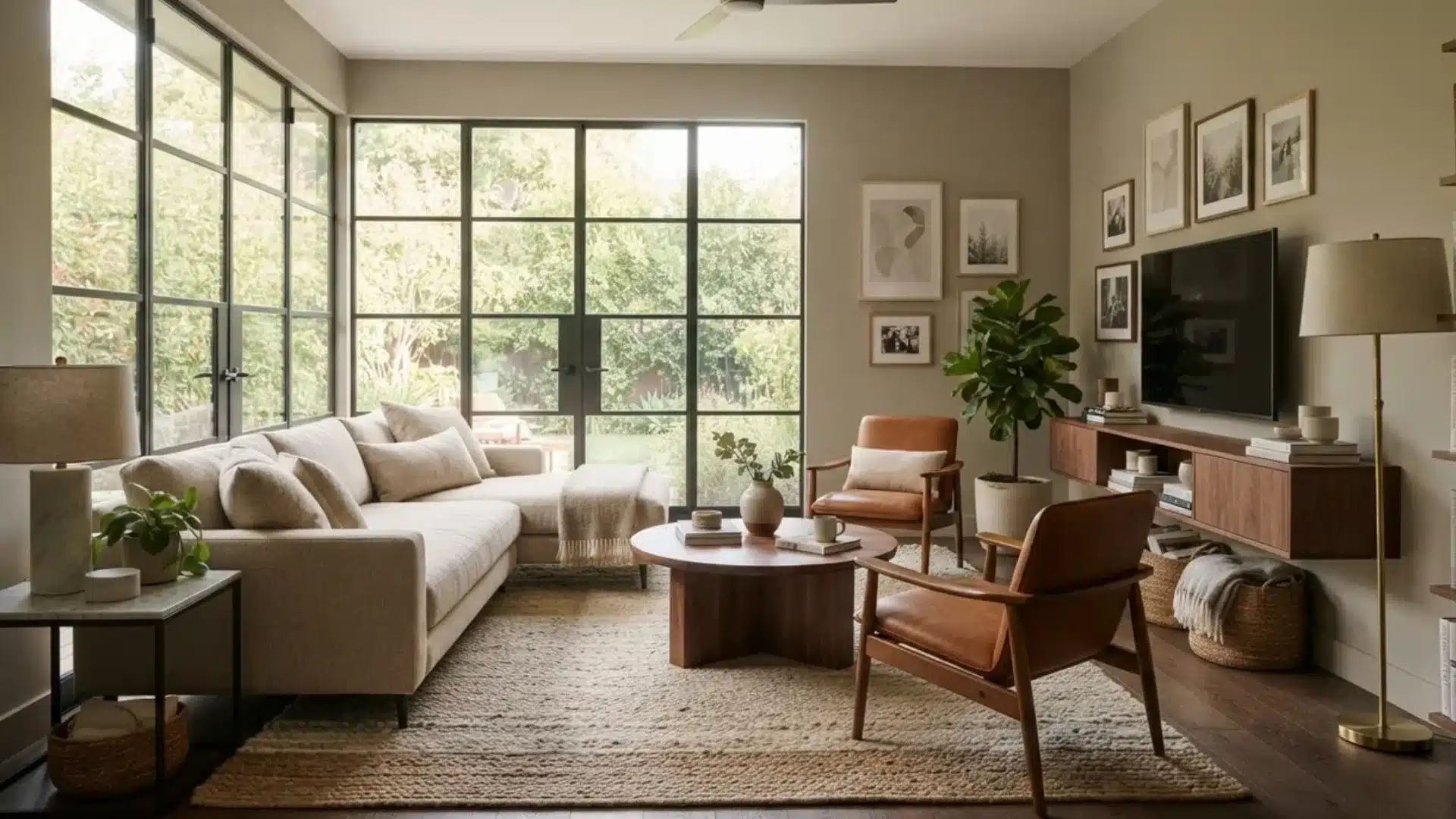


Windows play a big role in how your home looks, feels, and functions every day. The right design can improve comfort, boost energy efficiency, and even change how big or bright a room appears.
Choosing the right style often comes down to your space, climate, and personal taste.
This guide covers the most common types of windows, their features, pros and cons, and where each one works best.
From traditional single-hung designs to modern skylights, there’s a style suited for every room and budget.
How to Choose the Right Types of Windows
Choosing the right window is about finding the perfect mix of design, function, and energy efficiency. It helps your home look good while keeping it comfortable and cost-effective.
- Room Purpose: Bedrooms need airflow and privacy, while living rooms need more light and outdoor views.
- Climate: Awning windows suit rainy areas. Casement windows work well in windy zones.
- Maintenance: Sliding and vinyl windows are the easiest to clean and maintain.
- Energy Efficiency: Double- or triple-pane glass keeps your home warmer in winter and cooler in summer.
- Budget: Single-hung windows are affordable, while bay and bow windows add value and space.
Once you’ve figured out what matters most for you, it’s easier to pick the window style that fits your needs perfectly.
Windows Types for House
Each window style opens differently and adds its own touch to your home’s design. Some offer great airflow, while others bring in more light or expand the view.
1. Single-Hung Windows
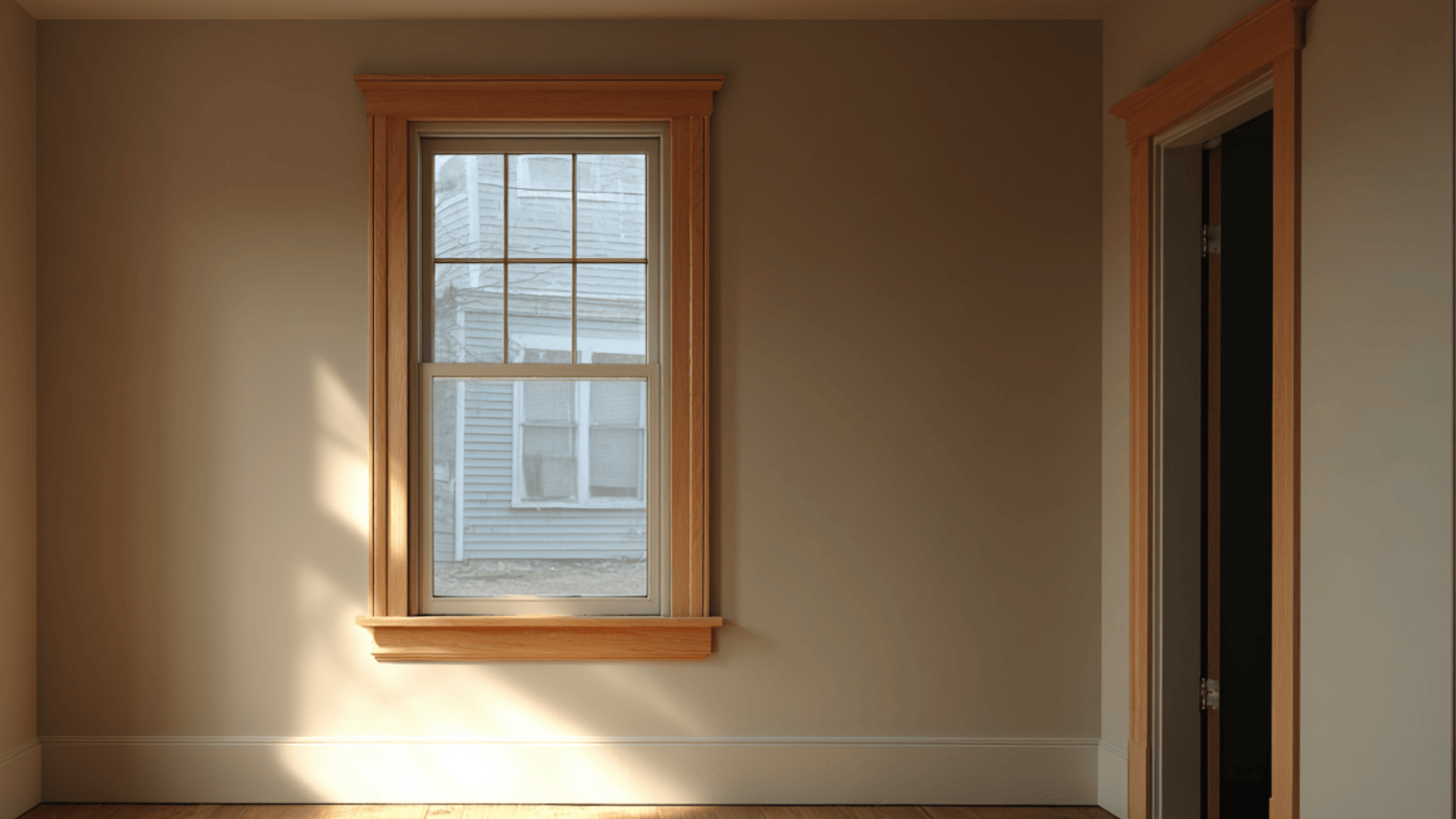
Single-hung windows have one movable bottom sash and a fixed top sash. Their simple design makes them budget-friendly and easy to maintain. They provide good insulation, helping lower energy use.
Because they take up little space, they’re perfect for smaller rooms like bathrooms, bedrooms, or hallways. Their clean, traditional look fits well in almost any home style.
2. Double-Hung Windows
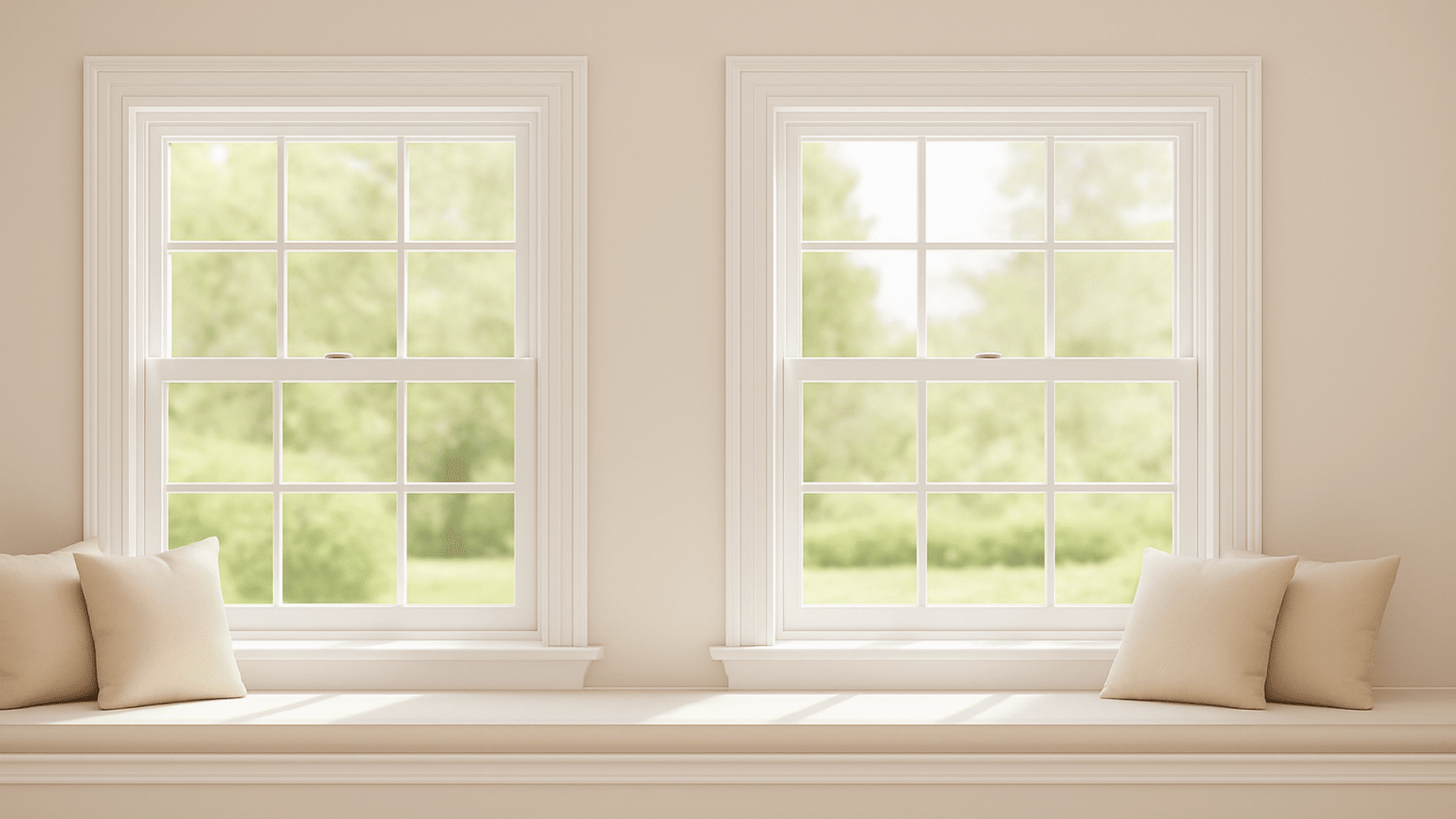
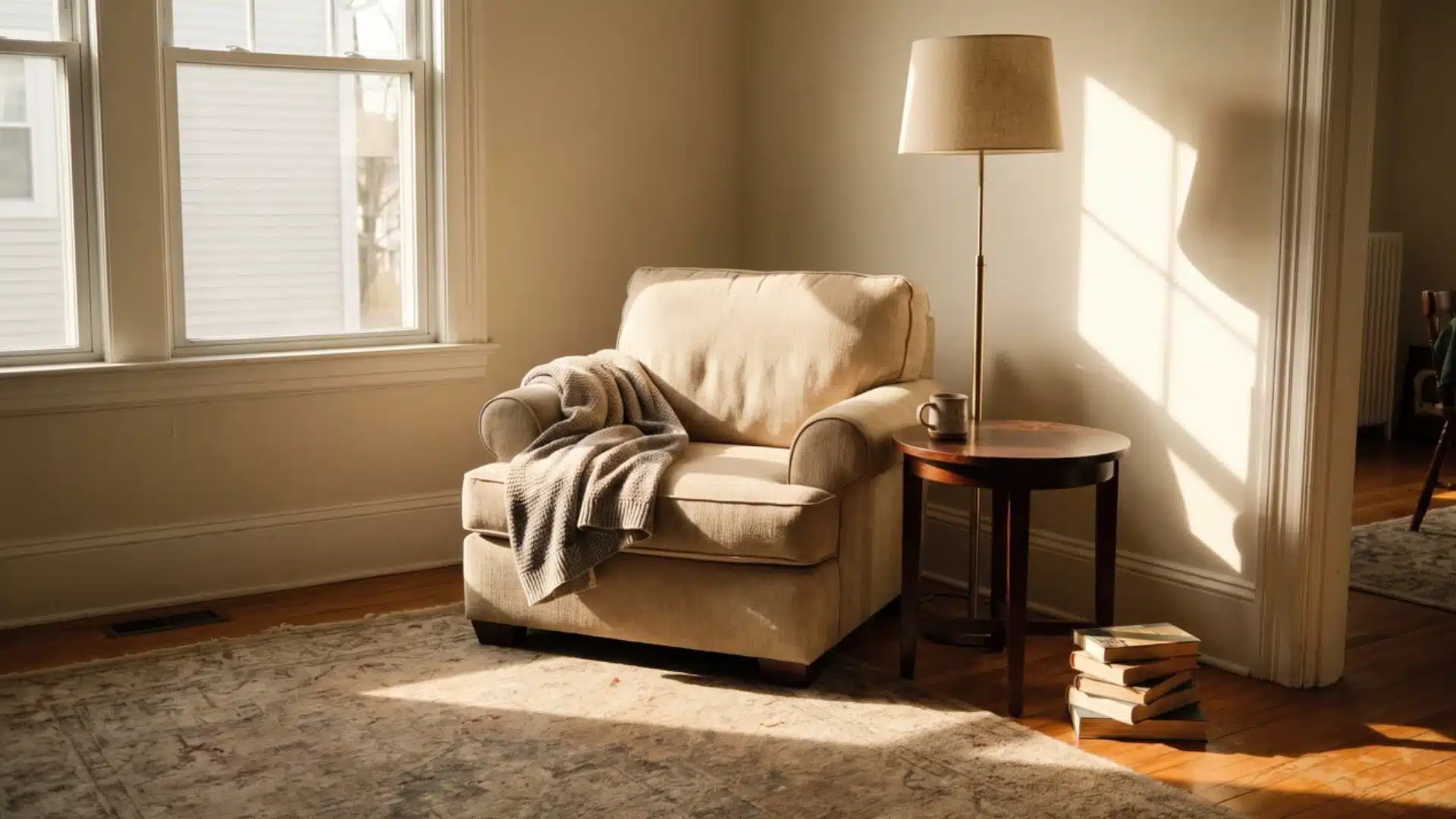
Double-hung windows have two sashes that move vertically for flexible ventilation. You can open the top for airflow or the bottom for safety. They’re easy to clean since both sashes tilt inward.
Their balanced design makes them popular in traditional homes. These windows suit bedrooms, living rooms, or areas where you want better control over fresh air and temperature.
3. Casement Windows
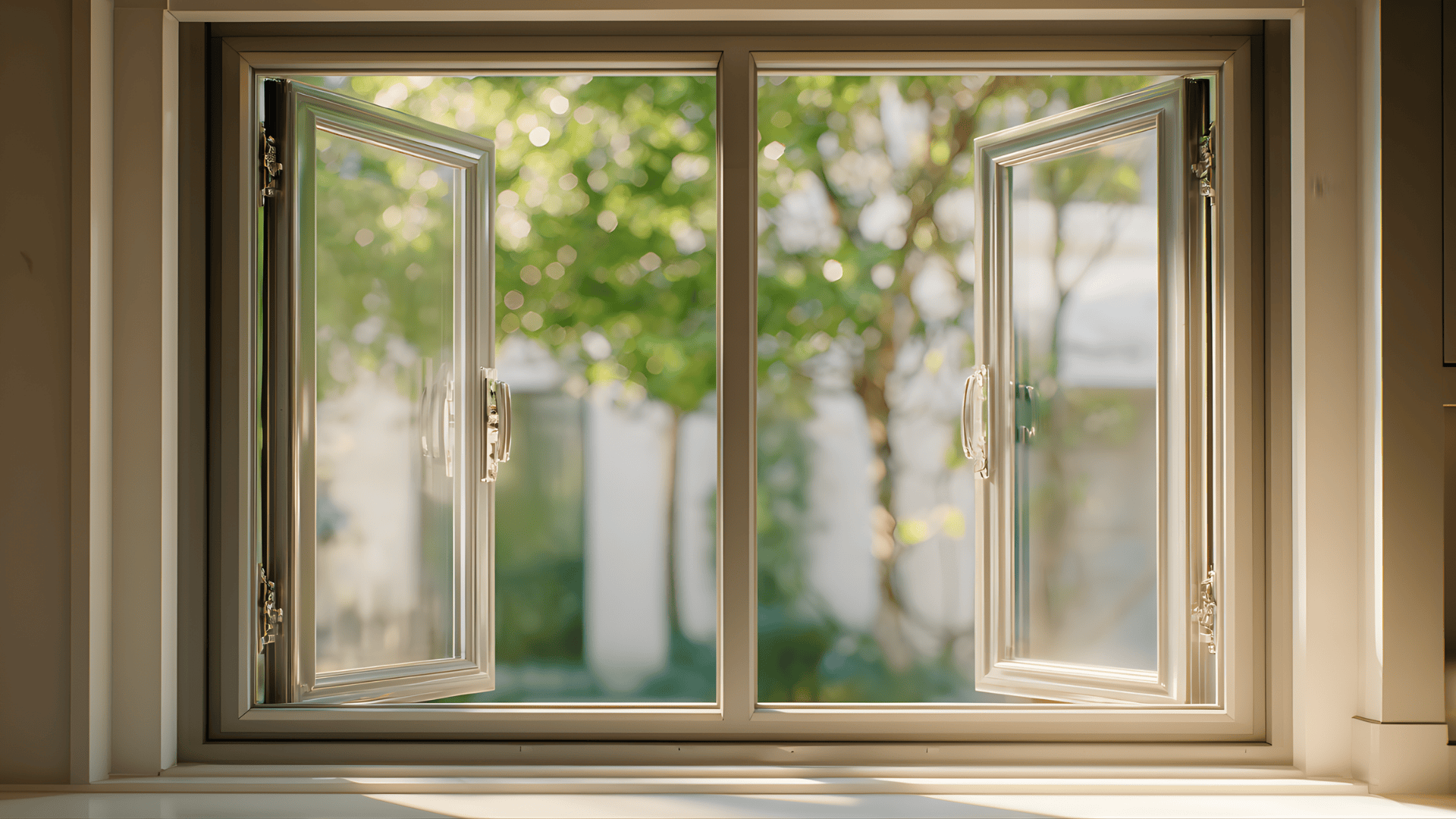
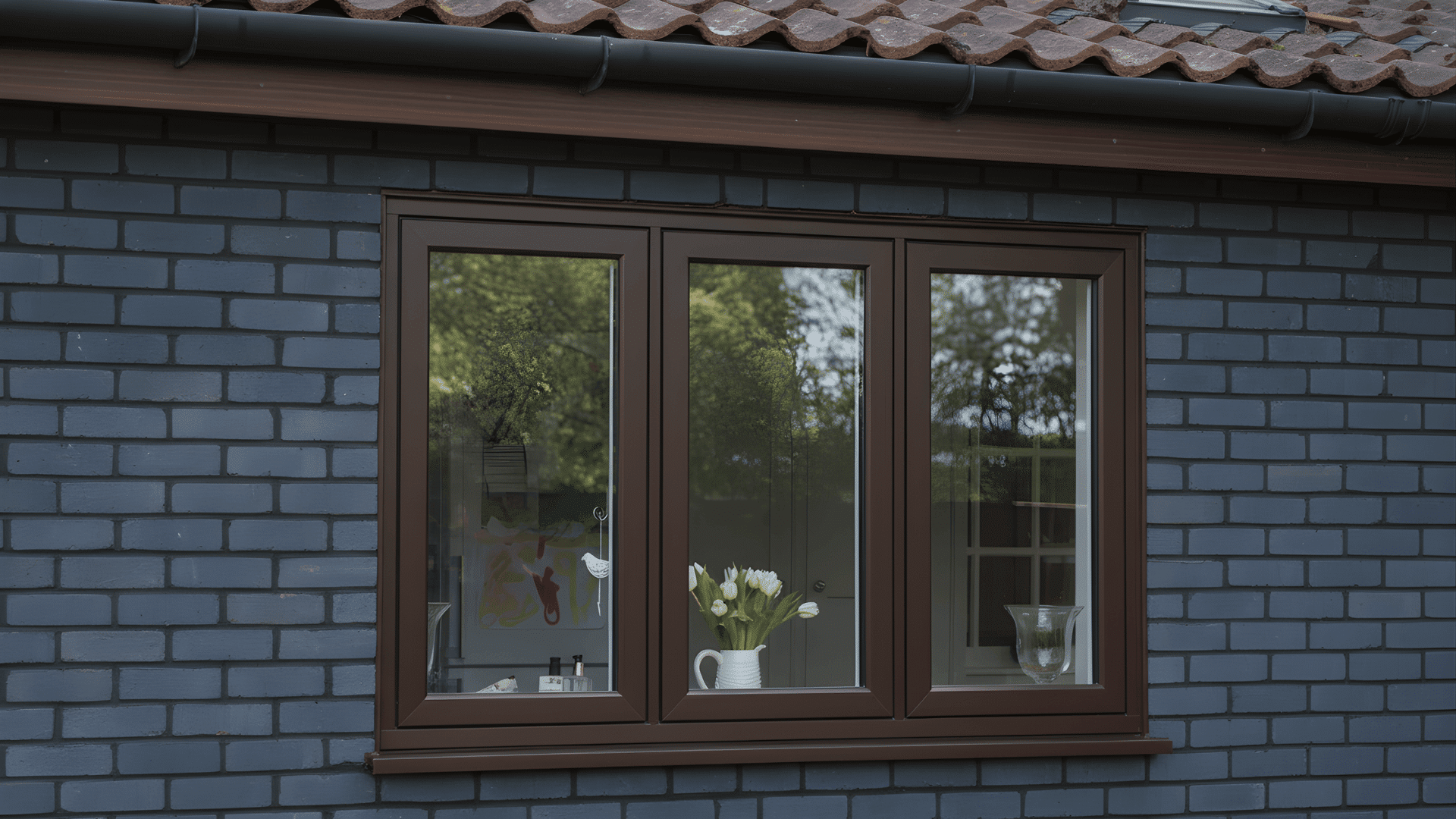
Casement windows are hinged on one side and open outward using a crank handle. They seal tightly when closed, offering excellent insulation and energy efficiency.
Their wide opening allows strong airflow and clear outdoor views. Casement windows are ideal for kitchens or windy regions where good ventilation matters. Their sleek design also suits modern and contemporary homes.
4. Awning Windows
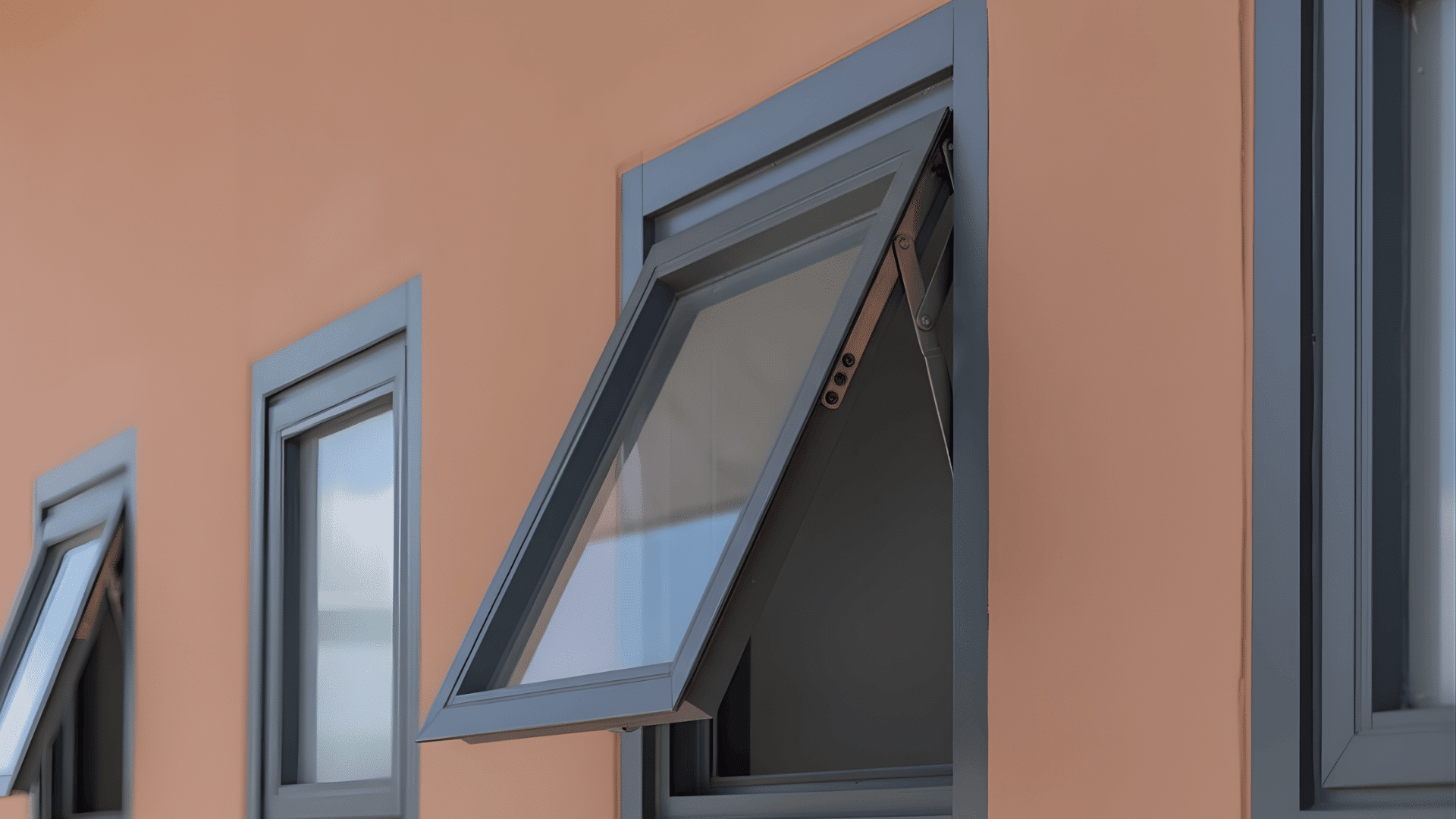
Awning windows are hinged at the top and open outward from the bottom. They allow air in even when it’s raining, making them practical in wet climates.
These windows provide great ventilation and are often placed higher on walls for privacy. They’re best for bathrooms, basements, or small rooms that need airflow without sacrificing light.
5. Hopper Windows
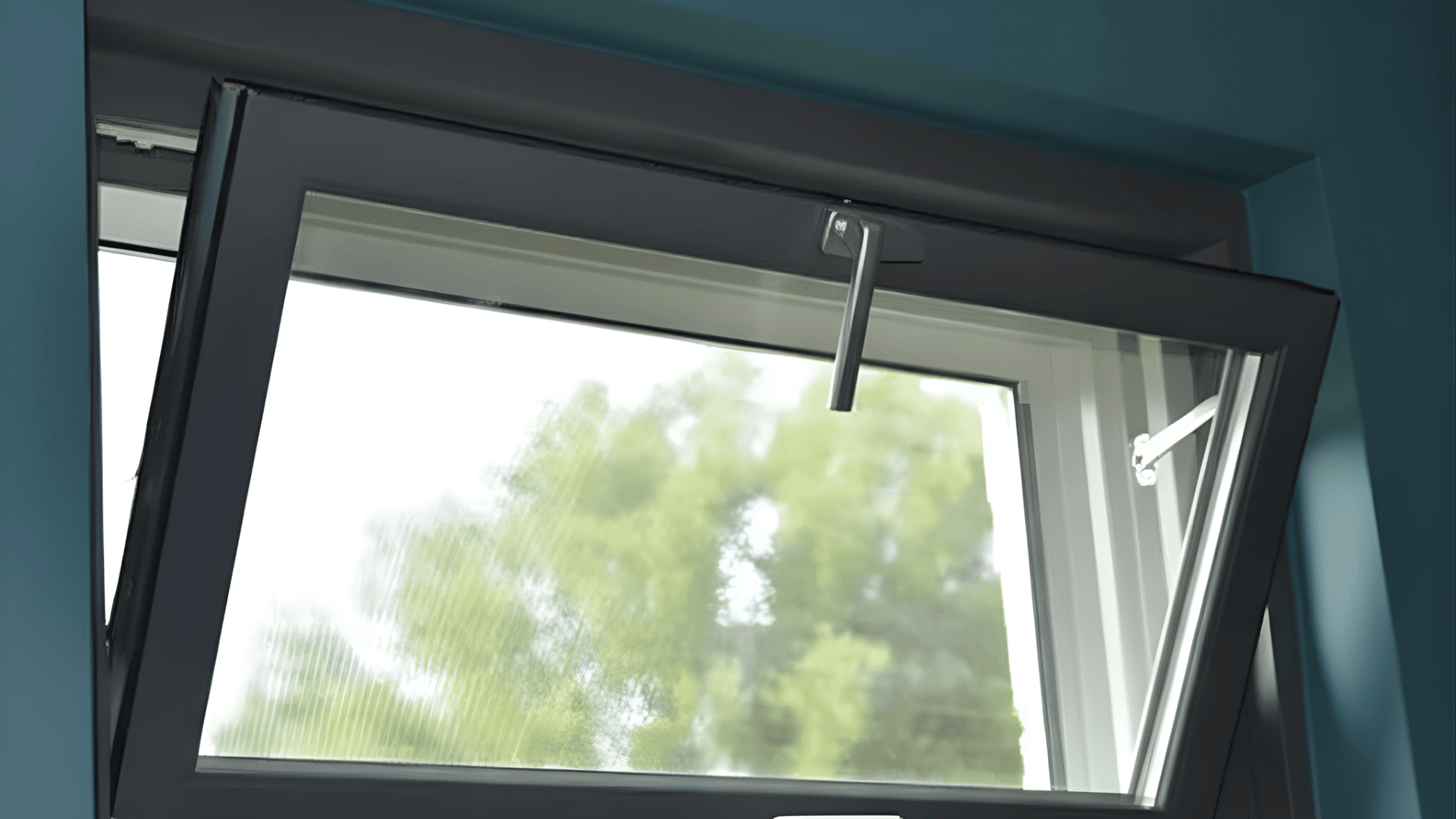
Hopper windows are hinged at the bottom and open inward from the top. They’re compact and often used in basements, laundry rooms, or garages.
Their inward opening makes them easy to clean from the inside. These windows offer good insulation and security while saving wall space. Their simple design suits utility areas and keeps rooms bright and fresh.
6. Sliding Windows
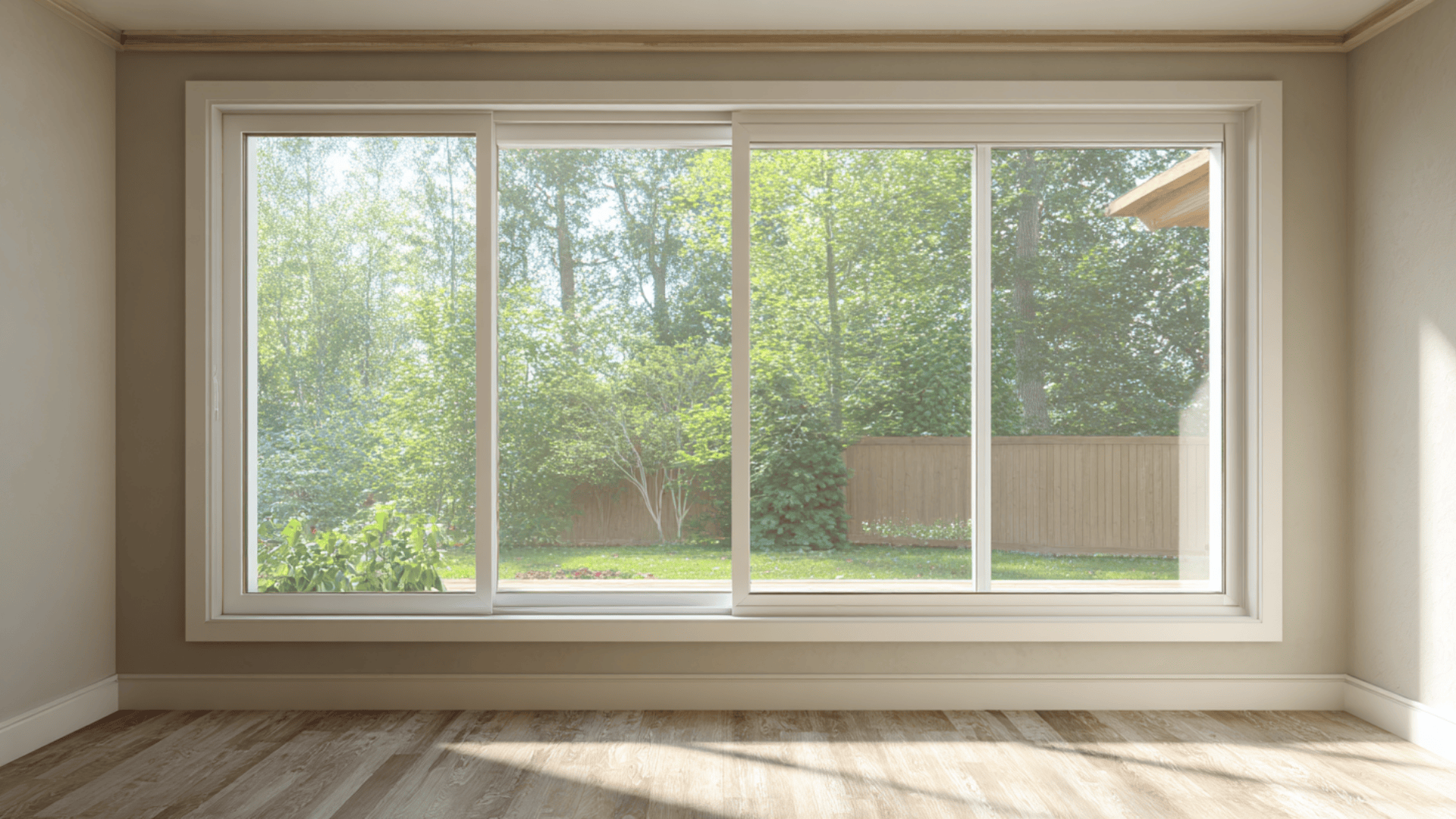
Sliding windows open horizontally with one or more panels that glide on a track. They’re easy to use and need very little upkeep. The design allows wide, unobstructed views and good ventilation.
Sliding windows work well in modern or ranch-style homes, especially in living rooms or kitchens with wide walls. Their simple function makes them great for daily use.
7. Picture Windows
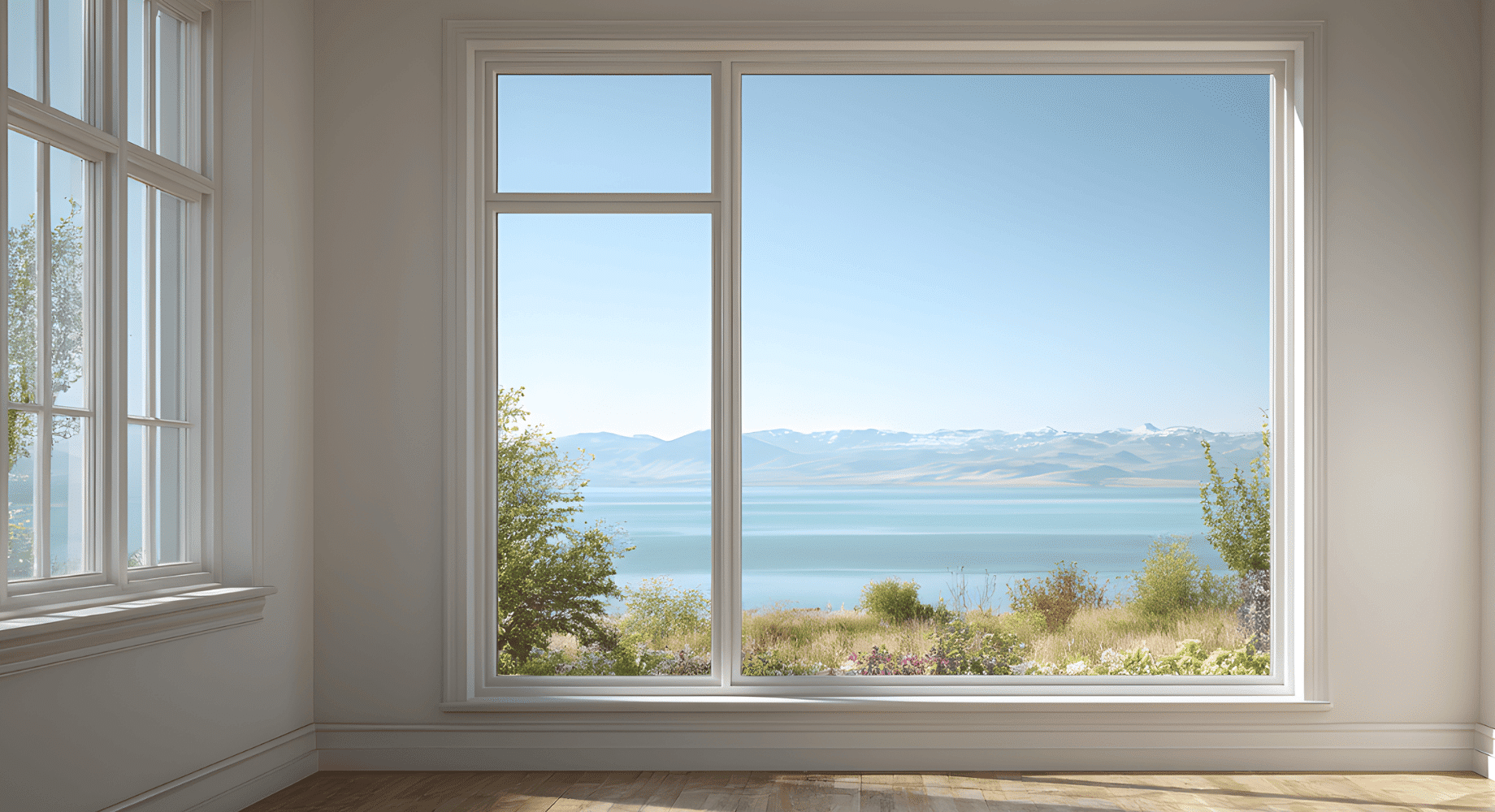
Picture windows are large, fixed glass panels that don’t open. They’re designed to frame outdoor views and let in lots of natural light.
Because they don’t move, they’re highly energy-efficient and low-maintenance. These windows are perfect for living rooms, stairwells, or any space that needs sunlight and scenic views without extra ventilation.
8. Bay Windows
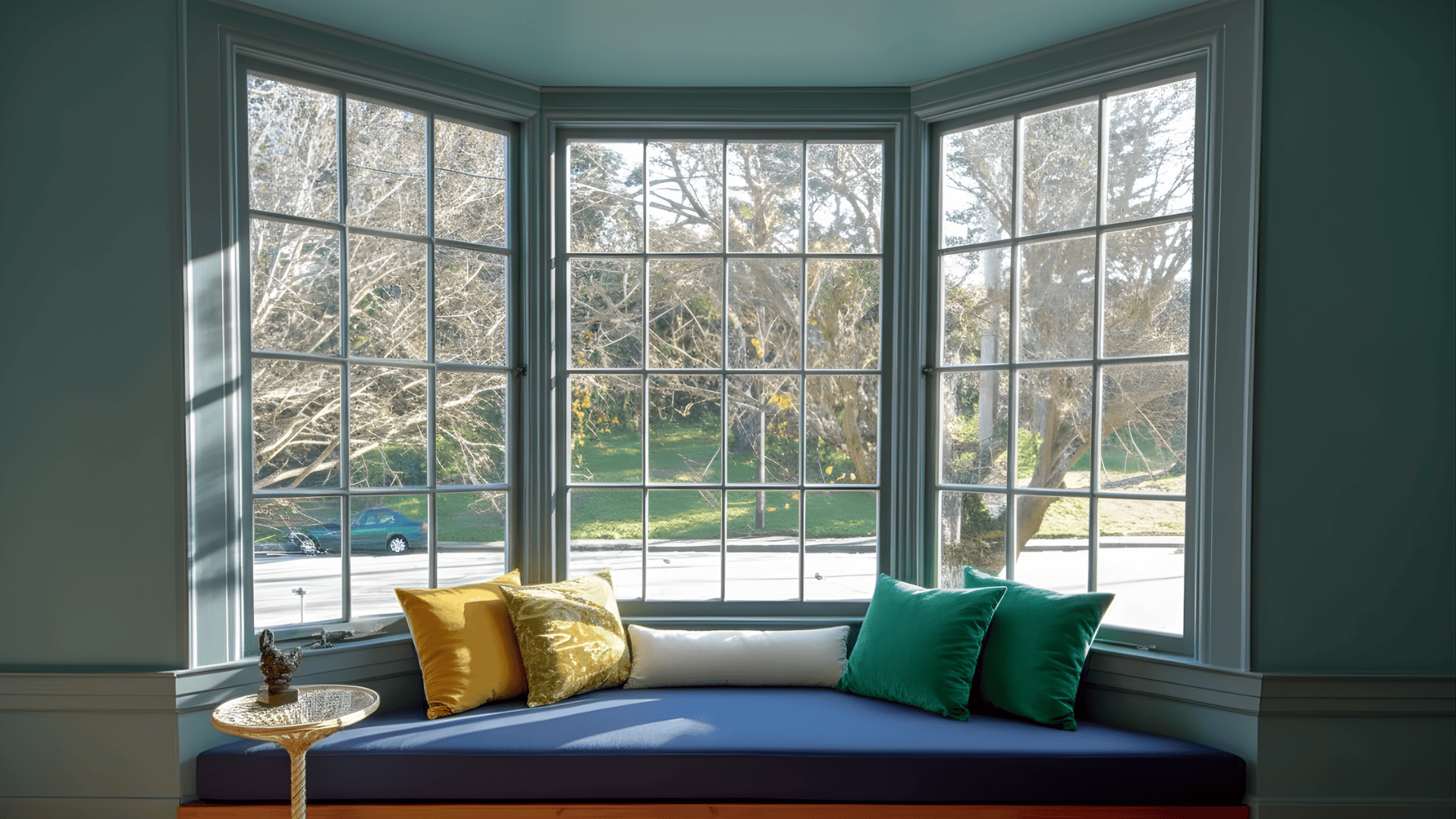
Bay windows extend outward from the wall in a three-panel design. They add depth, light, and a small nook inside your home.
The angled layout gives panoramic outdoor views and extra seating or storage space. Bay windows fit beautifully in living rooms, reading corners, or dining areas. They add value to your home with a bright, open feel.
9. Bow Windows
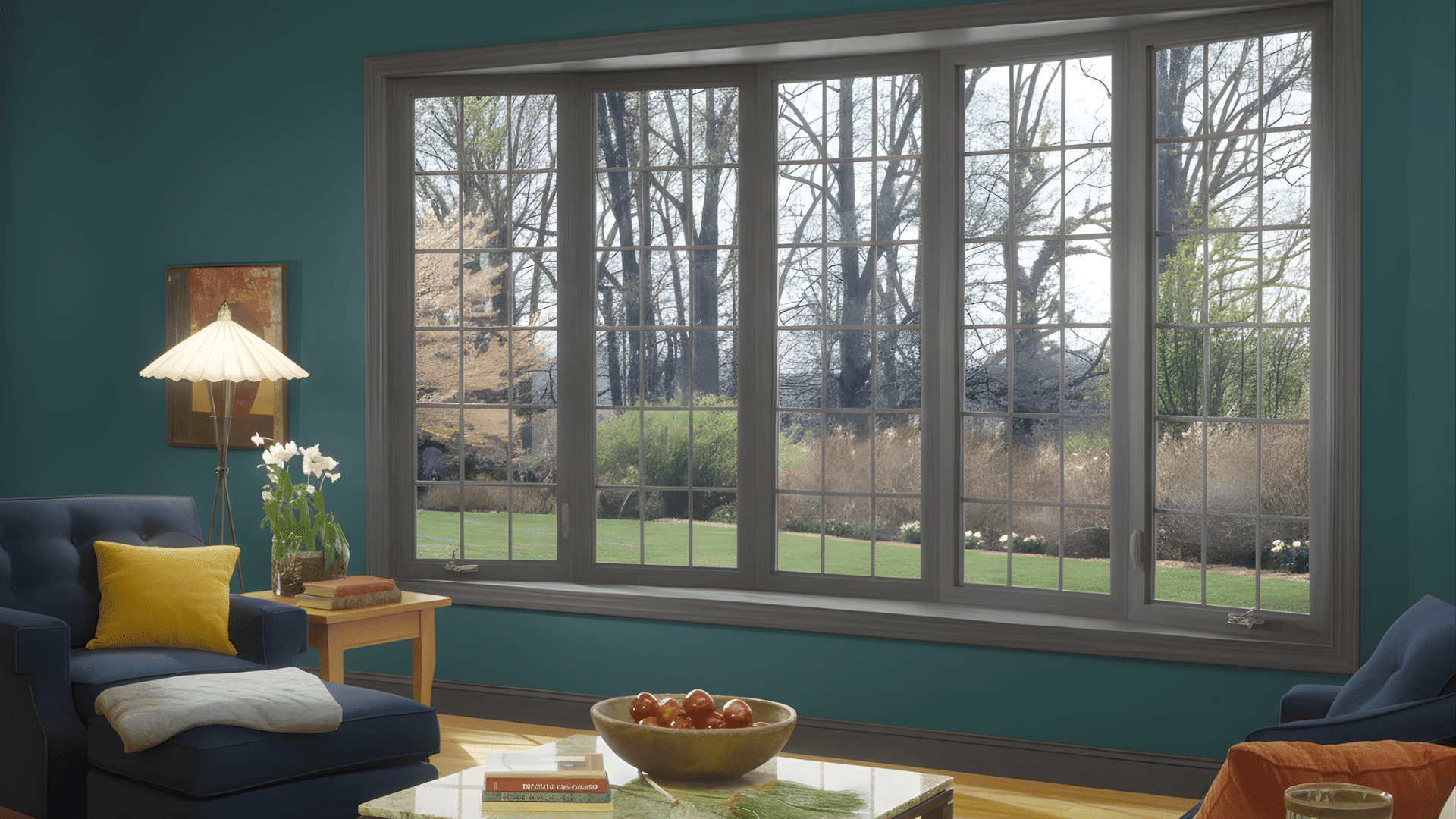
Bow windows are similar to bay windows but use four or more panels to create a smooth, curved shape. They bring in plenty of light and make rooms feel larger and softer in design.
Bow windows suit classic or Victorian-style homes. They work best in living or dining rooms where you want to highlight the view and open up the space.
10. Garden Windows
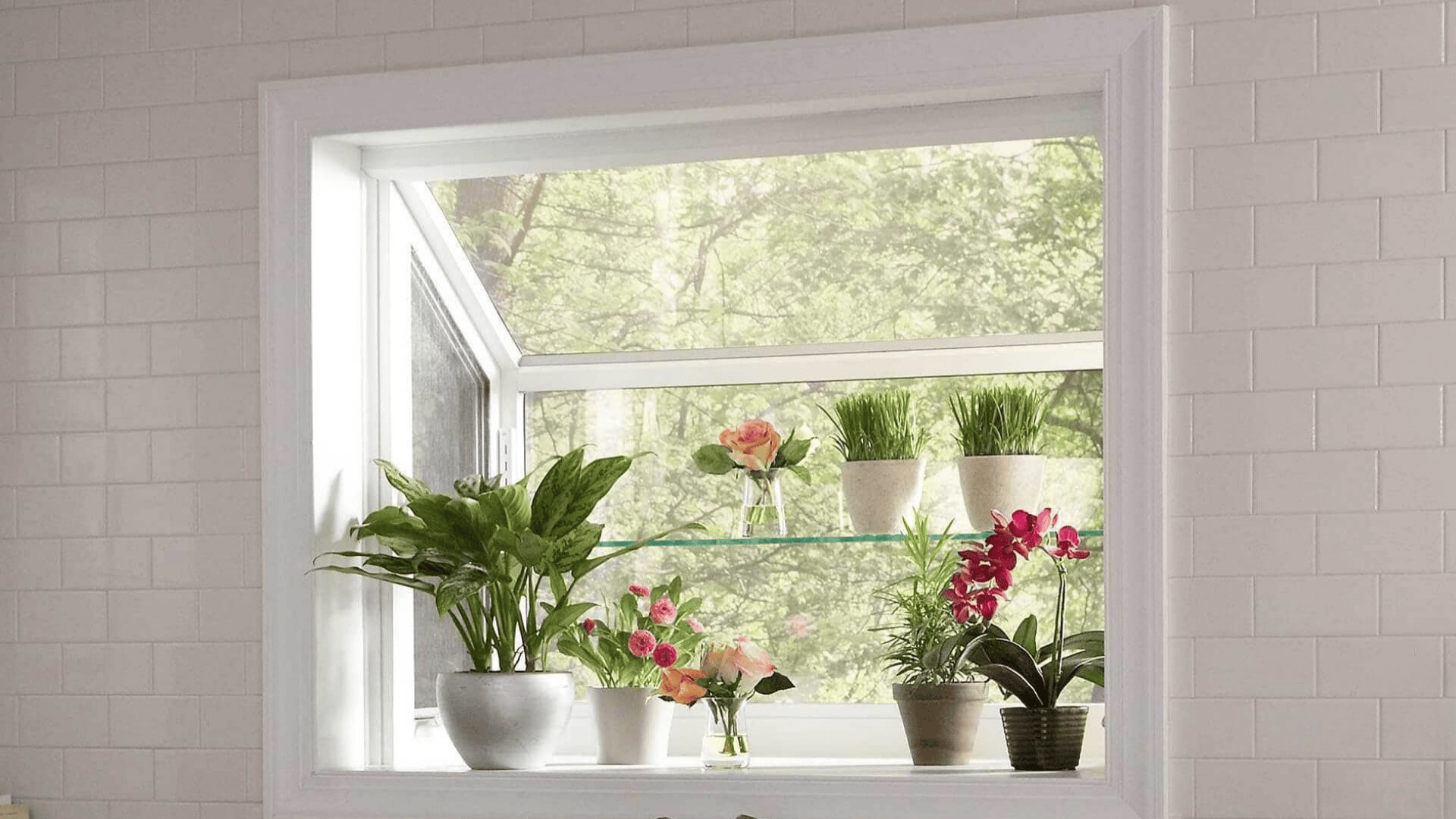
Garden windows extend outward like a small glass box with a top and sides. They let sunlight reach indoor plants or herbs. Often placed above kitchen sinks, they make the space brighter and more inviting.
These windows also improve ventilation and add charm to your kitchen. The design creates a cozy shelf for greenery or decorative pieces.
11. Transom Windows
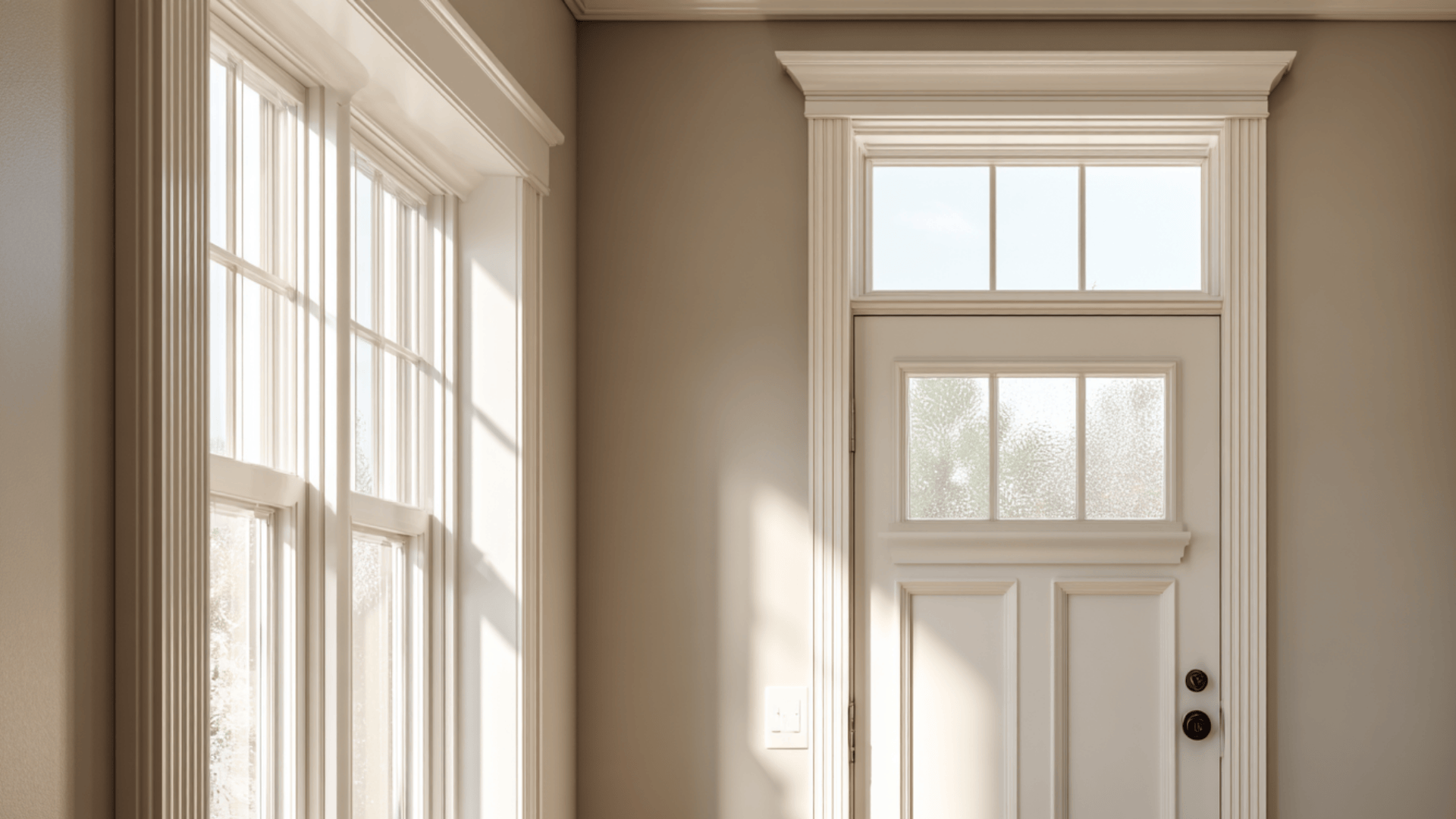
Transom windows are small openings placed above doors or larger windows. They add extra light and style without affecting privacy. Some are fixed, while others are open to improve airflow.
These are perfect for entryways, hallways, or bathrooms. Their decorative shapes, like arches or rectangles, enhance architectural character while keeping interiors bright and open.
12. Skylight Windows
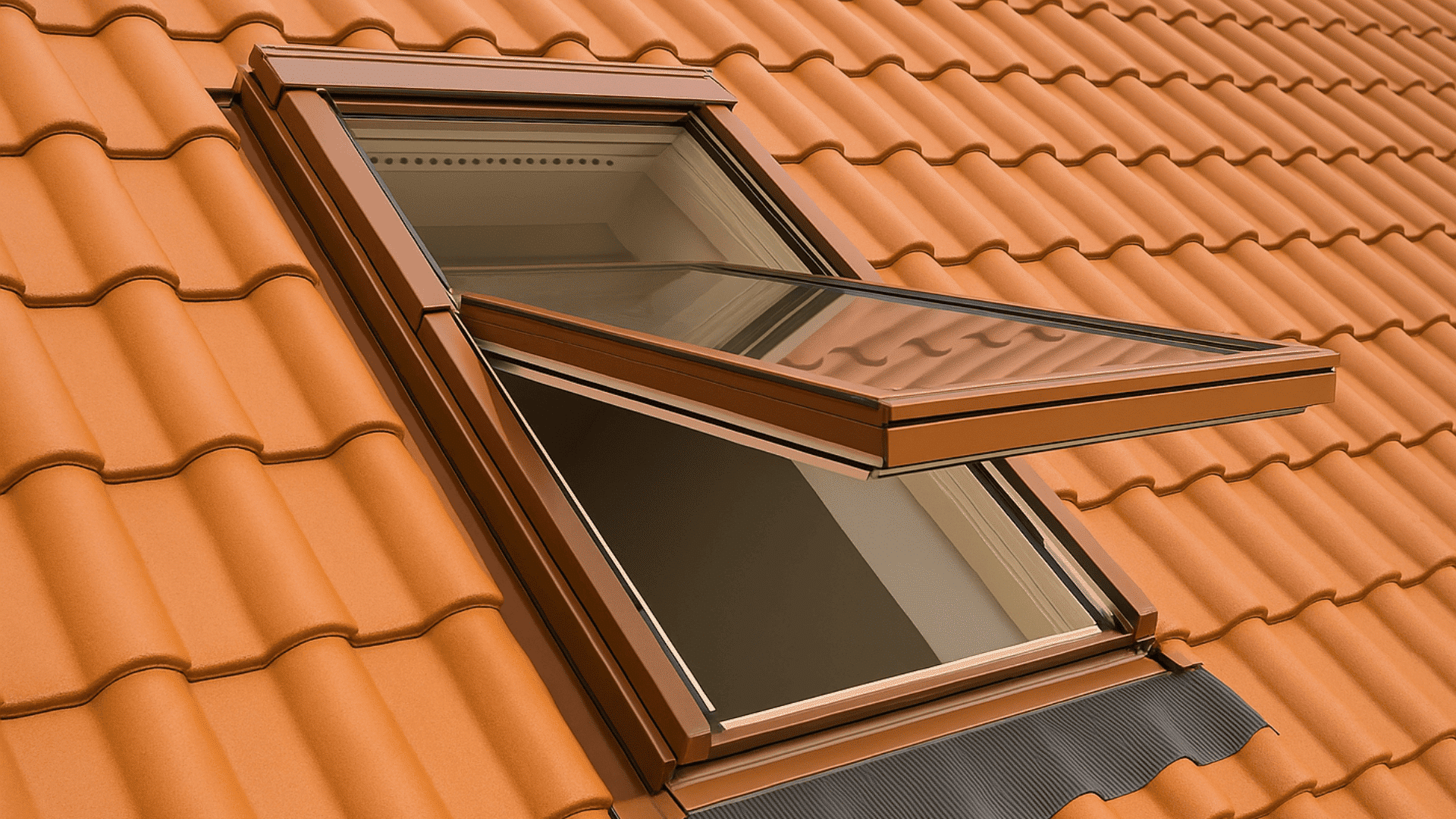
Skylight windows are installed on the roof to bring sunlight from above. They brighten dark spaces and make rooms feel airy and open. Some skylights can open for ventilation, while others remain fixed.
These windows are great for attics, bathrooms, or interior rooms without wall access. They also help reduce energy use by adding natural light during the day.
13. Arched Windows
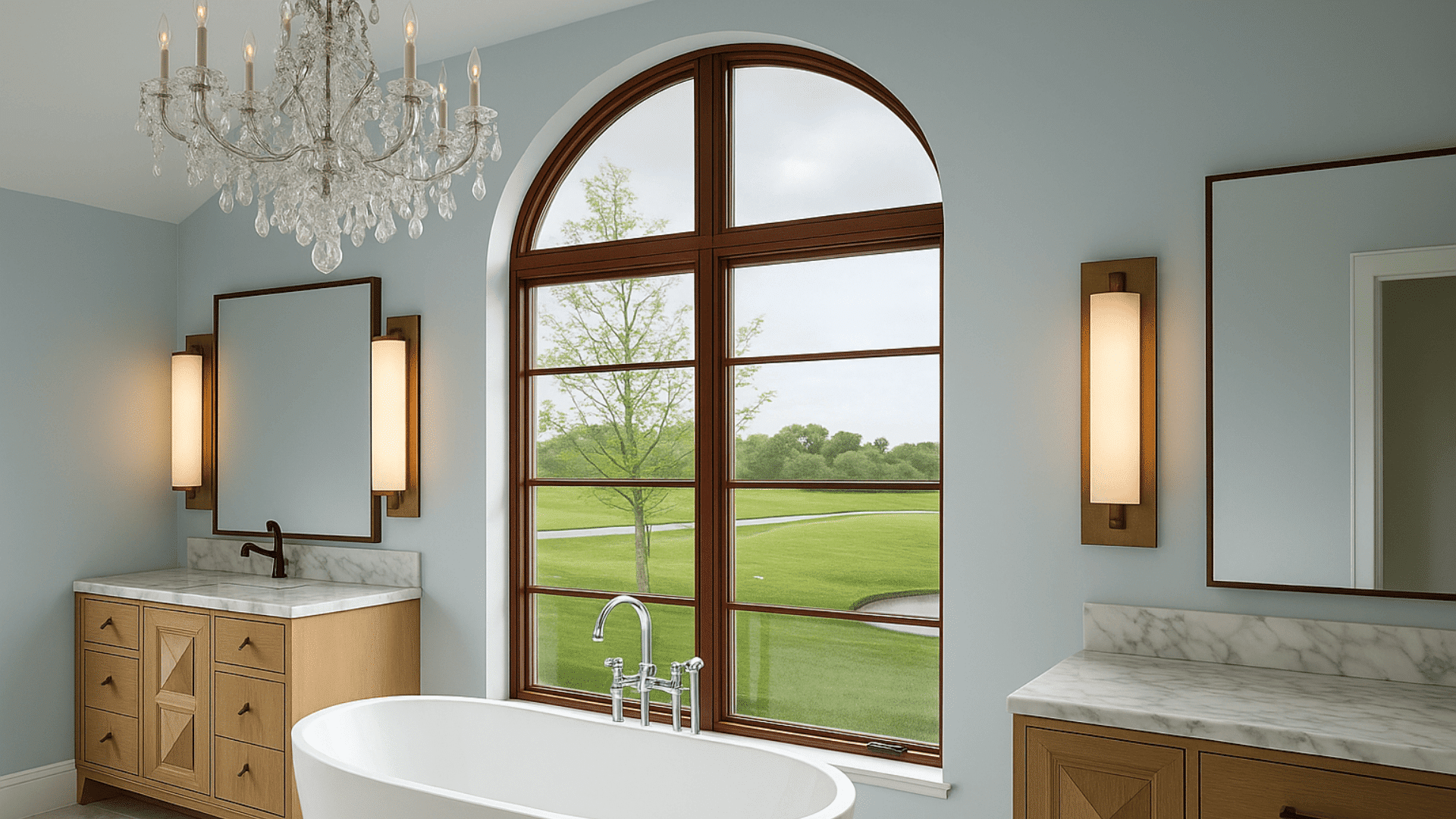
Arched windows feature a rounded top that adds elegance and charm to any space. They’re usually fixed but can be paired with rectangular windows for ventilation.
These windows bring a soft architectural touch and more daylight. Arched windows look stunning in living rooms, staircases, or entryways, especially in traditional or Mediterranean-style homes.
14. Round Windows
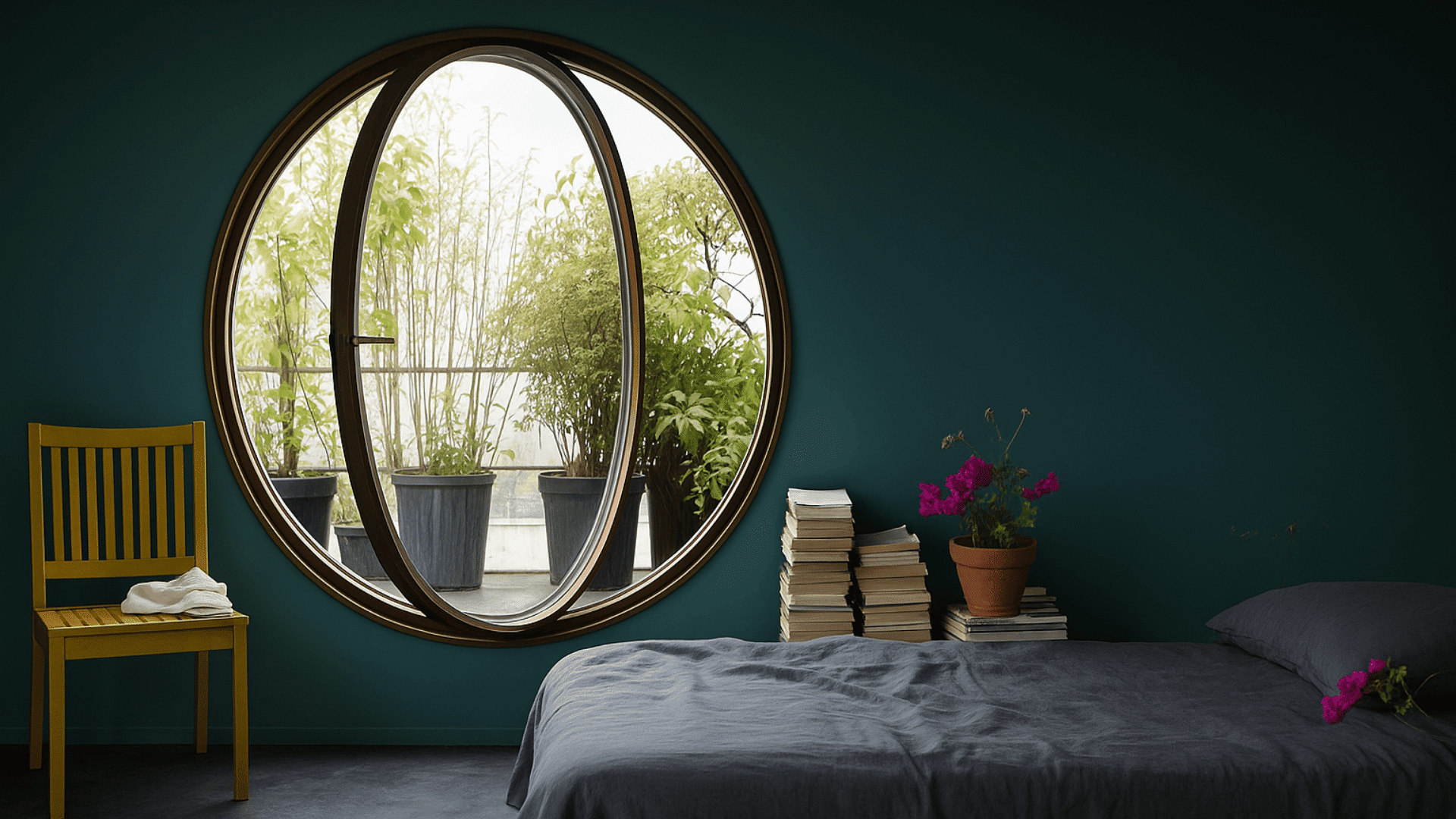
Round windows, also called circular or porthole windows, have a unique shape that creates a decorative focal point. They’re often small but allow just enough natural light to brighten the space.
Commonly found in bathrooms, attics, or coastal homes, they add a fun visual element while keeping the room’s design balanced and interesting.
15. Jalousie (Louvered) Windows
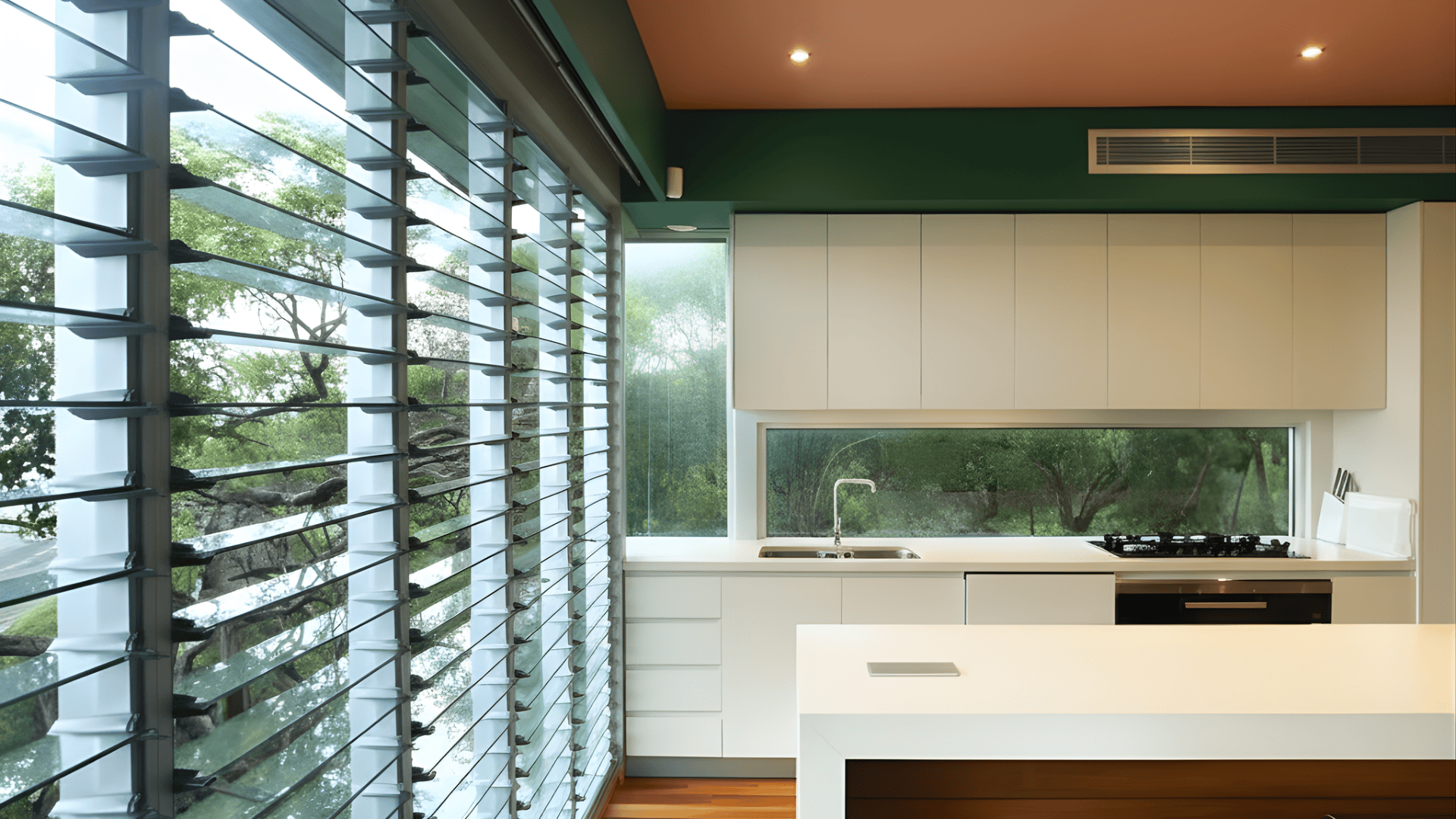
Jalousie windows use narrow glass slats that tilt open and close with a lever. They provide excellent airflow and are perfect for tropical or coastal climates. However, they’re less insulating than other styles.
Their retro look works well in sunrooms or enclosed porches. Jalousie windows are great for keeping air moving while protecting against light rain.
16. Storm Windows
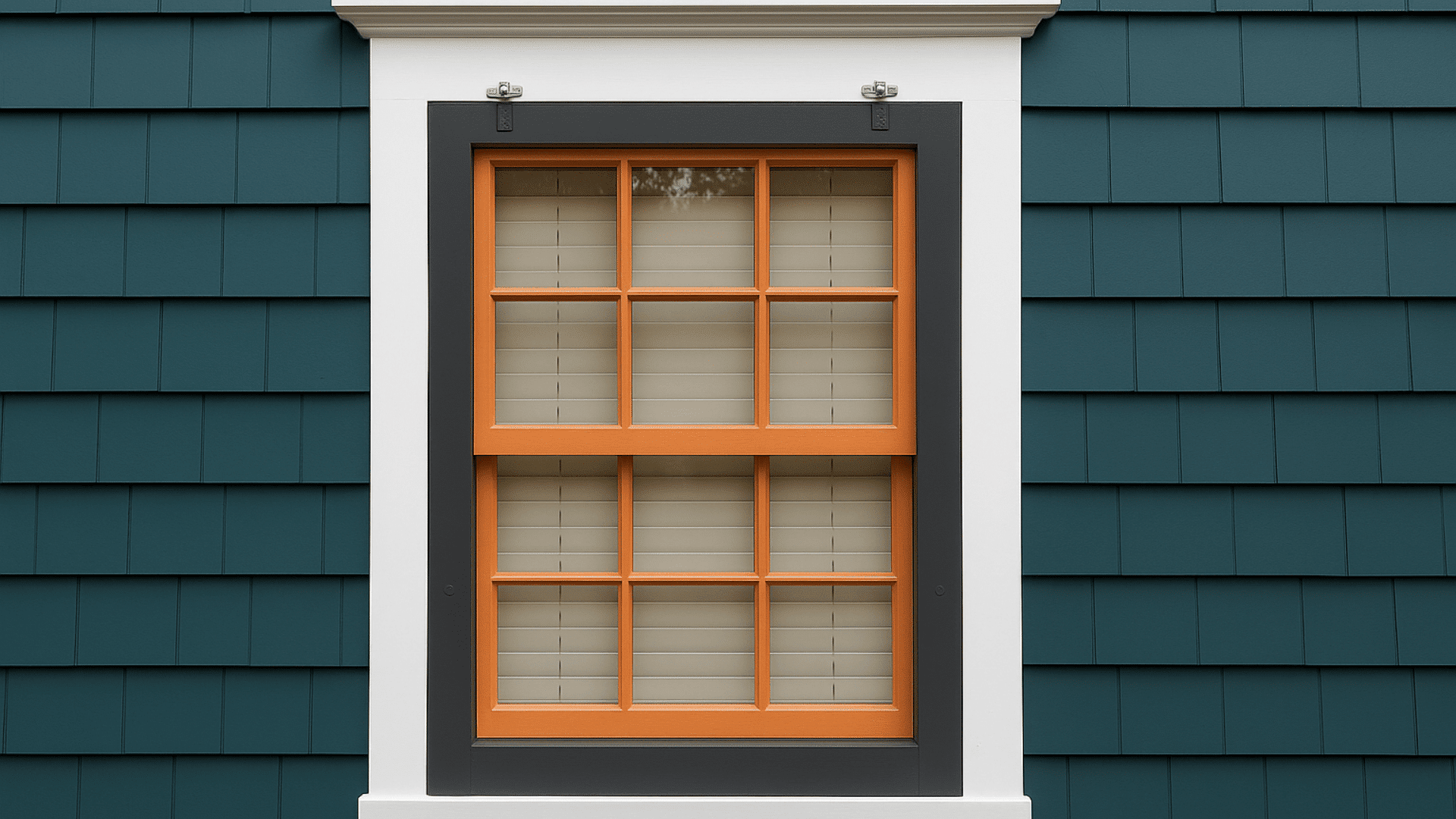
Storm windows are secondary panels added over existing windows for extra protection and insulation. They help block drafts and reduce outside noise.
These windows are ideal for areas with extreme weather or older homes needing better energy efficiency. Storm windows improve comfort, lower heating costs, and extend the life of your main windows.
17. Egress Windows
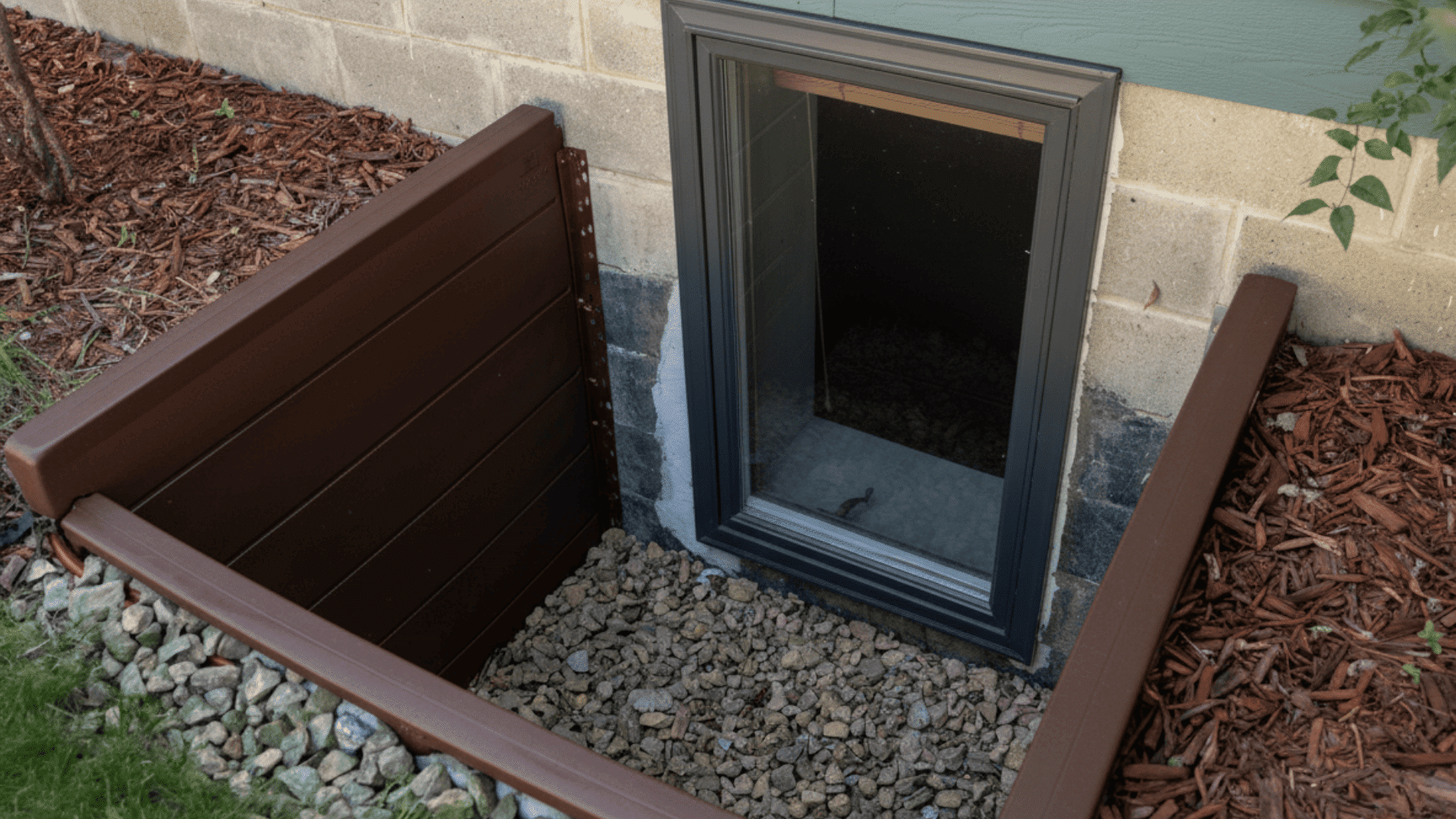
Egress windows are large openings designed for safety and emergency exits. Building codes often require them in basements or lower-level bedrooms.
They also bring in natural light and fresh air to otherwise dark spaces. Egress windows make basements feel more livable and secure while ensuring your home meets safety standards.
Window Frame Materials
- Vinyl: Budget-friendly and easy to maintain. It resists moisture and doesn’t need painting, making it a great choice for busy homeowners.
- Wood: Offers a warm, classic look that fits both traditional and modern homes. However, it needs regular care to prevent rot or warping.
- Aluminum: Lightweight and strong, but less energy-efficient. It’s best for modern designs or regions with mild weather.
- Fiberglass: Known for its strength and resistance to weather changes. It insulates well and lasts for decades with minimal upkeep.
- Composite: Combines wood fibers and synthetic materials to balance durability, energy efficiency, and low maintenance.
Each frame material has its strengths, so consider your home’s design, climate, and maintenance comfort before choosing one.
Energy-Efficient Glass Options
The type of glass in your windows plays a key role in temperature control, noise reduction, and energy savings. Choosing the right option helps you stay comfortable year-round while lowering energy bills:
- Single-Pane Glass: Basic glass with no insulation. It’s affordable but offers poor energy performance. Best for garages or mild climates.
- Double-Pane Glass with Argon: Two glass layers with argon gas between them. Improves insulation, reduces heat transfer, and works well for most homes and climates.
- Triple-Pane Glass with Krypton: Three glass layers filled with krypton gas. Provides excellent insulation and noise control, but costs more. Ideal for very cold or noisy regions.
- Low-E Coated Glass: Has a thin, invisible coating that reflects heat while allowing light to pass through. Keeps homes cool in summer and warm in winter. Perfect for hot or sunny areas.
Double-pane Low-E glass with argon is often the best all-around choice for comfort, performance, and value.
Tips for Buying or Replacing Windows
- Measure accurately before ordering: Always measure the opening from multiple points to ensure a perfect fit. Even small errors can affect performance and installation.
- Check local codes and warranty coverage: Make sure your new windows meet local building rules and come with a solid warranty for long-term protection.
- Review energy ratings (U-factor, SHGC): A lower U-factor means better insulation, while a lower SHGC rating blocks more solar heat. These numbers help you find efficient options for your climate.
- Hire a licensed installer for airtight results: Professional installation prevents air leaks and ensures your windows perform as designed, improving comfort and saving energy.
Following these tips helps you get the best results, a longer lifespan, and stronger performance from your new windows.
Conclusion
Choosing the right windows can make your home feel brighter, more comfortable, and more efficient every day. Once you understand how each style works, it becomes easier to picture what fits your rooms and your routine.
In my experience, the best choice is the one that balances airflow, sunlight, and long-term value without adding extra work for you.
If you’re planning an update or a full replacement, take a moment to list your needs and compare your options. Then choose the style that feels right and start your project with confidence!