


When I first started planning my kitchen remodel, I had no idea how much it would actually cost. The prices I found online were all over the place, and it was hard to know what was realistic.
That’s why I decided to break down the real numbers behind kitchen renovation costs. From materials to labor, I’ll show you what affects your total spending and where you can save.
By the end, you’ll understand every part of your kitchen remodeling cost and feel ready to plan your project with confidence and control.
Before You Start Your Kitchen Remodel
Before you plan the budget, it helps to define your project goals and expectations. Here’s what to think about first:
- Define your goal: Decide if you want a simple refresh or a complete remodel that changes the layout.
- Measure your space: Larger or open kitchens usually cost more to update than smaller ones.
- Consider your location: Labor costs are higher in cities than in smaller towns or rural areas.
- Check your kitchen’s condition: Old plumbing, wiring, or flooring can raise your overall renovation cost.
- Set a spending range: Aim to invest 5–15% of your home’s value for a balanced and realistic budget.
Taking time to understand these basics helps you plan your kitchen remodel more confidently and avoid unnecessary spending later.
Average Kitchen Renovation Cost
Kitchen renovation costs depend on how extensive your project is and the materials you choose. Below is a quick guide to help you understand what different types of remodels usually cost.
| Type of Remodel | Average Cost Range | What’s Included |
|---|---|---|
| Minor Remodel | $10,000 – $20,000 | New paint, cabinet refacing, backsplash updates, lighting, and basic appliance upgrades. |
| Mid-Range Remodel | $25,000 – $50,000 | New cabinetry, flooring, mid-tier appliances, and modern finishes, while keeping the same layout. |
| Upscale Remodel | $50,000 – $100,000+ | Custom cabinets, high-end countertops, luxury appliances, and full design changes. |
You can also estimate cost by space:
- Per square foot: $75–$250 depending on materials and labor.
- Small kitchens (around 100 sq. ft): $10,000–$30,000.
- Large kitchens (200+ sq. ft): $40,000–$100,000 or more.
These ranges provide a clear baseline for understanding your potential kitchen remodel cost before you begin planning.
Kitchen Remodel Cost by Project Type
Each type of remodel has a different cost and purpose. Use this table to understand which one fits your goals and budget best.
| Project Type | Average Cost Range | What’s Included | Best For |
|---|---|---|---|
| Minor Remodel | $10,000 – $20,000 | Repainting, cabinet refacing, hardware replacement, lighting, and small updates. | Refreshing an existing kitchen in good condition. |
| Major Remodel | $25,000 – $50,000 | New cabinets, countertops, flooring, and upgraded appliances. The layout stays mostly the same. | Modernizing design and function without major construction. |
| Upscale Remodel | $50,000 – $100,000+ | Custom cabinetry, premium finishes, luxury appliances, and a full redesign. | Creating a high-end, personalized kitchen space. |
Choosing the right remodel type helps you plan a realistic budget. It ensures you spend wisely while achieving the look and quality you want.
Kitchen Remodel Cost Breakdown
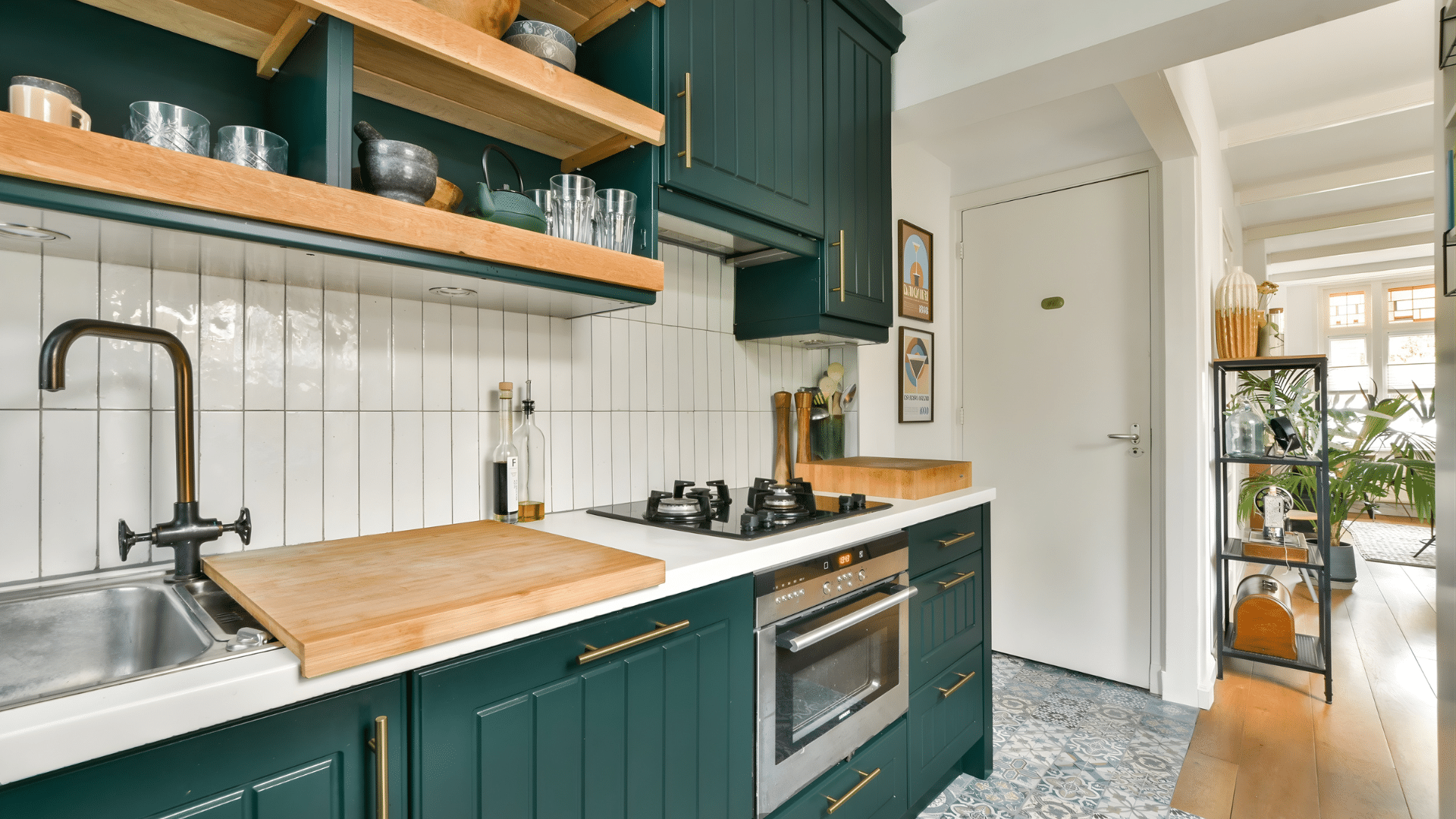
Knowing where your money goes makes budgeting easier. Here’s how most kitchen remodel costs are divided.
1. Cabinets and Hardware (30–40%)
Cabinets usually take the biggest share of your budget. Stock cabinets cost the least, while semi-custom and custom options add more flexibility but cost more.
Hardware, such as handles and hinges, also adds to the total. The finish, design, and material you choose can significantly affect the price.
2. Countertops and Backsplash
Countertops and backsplashes set the tone for your kitchen’s design. Laminate is budget-friendly, while quartz and granite are higher-end options.
Expect prices from $25 to $150 per square foot, depending on material and finish. A backsplash typically costs $800 to $2,500 to install.
3. Appliances and Fixtures
Appliances make up about 10–15% of your total kitchen renovation cost. Basic models are cheaper, while premium or built-in options are pricier.
Energy-efficient appliances can save money over time. Fixtures like faucets and lighting enhance both function and style.
4. Labor, Permits, and Installation
Labor costs usually account for 15–25% of your total kitchen remodel cost. Rates are higher in cities or for complex design changes.
Permit fees can add $500 to $2,000, depending on local rules. Hiring licensed professionals ensures the work meets code and safety standards.
Each part of your remodel plays a role in the final price. When you understand where your money goes, it’s easier to plan smart and stay within budget.
Key Factors That Affect Renovation Cost
Many things can change your overall renovation cost. Knowing these factors helps you plan your budget with fewer surprises.
- Kitchen size and layout: Larger kitchens or open layouts cost more because they need more materials and labor. Smaller spaces are easier and cheaper to remodel.
- Material selection: Natural stone, solid wood, and custom finishes increase your total cost. Affordable choices like laminate or vinyl help you spend less.
- Scope of work: Cosmetic changes like painting are cheaper than full remodels that involve plumbing, flooring, or structural updates.
- Labor and location: Costs rise in busy metro areas due to higher demand and rates. Rural regions tend to have lower contractor fees.
- Timeline and permits: Tight deadlines and rushed deliveries can raise expenses. Permit fees vary by city and can affect your final budget.
Planning ahead for these details makes it easier to manage your kitchen remodel cost and avoid mid-project surprises.
How to Budget for Your Remodel
A smart budget keeps your kitchen remodel on track. It helps you plan spending, manage costs, and avoid stress later.
1. Use Your Home’s Value as a Guide
A simple rule is to spend 5–15% of your home’s value on your kitchen renovation. This keeps your investment balanced and supports long-term resale value.
It’s also smart to set aside an extra 10–15% for unexpected costs. Hidden issues like wiring or plumbing repairs can appear during renovation.
2. Prioritize Spending
Cabinets and labor usually take the biggest share of your kitchen remodeling cost. Appliances, countertops, and flooring follow next in importance.
Focus your budget on what adds value and use mid-range finishes for style without overspending. Planning ahead helps prevent costly changes later.
3. Plan Ahead
Order materials early to avoid project delays. Getting quotes from multiple contractors helps you compare prices and find fair rates.
Don’t forget to include permit fees and delivery costs in your budget. Tracking every expense keeps your remodel smooth and predictable.
Building a clear budget before starting helps you stay confident and in control from beginning to end.
Smart Ways to Save on Kitchen Remodeling
You can save a lot just by making thoughtful choices.
- Reface cabinets: Give old cabinets a fresh look by refacing or repainting instead of replacing them.
- Mix materials: Use premium finishes only where they stand out, like countertops or lighting features.
- DIY small tasks: Handle simple jobs like demolition or painting yourself to cut labor costs.
- Reuse what you can: Keep existing appliances, flooring, or layouts if they’re in good shape.
- Plan carefully: Order materials early and get multiple quotes from contractors to avoid delays or overspending.
Smart budgeting choices like these help you create a stylish, functional kitchen without exceeding your remodel budget.
Conclusion
A kitchen remodel is one of the best ways to improve how your home looks and feels. It adds comfort, better function, and long-term value to your space.
Most homeowners recover a large part of their kitchen renovation cost when they sell. Even if you stay, a well-planned remodel makes daily life easier and more enjoyable.
With a clear budget and smart planning, your kitchen remodel cost becomes a practical investment, not an expense.
Start today by listing your priorities and getting quotes from trusted contractors to bring your dream kitchen to life.