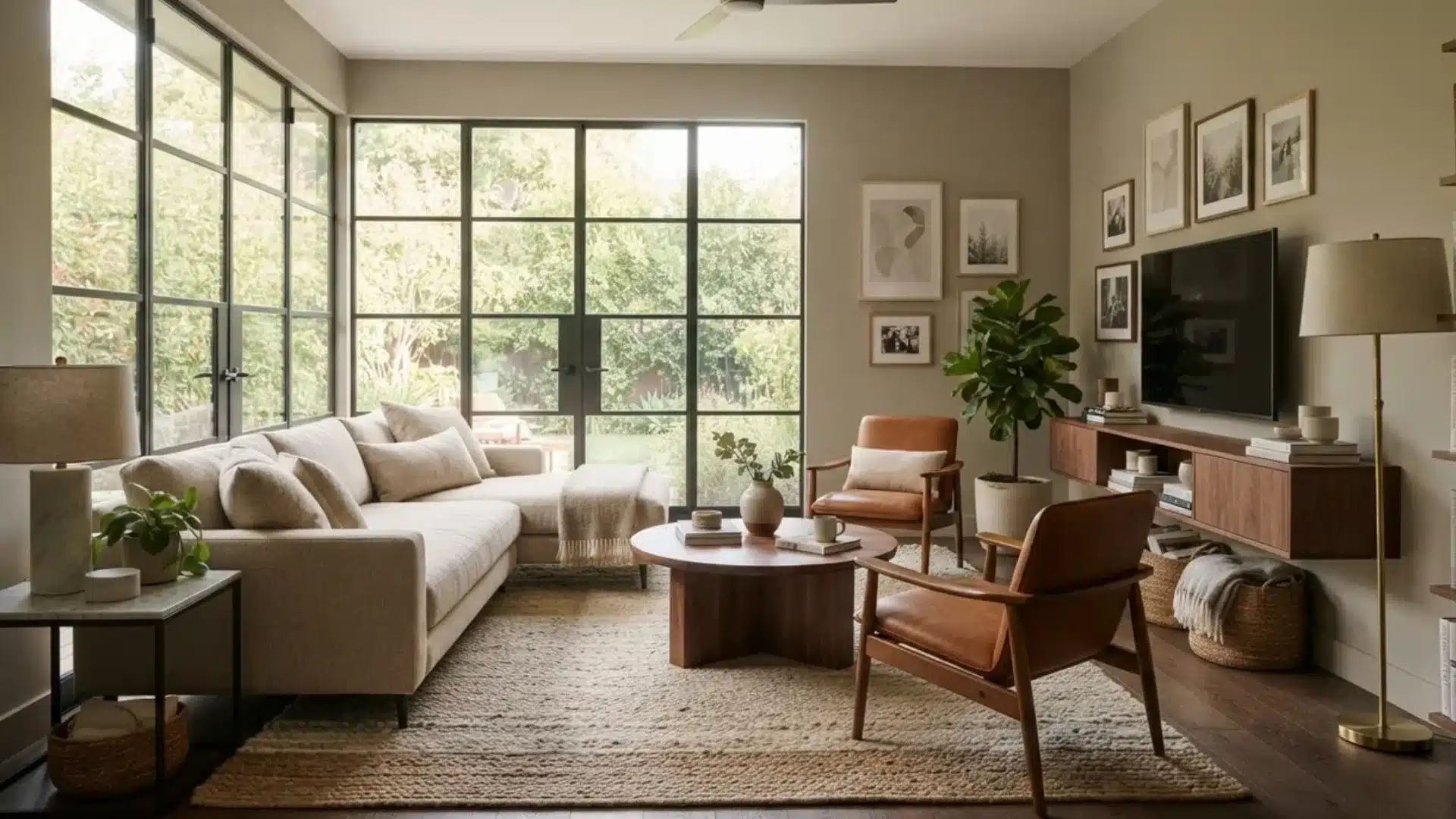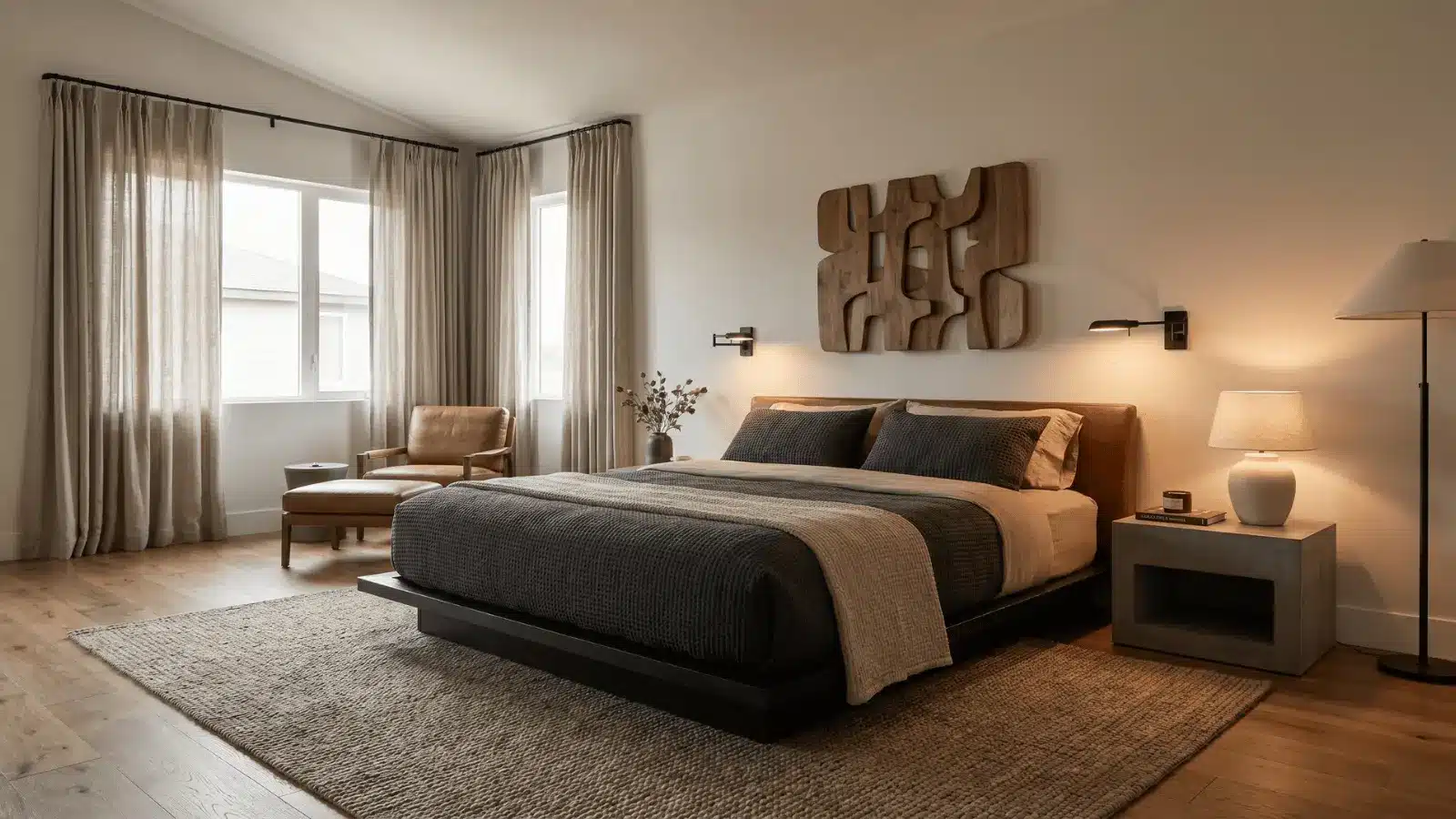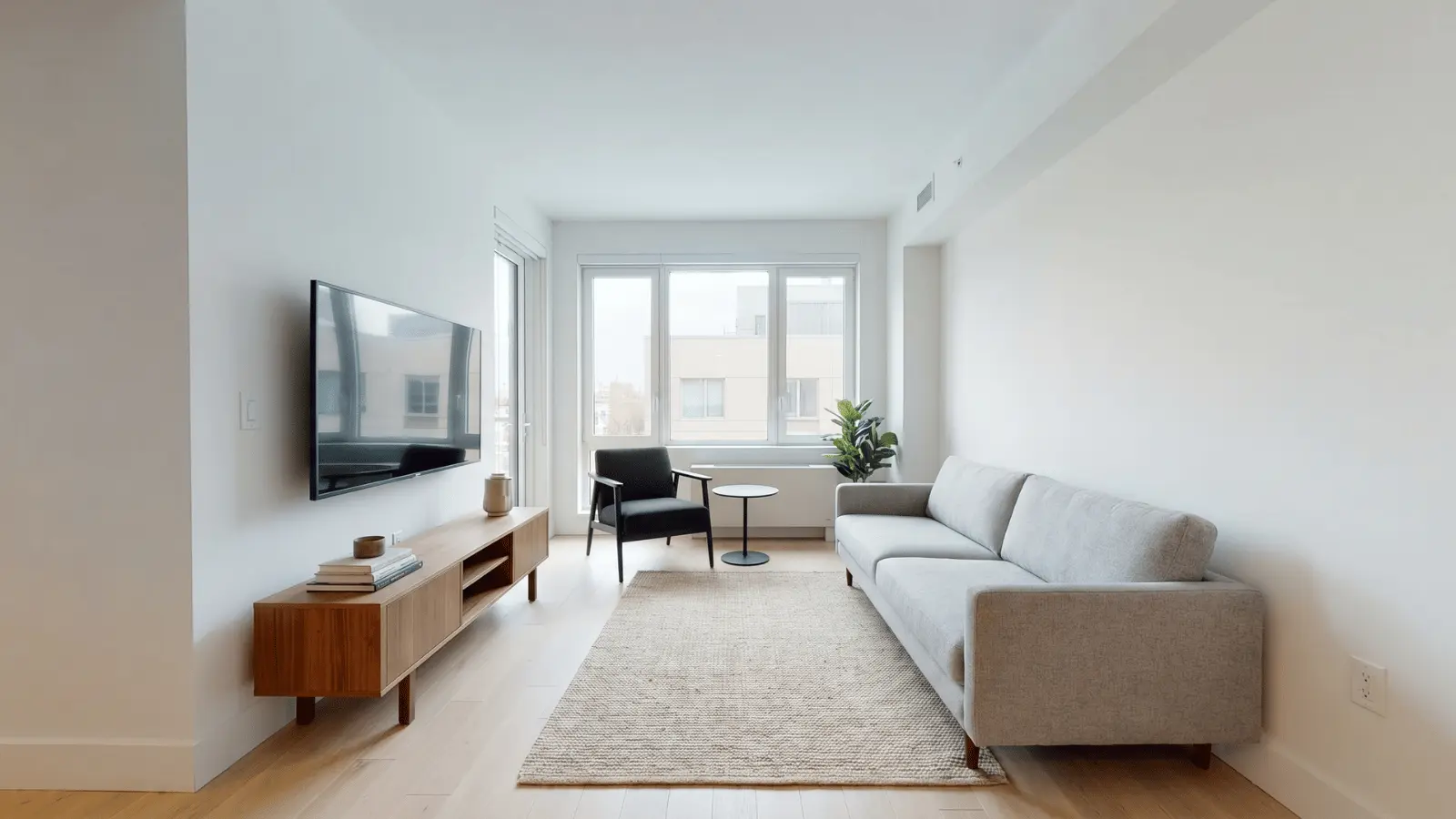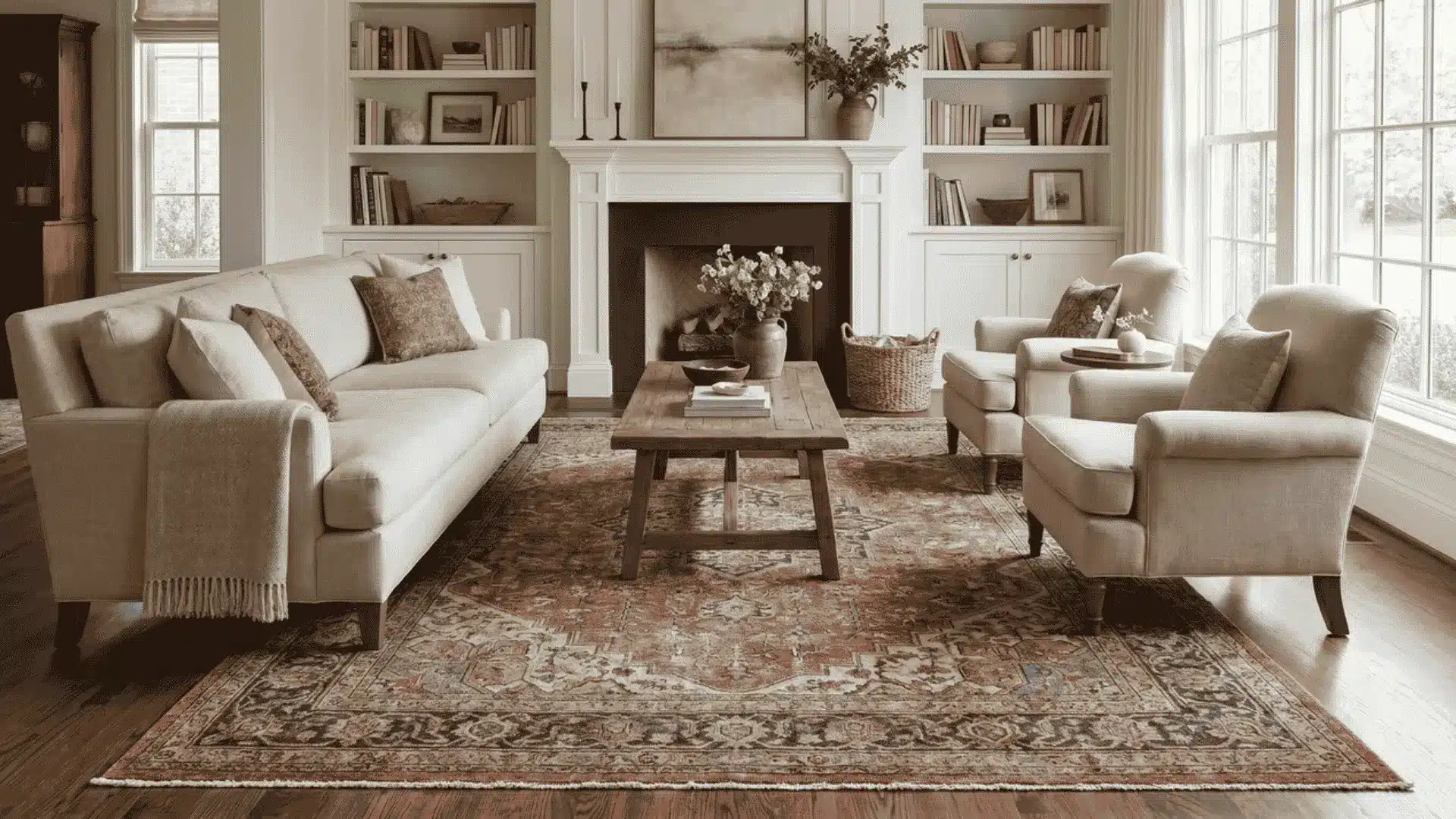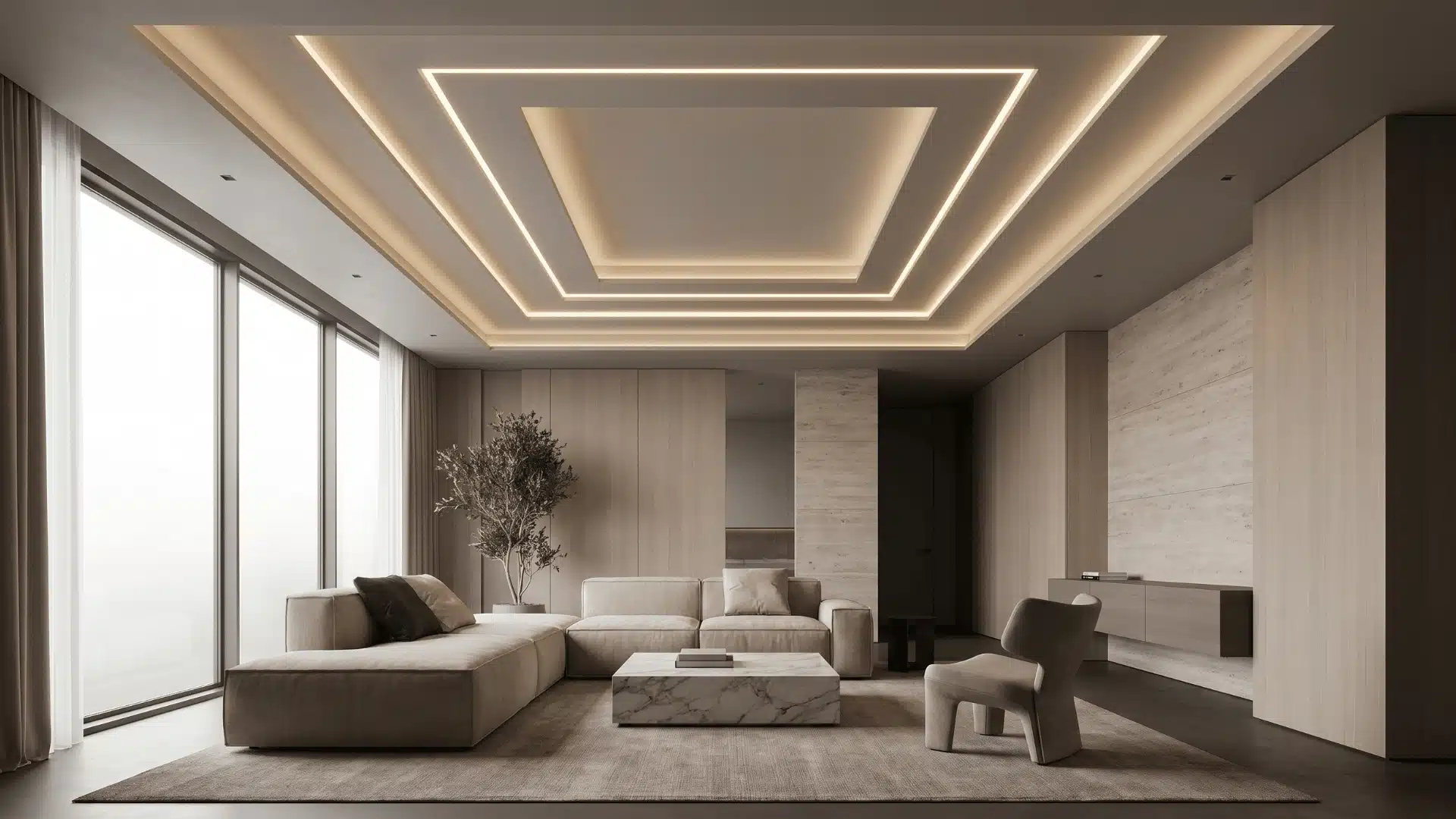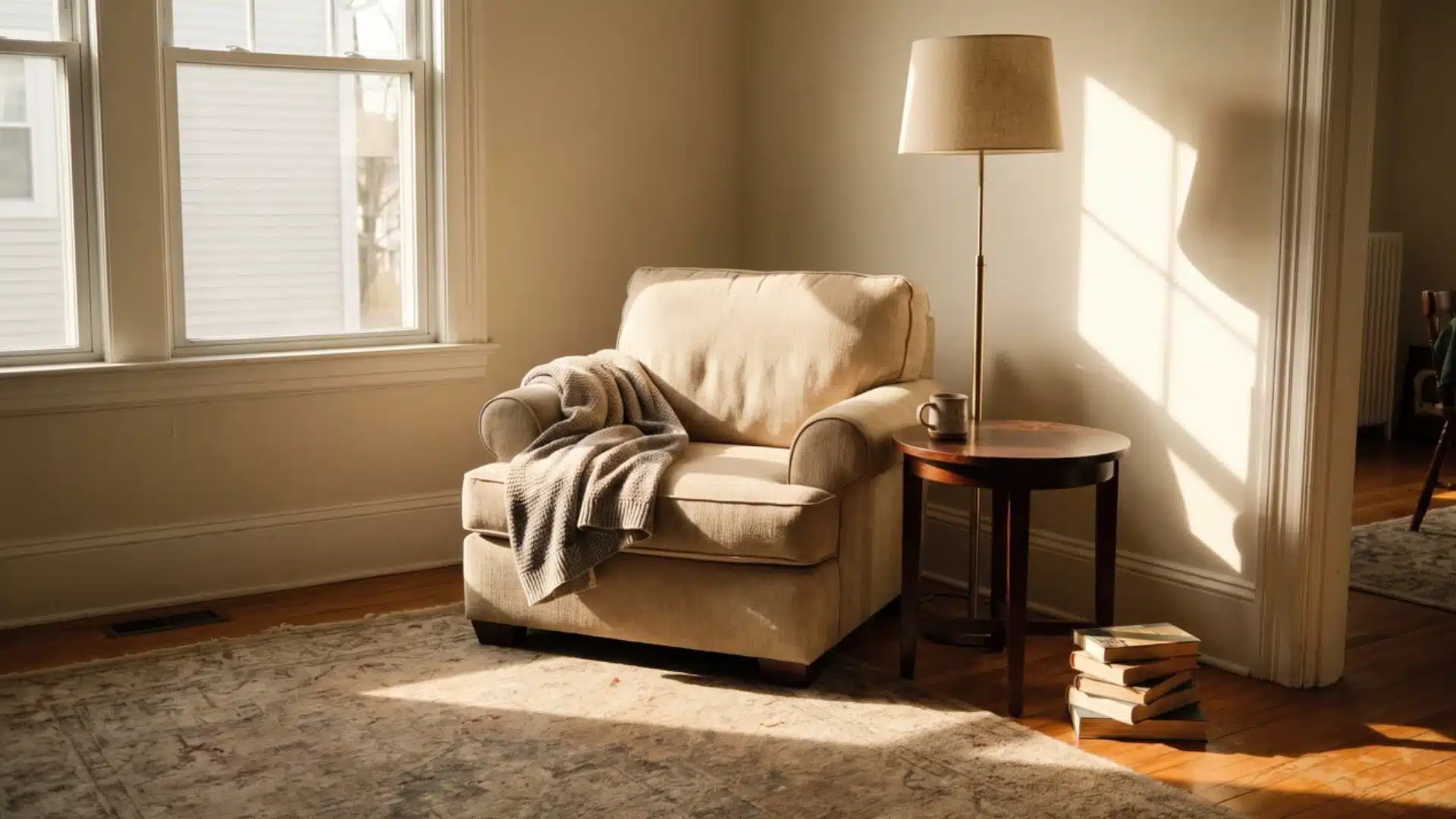
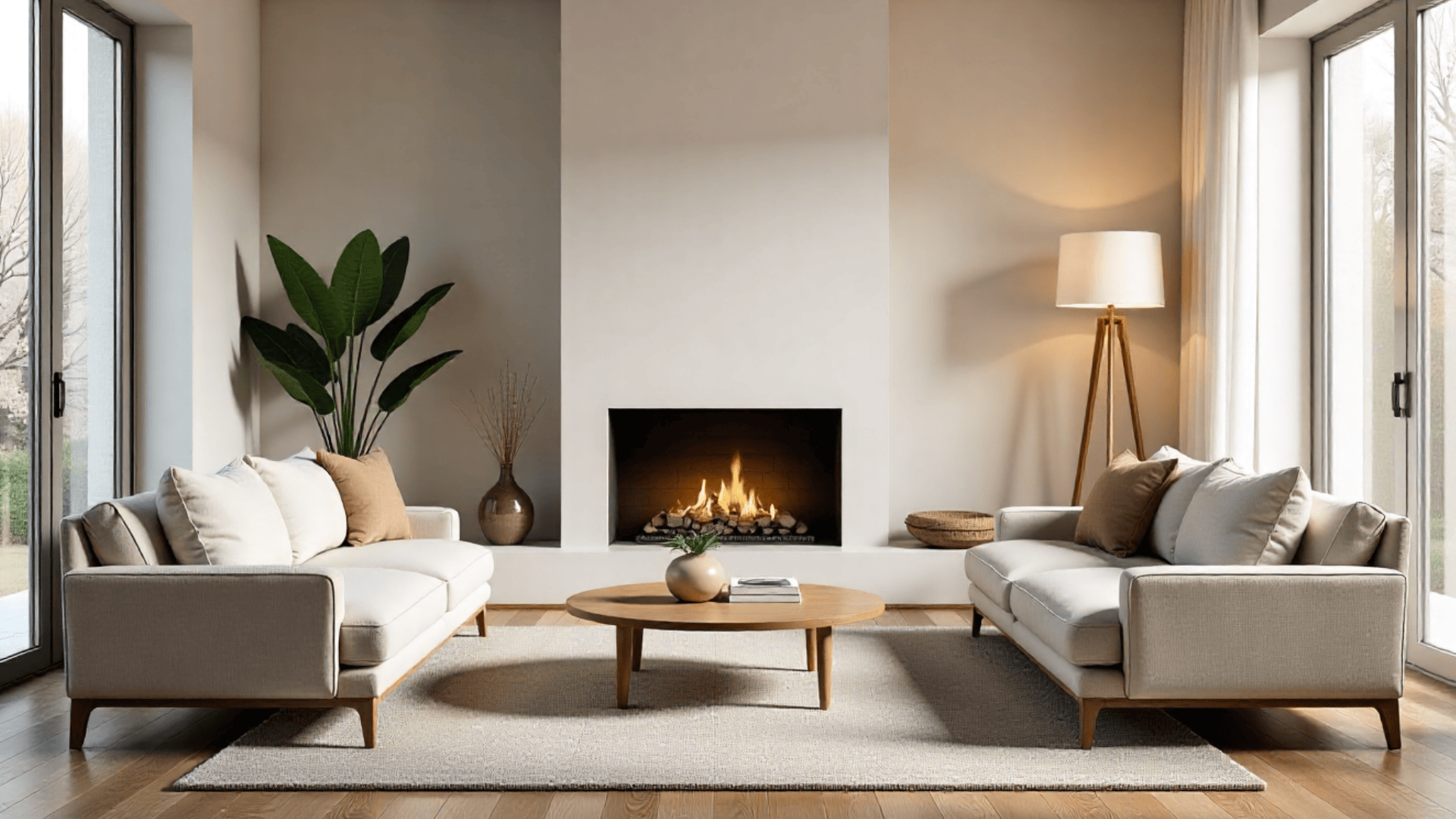

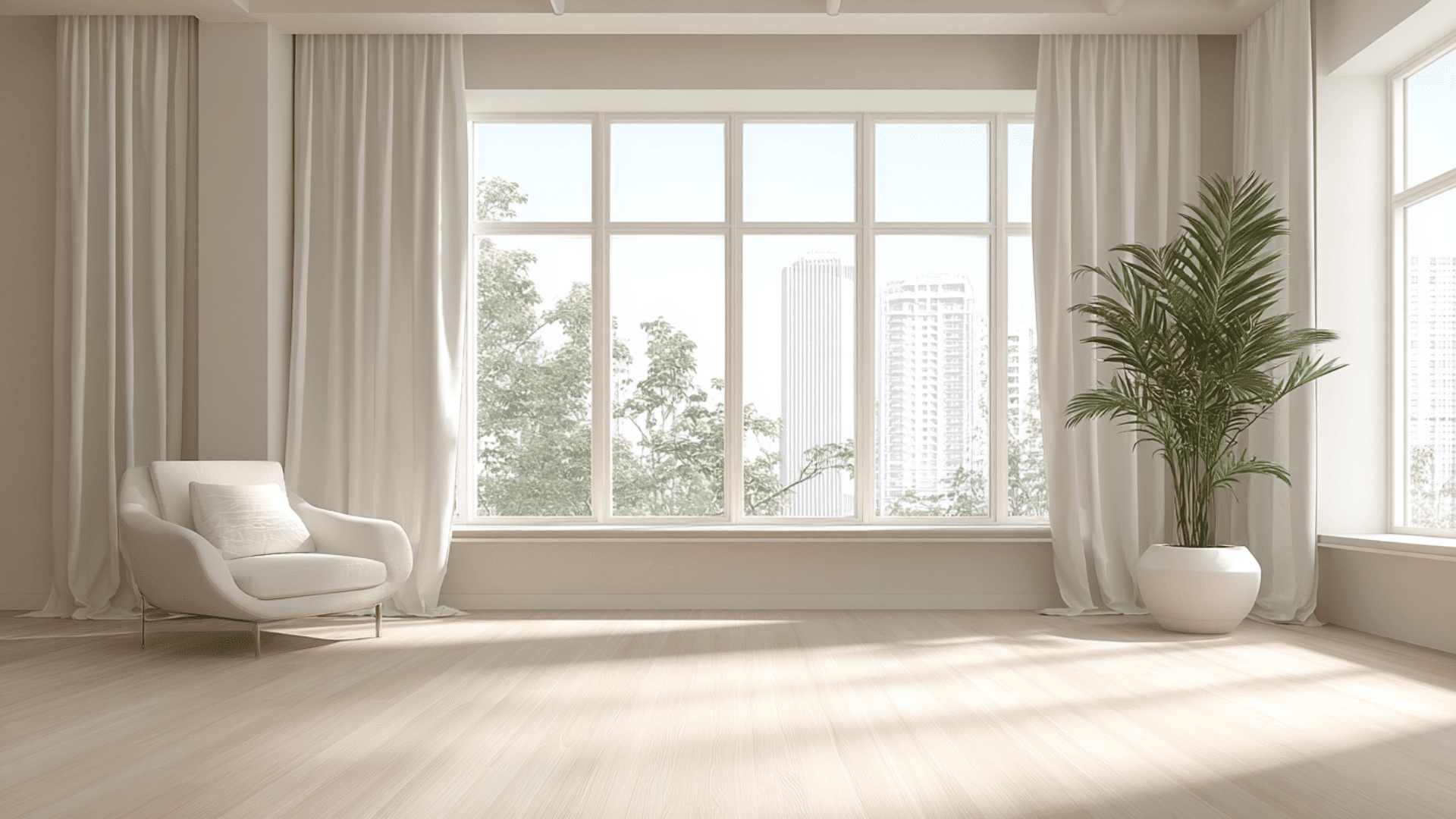
Arranging a living room might seem simple, but getting the layout just right can completely change the space. The way you place your sofa, chairs, and accessories affects not only how the room looks but also how it feels to live in.
From creating cozy conversation areas to making sure traffic flows naturally, there’s a lot to think about.
I’ve put together practical tips and creative ideas to help you make the most of any living room, whether it’s small, long, or part of an open-plan space.
By the end, you’ll know exactly how to arrange living room furniture so it feels stylish, functional, and truly inviting.
Understanding Your Living Space
Before arranging your living room furniture, take a moment to understand your space. Measure the length, width, and height of the room, and note the position of doors, windows, and electrical outlets.
Pay attention to where natural light comes in, as this can affect how your room feels throughout the day.
You can sketch a simple floor plan on paper or use free online tools like Roomstyler, Planner 5D, or Foyr Neo to visualize different layouts.
Use simple balance rules like the 3-5-7 or 2-3 rule to group items in odd numbers, which makes the layout look natural and visually balanced
Once you clearly see your room’s size, shape, and flow, it becomes much easier to plan a layout that looks good and works well.
How to Arrange Living Room Furniture: Step-by-Step Guide
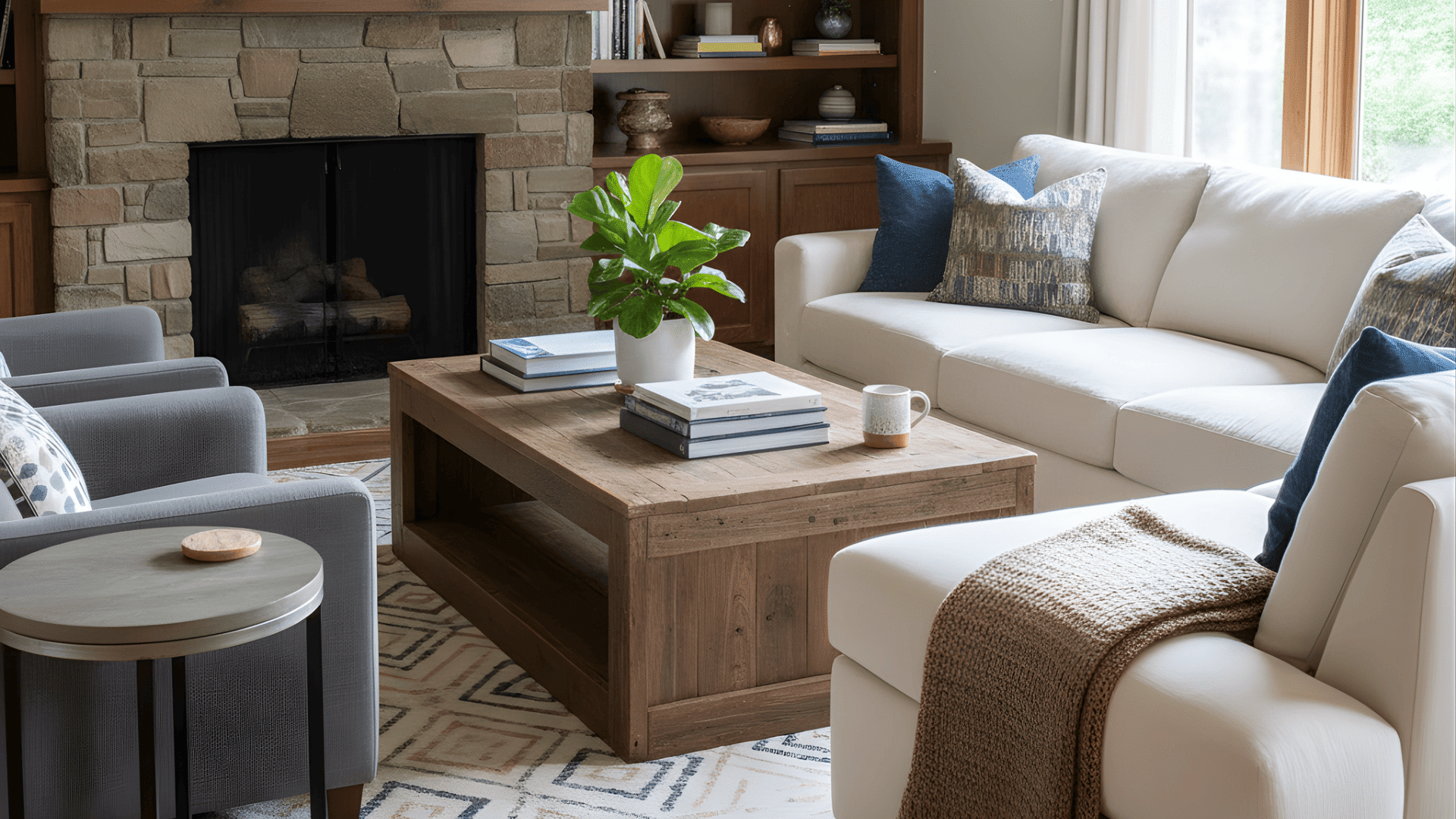
Arranging your living room can feel tricky, but following a few clear steps makes it easier. These steps help you plan your layout, create balance, and make the space both functional and inviting.
Tools & Materials Required
- Measuring tape: To check room and furniture dimensions.
- Painter’s tape: For marking the layout on the floor.
- Floor plan or sketch pad: To plan furniture placement.
- Furniture sliders: To move heavy items safely.
- Area rug: To define seating zones.
- Lamps: For layered lighting and ambiance.
- Throw pillows & plants: To add comfort and style.
Once you have these essentials ready, follow the steps below to arrange your living room furniture efficiently and beautifully.
Step 1: Measure the Room & Furniture
Start by measuring the size of your room and each furniture piece. This helps you understand how much space you have and prevents overcrowding.
Use painter’s tape or a floor plan to test different layouts before moving heavy items. Good measurements make arranging simpler and more accurate.
Step 2: Identify the Focal Point
Find what naturally draws attention in your living room, like a TV, fireplace, or large window. Once you identify it, arrange your main furniture pieces around it.
The focal point anchors the layout and gives the room a sense of direction and balance, making it look more organized and purposeful.
Step 3: Arrange Around Traffic Flow
Think about how people move through your living room. Leave clear pathways between furniture pieces, especially between doors and seating areas.
Avoid blocking entryways or walkways. Good traffic flow makes the space feel open, comfortable, and easy to navigate, improving both appearance and functionality.
Step 4: Position Key Pieces (Sofa, Chairs, TV)
Begin with your biggest item, usually the sofa. Place it facing the focal point, then add chairs and smaller pieces to create balance.
Keep enough space for conversation and movement. Position the TV at a comfortable viewing distance so it fits naturally into the layout without dominating the room.
Step 5: Accessorize for Comfort and Style
Once furniture is set, add accessories that bring warmth and personality. Use rugs to define areas, lamps for light, and tables for convenience.
Add pillows, throws, or plants to make the room feel cozy and inviting. Small details can transform a simple layout into a stylish, lived-in space.
Creative Ideas for Arranging Furniture in Living Room
Every living room is unique, and arranging furniture effectively depends on the room’s size, shape, and key features.
Whether you have a small space, a long room, an open concept, or a fireplace, these layout strategies will help you create a functional and stylish living area that feels balanced, comfortable, and inviting.
1. Small Living Rooms
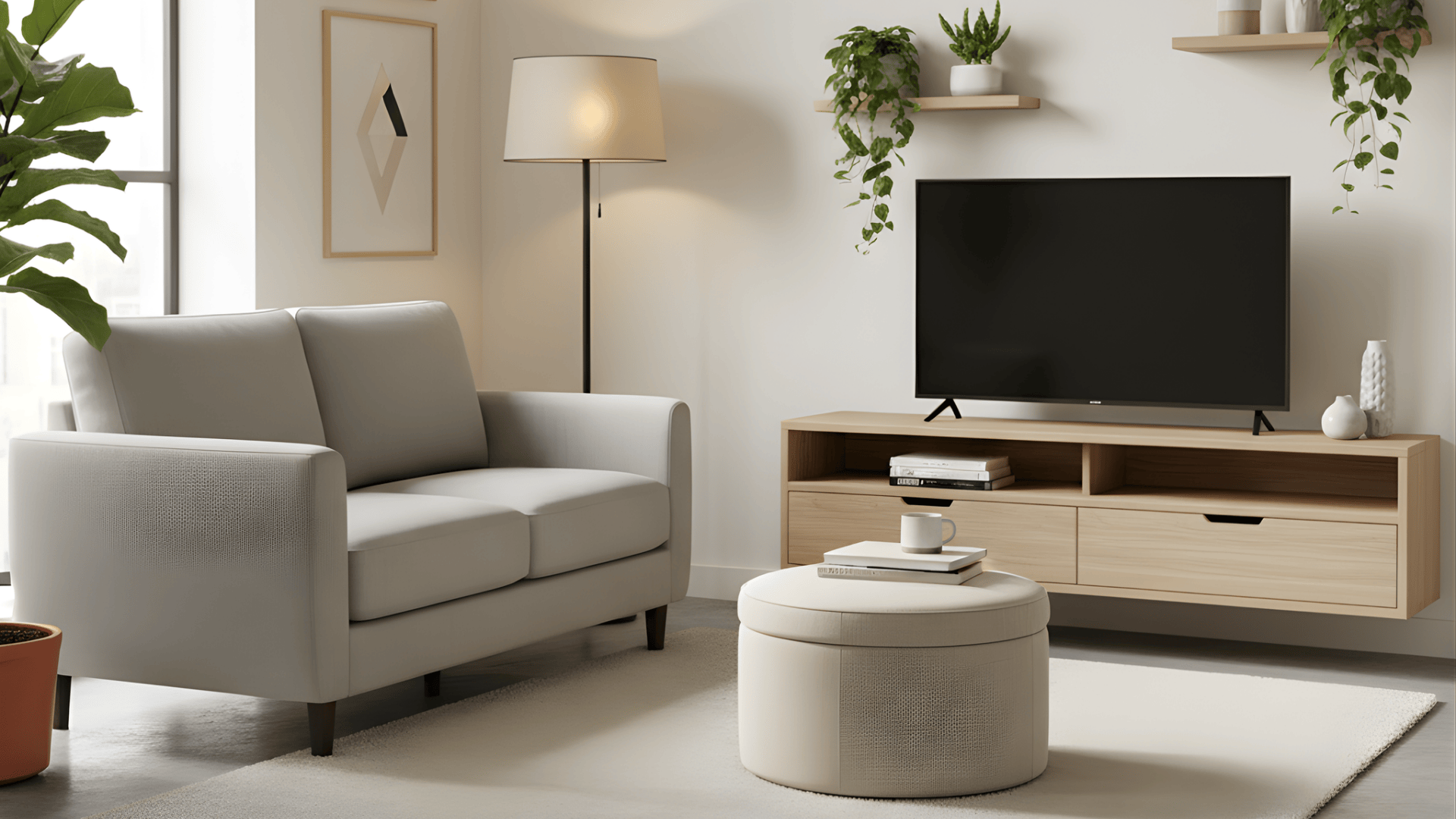
In small living rooms, space is precious, so choose compact furniture and slim designs. Float pieces slightly away from the walls to make the room feel open.
Use multi-functional items like storage ottomans or nesting tables. Keep pathways clear, avoid overcrowding, and opt for light colors to visually expand the space while maintaining comfort and functionality.
2. Long or Narrow Living Rooms
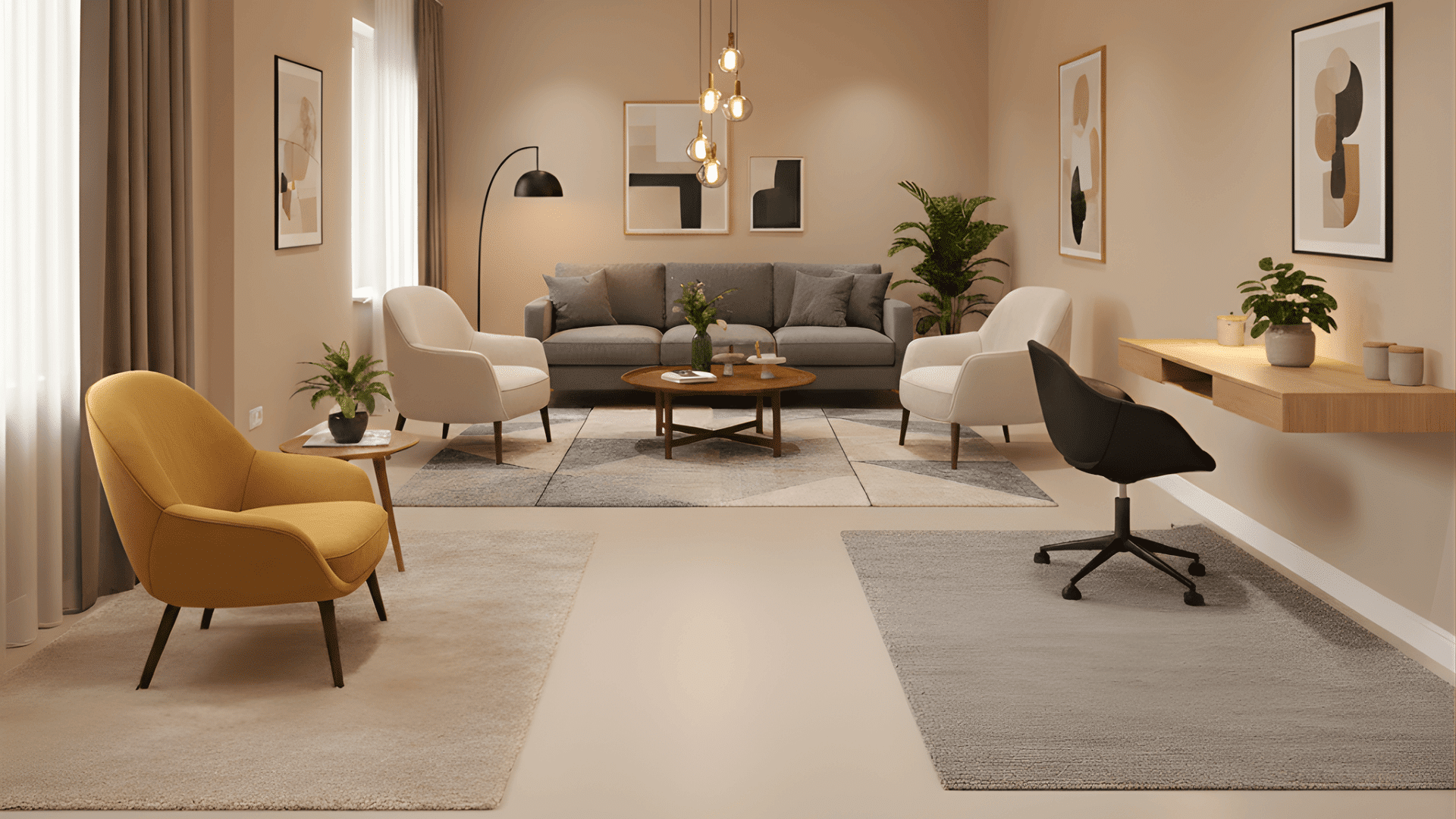
Long or narrow rooms can feel awkward if furniture is only placed along the walls. Break the space into zones like a seating area, reading nook, or workspace.
Use rugs, angled furniture, or symmetry to create balance. Group items strategically, add lighting to highlight different areas, and make sure there’s enough space for easy movement throughout the room.
3. Open Concept Spaces
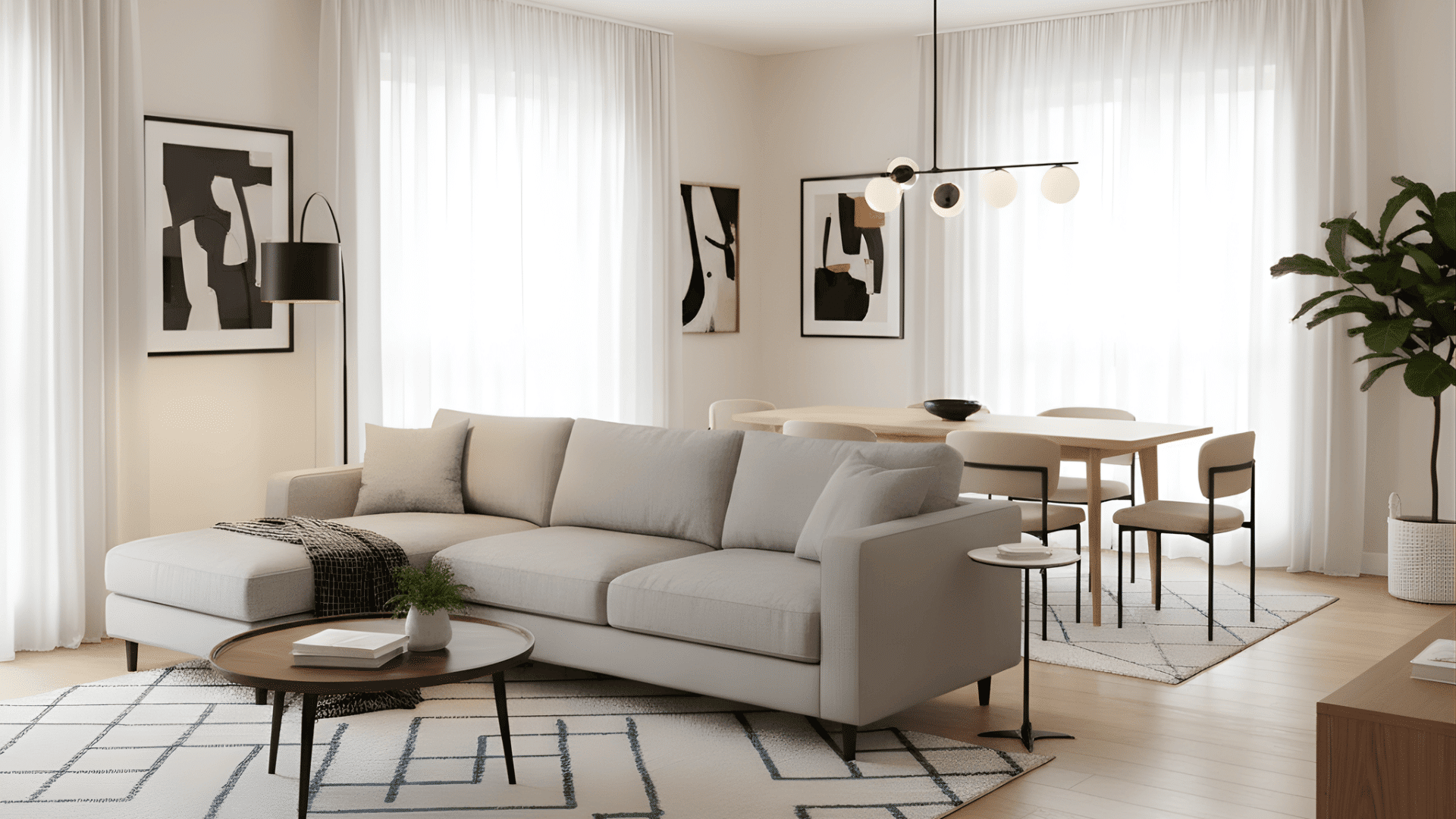
Open concept living rooms require subtle boundaries to define different zones. Use rugs, furniture placement, or lighting to create separate seating, dining, or work areas without walls.
Position sofas or chairs to naturally divide the space. Layer lighting and decor elements to guide the eye and maintain a cohesive, inviting atmosphere across the open floor plan.
4. Living Rooms with a Fireplace
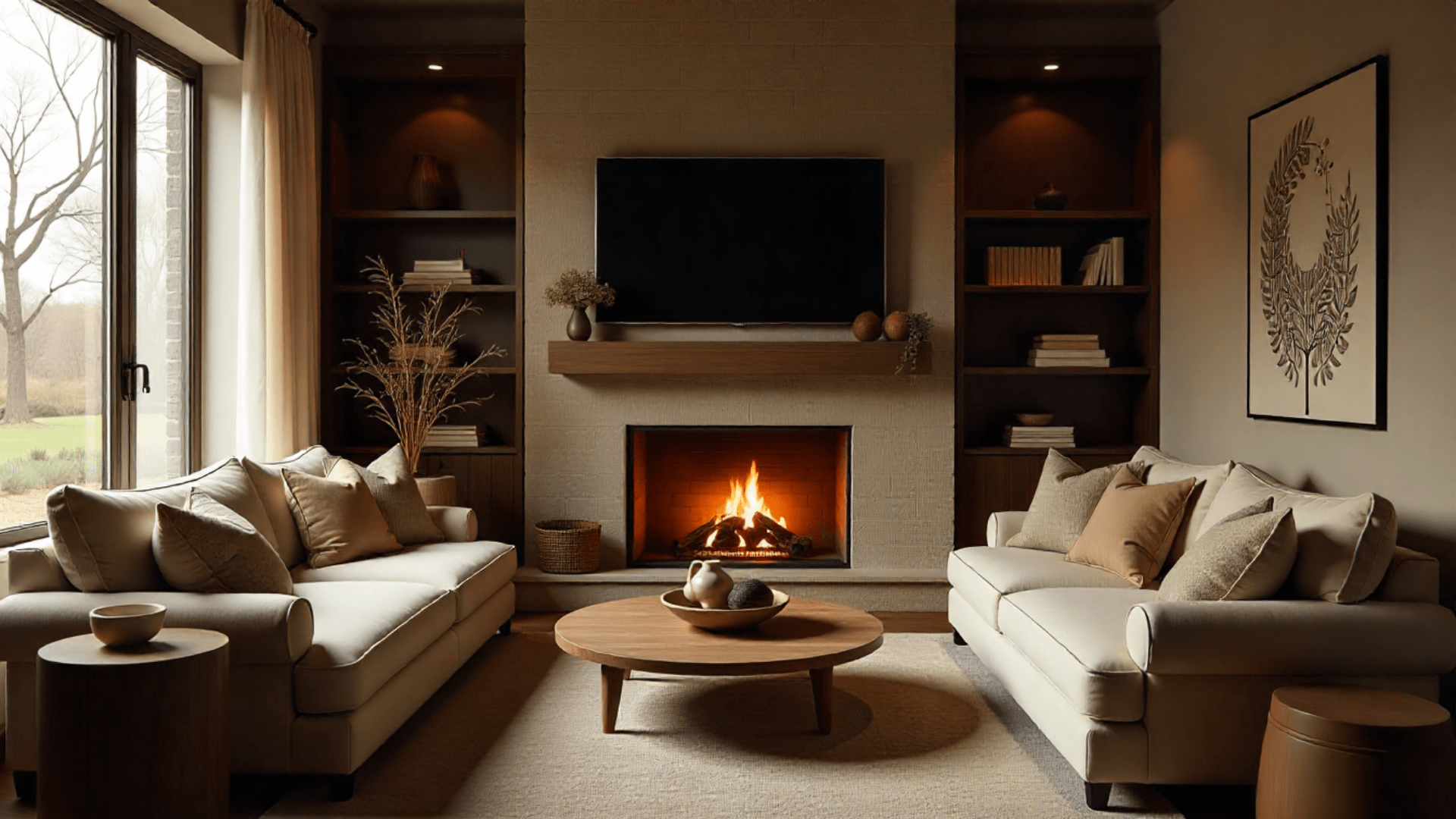
Fireplaces are natural focal points, so arrange seating around them to create a cozy gathering area. Position the sofa and chairs to face or angle toward the fireplace, keeping pathways clear.
If a TV is included, place it thoughtfully without competing for attention. Use rugs, side tables, and lighting to anchor the area and enhance comfort and style.
5. Using Rugs to Define Areas
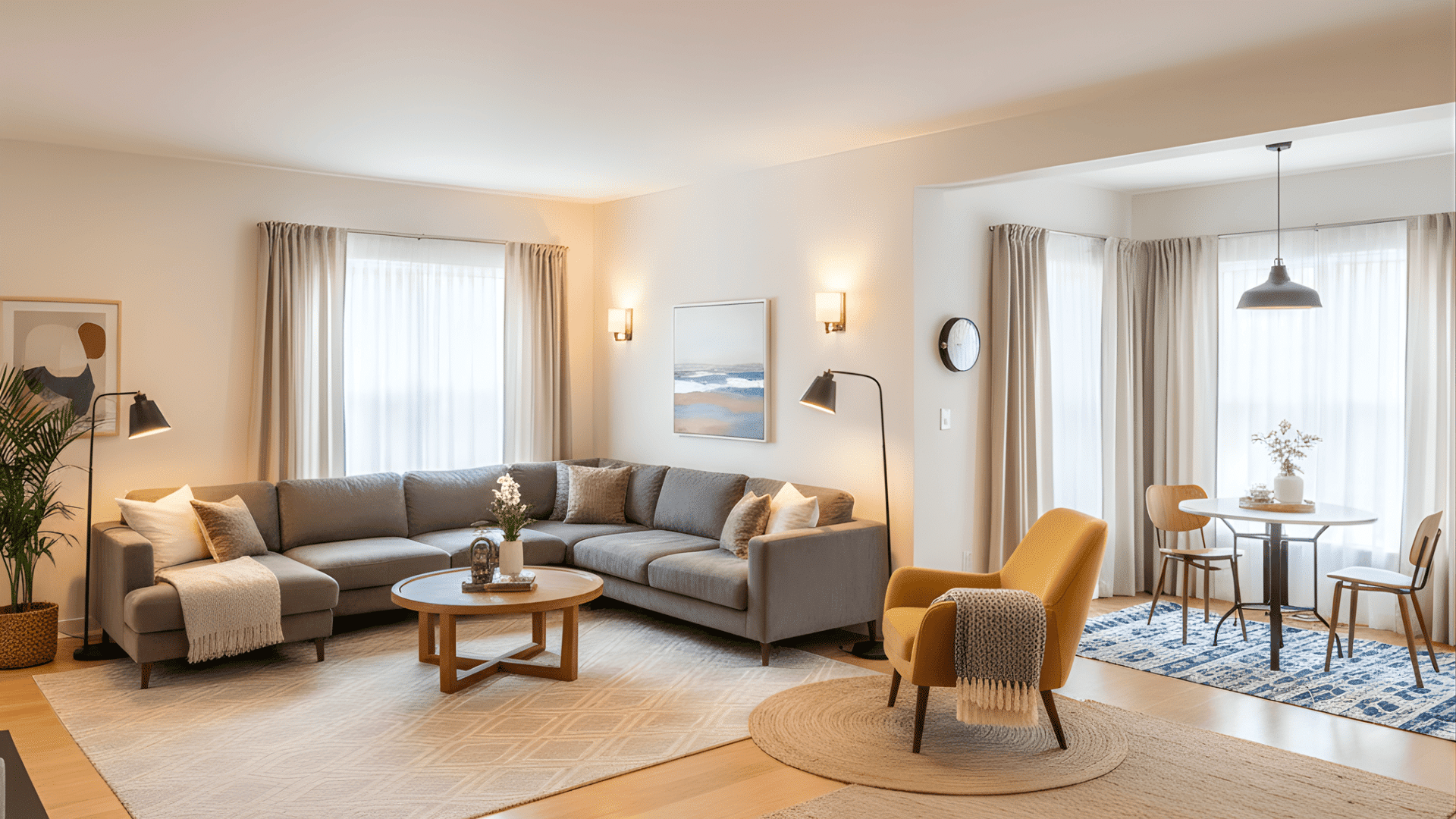
Rugs are a simple way to create zones within any living room. In large or open spaces, a rug can anchor a seating group or dining area.
Choose sizes that fit furniture properly, and layer smaller rugs if needed. Rugs add texture, color, and warmth while visually guiding the eye to distinct functional areas.
6. Floating Furniture
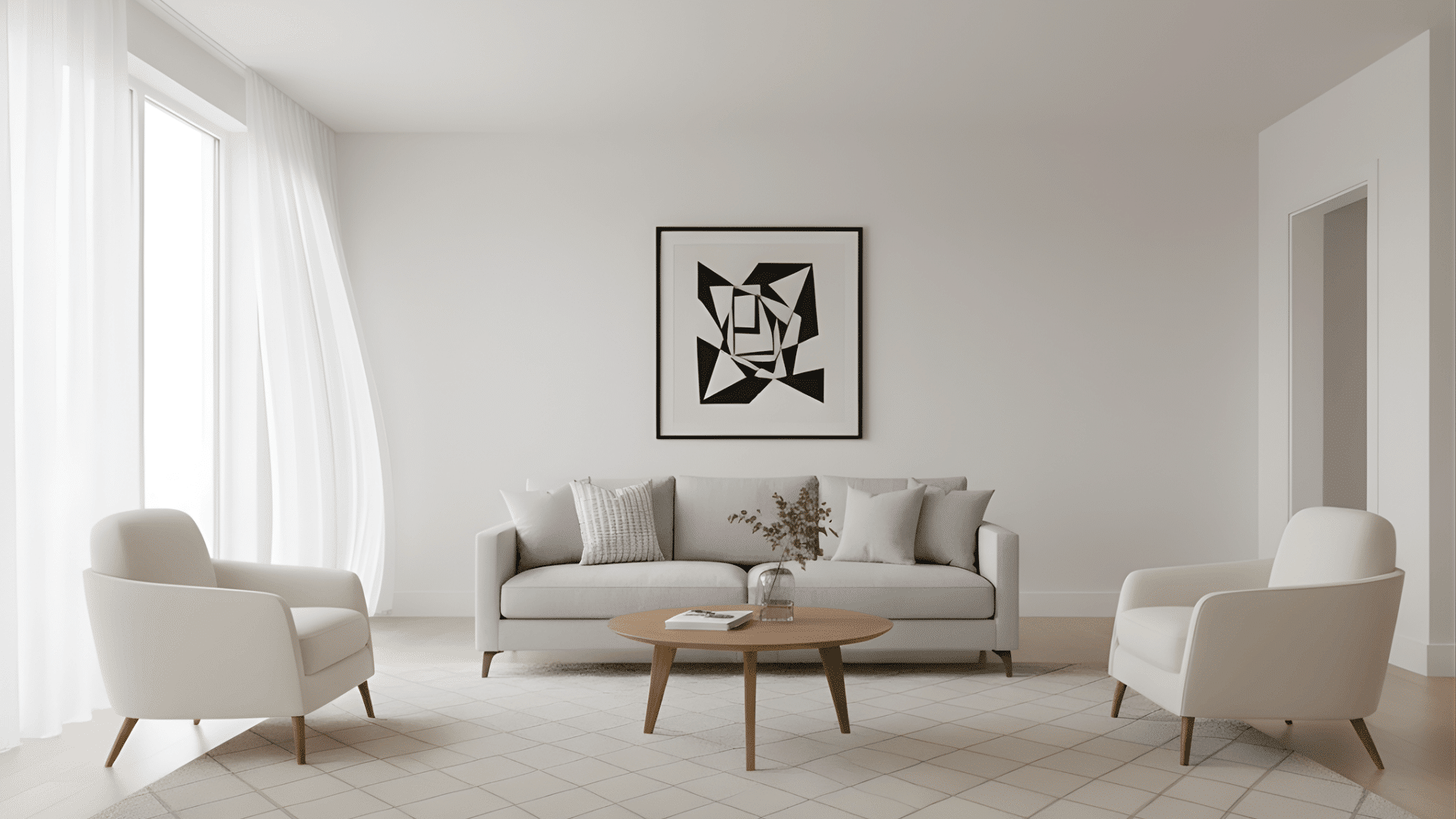
Avoid pushing all furniture against the walls. Floating sofas and chairs create depth and better traffic flow. Arrange seating around a central focal point, leaving pathways for easy movement.
This approach works in small and large spaces, making rooms feel more dynamic, balanced, and comfortable for both everyday living and entertaining.
7. Angled Furniture Layouts
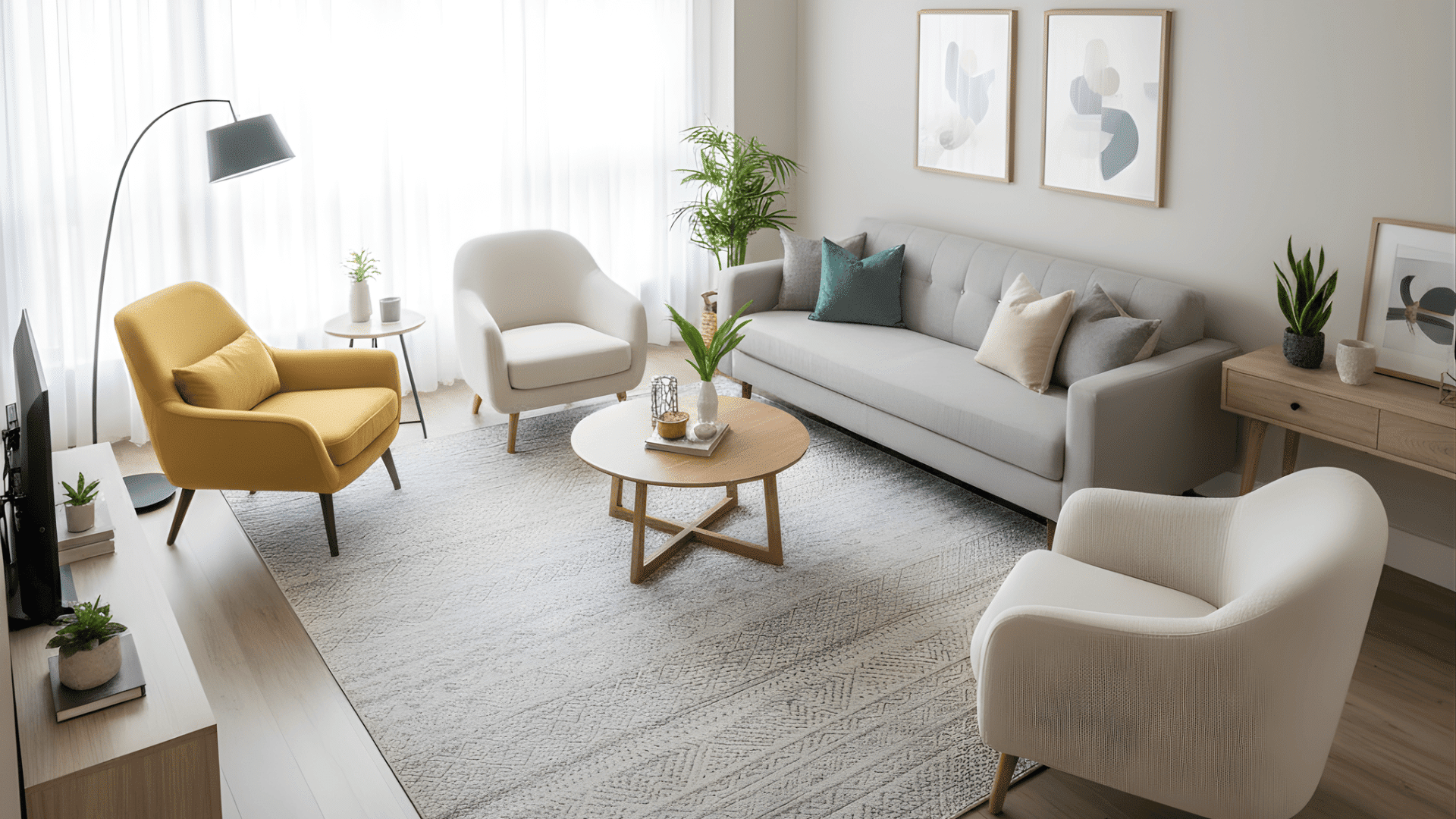
Angling furniture can add visual interest and break the monotony of straight lines. Place chairs or small sofas at slight angles to create conversation areas.
Angled layouts work well in awkward corners, wide rooms, or near focal points. They improve flow and make a room feel more relaxed and inviting.
8. Layering Lighting
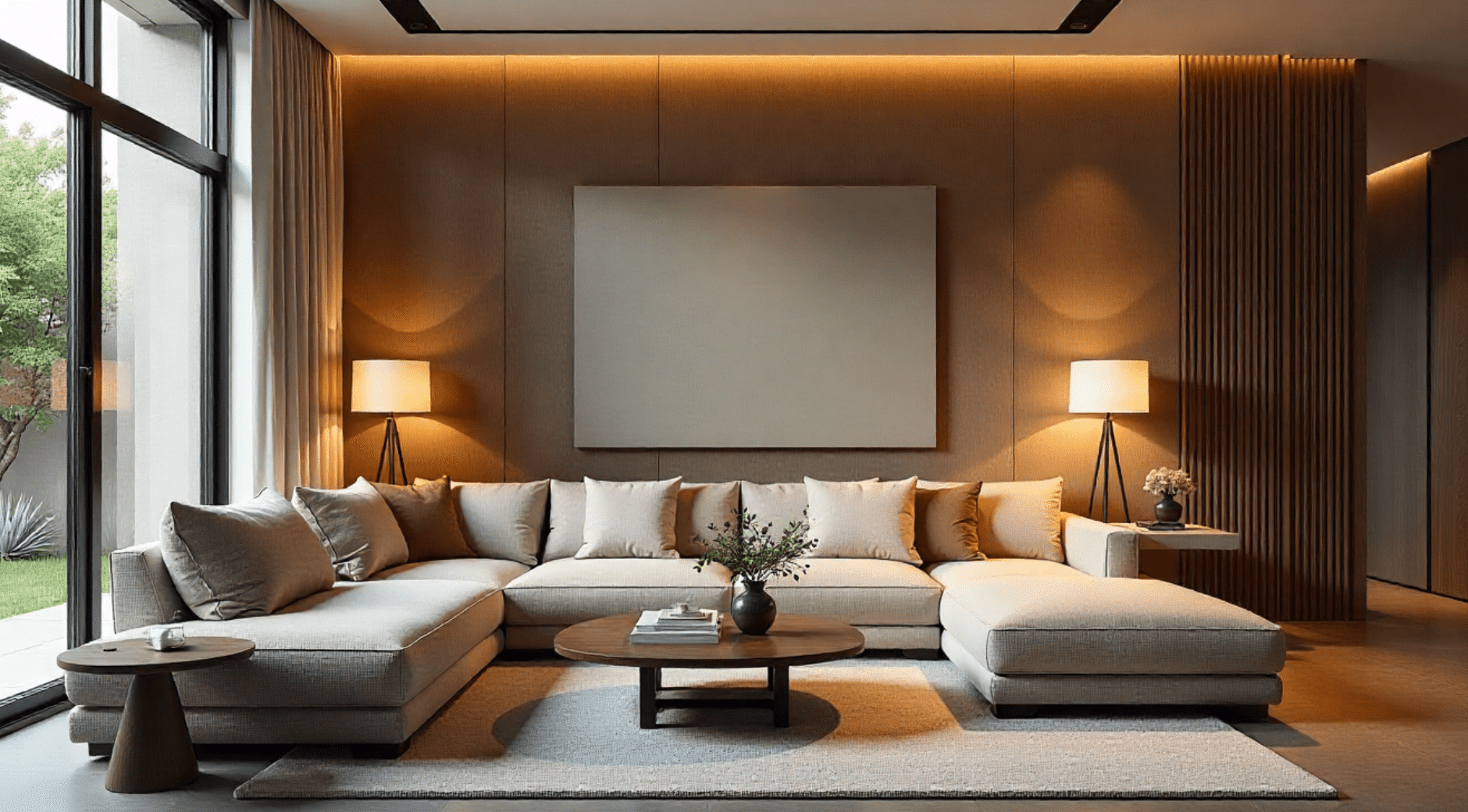
Lighting is essential to create ambiance and highlight focal points. Combine overhead lights with floor lamps and table lamps to provide depth. In long or open rooms, use lighting to define zones.
Adjust brightness for functionality and mood. Proper lighting makes a room look polished while enhancing comfort and usability.
9. Maintaining Pathways
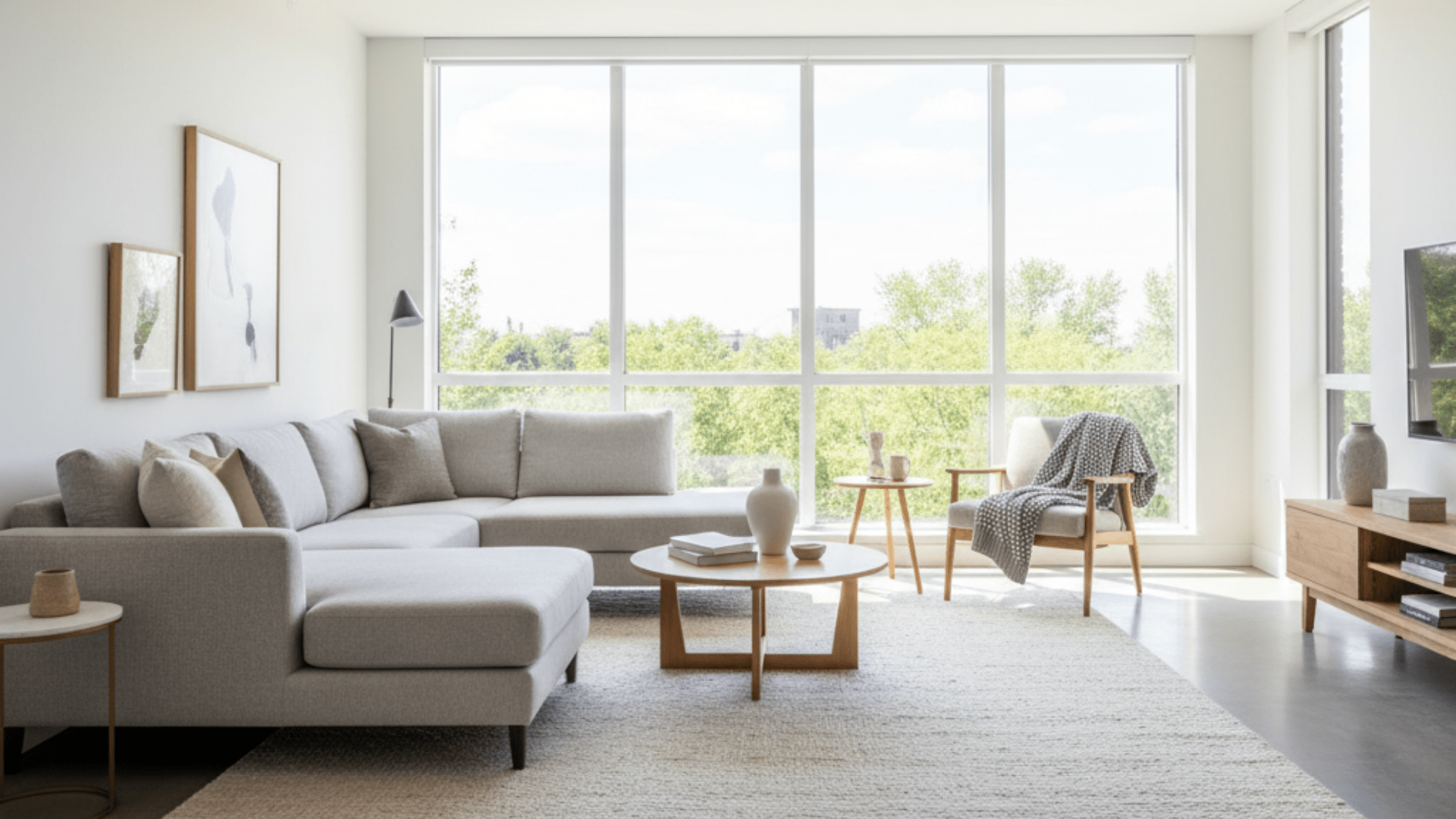
Clear pathways are critical in any living room. Ensure at least two feet of walking space between furniture. Avoid blocking doors, windows, or traffic flow.
Proper spacing improves functionality and makes the room feel more open, comfortable, and inviting, while also enhancing safety for everyday use.
10. Using Corners Effectively
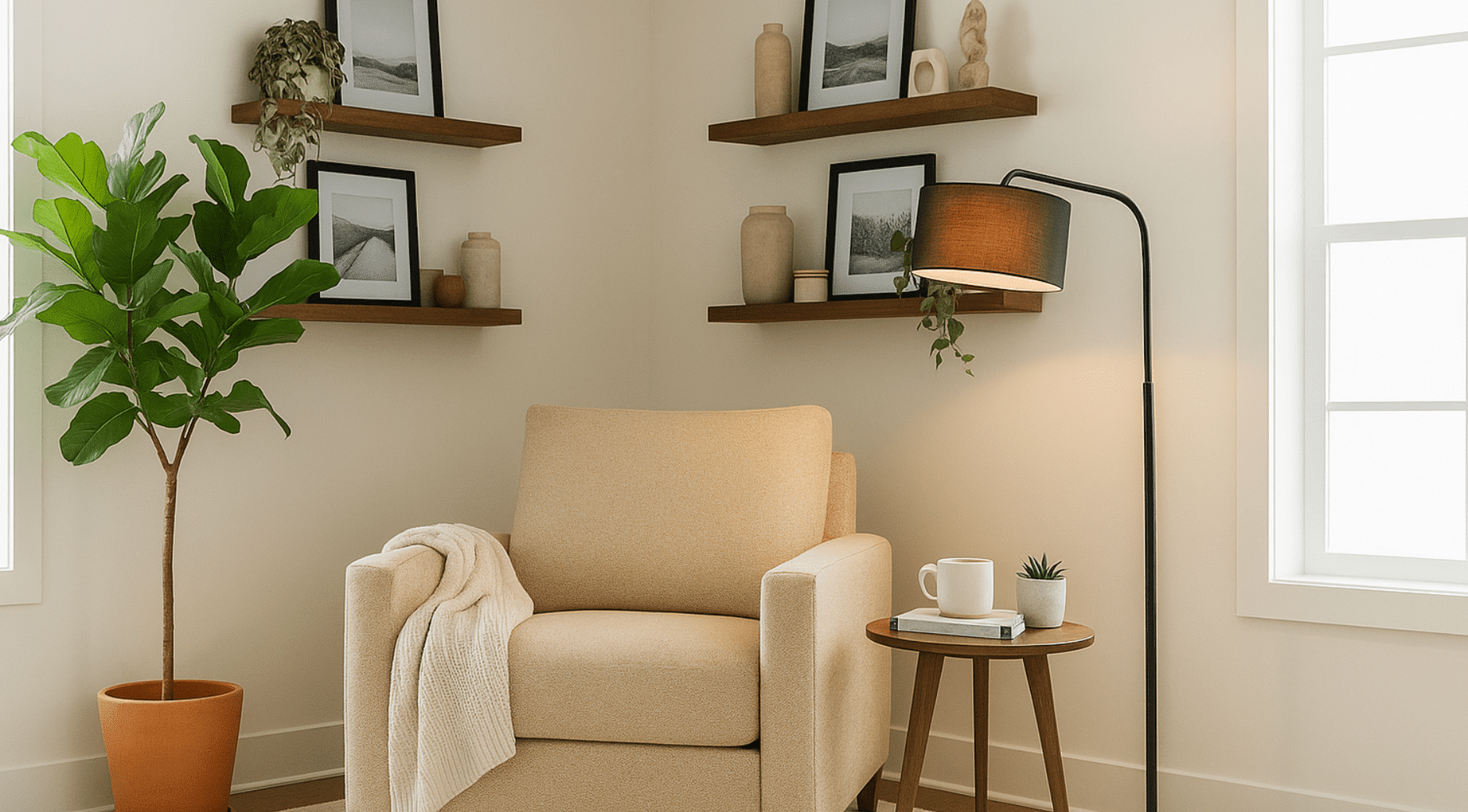
Corners are often overlooked but can be functional and stylish. Add reading chairs, small desks, or decorative plants to unused corners.
Floor lamps or corner shelves can also enhance both function and style. Utilizing corners efficiently maximizes space and creates cozy, purposeful areas within the room.
11. Balancing Large and Small Pieces
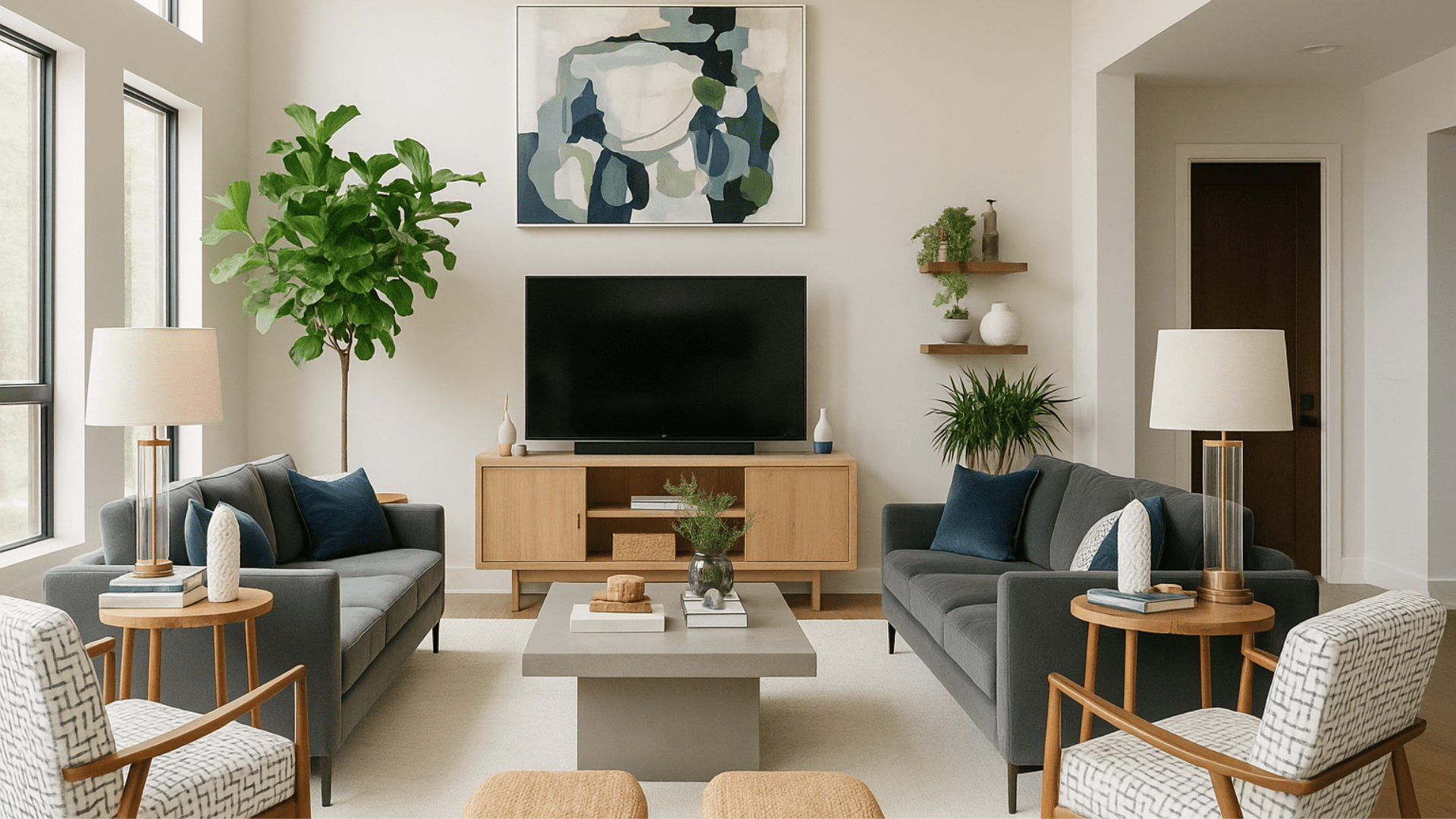
Mix large and small furniture to create visual balance. Avoid clustering all big pieces on one side. Use symmetry or odd-number groupings to maintain harmony.
Balanced arrangements prevent the room from feeling lopsided or cluttered, making the space appear thoughtfully designed and comfortable to use.
12. Incorporating Multi-Functional Furniture
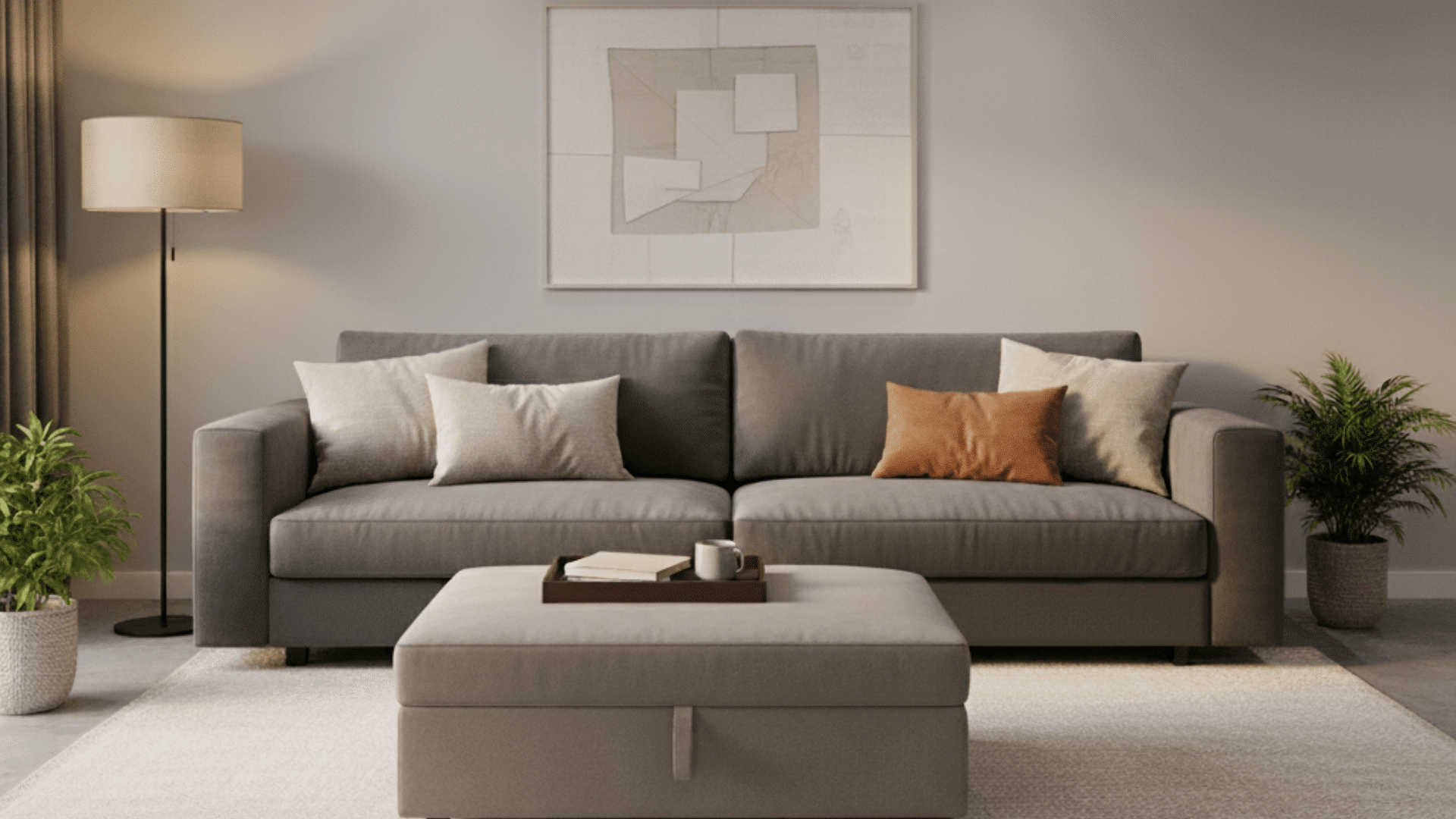
Multi-functional furniture is ideal for small or busy spaces. Storage ottomans, sofa beds, and nesting tables save space and increase utility.
These pieces allow flexibility, adapt to changing needs, and keep the room organized without sacrificing style or comfort.
13. Personalizing with Decor and Texture

Adding pillows, throws, artwork, and varied textures makes a living room feel welcoming and unique. Mix materials like wood, fabric, metal, and glass for depth and visual interest.
Personal touches reflect your style while enhancing warmth and comfort, completing a thoughtfully arranged living space.
Expert Tips for a Professional Finish
A few simple design tricks can make your living room look polished and inviting. Interior designers focus on balance, color, texture, and lighting to create a harmonious space.
- Balance furniture and shapes: Mix large and small pieces and group items in odd numbers for visual harmony.
- Use a cohesive color palette: Choose main and accent colors to add depth and personality.
- Add texture: Combine materials like wood, fabric, metal, and glass for warmth and interest.
- Layer lighting: Use a mix of overhead, floor, and table lamps to create a welcoming ambiance.
- Keep spacing proportional: Maintain clear pathways and leave enough space between furniture for comfort and flow.
Applying these tips ensures your living room looks thoughtfully designed and feels comfortable for everyday living.
Conclusion
Designing a living room that feels both welcoming and practical is a rewarding process when you know where to start.
Paying attention to proportions, balance, and personal touches allows the space to reflect your style while serving everyday needs.
Remember, small tweaks can have a big impact, like adjusting seating angles, layering textures, or highlighting a focal point.
By applying these practical strategies on how to arrange living room furniture, you can confidently create a room that is stylish, functional, and truly your own.
Ready to convert your living room? Start experimenting today to make the space both beautiful and functional.