

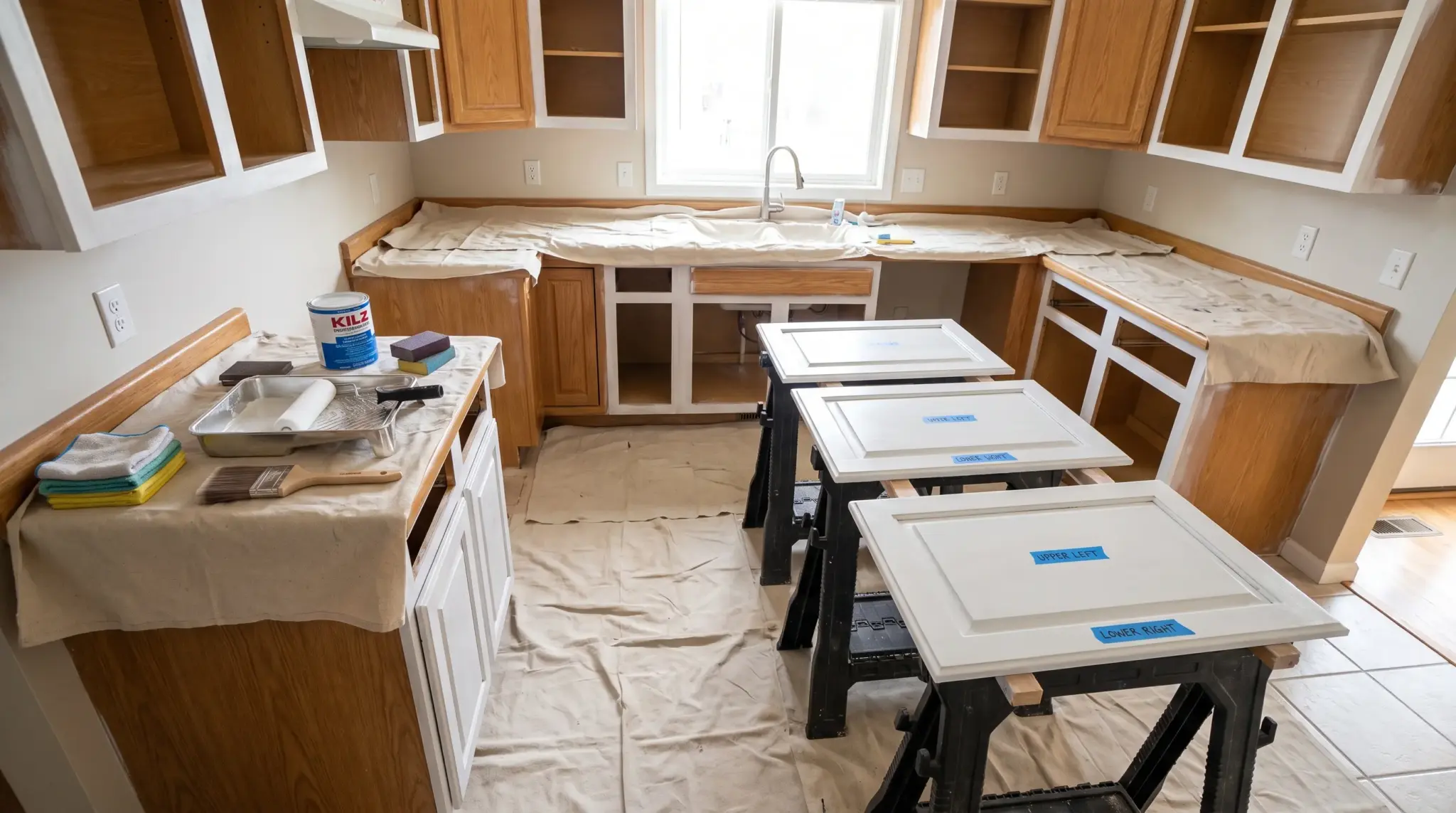

If you’ve ever asked yourself, Is acrylic paint waterproof?, you’re not alone. It’s a question that every painter and DIY lover faces at some point.
Today, in this guide, I will help you find the real truth behind acrylic paint’s water resistance and what you can do to protect your work.
You’ll get simple, practical insights that’ll make your projects last longer- without giving away all the secrets just yet.
Is Acrylic Paint Waterproof?
No, acrylic paint isn’t fully waterproof. When it dries, it forms a thin plastic-like film made of plastic polymers that makes it water-resistant, not waterproof.
This film helps repel small amounts of water, but tiny pores in the surface still allow moisture to pass through over time.
With prolonged exposure to water, rain, or humidity, the paint can soften, peel, or bubble, especially if it’s applied too thinly, not fully cured, or used on an unprimed surface.
In short, acrylic paint can handle light moisture but won’t stay protected under constant wet conditions.
To make it truly waterproof, you need to seal it with a clear varnish or waterproof sealant. This creates a durable, protective layer that blocks moisture completely and helps the paint last much longer, even outdoors.
Factors That Affect Water Resistance
How well acrylic paint resists water depends on several key factors, such as paint quality, surface type, curing time, and where it’s used.
| Factor | Description | Tips |
|---|---|---|
| Paint Quality | Craft acrylics have more fillers and form a thinner film that lets water through. Professional paints use stronger polymers for better protection. | Use professional-grade acrylics for stronger water resistance. |
| Surface Type | Wood absorbs moisture, glass and metal need primer, fabric fades without a medium, and plastic requires sanding or bonding primer. | Always prime or prepare the surface before painting. |
| Drying and Curing Time | Paint dries fast but needs time to harden fully. Sealing too soon can cause cracking or peeling. | Let paint cure for 24–72 hours before sealing or using outdoors. |
| Indoor vs. Outdoor Exposure | Outdoor paint fades and peels faster without sealing due to the sun and moisture. | Use exterior-grade acrylics and UV-resistant sealant for outdoor projects. |
Proper prep, curing, and sealing help acrylic paint stay durable and resist water on any surface.
Waterproofing Acrylic Paint by Surface
Different surfaces react differently to acrylic paint, so the waterproofing process needs to be adjusted. Here’s how to make your paint last on each type of surface:
1. On Wood
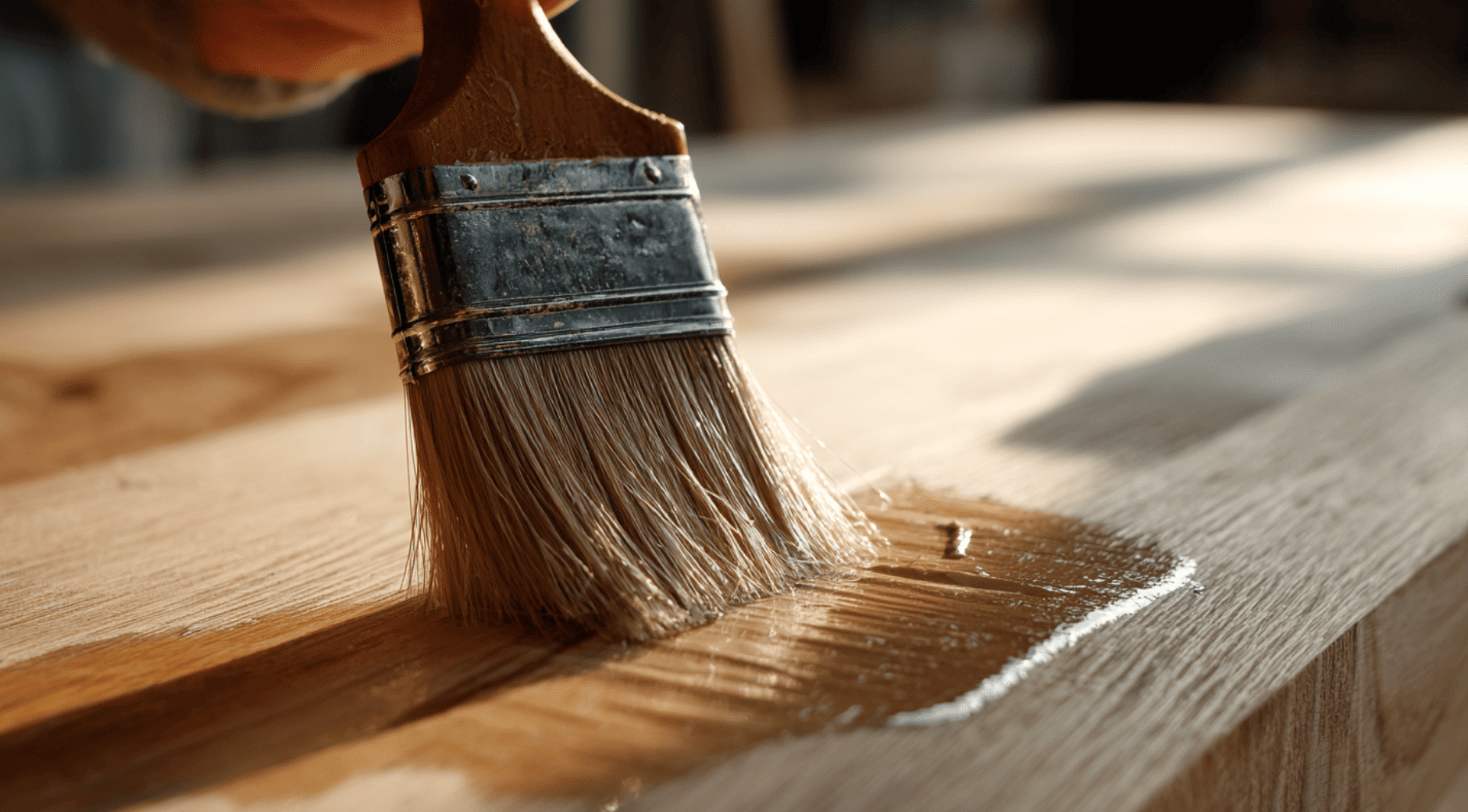
Wood is naturally porous, so it absorbs both paint and moisture easily. Preparing and sealing it properly helps prevent damage and ensures long-lasting waterproof results.
- Sand the surface lightly to create a smooth base and help paint adhere better.
- Apply a wood primer or gesso to seal the surface and prevent water absorption.
- Paint evenly and let it dry completely before adding a sealant.
- Finish with 2–3 coats of clear varnish or polyurethane, allowing each coat to dry fully.
For outdoor projects, always use an exterior-grade sealant to prevent peeling, fading, or water damage over time.
2. On Fabric
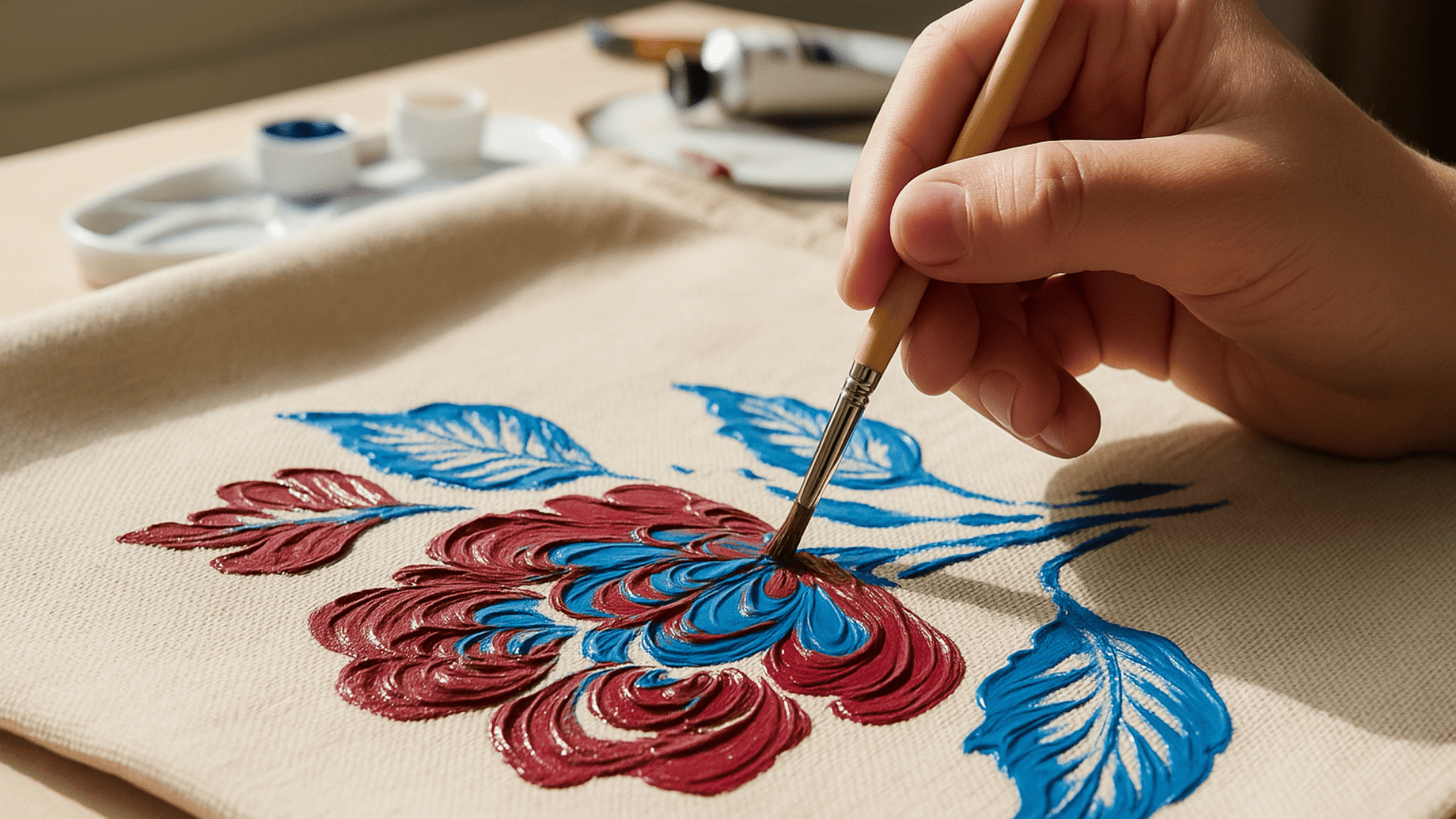
Fabric mixes and stretches, so regular acrylic paint can crack or wash off easily. Mixing the paint with a fabric medium keeps it flexible and long-lasting.
- Mix acrylic paint with a fabric medium to help it stay soft and resist cracking.
- Paint evenly and let it dry completely before setting the design.
- Heat-set the paint using a warm iron with a cloth on top to lock in color.
- Spray a clear waterproof fabric sealer to add an extra layer of protection.
Avoid skipping the medium or washing the fabric harshly, as it reduces durability.
3. On Glass
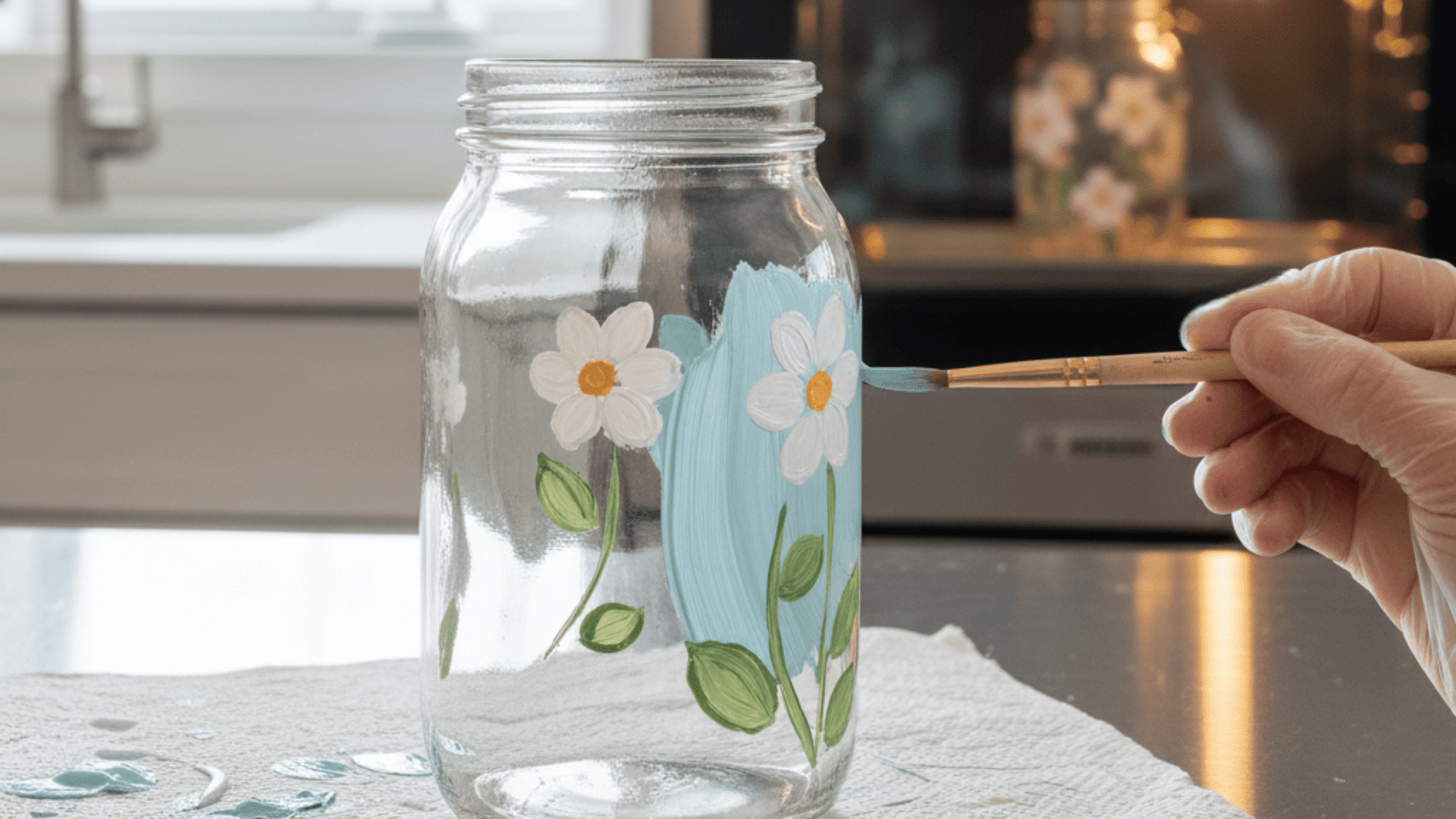
Glass has a smooth, nonporous surface, which makes it harder for paint to adhere. Preparing it properly ensures a better grip and protection.
- Clean the glass with rubbing alcohol to remove oils and dust.
- Use acrylic paint made for glass or mix regular paint with a glass medium.
- Bake the painted glass at a low temperature (if safe) to set the design permanently.
- Seal with a clear gloss varnish for added shine and durability.
Avoid scrubbing or soaking painted glass, as even sealed paint can chip with force.
4. On Rocks
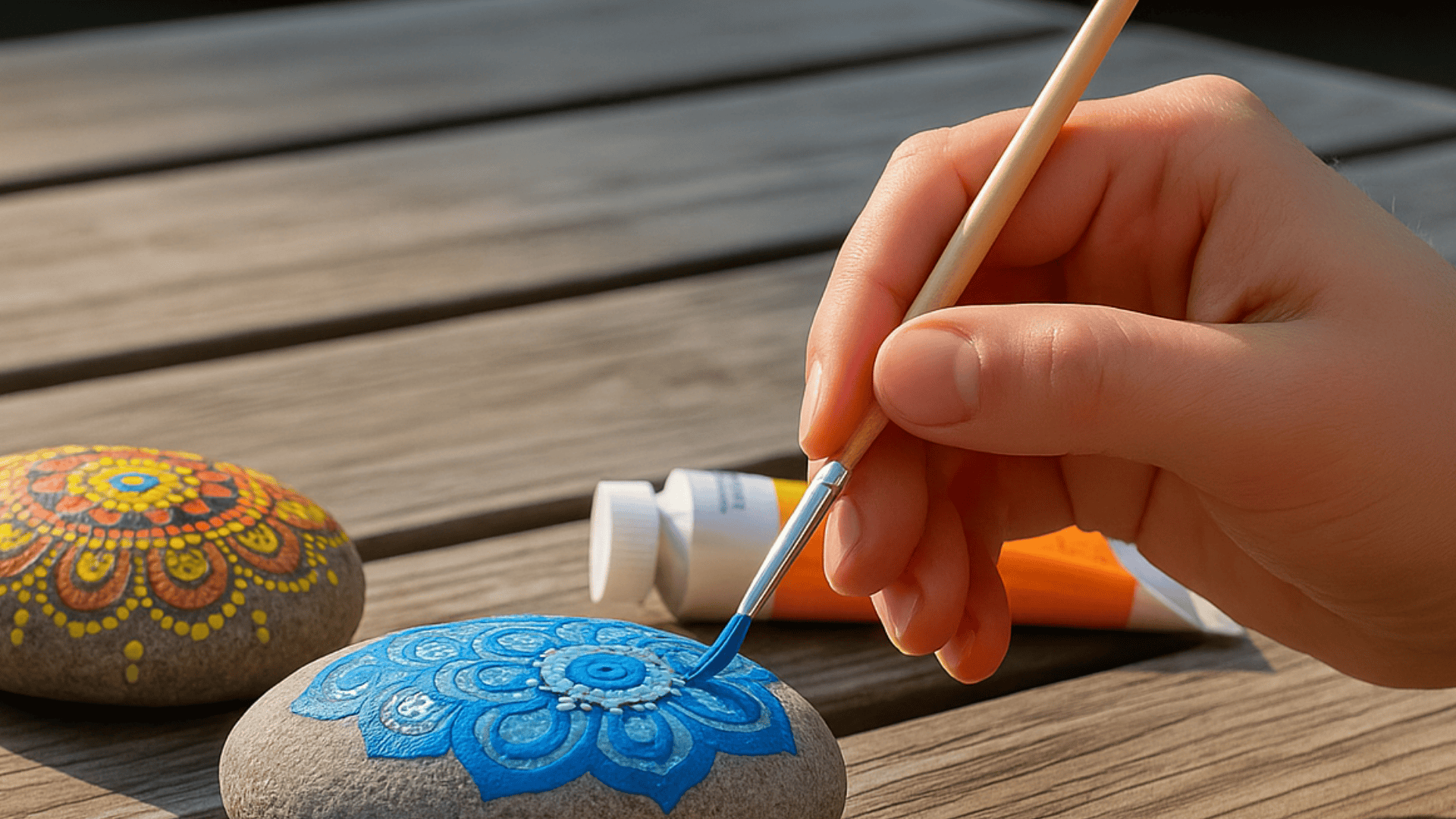
Rocks are commonly used for outdoor art and need protection from the sun, rain, and moisture. Proper prep and sealing help them last longer.
- Clean and dry rocks completely before painting to remove dirt.
- Use outdoor acrylic paint for better color hold and weather resistance.
- Apply two coats of outdoor varnish or sealant for full protection.
- Let the rocks dry completely before handling or displaying.
These steps keep your painted rocks vibrant and weatherproof year-round.
5. On Plastic or Metal
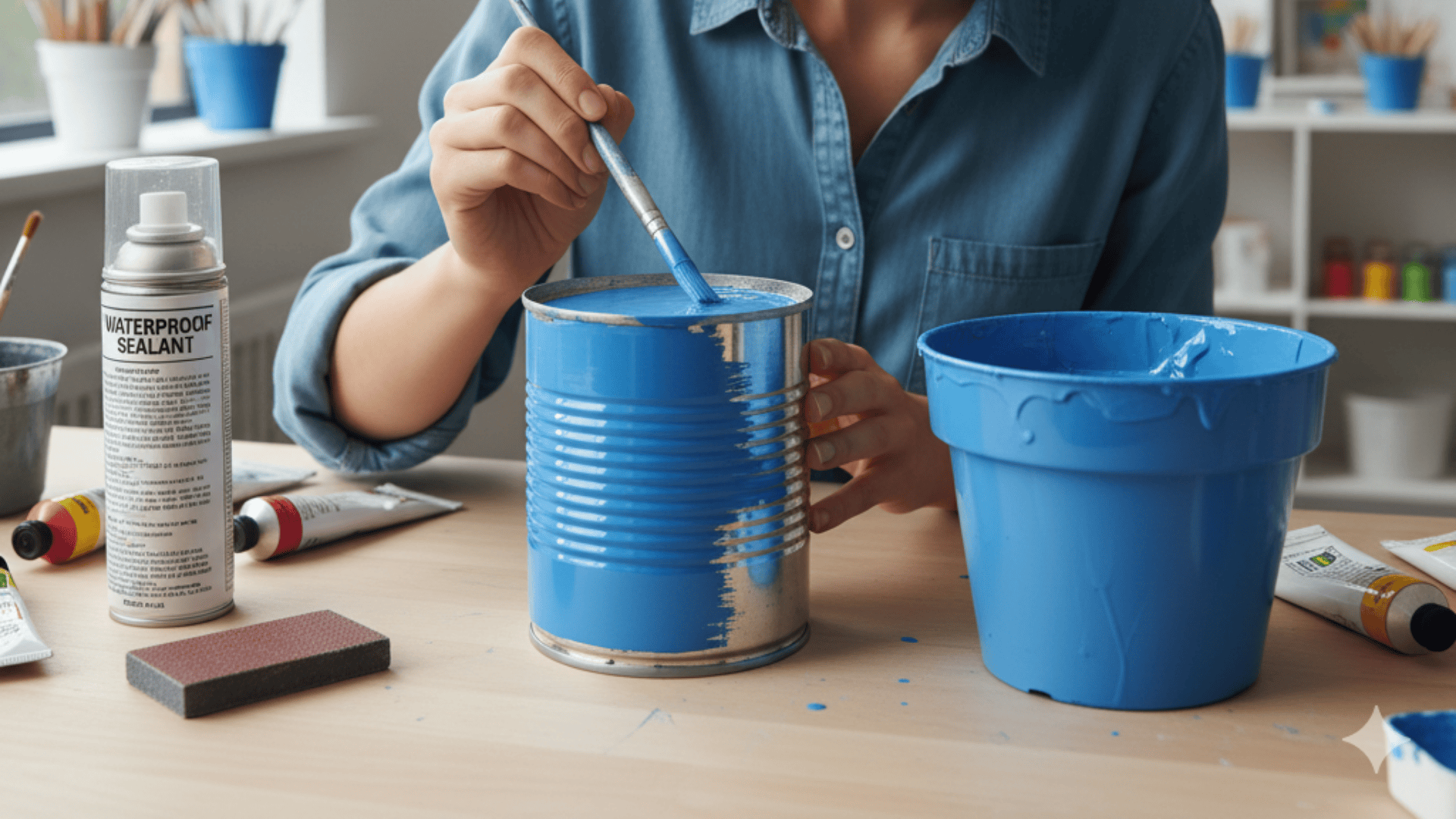
Plastic and metal are smooth surfaces that paint doesn’t stick to easily. Good prep and sealing are key to durability.
- Lightly sand the surface to give the paint something to grip.
- Apply a bonding primer before painting to improve adhesion.
- Seal with a clear acrylic spray or polyurethane varnish to protect from water.
- Use thin, even coats to avoid peeling or cracking.
Proper preparation and sealing help the paint last longer and stay waterproof, even on slick surfaces.
With the right prep, primer, and sealant, acrylic paint can stay bright, durable, and waterproof on any surface-whether it’s wood, fabric, glass, rocks, or metal.
Top Product Picks for Sealing and Protecting Acrylic Paint
Making sure your acrylic-painted surfaces stay durable and waterproof starts with choosing the right varnishes, sealants, and waterproof acrylic paint products.
- Liquitex Professional Acrylic Varnish: A clear varnish made for acrylic paintings, available in gloss, satin, and matte finishes- ideal for protecting art.
- Winsor & Newton Galeria Acrylic Varnish: Artist-grade varnish with UV protection and non-yellowing formula, perfect for long-term durability.
- Nicpro Gloss Varnish: A budget-friendly, clear acrylic top coat that provides a glossy finish and extra protective layer for your paintings.
- Krylon Crystal Clear Acrylic Coating: A durable all-surface clear topcoat spray, suitable for sealing paint surfaces on wood, metal, or plastic.
- Ohuhu Outdoor Acrylic Paint Set: Acrylic paints designed for outdoor use, with weather-resistant and waterproof properties for rocks, wood, or craft surfaces.
- Golden Heavy Body Acrylic Paint: A professional-grade acrylic paint known for forming a strong, durable film-excellent base before sealing for outdoor durability.
Tips for Long-Lasting Results
A few extra steps can help your acrylic paint stay bright and durable for years, even in outdoor conditions.
- Add UV protection: Use a UV-resistant varnish or topcoat to keep colors from fading in sunlight. This is especially important for outdoor projects like murals or garden decor.
- Clean gently: Wipe surfaces with a soft, damp cloth instead of scrubbing. Avoid harsh cleaners that can damage the paint or sealant.
- Reapply sealant regularly: For indoor art, reapply every 12–18 months. For outdoor pieces, reapply every 3–6 months depending on weather exposure.
These small maintenance habits protect your work from fading, peeling, and moisture damage, keeping it looking fresh and vibrant for a long time.
Final Thoughts
So, is acrylic paint waterproof? Not completely – and if you’ve ever asked “does acrylic paint wash off?”, the answer depends on how well it’s sealed and maintained.
With the right prep, sealing, and care, you can make it nearly immune to water damage.
If you’re painting wood, fabric, or outdoor decor, a little extra effort goes a long way in keeping your art bright and long-lasting.
Remember, quality materials and proper curing make all the difference. The better your prep, the stronger your finish, and the more confident you’ll feel creating pieces that last through any weather.
Ready to waterproof your next masterpiece? Start by sealing your acrylic paint the right way and watch your projects stay beautiful for years to come.