


Finding the right standard table height can completely change how comfortable and practical your space feels. It’s one of those details most people don’t think about until their dining chair feels too low or their knees bump the table.
The right height isn’t just about looks; it affects posture, comfort, and how easily you move around your furniture.
In this blog, I’ll walk you through the ideal measurements for different table types, explain how to match chairs for perfect balance, and share a few tips for customizing heights for your needs.
By the time you finish reading, you’ll know exactly what to look for before your next furniture purchase. Let’s start with the basics.
What is the Standard Table Height for Dining?
Most dining tables are about 28 to 30 inches high. That’s the sweet spot where most people can sit comfortably and still have enough space to move their legs.
In my experience, this range works well with standard dining chairs, which usually measure around 18 inches from the floor to the seat.
When you put the two together, you get about 10 to 12 inches of space between the seat and the tabletop; just the right amount for your arms and legs to fit comfortably.
If your table feels too high or too low, it can throw off your posture. You might find yourself hunching or stretching too much during meals.
So, when you’re choosing a table, keep that 28–30 inch range in mind; it’s the balance that most homes stick with for comfort and function.
Standard Heights for Other Table Types
| Table Type | Standard Height (inches) | Ideal Chair or Stool Height | Best For | Quick Tip |
|---|---|---|---|---|
| Dining Table | 28–30 | 18 | Family meals and daily dining | Leave 10–12 inches between the seat and tabletop. |
| Counter-Height Table | 34–36 | 24–26 | Kitchen islands or casual dining | Great for informal meals or extra prep space. |
| Bar-Height Table | 40–42 | 28–30 | Home bars or entertainment areas | Ideal for drinks and conversation. |
| Coffee Table | 18–20 | N/A | Living rooms | Should be level with your sofa seat for easy reach. |
| Console/Entry Table | 30–33 | N/A | Hallways or behind sofas | Perfect for decor or key storage. |
| Nightstand | 24–28 | N/A | Bedroom | Should match the top of your mattress for easy access. |
How to Choose the Right Table and Chair Height
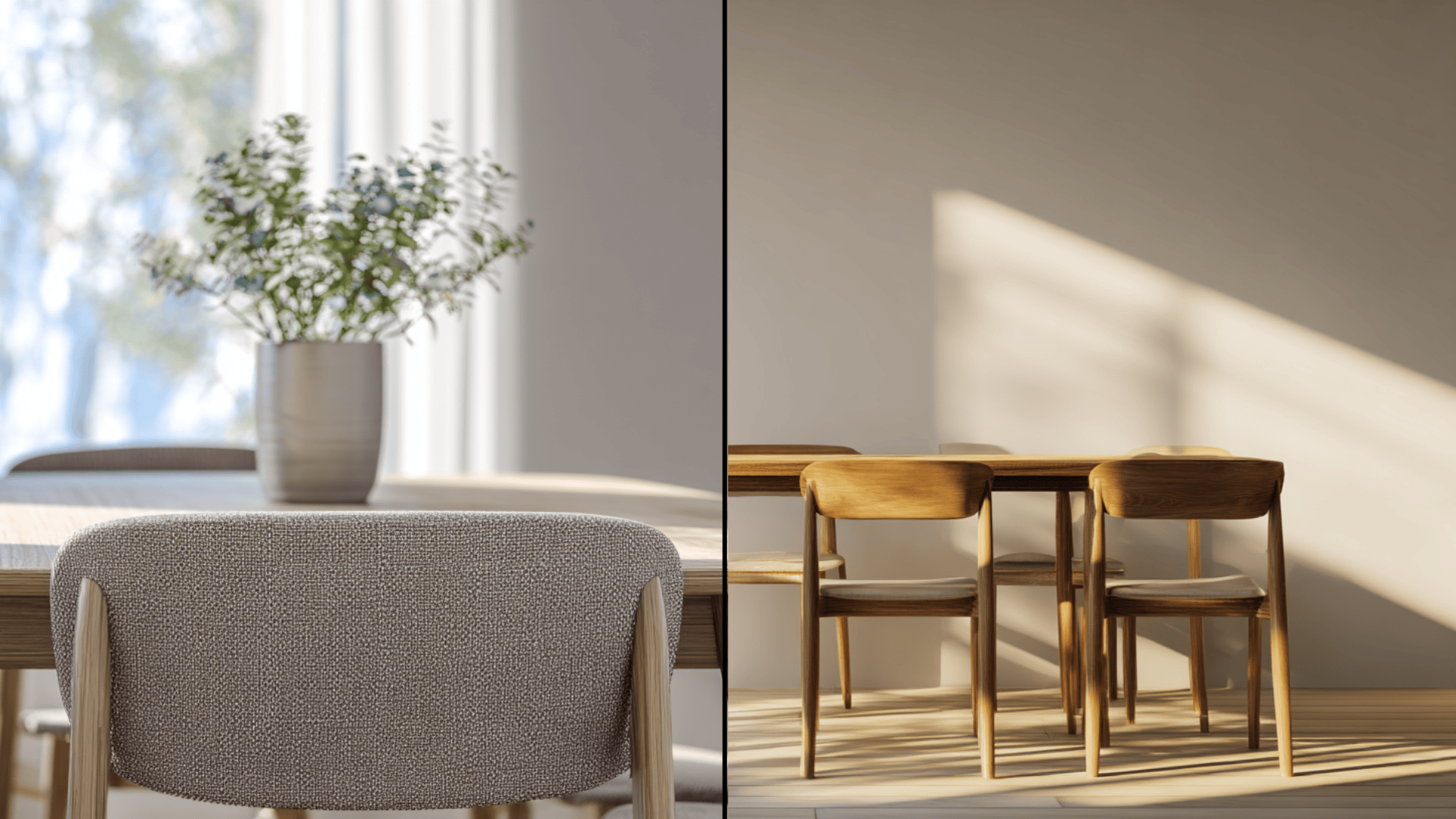
Getting the right table and chair height can make a big difference in comfort and posture. It’s not just about looks; it’s about how naturally you sit and move around your space.
Rule of thumb:
Keep 10 to 12 inches of space between the top of the chair seat and the bottom of the tabletop.
That gap gives you enough legroom and prevents your arms from feeling cramped when you sit down to eat or work.
How to measure it:
- Start by measuring from the floor to the top of your table.
- Then measure your chair seat height (floor to seat top).
- Subtract the two numbers; if the difference is 10–12 inches, you’ve got a comfortable setup.
- If you’re shopping, bring a tape measure or note your existing chair height before choosing a new table.
Not everyone fits the same setup, so you need to adjust for height differences:
- For taller people, a slightly higher table (31–32 inches) may feel more natural.
- For shorter users or kids, a 27–28 inch table keeps things within easy reach.
- If you already own a table that feels too tall or short, consider adding or removing chair cushions or adjustable seat pads to fine-tune comfort.
The goal is simple: when you sit down, your arms should rest naturally on the tabletop, and your knees should have room to move freely.
Ergonomics and Comfort Factors

In my experience, even the right table height can feel off if it doesn’t match how you sit or move. Comfort depends on small details that most people overlook when buying furniture.
Proper posture while dining or working:
Your elbows should rest naturally on the tabletop, and your feet should sit flat on the floor. If you find yourself leaning forward or raising your shoulders, the table or chair height might need adjusting.
Legroom requirements:
Aim for at least 12 inches of space between your knees and the underside of the table. This keeps your legs from feeling cramped, especially during longer meals or work sessions.
Common mistakes:
- Tables that are too tall make you lift your shoulders and strain your arms.
- Tables that are too short cause you to hunch forward and lose good posture.
- Uneven chair heights can make one person sit higher than another, which feels awkward and unbalanced.
When everything aligns, seat height, legroom, and table level, you’ll notice how naturally you sit. It’s one of those small details that makes your space feel right.
Regional and Metric Height Standards
| Unit | Inches | Centimeters (cm) | Millimeters (mm) | Feet (ft) |
|---|---|---|---|---|
| 1 inch | – | 2.54 | 25.4 | 0.083 |
| 28 inches | 28 | 71.1 | 711 | 2.33 |
| 30 inches | 30 | 76.2 | 762 | 2.5 |
| 36 inches | 36 | 91.4 | 914 | 3.0 |
| 42 inches | 42 | 106.7 | 1067 | 3.5 |
Regional Differences
- United States: Dining tables are usually 28–30 inches high, matching standard 18-inch chairs.
- United Kingdom: Similar range, though you’ll find slightly taller options (around 31 inches) in modern styles.
- Europe: Many brands list sizes in centimeters, with typical dining tables between 72–76 cm tall.
- Asia: Some regions prefer lower tables for traditional dining, especially in Japanese and Korean settings, where floor seating is common.
If you’re buying furniture from another country, check both the height and the seat-to-table clearance. A few centimeters can make a big difference in how comfortable your setup feels.
Table and Chair Height Reference
| Table Type | Table Height (inches) | Chair/Stool Height (inches) |
|---|---|---|
| Dining Table | 28–30 | 18 |
| Counter Table | 34–36 | 24–26 |
| Bar Table | 40–42 | 28–30 |
| Coffee Table | 18–20 | – |
| Console Table | 30–33 | – |
| Nightstand | 24–28 | – |
If you’re planning furniture layouts, you can mark your own measurements and compare them before buying or building new pieces.
Custom and Adjustable Table Heights
Sometimes, the usual table sizes don’t fit everyone’s needs. Adjustable or custom options help you create the right setup for comfort and accessibility.
When to Go Beyond the Standard
If your table doubles as a workspace or your family members vary in height, standard measurements may not work.
In my experience, adjustable tables are great for families with kids, older adults, or anyone who spends long hours sitting. They let you change height depending on the activity; dining, writing, or even working on crafts.
Ideal Heights for Different Needs
Finding the right height makes everyday use easier and safer.
- Kids: 22–26 inches helps them reach comfortably and sit safely.
- Elderly: 31–32 inches allows easier movement when sitting or standing.
- Wheelchair users: Leave about 27 inches of space underneath for clearance.
Even a small difference can make a table feel more natural to use.
DIY Hacks to Modify Table Height Safely
You don’t always need to buy a new table; a few simple fixes can adjust what you already have.
- Add leg extenders or furniture risers to increase height.
- Carefully trim table legs to shorten them evenly.
- Use rubber or felt pads for small height changes and extra stability.
These quick adjustments can improve comfort without changing the look or function of your furniture.
Wrapping Up
Choosing the right standard table height isn’t just about following numbers; it’s about comfort, balance, and how you live day to day.
The best height makes sitting, eating, or working feel natural, whether it’s a family dinner or a quick coffee break. Small details, like the space between your seat and tabletop, can completely change how your space feels.
Take a moment to measure what you already have and see if it fits your needs. If not, adjust or explore new options that match your lifestyle. The right height doesn’t just fit your home, it fits you.
Start by measuring your table today and create a setup that truly feels right.