


When the power goes out, your comfort and safety depend on one thing: having the right backup plan.
But figuring out what size generator to run a house can feel confusing with so many options and numbers floating around. From wattage and home size to fuel types and costs, there’s a lot to consider before you buy.
Today, I’ll break it all down, explaining how generator sizing works, how to calculate your exact needs, and what options fit different homes and budgets.
By the time you’re done, you’ll know exactly how to choose the right setup for your space. Let’s start by understanding how this whole thing works.
How Generator Sizing Works
When the power goes out, having the right generator size keeps your home running safely and comfortably.
If your generator is too small, it may overload and shut down. If it’s too large, you’ll waste fuel and money. The goal is to match your home’s actual power needs.
Running watts are the steady power your appliances need to keep working, like your refrigerator staying cool or your lights staying on.
Starting watts are the extra power needed for a few seconds when certain devices start up, such as your AC or sump pump.
Both numbers matter. If you only count running watts, your generator might trip when several appliances start at once. Including both ensures smooth, reliable operation.
Here’s a quick look at average wattages for common home items:
| Appliance | Running Watts | Starting Watts |
|---|---|---|
| Refrigerator | 700 | 1,200 |
| Sump Pump | 800 | 1,500 |
| Central AC | 2,000 | 4,000 |
| Space Heater | 1,500 | 1,500 |
| Lights (10 bulbs) | 600 | 600 |
| TV | 200 | 200 |
Most homes need between 5,000 and 25,000 watts, depending on size and how much you want to power.
What Size Generator to Run a House: Recommended Wattage by Home Size
The size of your home plays a big role in how much power you’ll need. Larger spaces naturally use more electricity because there are more appliances, outlets, and systems to keep running.
| Home Size | Recommended Wattage | Example Usage |
|---|---|---|
| Small (1–2 bedrooms) | 5,000–10,000 W | Fridge, lights, TV, small AC |
| Medium (3–4 bedrooms) | 12,000–20,000 W | Central AC, kitchen, furnace |
| Large (5+ bedrooms) | 20,000–25,000+ W | Entire home coverage |
Keep in mind, these are general estimates. If your home uses electric stoves, EV chargers, or multiple HVAC systems, you’ll need a higher-wattage generator to handle the extra load.
It’s always better to go slightly larger than to risk tripping the system during a power surge.
How to Calculate the Right Size: Step-by-Step

Finding the right generator size isn’t complicated once you break it down. Here’s how I usually figure it out, and it works for any home.
Step 1: List essential appliances
Start by writing down what you need during an outage. Think about your refrigerator, furnace, lights, Wi-Fi, or medical equipment.
Step 2: Add running watts
Each appliance has a label showing its running watts. Add those numbers together to find your total continuous power need.
Step 3: Add the highest starting wattage
Some appliances, like your AC or sump pump, need extra power to start. Add the highest starting wattage to your total from Step 2.
Step 4: Choose a generator with a 20% safety margin
Once you have your total, add about 20% more to make sure your generator won’t overload. This cushion keeps everything running smoothly, even if you plug in something extra.
Here’s a quick reference table to help you estimate your needs:
| Appliance | Running Watts | Starting Watts | Notes |
|---|---|---|---|
| Refrigerator | 700 | 1,200 | Essential for food safety |
| Sump Pump | 800 | 1,500 | Needed for basement protection |
| Furnace Fan | 800 | 2,350 | Critical in cold climates |
| Central AC | 2,000 | 4,000 | Major power draw |
| Lights (10 bulbs) | 600 | 600 | Basic comfort lighting |
| TV & Router | 300 | 300 | For connection and updates |
Once you’ve added everything up, you’ll know what size generator makes sense for your home. For most households, that ends up between 5,000 and 25,000 watts.
Portable vs. Whole-House Generators
Choosing between a portable and a whole-house generator depends on your power needs, budget, and how often you face outages. I’ve noticed each type fits a different lifestyle, so let’s break it down clearly.
Portable Generators
These are smaller, movable units powered by gasoline or propane.
| Pros | Cons |
|---|---|
| Lower upfront cost | Limited wattage capacity |
| Easy to move and store | Manual setup required each time |
| Good for short outages | Must be refueled regularly |
| Works for essentials only | Needs outdoor placement for safety |
Best for: If you just want to keep basics like the fridge, lights, and Wi-Fi running during short power cuts.
Whole-House (Standby) Generators
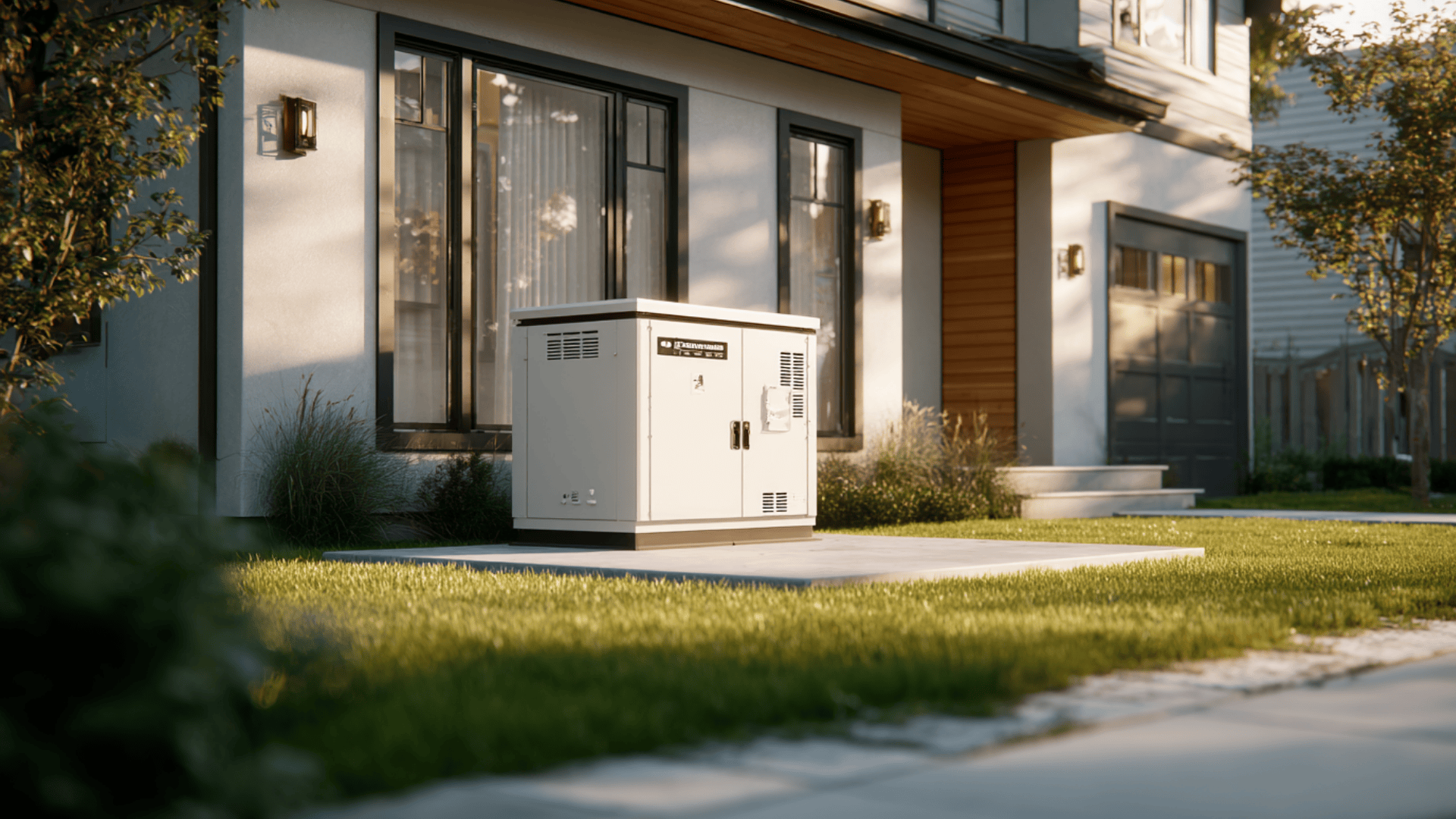
These permanent systems automatically power your home when the grid fails.
| Pros | Cons |
|---|---|
| Powers the entire home automatically | Higher purchase and installation cost |
| No manual setup or refueling needed | Requires professional installation |
| Runs on natural gas or propane | Needs regular maintenance |
| Seamless transition during outages | Not easily portable or movable |
Best for: If you want full-home coverage, hands-free operation, and long-term reliability.
Hybrid and Solar Backup Systems
Hybrid and solar generators are newer choices that combine battery storage with solar charging. They’re quieter, cleaner, and great for eco-friendly homes.
They can’t yet handle large loads like air conditioning or electric stoves, but they work well for essentials and small homes looking to reduce fuel use.
Cost Breakdown
Before choosing a generator, you need to understand how much it’ll cost to buy, install, and maintain. Prices vary a lot based on wattage, brand, and setup needs.
Here’s what I’ve seen most homeowners spend:
Purchase Cost by Generator Size
| Generator Size | Average Cost (Unit Only) | Coverage Type |
|---|---|---|
| 5,000–7,500 W | $600–$1,500 | Small homes or partial power |
| 10,000–15,000 W | $1,500–$3,000 | Medium homes or essential circuits |
| 20,000–25,000+ W | $4,000–$7,500 | Whole-house coverage |
Portable generators are cheaper up front, but standby systems offer better convenience and long-term reliability.
Installation and Setup Costs
| Generator Type | Average Installation Cost | Notes |
|---|---|---|
| Portable | $0–$300 | Only needs extension cords or transfer switch |
| Whole-House (Standby) | $3,000–$8,000 | Includes wiring, permits, and fuel connection |
Professional installation ensures safety and compliance with local electrical codes, especially for standby units.
Fuel and Maintenance Expenses
| Fuel Type | Average Cost per Hour | Notes |
|---|---|---|
| Gasoline | $2–$4 | Common and accessible but less efficient |
| Propane | $1.50–$3 | Cleaner burning, good shelf life |
| Natural Gas | $1–$2 | Continuous supply, ideal for standby units |
| Solar/Hybrid | Minimal | Higher setup cost, lowest long-term use |
Most generators need oil changes every 100–200 hours and annual maintenance checks.
Cost-Efficiency Tips
- Size your generator accurately; bigger isn’t always better.
- Maintain regularly to avoid costly repairs.
- Use energy-efficient appliances to reduce wattage needs.
- For long-term value, consider dual-fuel or hybrid systems.
Spending wisely upfront can save you hundreds over the life of your generator.
Fuel Types Explained
Gasoline: Common and affordable. It’s easy to find but burns quickly and has a short shelf life. Best for portable units and short-term outages.
Propane: Clean-burning and efficient. It runs quieter than gas and stores well for long periods. Slightly higher in cost but reliable for both portable and standby generators.
Diesel: Powerful and long-lasting. Great for large homes or extended outages. Produces more exhaust but offers excellent fuel efficiency.
Dual-Fuel: Flexible and practical. Lets you switch between gasoline and propane, giving you options if one fuel runs low. Ideal for versatility during emergencies.
Solar: Quiet and renewable. It’s eco-friendly and perfect for light power needs, but its output depends on sunlight and battery storage.
Each fuel type has its strengths. If you want convenience, gas or propane are great options. For long-term reliability, diesel or dual-fuel systems make more sense. And if sustainability matters most, solar is the way to go.
Tips for Choosing the Right Generator
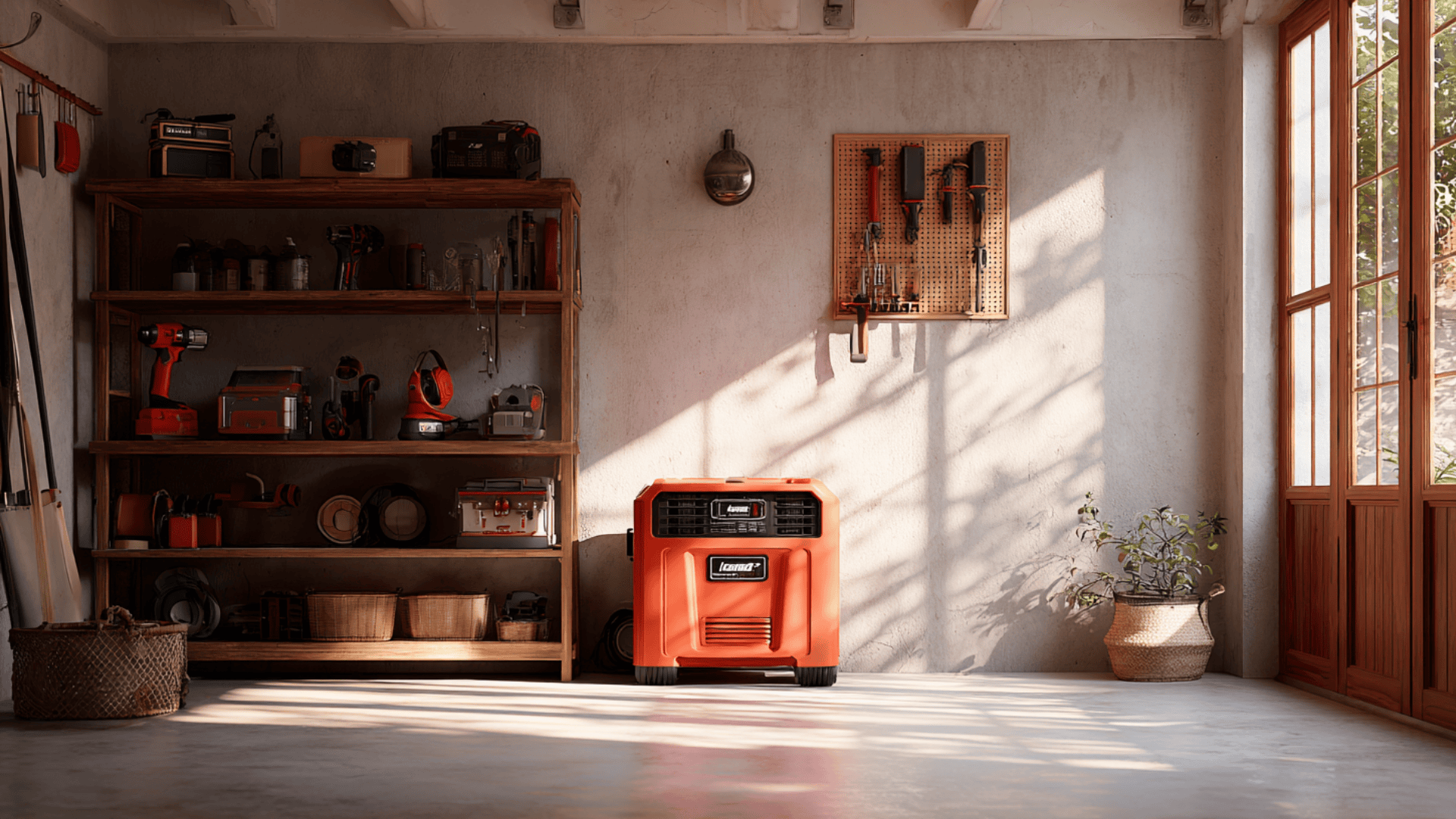
Picking the right generator isn’t just about wattage; it’s about how you’ll actually use it. In my experience, thinking about your home’s climate, energy habits, and setup needs makes a big difference.
Consider Your Climate
Cold regions: You’ll need extra power for furnaces, space heaters, and sump pumps. Go for higher wattage and reliable fuel like propane or diesel.
Hot regions: Central AC units and fans use a lot of power. Make sure your generator can handle the starting watts for cooling systems.
Think About Energy Efficiency
Energy-saving appliances draw less power, which means you can run more on a smaller generator.
Replacing older fridges, water heaters, or HVAC units can lower your wattage needs significantly.
LED bulbs, inverter air conditioners, and efficient washers help stretch your generator’s capacity.
Use This Quick Checklist Before Buying
List every appliance you’ll power during an outage.
Add up running and starting watts.
Check your home’s heating and cooling needs.
Decide on a fuel type based on what’s available locally.
Choose between portable, standby, or hybrid based on your budget.
Make sure the generator size includes a 20% safety margin.
Verify that your electrical panel can support the setup.
Plan for professional installation if buying a standby unit.
Take your time with this step. The right generator doesn’t just keep the lights on; it keeps your home safe and comfortable when you need it most.
Wrapping Up
Choosing the right generator is about more than wattage; it’s about peace of mind.
Once you understand your power needs, fuel options, and local conditions, you can confidently decide what size generator to run a house efficiently.
I’ve found that homeowners who plan ahead save more on fuel, protect their appliances, and stay comfortable during long outages.
Whether you go portable, standby, or hybrid, balance cost, convenience, and safety before buying.
Frequently Asked Questions
Can a 7,500-watt generator run a whole house?
A 7,500-watt generator can power essentials like lights, fridge, and a few outlets, but it’s not enough for full-house coverage or large appliances.
How long can a home generator run continuously during an outage?
Portable generators usually run 8–12 hours per tank, while standby models can run for days if connected to a steady propane or natural gas supply.
What’s the difference between a generator’s running watts and starting watts?
Running watts are the steady power that appliances need to operate. Starting watts are short bursts of extra power required when those appliances start up.