


When you look at a house, you probably notice the roof, siding, or gutters, but not the fascia. Still, this simple board plays a big role in protecting your roofline and tying your home’s design together.
Over time, I’ve noticed that damaged or poorly chosen fascia can lead to leaks, pest issues, and a tired-looking exterior.
Today, I’ll walk you through what fascia does, how it connects to other roof parts, the best materials to choose, and how to keep it in good shape.
What is Fascia on a House?
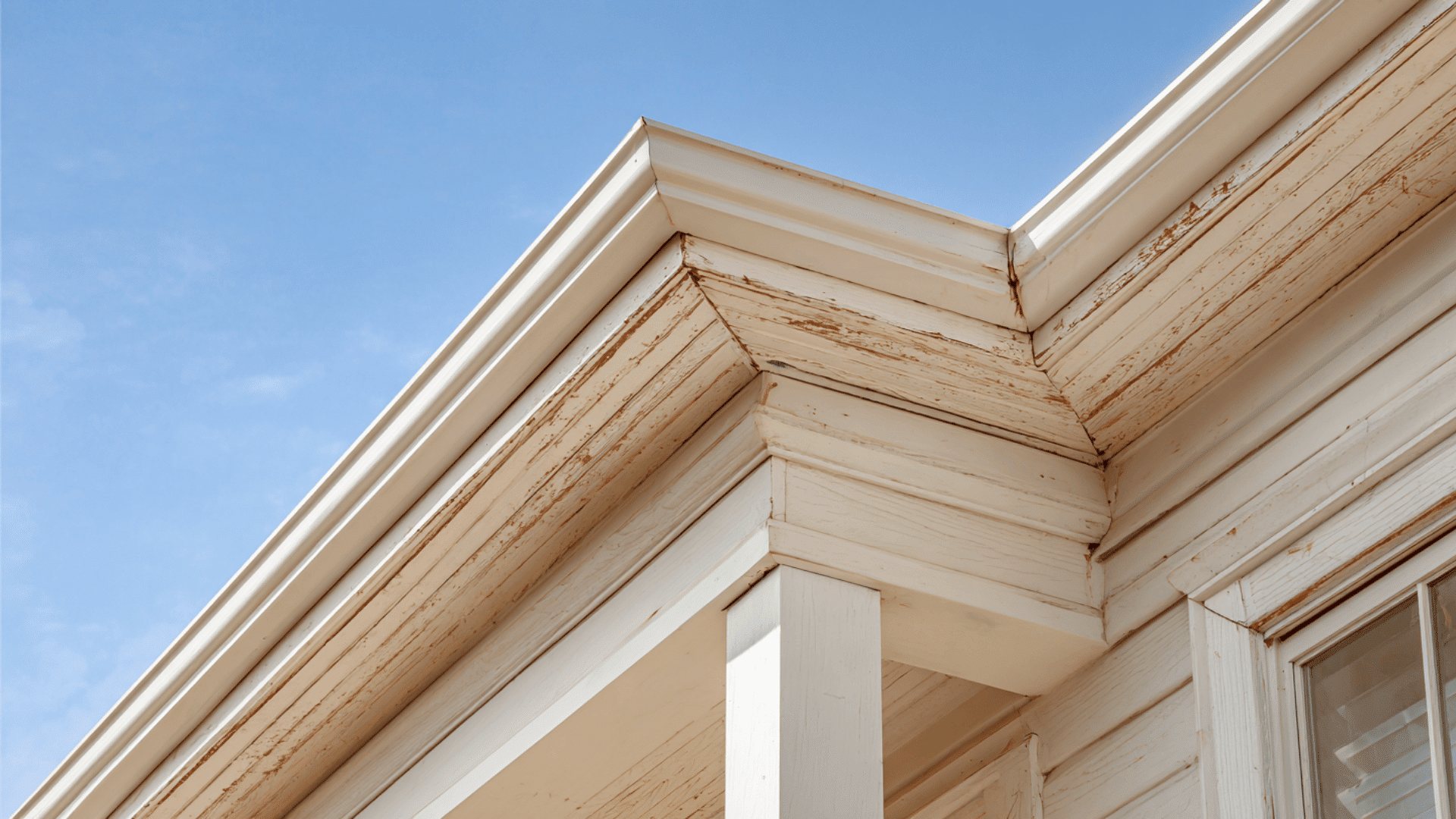
If you look up at the edge of your roof, you’ll see a flat board running along it. That’s the fascia.
It’s the trim-like board that sits right where your roof meets the outer walls of your house.
The fascia connects the roof, soffit, and siding together. It helps seal and protect that edge while also giving your home a clean, finished look. You’ll often see gutters attached directly to it because it’s strong enough to hold their weight.
Tip: Include a simple labeled image here showing where the fascia, soffit, siding, and gutters meet along the roofline.
In my experience, fascia does a lot more than people realize. It’s one of those small details that quietly keeps your home in good shape.
- Protects your roof structure: It covers and shields the ends of your rafters from rain and moisture.
- Holds your gutters in place: Without solid fascia boards, gutters can sag or pull away.
- Adds curb appeal: It gives the roof edge a smooth, finished line that makes the house look well-maintained.
If the fascia starts to rot or crack, it can lead to bigger problems, like leaks or pest damage, so it’s worth keeping an eye on.
The Difference Between Fascia, Soffit, Trim, and Frieze Board
| Part | Location | Main Purpose | Extra Notes |
|---|---|---|---|
| Fascia | Roof edge | Supports gutters, protects rafters | Visible front board under the roofline |
| Soffit | Under roof overhang | Ventilation, closes underside of eaves | Often vented for airflow |
| Trim | Around windows, doors, edges | Decorative finish | Adds style and polish |
| Frieze Board | Below fascia, above siding | Covers joint between siding and soffit | Adds a neat transition |
Types of Fascia Materials
When choosing fascia, you should think about your budget, climate, and how much maintenance you want to handle. Some materials look great but need more care, while others last for decades with little upkeep.
| Material | Pros | Cons | Average Price (Per Linear Foot, Installed) |
|---|---|---|---|
| Wood | Natural look, easy to paint or stain | Needs regular upkeep, prone to rot | $4.50 – $8.00 |
| Aluminum | Lightweight, rust-resistant, low maintenance | Can dent, limited color choices | $8.00 – $20.00 |
| Vinyl / PVC | Affordable, weather-resistant, easy to clean | Can warp in extreme heat, less sturdy | $7.50 – $13.50 |
| Composite | Long lifespan, eco-friendly, minimal maintenance | Higher upfront cost than vinyl | $10.00 – $25.00 |
| Steel | Very durable, modern look, strong protection | Expensive, harder to install | $10.00 – $25.00 |
Fascia Design and Color Options
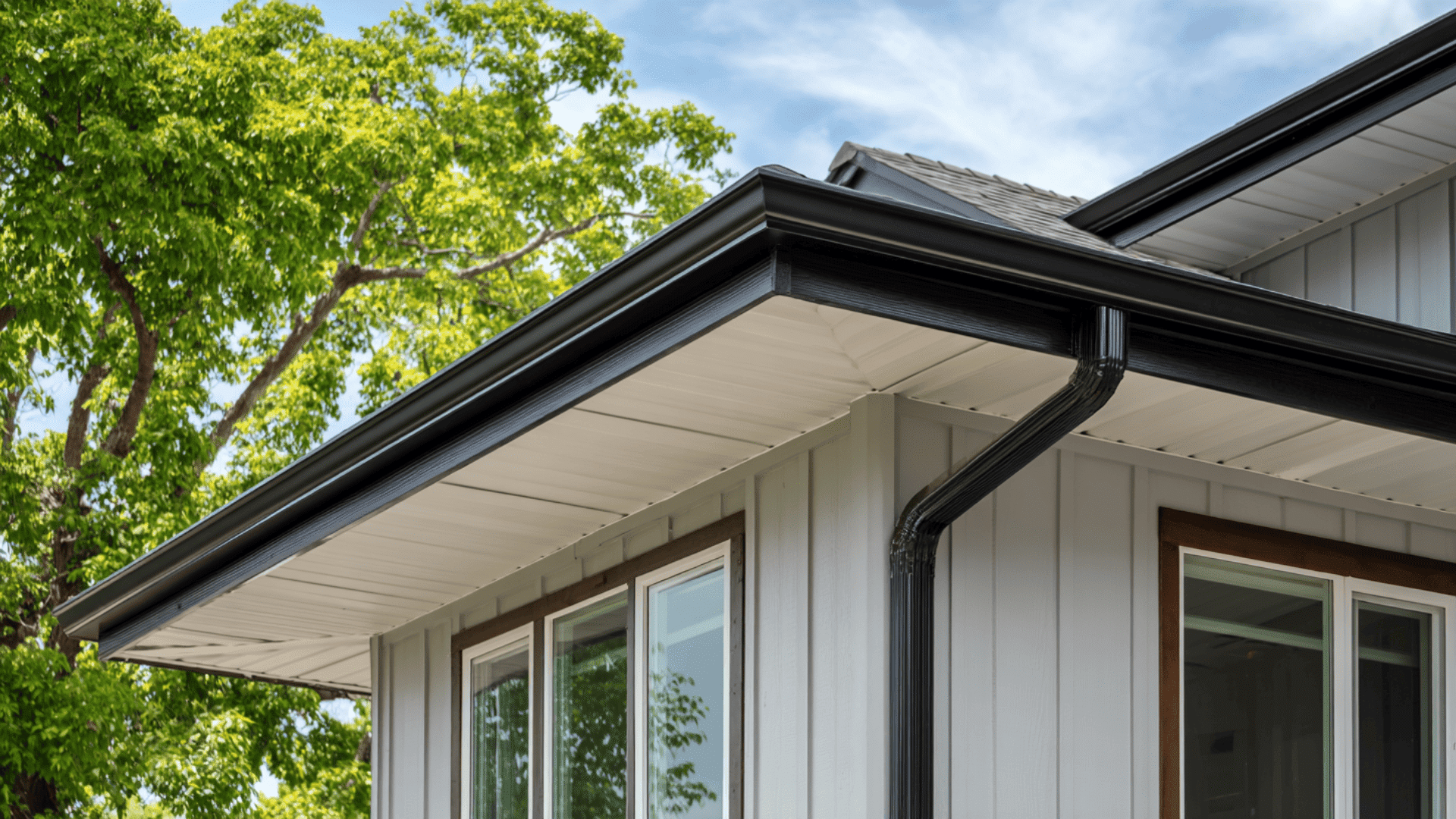
Your fascia plays a big role in how your home looks from the street. Choosing the right design and color helps your roofline tie in smoothly with the rest of your exterior.
Matching Fascia to Gutters, Soffits, and Trim
I’ve found that fascia looks best when it blends naturally with your gutters, soffits, and trim. You can match the color for a seamless look or go with a slight contrast to add depth. For example:
- White fascia with bronze gutters for a crisp contrast.
- Black fascia and soffits for a modern edge.
- Woodgrain fascia with natural siding for a warm, rustic touch.
The key is keeping the tones balanced so the roofline feels intentional, not mismatched.
Modern vs. Traditional Fascia Styles
Modern homes often use sleek aluminum or steel fascia with clean lines and bold colors like matte black or charcoal gray.
Traditional homes usually favor wood or composite fascia, often painted white or cream for a softer, classic finish.
If your house mixes styles, you can bridge the gap with vinyl or composite fascia in a neutral tone, it works well with both looks.
Popular Fascia Colors
Here are some colors homeowners often choose and why they work well:
- White: Clean, timeless, and matches most trims.
- Black: Bold and modern, great for contemporary designs.
- Bronze: Warm and earthy, pairs nicely with neutral siding.
- Natural Woodgrain: Adds texture and a cozy feel to rustic or craftsman-style homes.
If you’re unsure, start by matching your fascia to your gutter color; it’s a simple way to create balance and polish your home’s appearance.
Common Fascia Problems and Signs of Damage
In my experience, fascia boards can look fine from the ground but still hide damage underneath. Knowing what to watch for helps you catch small issues before they turn into costly repairs.
1. Peeling Paint, Warping, or Sagging Gutters
When paint starts to peel or fascia boards begin to warp, it’s often a sign of moisture trouble.
If gutters start sagging or pulling away, that’s another clue the fascia isn’t strong enough to support them anymore.
2. Water Stains and Wood Rot
Brown or dark streaks under the roofline usually mean water has been soaking into the fascia. If left alone, it can lead to rot that spreads into your rafters or roof decking.
3. Pest or Bird Damage
I’ve seen birds and squirrels nest behind loose fascia boards. Once they get in, they can chew insulation or wiring, causing even more damage.
4. How to Spot Early Warning Signs
- Check for soft or spongy wood when you press on the fascia.
- Look for paint bubbles, discoloration, or gaps near gutters.
- Watch for water dripping behind the gutters during rain.
- Keep an eye out for birds or wasps nesting near roof edges.
If you notice any of these early signs, it’s best to repair or replace the fascia right away. It’s a small job compared to fixing rotted roof framing later.
Fascia Repair and Replacement Costs
Most professional fascia replacements range between $6 and $25 per linear foot, depending on material and project complexity.
In basic cases, costs usually fall around $8 to $13 per linear foot. For harder-to-reach spots or premium materials, prices can reach up to $40 per linear foot.
Labor Cost Factors
Several things can influence how much labor adds to the final cost:
- Height and accessibility: Two-story homes or steep roofs require more time and equipment.
- Extent of damage: Rotted or hidden fascia damage increases the amount of repair work needed.
- Material and finish: Premium materials or paint finishes raise costs.
- Total linear footage: The more fascia you have, the more materials and time are needed.
DIY vs. Professional Replacement Cost Comparison
- DIY replacement: If the fascia is easy to reach and the damage is minor, you can handle it yourself. Materials alone usually cost $1–$5 per linear foot, depending on the type.
- Professional replacement: This includes materials, labor, old board removal, and warranty coverage. Expect to pay $6–$25+ per linear foot.
- Why hire a pro: Professional installation prevents water damage, gutter issues, and future repairs. Spending a bit more upfront can save you from major roof problems later.
DIY vs. Professional Installation
Installing fascia can be done on your own if you’re handy and comfortable on a ladder. But for higher or more complex rooflines, hiring a pro often saves time and prevents mistakes.
DIY – Tools, Safety, and Simple Steps
If you’re taking the DIY route, you’ll need a few basics:
- Tools: Ladder, circular saw, measuring tape, hammer or drill, nails or screws, and safety gear.
- Safety first: Always secure your ladder, wear gloves, and avoid working in wet or windy weather.
Simple steps:
- Remove damaged fascia boards and clear debris.
- Measure and cut new boards to fit the roof edge.
- Prime and paint wood boards (if needed) before installing.
- Attach the new boards firmly to the rafter ends.
- Reinstall gutters or drip edges afterward.
In my experience, a small single-story repair can be done in a day, but larger jobs often take longer.
Professional – Benefits, Warranties, and Precision
Professionals bring the tools, safety gear, and expertise to handle tough rooflines. They can spot hidden issues that you might miss.
- Benefits: Faster, safer, and higher-quality results.
- Warranties: Many roofers or contractors include workmanship guarantees.
- Precision: Boards fit snugly, and gutters are realigned perfectly.
I’ve seen homeowners try DIY, only to call a pro later when water started seeping in behind the fascia. A good installer helps you avoid that risk.
How to Maintain and Protect Fascia Boards
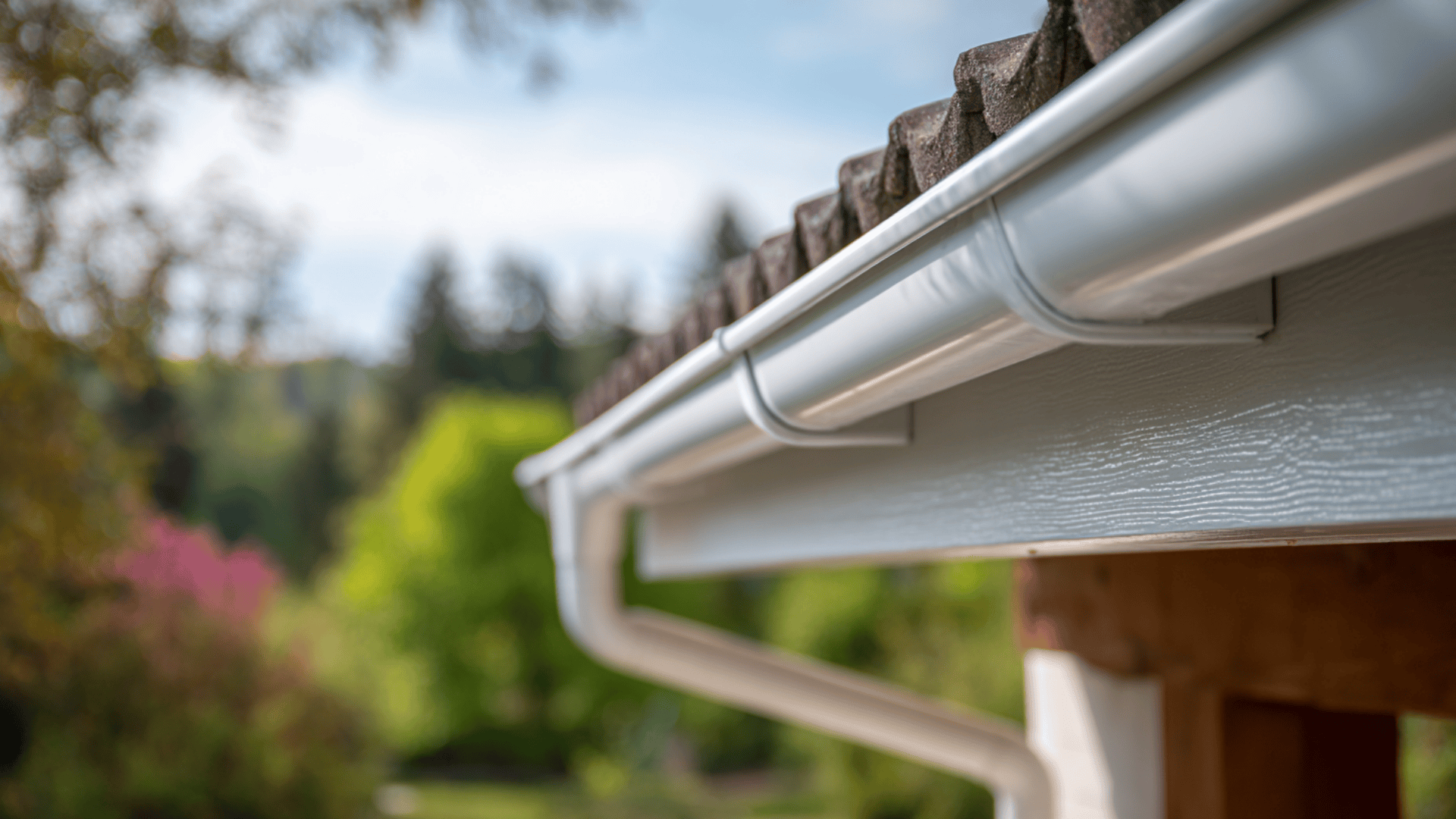
Keeping your fascia in good shape doesn’t take much time, but it goes a long way in preventing roof damage. A few small habits can make the boards last for years.
1. Regular Cleaning and Repainting
I like to give fascia boards a quick cleaning every few months. Use a soft brush and mild soap to remove dirt, mold, or debris.
If the boards are painted, check for peeling or fading, as fresh paint or sealant protects them from moisture and sun damage.
2. Inspecting Joints, Seals, and Gutters
Loose joints or cracked caulking can let water sneak in behind the fascia. Take a few minutes each season to:
- Check seams where boards meet.
- Reseal or repaint exposed areas.
- Make sure gutters are firmly attached and angled correctly.
A small gap might not look like much, but it can lead to rot if water sits too long.
3. Preventing Rot and Water Buildup
The best way to stop rot is to keep water moving. Clean your gutters so rain flows away instead of overflowing onto the fascia.
If you notice staining or mildew, clean and dry the area before repainting. For wood fascia, consider using a waterproof primer to add extra protection.
4. Annual Maintenance Checklist (Seasonal Care Tips)
1. Spring: Clean gutters and inspect for winter damage.
2. Summer: Repaint or reseal boards if needed.
3. Fall: Clear leaves and debris before heavy rain.
4. Winter: Check for ice dams or sagging gutters.
With regular care, fascia boards can last decades and keep your roofline looking sharp and strong.
Eco-Friendly and Long-Lasting Fascia Options
If you want fascia that lasts and is better for the planet, here are a few smart picks.
- Recycled composite boards: Made from wood fibers and recycled plastics. Strong, rot-resistant, and low maintenance.
- PVC fascia: Lightweight, recyclable, and doesn’t need painting. Great for damp or coastal areas.
- Protective coatings: Use UV-blocking paint, waterproof sealant, or mold-resistant finishes to extend lifespan.
- Sustainably sourced wood: Choose FSC-certified lumber for an eco-conscious option.
- Low-emission composites: Manufactured with recycled materials and minimal waste.
- Local products: Reduce shipping impact and support regional suppliers.
These options cut down on waste, lower upkeep, and keep your fascia looking fresh for years.
Wrapping Up
A well-maintained fascia keeps your roof strong, your gutters secure, and your home looking clean and finished.
Choosing the right material and caring for it regularly can save you from costly water damage and repairs later on. From wood to steel, each option offers its own mix of style, durability, and upkeep needs.
As I see it, the best fascia is one that fits your climate, budget, and effort level.
If you’ve found this guide helpful, take a look at my other home improvement blogs for more practical tips to keep your house in top shape.