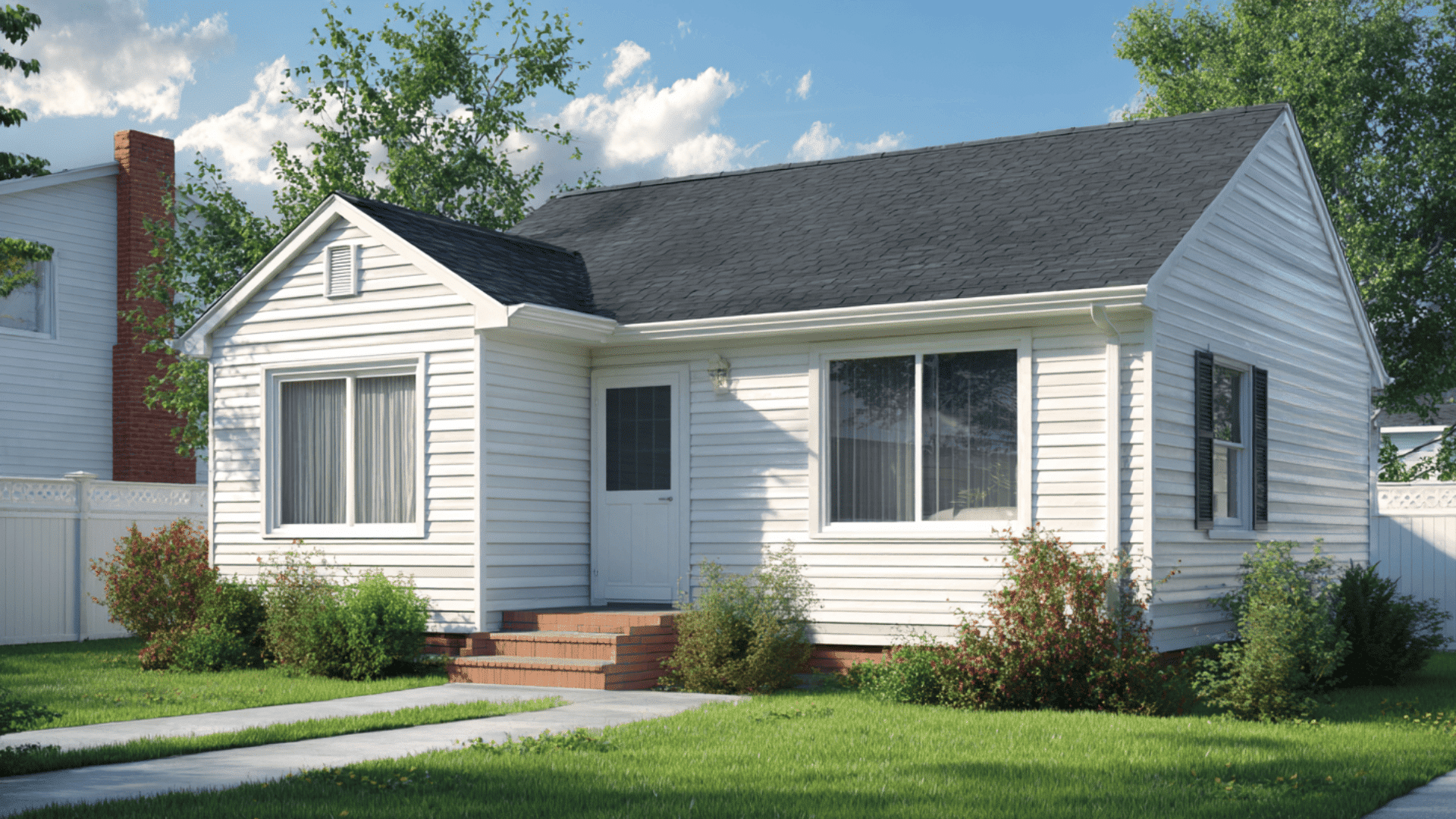


If you’re thinking about changing the look of your home’s exterior, you may be thinking, “Can you paint vinyl siding?” Painting vinyl siding is possible, but it helps to know what’s involved before you start.
In this blog, I’ll walk you through the key things to consider so you can decide if painting is the right choice for your home.
With the right steps, you can get a smooth finish and a home that feels fresh again.
Can You Paint Vinyl Siding?
Yes, you can paint vinyl siding. Many homeowners do it to refresh the look of their home without replacing the siding. When you use the right paint and prep the surface well, the results hold up for years.
Painting vinyl works because modern exterior paints are made to flex with the siding. They stick well, handle weather changes, and resist fading.
Things to Check Before You Start Painting:
- Surface condition: Cracks, warping, or loose panels need repair first. Paint won’t fix these issues.
- Existing coatings: If the siding has a glossy finish or a previous paint layer, you may need sanding or a bonding primer.
- Chalky residue: Rub your hand on the siding. If you see a white film, the surface needs cleaning so the paint can stick.
- Moisture: Make sure the siding is completely dry. Damp areas can cause peeling later.
- Age of the siding: Older, brittle siding may not hold paint well. If it’s too worn, replacement may be better.
How to Paint Vinyl Siding: Step-by-Step Guide
Painting vinyl siding takes careful prep and steady technique. A clean surface and the right products make the paint last much longer. These steps keep the job simple and help you get an even finish.
Tools & Materials Checklist
- Vinyl-safe exterior paint
- Cleaner or siding wash
- Paint sprayer or roller
- Primer
Step 1: Clean Thoroughly
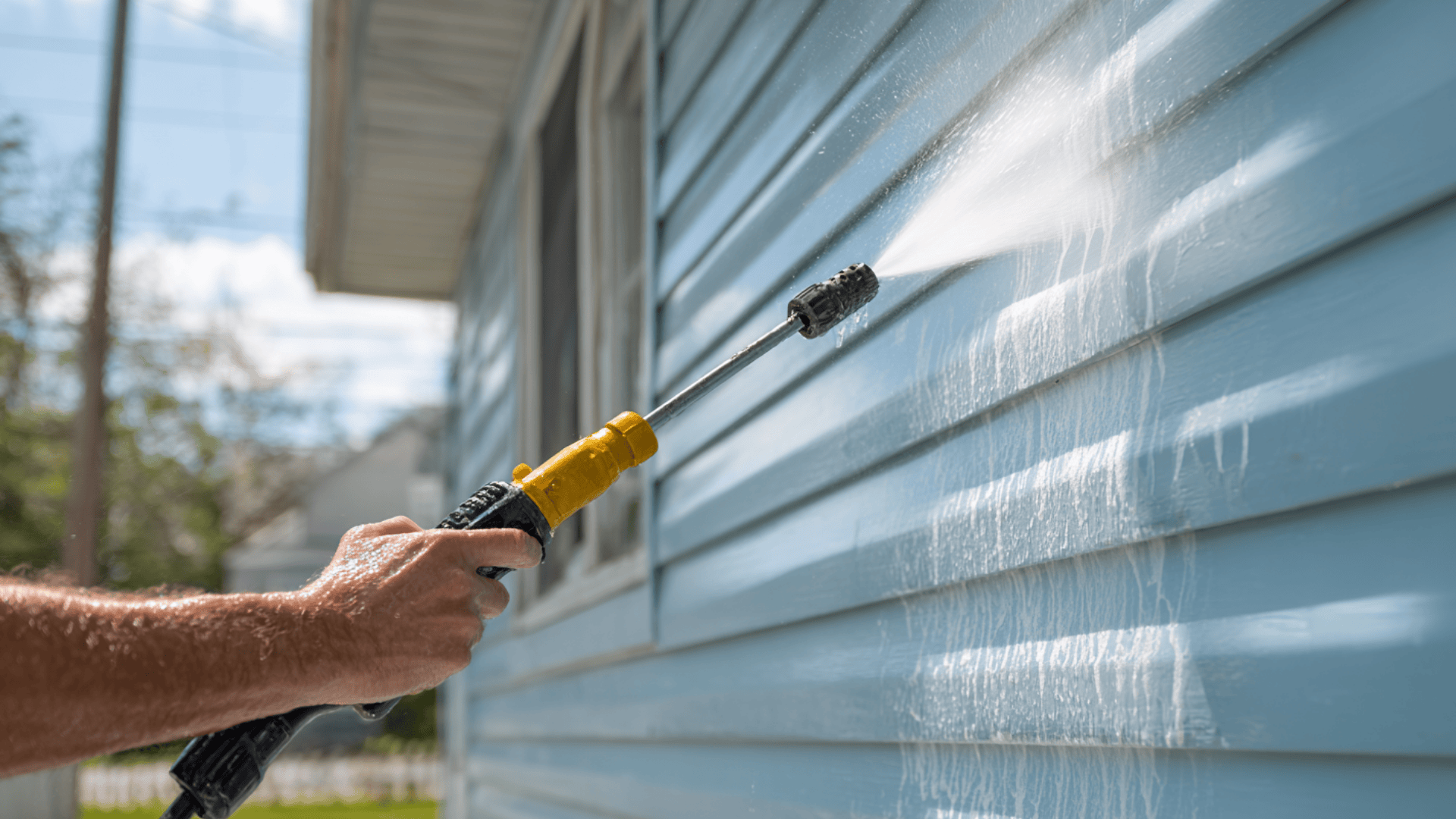
Begin by washing the siding to remove dirt, dust, mold, and chalky buildup. You can use a power washer on a low setting or scrub by hand with a siding-safe soap mixture.
Make sure the surface is free of residue, because any leftover film can stop the paint from sticking.
Step 2: Repair Damage
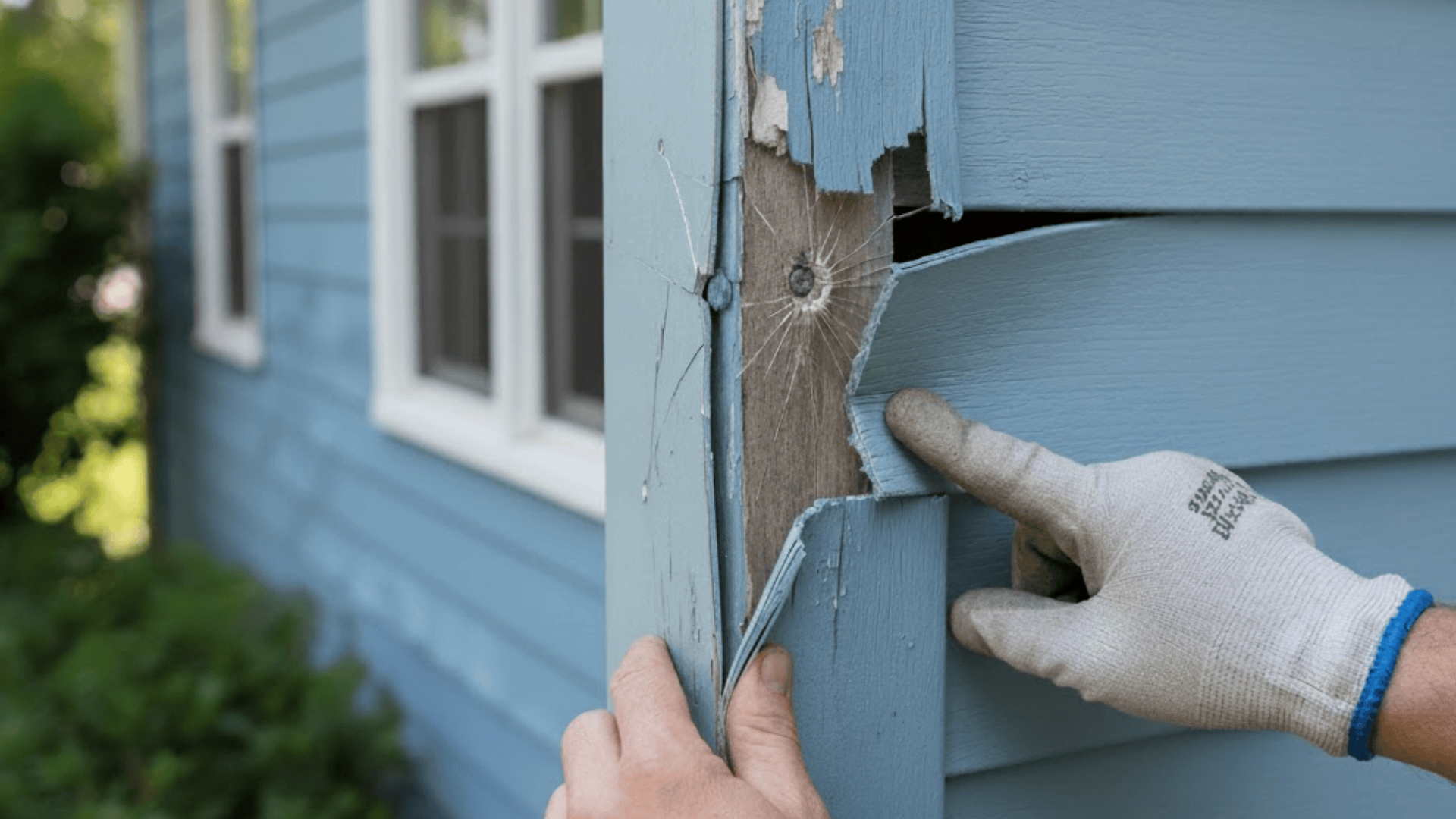
Look over the siding for cracks, loose panels, dents, or soft areas. Fix anything that feels unstable before painting.
If you see mold or early signs of warping, clean and repair those sections so the paint goes on evenly. A solid surface leads to a longer-lasting finish.
Step 3: Apply Primer
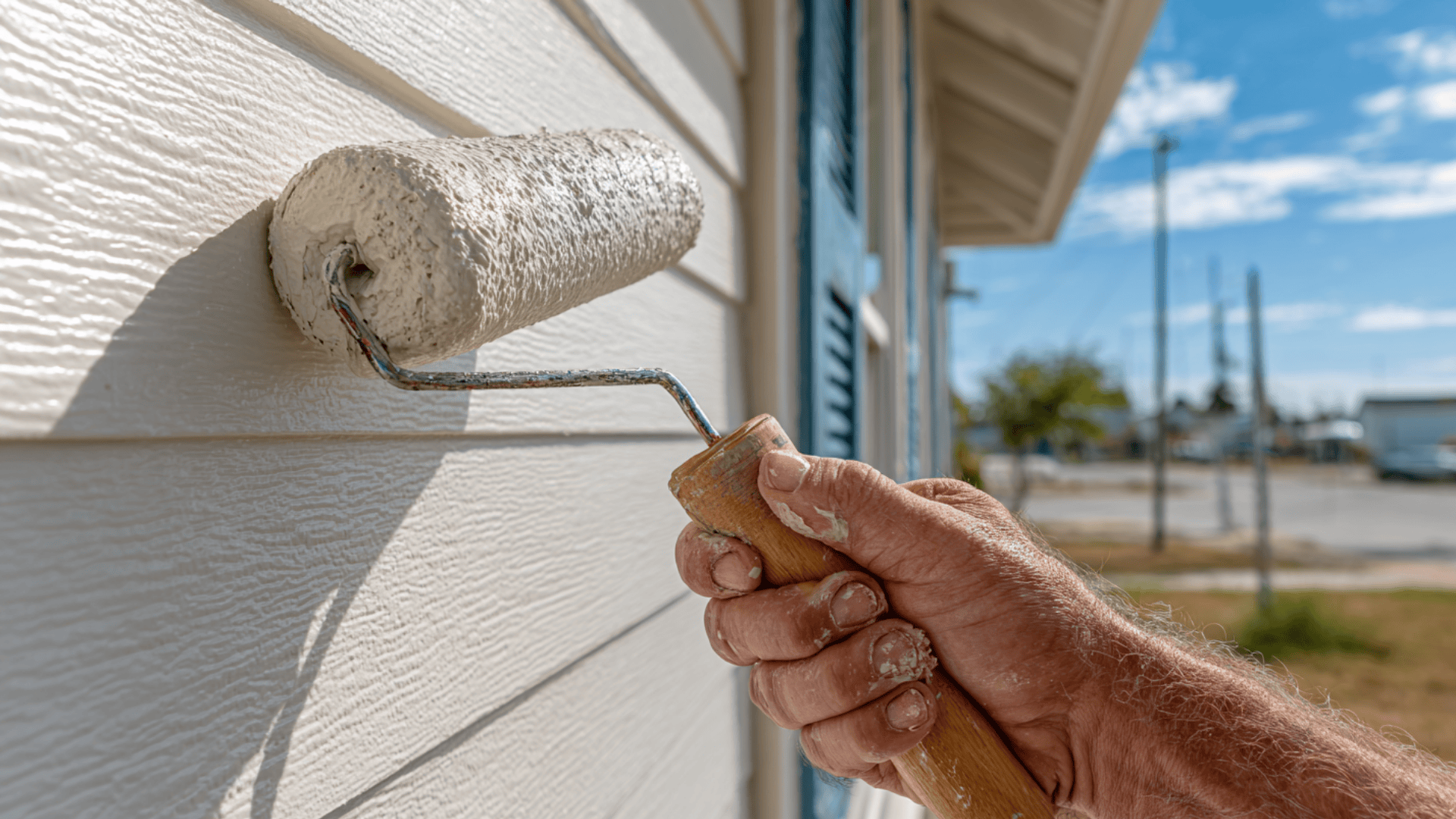
Primer isn’t always required for vinyl siding, but it helps in a few situations. If the surface is glossy, if it was painted before, or if some spots didn’t clean fully, a bonding primer can make a big difference.
Products like Extreme Bond primer help the new paint grip the siding and reduce the chance of peeling.
Step 4: Apply Paint
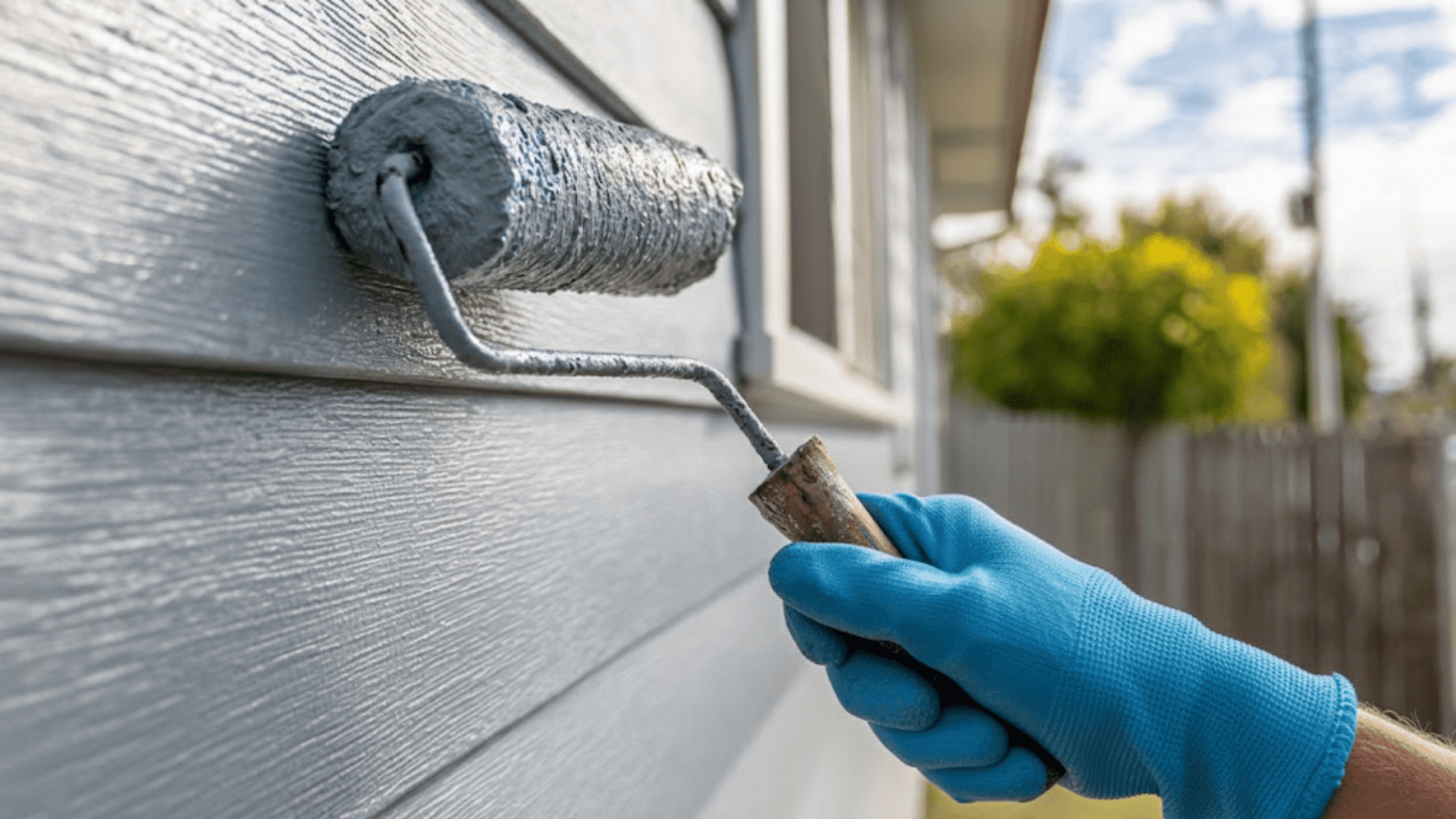
Choose a dry day with mild temperatures for the best results. A sprayer creates the smoothest finish, but a roller also works well if you prefer a simpler approach.
Apply the first coat slowly and evenly, let it dry fully, and then add a second coat for solid coverage. Check the paint label for drying times so the finish cures the right way.
Painting vs. Replacing Vinyl Siding
Deciding whether to paint or replace vinyl siding can be tricky, especially when both options affect your home’s look and long-term value.
| Category | Paint Vinyl Siding | Replace Vinyl Siding |
|---|---|---|
| Best For | Faded color, minor wear, good overall condition | Cracked, warped, brittle, or severely aged siding |
| Durability | 5–10 years before repainting | 20–40 years, depending on material quality |
| Appearance | Refreshes color but keeps the existing texture | Complete style upgrade with new panels |
| Time Required | 2–4 days for an average home | 1–2 weeks, depending on size |
| Cost | $1,000–$4,000 depending on size and paint quality | $6,000–$16,000+, depending on material and labor |
| Value | Budget-friendly, good short-term fix | Higher upfront cost but long-lasting improvement |
Both options can improve your home, but the best choice depends on your siding’s condition and your long-term plans.
If you want a quick, affordable refresh, painting works well – if you want durability and a full upgrade, replacement is the better investment
How to Choose the Right Paint Color for Vinyl Siding
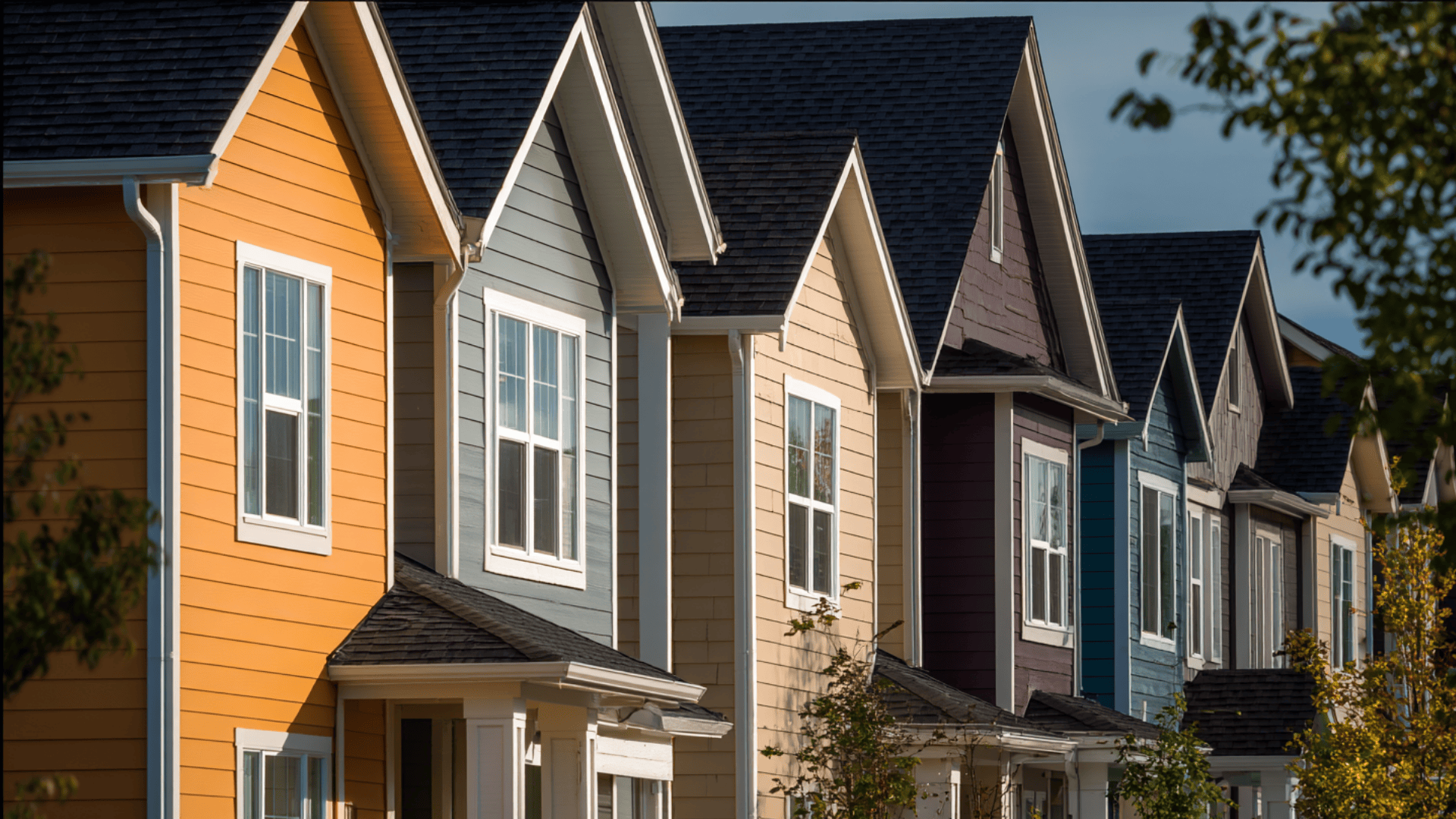
Your paint color plays a big role in how your siding performs. Some colors stay cooler, while others absorb more heat. Picking the right shade helps prevent warping and keeps the finish looking good longer.
1. Light vs. Dark Colors
- Lighter colors reflect heat and prevent vinyl from warping.
- These shades fade more slowly and last longer in the sun.
- Dark colors absorb more heat, but vinyl-safe formulas now allow deeper tones safely.
- If you want a bold look, choose from a vinyl-safe dark palette.
2. Matching Existing Trim & Roof
- Pick colors that blend well with your trim, roof, brick, or stone.
- Neutrals and mid-tones work with most roof colors.
- Darker trim can add contrast without overwhelming the siding.
3. Climate-Specific Guidance
- In hot climates, choose lighter shades with a higher LRV to reduce heat absorption.
- For cooler climates, medium or dark tones are safer and won’t stress the vinyl.
4. Recommended Paint Brands
A few paint brands work especially well on vinyl siding because they hold up to weather and stick to the surface the right way. These options are known for reliability, value, and long-lasting results.
| Brand & Line | Vinyl-Safe |
|---|---|
| Sherwin‑Williams | Specifically formulated for vinyl siding to resist warping. |
| Benjamin Moore | Compatible with vinyl siding when applied per the manufacturer’s instructions. |
| Valspar Defense | Not always labeled “vinyl-safe,” it requires careful colour and prep choice |
These brands give you solid choices for vinyl siding and make the job easier, whether you’re painting a small area or the whole exterior.
Common Mistakes to Avoid
- Painting in direct sunlight: Sunlight can dry the paint too fast and leave streaks or uneven areas. Work in the shade when possible.
- Painting when the weather is too hot or cold: Extreme temperatures keep the paint from sticking well. Mild, dry weather is best for painting vinyl siding.
- Using non-Vinyl-safe paint: Regular paint can trap heat and lead to peeling or warping. Always choose a vinyl-safe or 100% acrylic exterior formula.
- Choosing too dark a color: Dark colors absorb more heat and may cause the siding to buckle. Stick to lighter shades or vinyl-safe dark options.
- Not letting the siding dry fully: Painting over damp siding can cause bubbling or peeling later. Make sure the surface is completely dry before starting.
Avoiding these mistakes helps the paint last longer and gives your siding a cleaner, more even finish.
Conclusion
Painting vinyl siding can be a simple way to refresh your home, as long as you choose the right products and follow a steady process.
If you’ve been asking, “Can you paint vinyl siding?” the answer is yes, but the decision depends on your siding’s condition and your long-term plans.
A new coat can give you a clean look at a lower cost, while replacement offers more durability when the panels are worn out. Both options have value, so pick the one that fits your home and budget.
If you’re unsure where to start, consider getting a quick inspection or color consultation.