



If you’ve ever stood in the paint aisle staring at shelves of cans labeled acrylic and latex, unsure which one to choose, you’re definitely not alone.
It’s one of those small but tricky choices every homeowner or DIY painter faces. Both paints look similar, but they behave differently once they’re on your walls or furniture.
In this post, let’s go through what makes each paint unique, where they work best, and how to decide which suits your space.
What is Acrylic and Latex Paint: Brief Overview
Acrylic and latex paints are two of the most widely used water-based paints for homes and DIY projects. Both are easy to apply, quick to clean, and give smooth, even coverage without the strong fumes of oil-based paints.
Acrylic paint is made with high-quality resins that help it adhere firmly to various surfaces and remain strong in sunlight, humidity, and changing temperatures. It’s the go-to choice for outdoor spaces or areas that face wear and tear.
Latex paint, on the other hand, is designed for ease and speed. It spreads smoothly, dries quickly, and is perfect for painting walls, ceilings, and other indoor areas that don’t need heavy protection.
Simply put, acrylic paint is built for long-lasting performance, while latex paint is made for comfort, convenience, and everyday use.
Latex vs. Acrylic Paint: Overall Comparison

When choosing between latex and acrylic paint, it’s important to understand their key differences. Here’s a simple comparison to help you choose the right one for your project:
1. Composition & Durability
Latex paint uses a water-based mix of vinyl and acrylic resins, making it lightweight and easy to apply. It’s durable enough for interior walls but tends to fade or peel faster outdoors.
Acrylic paint, made with 100% acrylic resin, forms a stronger bond. It resists sunlight, temperature changes, and moisture, helping protect surfaces longer.
2. Flexibility
Acrylic paint has excellent flexibility. It can expand and contract with changes in temperature or humidity, helping prevent cracking or peeling over time.
Latex paint, however, is more rigid. On surfaces exposed to movement or weather changes, it might not stretch as well, leading to small cracks or paint separation after a few years.
3. Use Cases
Latex paint is great for large indoor spaces, such as bedrooms, hallways, and ceilings. It covers evenly, dries quickly, and is ideal for frequent touch-ups.
Acrylic paint works best for outdoor projects, furniture, trim, or metal surfaces. It’s built to handle heavy wear, sunlight, and moisture; perfect for exteriors or high-traffic indoor areas like kitchens and bathrooms.
4. Ease of Use
Latex paint is easy for beginners. It spreads smoothly, dries fast, and doesn’t require special tools or techniques. You can clean brushes and rollers with just soap and water.
Acrylic paint takes more effort; it’s thicker, can dry unevenly if rushed, and may need a primer or multiple coats for an even finish on tricky surfaces.
5. Cost
Latex paint is budget-friendly and often chosen for big, quick jobs like home interiors. It offers decent durability at a lower price.
Acrylic paint is pricier but built for long-term performance. Though it costs more upfront, it can save time and money later by reducing the frequency of repainting or touch-ups.
6. Clean-Up & Maintenance
Latex paint makes cleanup easy, just rinse brushes and tools with water before it dries. It stays smooth with occasional dusting or wiping.
Once dry, acrylic paint needs special cleaners or thinners for removal. However, it requires less frequent maintenance overall, as it resists peeling, fading, and cracking even in changing weather or heavy use.
7. Finish & Appearance
Acrylic paint gives a richer color payoff and a more vibrant, polished finish. It tends to stay bright and glossy even after years of exposure.
Latex paint has a softer, more uniform look that suits walls and ceilings. While it doesn’t pop as much, it provides smooth coverage and blends easily across large surfaces.
8. Dry Time
Latex paint dries quickly, usually within a few hours, which makes it perfect for quick indoor projects or same-day makeovers.
Acrylic paint dries more slowly but forms a tougher surface once cured. The extra drying time allows better adhesion, reducing the chance of peeling or blistering, especially helpful for outdoor or high-moisture environments.
9. Environmental & Safety Notes
Both paints are safer than oil-based options since they’re water-based and emit fewer fumes.
Latex paint generally contains lower VOCs, making it the better choice for indoor spaces and those sensitive to odors.
Acrylic paint can vary in VOC content, so it’s best to check product labels for low-VOC or eco-friendly options before use.
Acrylic vs. Latex Paint: Quick Comparison Table
A quick look at their main differences helps you decide faster. This table sums up how acrylic and latex paints compare in key areas:
| Feature | Acrylic Paint | Latex Paint |
|---|---|---|
| Base | Made with 100% acrylic resin | Mix of vinyl and acrylic resins |
| Durability | Very durable, resists sunlight and moisture | Durable indoors, less resistant outdoors |
| Flexibility | Expands and contracts easily, preventing cracking | More rigid, can crack with surface movement |
| Best Use | Exteriors, trim, furniture, and high-traffic areas | Interior walls, ceilings, and large surfaces |
| Ease of Use | Needs prep and skill for smooth results | Easy for beginners, spreads and dries fast |
| Cost | Higher cost but longer lifespan | More affordable for large jobs |
| Cleanup | Needs solvent or special cleaner once dry | Easy soap-and-water cleanup |
| Finish | Brighter, smoother, and glossier | Soft, even finish with less shine |
| Dry Time | Slower drying, stronger bond | Quick drying for fast projects |
| VOCs / Safety | May vary, check low-VOC options | Low VOC, safer for indoor use |
| Pros | Long-lasting, weather-resistant, flexible, vibrant color | Affordable, quick drying, easy cleanup, low odor |
| Cons | Pricier, slower to dry, harder to clean up | Fades outdoors, less flexible, may crack or peel |
Both paints do the job well, but their strengths differ. Choose latex for quick, easy indoor projects, and go with acrylic for lasting protection and color outdoors.
Expert Tips for Choosing the Right Paint
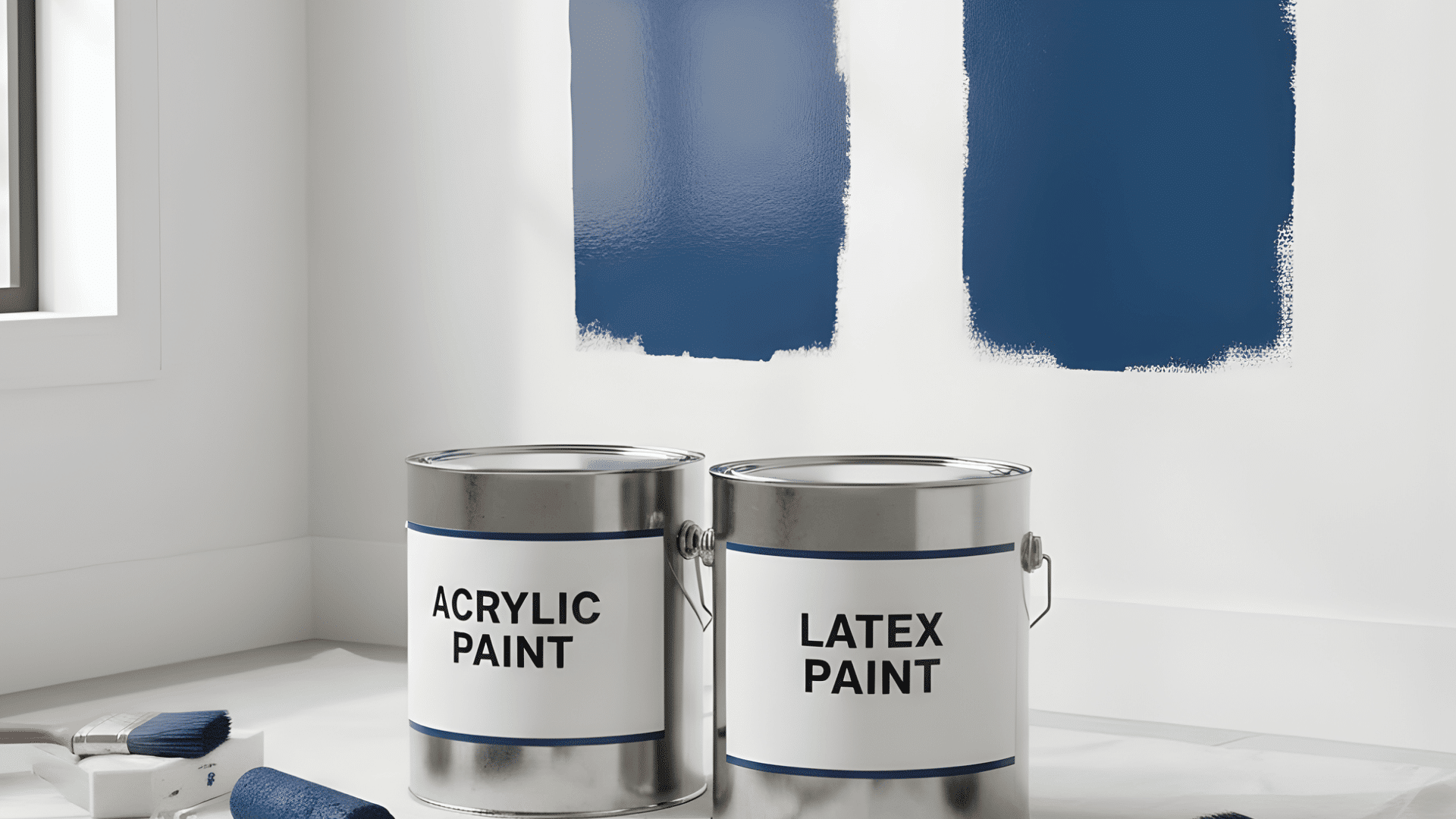
Picking paint gets easier when you ask a few simple questions. Think about where you’ll use it and what matters most: cost, ease of use, or durability.
- Location: Think about where you’re painting. Indoors usually calls for latex; outdoors or furniture needs acrylic.
- Priority: Decide what matters most – cost, ease of use, or durability.
- Indoor Projects: Choose latex paint. It’s easy to apply, dries fast, and cleans up with soap and water.
- Outdoor Projects: Go with acrylic paint. It’s tougher, resists sun and rain, and lasts longer.
- For Beginners: Latex paint is smooth, simple, and forgiving for first-timers.
- For Long-Lasting Results: Acrylic paint offers better adhesion, vibrant color, and stronger protection.
Paint Decision Matrix:
Make a simple chart with three columns – Location (Indoor/Outdoor), Priority (Ease/Cost/Durability), and Recommended Paint (Latex/Acrylic).
Choosing the right paint depends on your space and what you value most. Keep it simple; latex for ease and speed, acrylic for strength and lasting results.
Common Myths About Latex and Acrylic Paint
Many people still mix up the facts about latex and acrylic paint. Here’s what’s true and what’s not, so you can make paint choices with confidence:
| Myth | Fact |
|---|---|
| Latex paint contains rubber | Modern latex paints use synthetic resins, not rubber. The term latex is just a leftover from older paint formulations. |
| Acrylic paint is oil-based | Acrylic paint is water-based and uses acrylic resin as a binder, not oil. |
| Acrylic latex | Refers to water-based paint made with acrylic resins. Most modern latex paints fall into this category. |
Knowing the truth helps you choose paint for your space without confusion. Most modern paints are acrylic-based, even when the label says latex.
Conclusion
Choosing between acrylic and latex paint doesn’t have to be confusing. Now that you understand their key differences, you can make paint choices with more confidence.
By now, you know what sets acrylic and latex paint apart and how to choose the right one for your project.
The goal is simple: pick what fits your space, budget, and effort level. Both paints work well when used right, so focus on what matters most to you: ease, cost, or durability.
Ready to start painting? Choose your paint, grab a brush, and give your space a fresh new look today. Also, let me know your experience in the comment section!
Frequently Asked Questions
Can I use latex and acrylic paint together on the same project?
Yes, but only on separate surfaces. Don’t mix them or apply one wet over the other to avoid peeling or poor adhesion.
Which paint gives a better finish on wood or furniture?
Acrylic paint gives a smoother, longer-lasting finish on wood and furniture, while latex may need a topcoat for protection.
Which paint handles humidity better?
Acrylic paint performs better in humid areas like bathrooms or kitchens since it resists moisture and prevents peeling.