


Standing in front of endless paint cans can feel overwhelming, especially when terms like latex, acrylic, and oil-based start blending together.
What do they actually mean, and which one should you choose? You’re not alone in that confusion. Many homeowners and DIY painters face the same dilemma before starting a project.
This blog makes it simple by breaking down what latex paint really is and how it works. You’ll understand what latex paint is and what sets it apart from other paint options.
What is Latex Paint?
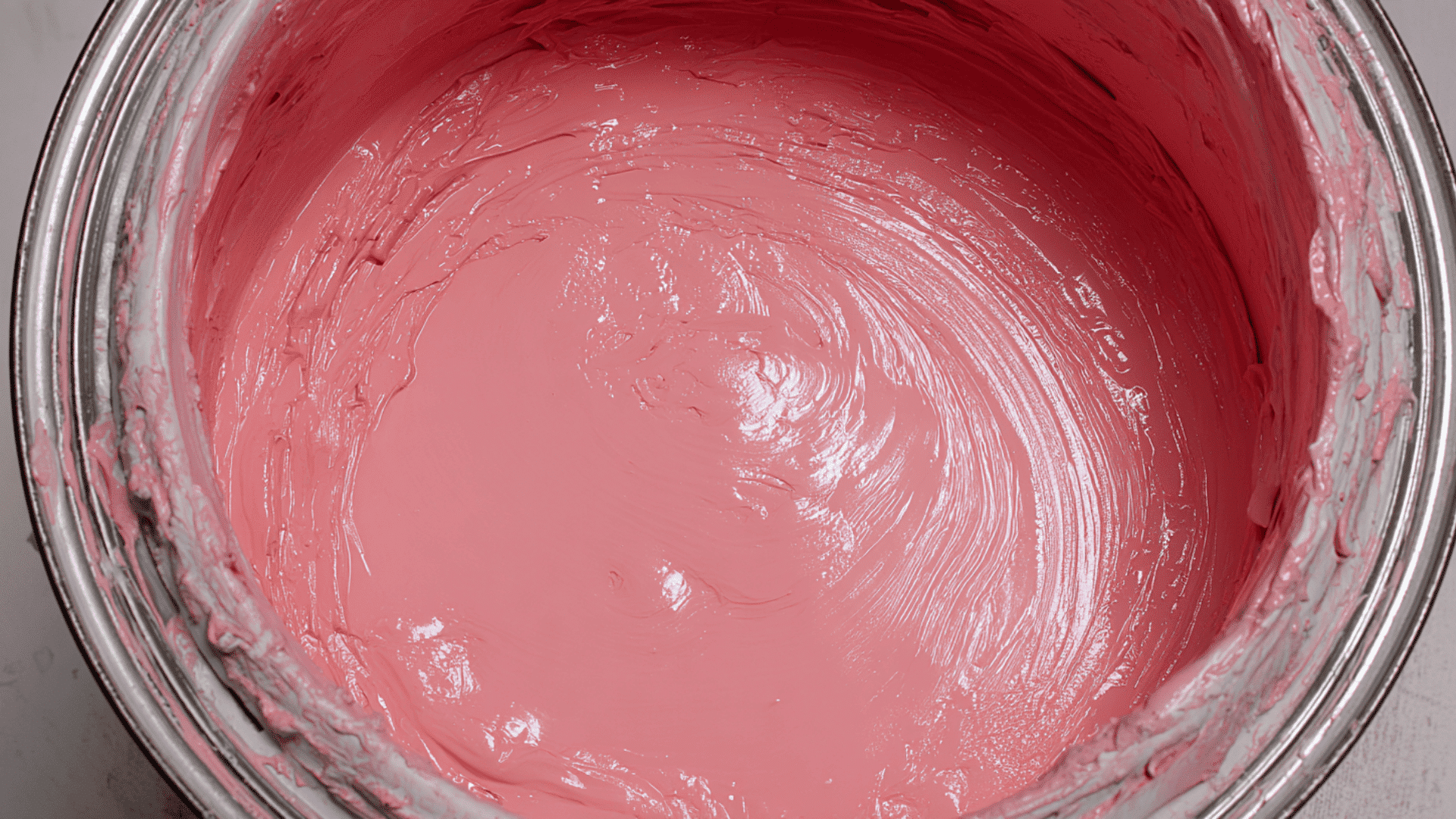
Latex paint is a water-based paint that uses synthetic binders, usually acrylic or vinyl, to hold the pigment in place.
When the water evaporates, it leaves a smooth, flexible film on the surface. It’s popular for home use because it dries fast, has low odor, and is easy to clean with soap and water.
Basic Components
- Pigment: Adds color
- Water: Works as the solvent
- Binder: Acrylic or vinyl resin that helps the paint stick
- Additives: Improve texture, flow, or resistance to mildew and fading
Key Benefits
- Fast drying
- Easy cleanup with soap and water
- Low odor and low VOCs
- Good long-term color retention
- Flexible film that helps prevent cracking
Types of Latex Paint
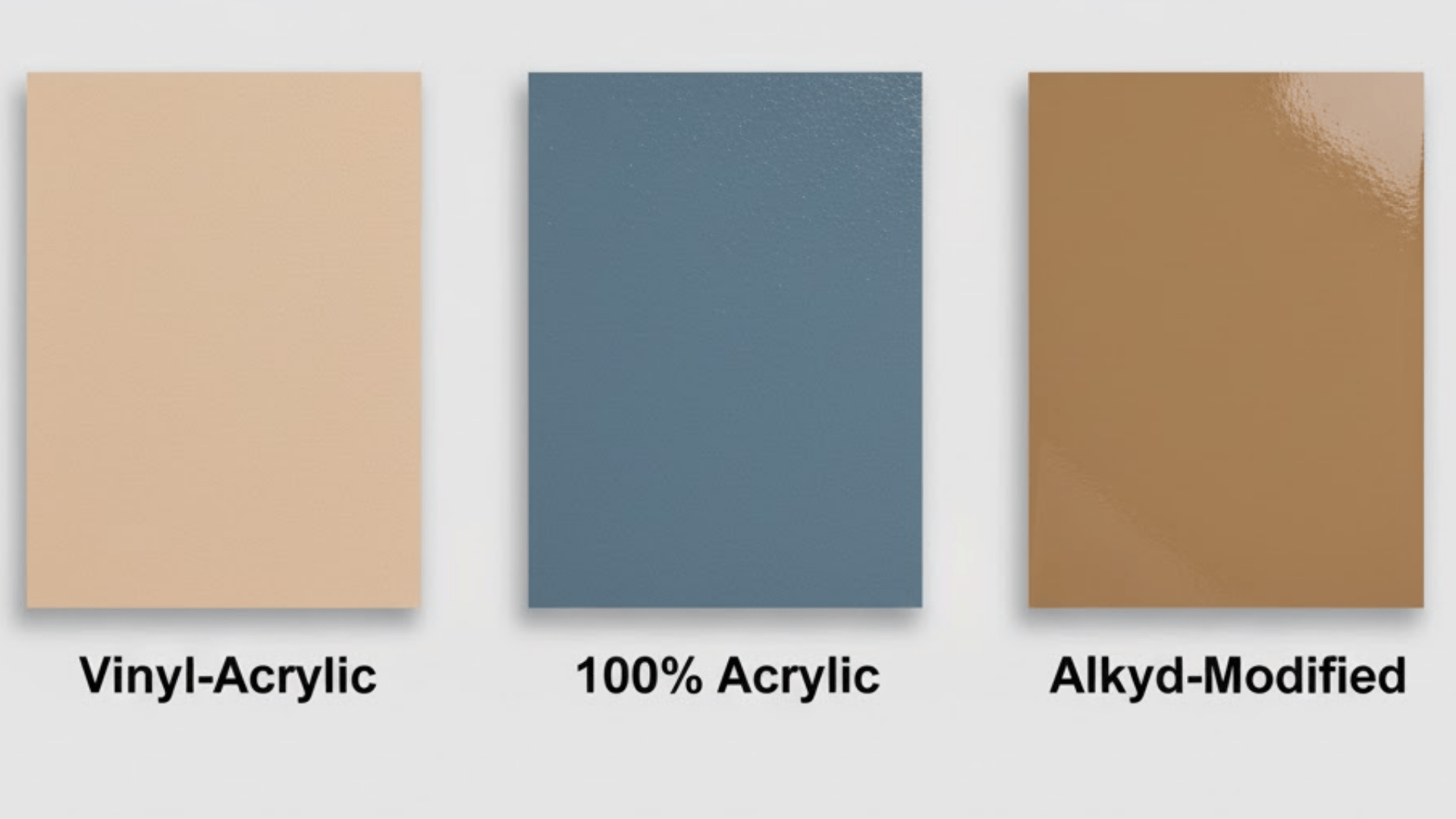
Latex paint comes in a few different formulas, and each one works best for a specific job.
1. Vinyl-Acrylic Latex Paint
Vinyl-acrylic latex is the most common and affordable type of latex paint. It’s widely used for interior walls and ceilings where durability isn’t a top priority.
This paint offers smooth coverage and easy application, making it a practical choice for low-traffic spaces like bedrooms, offices, or rental properties.
2. 100% Acrylic Latex Paint
100% acrylic latex paint is made entirely from acrylic resins, giving it superior strength and flexibility. It resists fading, cracking, and peeling, even in harsh weather.
This makes it ideal for both indoor and outdoor surfaces that need extra durability, such as exteriors, trims, or high-traffic areas. It’s often considered the premium option among latex paints.
3. Alkyd-Modified Latex Paint
Alkyd-modified latex combines the easy cleanup of latex with the toughness of oil-based paints. It provides a hard, smooth finish that stands up well to wear and moisture.
This hybrid formula works best for doors, cabinets, and furniture, where you want a durable surface without the strong odor or long drying time of traditional oil paints.
Latex Paint vs. Other Paint Types
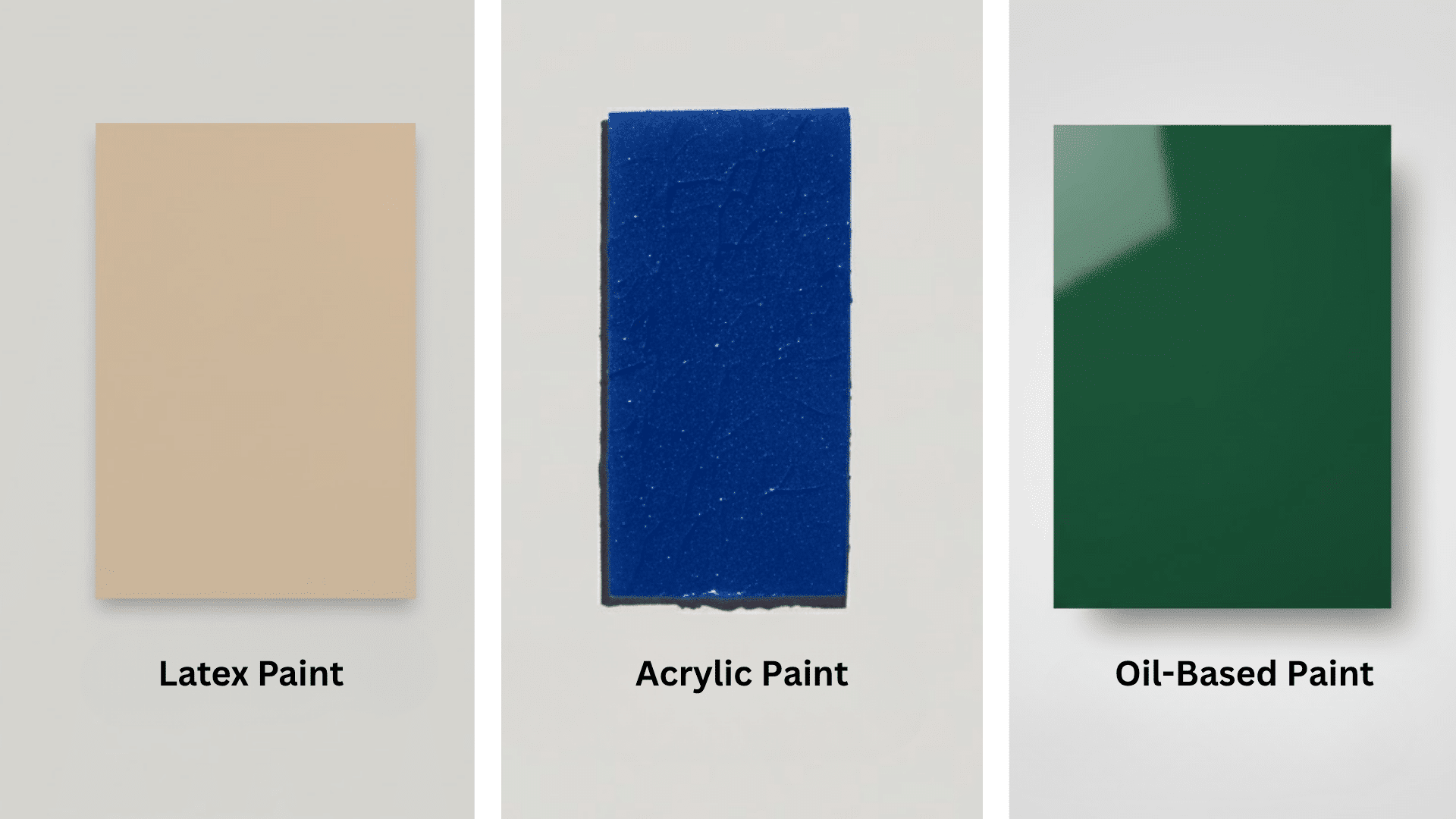
Choosing the right paint type depends on your project’s surface, location, and desired finish. Here’s how latex, acrylic, and oil-based paints compare across key features:
| Feature | Latex Paint | Acrylic Paint | Oil-Based Paint |
|---|---|---|---|
| Base & Chemistry | Water-based; uses synthetic resins like acrylic or vinyl emulsions | Water-based; higher acrylic resin content for stronger adhesion | Uses natural oils or alkyd resins mixed with solvents |
| How It Dries | Dries in 1 hour; recoat in 4 hours; forms a flexible film | Slower dry time; cures into a harder, more durable surface | Slowest drying (often overnight); dries through oxidation |
| Best Uses | Interior walls, ceilings, drywall, plaster | Exterior surfaces, trims, wood, and moisture-prone areas | Trim, doors, furniture, and surfaces needing a hard glossy finish |
| Durability | Good indoors, but less durable outdoors | Very durable, flexible, and weather-resistant | Very tough, glossy, but can yellow and may crack on flexible surfaces |
| Finish Quality | Smooth, even finish | Strong color retention; smooth finish with good adhesion | Dense, smooth, high-gloss finish |
| Cleanup | Easy cleanup with soap and water; low odor | Cleanup with water; dries fast, so work quickly | Requires mineral spirits or paint thinner |
| Cost | Most affordable; great for large areas | Mid- to high-priced but long-lasting value | Often the most expensive, best for small detail work |
| Environmental Impact | Low VOCs; easy to dispose of | Relatively eco-friendly but may contain additives | High VOCs; strong fumes; must be disposed of as hazardous waste |
Each paint type fits a different need and skill level. Understanding these traits helps you choose the right one for lasting results and an easy painting experience.
When You Should and Should Not Choose Each Type
Selecting the right paint depends on your project’s surface and environment. Below is a quick guide on when to choose each type and when it’s best to avoid them:
Latex Paint
When to Use: Ideal for interior walls, ceilings, and low-moisture rooms, such as living areas or bedrooms. Its fast drying and easy cleanup make it perfect for quick DIY projects and large surfaces.
When NOT to Use: Avoid in bathrooms, kitchens, or exteriors exposed to constant moisture or sunlight, as it may not hold up as well over time.
Acrylic Paint
When to Use: Best for exterior surfaces, trims, and woodwork where durability and flexibility matter. It expands and contracts with temperature changes and resists fading and cracking.
When NOT to Use: Skip it for basic indoor walls if you’re on a budget; it’s more expensive and may dry too quickly for inexperienced painters.
Oil-Based Paint
When to Use: Great for doors, cabinets, furniture, and trims that need a hard, glossy, and durable finish. It’s a solid choice for surfaces that get frequent contact or cleaning.
When NOT to Use: Avoid for large wall areas or enclosed spaces due to strong fumes, long drying times, and difficult cleanup. It’s less eco-friendly and requires good ventilation.
Recommended Brands for All Three Paint Types
These brands provide reliable, high-performance paints for any project. Pick based on your surface type, finish preference, and budget for the best results.
- Benjamin Moore: Offers a complete range, including latex, acrylic, and traditional oil/alkyd paints, suitable for interiors and exteriors.
- Sherwin-Williams: Provides latex and acrylic coatings along with durable oil-based enamels for wood, metal, and high-impact surfaces.
- PPG Paints: Delivers acrylic-latex paints and a variety of oil/alkyd coatings across residential and professional product lines.
- Rust-Oleum: Known for protective coatings and specialty paints, offering latex, acrylic, and strong oil-based formulas for tough surfaces.
Final Thoughts
Choosing the right paint comes down to understanding how each type behaves and what your project really needs.
Latex paint keeps things simple with fast drying and easy cleanup, acrylic paint gives strong, long-term protection indoors or outdoors, and oil-based paint delivers a hard, glossy finish for surfaces that get handled often.
If you’re planning a project and still aren’t sure which paint is the best fit, take a moment to review your surface, location, and budget.
Then, choose the paint type that aligns with your goals and get started with confidence