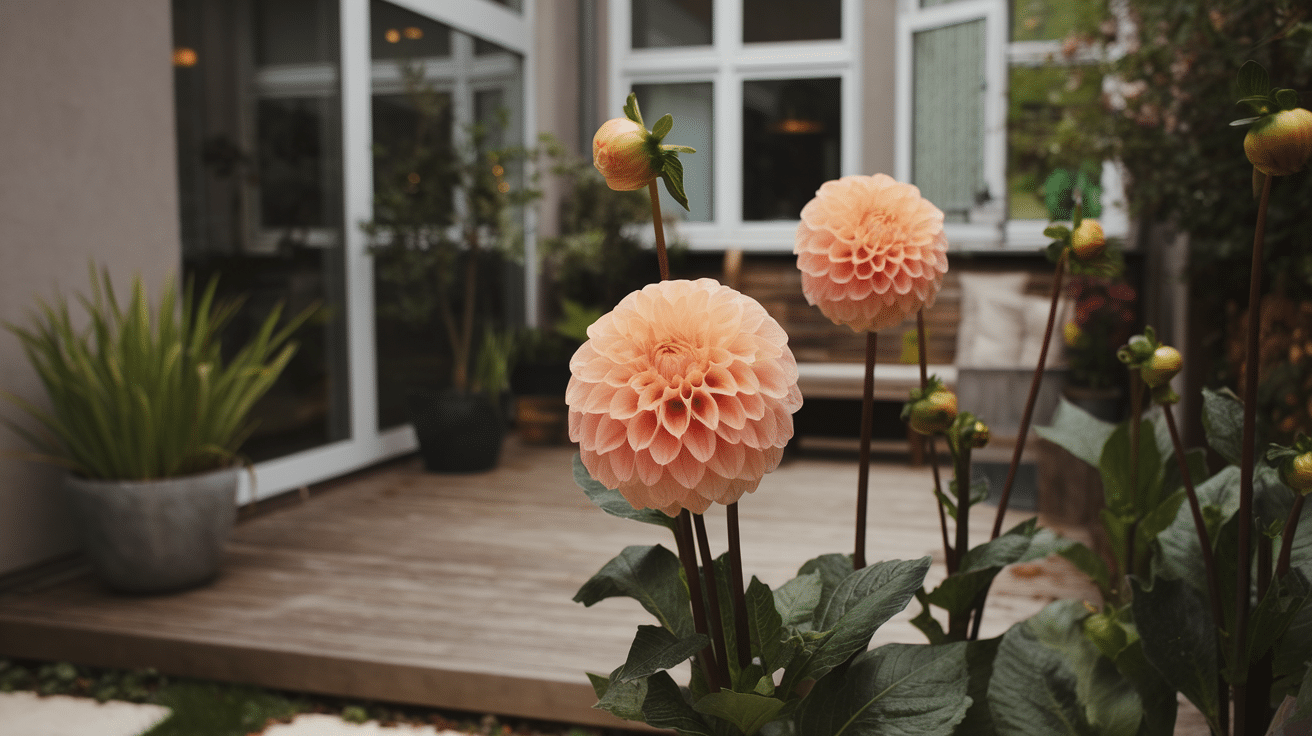


Dahlias are some of the most rewarding flowers you can grow, but their bloom time can feel a little confusing.
I remember planting my first dahlia tubers and wondering if I was doing something wrong because the plants took their time to show color.
Once you understand what they need, it becomes much easier to predict when those bright blooms will show up.
In this guide, you’ll learn the typical dahlia bloom window, how your growing zone affects timing, and simple steps to help your plants flower earlier.
With a few easy tips, you can enjoy gorgeous dahlias all season long.
When and How Long Do Dahlias Bloom?
Dahlias usually bloom from mid-summer all the way until the first frost. Once they start, they keep producing flowers for weeks because new buds form as old blooms fade.
With enough sun, steady watering, and regular deadheading, you can enjoy colorful dahlias from July through September, and sometimes even into October.
They’re one of the longest-blooming plants you can add to your garden.
Dahlia Bloom Timeline
| Season / Stage | What’s Happening | What To Do |
|---|---|---|
| Late Winter–Early Spring | Tubers are stored and resting | Check stored tubers, order new ones |
| 4–6 Weeks Before Last Frost | Pre-sprouting begins indoors | Start tubers in trays or pots |
| After Last Frost | Planting time in warm soil | Plant tubers, add stakes, water lightly |
| Early–Mid Summer | Fast growth + first buds | Feed plants, pinch once, watch for pests |
| Late Summer–Fall | Peak blooming season | Deadhead often, keep watering, enjoy blooms |
With a little care and timing, your dahlias can reward you with bright, reliable blooms all season long.
Main Factors That Decide When Dahlias Bloom
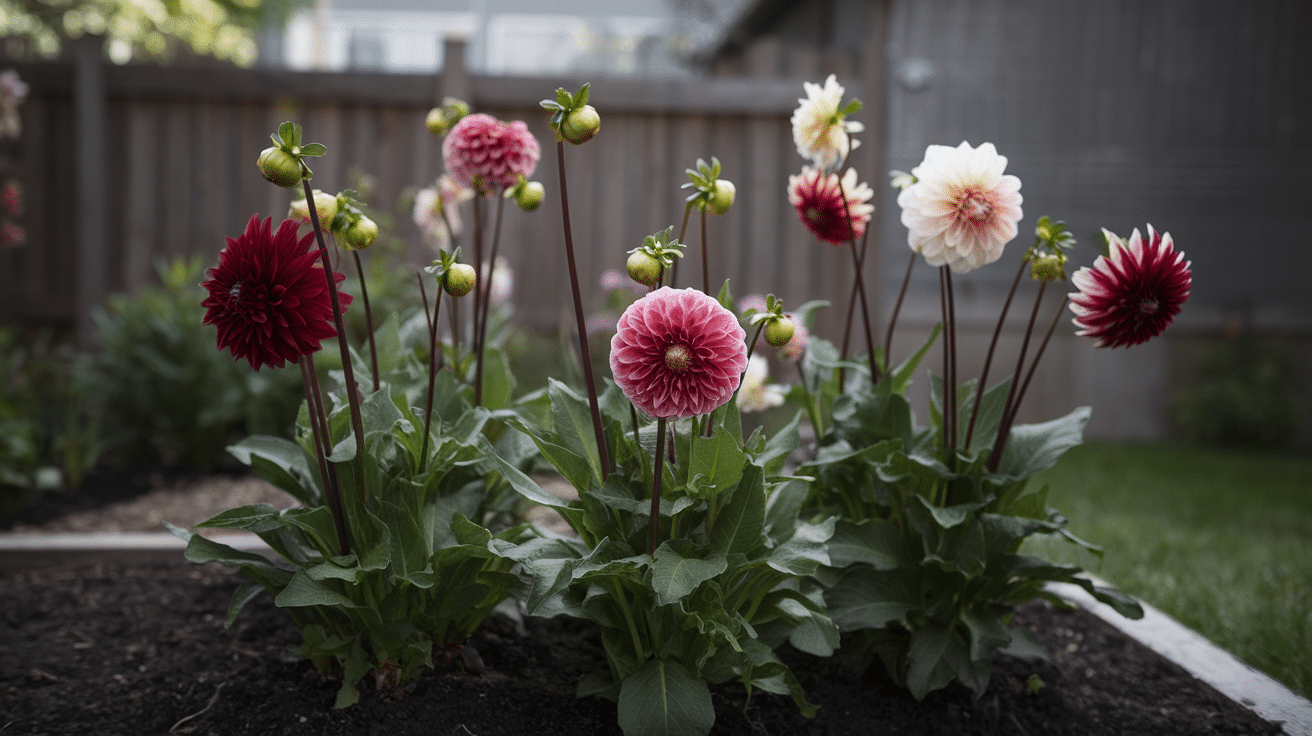
Dahlias bloom on their own schedule, but a few key factors can speed things up or slow them down. When you understand these basics, it becomes much easier to predict when your plants will finally show color.
1. Variety and Bloom Class
Different dahlia varieties grow and bloom at different speeds. Smaller or single-flower types usually bloom earlier, while large dinner-plate dahlias take more time to form their big petals.
Early varieties can start showing buds weeks before the big bloomers. If you want faster color, choose varieties labeled as “early” or “compact.” These plants put more energy into blooms right away instead of growing tall first.
2. Planting Date and Soil Temperature
Dahlias will not grow well in cold soil. They need warm soil around 60°F (15–16°C) before they can sprout and grow quickly. Planting too early in cold, wet ground slows everything down and may even rot the tubers.
When you plant at the right time, after your last frost and once the soil is warm, your dahlias start growing faster and reach the blooming stage sooner.
3. Light: Full Sun Vs. Shade
Dahlias love sunlight. They need at least 6 hours of direct sun each day, and more is even better in cooler areas. Plants grown in shade or in spots that only get morning light will bloom much later.
Sunlight helps dahlias build strong stems and produce more buds. If your plants aren’t blooming when they should, low light is often the main reason.
3. Temperature and Frost
Warm days and mild nights help dahlias grow quickly. They bloom best when temperatures stay between 65–75°F (18–24°C). Cold snaps slow growth, and late spring frost can kill new shoots before they even get started.
On the other hand, extreme heat can also pause blooming. Keeping your dahlias protected during cold nights and lightly shaded in very hot weather helps keep them on track.
4. Soil Type And Drainage
Good soil makes a big difference in bloom time. Dahlias prefer rich, loose, well-drained soil that lets roots spread easily.
Heavy or soggy soil slows growth and can cause tubers to rot. Adding compost improves drainage and gives plants the nutrients they need early in the season. Healthier roots lead to faster growth, which means blooms show up sooner.
5. Watering Habits
Water can speed up or delay blooming depending on how it’s handled. Dahlias like deep, consistent watering, but not soaked soil. Too much water early on causes rot, while too little during hot weather stresses the plant.
Once dahlias are established, keeping the soil evenly moist helps them grow strong and push out buds on schedule. A drip line or slow, deep watering works best.
6. Fertilizer Choices
What you feed your dahlias greatly affects how quickly they bloom. Fertilizers high in nitrogen create lots of leaves but delay flowering.
For earlier blooms, use a low-nitrogen and higher-phosphorus fertilizer, such as 5-10-10. This supports root strength and flower production instead of pushing leafy growth.
Feeding every few weeks helps keep plants energized through the whole season.
Tips for Planting Dahlias So They Bloom Earlier
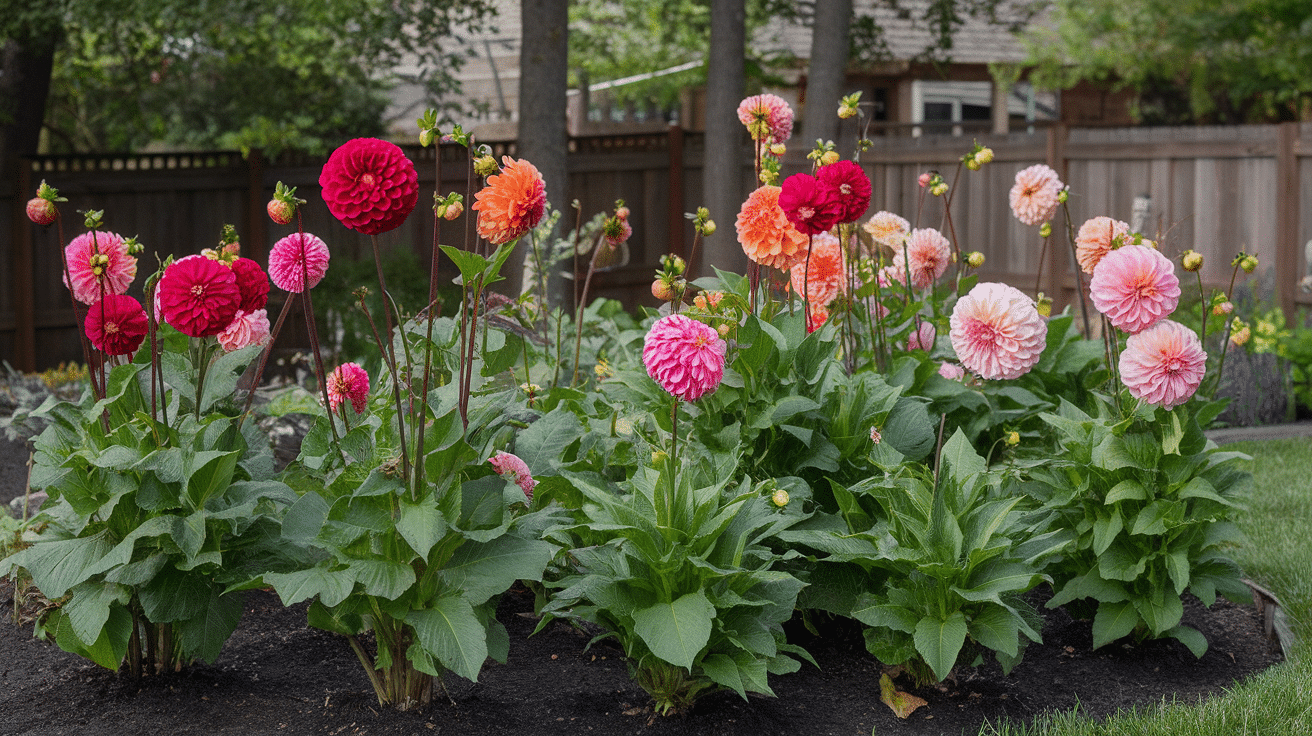
Getting dahlias to bloom earlier is all about giving them a strong head start. With a few simple habits, you can help your plants grow faster and produce buds weeks sooner than usual.
- Pre-sprout your tubers indoors about 4–6 weeks before your last frost. This gives them a jump start so they’re already growing when you plant them outside.
- Choose the sunniest spot in your garden. Dahlias need plenty of light to bloom early and stay consistent through the season.
- Warm the soil before planting by waiting until it reaches about 60°F. Warm soil helps roots grow faster and prevents delays.
- Improve your planting bed with compost so the soil is loose, rich, and drains well. Healthy roots lead to earlier blooms.
- Go easy on watering at first. Wait until you see sprouts before watering regularly, so your tubers don’t rot.
- Pinch back early growth once the plant is about 12–16 inches tall. This creates more stems and encourages a stronger flush of early blooms.
With the right start and some simple care, your dahlias will reward you with bright, early flowers long before the rest of your garden catches up.
Common Mistakes That Delay Dahlia Blooming
Even healthy dahlias can bloom late if a few simple things go wrong. Knowing what to avoid can save you weeks of waiting and keep your plants on track.
- Planting in cold or wet soil: Dahlias hate cold, soggy ground. Planting too early slows sprouting and can even rot the tubers. Always wait until the soil is warm and frost danger has passed.
- Skipping deadheading: When old blooms stay on the plant, dahlias slow down or stop producing new buds. Removing spent flowers keeps the plant focused on blooming.
- Crowding plants too close: Tight spacing reduces airflow, encouraging disease and weak growth. Giving each plant enough room helps them grow strong and bloom on time.
Avoiding these small mistakes keeps your dahlias healthy, happy, and ready to bloom right when you expect them to.
Conclusion
Growing dahlias becomes much easier once you understand what affects their bloom time. With warm soil, plenty of sun, good care, and a few early-season habits, you can enjoy bright flowers for months.
Dahlias may take their time to get going, but the payoff is worth it when those first blooms finally open.
Remember, small changes in planting and care can make a big difference in how your dahlias perform.
If you’re ready to take the next step, try a few of these tips in your garden this season and enjoy your earliest dahlia blooms yet.