
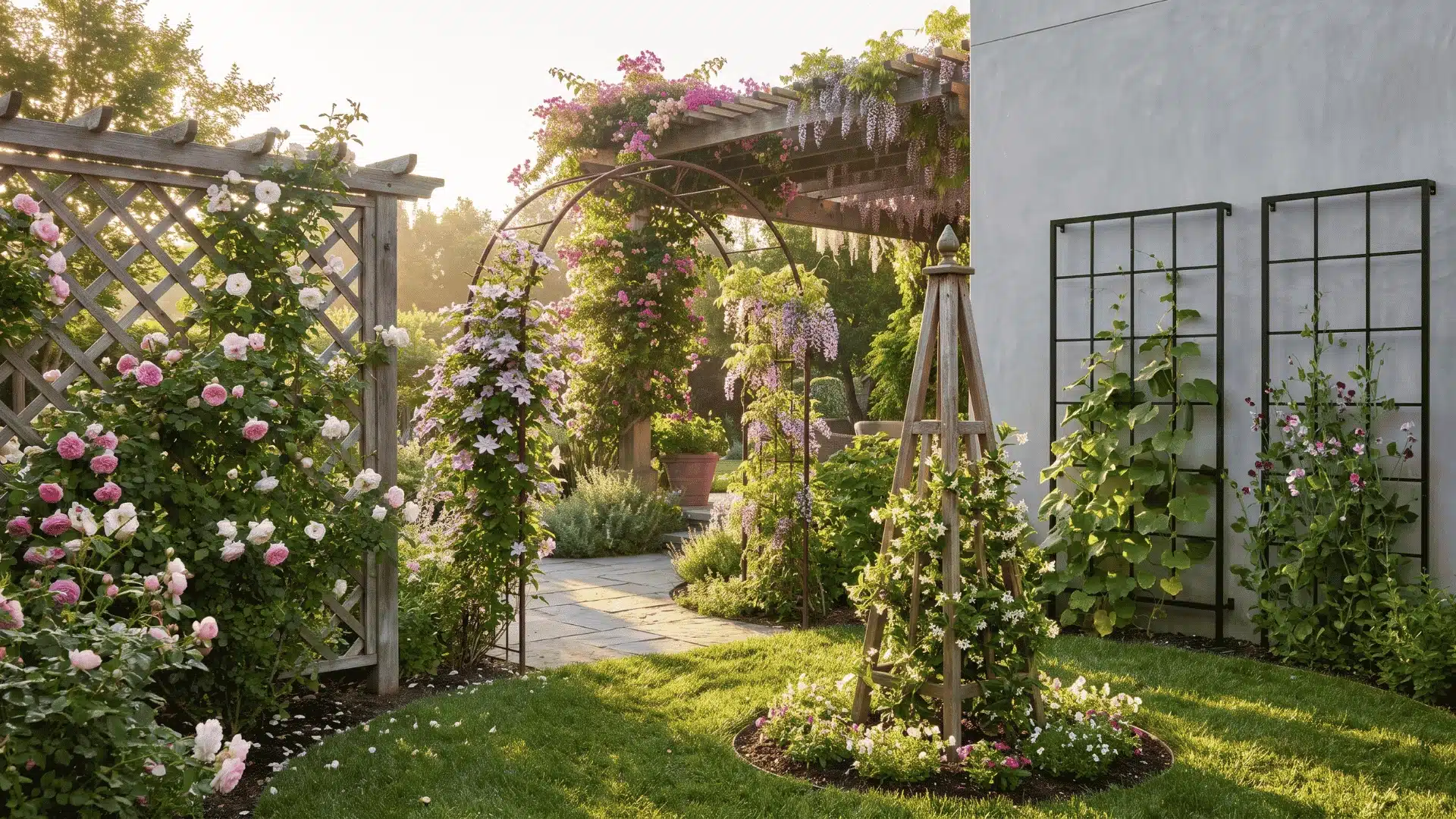
A garden trellis can turn a plain bed, wall, fence, or patio corner into useful growing space. It keeps climbing plants off the ground,
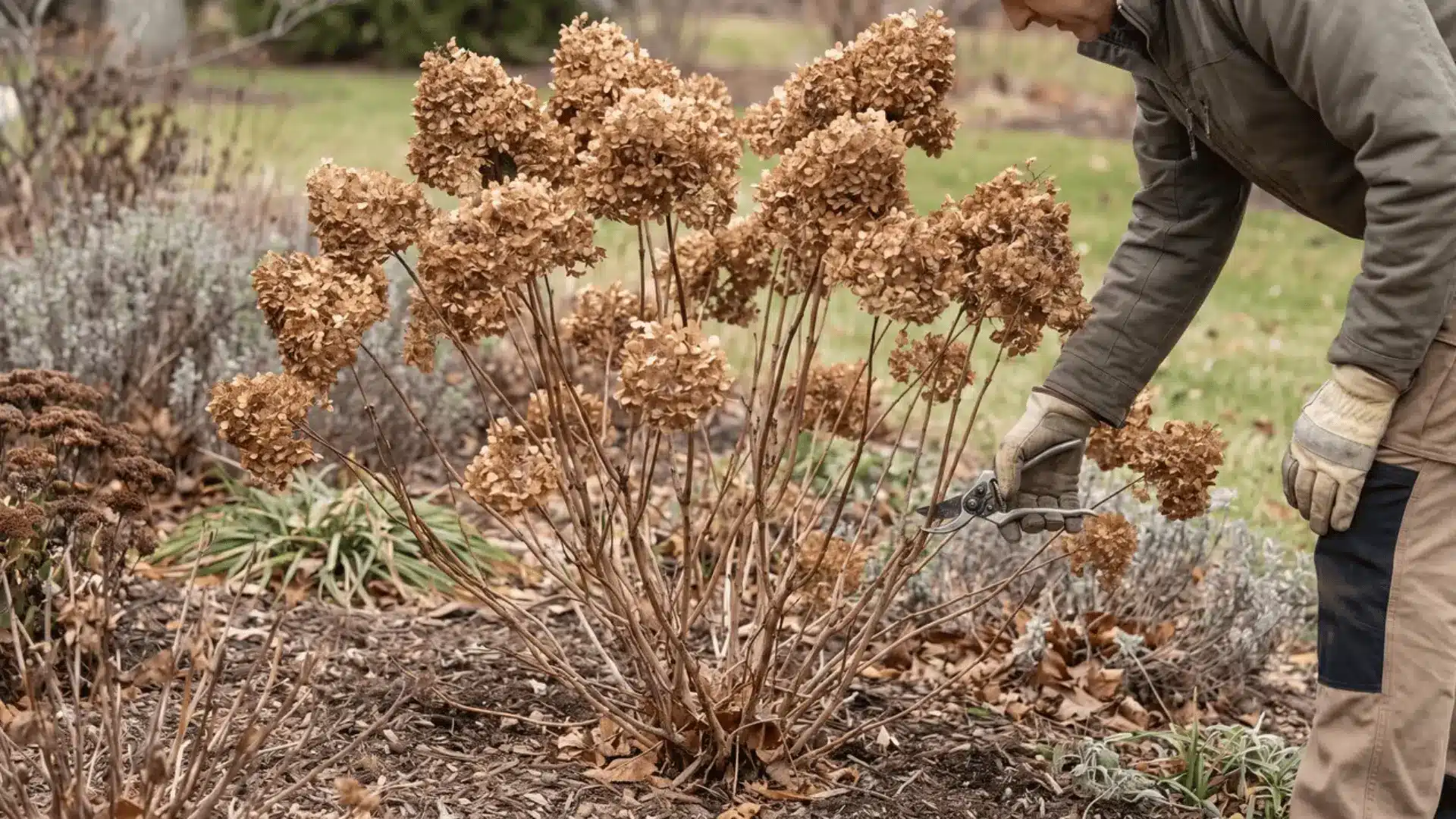
Pruning hydrangeas can feel risky when one cut might remove next season’s flowers. The good news is that the job gets much easier once you know what type of hydrangea you have. Learning how to prune hydrangeas starts with one
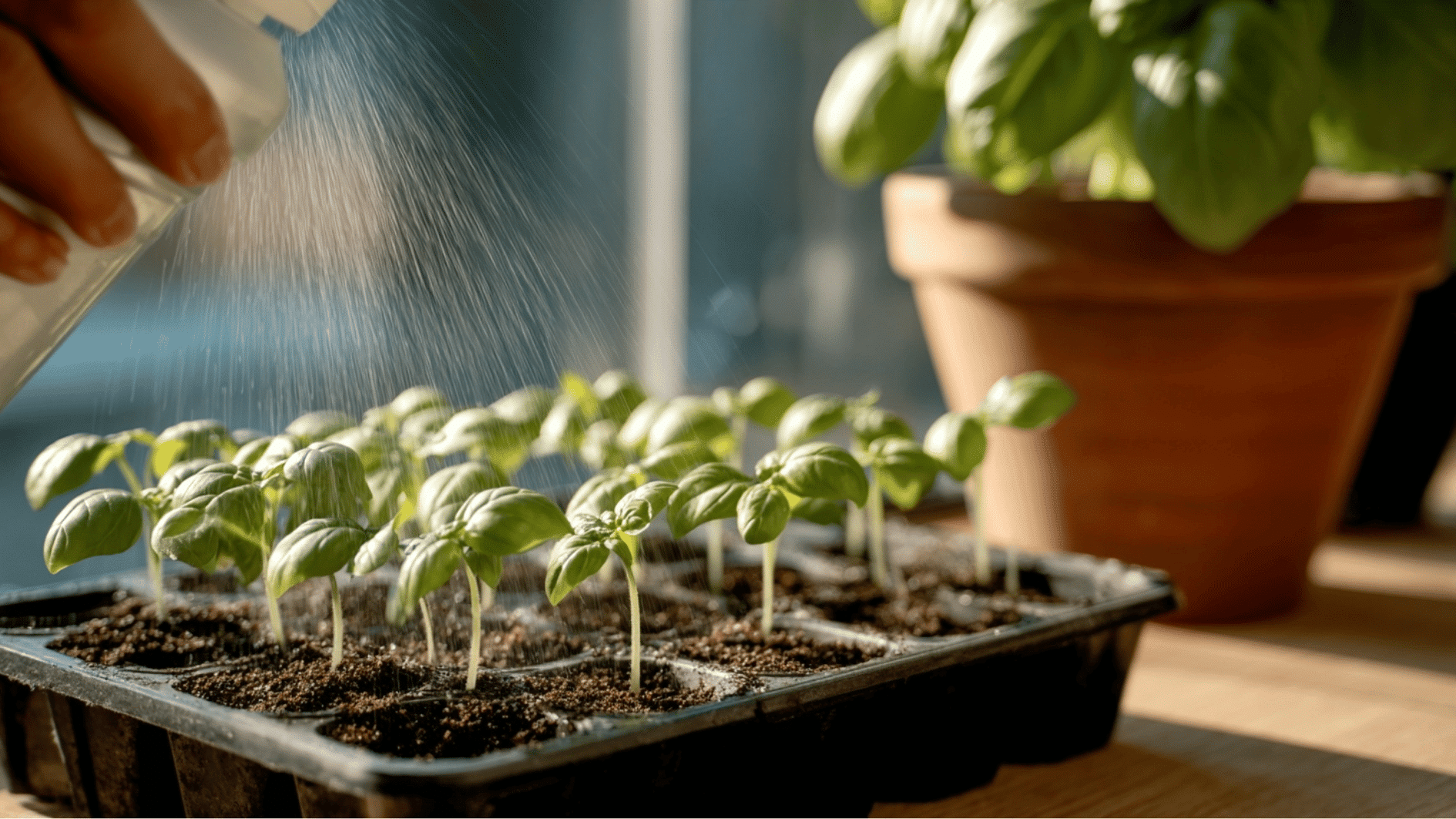
Basil is one of the easiest and most rewarding herbs anyone can grow at home. Fresh basil straight from the garden instantly upgrades everyday cooking, from pasta sauces to salads and everything in between. Yet many people still struggle with it. Knowing how to plant basil the right way, understanding basil germination time, and giving it the right conditions from the start are what separate a thriving plant from a disappointing one. Why Basil is One of the Best Herbs to Grow at Home Basil is one of the best herbs to grow at home because it gives beginners a quick win. It grows fast, needs very little fuss, and rewards you with fresh leaves within weeks. It grows quickly: Basil seedlings can break through within days, and established plants often grow fast in a warm, sunny spot. It is easy to maintain: Regular watering, good sunlight, and a light monthly feed are usually enough to keep basil healthy. It responds well to pruning: Pinching the top leaves every week or two helps the plant grow bushier instead of tall and thin. It tastes better fresh: Grocery-store basil is convenient, but homegrown basil has better flavor because you harvest it right when you need it. It saves money over time: One healthy basil plant can give you fresh leaves for months, which can cost less than buying small packs repeatedly. Growing Basil Indoors vs. Outdoors: What to Know Before Planting Basil can grow well indoors or outdoors, but each setup needs different care. The right choice depends on your light, space, weather, and how much basil you want to harvest. Factor Indoors Outdoors Best Season Can grow year-round with enough light and warmth Grows best from spring through autumn after the last frost Light Needs Needs 6 to 8 hours […]
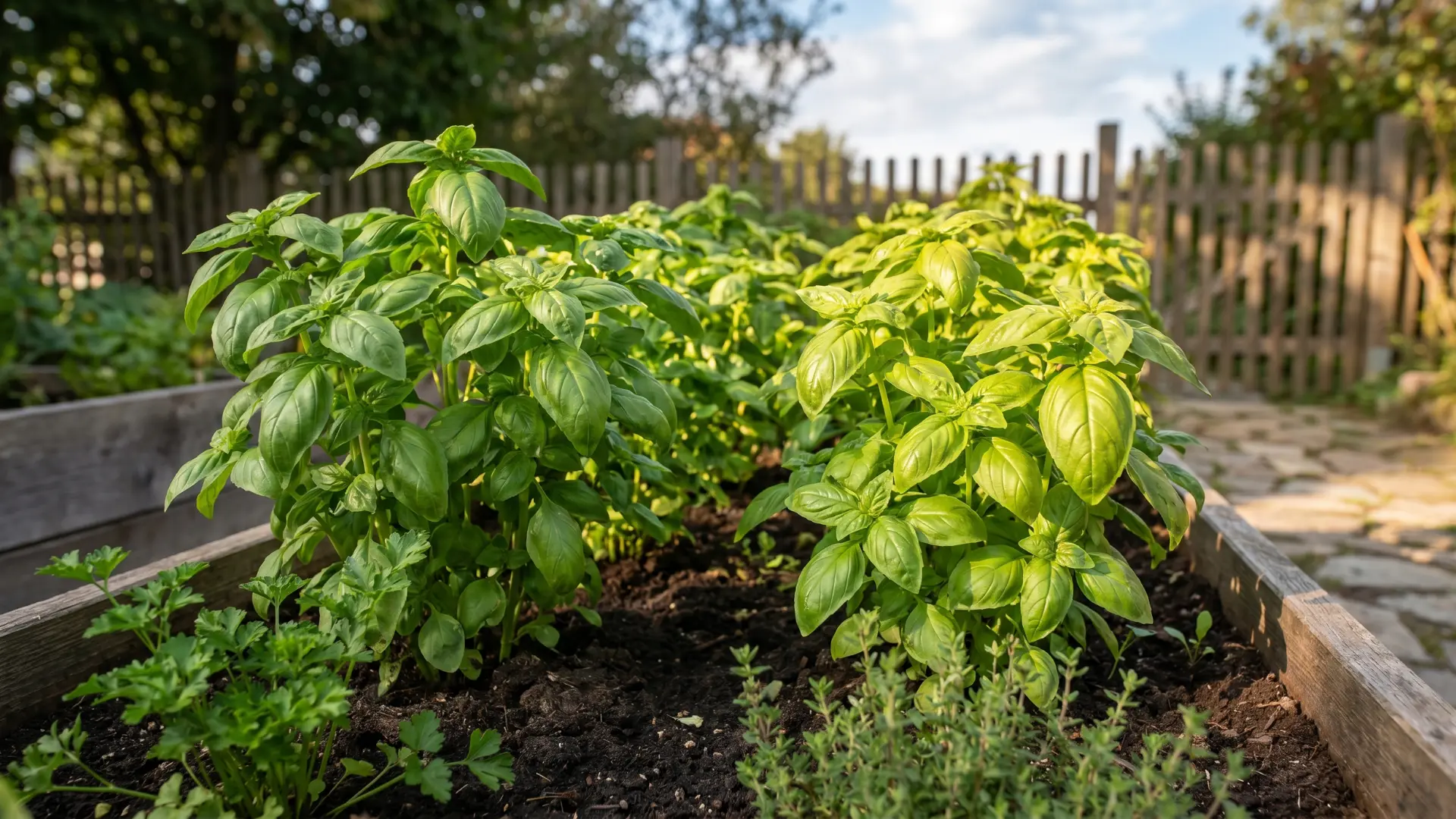
I’ve seen people think basil needs nothing but full, unfiltered sunlight to thrive. The reality is more nuanced, and failing to consider environmental factors can lead to disappointing results. Basil does need 6–8 hours of direct sunlight, but in extreme heat, overexposure can quickly damage it. Those growing basil in the sweltering heat of the South or Southwest know this firsthand: afternoon scorch is a serious risk. While basil thrives in the right conditions, understanding its true sun needs and adapting to your climate makes all the difference. I’ll break down how to keep your basil healthy and thriving, no matter where it grows. Does Basil Need Full Sun to Thrive? Basil grows best in full sun and needs at least 6–8 hours of direct sunlight daily. Without enough light, stems become weak, and flavor fades noticeably. Sunlight also drives oil production in basil. Those natural oils create the strong aroma and rich flavor the plant is known for. Note: More sunlight usually means stronger flavor and faster growth. Consistent light also helps basil produce larger leaves. In low-light conditions, the plant stretches toward available light instead of focusing on healthy foliage. When planning your garden layout, full sun means: A bright outdoor spot with direct sunlight Or a south-facing window indoors with several hours of strong light Basil Sunlight Requirements Daily Sunlight What Happens to Basil 6–8 Hours Fast growth, strong flavor, large leaves 4–5 Hours Slower growth and weaker flavor Under 4 Hours Leggy stems, pale leaves, poor growth Indoors, most windows do not provide true full sun throughout the day. If natural light is limited, a grow light running for 14–16 hours helps basil stay healthy and productive. How does Basil Perform in Extreme Climates Most basil growing guides treat full sun as a universal rule. The […]
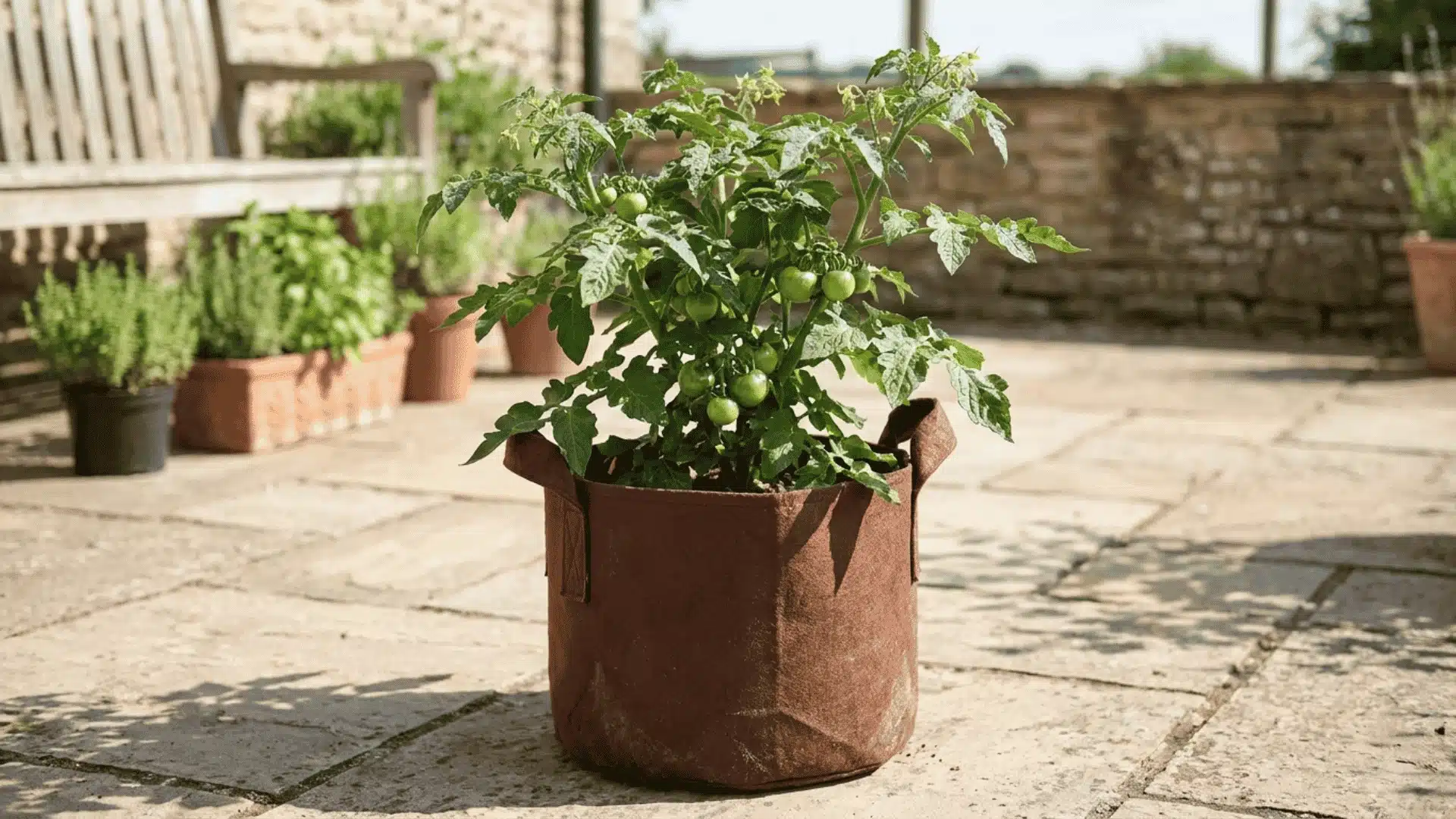
People usually grow tomatoes in pots after realizing a small outdoor space is no barrier to a genuinely productive harvest. The variety you choose, the container you use, and how consistently you water all shape whether your plant thrives or struggles through the season. What many gardeners find once they dig into the details is that small decisions made at planting have the biggest impact on harvest later. From choosing the right transplant to feeding your plant through fruiting, everything you need to get it right is covered below. Which Tomato Varieties Actually Work in Pots? Tomato varieties matter more than people think when growing in pots, because the type determines how manageable the plant becomes in a limited space. Determinate tomatoes work well in containers because they grow to a fixed height and then focus energy on producing fruit within a set period only. Indeterminate types keep growing without stopping, which can quickly become difficult to manage in pots, as vines expand more than fruit production in limited space. Dwarf tomatoes are not just smaller versions of determinate plants; they are bred to stay compact while still producing full-sized fruit on small compact plants. Dwarf varieties can still produce a solid harvest in containers when given proper care and enough light for healthy growth, consistently yielding over a long season. Choosing the right tomato type upfront shapes everything from pot size and support systems to how much pruning will be needed later on and the overall setup. What Container Size and Material Do Tomatoes Actually Need? Most beginners pick a container that looks big enough, and it usually isn’t. Size and material both affect how well your plant grows, but in different ways. How Big Should Your Container Be? The size you need depends on the variety you’re growing. Going […]
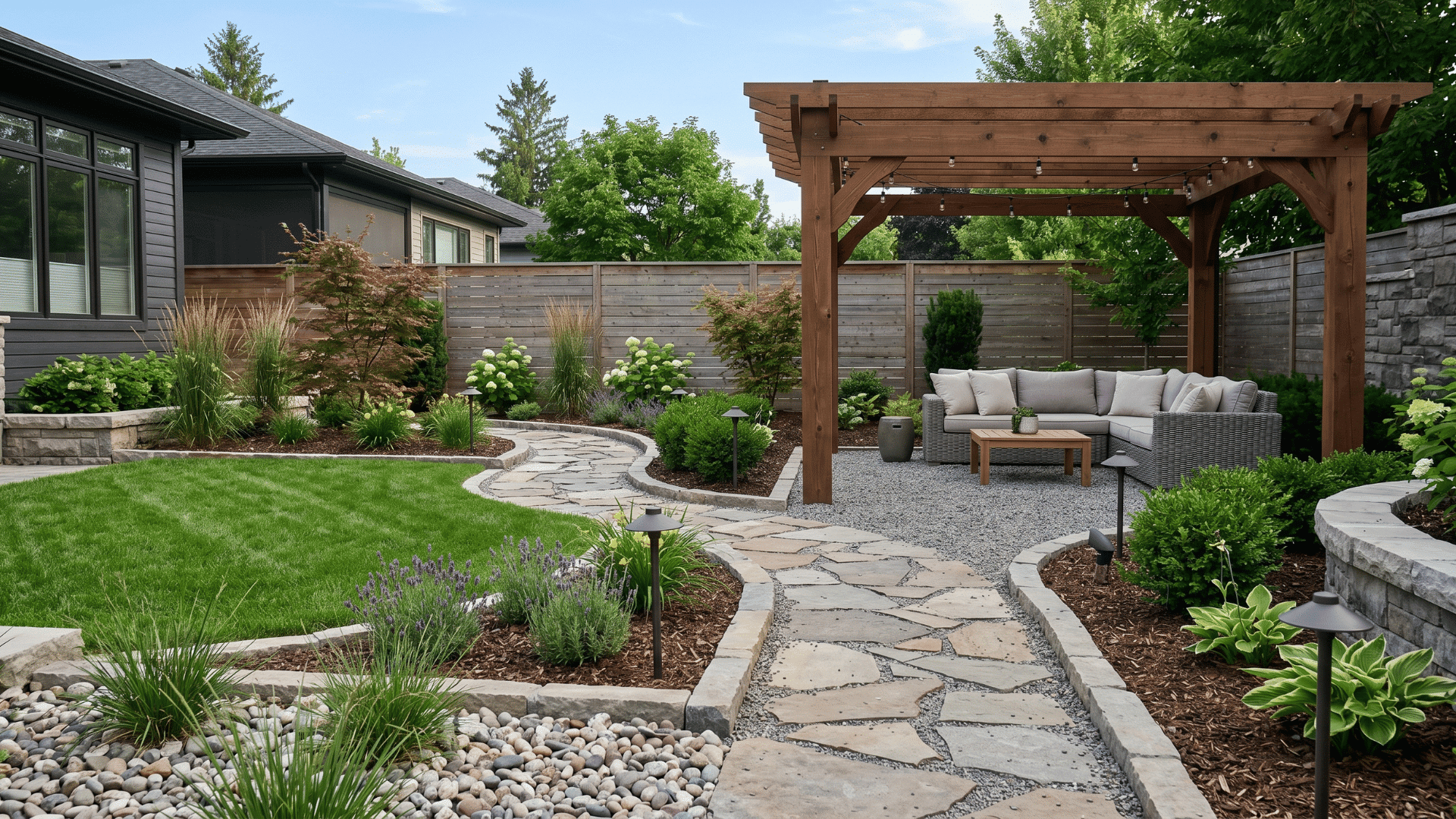
A well-planned garden does more than add greenery; it changes how your entire outdoor space looks and feels. From simple gravel paths to structured raised beds, the right garden landscaping ideas can turn even the most basic yard into a space you actually want to spend time in. No matter the size or condition of your outdoor space, the right approach can make a real difference, and it does not have to cost a fortune or require professional help to get there. How to Make Small Gardens Feel Bigger? Small gardens come with real limits, but the right garden landscaping ideas can make them feel significantly larger than they are. Using light-colored paving materials reflects natural light and visually opens up tight spaces. Curved pathways draw the eye further into the garden, creating a sense of depth. Vertical planters and wall-mounted greenery draw the eye upward, making the area feel taller. Placing a mirror behind plants or along a fence wall adds an illusion of extra space. Keeping furniture compact and choosing one or two clear focal points rather than filling the space with too many decorative pieces keeps small gardens feeling open, calm, and well-put-together. Garden Landscaping Ideas that Yard Look Better From compact patios to wide open backyards, these garden landscaping ideas cover every style, size, and budget to give you a practical starting point for your next outdoor project. 1. Curved Flagstone Garden Walkway Irregularly shaped flagstones set along a gentle curve add structure and character, making the path a standout feature in any garden landscaping layout. How to set it up: Use naturally shaped flagstones in varied sizes for an organic, less constructed look Space stones 3 to 4 inches apart and fill the gaps with creeping thyme or moss Keep the curve gradual so it […]
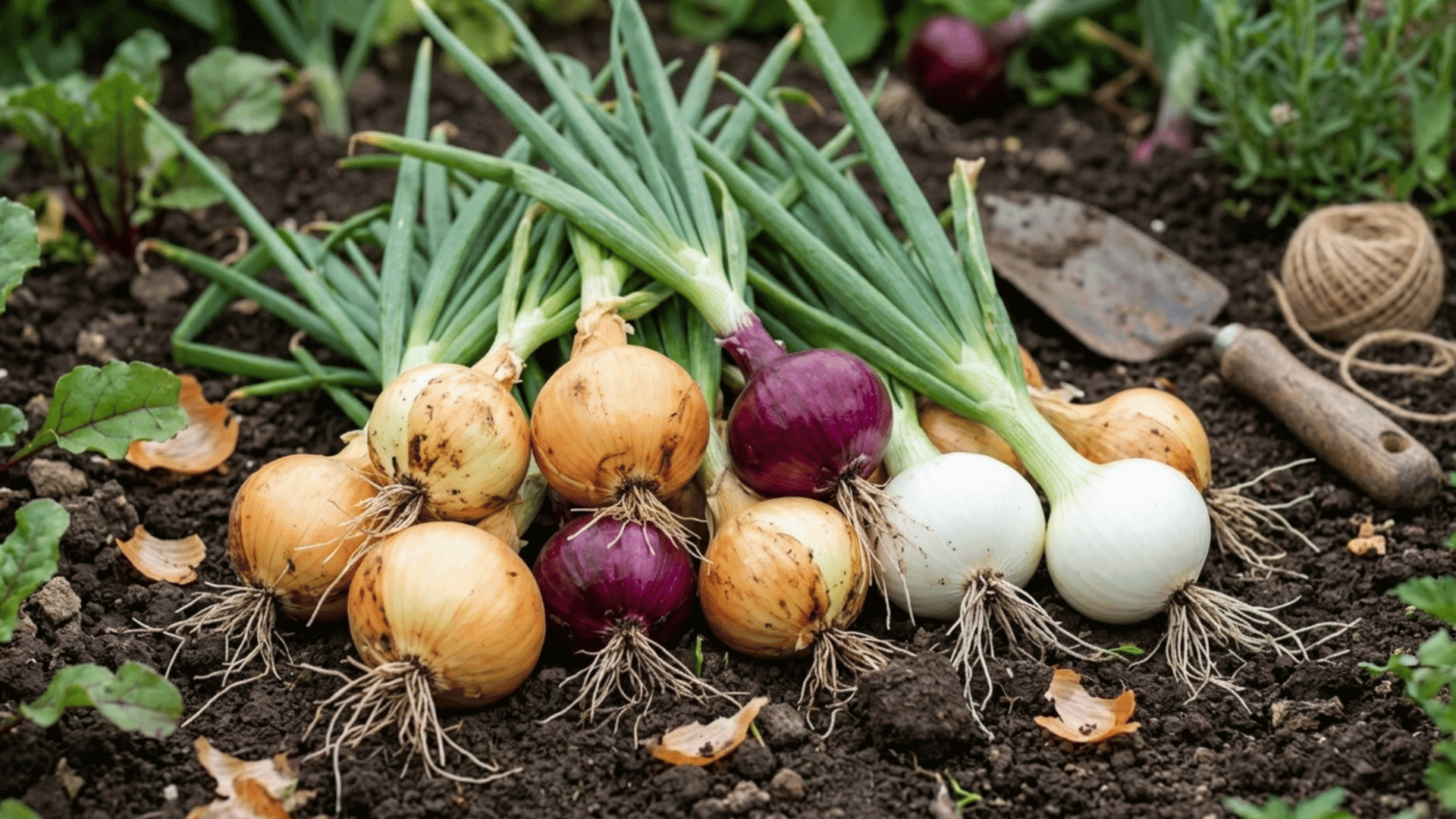
Growing your own onions is honestly one of the most satisfying things you can do in a garden. And the best part? It’s not complicated at all. If you’ve been wondering how to plant onion bulbs but didn’t know where to start, you’re in the right place. No fancy tools. No prior experience needed. Just some good soil, the right bulbs, and a little patience. This guide breaks it all down into simple, practical steps. Let’s get those bulbs in the ground. Why Choose Bulbs Over Seeds or Seedlings? I always used to pick up a packet of seeds from the store, thinking that was just how you grow onions. But a friend suggested trying bulbs instead, and I gave it a shot. And honestly, after that first time, I never looked back. Here’s why bulbs are the better pick, especially if you’re just starting out: Bulbs are ready to harvest in just 8 to 10 weeks, and seeds can take 20 or more weeks They have a much higher success rate for beginner gardeners Bulbs carry less risk of soil-borne diseases compared to seeds No indoor germination needed, bulbs go straight into the ground They are more forgiving if your soil or watering routine isn’t perfect yet Onion Bulb Varieties You Should Know Not all onion bulbs are the same. Before you buy, it helps to know which variety suits your cooking needs and growing conditions. Here’s a quick look at the most common ones. Yellow Onions are great for long-term storage and work well in almost every cooked dish Red Onions have a mild, slightly sweet flavor and are perfect eaten raw or lightly cooked White Onions are sharper in taste and a go-to choice for cooking, especially in savory recipes Which Onion Type Works for Your Region? […]
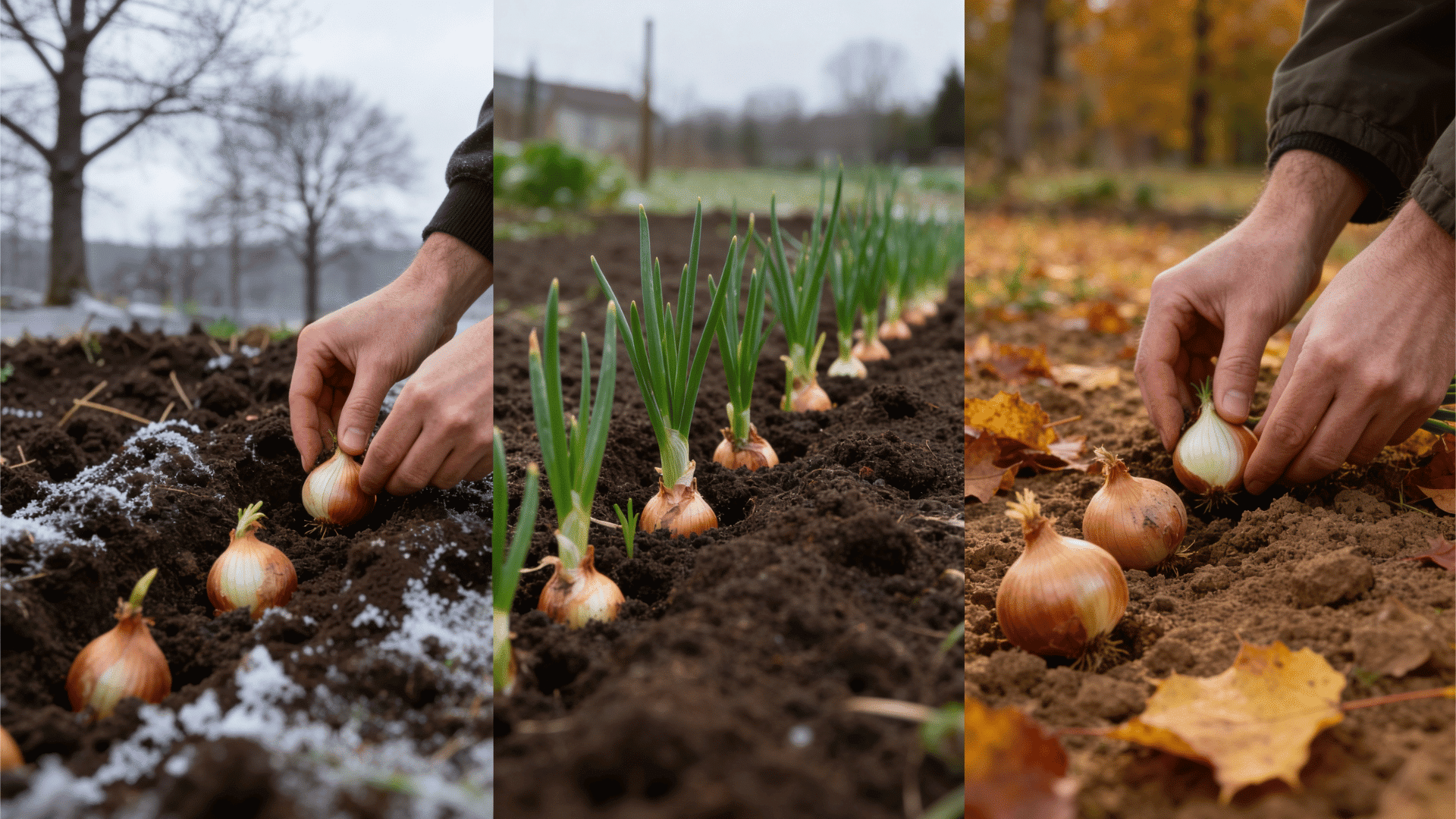
If you have ever cried while chopping store-bought onions, just wait till you shed happy tears harvesting your own. Learning how to grow onions does not have to be complicated. It is one of those garden wins that is kind on your wallet, kind on the planet, and surprisingly easy to pull off even if you are just starting out. No plastic packaging, no cold-chain transport, and no unnecessary chemicals, just fresh produce grown your way. If you have a sprawling backyard or a single sunny balcony, this guide has got you covered. Let us get growing! Choosing the Right Onion Variety Before anything else, picking the right variety is the single most important step in the whole process. Get this part right and everything that follows becomes a whole lot easier. Onions are more sensitive to daylight hours than most people realize. Short-day varieties: suit warmer southern regions with 10 to 12 hours of light. Long-day varieties: perform best in cooler northern climates with 14 to 16 hours. Day-neutral varieties are the flexible middle ground that work across most climates. If you are new to planting onions, look up your latitude before buying, it saves a lot of guesswork. Popular Varieties to Consider Knowing how to grow onions well starts with understanding which variety actually suits your needs. Here are some popular options worth considering for your garden: Yellow onions: all-purpose, beginner-friendly, great storage life Red onions: mild flavor, ideal raw in salads White onions: sharp and pungent, best for cooking Sweet onions (Vidalia-style): low pungency, family-friendly Green Onions / Scallions: mild in flavor, perfect for garnishes, stir-fries, and salads Not sure where to start? Begin with the yellow onion, the most adaptable, forgiving, and widely available. What is the Best Month to Plant Onions? The answer depends on […]

Get the latest home decor tips, DIY ideas, and design inspiration delivered straight to your inbox.