


People usually grow tomatoes in pots after realizing a small outdoor space is no barrier to a genuinely productive harvest.
The variety you choose, the container you use, and how consistently you water all shape whether your plant thrives or struggles through the season.
What many gardeners find once they dig into the details is that small decisions made at planting have the biggest impact on harvest later.
From choosing the right transplant to feeding your plant through fruiting, everything you need to get it right is covered below.
Which Tomato Varieties Actually Work in Pots?
Tomato varieties matter more than people think when growing in pots, because the type determines how manageable the plant becomes in a limited space.
Determinate tomatoes work well in containers because they grow to a fixed height and then focus energy on producing fruit within a set period only.
Indeterminate types keep growing without stopping, which can quickly become difficult to manage in pots, as vines expand more than fruit production in limited space.
Dwarf tomatoes are not just smaller versions of determinate plants; they are bred to stay compact while still producing full-sized fruit on small compact plants.
Dwarf varieties can still produce a solid harvest in containers when given proper care and enough light for healthy growth, consistently yielding over a long season.
Choosing the right tomato type upfront shapes everything from pot size and support systems to how much pruning will be needed later on and the overall setup.
What Container Size and Material Do Tomatoes Actually Need?
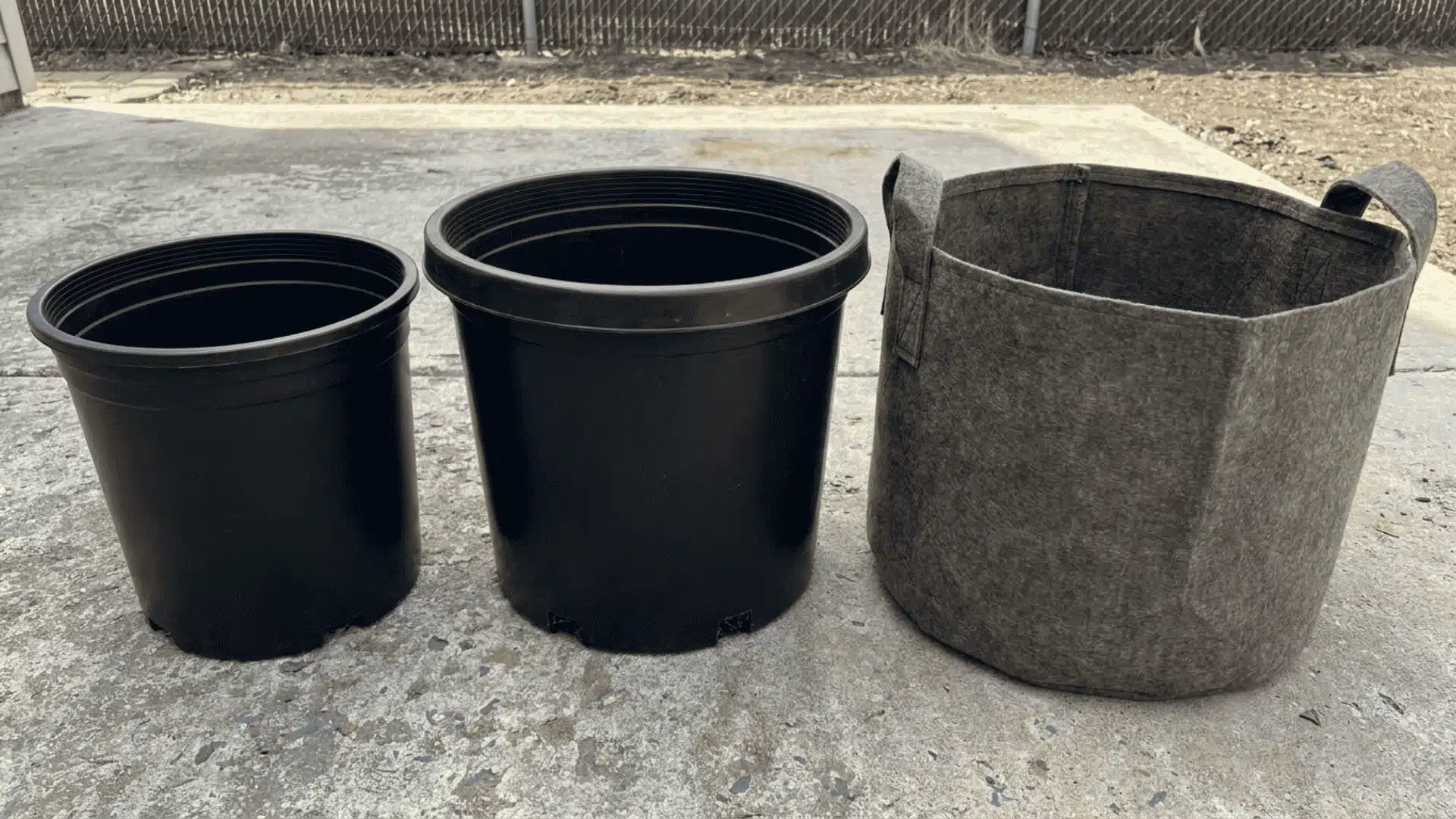
Most beginners pick a container that looks big enough, and it usually isn’t. Size and material both affect how well your plant grows, but in different ways.
How Big Should Your Container Be?
The size you need depends on the variety you’re growing. Going too small is one of the most common reasons container tomatoes underperform.
| Container Size | Best For | Why It Matters |
|---|---|---|
| 5 gallons | Dwarf and patio varieties | Smallest viable root space for compact types |
| 10 gallons | Most standard varieties | Reliable minimum for healthy root development |
| 15+ gallons | Indeterminate varieties | Better moisture retention and higher yield |
Bigger containers also retain moisture longer, reducing the risk of inconsistent watering mid-season.
Which Material Works Best?
Soil type affects how quickly your soil dries out, which directly impacts how often you need to water.
| Material | Performance | Why It Matters |
|---|---|---|
| Terracotta | Poor in warm climates | Porous walls lose moisture fast, doubling watering frequency |
| Hard plastic | Good all-rounder | Retains moisture well; affordable and lightweight |
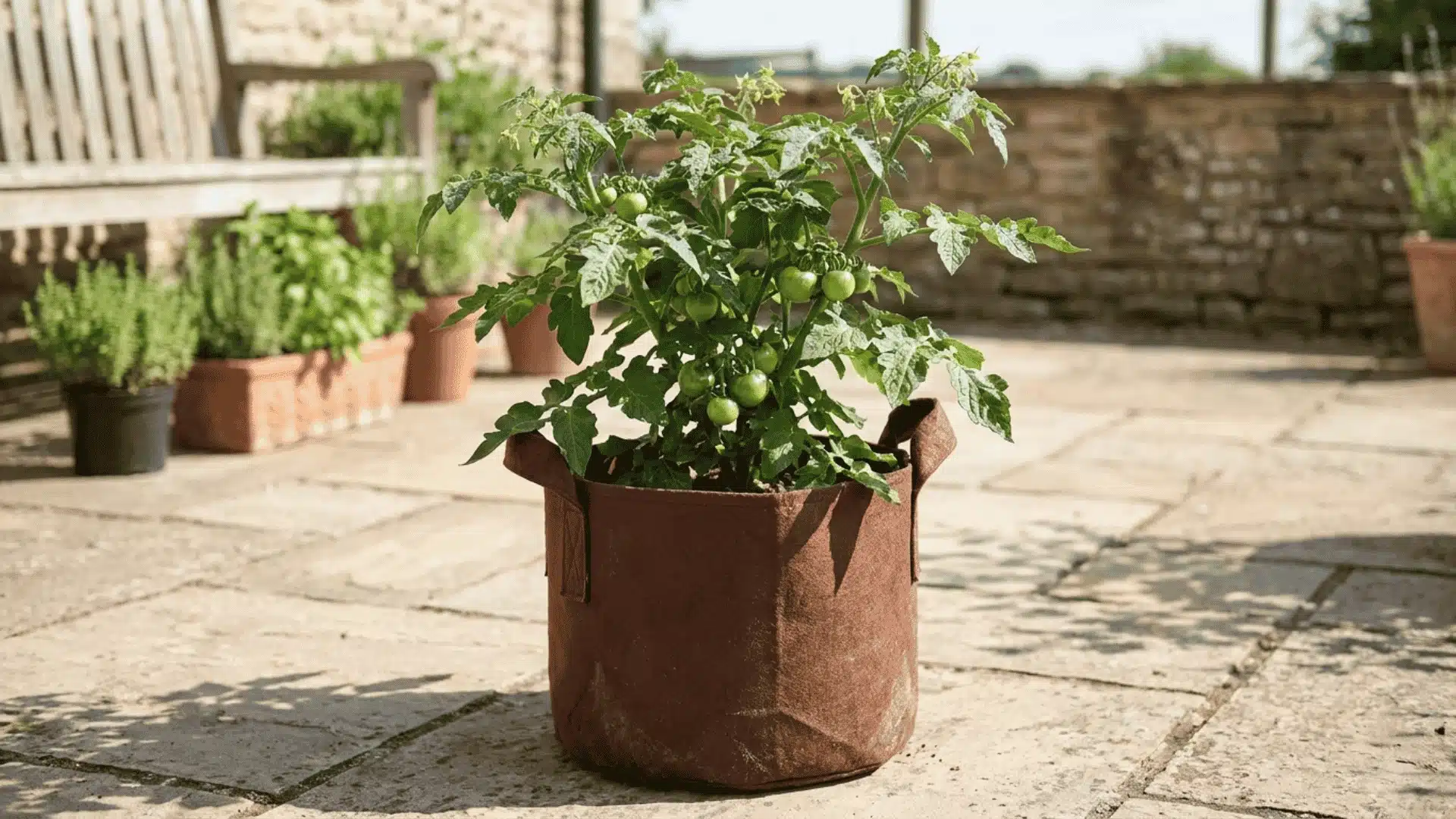
| Fabric grow bags | Best option | Air-prunes roots, prevents circling, and improves nutrient uptake |
Whatever material you choose, drainage holes are non-negotiable; standing water in a pot causes root rot faster than it ever would in open ground.
How to Grow Tomatoes in Pots: Step by Step
Every step below follows the order you’ll actually work through, from picking your plant to keeping it fed through the season.
Step 1: Choose the Right Variety for Your Climate
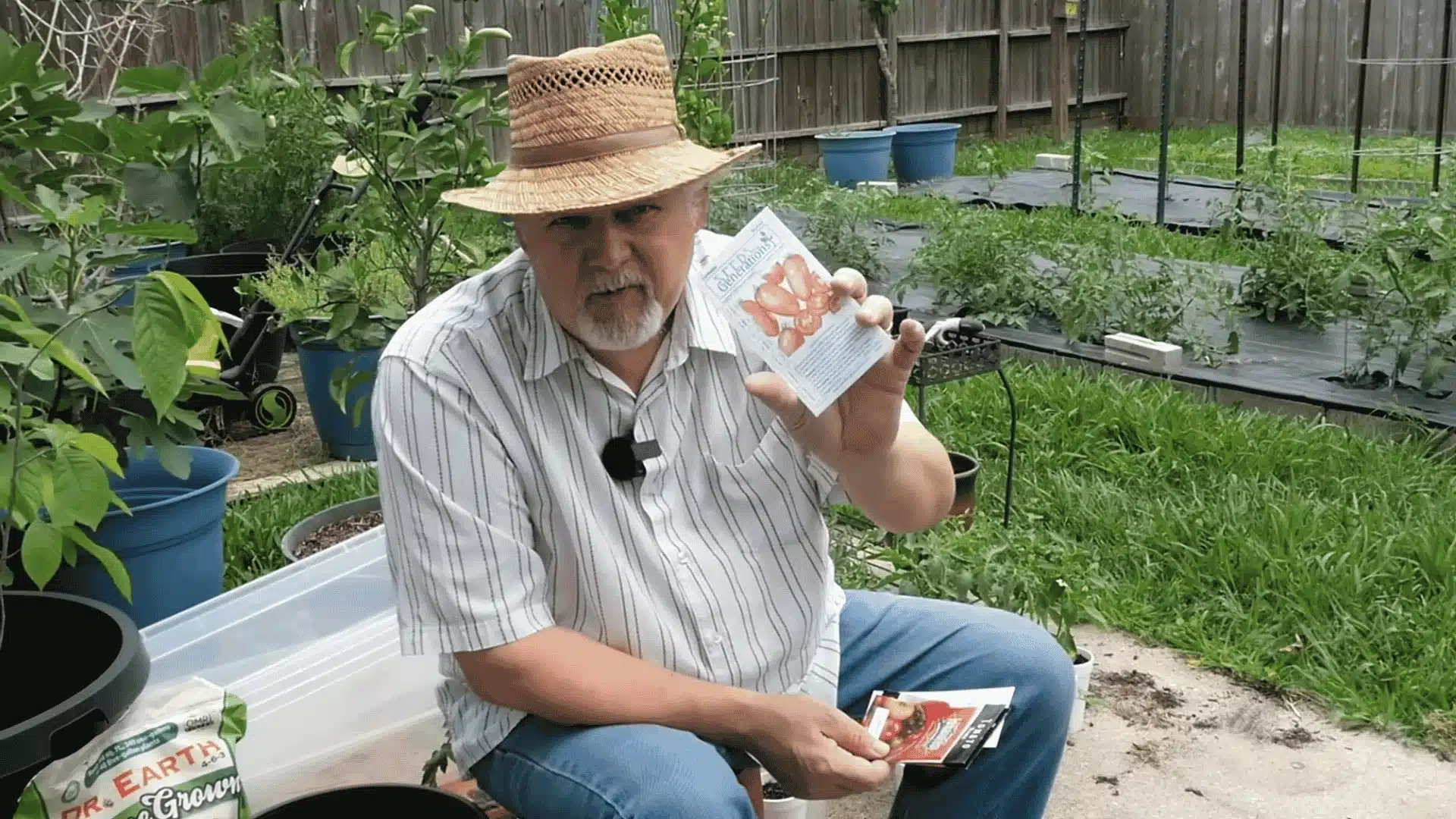
Don’t just pick a variety you like the taste of; pick one that suits where you live. In hot climates, look for heat-tolerant varieties like Juliet or Everglades.
In cooler northern zones, look for cold-hardy types. Check the seed packet or look up your variety online before buying.
Step 2: Pick a Healthy Transplant and the Right Pot
At the garden center, skip the big plants that already have fruit on them; a plant fruiting in a small cup is stressed. Choose a small, dark green transplant with no flowers yet.
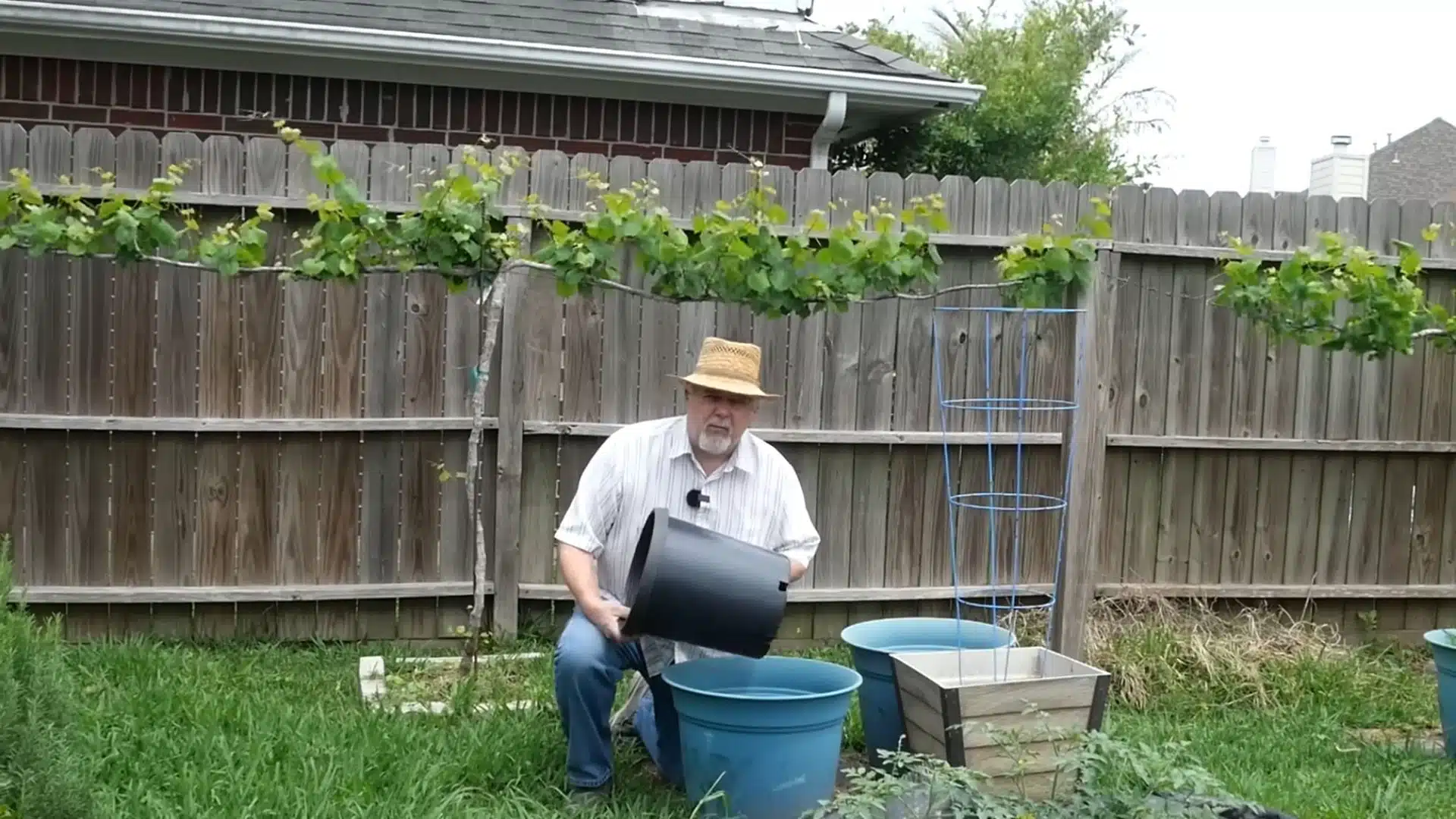
For the pot, use a minimum of 5 gallons for dwarf varieties and 10 to 15 gallons for standard types. Drainage holes are non-negotiable; drill them in if needed.
Step 3: Fill With Potting Mix and Plant Deeply
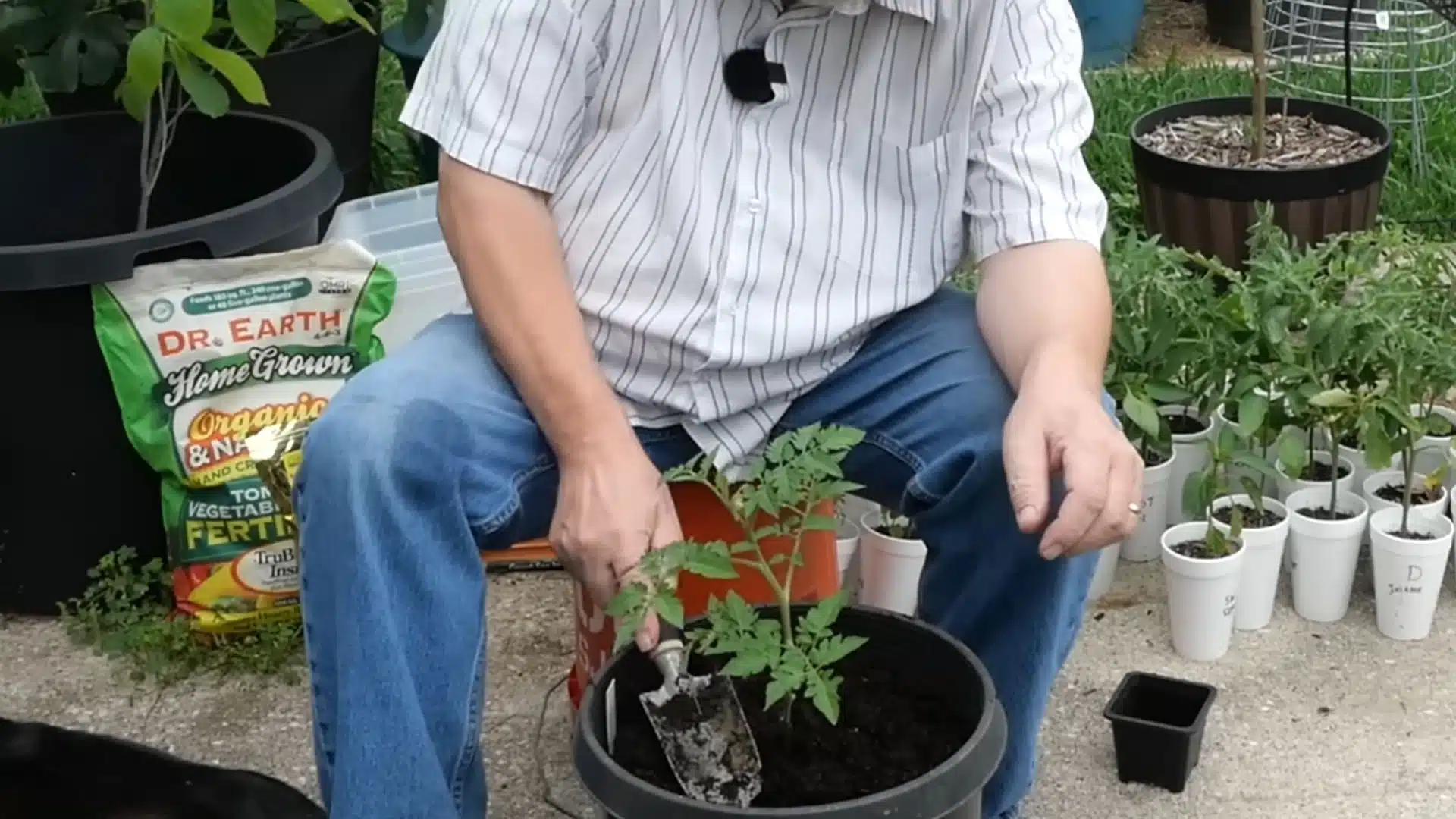
Use a potting mix made specifically for containers, not garden soil or topsoil, both of which hold water like concrete. Pinch off the lower leaves and bury the stem deeper than it sat in its original pot, up to the first set of true leaves.
The buried stem grows new roots along its length, giving you a stronger, more resilient plant. Add a slow-release fertilizer into the hole before dropping the plant in.
Step 4: Water in and Place in Full Sun
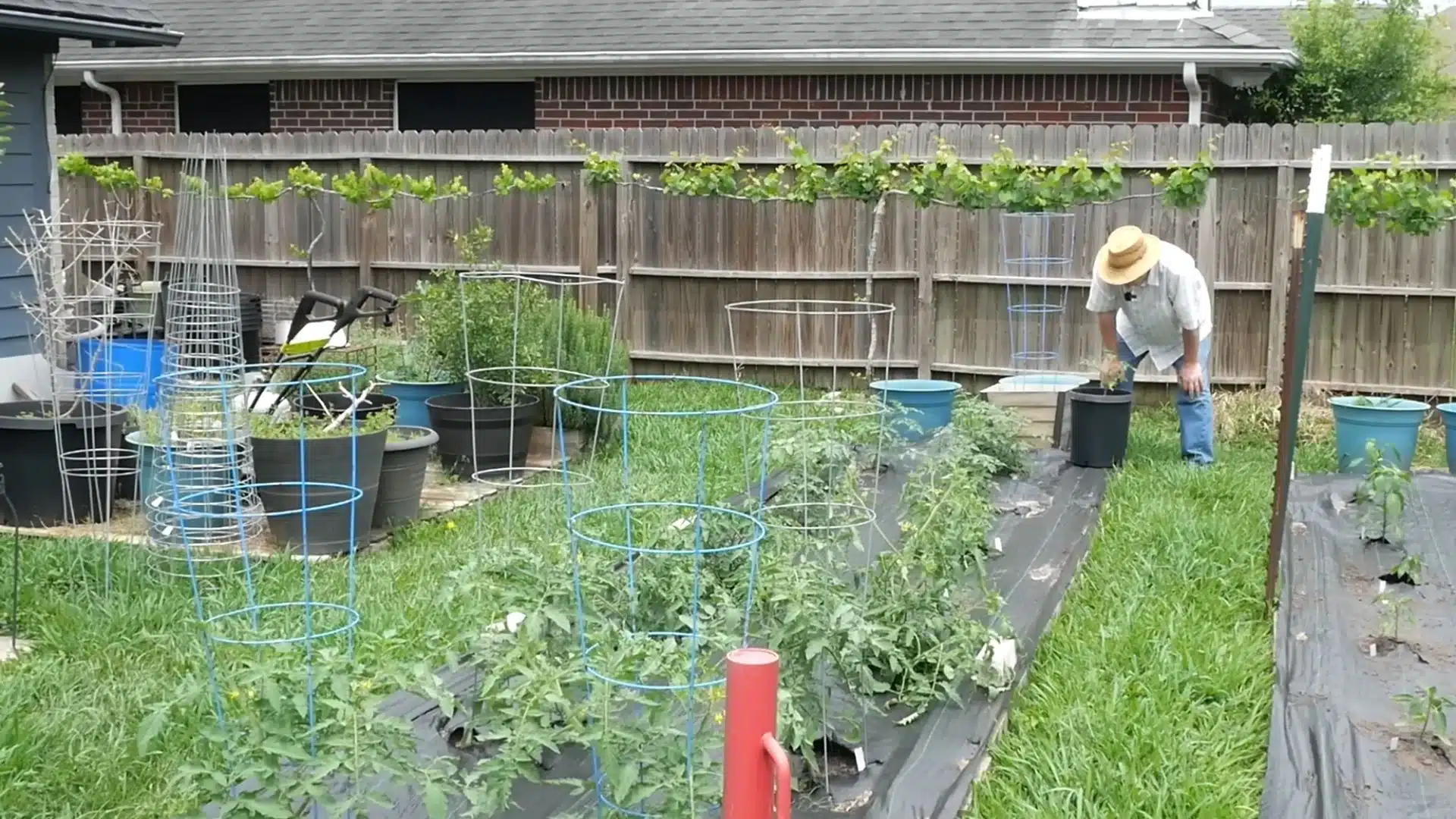
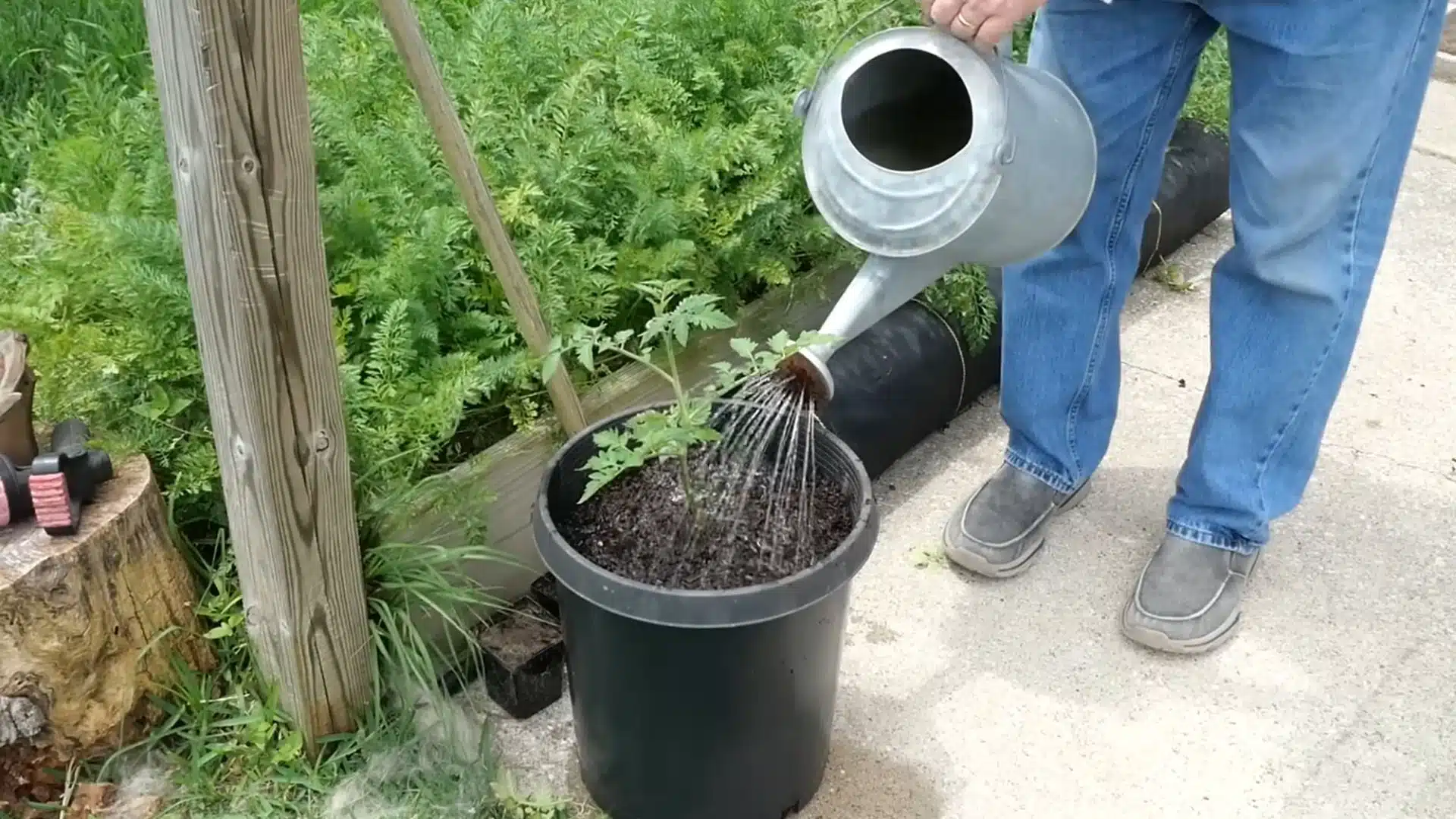
Water thoroughly right after planting, then find the sunniest spot you have. Tomatoes need as much direct sun as possible; low light means slow growth and poor fruit set.
In warm weather, container tomatoes may need watering every single day. Push your finger an inch into the soil; if it feels dry, water now.
Step 5: Feed Weekly and Watch Leaf Color
Add a small amount of liquid fertilizer to your watering once a week. The pot can’t replace nutrients on its own, so the plant depends entirely on what you give it.
Dark green leaves mean the plant is happy. Light green or yellow means it needs feeding; don’t wait for it to get worse.
Step 6: Prune, Top, and Check Daily
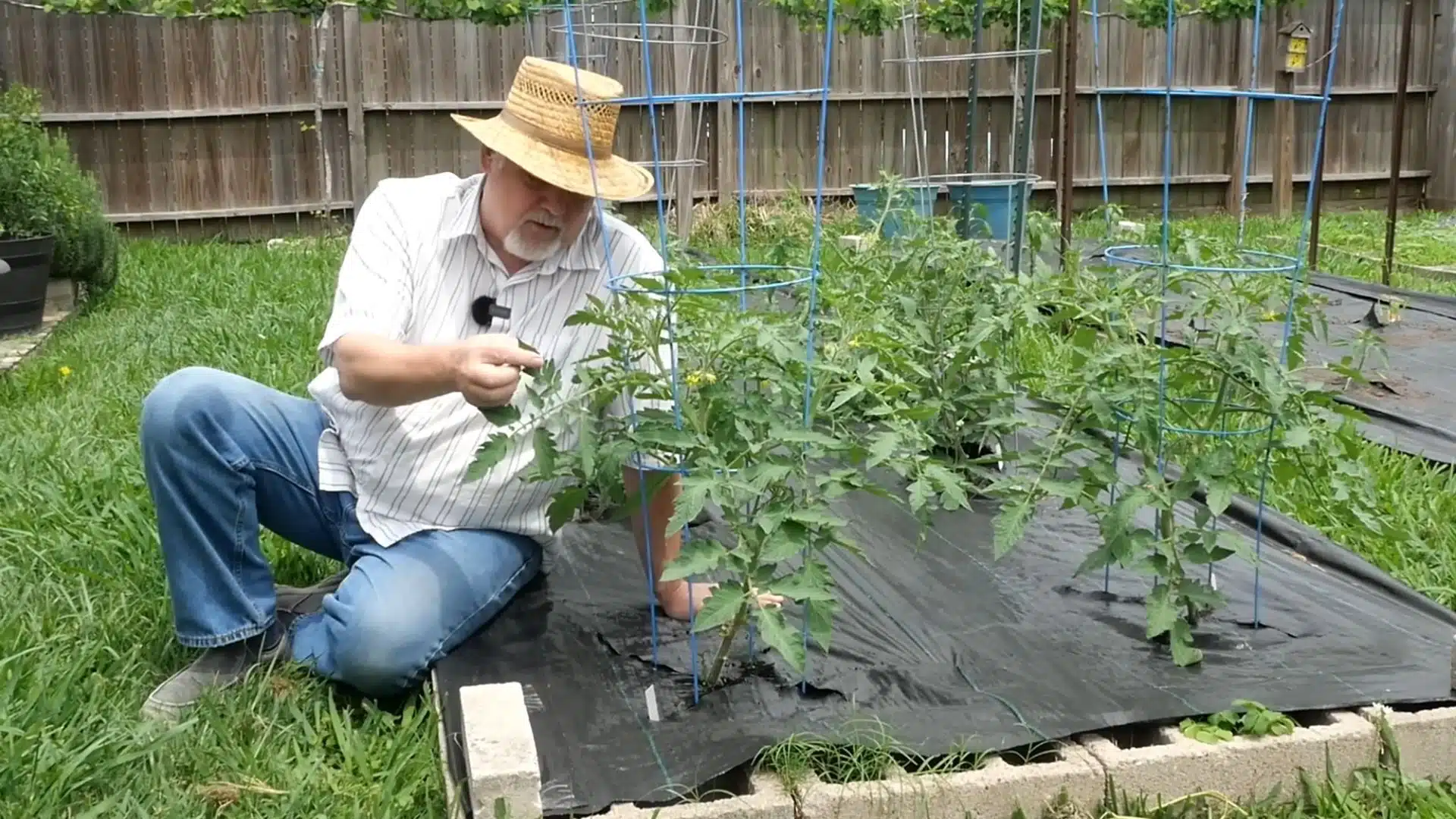
For indeterminate varieties, prune to keep the plant at a manageable height and stop leaves from touching the soil.
Once it reaches the height you want, cut the growing tip to redirect energy into fruit. Visit your plant every day, as tomatoes attract pests and disease quickly, and catching problems early makes them easy to fix.
For a complete walkthrough of the process, check out hte complete video tutorial below:
Common Mistakes to Avoid when Growing Tomatoes in Pots
Small errors early in the season tend to compound quickly with container tomatoes. These are the ones worth knowing before you start.
- Using garden soil in a pot: It compacts, drains poorly, and suffocates roots. Always use a potting mix made specifically for containers.
- Choosing a pot that’s too small: Undersized containers limit root growth and dry out fast. When in doubt, go bigger; a 15-gallon pot will always outperform a 5-gallon one.
- Watering inconsistently: Skipping days feels harmless, but can cause blossom-end rot. By the time you see it on the fruit, the damage is already done.
- Buying a stressed transplant: The big plant with fruit already on it looks like a head start, but it isn’t. Choose a small, dark green transplant with no flowers yet.
- Forgetting to feed regularly: A container plant can’t forage for nutrients on its own. Miss enough feedings, and you’ll see it in yellowing leaves and poor fruit development.
These aren’t hard rules to follow; they’re just easy to overlook the first time around. Get these right, and most problems won’t show up at all.
Wrapping Up
A productive container tomato starts with a few decisions made before anything goes into the soil, variety, pot size, and planting depth chief among them.
Getting those fundamentals right removes most of the problems that show up mid-season and makes the rest of the process far more straightforward.
The difference between a struggling plant and a productive one almost always comes down to consistency in watering, feeding, and daily check-ins.
Take it step by step, and growing tomatoes in pots turns out to be a lot simpler than you’d expect. Nail the container choice upfront, and everything else tends to follow naturally.
Frequently Asked Questions
How long do tomatoes take to produce fruit when grown in pots?
Most container tomatoes begin producing fruit 60 to 80 days after transplanting, depending on the variety. Determinate types ripen all at once within a concentrated window. Indeterminate types produce continuously until frost. Starting with a healthy transplant rather than a seed adds roughly 4 to 6 weeks to that timeline.
Should I water container tomatoes every day?
It depends on the container size, temperature, and the plant’s establishment. A better rule than a fixed schedule is to push your finger an inch into the soil; if it feels dry, water now. In peak summer heat, that may mean once or twice daily. In cooler weather, every two to three days is often enough.
Can I reuse potting mix from last season?
Old potting mix is compacted, nutrient-depleted, and may carry disease from the previous plant. If reusing is necessary, mix it with fresh potting mix at no more than 50/50 and add a slow-release fertilizer before planting. Don’t use it straight from the previous season without amendment.
What is the minimum pot size for a tomato plant?
The functional minimum is 10 gallons for most standard varieties and 5 gallons for dwarf or patio types only. Below the right size for your variety, the plant becomes root-bound, dries out quickly in warm weather, and can’t sustain fruit development regardless of how often you water.