




Growing a new lawn takes patience, and the first question most people ask is how long grass seed actually takes to sprout.
It’s easy to worry when you don’t see green shoots right away, so this guide breaks everything down in a simple way.
I’ll help you understand what’s normal, what affects germination, and how to speed things up so your lawn fills in strong and healthy.
Quick Answer: Grass Seed Germination Time
Most grass seeds sprout somewhere between 5 and 30 days, but the exact timing depends on the type of grass and the conditions in your yard. Some varieties pop up fast, while others take a little more patience.
The key is keeping the soil warm, moist, and prepared well so the seeds can start growing.
How Grass Seed Germination Works
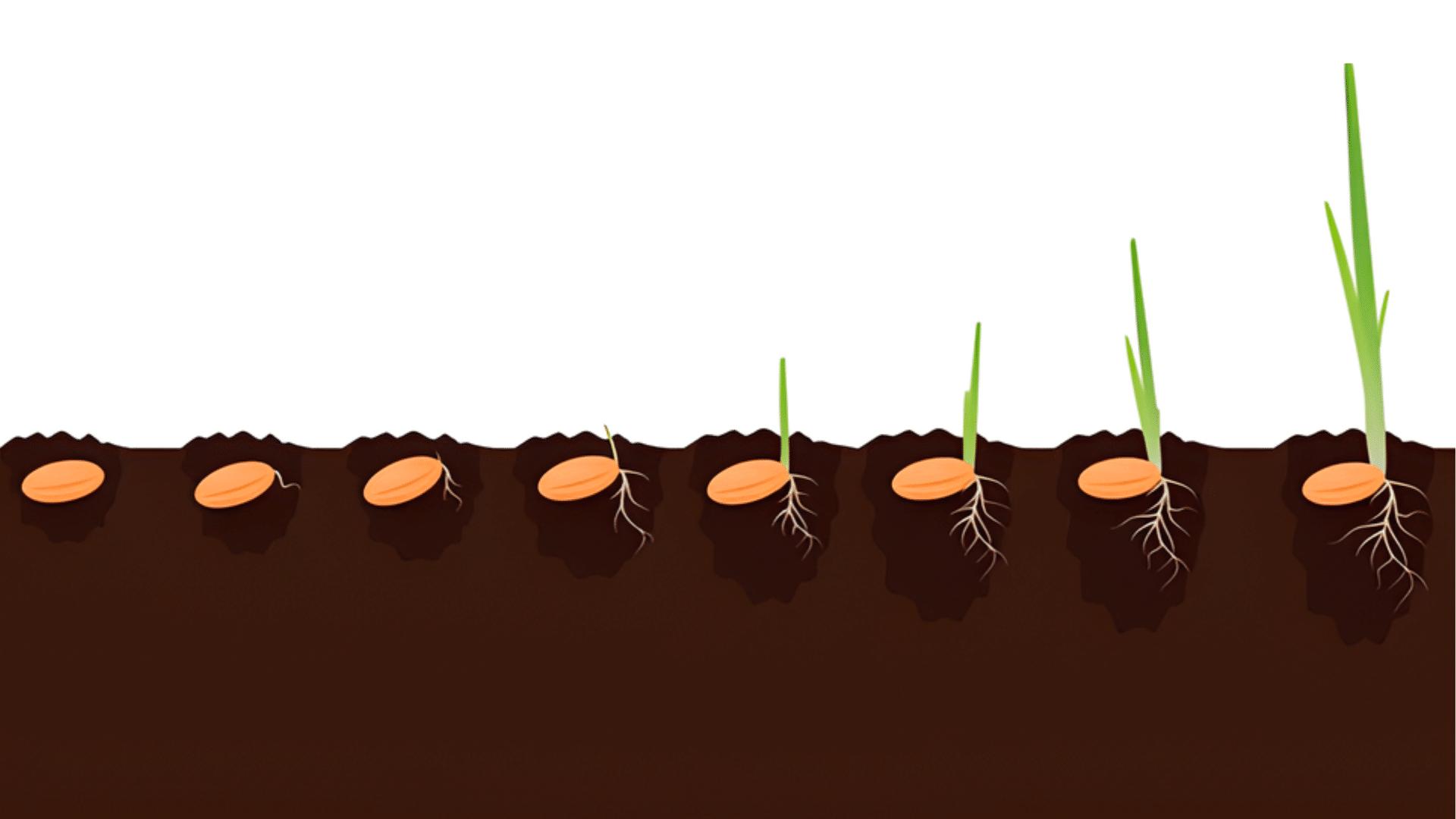
Grass seed goes through a few simple stages before you see those first green blades. Understanding each step helps you know what’s happening under the soil and why patience matters.
Stage 1: Water Uptake (Imbibition)
This is the very first step after you water your newly seeded lawn. The dry seed absorbs moisture and begins to swell. This moisture “wakes up” the seed and prepares it for growth.
Even though nothing is visible yet, the seed is getting ready to activate. During this time, the soil must stay evenly moist, or the process can stall before it even begins.
Stage 2: Activation and Root Sprout
Once the seed has enough water, it starts to activate inside. The first tiny root, called the radicle, pushes out and anchors the seed into the soil.
This is a delicate stage, and consistent moisture is important so the young root doesn’t dry out. The seed also needs air in the soil, so loose, well-prepped ground helps this step happen smoothly.
Stage 3: First Green Shoots
After the root is set, the shoot begins to grow upward toward the surface. This is when you finally see thin green blades breaking through the soil.
The plant uses its stored energy to push up, so any stress, like dryness or heat, can slow it down. Once shoots appear, steady watering and gentle care help them thicken and strengthen.
Grass Seed Germination Time Chart By Grass Type
Different grass types sprout at different speeds, so it’s helpful to know what’s normal before you start watching for growth.
| Grass Type | Category | Typical Germination Time |
|---|---|---|
| Perennial Ryegrass | Cool-Season | 5–10 days |
| Tall Fescue | Cool-Season | 7–21 days |
| Fine Fescue | Cool-Season | 7–14 days |
| Kentucky Bluegrass | Cool-Season | 14–30 days |
| Bermuda Grass | Warm-Season | 7–14 days |
| Zoysia Grass | Warm-Season | 14–21+ days |
| Buffalograss | Warm-Season | 10–21+ days |
These timelines help you know what to expect, so you can decide whether your grass is on track or just needs a little more time.
Key Factors That Affect Grass Seed Germination Time
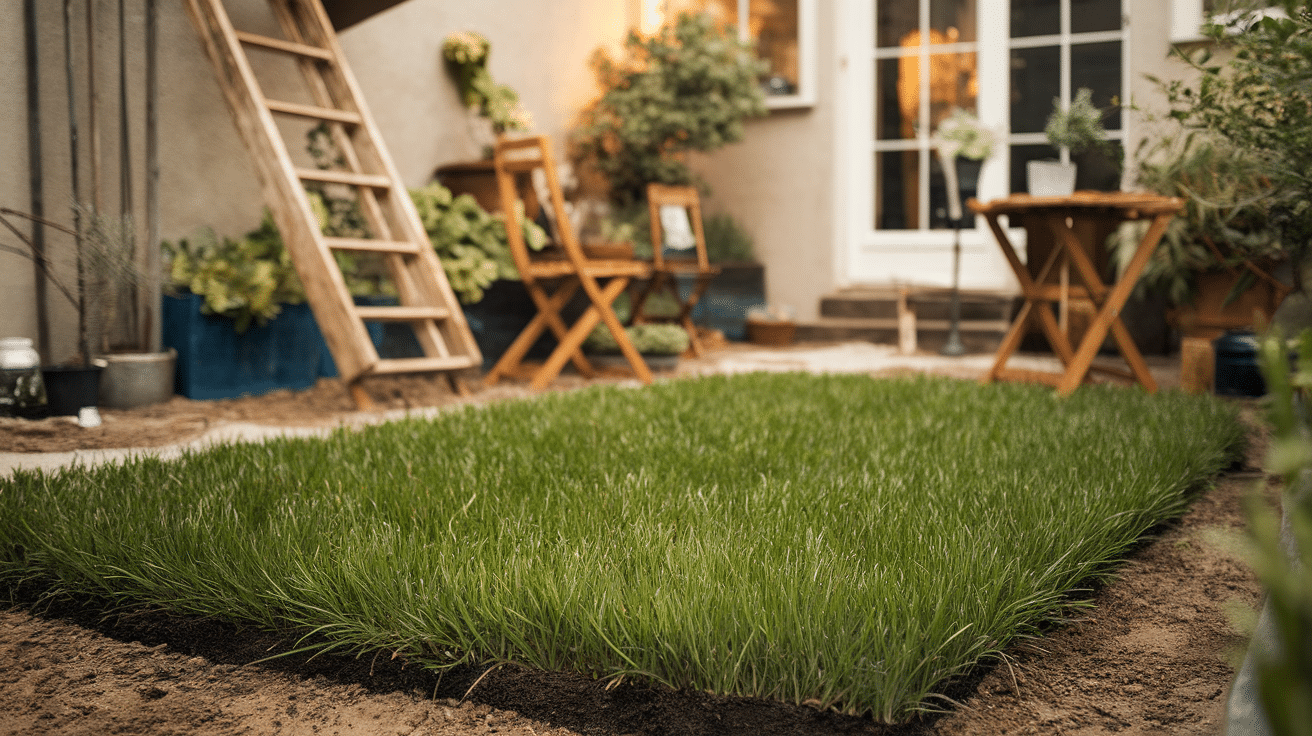
Grass seed doesn’t sprout on the same schedule for everyone, and a few key things can speed it up or slow it down. Understanding these factors helps you create the best conditions for fast and healthy growth.
1. Soil Temperature (The Biggest Factor)
Grass seed needs the right soil temperature to wake up and grow. Cool-season grasses sprout best when the soil is between 50–65°F, while warm-season grasses like 65–80°F. If the soil is too cold or too hot, germination slows down or stops.
2. Water and Moisture
Consistent moisture is one of the most important parts of germination. The top layer of soil should stay evenly damp but not muddy, especially during the first couple of weeks. If the soil dries out, the seed may stop growing and start the process over.
3. Seed-to-Soil Contact
Seeds won’t grow well if they aren’t touching the soil. Good contact helps the seed stay moist and allows the root to anchor quickly. You can improve contact by lightly raking the area or pressing the seeds down after spreading. Without this, seeds may sit on top and struggle to sprout.
3. Soil Quality and Compaction
Healthy soil makes it easier for new roots to grow. Compacted or hard soil slows germination because roots can’t push through. Loosening the top few inches and adding organic matter helps create a softer, healthier base.
4. Seed Quality and Age
Not all grass seed is equal, and older seed can take longer to sprout – or may not sprout at all. Always check the germination test date on the bag to make sure the seed is fresh. High-quality seed blends also tend to grow more evenly.
How Long Until You See a Green Lawn?
Grass takes time to fill in, and the first few weeks can look slow or patchy.
Most lawns start showing green within the first couple of weeks, but each type of grass follows its own pace. Knowing the normal timeline helps you avoid stressing over slow growth.
Week-by-Week Timeline
| Timeline | What You’ll Usually See |
|---|---|
| Days 0–2 | Seeds absorb water underground; no visible growth yet. |
| Days 3–7 | Fast types like ryegrass may show tiny shoots. |
| Days 8–14 | More even green coverage; thin blades across the yard. |
| Days 15–30 | Slow types finally sprout; the lawn still looks soft and young. |
| After Day 30 | Growth should be noticeable; if not, conditions may need adjusting. |
This timeline gives you a simple way to track your lawn’s progress. With steady watering and patience, each week brings your yard closer to a full, healthy green.
How to Speed Up Grass Seed Germination
If you want your grass to sprout faster, the right setup makes a big difference. Small steps in soil prep, watering, and timing can help seeds grow more quickly and evenly.
- Choose the right seed for your climate
- Plant during the best season for your grass type
- Loosen and prepare the soil before seeding
- Keep the top layer of soil evenly moist
- Use light, frequent watering during the early stages
- Protect new seeds from heavy foot traffic and pets
- Add a thin mulch layer on slopes to prevent washout
- Make sure seeds have good contact with the soil
These small changes can help your lawn sprout sooner and grow stronger from the start.
When Can You Mow, Fertilize, and Use The Lawn?
New grass needs time to settle in before you start mowing or walking on it. The blades and roots are still developing, so giving them space helps the lawn grow thick and healthy.
- Mowing: You can mow once the grass reaches about 3 inches tall. Make sure the mower blades are sharp, and only cut off the top third of the grass. This keeps young plants from getting stressed.
- Fertilizing: Starter fertilizer is usually best applied at planting or a few weeks after sprouts appear. Once the grass is growing well, you can switch to regular feedings during the season.
- Using the lawn: Light foot traffic is fine after a few weeks, but full use should wait until the lawn has grown a deeper root system. This often takes a couple of months, depending on the grass type and conditions.
Conclusion
Growing a new lawn takes patience, but knowing how long grass seed needs to sprout makes the whole process less stressful.
Most seeds germinate within 5 to 30 days, and each week brings small changes that add up to a healthy yard.
Give your lawn time, keep the soil moist, and avoid rushing the first mow. With the right care, your grass will thicken, fill in, and become the yard you pictured.
If you found this guide helpful, feel free to save it for later or share it with someone starting their own lawn project.